


LenderDock provides real-time, insurance policy details through its magical web portal or its APIs.

LIENSure sends corrections digitally, straight from the financial source of truth and in bulk for easy processing.

ESCROWPay verifies what’s actually due before the money moves, then sends the payment and reconciliation data digitally.

NOTiFi delivers required policy, coverage, and billing notices in the formats lienholders actually use
At least check out the genesis of LenderDock Video. It’ll all make sense, the eco-system, that is.
Learn more about our great leadership team and our amazing, people-first, company culture.
There’s a lot going on at LenderDock and in our industries. We threw it all here to make it easier to keep up.
We go to a lot of events and we love to eat. See our calendar of where we’ll be.
New webinars will be coming quite frequently. Educational, success, and sales.




Two insurers can each have perfectly accurate, well-maintained policy databases and still fail to exchange a single piece of usable data between them.
Read article
Every single day, insurance workers face a mountain of simple questions. Are they tired of answering the same questions about policy coverage all day long? Yes, they are. When banks or lenders need to check an insurance policy, they usually call on the phone, send an email, or even use a fax machine. This old way of doing things is a huge problem. It takes forever and wastes a lot of time and money. Imagine trying to do your main job, but the phone rings every five minutes with someone asking the exact same question. That is what insurance teams deal with, and they are tired of this manual work.
Read articleA title company closing a home sale needs to confirm the seller's policy is active before the deal can move. An auto lender needs the same thing before releasing funds on a car loan. A mortgage servicer needs it before an escrow payment goes out. None of these are complicated questions. Is this policy in force, yes or no? And in a lot of cases, the answer still comes from a person picking up a phone.
Read article
Most people who take out a mortgage never think about insurance as part of the loan itself. It feels adjacent, a separate purchase, something the lender requires but does not really participate in beyond checking a box at closing. In practice, the insurance policy and the mortgage are tied together by a set of mechanisms that most borrowers never see and never need to, right up until something goes wrong. That is probably the clearest sign that the system is working. Infrastructure tends to be invisible exactly when it is doing its job.
Read article
Mortgagee corrections are a routine part of insurance servicing, but the process behind them is often anything but simple. A lender may find that the mortgagee’s name or address on a policy is out of date and send a correction request to the insurance provider. For many carriers, that still means paper mail, manual data entry, and someone on the team reviewing the request.
Read article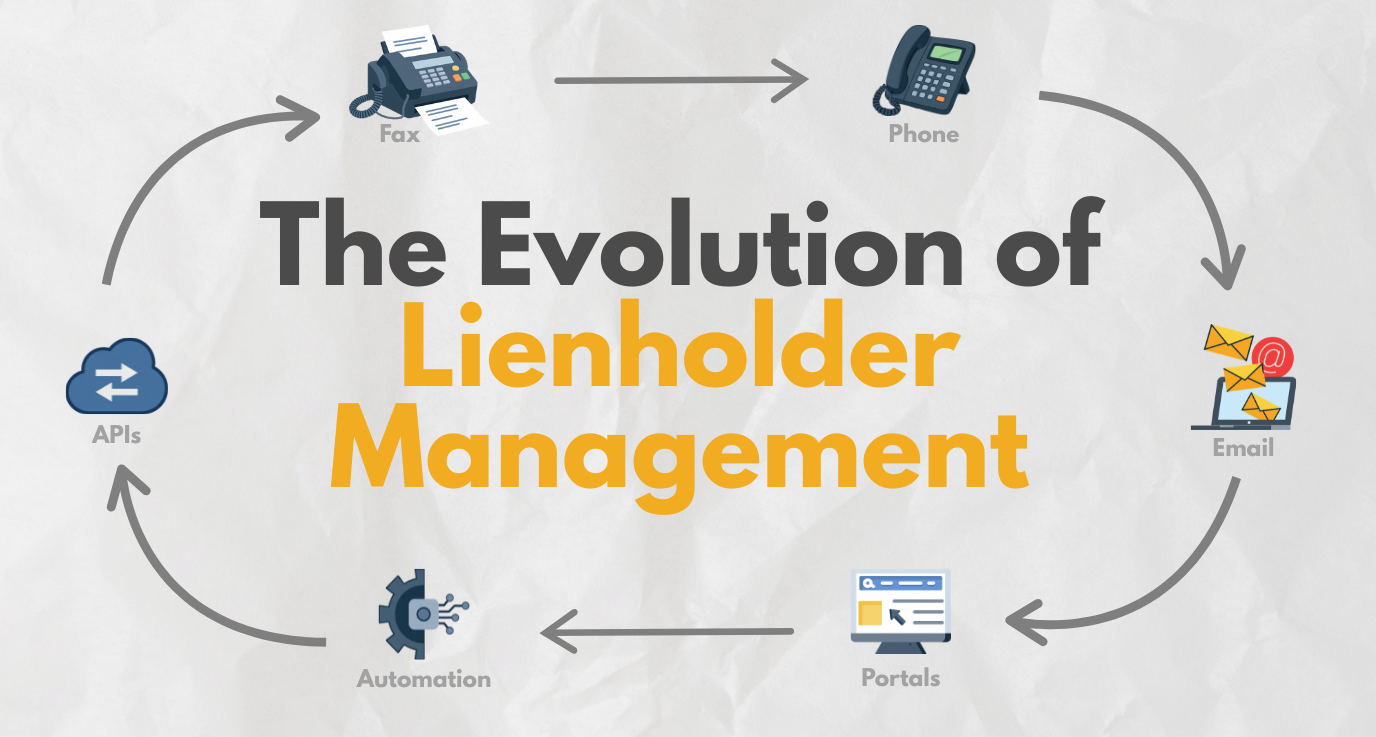
The relationship between insurers and mortgage lenders has always required a paper trail. When a homeowner takes out a mortgage, the lender becomes a named party on the insurance policy, with a direct financial interest in the property staying covered for the life of the loan.
Read article