From Policy Change to Action: Why Timing Matters in Insurance
We’ve heard people in mortgage servicing use verification and tracking as if they’re interchangeable, and honestly, for a lot of daily work, treating them that way doesn’t break anything.


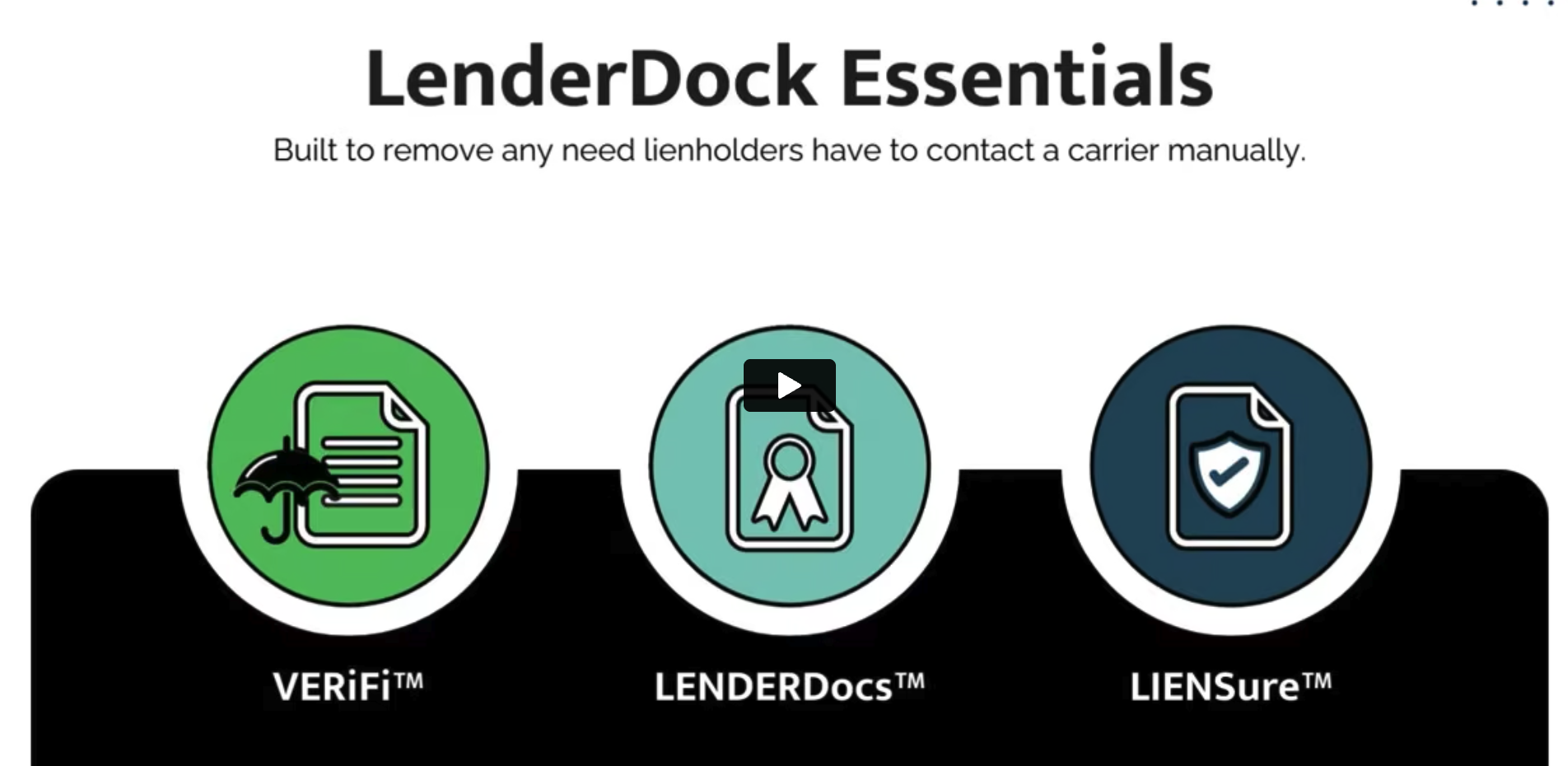
LenderDock provides real-time, insurance policy details through its magical web portal or its APIs.

LIENSure sends corrections digitally, straight from the financial source of truth and in bulk for easy processing.

ESCROWPay verifies what’s actually due before the money moves, then sends the payment and reconciliation data digitally.

NOTiFi delivers required policy, coverage, and billing notices in the formats lienholders actually use
At least check out the genesis of LenderDock Video. It’ll all make sense, the eco-system, that is.
Learn more about our great leadership team and our amazing, people-first, company culture.
There’s a lot going on at LenderDock and in our industries. We threw it all here to make it easier to keep up.
We go to a lot of events and we love to eat. See our calendar of where we’ll be.
New webinars will be coming quite frequently. Educational, success, and sales.
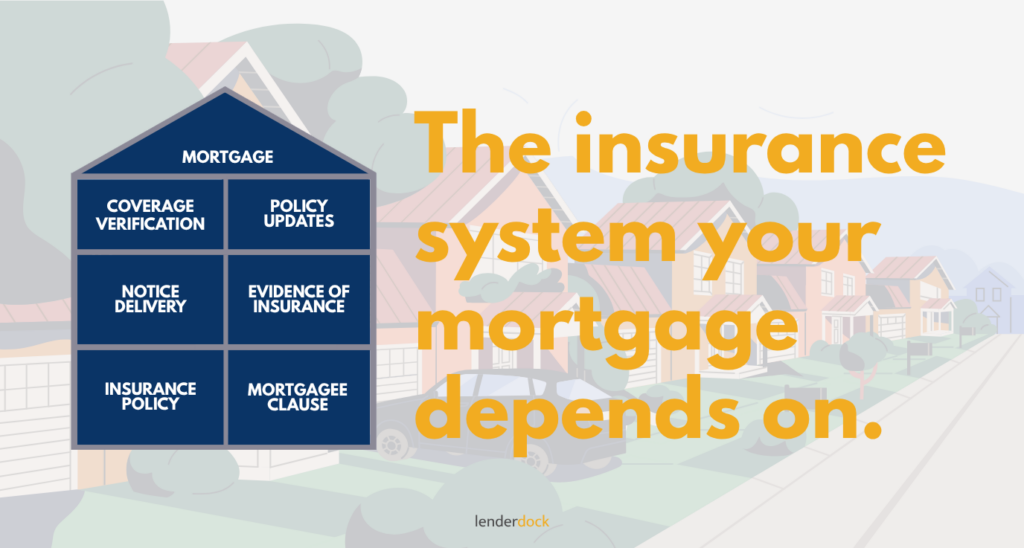
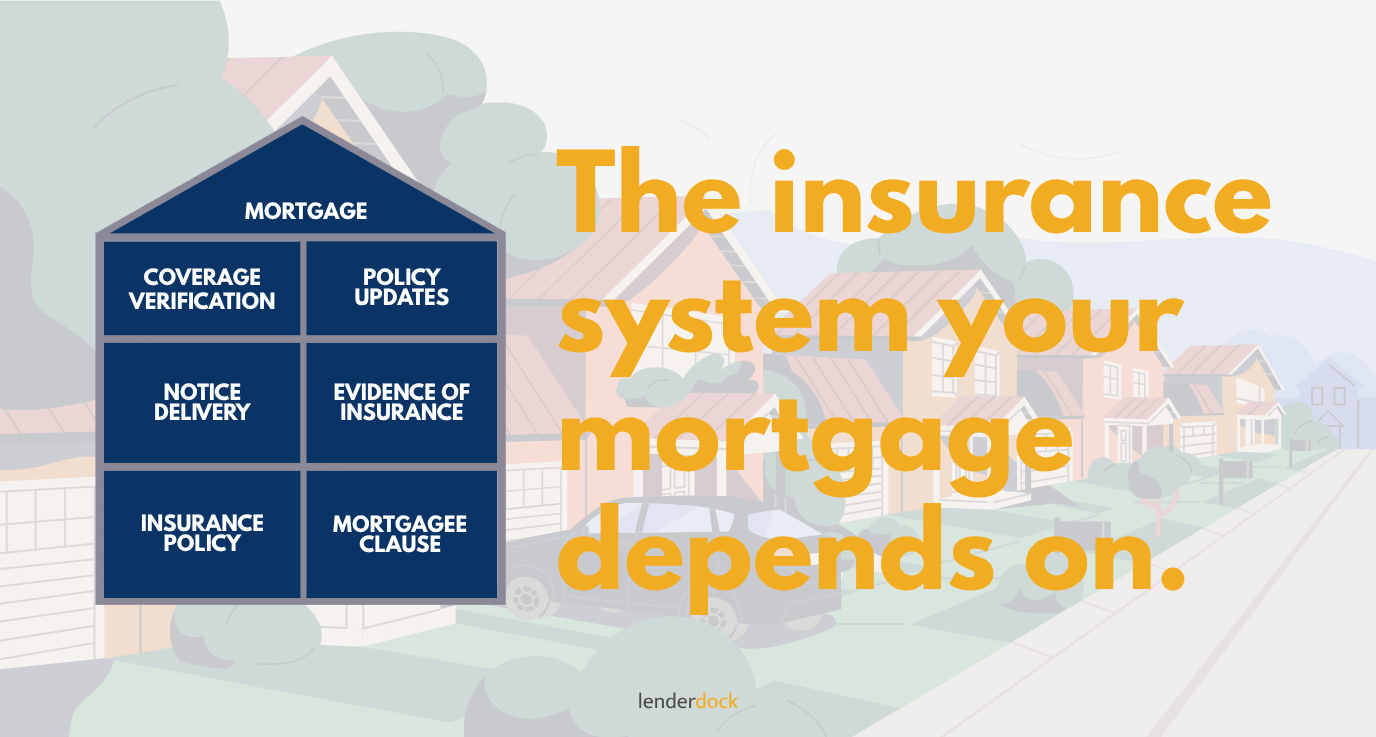
Most people who take out a mortgage never think about insurance as part of the loan itself.
It feels adjacent, a separate purchase, something the lender requires but does not really participate in beyond checking a box at closing. In practice, the insurance policy and the mortgage are tied together by a set of mechanisms that most borrowers never see and never need to, right up until something goes wrong.
That is probably the clearest sign that the system is working. Infrastructure tends to be invisible exactly when it is doing its job.
Buried in most homeowners insurance policies is a provision called the mortgagee clause, a few lines of language that give the lender standing in the insurance relationship even though the lender is not the one paying the premium or living in the house.
The clause does something specific: it protects the lender’s interest in the property independently of what happens with the borrower.
This matters a lot. Without it, a lender’s collateral would be exposed any time a borrower’s own actions (missed payments, a misrepresentation on the application, or a policy voided for reasons that have nothing to do with the property itself) put the underlying coverage at risk.
The mortgagee clause exists so that the lender’s protection does not collapse just because the borrower’s relationship with the insurer does. It is, in effect, a second and separate contract layered inside the first one, and almost nobody outside the industry knows it is there.
A mortgagee clause only means something if the lender can actually confirm that coverage exists and stays in force. That confirmation comes through evidence of insurance, typically a certificate or declarations page that gets generated at policy inception and again at each renewal.
This sounds like a formality, and for most of a loan’s life it is.
But the entire force-placed insurance apparatus (the expensive, borrower-unfriendly backup coverage that lenders purchase when they cannot confirm active insurance) exists because evidence of insurance sometimes fails to arrive or arrives late or, worse, gets lost somewhere between the carrier’s system and the servicer’s.
A document that is supposed to be routine becomes, when it goes missing, the trigger for one of the more disruptive things that can happen to a borrower’s monthly payment.
Insurance policies change. Coverage lapses, gets reinstated, gets modified, and gets cancelled. Every one of those events is supposed to generate a notice, and for the lienholder specifically, that notice is often a legal requirement rather than a courtesy.
The mechanics of notice delivery (who sends it, how fast, through what channel, and how the sender confirms it arrived) sit almost entirely outside the borrower’s view.
A borrower who misses a premium payment does not usually think about the fact that a notification is now legally required to go to their lender, on a timeline the insurer has to meet, through a process that may or may not actually reach the right desk at the servicer in time to matter.
When that process works, nothing happens that the borrower notices. When it does not, the borrower finds out through a force-placed premium or a confusing letter weeks after the fact.
A mortgage can run for fifteen, twenty, or thirty years. The insurance policy attached to it does not stay static for anywhere close to that long. Coverage limits get adjusted. Deductibles change. Insurers get switched. Endorsements get added for specific risks.
Every one of these updates has to reach the lender in some form, because the lender’s collateral protection depends on knowing what is actually covered, not what was covered when the loan closed.
This is where a lot of quiet drift happens. A borrower switches insurers to save money and assumes the transition is seamless. The old policy cancels, the new one takes effect, and somewhere in between, a lender’s system may briefly (or not so briefly) show no active coverage on file at all.
Nobody intended that gap. It exists because policy updates are still, in a meaningful number of cases, dependent on information moving correctly between systems that were not built to talk to each other in real time.
None of this is designed to be seen by the borrower, and in a well-functioning system, it never needs to be. The mortgagee clause protects the lender without the borrower doing anything, while evidence of insurance confirms coverage without the borrower being asked.
Notices flow to the right places on their own schedule and policy updates propagate quietly in the background.
The problem is that these processes are only invisible when they work. The moment any one of them fails—a stale certificate, a notice that arrives too late, an update that never propagated—the borrower is the one who feels it, usually through a bill they did not expect or a coverage question that surfaces at the worst possible time, during a claim.
The infrastructure connecting lenders and insurers was built, layer by layer, to keep the borrower out of a relationship they do not really need to manage themselves. Most of the time, it succeeds well enough that nobody thinks about it at all.
That is not the same as it being solved. It just means the failures are rare enough and distributed widely enough that most borrowers never happen to be standing in the spot where one lands.
We’ve heard people in mortgage servicing use verification and tracking as if they’re interchangeable, and honestly, for a lot of daily work, treating them that way doesn’t break anything.
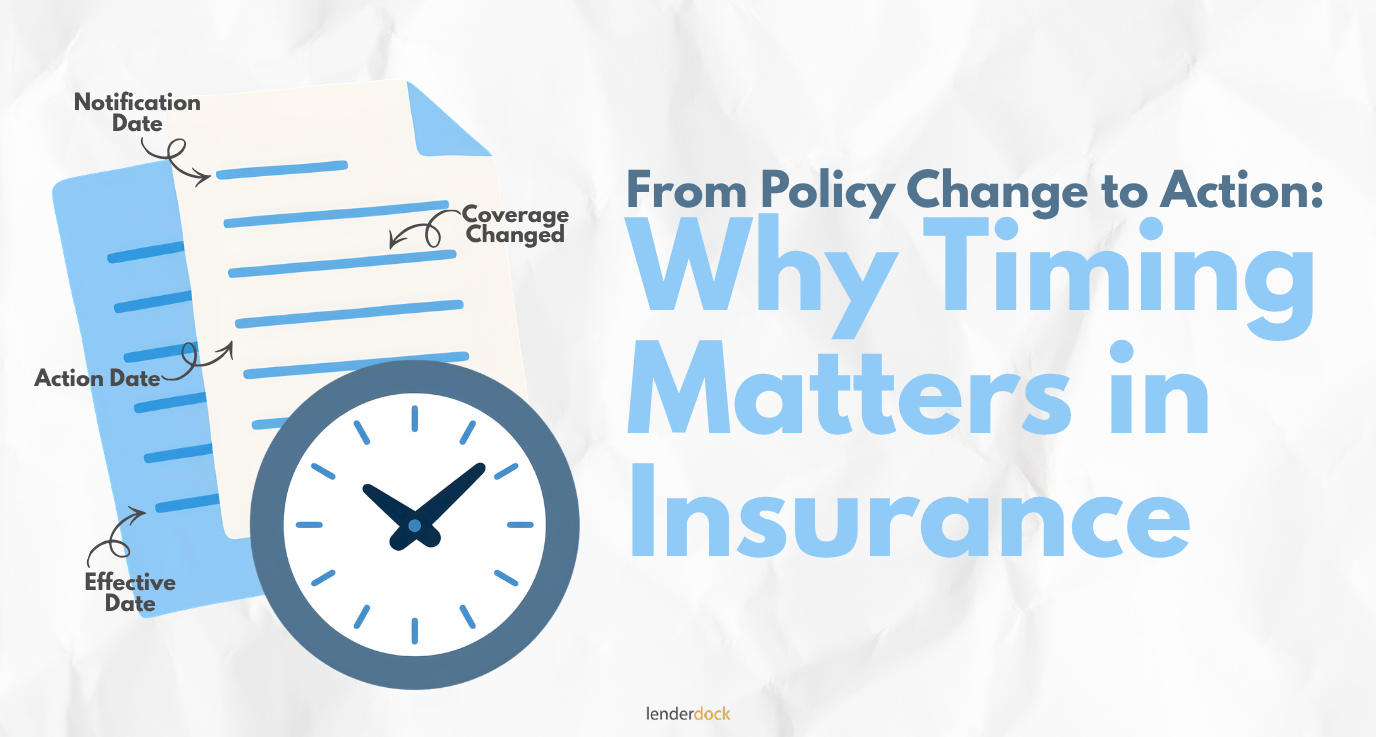
A two-day lag between a policy change and everyone finding out about it used to be annoying, not dangerous. Someone made a call, waited, got an answer, and moved on with their day.
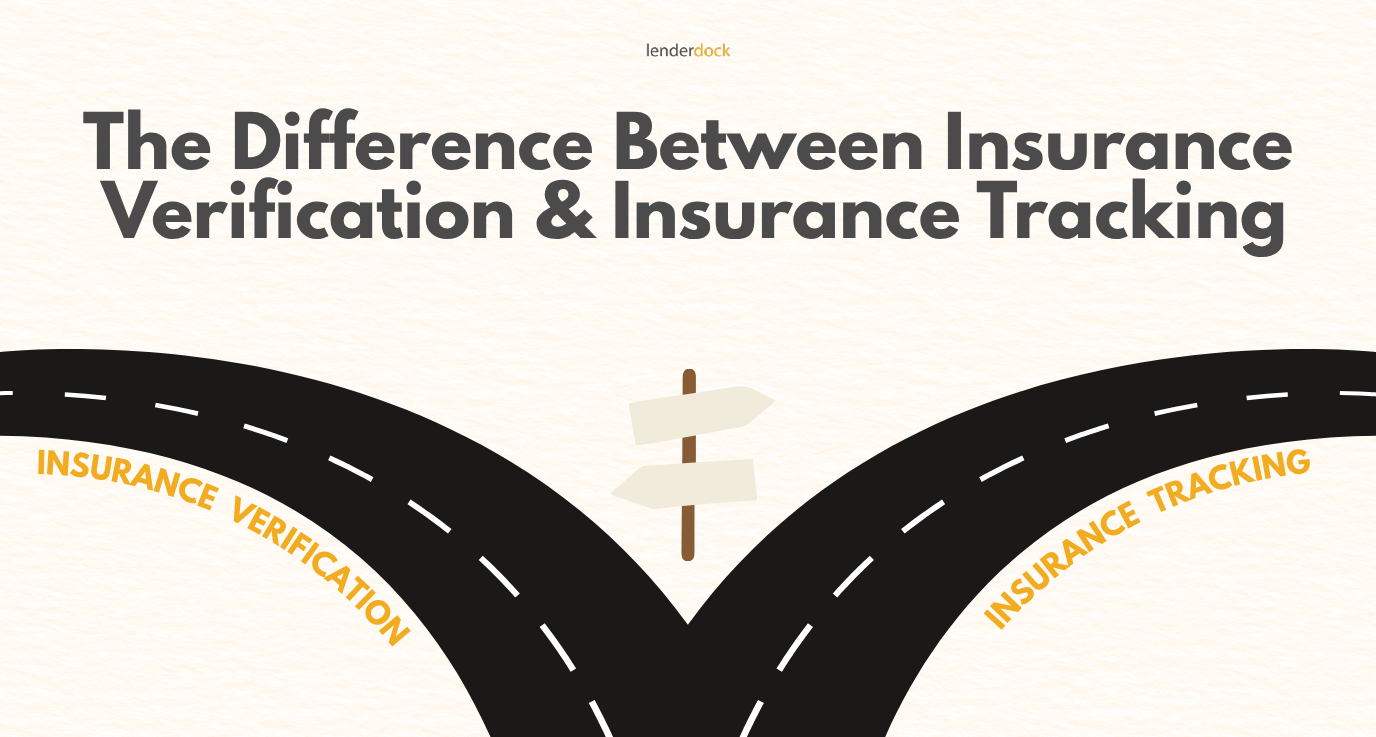
We’ve heard people in mortgage servicing use verification and tracking as if they’re interchangeable, and honestly, for a lot of daily work, treating them that way doesn’t break anything.
Insurance verification is a routine part of the lending and insurance process. A lender needs to know whether a policy is active. A mortgage servicer may need to confirm coverage or mortgagee information. An insurance…
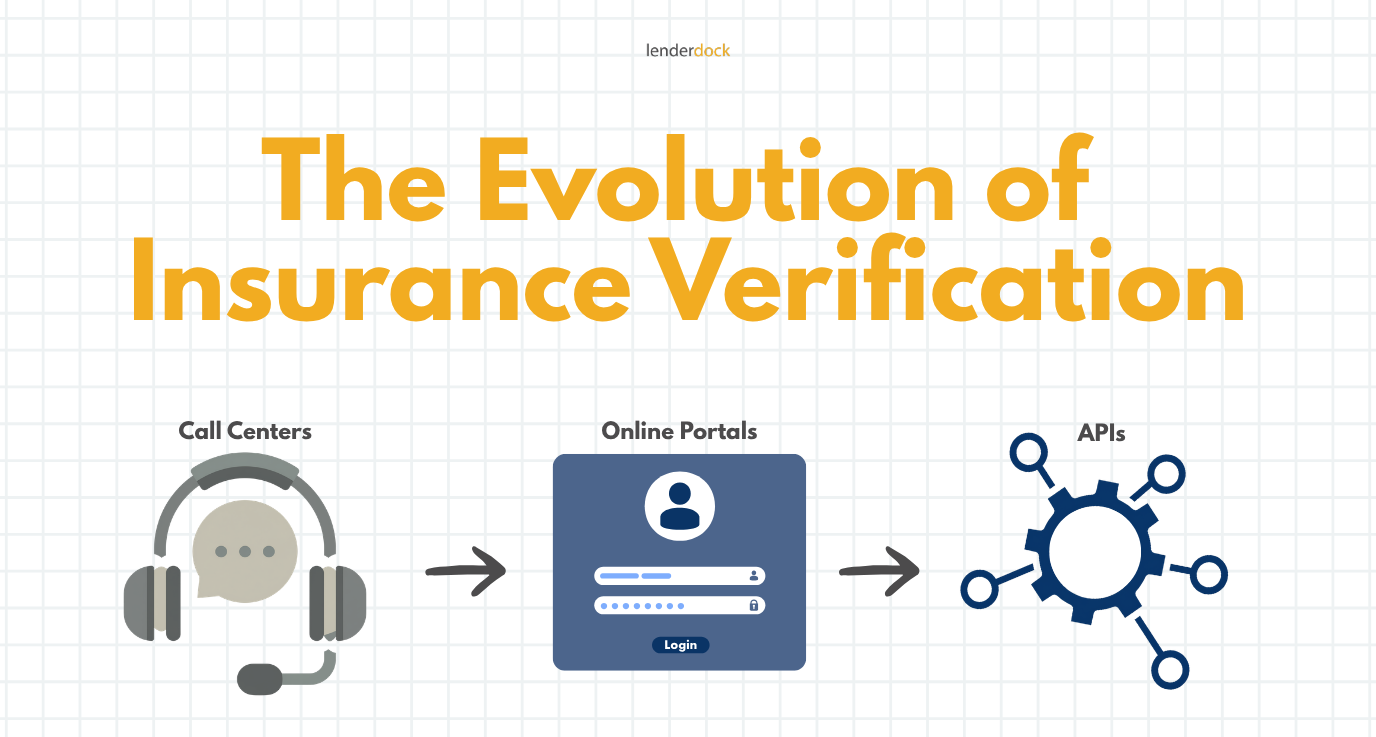
In the earliest version of insurance verification, the person answering the phone actually had to know things. They pulled a physical file, checked handwriting against a ledger, and made a judgment call about whether what…
Two insurers can each have perfectly accurate, well-maintained policy databases and still fail to exchange a single piece of usable data between them.
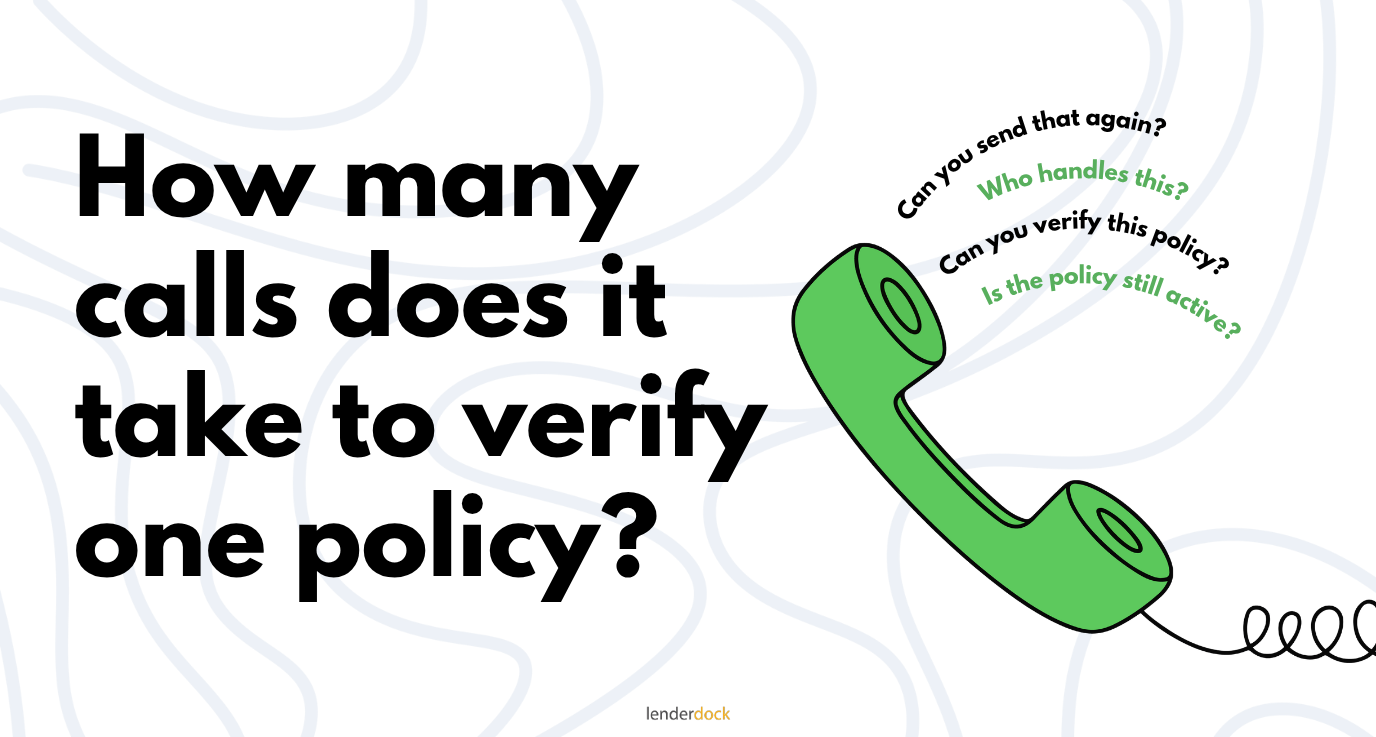
Every single day, insurance workers face a mountain of simple questions. Are they tired of answering the same questions about policy coverage all day long? Yes, they are. When banks or lenders need to check…
A title company closing a home sale needs to confirm the seller’s policy is active before the deal can move. An auto lender needs the same thing before releasing funds on a car loan. A…
Most people who take out a mortgage never think about insurance as part of the loan itself. It feels adjacent, a separate purchase, something the lender requires but does not really participate in beyond checking…
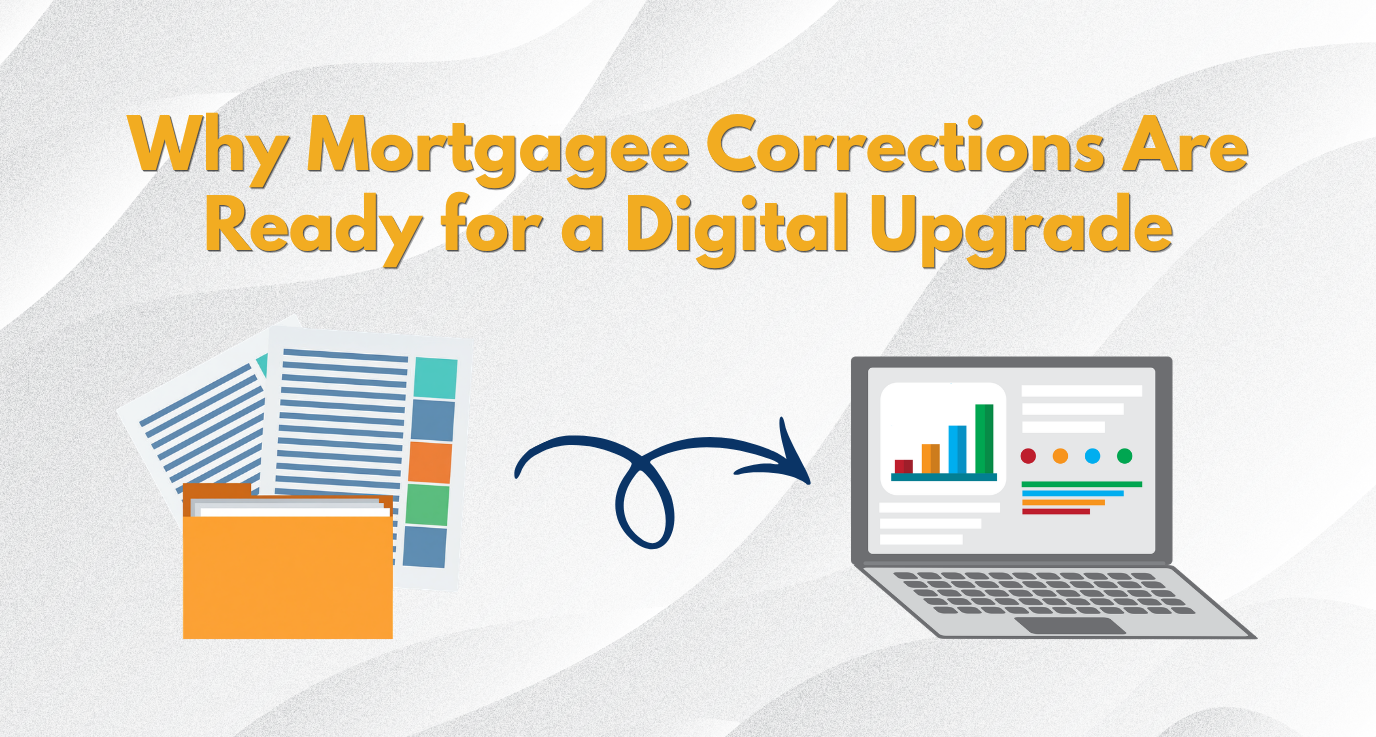
Mortgagee corrections are a routine part of insurance servicing, but the process behind them is often anything but simple. A lender may find that the mortgagee’s name or address on a policy is out of…


We consectetur adipiscing elit tempor incididunt ut labore. Wondering ipsum dolor sit amet? We consectetur adipiscing ipsum nulla glavrida elit tempor incididunt.