From Policy Change to Action: Why Timing Matters in Insurance
We’ve heard people in mortgage servicing use verification and tracking as if they’re interchangeable, and honestly, for a lot of daily work, treating them that way doesn’t break anything.


LenderDock provides real-time, insurance policy details through its magical web portal or its APIs.

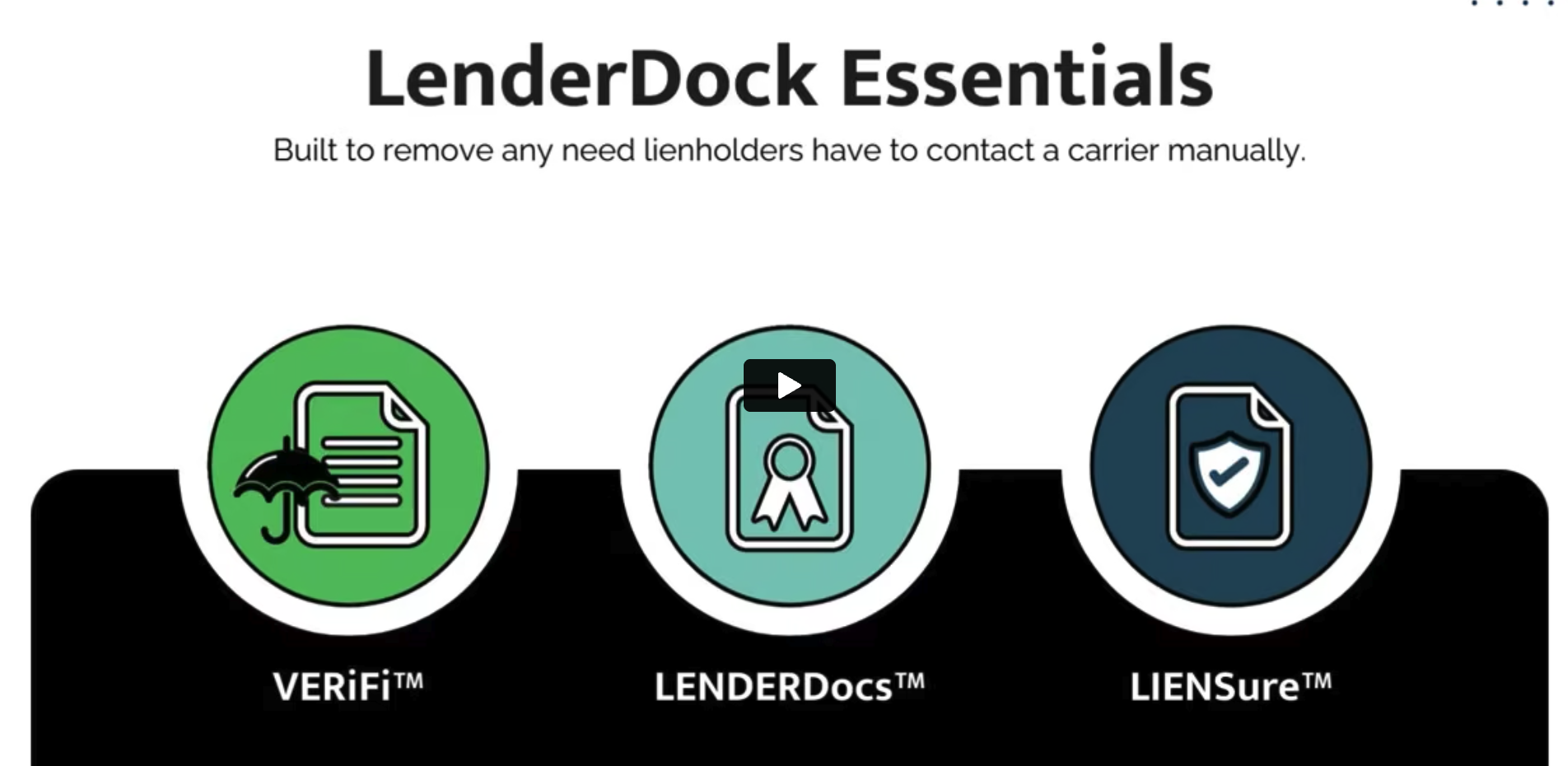
LIENSure sends corrections digitally, straight from the financial source of truth and in bulk for easy processing.

ESCROWPay verifies what’s actually due before the money moves, then sends the payment and reconciliation data digitally.

NOTiFi delivers required policy, coverage, and billing notices in the formats lienholders actually use
At least check out the genesis of LenderDock Video. It’ll all make sense, the eco-system, that is.
Learn more about our great leadership team and our amazing, people-first, company culture.
There’s a lot going on at LenderDock and in our industries. We threw it all here to make it easier to keep up.
We go to a lot of events and we love to eat. See our calendar of where we’ll be.
New webinars will be coming quite frequently. Educational, success, and sales.
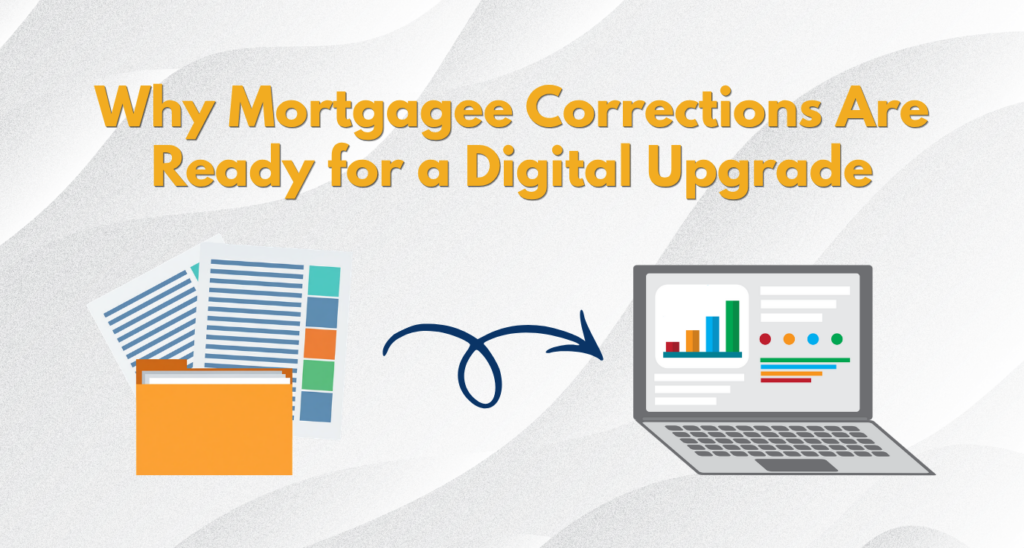
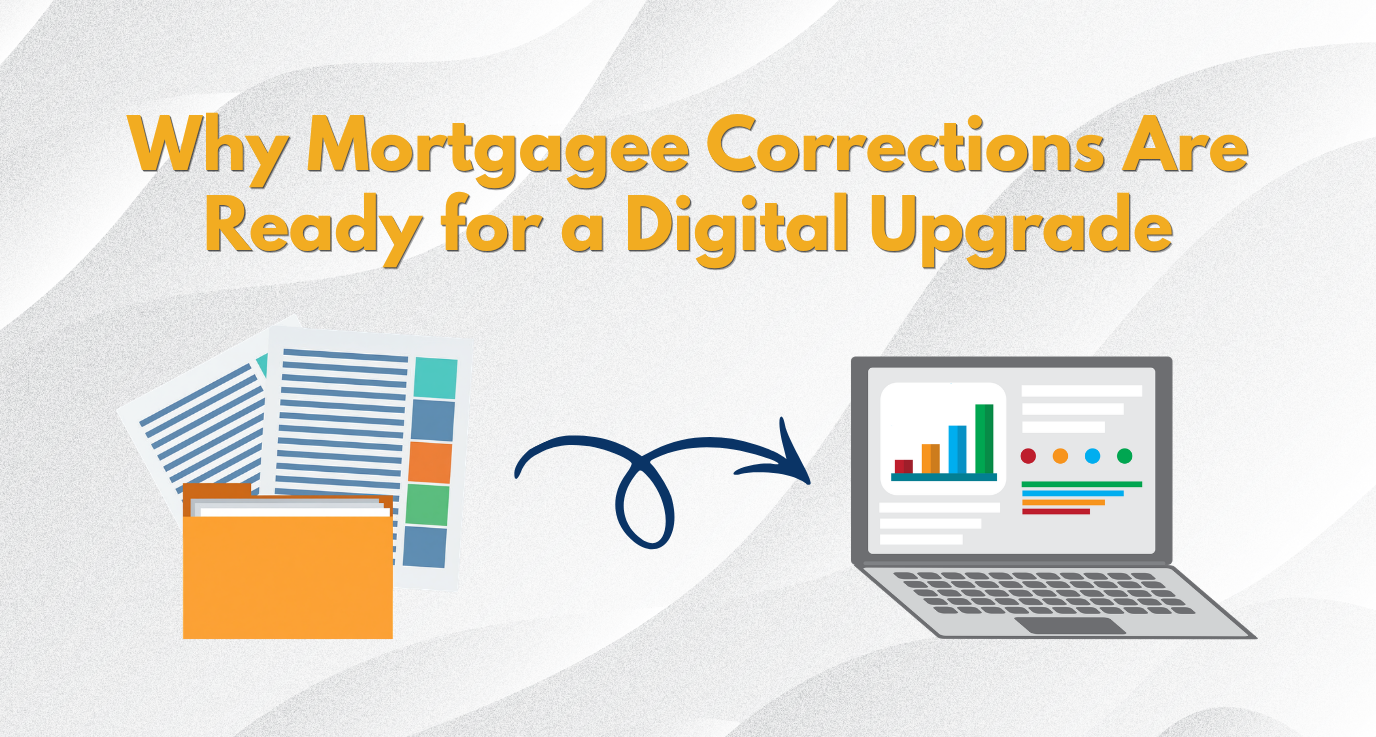
Mortgagee corrections are a routine part of insurance servicing, but the process behind them is often anything but simple. A lender may find that the mortgagee’s name or address on a policy is out of date and send a correction request to the insurance provider. For many carriers, that still means paper mail, manual data entry, and someone on the team reviewing the request.
When those requests come in hundreds or thousands, the work adds up quickly.
LIENSure™ from LenderDock is designed to move mortgagee corrections from a paper-based process to digital delivery. Instead of mailing a correction, a lender can submit the updated mortgagee information through LenderDock. The request can then be delivered digitally to the insurance provider in a consistent format.
The process starts with verification. LenderDock VERiFi™ allows lienholders to check mortgagee information on a policy in real time. If something is incorrect, the lender can submit a digital correction request.
From there, LIENSure™ helps clean up the information before it reaches the insurance provider. Rather than receiving slightly different versions of a lender’s name or address, the provider receives standardized, source-verified mortgagee information from LenderDock’s network. This can help reduce duplicate records and improve the quality of the data being added to the policy.
The other important part is delivery. LIENSure™ connects with an insurance provider’s existing policy administration system through APIs. That means correction requests can be routed into existing workflows instead of creating another manual process for employees to manage.
This can make a difference for carriers dealing with a high volume of mortgagee changes. According to the numbers, the average insurance provider receives mortgagee corrections on more than one-quarter of its policies each year. When each correction requires a person to open mail, review the request, enter information, and update a policy, the time spent can become significant.
Digital delivery does not change the reason a mortgagee correction is needed. It changes how the information gets from the lender to the insurance provider.
For insurance teams, that can mean fewer paper requests, less manual entry, and a more consistent way to handle updates. It also gives carriers a path toward more automated workflows without requiring them to completely replace the systems they already use.
Mortgagee corrections may be a small part of the overall insurance servicing process, but they are a good example of where an old workflow can create unnecessary work. Moving that process from the mail room into a digital workflow is one practical step toward making insurance servicing more efficient.
We’ve heard people in mortgage servicing use verification and tracking as if they’re interchangeable, and honestly, for a lot of daily work, treating them that way doesn’t break anything.
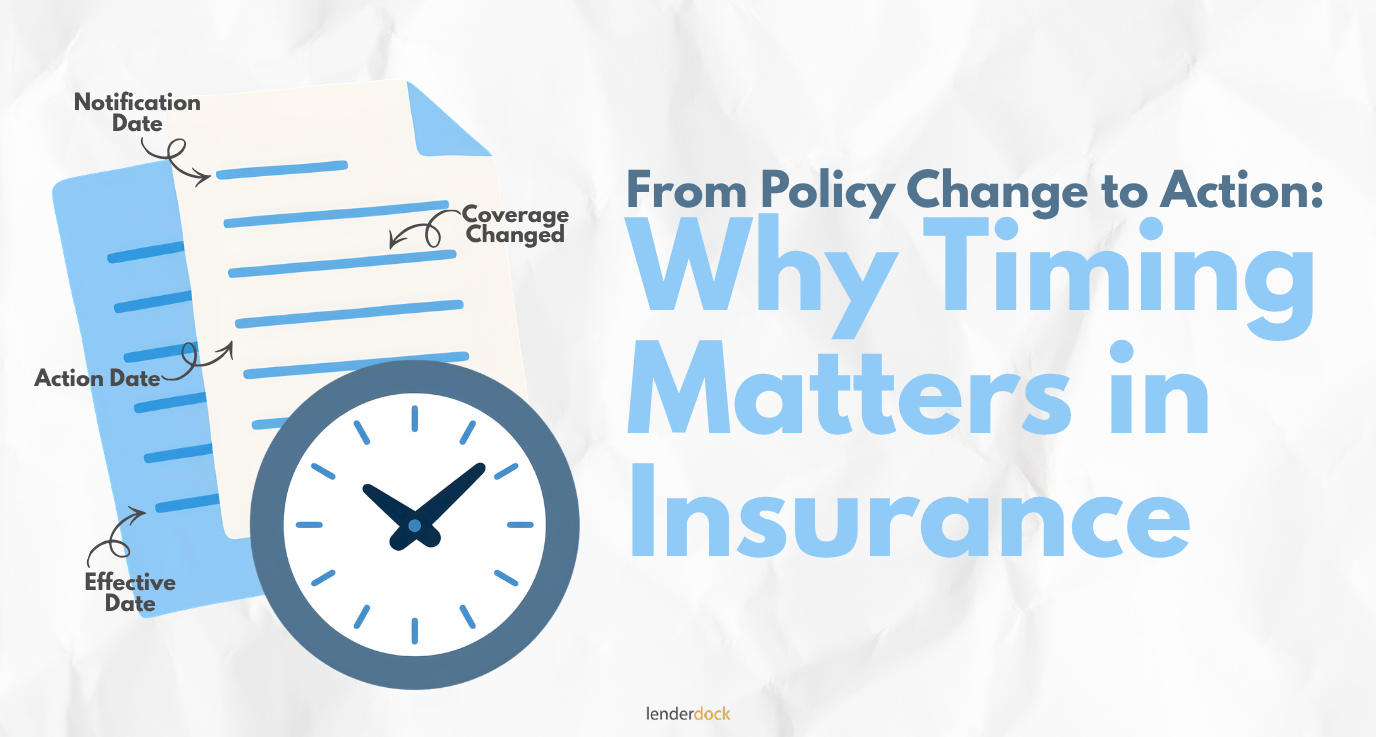
A two-day lag between a policy change and everyone finding out about it used to be annoying, not dangerous. Someone made a call, waited, got an answer, and moved on with their day.
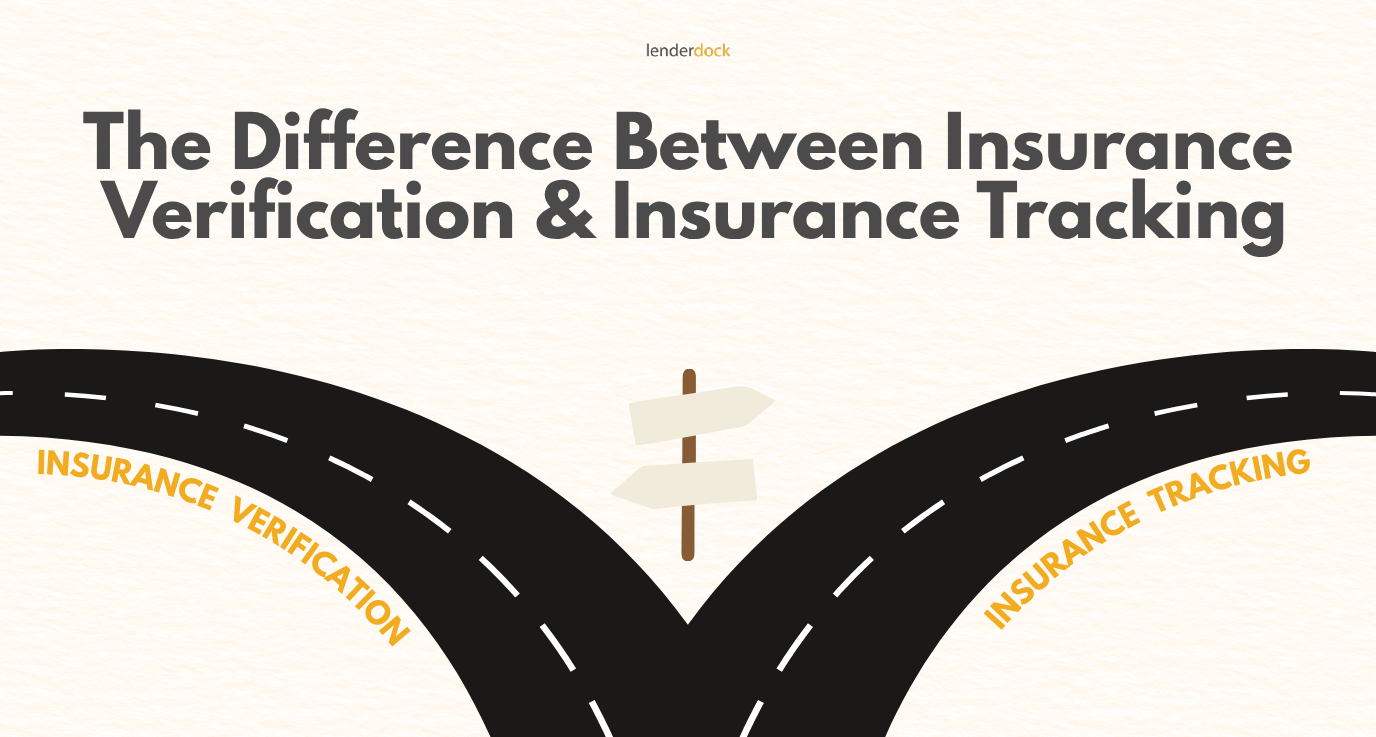
We’ve heard people in mortgage servicing use verification and tracking as if they’re interchangeable, and honestly, for a lot of daily work, treating them that way doesn’t break anything.
Insurance verification is a routine part of the lending and insurance process. A lender needs to know whether a policy is active. A mortgage servicer may need to confirm coverage or mortgagee information. An insurance…
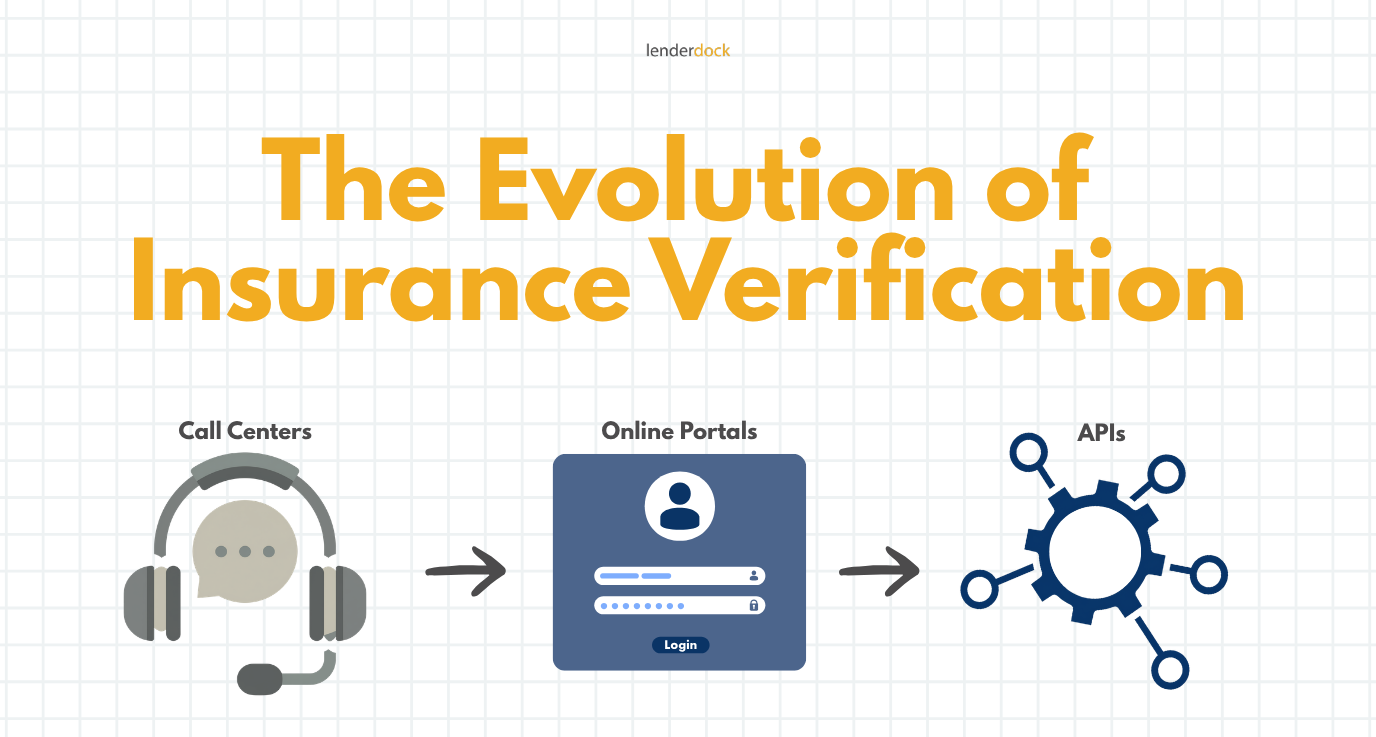
In the earliest version of insurance verification, the person answering the phone actually had to know things. They pulled a physical file, checked handwriting against a ledger, and made a judgment call about whether what…
Two insurers can each have perfectly accurate, well-maintained policy databases and still fail to exchange a single piece of usable data between them.
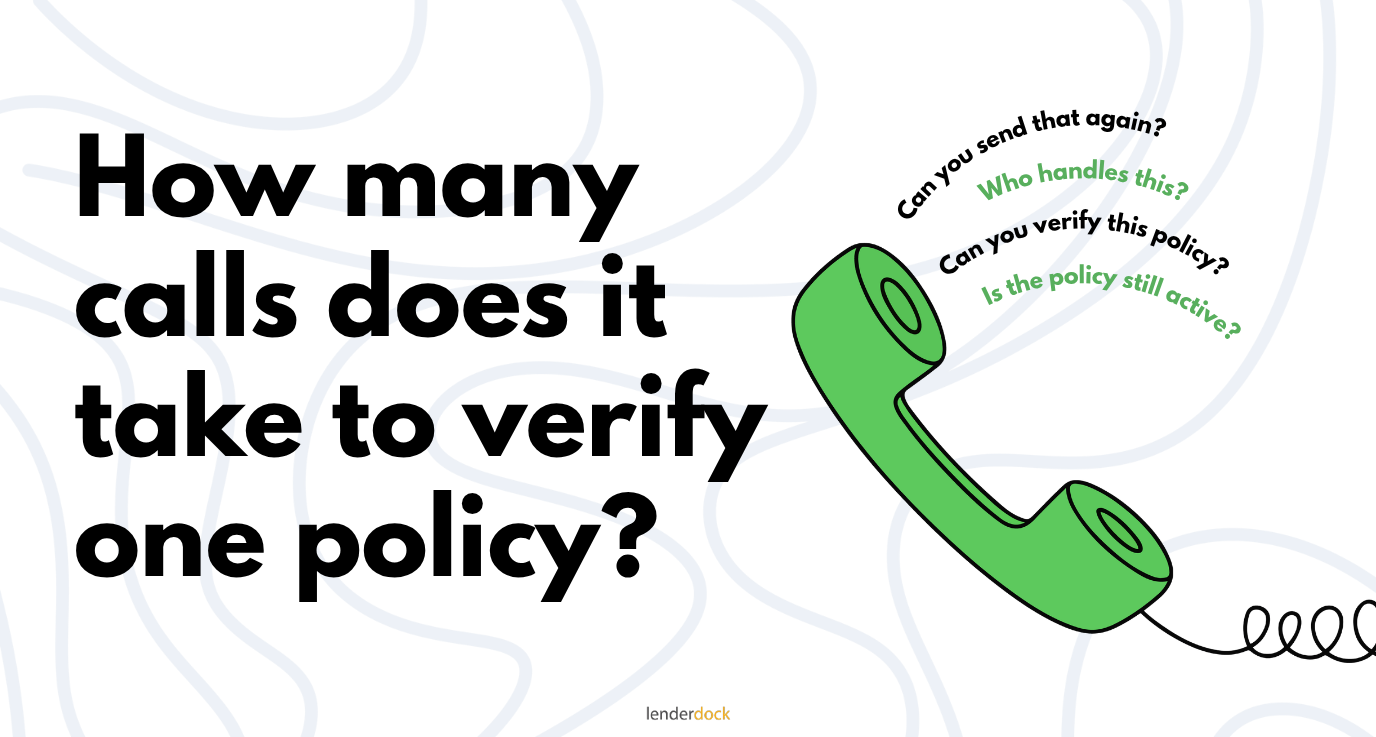
Every single day, insurance workers face a mountain of simple questions. Are they tired of answering the same questions about policy coverage all day long? Yes, they are. When banks or lenders need to check…
A title company closing a home sale needs to confirm the seller’s policy is active before the deal can move. An auto lender needs the same thing before releasing funds on a car loan. A…
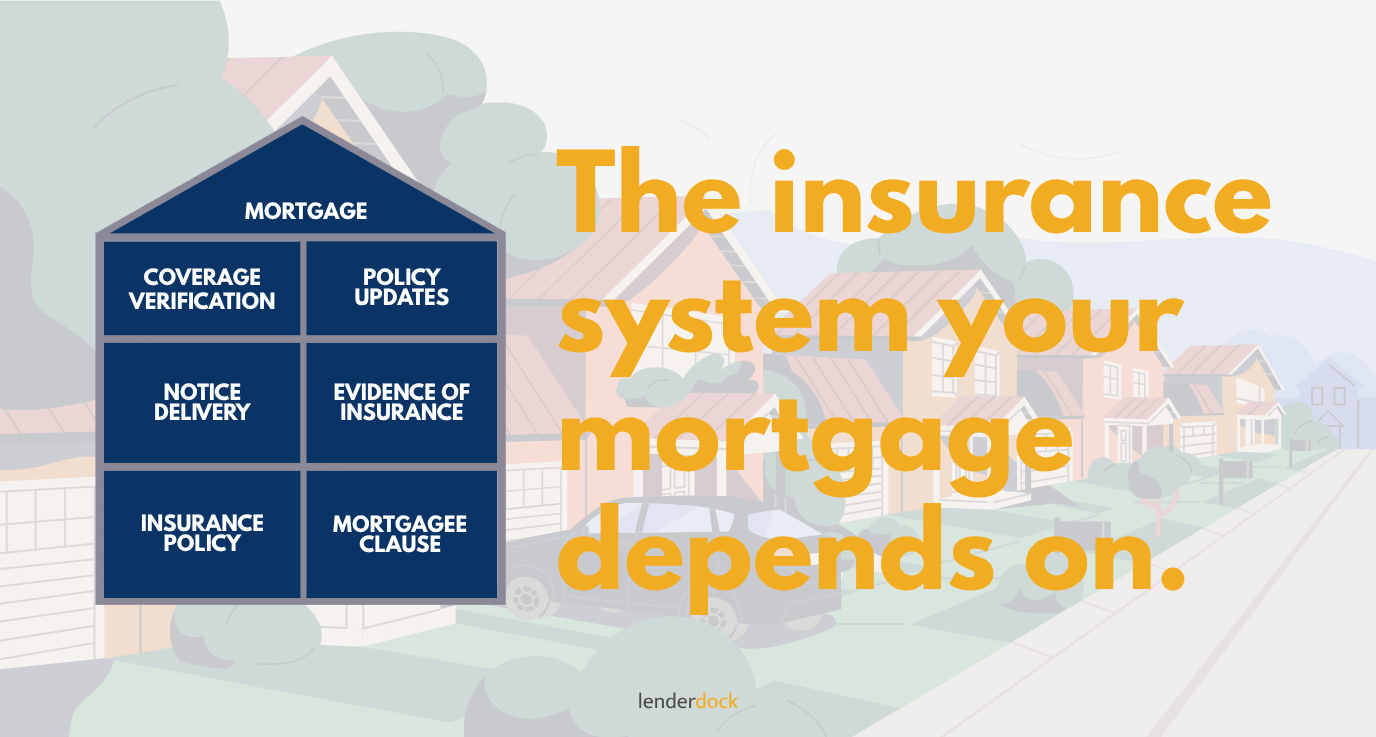
Most people who take out a mortgage never think about insurance as part of the loan itself. It feels adjacent, a separate purchase, something the lender requires but does not really participate in beyond checking…
Mortgagee corrections are a routine part of insurance servicing, but the process behind them is often anything but simple. A lender may find that the mortgagee’s name or address on a policy is out of…


We consectetur adipiscing elit tempor incididunt ut labore. Wondering ipsum dolor sit amet? We consectetur adipiscing ipsum nulla glavrida elit tempor incididunt.