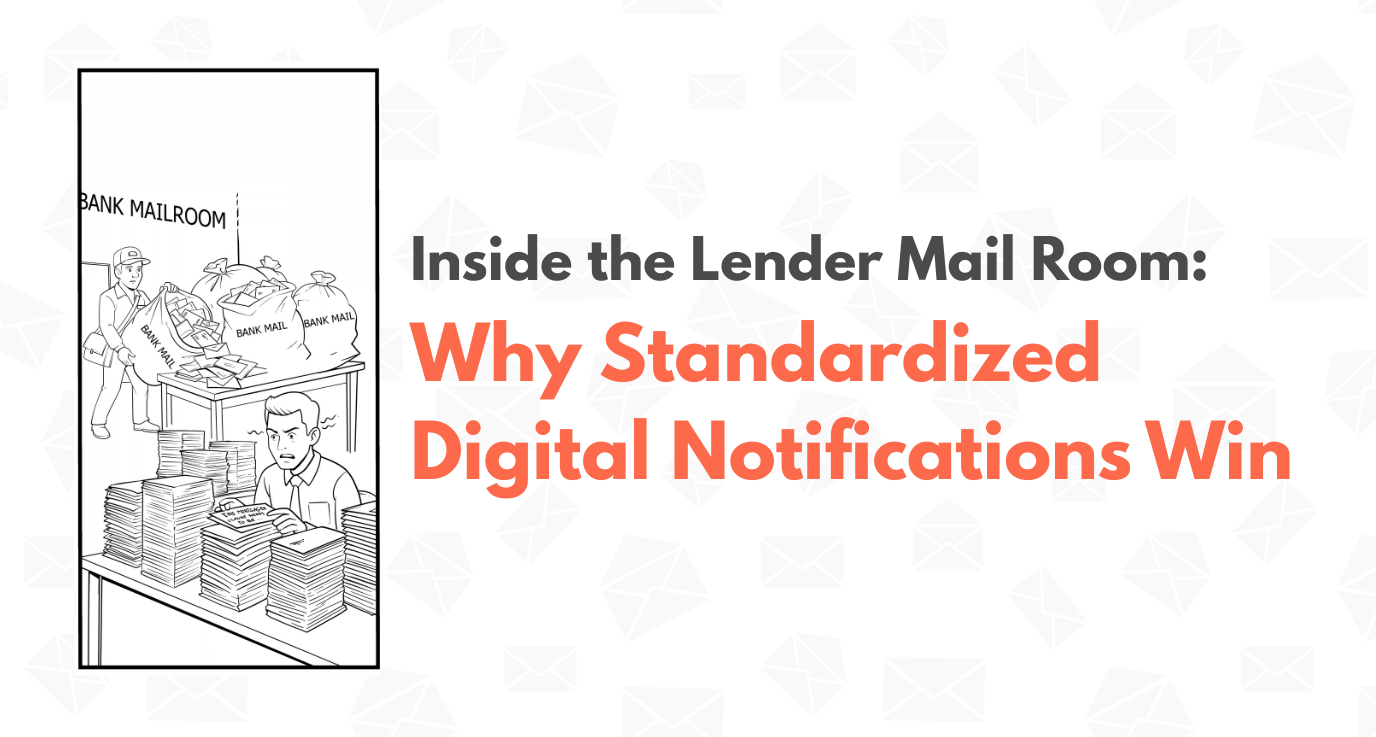
A cancellation notice that lands in a servicer’s mailroom or inbox comes with a fair amount of work attached.
Somebody has to open it and find the loan it belongs to, then work out whether it is a real problem or just a borrower who changed insurers, and after that decide who else needs to hear about it.
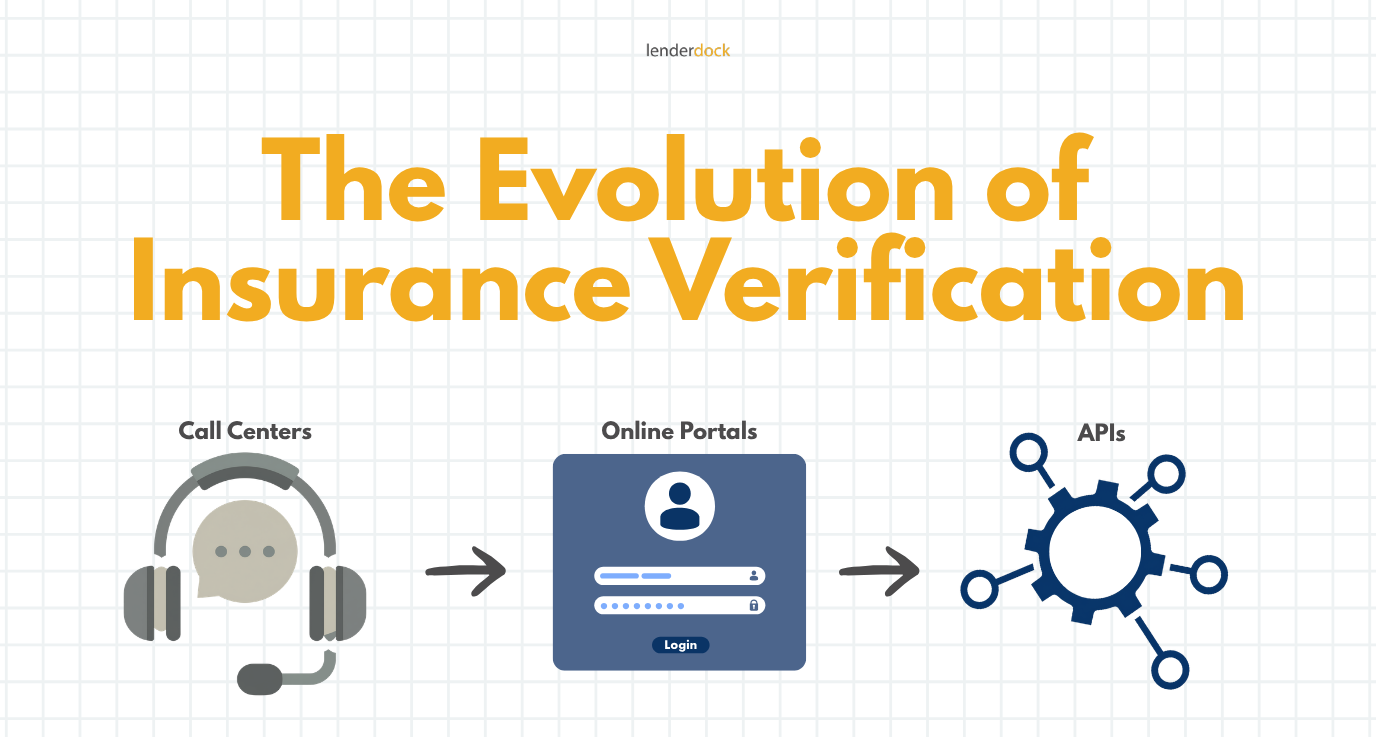
Insurance CIO Outlook claims that carriers have traditionally sent these notices to lienholders by print-and-mail or through EDI (electronic data interchange, structured files passed from one company’s system to another’s).
Matching it to a loan is the easy part.
Working out whether it is a real problem takes longer, since a cancellation often just means the new policy is already in place, and the answer usually needs a phone call or an email to the insurer or the agent.
The webpage also notes that large U.S. carriers handle more than a million calls a year from institutions asking for routine policy details, so each call a servicer makes has someone on the other end who is also working through a queue, and a call nobody answers ends up as another call later.
Vendors that take this work over describe it plainly. Lee & Mason says its service removes mail sorting and recording for a lender or servicer, and it points to outbound calls to insurance agents and companies as the way it avoids false force-placements. The same page calls tracking tedious and says doing it right every time is hard enough that you can’t simply hand it to someone new.
Status then ends up in several places at once. The loan system might say one thing, a spreadsheet kept for open exceptions another, and an email thread holds the latest.
When the notice has to move to another team, whether escrow or whoever answers the borrower’s calls, somebody explains it all again, because most of the context lives in a thread and not much of it in the record.
A lender interviewed in an outsourced-tracking case study said it tracked insurance on index cards until 2011, with one person doing it full time, and that things it hadn’t known about became visible once the work moved elsewhere. It is a small and older example, and it comes from a vendor’s own material, though the pattern (work that seems fine until someone checks what slipped) is easy to picture at a larger scale.
Electronic delivery doesn’t take the judgment out of it. A notice that arrives as clean data still needs someone to decide whether it is a real lapse or a policy swap, and if the borrower never picks up, that part hasn’t gone anywhere. Where it helps is the stretch before that decision (the opening and keying, mostly).
Most of what has been written about this work comes from vendors who sell tracking or automation, so the numbers deserve some caution.
How many people touch a single cancellation notice before it gets settled probably varies a lot between servicers, and few of them have a reason to count.
LenderDock’s NOTiFi™ delivers insurance notifications to lienholders electronically, through an inbound API instead of mail or files, and our VERiFi™ product lets servicers check coverage without a phone call. If your team spends more time handling notices than acting on them, you can see how it works at lenderdock.com.