From Policy Change to Action: Why Timing Matters in Insurance
We’ve heard people in mortgage servicing use verification and tracking as if they’re interchangeable, and honestly, for a lot of daily work, treating them that way doesn’t break anything.


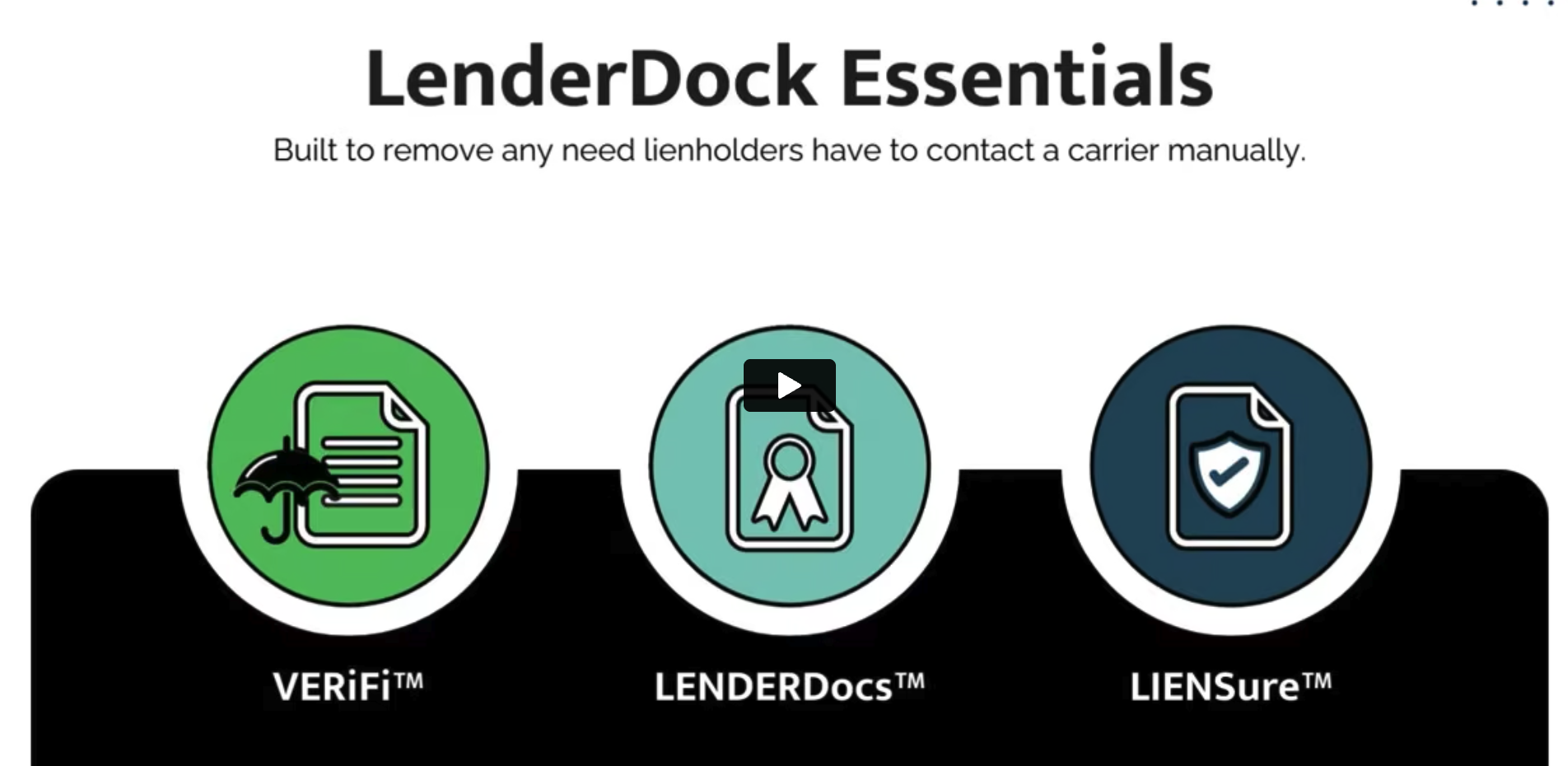
LenderDock provides real-time, insurance policy details through its magical web portal or its APIs.

LIENSure sends corrections digitally, straight from the financial source of truth and in bulk for easy processing.

ESCROWPay verifies what’s actually due before the money moves, then sends the payment and reconciliation data digitally.

NOTiFi delivers required policy, coverage, and billing notices in the formats lienholders actually use
At least check out the genesis of LenderDock Video. It’ll all make sense, the eco-system, that is.
Learn more about our great leadership team and our amazing, people-first, company culture.
There’s a lot going on at LenderDock and in our industries. We threw it all here to make it easier to keep up.
We go to a lot of events and we love to eat. See our calendar of where we’ll be.
New webinars will be coming quite frequently. Educational, success, and sales.
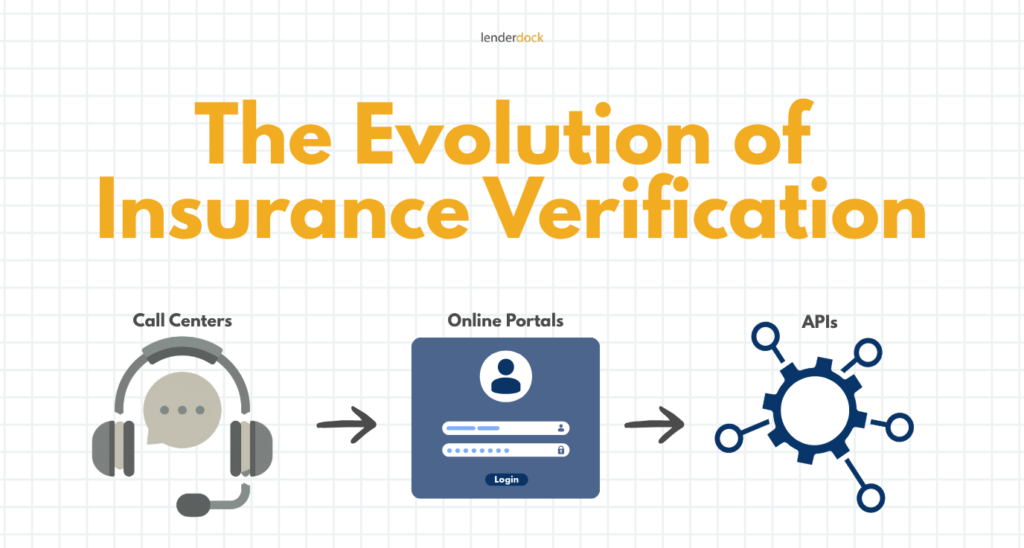
In the earliest version of insurance verification, the person answering the phone actually had to know things. They pulled a physical file, checked handwriting against a ledger, and made a judgment call about whether what they were looking at matched what the caller was asking about. Slow, but something close to real expertise sat behind it.
What happened at each stage after that had less to do with the technology arriving and more to do with what kept happening to the job underneath it.
The call center era, which is where a large share of the industry still sits in some form, mostly poured more volume through the same human bottleneck rather than changing its shape.
A representative still looked something up and read it back, faster than the file-room version and with a screen instead of a paper ledger, but a person still sat in the middle translating a database into a spoken answer. Matching a record on screen requires far less judgment than reconciling a handwritten file did, so the skill dropped even as the structure held.
That drop in required skill shows up somewhere unexpected: an entire outsourcing industry grew up around insurance verification once the task had been simplified enough to hand off. Specialist BPO firms now handle verification work for insurers and servicers at rates running somewhere between roughly 3 and 12 dollars per completed transaction (depending on complexity), or a few thousand dollars a month per dedicated specialist.
A market forms around cheap, repeatable tasks like this one, not around anything requiring real judgment, and the size of that outsourcing market says something about how far verification had drifted from the file-room version of the job.
Email and self-service portals arrived as the next supposed leap, and they did pull some volume out of the phone queue. Look closely at what actually changed, though. A servicer logging into a portal to check a policy status is still performing a lookup one human designed for another human to read, just without the phone call attached. The database sits behind a login screen instead of a headset. Find the record, confirm the status, report it back, the task stayed the same, and a person was still the one initiating and interpreting the exchange on both ends.
APIs break that pattern in a way the earlier stages never did. An API doesn’t hand a person a faster way to look something up. It takes the person out of the lookup altogether. A lender’s system asks a question directly of an insurer’s system and gets a structured answer back, with nobody translating the request or reading the response aloud on either end.
LenderDock’s VERiFi™ returns policyholder status the same way, directly to whichever lender or lienholder requested it. Similarly, other platforms like Verisk, FMNE, and others work this way now (a query goes in, a status comes out, no queue, nothing read back over a headset).
Every stage before that one was, in hindsight, mostly optimizing how fast a human could deliver an answer to a task that may never have needed a human at all. The file room, the call center, and the portal login, each one assumed a person belonged somewhere in the loop simply because that’s how the process had always worked, not because the lookup itself demanded it.
It took a long time to get around to asking the more basic question underneath all of it.
LenderDock’s Verification-as-a-Service was built specifically for this shift, giving lenders and lienholders direct, real-time access to policyholder status without a phone call, a portal login, or a person reading a screen out loud on the other end. Where verification used to depend on someone finding an answer, LenderDock’s API delivers it.
If your team is still handling verification the way it was handled a decade ago, it’s worth seeing what happens when the person in the loop is no longer required at all.
We’ve heard people in mortgage servicing use verification and tracking as if they’re interchangeable, and honestly, for a lot of daily work, treating them that way doesn’t break anything.
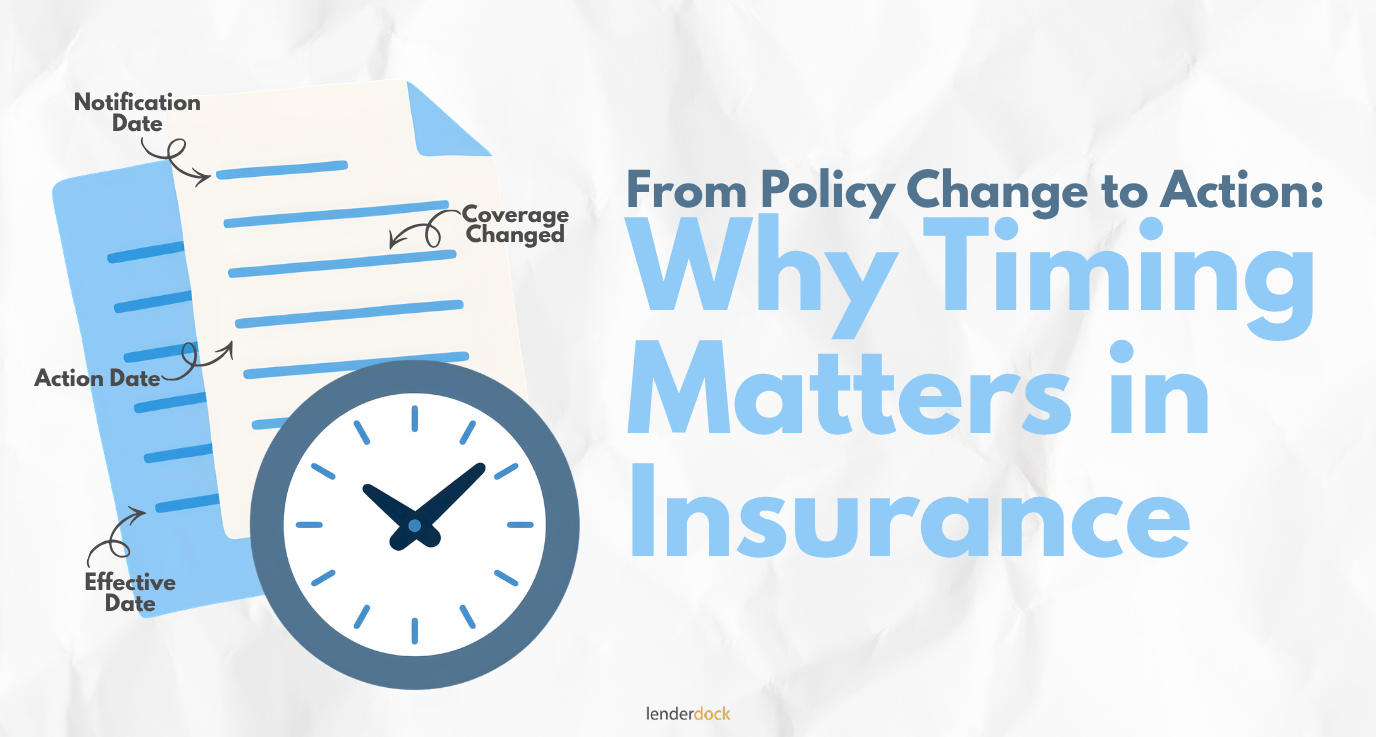
A two-day lag between a policy change and everyone finding out about it used to be annoying, not dangerous. Someone made a call, waited, got an answer, and moved on with their day.
We’ve heard people in mortgage servicing use verification and tracking as if they’re interchangeable, and honestly, for a lot of daily work, treating them that way doesn’t break anything.
Insurance verification is a routine part of the lending and insurance process. A lender needs to know whether a policy is active. A mortgage servicer may need to confirm coverage or mortgagee information. An insurance…
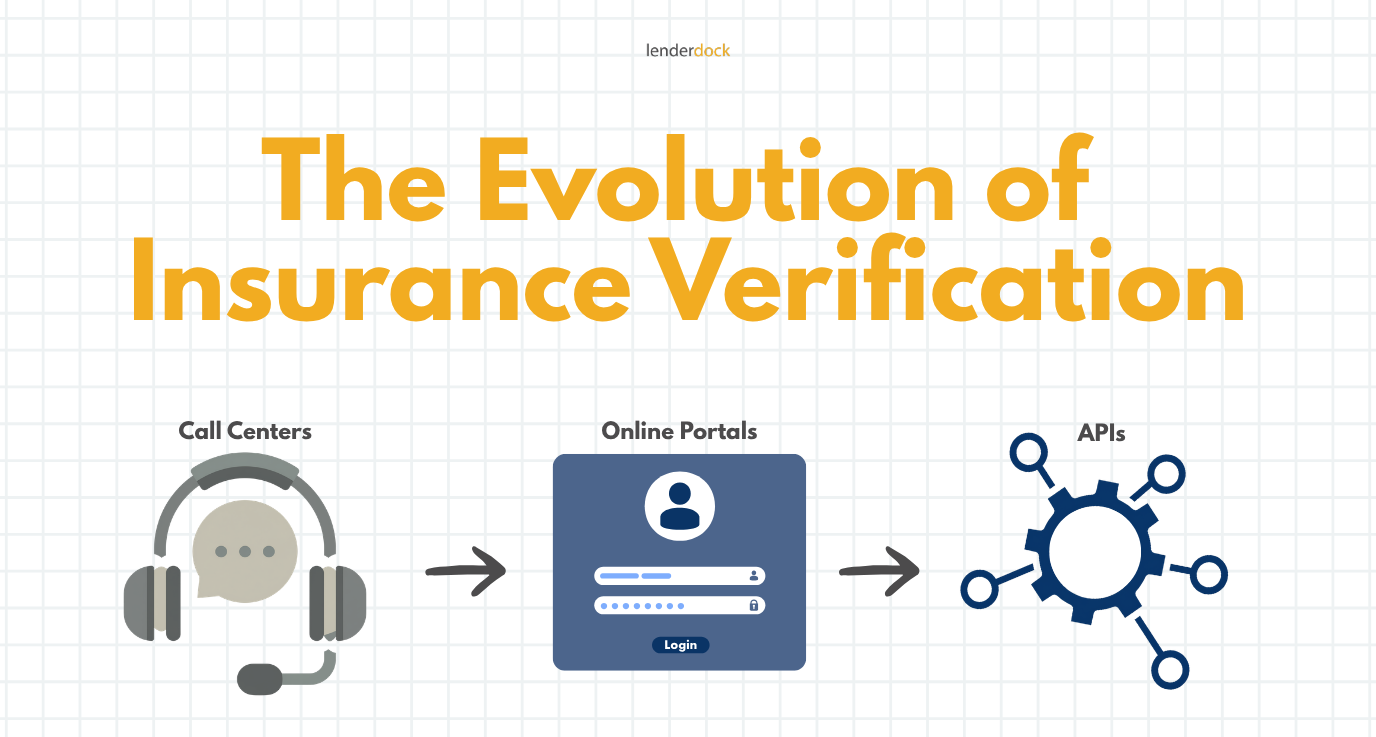
In the earliest version of insurance verification, the person answering the phone actually had to know things. They pulled a physical file, checked handwriting against a ledger, and made a judgment call about whether what…
Two insurers can each have perfectly accurate, well-maintained policy databases and still fail to exchange a single piece of usable data between them.
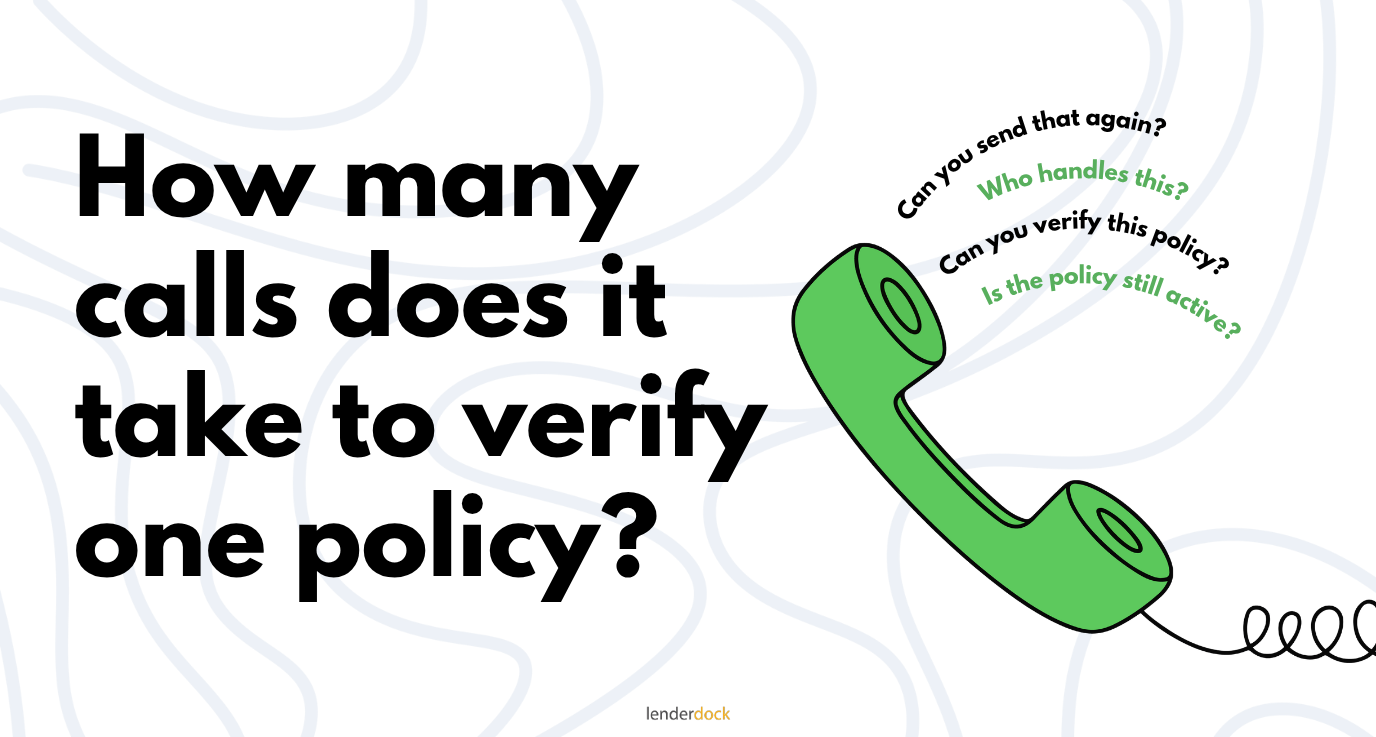
Every single day, insurance workers face a mountain of simple questions. Are they tired of answering the same questions about policy coverage all day long? Yes, they are. When banks or lenders need to check…
A title company closing a home sale needs to confirm the seller’s policy is active before the deal can move. An auto lender needs the same thing before releasing funds on a car loan. A…
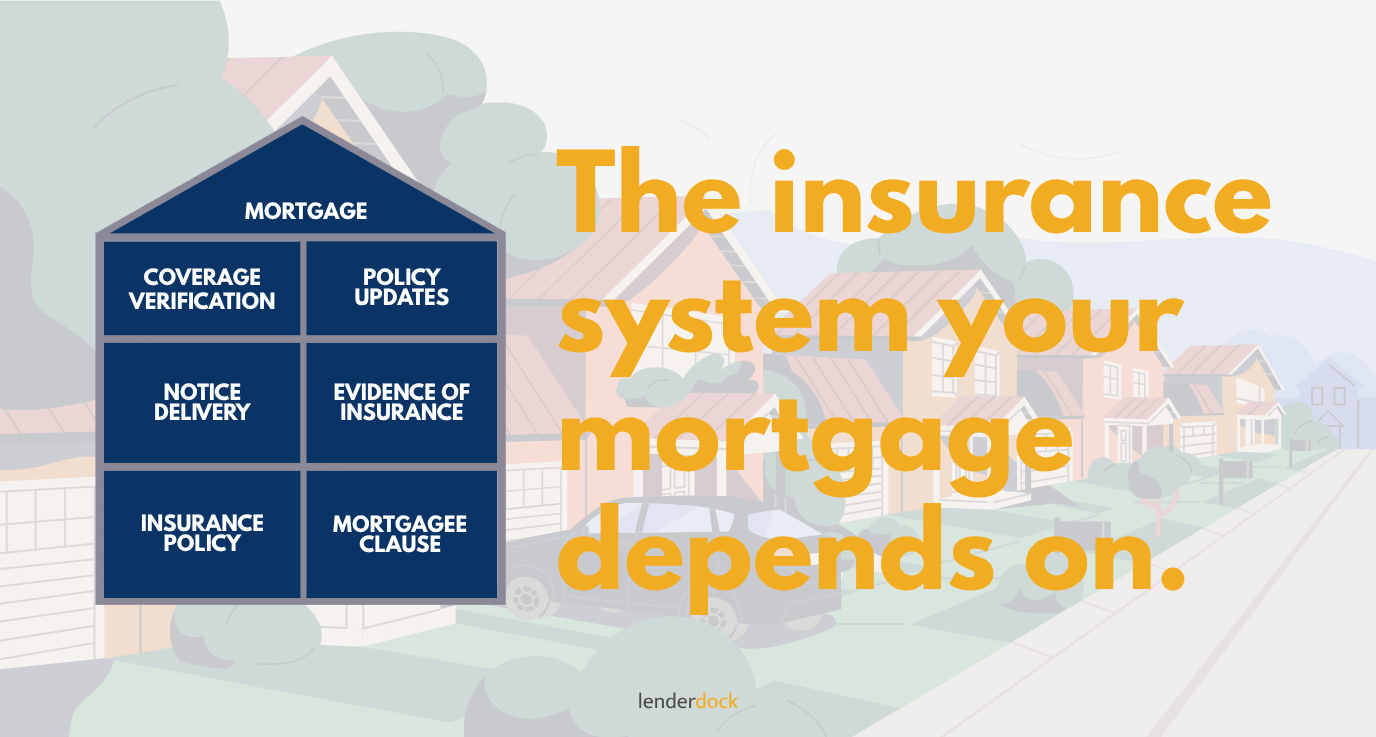
Most people who take out a mortgage never think about insurance as part of the loan itself. It feels adjacent, a separate purchase, something the lender requires but does not really participate in beyond checking…
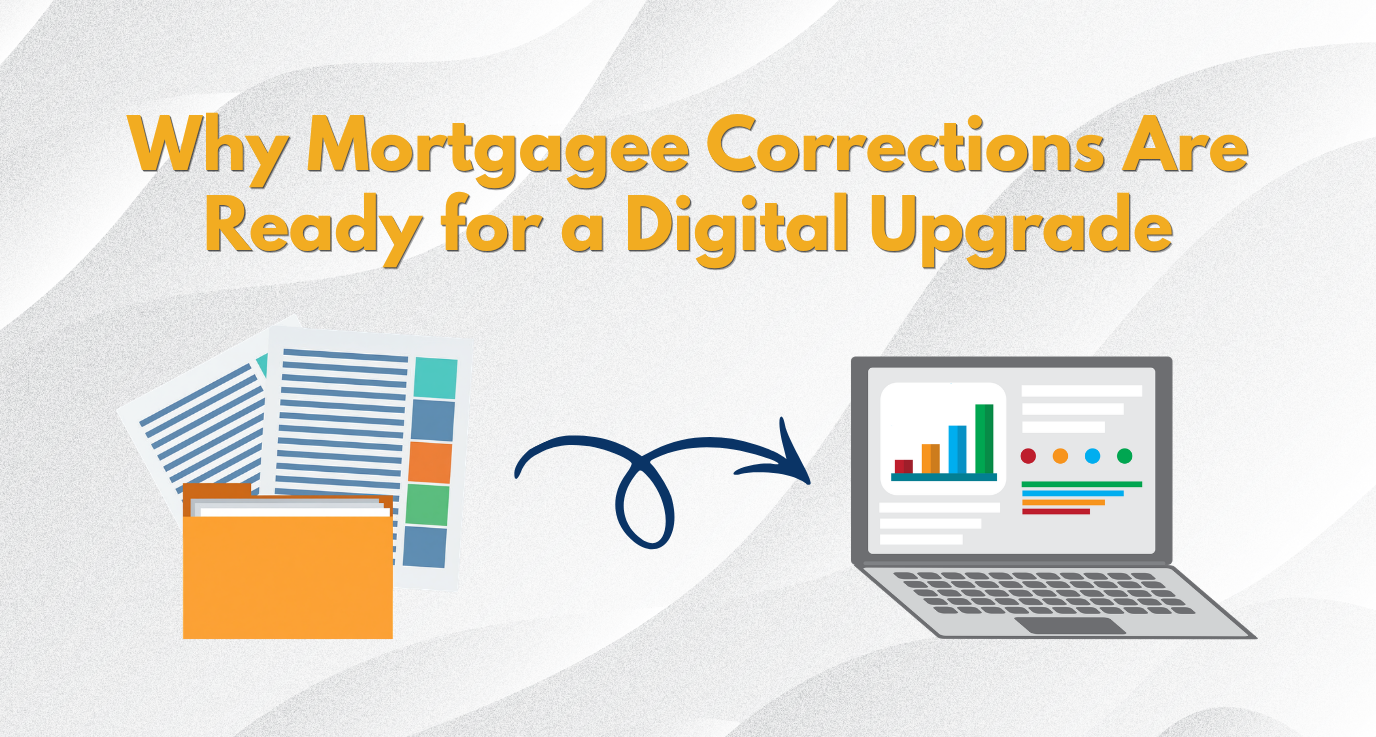
Mortgagee corrections are a routine part of insurance servicing, but the process behind them is often anything but simple. A lender may find that the mortgagee’s name or address on a policy is out of…


We consectetur adipiscing elit tempor incididunt ut labore. Wondering ipsum dolor sit amet? We consectetur adipiscing ipsum nulla glavrida elit tempor incididunt.