From Policy Change to Action: Why Timing Matters in Insurance
We’ve heard people in mortgage servicing use verification and tracking as if they’re interchangeable, and honestly, for a lot of daily work, treating them that way doesn’t break anything.


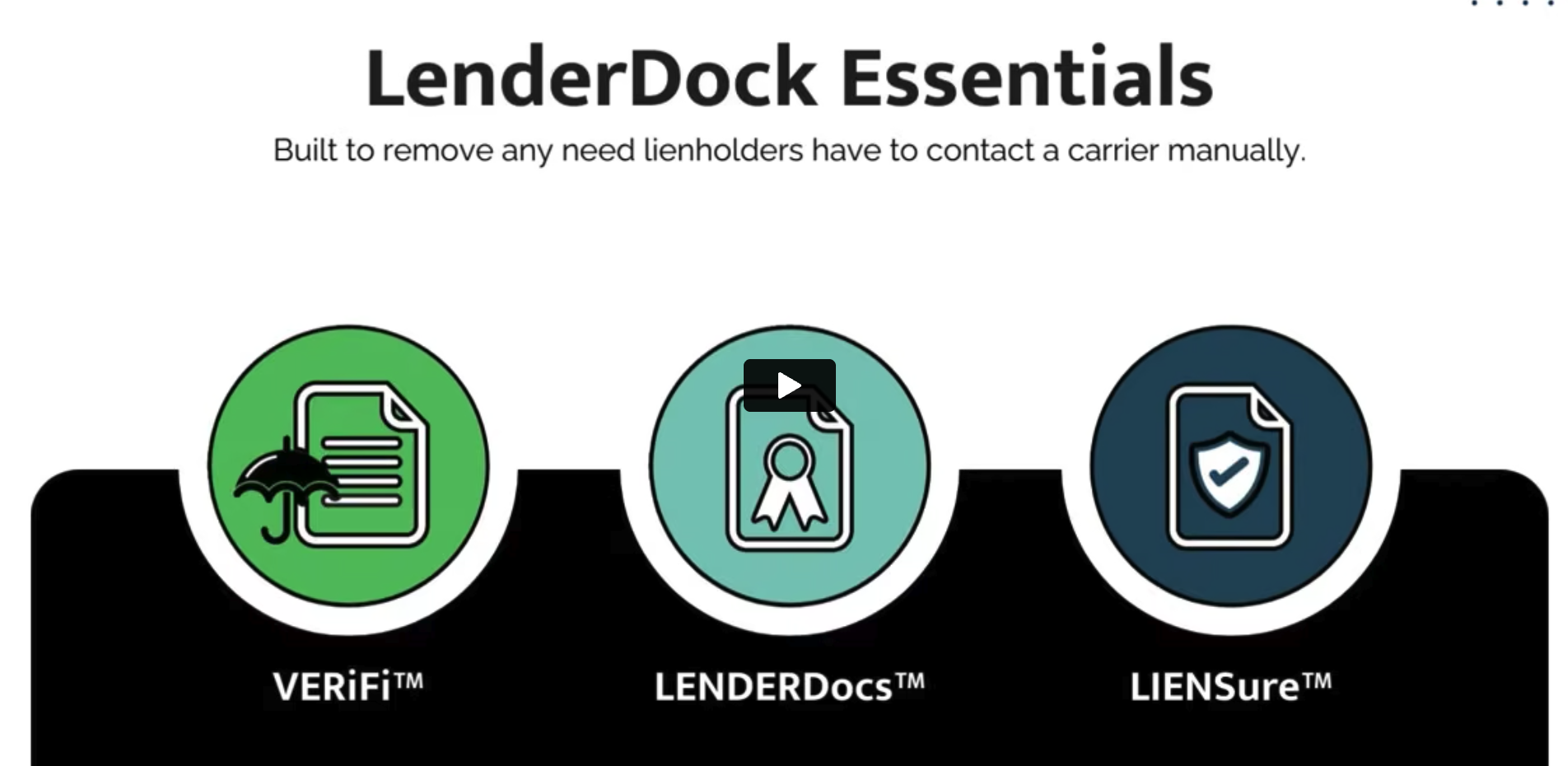
LenderDock provides real-time, insurance policy details through its magical web portal or its APIs.

LIENSure sends corrections digitally, straight from the financial source of truth and in bulk for easy processing.

ESCROWPay verifies what’s actually due before the money moves, then sends the payment and reconciliation data digitally.

NOTiFi delivers required policy, coverage, and billing notices in the formats lienholders actually use
At least check out the genesis of LenderDock Video. It’ll all make sense, the eco-system, that is.
Learn more about our great leadership team and our amazing, people-first, company culture.
There’s a lot going on at LenderDock and in our industries. We threw it all here to make it easier to keep up.
We go to a lot of events and we love to eat. See our calendar of where we’ll be.
New webinars will be coming quite frequently. Educational, success, and sales.
A title company closing a home sale needs to confirm the seller’s policy is active before the deal can move. An auto lender needs the same thing before releasing funds on a car loan. A mortgage servicer needs it before an escrow payment goes out. None of these are complicated questions. Is this policy in force, yes or no? And in a lot of cases, the answer still comes from a person picking up a phone.
I keep coming back to how odd this is given everything else insurers have automated. Pricing models run on machine learning now. Claims triage uses AI to sort straightforward cases from complex ones in seconds. Underwriting pulls from a dozen data sources automatically.
But ask an insurer to confirm a policy status to a third party, and in a large share of cases the process falls back to a call center queue, a hold time, and someone reading a status off a screen out loud.
Part of this comes down to who verification actually serves. Underwriting and claims sit inside the insurer’s core relationship with the policyholder (the person actually paying the premium), so they get resourced accordingly.
Verification usually serves someone else entirely: a lender, a servicer, a title company, or someone with no direct commercial relationship to the insurer at all. Work done for people who are not the paying customer tends to get the least investment, and it shows.
What that produces in practice is a verification function bolted onto customer service almost as an afterthought. A person answers, looks up the policy, reads back a status, and moves to the next call. It functions. It also does not scale, and it fails in predictable ways.
High call volume means longer waits. A busy shift means the same person handling both a genuine customer issue and a routine status check, with no real distinction between the two in how the work gets prioritized.
Accuracy suffers in a different way here. A phone verification depends on the caller giving the right details and the person answering pulling the right record and reading it back correctly, and that leaves plenty of room for a misheard address or a transposed policy number to slip through unnoticed.
None of that shows up as a system failure anywhere. Instead, it surfaces later, usually as a servicer working from information that was never quite right to begin with.
A handful of insurers and vendors have moved past this. LenderDock’s VERiFi ™ API gives lenders and lienholders instant access to up-to-date policyholder information without a phone call. Where this exists, it isn’t a small improvement so much as the difference between a process measured in minutes and one measured in milliseconds.
Across most of the industry, it still doesn’t exist, and the reason is rarely technical. Returning a policy status through an API is not a hard problem to solve in 2026. It has more to do with verification always having run through the call center, the call center always absorbing it, and nobody feeling enough specific pain from that arrangement to prioritize rebuilding it.
The volume asking for instant answers keeps climbing regardless, with digital mortgage closings and automated lending decisions both expecting real-time confirmation now rather than a phone call and a wait.
A verification process built around a slower economy, one where a business day was an acceptable unit of time to wait for an answer, is now being asked to keep pace with one that doesn’t wait for anyone to pick up the phone.
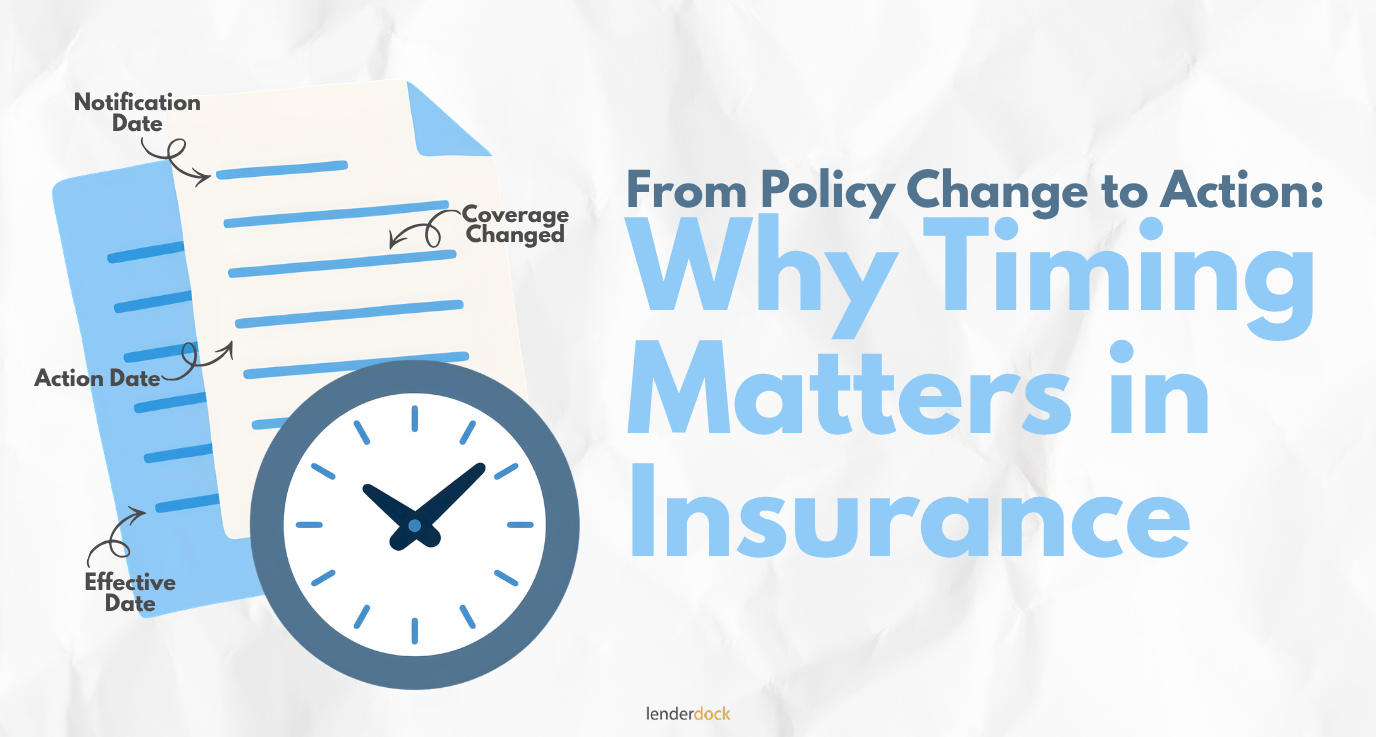
We’ve heard people in mortgage servicing use verification and tracking as if they’re interchangeable, and honestly, for a lot of daily work, treating them that way doesn’t break anything.
A two-day lag between a policy change and everyone finding out about it used to be annoying, not dangerous. Someone made a call, waited, got an answer, and moved on with their day.
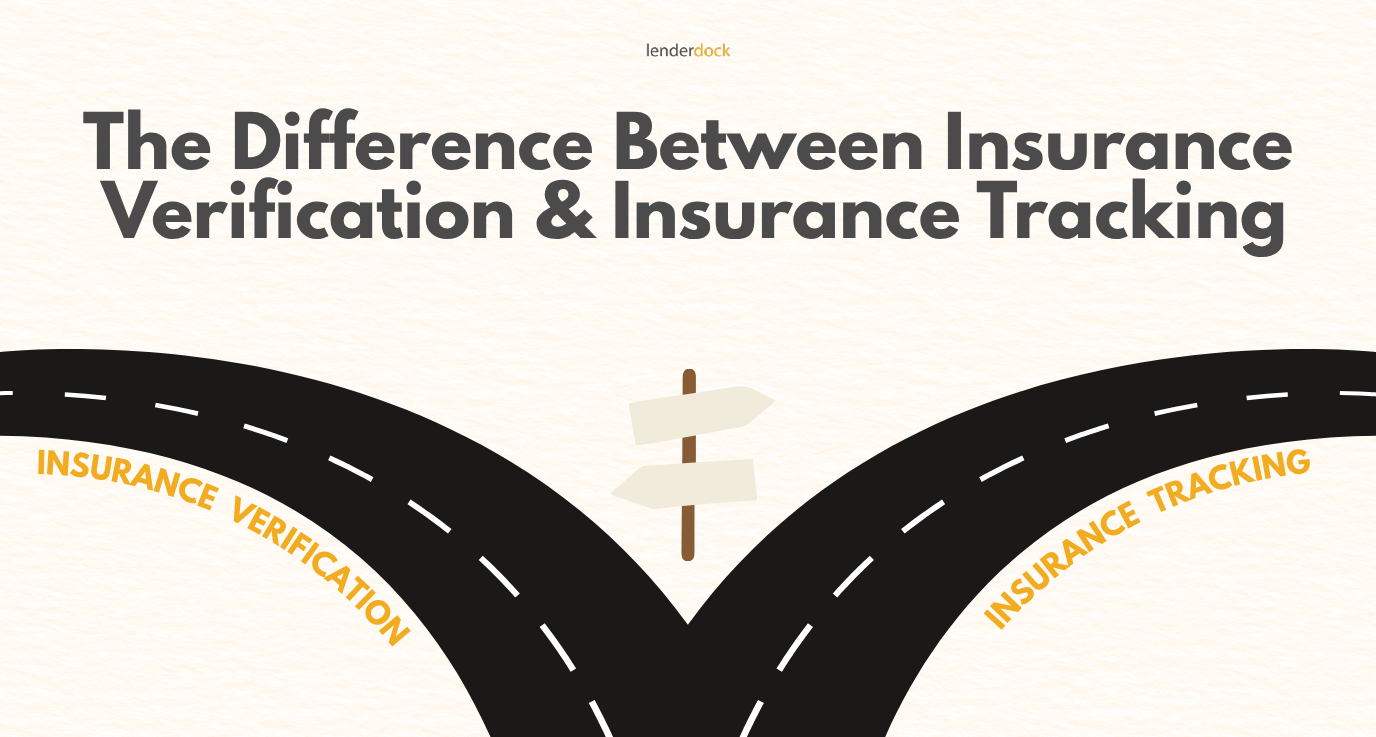
We’ve heard people in mortgage servicing use verification and tracking as if they’re interchangeable, and honestly, for a lot of daily work, treating them that way doesn’t break anything.
Insurance verification is a routine part of the lending and insurance process. A lender needs to know whether a policy is active. A mortgage servicer may need to confirm coverage or mortgagee information. An insurance…
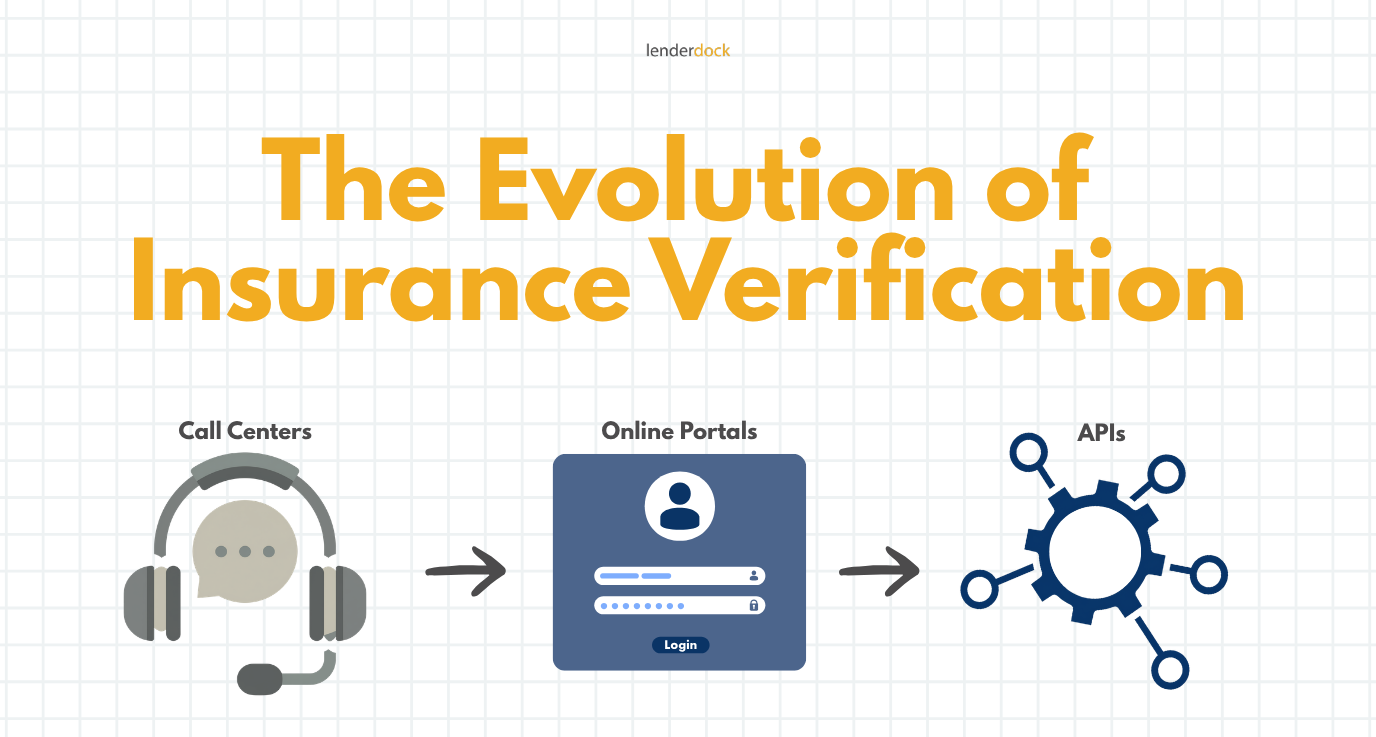
In the earliest version of insurance verification, the person answering the phone actually had to know things. They pulled a physical file, checked handwriting against a ledger, and made a judgment call about whether what…

Two insurers can each have perfectly accurate, well-maintained policy databases and still fail to exchange a single piece of usable data between them.
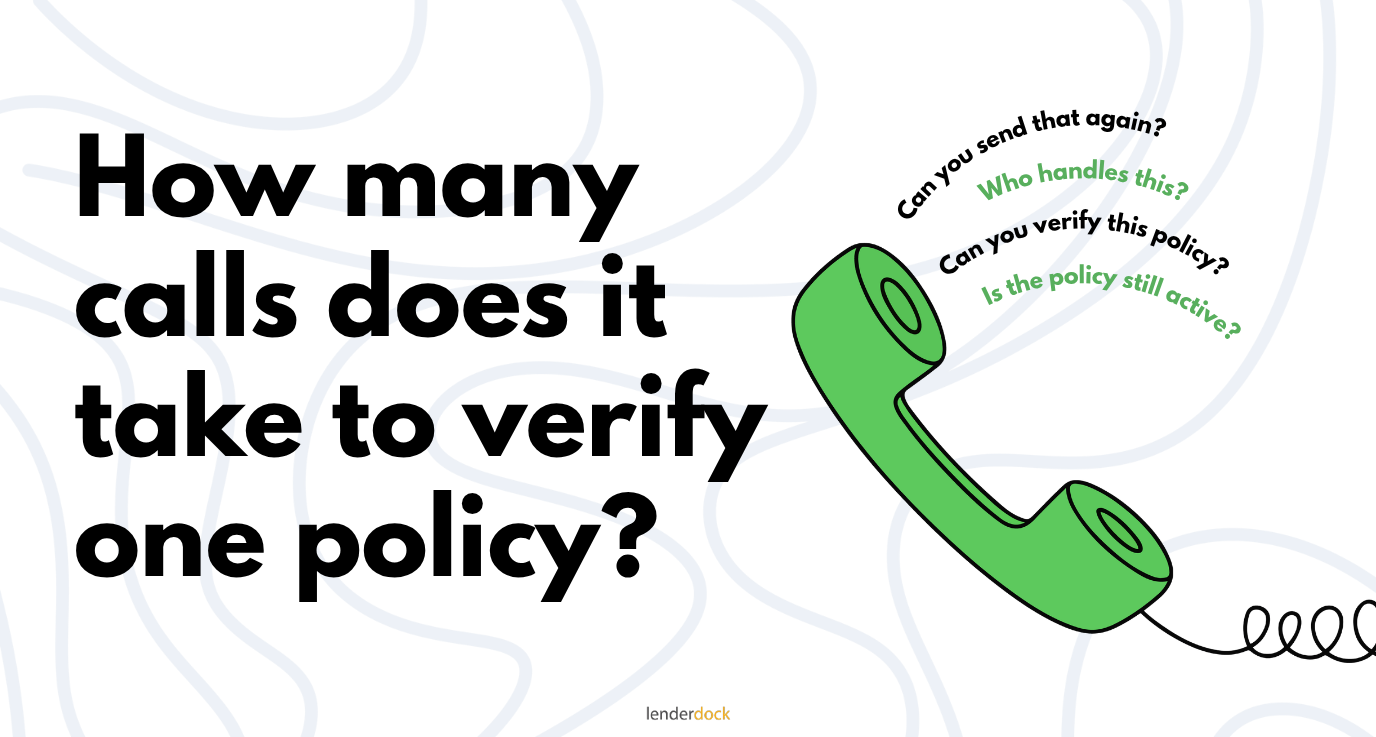
Every single day, insurance workers face a mountain of simple questions. Are they tired of answering the same questions about policy coverage all day long? Yes, they are. When banks or lenders need to check…
A title company closing a home sale needs to confirm the seller’s policy is active before the deal can move. An auto lender needs the same thing before releasing funds on a car loan. A…
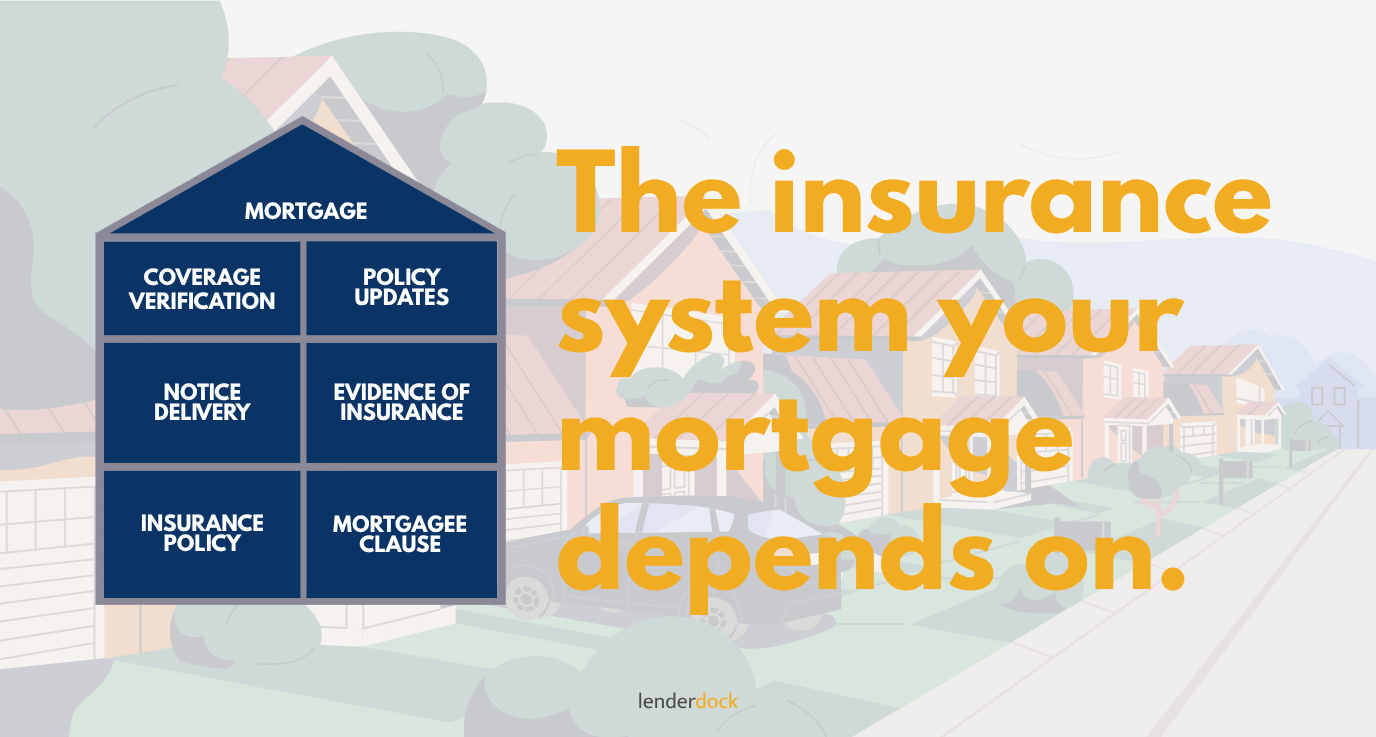
Most people who take out a mortgage never think about insurance as part of the loan itself. It feels adjacent, a separate purchase, something the lender requires but does not really participate in beyond checking…
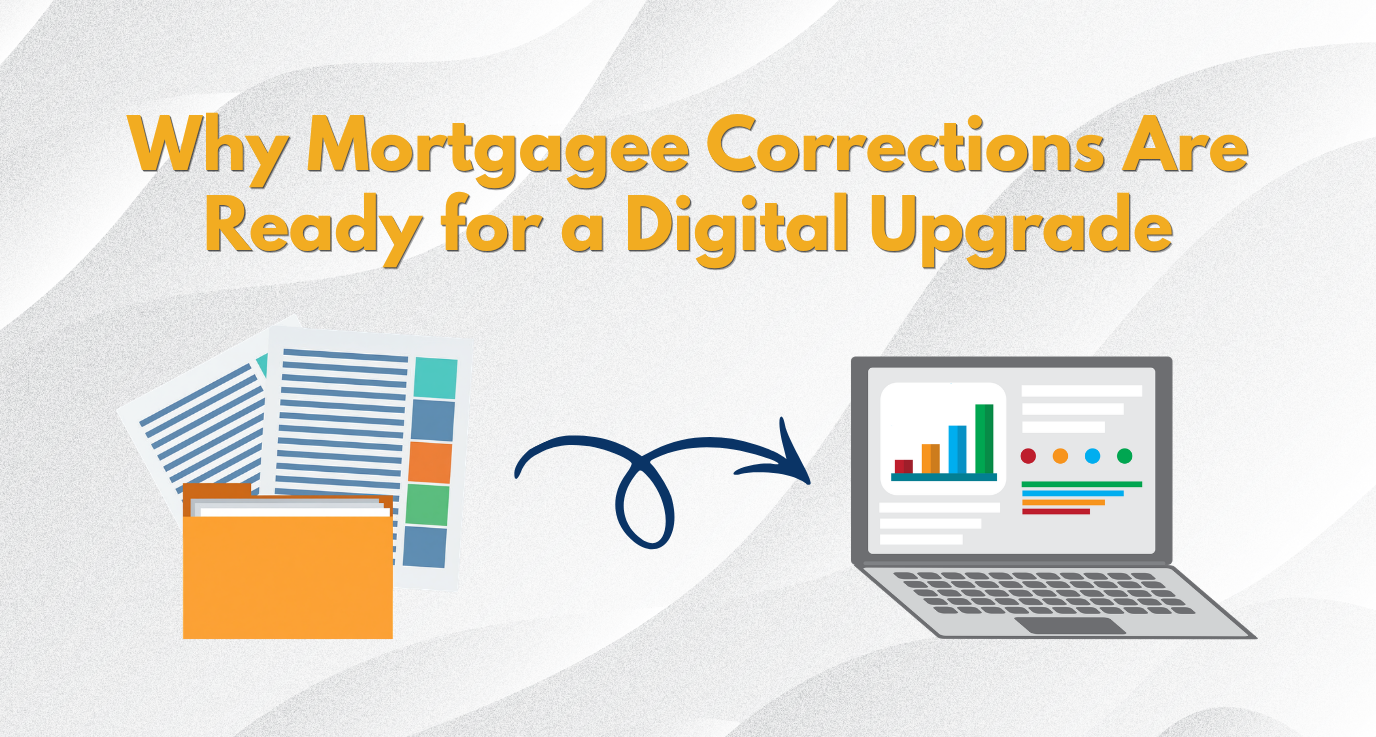
Mortgagee corrections are a routine part of insurance servicing, but the process behind them is often anything but simple. A lender may find that the mortgagee’s name or address on a policy is out of…


We consectetur adipiscing elit tempor incididunt ut labore. Wondering ipsum dolor sit amet? We consectetur adipiscing ipsum nulla glavrida elit tempor incididunt.