From Policy Change to Action: Why Timing Matters in Insurance
We’ve heard people in mortgage servicing use verification and tracking as if they’re interchangeable, and honestly, for a lot of daily work, treating them that way doesn’t break anything.


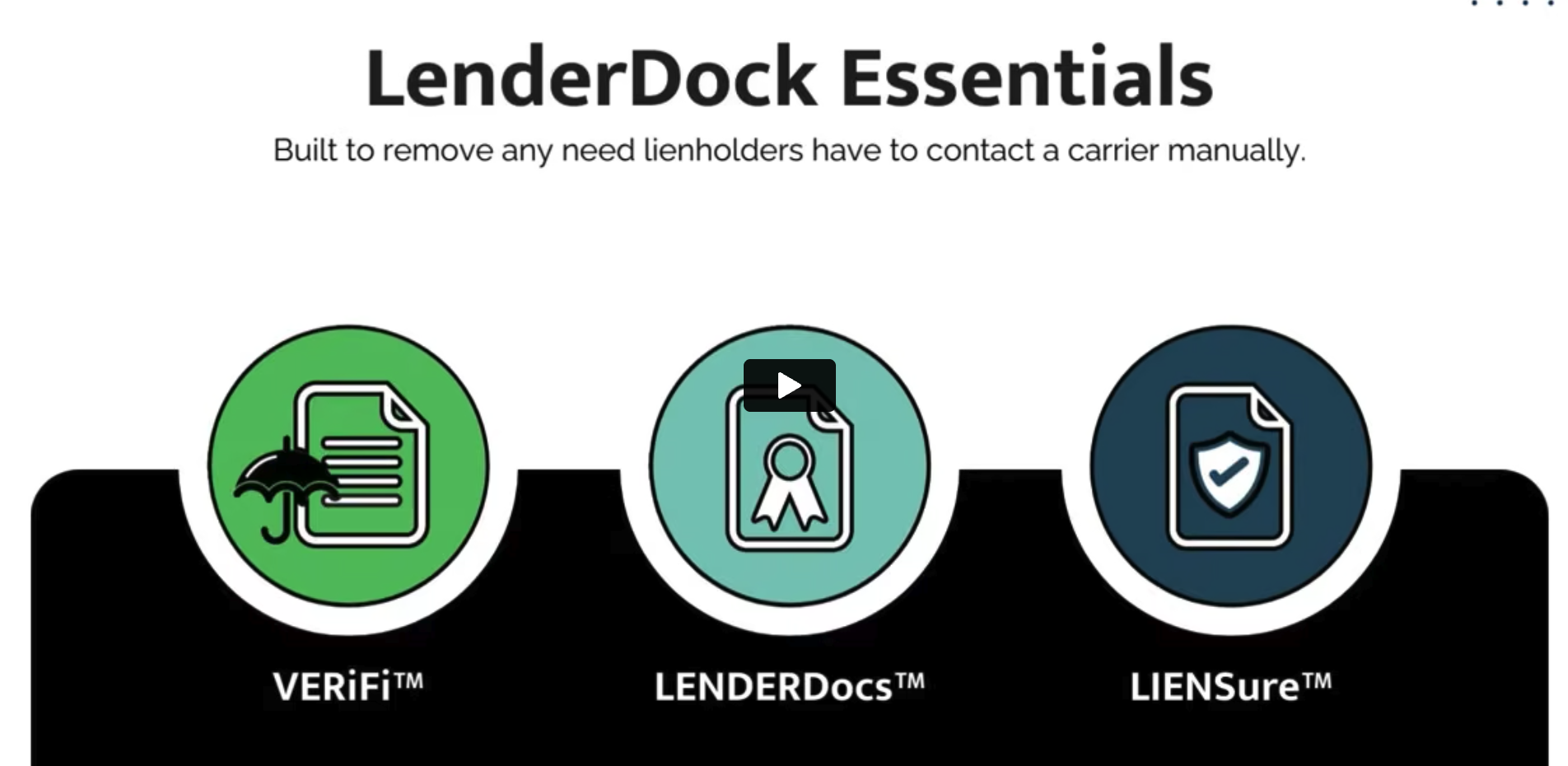
LenderDock provides real-time, insurance policy details through its magical web portal or its APIs.

LIENSure sends corrections digitally, straight from the financial source of truth and in bulk for easy processing.

ESCROWPay verifies what’s actually due before the money moves, then sends the payment and reconciliation data digitally.

NOTiFi delivers required policy, coverage, and billing notices in the formats lienholders actually use
At least check out the genesis of LenderDock Video. It’ll all make sense, the eco-system, that is.
Learn more about our great leadership team and our amazing, people-first, company culture.
There’s a lot going on at LenderDock and in our industries. We threw it all here to make it easier to keep up.
We go to a lot of events and we love to eat. See our calendar of where we’ll be.
New webinars will be coming quite frequently. Educational, success, and sales.
In auto insurance, risk assessment has traditionally relied on demographics and statistical data. While this approach provides a snapshot of customers’ risk profiles, it’s not highly accurate as it relies on generic factors and historical data.
However, with advancements in technology, accessing real-time data and various risk-related information has become feasible.
Telematics, special sensors that collect and transmit driving behavior data in real-time, facilitate this process. Metrics such as driving speeds, braking patterns and cornering are transmitted at low latency to insurers, forming the foundation for risk assessment.
There are mainly two kinds of telematics technology used today.
Telematic-based devices uses special fitted devices to a vehicle’s OBD port while App-based telematics use special mobile apps developed by the insurer to capture data from a smartphone’s many sensors. Choosing one over the other depends on the insurer’s technological capabilities and financial resources.
Telematics technological aim to capture the driver’s habits and vehicle usage through:
Data Collection: Telematics devices gather driving metrics directly from the vehicle’s OBD-II port, including speed, acceleration, braking and GPS location.
Data Transmission: Collected data is transmitted via cellular networks to the insurer’s systems, enabling immediate access for analysis.
Data Analysis: Advanced algorithms analyze the collected data to create a detailed profile of the driver’s behaviors and associated risks like speeding or harsh braking.
Underwriting: Based on this analysis, insurers assess the level of risk posed by each driver they’ve insured for. Safer driving habits translate to lower premiums while riskier behavior may result in higher rates.
By customizing premiums based on individual driving habits, this results in more accurate risk assessment, leading to what is known as Usage-based insurance – where you only pay based on your usage – a trend that is really catching on nowadays!
Telematics allows insurers to assess risk with greater accuracy by evaluating individual driving behaviors. This enables them to offer personalized insurance premiums that reflect the actual risk posed by each policyholder.
By providing drivers with feedback on their driving performance and offering incentives for safe behaviors, telematics encourages safer driving habits. This not only reduces the likelihood of accidents but also leads to lower claim frequencies and costs for insurers.
Telematics data can be instrumental in identifying fraudulent claims by providing comprehensive insights into the circumstances surrounding an incident. Suspicious activities like sudden changes in driving patterns or discrepancies in reported incidents, can be flagged for further investigation, thereby reducing insurance fraud.
Telematics empowers insurers to engage more effectively with their policyholders by offering value-added services such as personalized driving insights, maintenance alerts and emergency assistance. This fosters stronger customer relationships and increases overall satisfaction.
Progressive Insurance – Snapshot
Progressive Insurance offers Snapshot, utilizing telematics to analyze driving habits. This innovative initiative allows policyholders to receive lower premiums for safe driving practices while adjusting rates for riskier behavior.
Allstate Insurance – Drivewise
Allstate Insurance has the Drivewise program, a telematics-driven initiative aimed at promoting safer driving behaviors among customers. Through real-time feedback and incentives like cashback rewards, Drivewise encourages policyholders to adopt safer driving habits, thereby contributing to improved road safety.
Travelers Insurance – IntelliDrive
Travelers Insurance introduced IntelliDrive, which customizes insurance prices based on individual driving behaviors. By offering savings for safe driving habits and adjusting rates for riskier behaviors, IntelliDrive aims to promote safer driving practices among policyholders while providing potential financial benefits.
Through the use of telematics, insurers can now personalize insurance premiums based on actual risk profiles, leading to the rise of Usage-based insurance.
With this trend, more audiences can be convinced to buy insurance, especially Gen Z and Millennials, since it not only promotes safe driving but also rewards policyholders with benefits like loyalty programs and discounted rates.
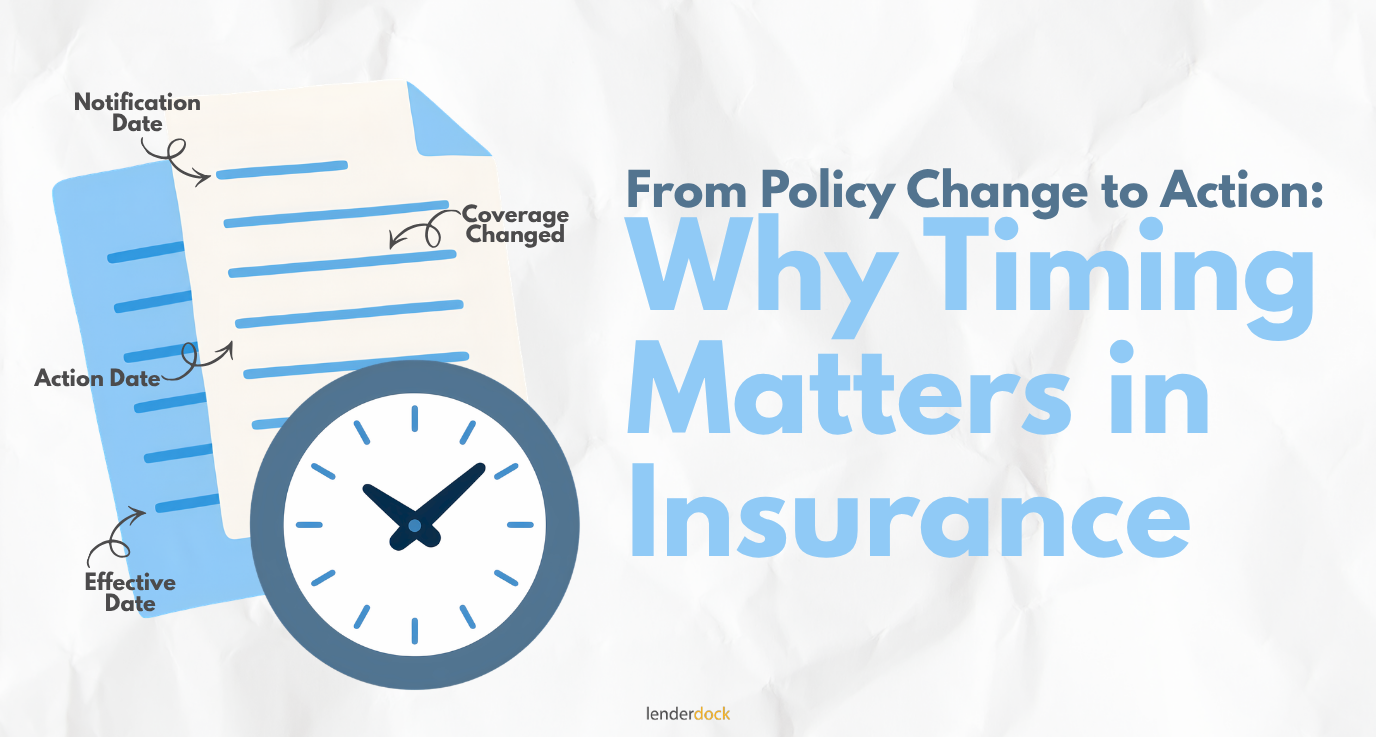
We’ve heard people in mortgage servicing use verification and tracking as if they’re interchangeable, and honestly, for a lot of daily work, treating them that way doesn’t break anything.
A two-day lag between a policy change and everyone finding out about it used to be annoying, not dangerous. Someone made a call, waited, got an answer, and moved on with their day.
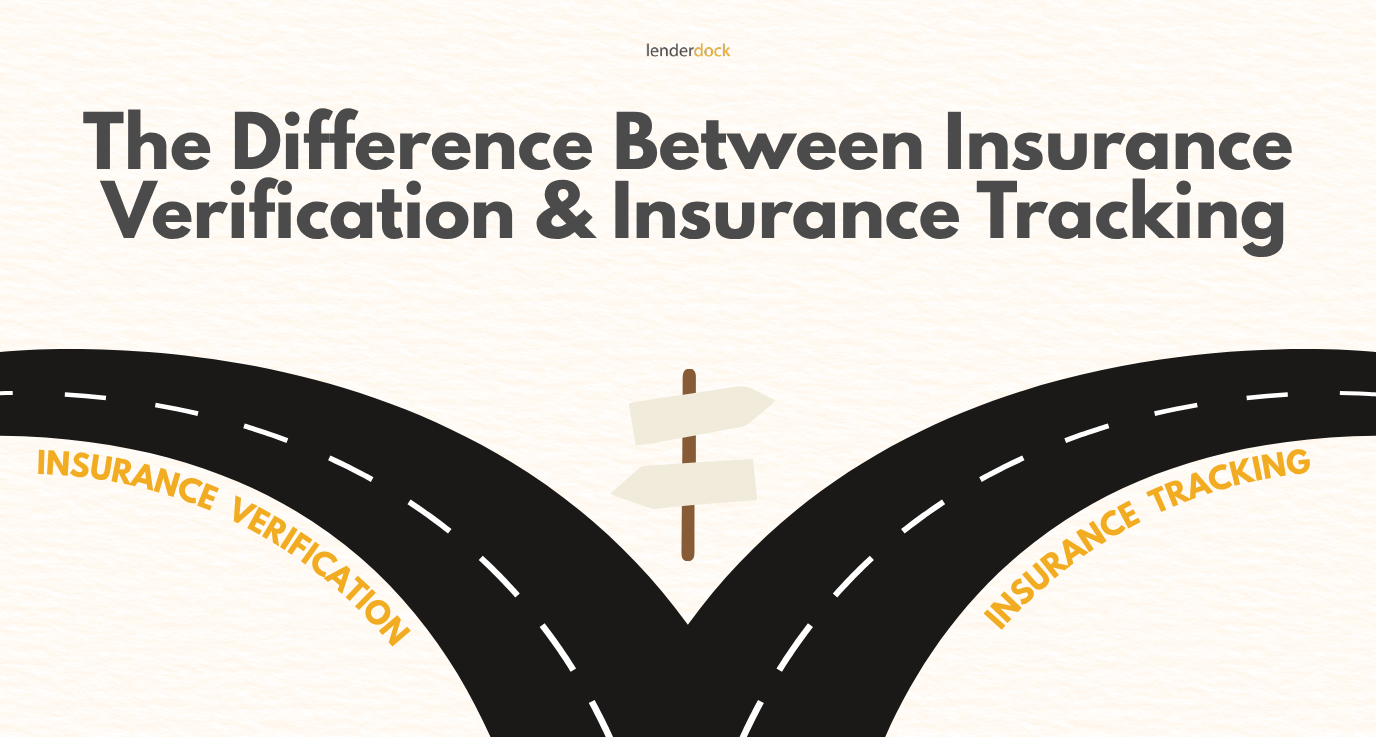
We’ve heard people in mortgage servicing use verification and tracking as if they’re interchangeable, and honestly, for a lot of daily work, treating them that way doesn’t break anything.
Insurance verification is a routine part of the lending and insurance process. A lender needs to know whether a policy is active. A mortgage servicer may need to confirm coverage or mortgagee information. An insurance…
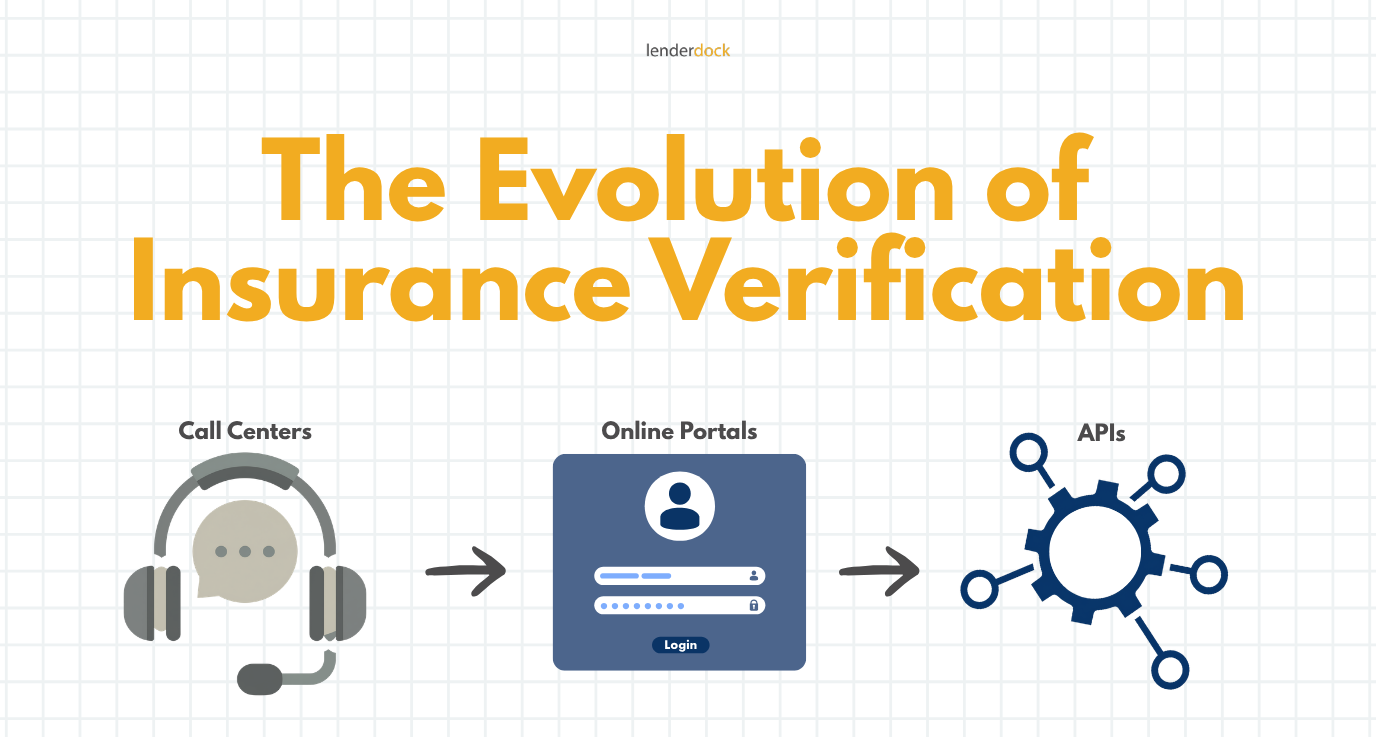
In the earliest version of insurance verification, the person answering the phone actually had to know things. They pulled a physical file, checked handwriting against a ledger, and made a judgment call about whether what…
Two insurers can each have perfectly accurate, well-maintained policy databases and still fail to exchange a single piece of usable data between them.
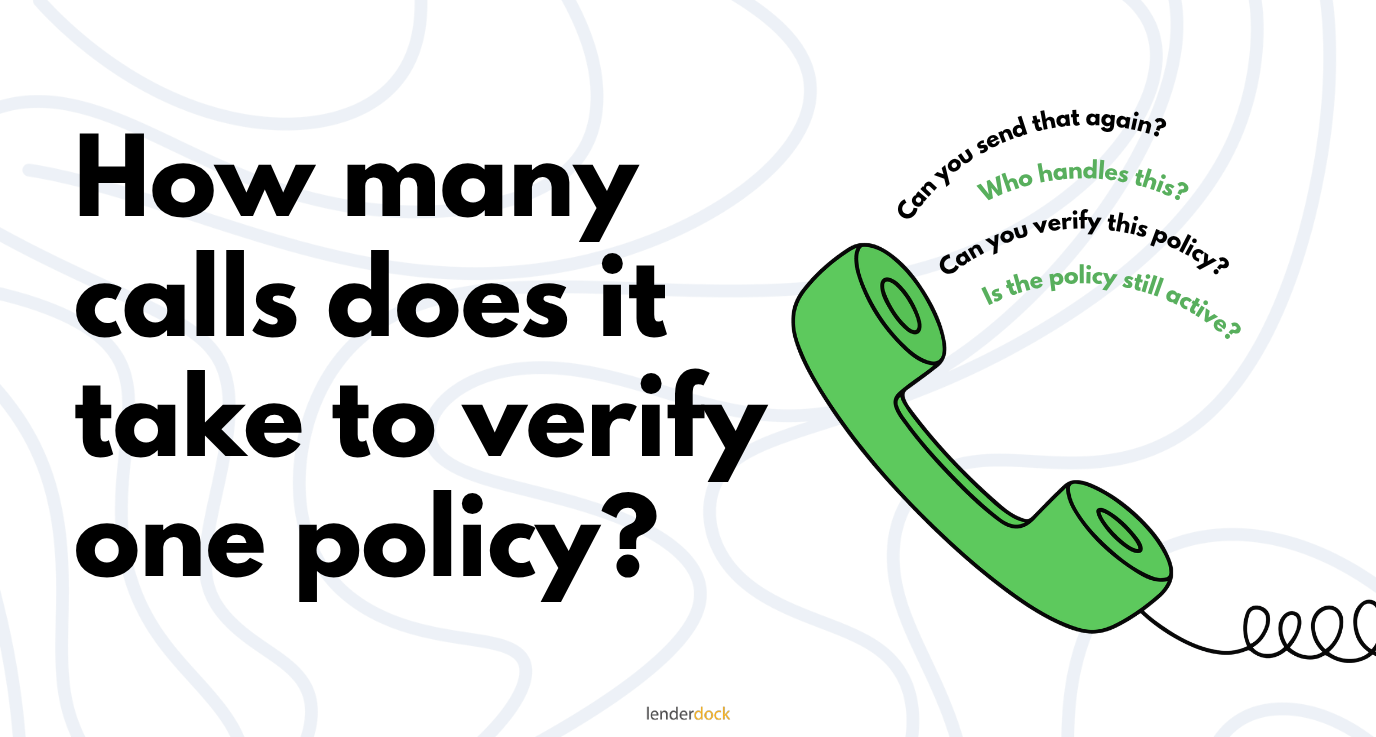
Every single day, insurance workers face a mountain of simple questions. Are they tired of answering the same questions about policy coverage all day long? Yes, they are. When banks or lenders need to check…
A title company closing a home sale needs to confirm the seller’s policy is active before the deal can move. An auto lender needs the same thing before releasing funds on a car loan. A…
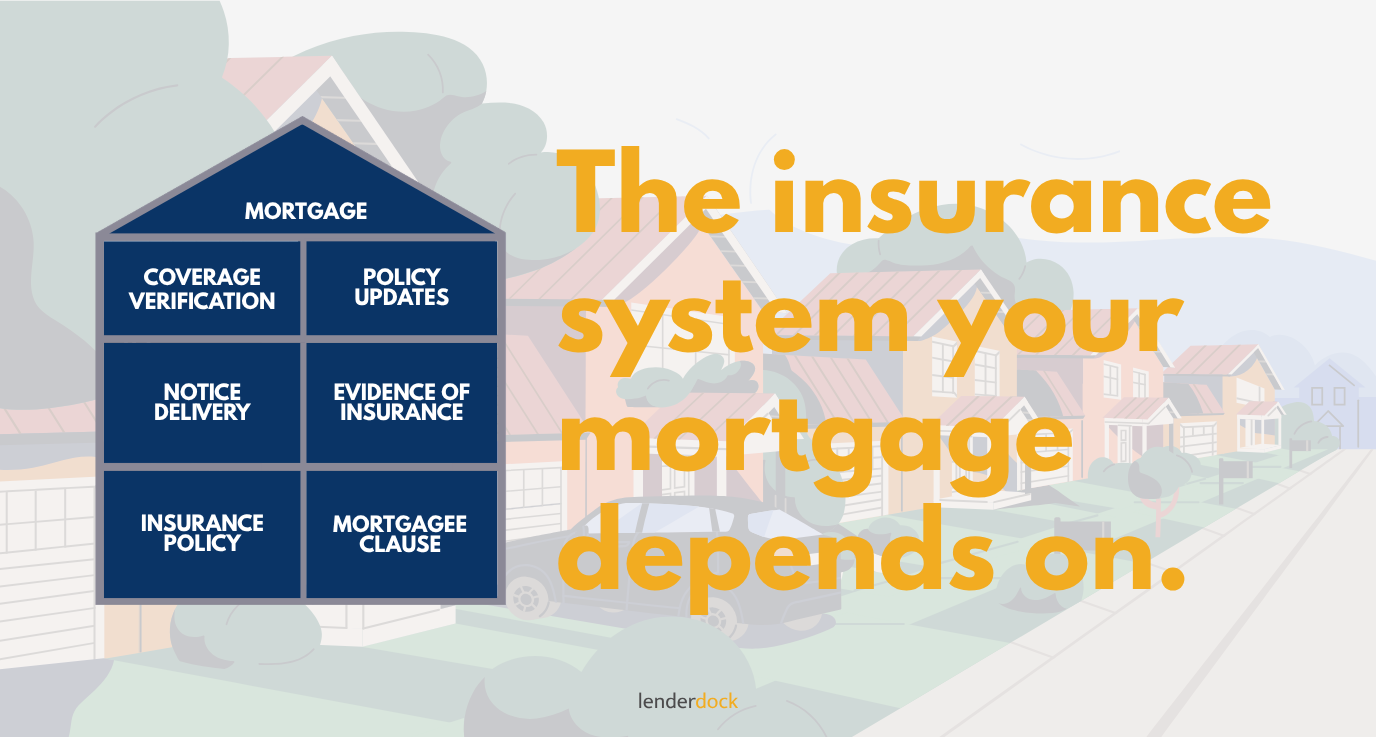
Most people who take out a mortgage never think about insurance as part of the loan itself. It feels adjacent, a separate purchase, something the lender requires but does not really participate in beyond checking…
Mortgagee corrections are a routine part of insurance servicing, but the process behind them is often anything but simple. A lender may find that the mortgagee’s name or address on a policy is out of…


We consectetur adipiscing elit tempor incididunt ut labore. Wondering ipsum dolor sit amet? We consectetur adipiscing ipsum nulla glavrida elit tempor incididunt.