From Policy Change to Action: Why Timing Matters in Insurance
We’ve heard people in mortgage servicing use verification and tracking as if they’re interchangeable, and honestly, for a lot of daily work, treating them that way doesn’t break anything.


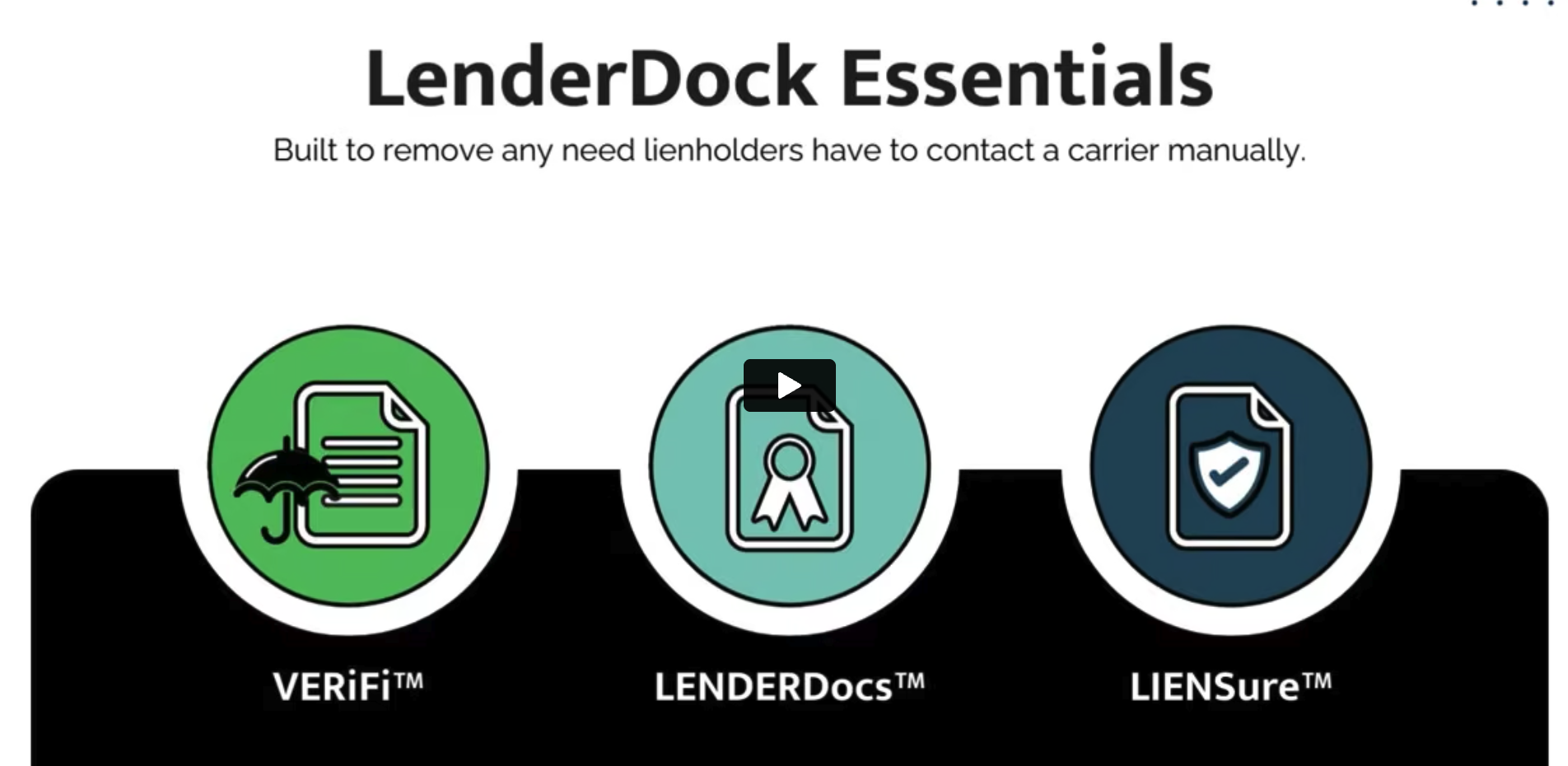
LenderDock provides real-time, insurance policy details through its magical web portal or its APIs.

LIENSure sends corrections digitally, straight from the financial source of truth and in bulk for easy processing.

ESCROWPay verifies what’s actually due before the money moves, then sends the payment and reconciliation data digitally.

NOTiFi delivers required policy, coverage, and billing notices in the formats lienholders actually use
At least check out the genesis of LenderDock Video. It’ll all make sense, the eco-system, that is.
Learn more about our great leadership team and our amazing, people-first, company culture.
There’s a lot going on at LenderDock and in our industries. We threw it all here to make it easier to keep up.
We go to a lot of events and we love to eat. See our calendar of where we’ll be.
New webinars will be coming quite frequently. Educational, success, and sales.
Insurance is defined as the pooling of resources by many to compensate the few faced with named risks. In legal terms, it is a contract in which the insurer agrees to indemnify the insured upon the occurrence of a specified event, in return for a payment called premium.
Like many contracts, terms and conditions are stipulated to govern it. But with the advent of technology, today, the insurance contract can be entirely digitized. This allows for entire processes like claims to be done autonomously. The technology making all this possible is blockchain.
From policy issuance, claims settlement, and even premium payments, smart contracts can automate all insurance processes with the help of blockchain technology.
This is because they are self-executing, meaning they perform a task, like releasing insurer’s funds for a claim settlement, upon satisfaction of a pre-coded condition, like approval of a claim upon evaluation.
Smart contracts are coded on a distributed ledger system like Ethereum, making it possible for anyone to verify the transaction. How? The record of all transactions is replicated in full on each participant’s computer. This makes them highly transparent, as everyone has a complete, traceable record of every transaction recorded on the blockchain.
Insurance can benefit from smart contracts through:
Smart contracts streamline the claims process by automating it based on predefined conditions. For example, in homeowner’s insurance, if an earthquake occurs, the smart contract can trigger the claims process without manual intervention. It verifies coverage, assesses damage, and can even facilitate claims settlement.
Smart contracts, with the help of blockchain, predictive analysis and IoT devices, can greatly improve the process of identifying potential risks posed by prospective customers.
Some health insurance programs today utilize smart contracts to monitor policyholders’ real-time health data from wearable devices. If certain health metrics indicate an increased risk, the smart contract can adjust the premium accordingly or trigger preventive measures such as health counseling or lifestyle recommendations.
Smart contracts can automate various aspects of policy administration such as issuance, renewal and modification. For example, when a customer purchases an insurance policy, a smart contract can automatically generate the policy document, record the transaction on the blockchain and initiate premium payments.
Similarly, at the time of renewal, the smart contract can assess the policyholder’s claims history and adjust the premium accordingly.
By leveraging smart contracts, customers’ experience can be greatly enhanced, offering transparency, efficiency, and convenience. Clients can easily access their policy details and track claims status in real-time through a user-friendly interface.
Furthermore, automated processes enabled by smart contracts ensure faster response times and resolutions, ultimately leading to increased customer satisfaction and loyalty.
The implementation of smart contracts in the insurance industry is gaining momentum. With the potential to revolutionize traditional insurance practices, smart contracts represent a significant step forward in modernizing the industry.
Chainlink Labs
ChainLink enables blockchain-based parametric insurance applications to access real-world data, automating claims processing and reducing operational expenses. In instances like severe weather events, Chainlink retrieves pertinent weather data to validate and automate compensation disbursements through an insurance provider’s smart contract.
Lemonade
Last year, 7000 Kenyan farmers received insurance payouts via the Lemonade Crypto Climate Coalition. Smart contracts on the blockchain were created upon enrollment in the parametric crop insurance program. At season end, yield data transmitted to smart contracts triggered instant payouts for crop failures due to adverse weather conditions. This has expedited claim settlements, eliminating the need for filing or human adjusters, thus reducing costs and processing times.
Insurwave
Insurwave is the world’s first blockchain solution for marine insurance, utilizing the Corda Blockchain. It connects clients, brokers, insurers and third parties via distributed ledgers, storing comprehensive data on identities, risks, and exposures. Seamlessly integrated with insurance contracts, Insurwave facilitates asset data management, links data to policy contracts, enables real-time processing of pricing and business changes, and validates up-to-date loss data notifications.
Smart contracts have revolutionized the insurance industry, transforming slow claims processing and lack of transparency in insurance into streamlined, automated operations. This transformation is exemplified by bold initiatives from major firms like Lemonade and IBM.
However, as with any emerging technology, it’s crucial to ensure that the benefits outweigh the drawbacks. Proper utilization of smart contracts requires smart and proper investment in understanding the underlying technology, namely Blockchain. In addition, thorough market research is essential to gauge readiness and reception.
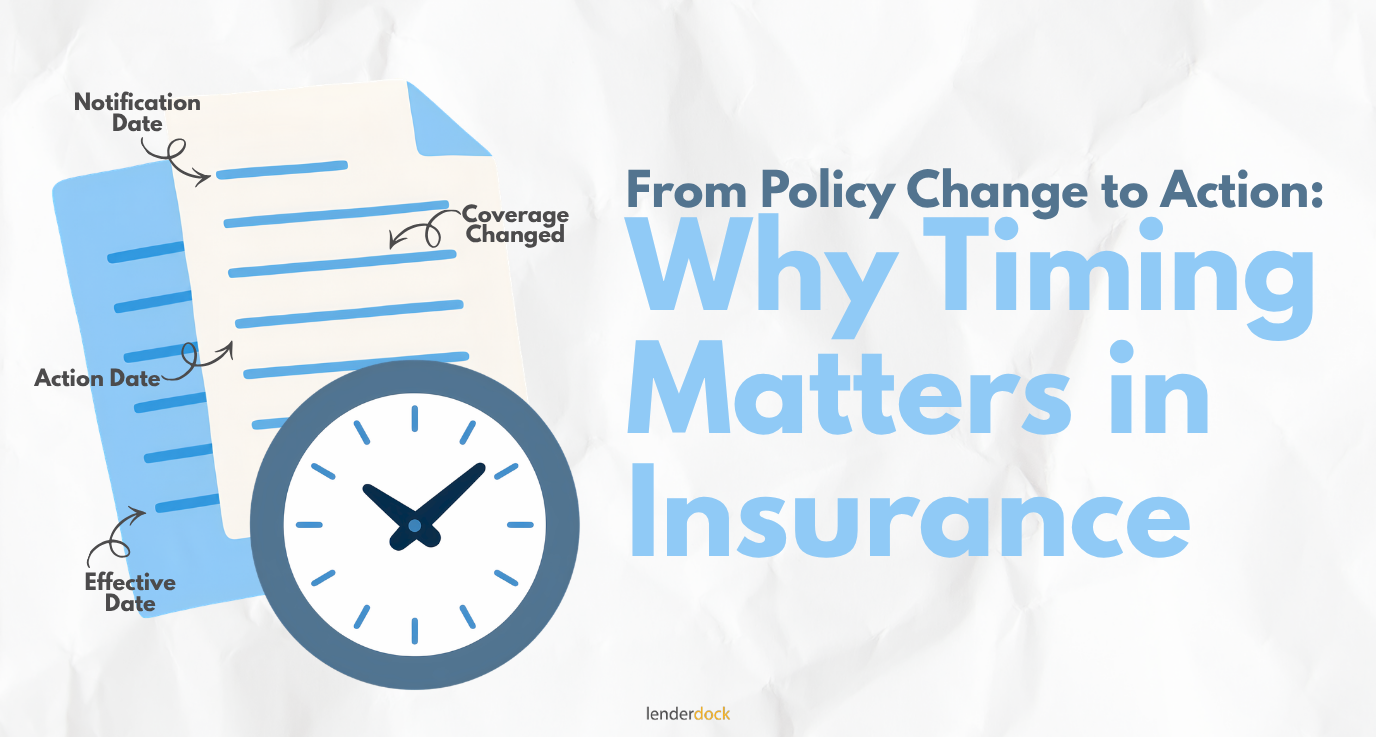
We’ve heard people in mortgage servicing use verification and tracking as if they’re interchangeable, and honestly, for a lot of daily work, treating them that way doesn’t break anything.
A two-day lag between a policy change and everyone finding out about it used to be annoying, not dangerous. Someone made a call, waited, got an answer, and moved on with their day.
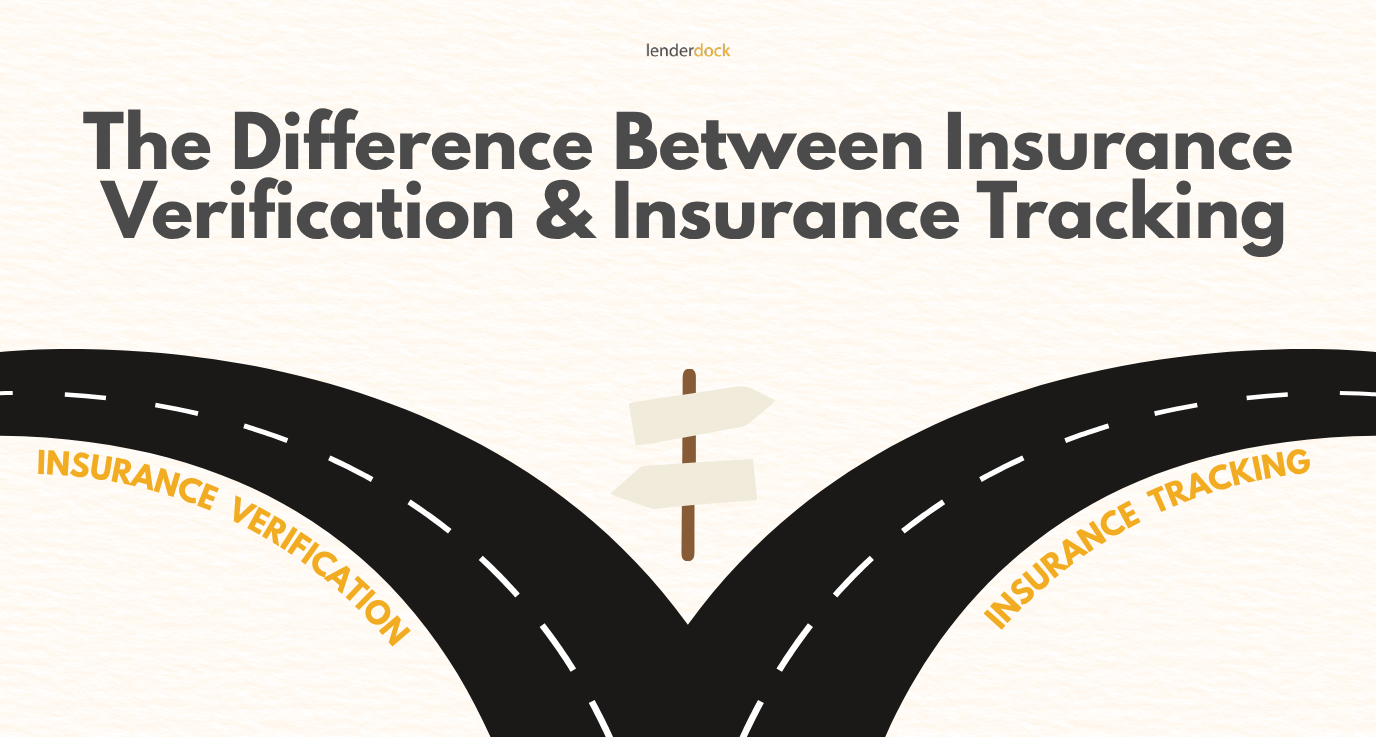
We’ve heard people in mortgage servicing use verification and tracking as if they’re interchangeable, and honestly, for a lot of daily work, treating them that way doesn’t break anything.
Insurance verification is a routine part of the lending and insurance process. A lender needs to know whether a policy is active. A mortgage servicer may need to confirm coverage or mortgagee information. An insurance…
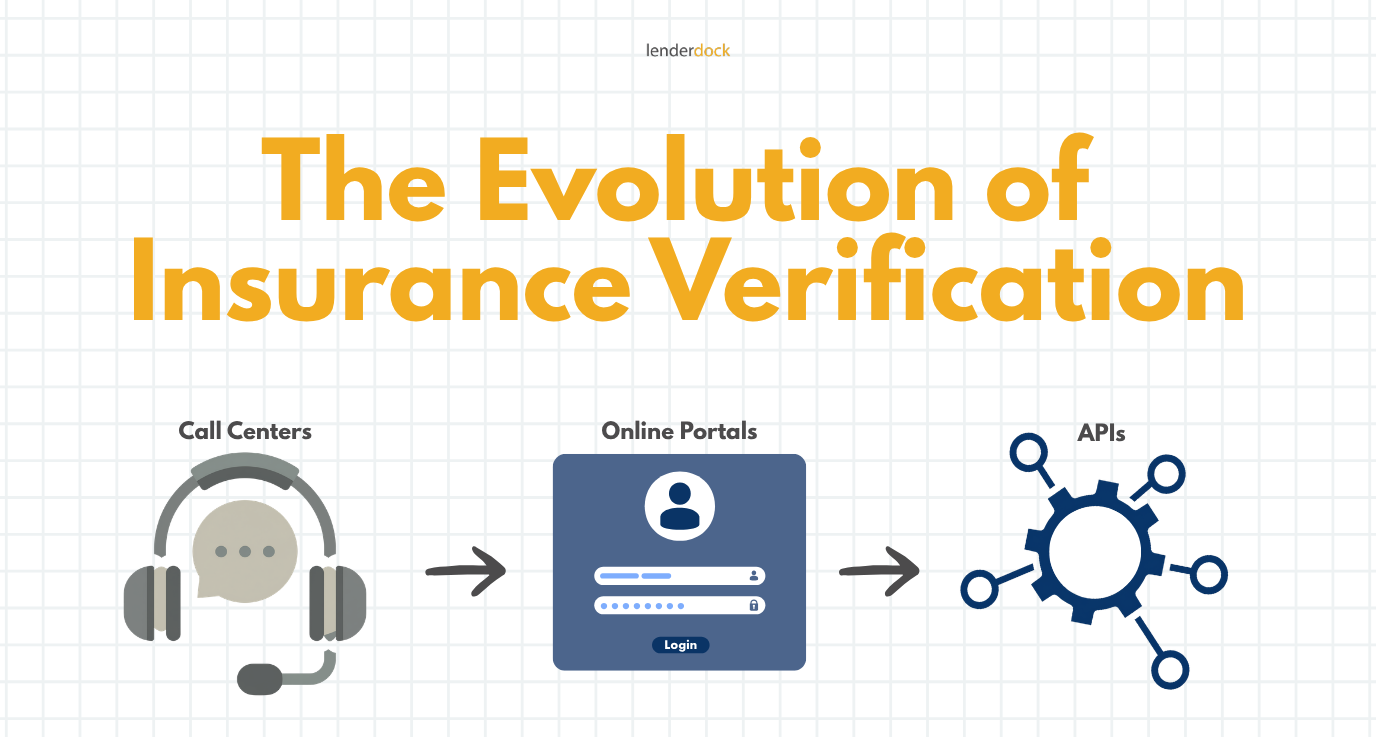
In the earliest version of insurance verification, the person answering the phone actually had to know things. They pulled a physical file, checked handwriting against a ledger, and made a judgment call about whether what…
Two insurers can each have perfectly accurate, well-maintained policy databases and still fail to exchange a single piece of usable data between them.
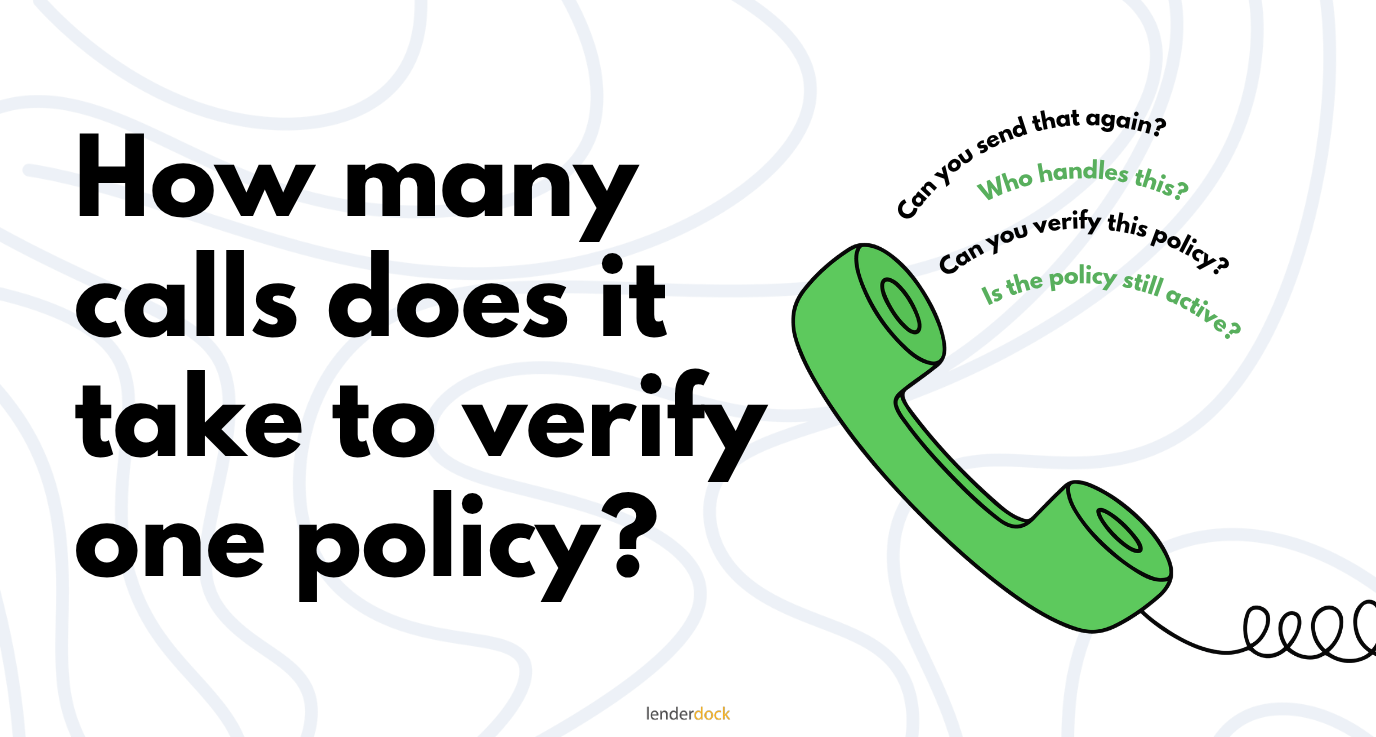
Every single day, insurance workers face a mountain of simple questions. Are they tired of answering the same questions about policy coverage all day long? Yes, they are. When banks or lenders need to check…
A title company closing a home sale needs to confirm the seller’s policy is active before the deal can move. An auto lender needs the same thing before releasing funds on a car loan. A…
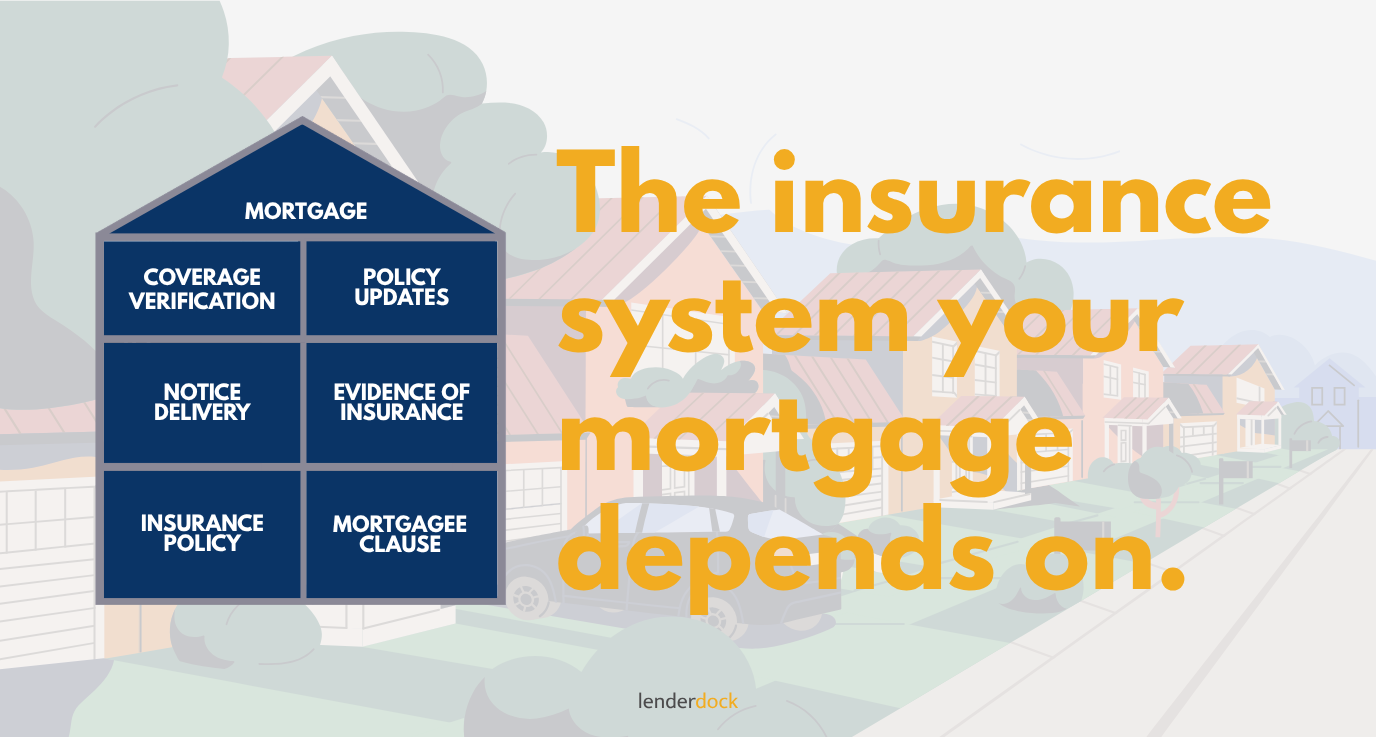
Most people who take out a mortgage never think about insurance as part of the loan itself. It feels adjacent, a separate purchase, something the lender requires but does not really participate in beyond checking…
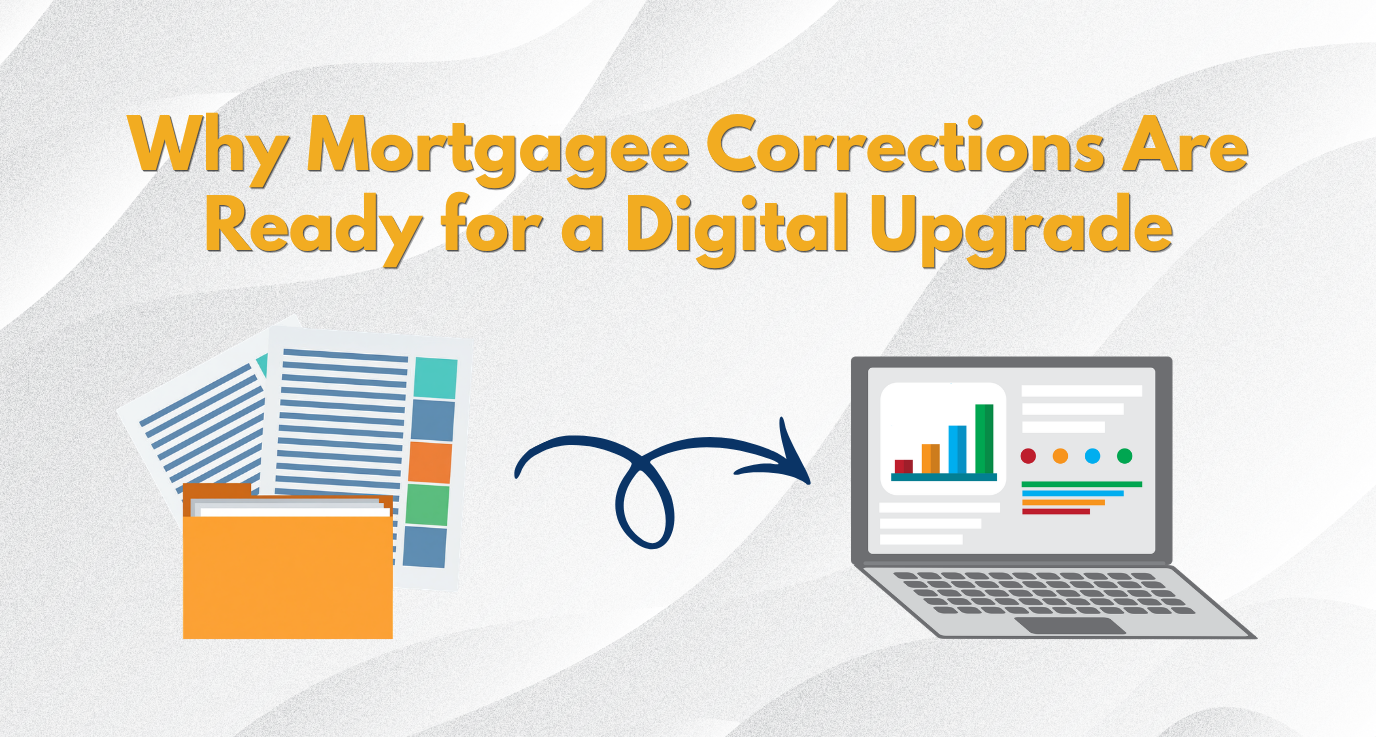
Mortgagee corrections are a routine part of insurance servicing, but the process behind them is often anything but simple. A lender may find that the mortgagee’s name or address on a policy is out of…


We consectetur adipiscing elit tempor incididunt ut labore. Wondering ipsum dolor sit amet? We consectetur adipiscing ipsum nulla glavrida elit tempor incididunt.