From Policy Change to Action: Why Timing Matters in Insurance
We’ve heard people in mortgage servicing use verification and tracking as if they’re interchangeable, and honestly, for a lot of daily work, treating them that way doesn’t break anything.


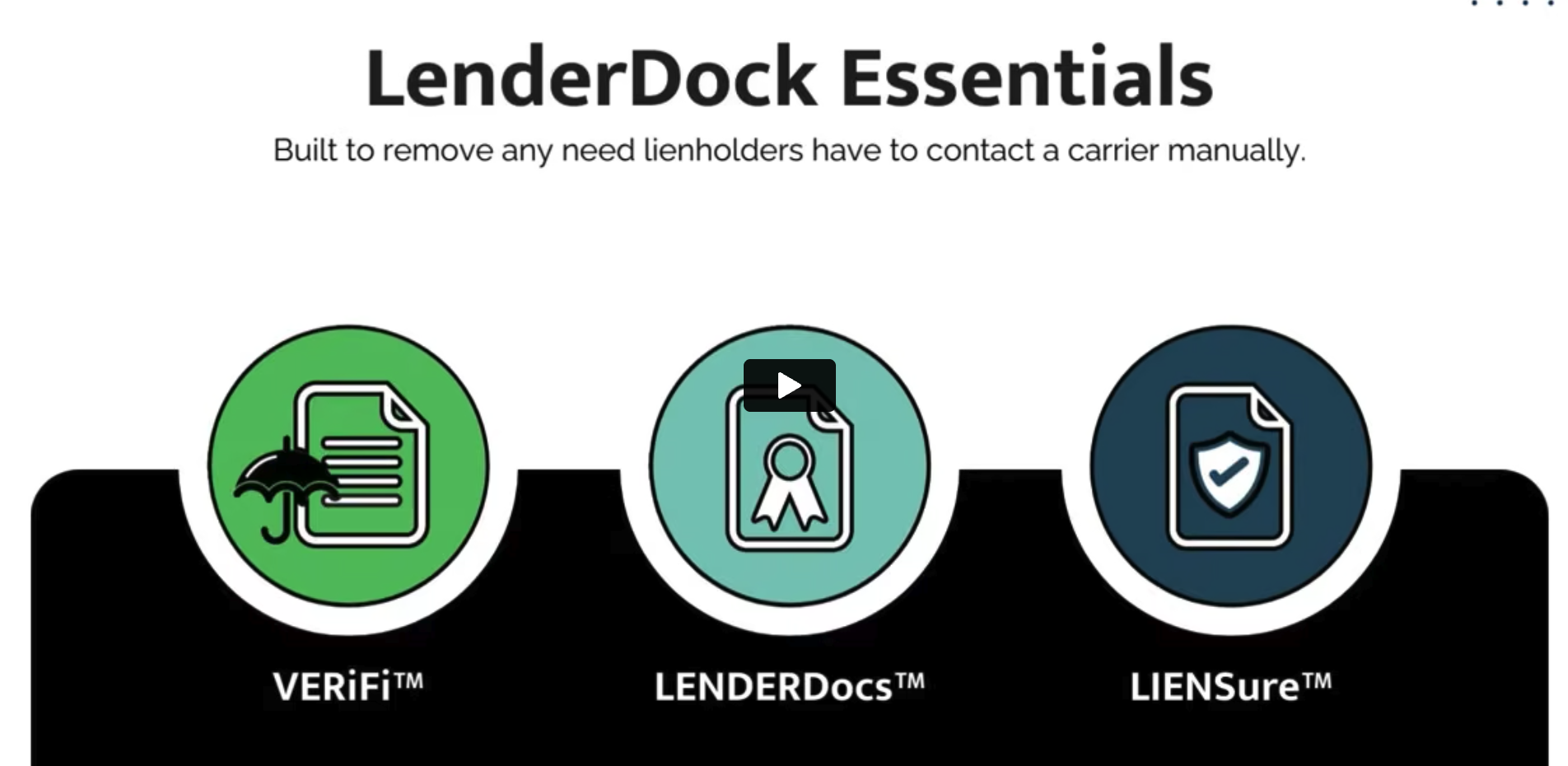
LenderDock provides real-time, insurance policy details through its magical web portal or its APIs.

LIENSure sends corrections digitally, straight from the financial source of truth and in bulk for easy processing.

ESCROWPay verifies what’s actually due before the money moves, then sends the payment and reconciliation data digitally.

NOTiFi delivers required policy, coverage, and billing notices in the formats lienholders actually use
At least check out the genesis of LenderDock Video. It’ll all make sense, the eco-system, that is.
Learn more about our great leadership team and our amazing, people-first, company culture.
There’s a lot going on at LenderDock and in our industries. We threw it all here to make it easier to keep up.
We go to a lot of events and we love to eat. See our calendar of where we’ll be.
New webinars will be coming quite frequently. Educational, success, and sales.
The life insurance industry has long grappled with numerous challenges. Complex application processes, lengthy underwriting times, lack of personalization, and high costs have made life insurance products difficult to sell and even harder to understand.
However, the advent of advanced technologies is transforming the sector, providing innovative solutions to these persistent issues.
Here’s how insurers are harnessing technology to overcome these obstacles and enhance the customer experience.
Complex & lengthy application processes
Traditional life insurance applications often involve extensive paperwork, invasive medical exams, and numerous questions, making the process cumbersome and time-consuming for applicants.
Inefficient underwriting
The underwriting process, which involves assessing risk and determining premiums, has historically been slow and labor-intensive. This leads to delays in policy issuance and frustration for customers.
Lack of personalization
Life insurance products have often been one-size-fits-all. This means that conventional products fail to cater to the unique needs and preferences of individual customers, resulting in less-than-optimal coverage.
High costs
The administrative burden and inefficiencies inherent in traditional insurance processes—like costly medical exams and data entry—contribute to higher costs for both insurers and policyholders.
According to the National Association of Insurance Commissioners (NAIC), administrative costs can account for approximately 10-15% of premiums in the life insurance sector.
Poor customer engagement
For many years, there has been limited interaction between insurers and policyholders, leading to low customer engagement and satisfaction.
This, in turn, has increased policy cancellation rates and reduced renewal rates, especially in the case of term insurance policies.
While you can’t enthusiastically sell the idea of death—which, in essence, is what you are doing when selling life insurance—technology has made life insurance products easier to understand, more affordable, and tailor-made for each customer.
Most importantly, technology has revolutionized the industry by simplifying processes and enhancing the customer experience.
This transformation is made possible through:
Problem addressed: Inefficient underwriting & lengthy application processes
Solution: AI and machine learning algorithms are revolutionizing the underwriting process by analyzing vast amounts of data quickly and accurately. These technologies assess risk based on factors like medical history, lifestyle, and even genetic information, enabling insurers to offer personalized premiums and faster policy issuance.
Example: Haven Life Insurance uses AI to automate underwriting, allowing customers to receive term life insurance quotes and coverage decisions within minutes, without the need for medical exams.
Problem addressed: High costs & lack of personalization
Solution: Wearable devices like fitness trackers and smartwatches collect real-time health data, which insurers use to monitor the health and activity levels of policyholders. This data enables insurers to offer dynamic pricing models and reward healthy behaviors with premium discounts or other incentives, thereby reducing overall costs and encouraging healthier lifestyles.
Example: United Healthcare integrates wearable technology into its policies such as health and term life insurance, offering discounts and rewards to policyholders who meet certain fitness goals, promoting healthier living and reducing claims.
Problem addressed: Lack of trust & poor customer engagement
Solution: Blockchain technology enhances transparency, security, and efficiency in the insurance process. It allows for the secure sharing of data between insurers, healthcare providers, and policyholders, reducing repetitive paperwork and ensuring data integrity. Additionally, smart contracts on the blockchain automate claims processing, making the entire process faster and more transparent.
Example: MetLife’s LumenLabs uses blockchain to enable instant verification of policyholder information and automated claims processing, reducing administrative overhead and speeding up payouts, which boosts customer satisfaction.
Problem addressed: Inefficient Underwriting and Lack of Personalization
Solution: Big data analytics allows insurers to analyze large datasets to identify patterns and trends that traditional methods might miss. This data-driven approach helps insurers better understand customer needs and behaviors, allowing for more accurate risk assessment and the development of tailored insurance products.
Example: John Hancock has integrated wearable technology into its life insurance products through its Vitality program. Customers can earn premium discounts and rewards by sharing health data from devices like FitBit and Apple Watch.
Problem addressed: Poor customer engagement & complex application processes
Solution: Digital platforms and mobile apps provide customers with easy access to insurance services, from applying for coverage to managing policies and filing claims. These platforms enhance the customer experience by offering a seamless, user-friendly interface and 24/7 accessibility.
Example: Aetna’s mobile app, Aetna Mobile, allows policyholders to manage their health and insurance needs in one place, offering services like health checks, mental health support, and nutritional advice.
The integration of advanced technologies is transforming the life insurance industry, addressing long-standing challenges and creating new opportunities for growth sustainability. These innovations not only streamline processes and reduce costs but also enhance customer engagement, paving the way for a more dynamic and responsive insurance landscape.
As technology continues to evolve, the life insurance industry will undoubtedly see even more groundbreaking advancements, further improving the customer experience and closing the protection gap.
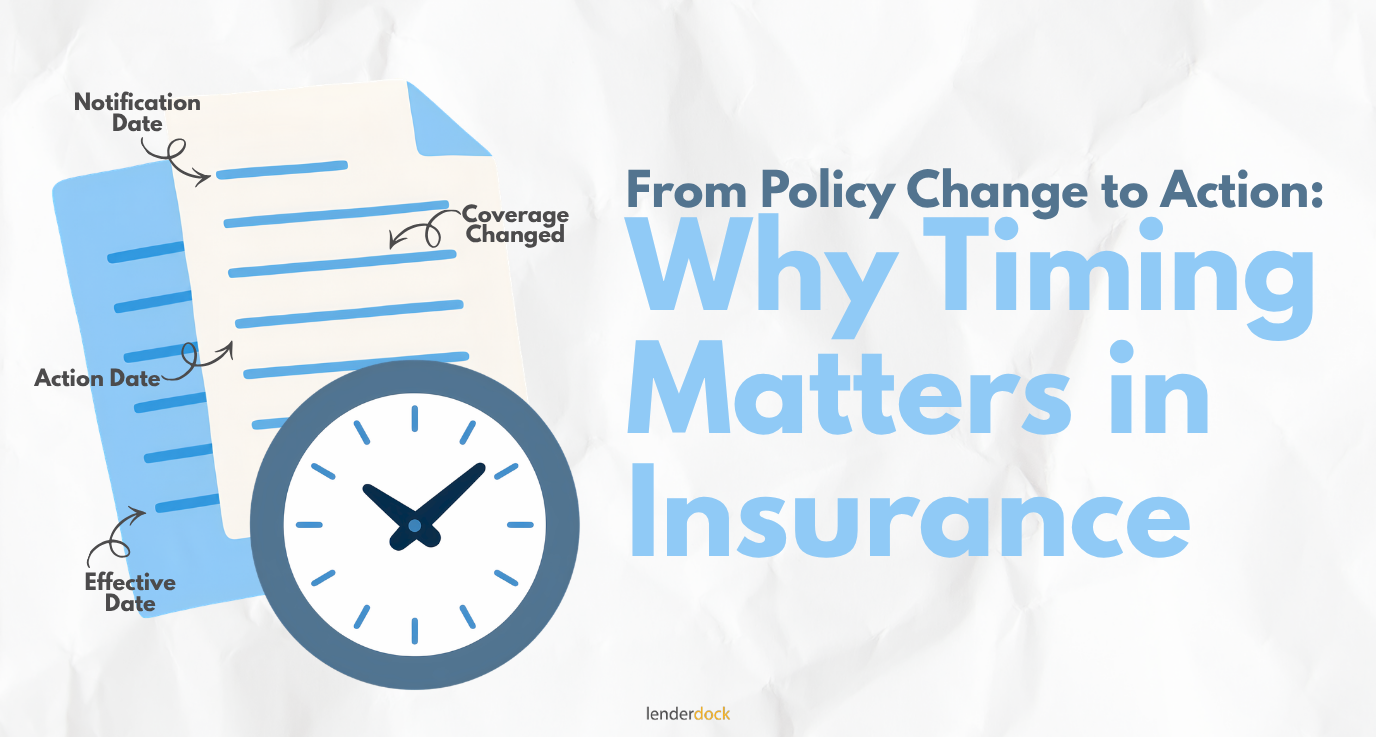
We’ve heard people in mortgage servicing use verification and tracking as if they’re interchangeable, and honestly, for a lot of daily work, treating them that way doesn’t break anything.
A two-day lag between a policy change and everyone finding out about it used to be annoying, not dangerous. Someone made a call, waited, got an answer, and moved on with their day.

We’ve heard people in mortgage servicing use verification and tracking as if they’re interchangeable, and honestly, for a lot of daily work, treating them that way doesn’t break anything.

Insurance verification is a routine part of the lending and insurance process. A lender needs to know whether a policy is active. A mortgage servicer may need to confirm coverage or mortgagee information. An insurance…
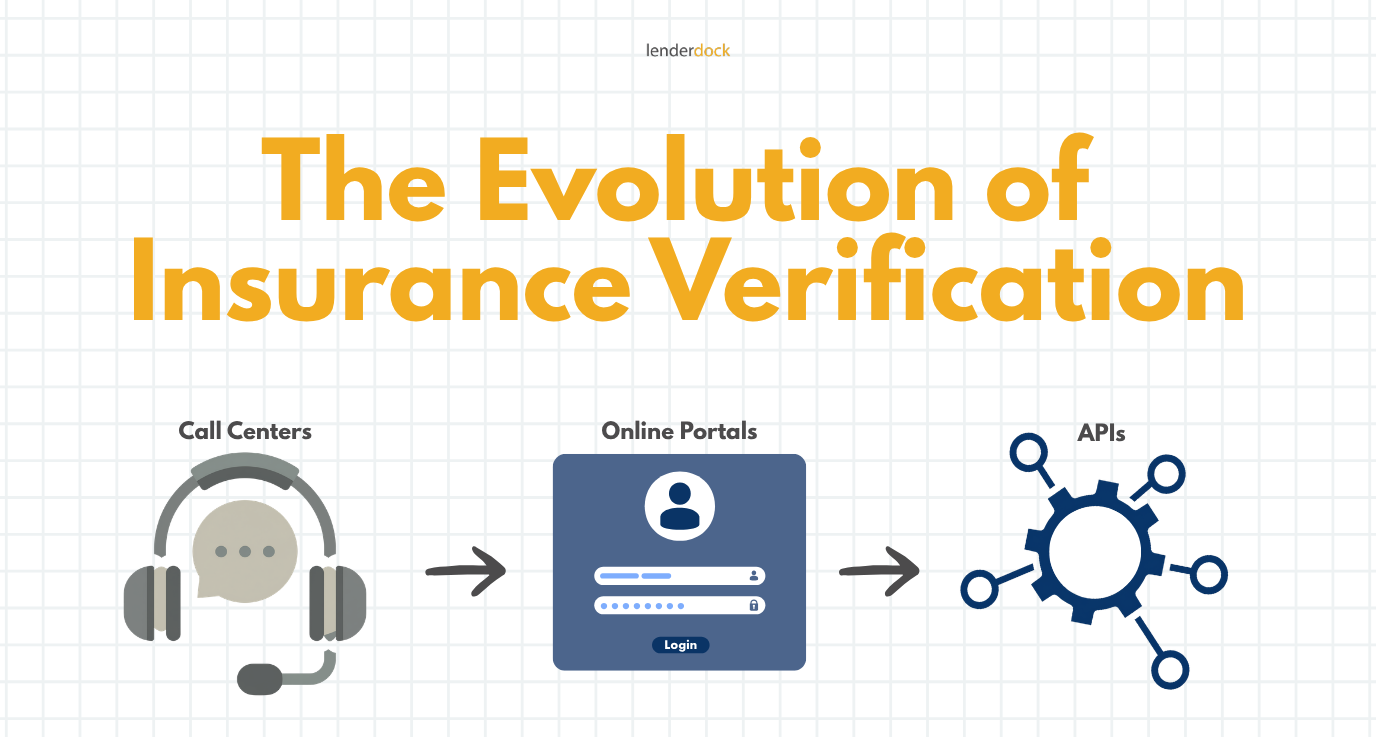
In the earliest version of insurance verification, the person answering the phone actually had to know things. They pulled a physical file, checked handwriting against a ledger, and made a judgment call about whether what…
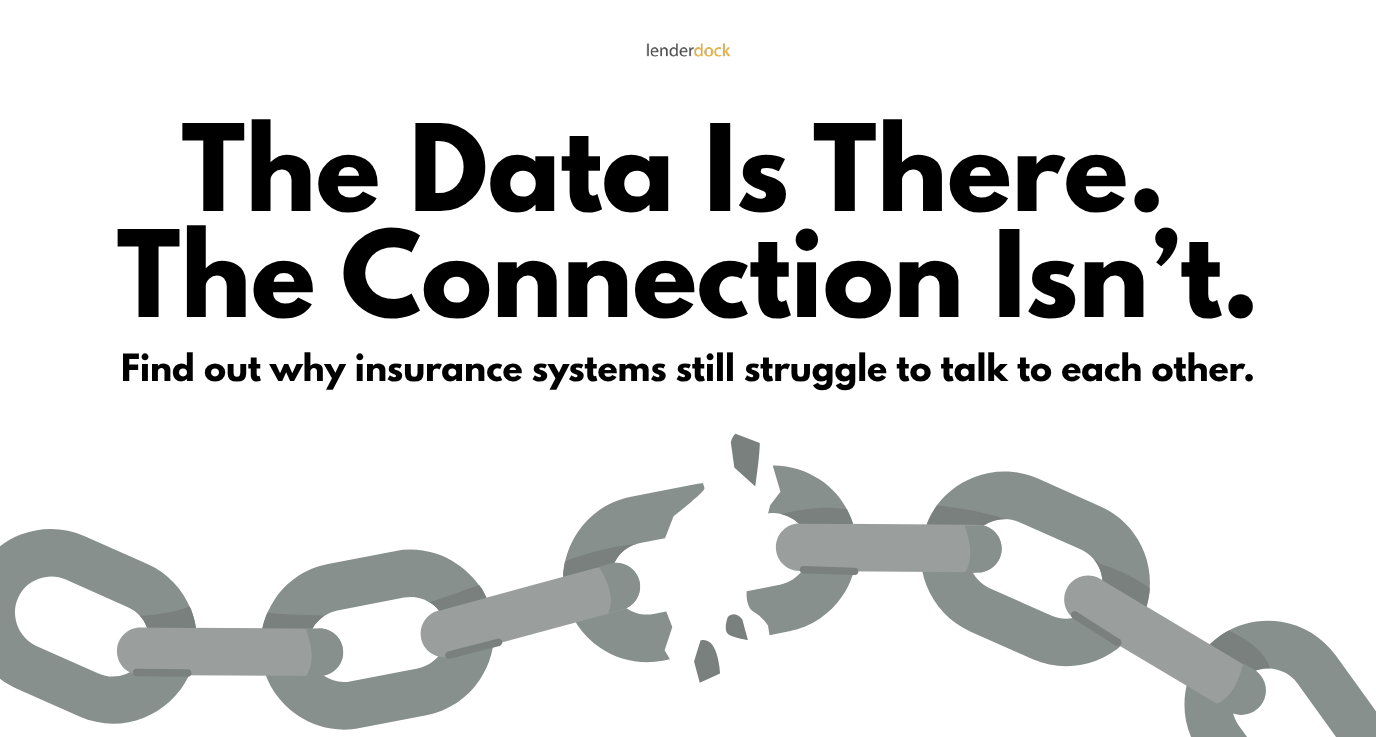
Two insurers can each have perfectly accurate, well-maintained policy databases and still fail to exchange a single piece of usable data between them.
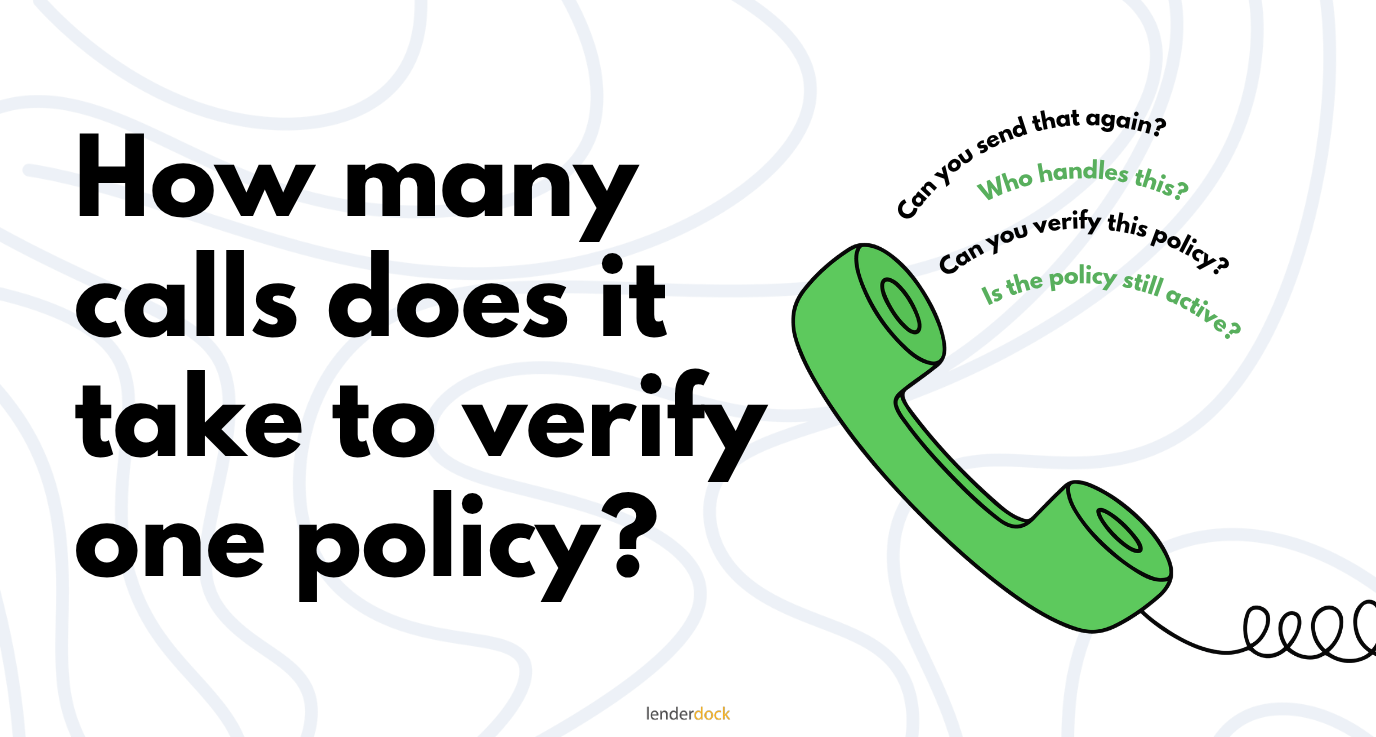
Every single day, insurance workers face a mountain of simple questions. Are they tired of answering the same questions about policy coverage all day long? Yes, they are. When banks or lenders need to check…
A title company closing a home sale needs to confirm the seller’s policy is active before the deal can move. An auto lender needs the same thing before releasing funds on a car loan. A…
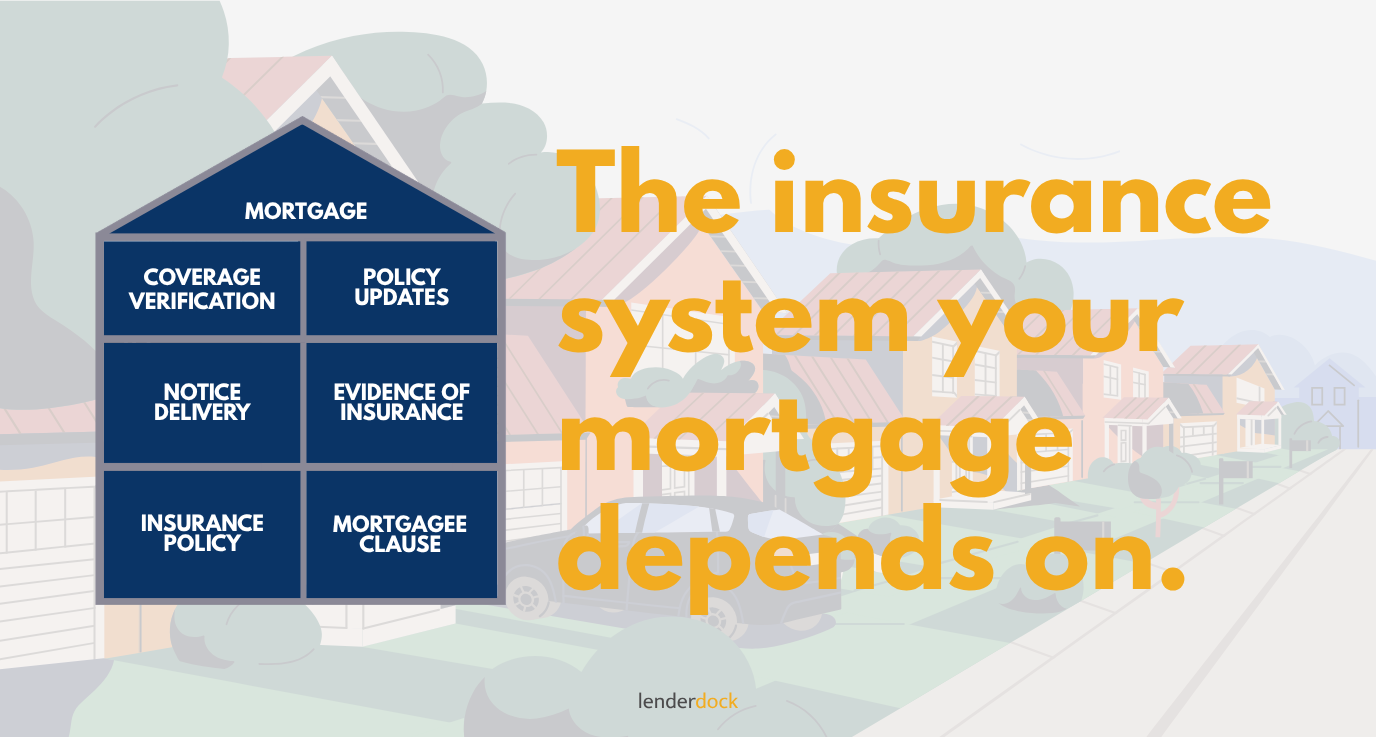
Most people who take out a mortgage never think about insurance as part of the loan itself. It feels adjacent, a separate purchase, something the lender requires but does not really participate in beyond checking…
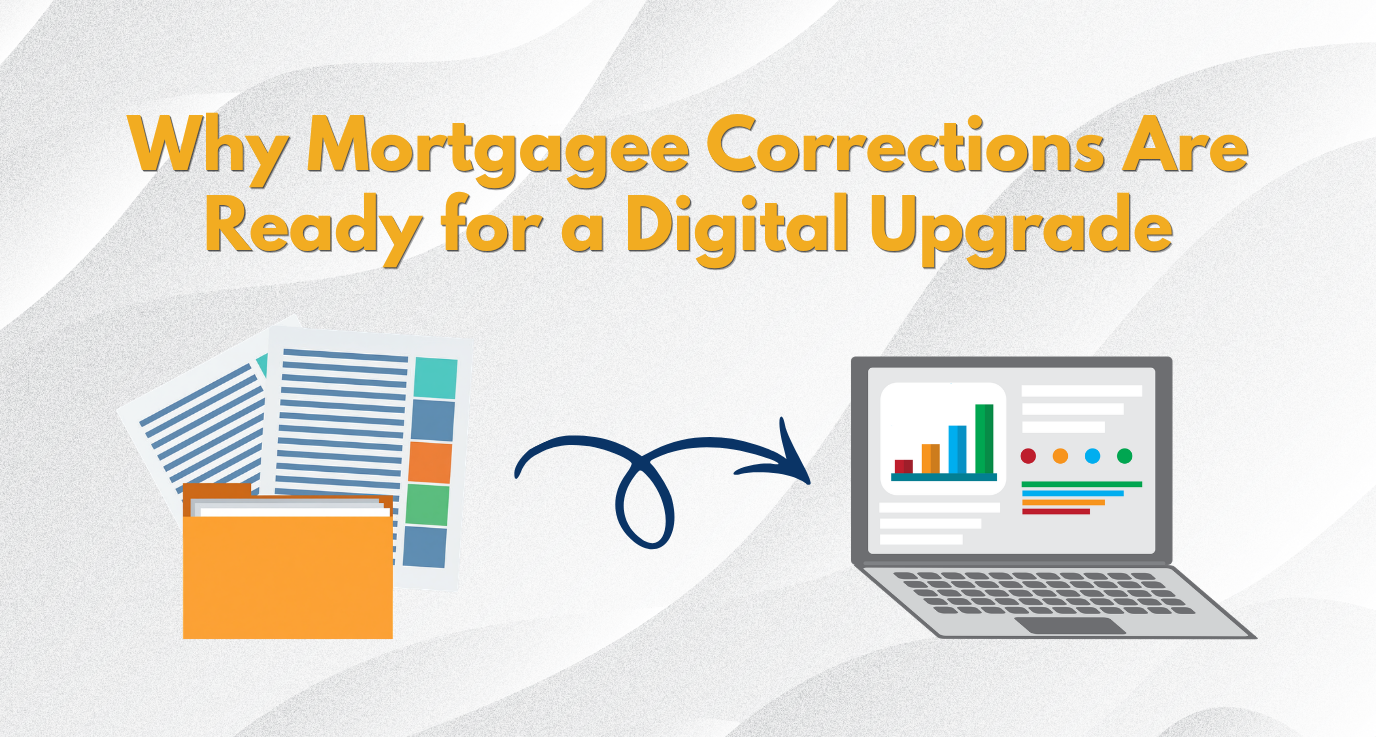
Mortgagee corrections are a routine part of insurance servicing, but the process behind them is often anything but simple. A lender may find that the mortgagee’s name or address on a policy is out of…


We consectetur adipiscing elit tempor incididunt ut labore. Wondering ipsum dolor sit amet? We consectetur adipiscing ipsum nulla glavrida elit tempor incididunt.