From Policy Change to Action: Why Timing Matters in Insurance
We’ve heard people in mortgage servicing use verification and tracking as if they’re interchangeable, and honestly, for a lot of daily work, treating them that way doesn’t break anything.


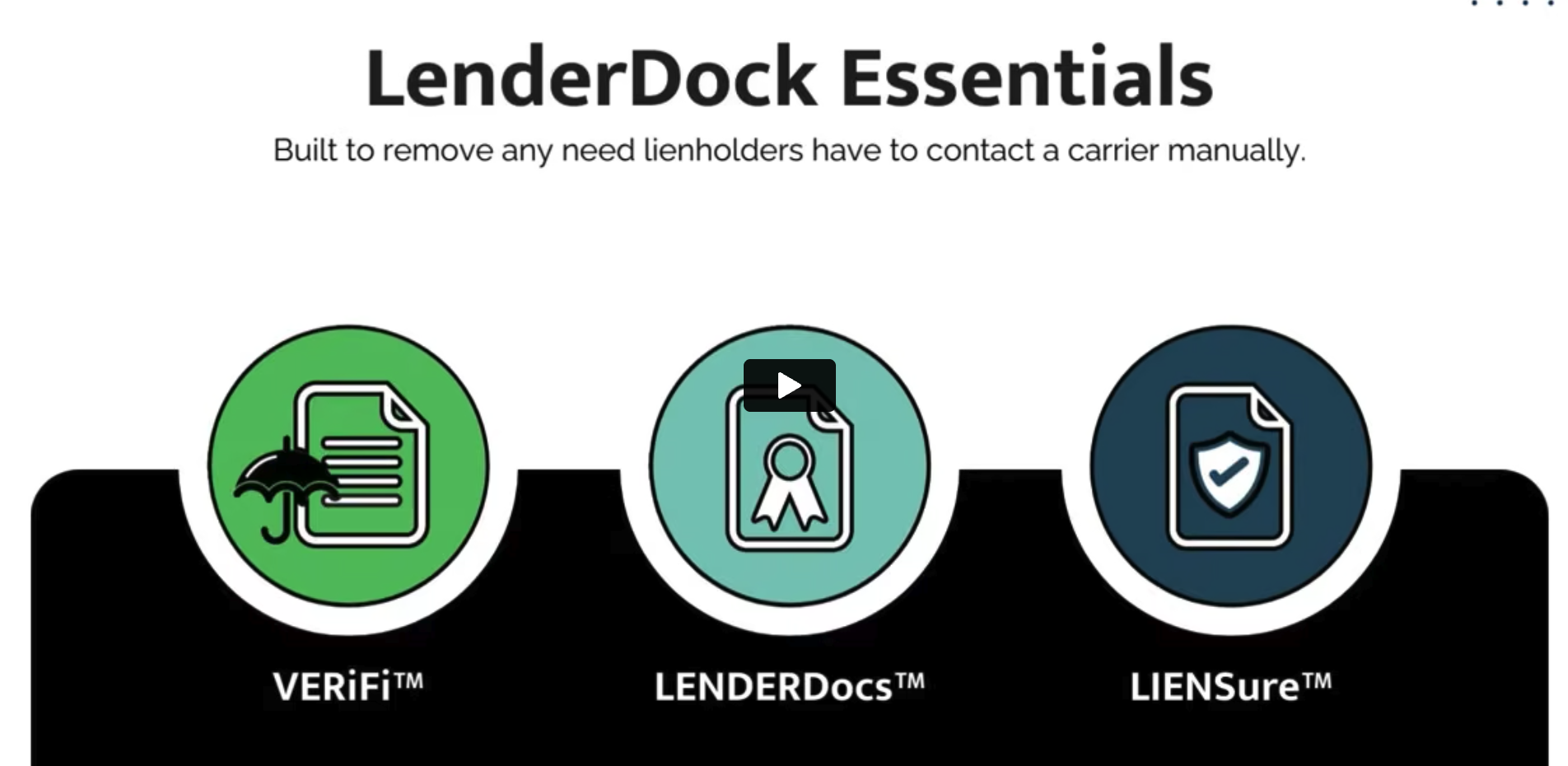
LenderDock provides real-time, insurance policy details through its magical web portal or its APIs.

LIENSure sends corrections digitally, straight from the financial source of truth and in bulk for easy processing.

ESCROWPay verifies what’s actually due before the money moves, then sends the payment and reconciliation data digitally.

NOTiFi delivers required policy, coverage, and billing notices in the formats lienholders actually use
At least check out the genesis of LenderDock Video. It’ll all make sense, the eco-system, that is.
Learn more about our great leadership team and our amazing, people-first, company culture.
There’s a lot going on at LenderDock and in our industries. We threw it all here to make it easier to keep up.
We go to a lot of events and we love to eat. See our calendar of where we’ll be.
New webinars will be coming quite frequently. Educational, success, and sales.
The insurance industry sits on a mountain of personal data – health records, driving habits, financial details. It’s the fuel for innovation in Insurtech, but without responsible use and robust security, it becomes a liability. Here’s a harsh reality. An eye-watering 37% of consumers have already walked away from companies due to data privacy concerns. And 81% believe how you handle their data is a direct reflection of how much you value them as a customer.
These statistics reflect a growing distrust. Policyholders are asking: how is my data being used? Is it secure? Does the company truly value me as a customer, or just my information?
With this in mind let’s examine why transparency and trust are paramount, and how prioritizing data security can become a competitive advantage in the Insurtech landscape.
Consumers today are more conscious than ever before about their data privacy – 69% report feeling more worried than ever about their personal information. This heightened awareness isn’t born in a vacuum. Recent years have seen high-profile data breaches like the Facebook-Cambridge Analytica scandal, where millions of users’ data were harvested without consent, the Equifax breach that exposed the sensitive information of 147 million people, and the Marriott International incident, which compromised the personal details of approximately 500 million guests. And popular documentaries like Netflix’s The Social Dilemma have peeled back the curtain on how our data is collected, used, and sometimes misused.
The result? Around 70% of adults globally are actively taking steps to protect their online privacy. They’re deleting unused accounts, tightening privacy settings, and demanding greater transparency from the companies they interact with. This shift in consumer behavior presents a stark reality for the insurance industry: data privacy isn’t just a regulatory hurdle, it’s a bridge of trust to your policyholders.
The insurance and Insurtech industries collect a vast amount of data to accurately assess risk, set premiums, prevent fraud, and provide better services to their customers. This data is essential for creating tailored insurance products and for the efficient functioning of the industry.
Here’s a breakdown of the data Insurtech collects, and why it matters:
Insurance companies operate within a stringent regulatory framework designed to protect consumer data. For example, the Federal Gramm-Leach-Bliley Act (GLB) mandates that financial institutions (including insurers) must fully explain their information-sharing practices to customers and offer them the option to opt out of sharing their sensitive information. Similarly, the California Consumer Privacy Act (CCPA) provides California residents with the right to know what personal data is being collected about them, if it’s being sold (and to who), and the ability to access, delete, and opt out of the sale of their personal information. Then we have the Health Insurance Portability and Accountability Act (HIPAA) which sets national standards for the protection of sensitive patient health information.
All insurance companies will be aware of these regulations and more. However, compliance alone is not enough. It’s crucial for insurers to transparently communicate their data protection practices to build consumer trust. Let’s get into how in the next section.
Today, policyholders are demanding transparency and control over their personal data, and that means insurance companies need to do more to communicate how they handle consumer data. Failing to do this can result in consumers going to your competitors.
To effectively communicate your commitment to data privacy:
Lastly, we have cybersecurity. Collecting data allows for more accurate policies and fuels the development of innovative products, so it’s not something insurance companies want to give up. And let’s not forget, it benefits policyholders too. However, any data collected should be protected with stringent cybersecurity measures.
Insurance and Insurtech companies should prioritize advanced threat detection systems, implement the principle of least privilege (limiting user access to only essential data), and utilize firewalls and network segmentation to prevent unauthorized access. These measures not only prevent attacks but also limit the damage if one occurs.
In today’s data-driven world, ignoring data privacy is a recipe for disaster. By prioritizing clear communication, responsible data practices, and top-notch security, Insurtechs can turn privacy concerns into a competitive advantage. The choice is clear: embrace data privacy or risk losing policyholders.
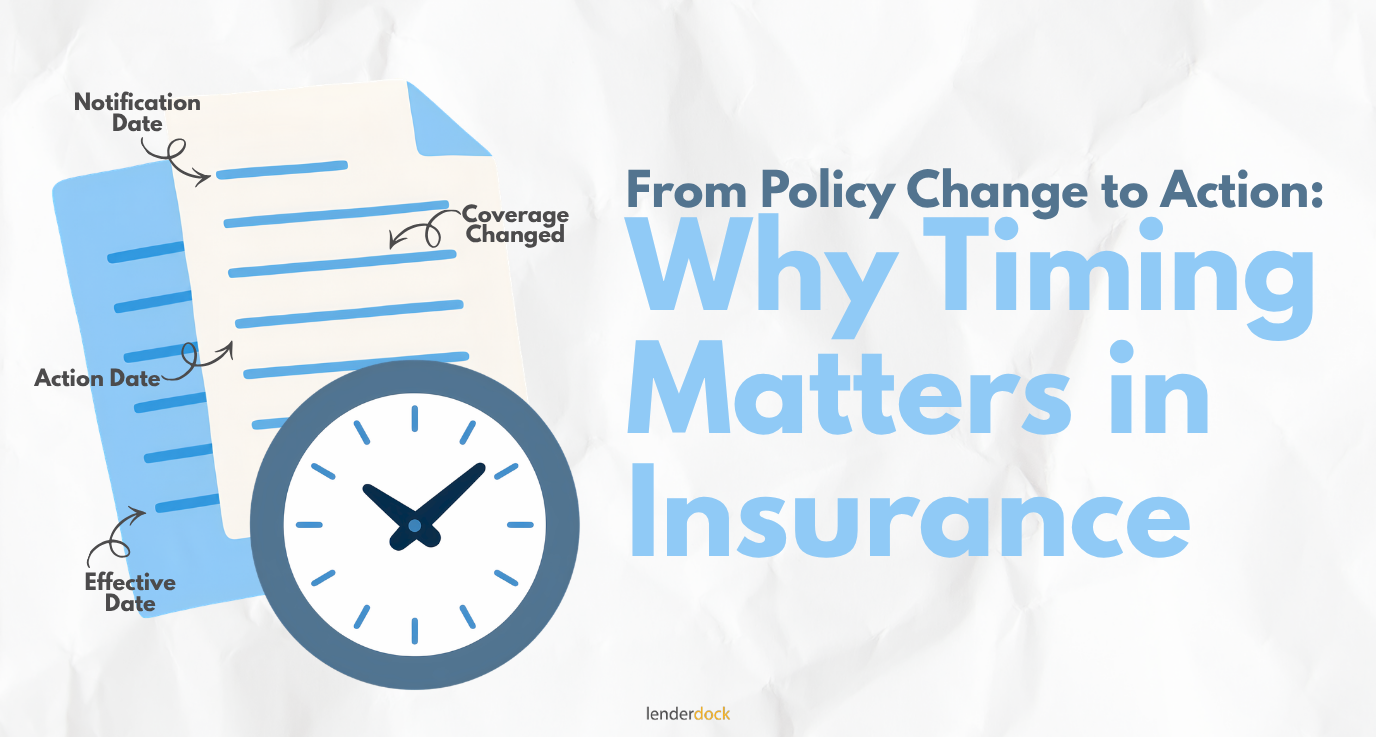
We’ve heard people in mortgage servicing use verification and tracking as if they’re interchangeable, and honestly, for a lot of daily work, treating them that way doesn’t break anything.
A two-day lag between a policy change and everyone finding out about it used to be annoying, not dangerous. Someone made a call, waited, got an answer, and moved on with their day.
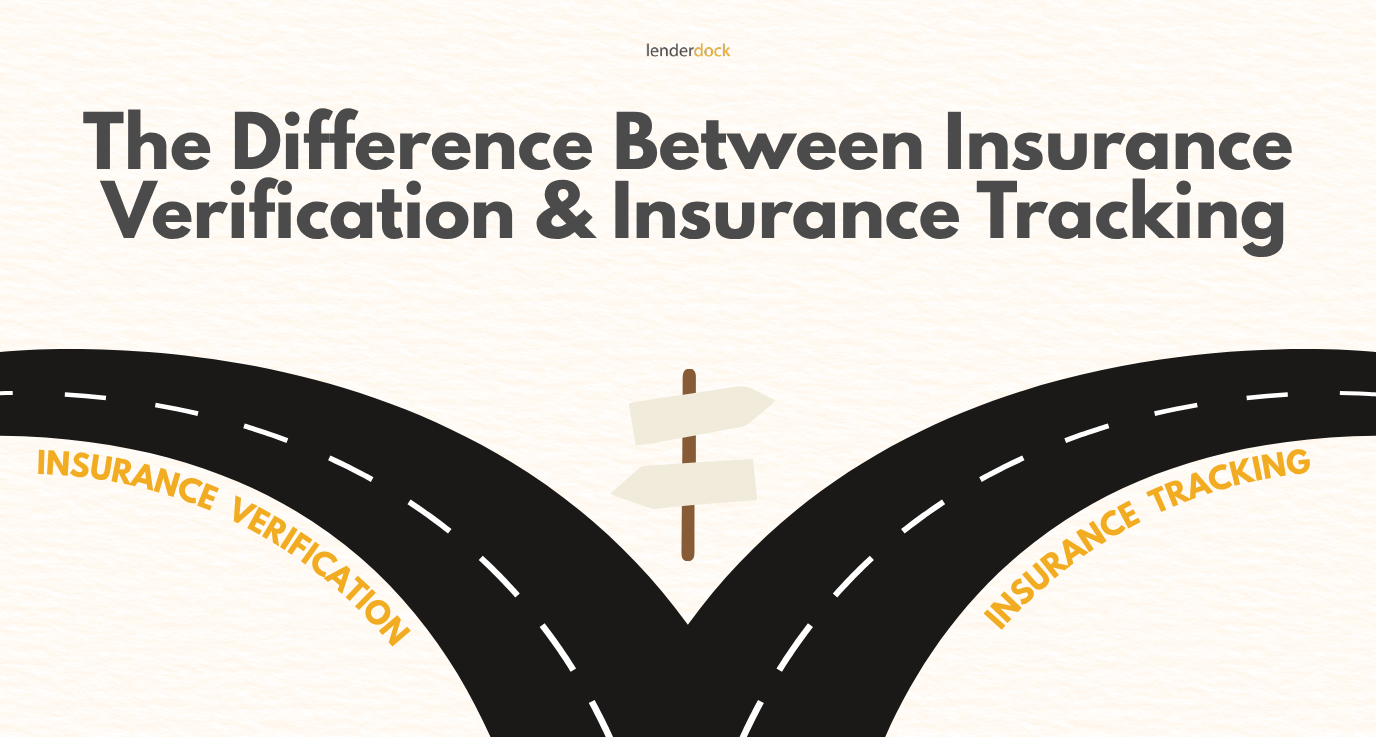
We’ve heard people in mortgage servicing use verification and tracking as if they’re interchangeable, and honestly, for a lot of daily work, treating them that way doesn’t break anything.
Insurance verification is a routine part of the lending and insurance process. A lender needs to know whether a policy is active. A mortgage servicer may need to confirm coverage or mortgagee information. An insurance…
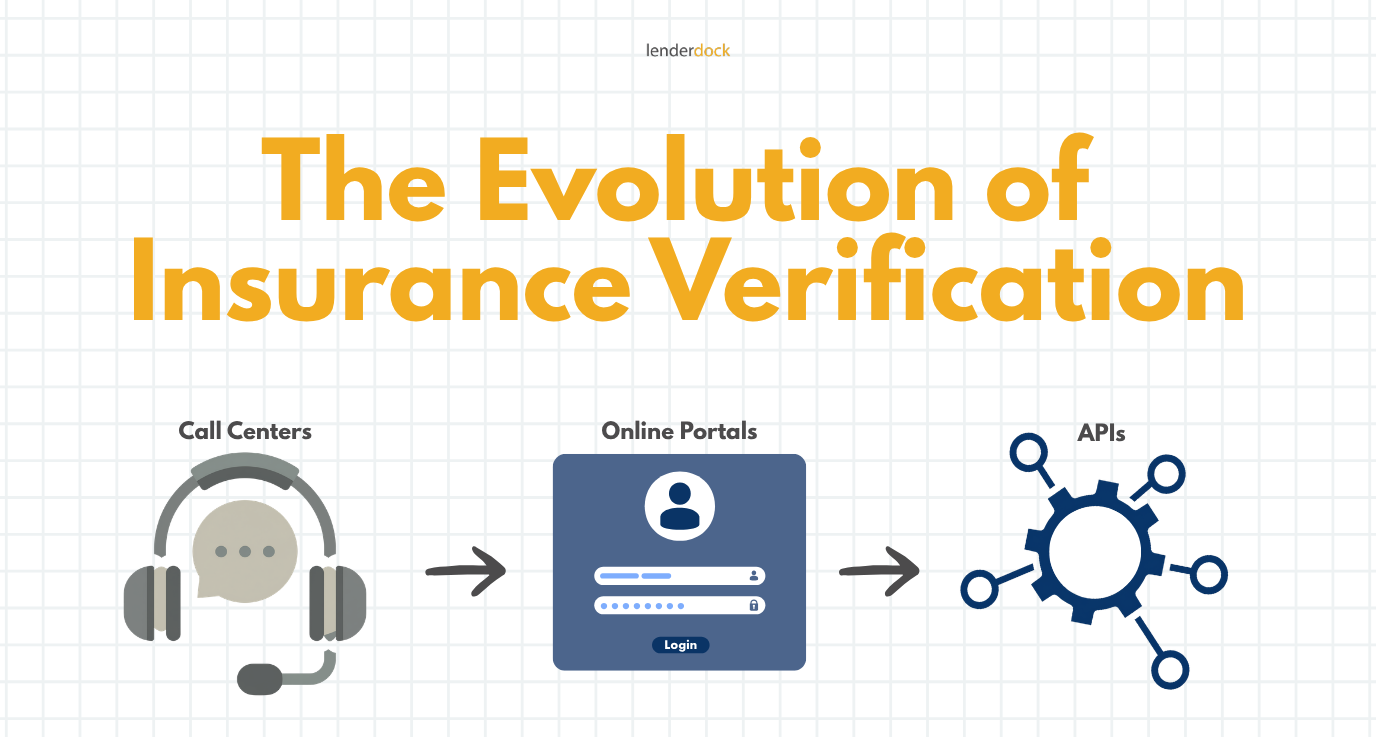
In the earliest version of insurance verification, the person answering the phone actually had to know things. They pulled a physical file, checked handwriting against a ledger, and made a judgment call about whether what…
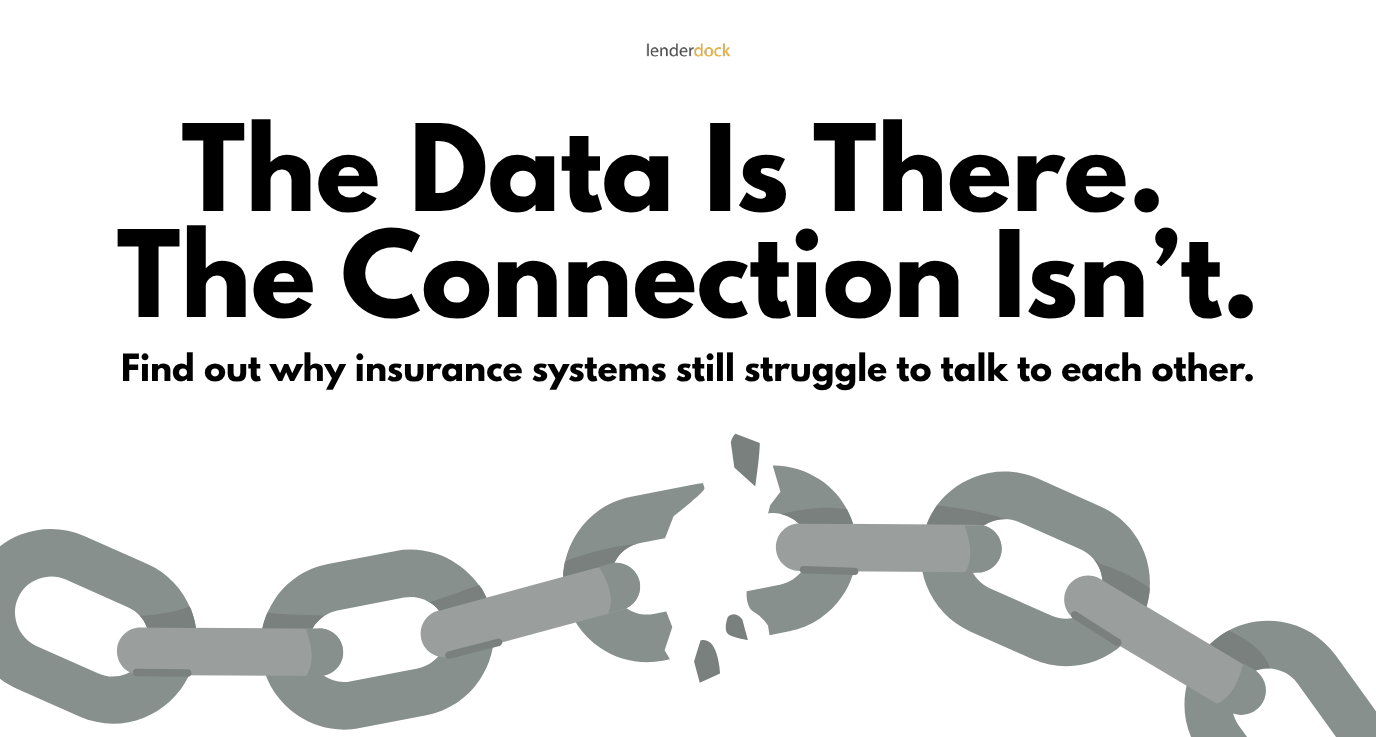
Two insurers can each have perfectly accurate, well-maintained policy databases and still fail to exchange a single piece of usable data between them.
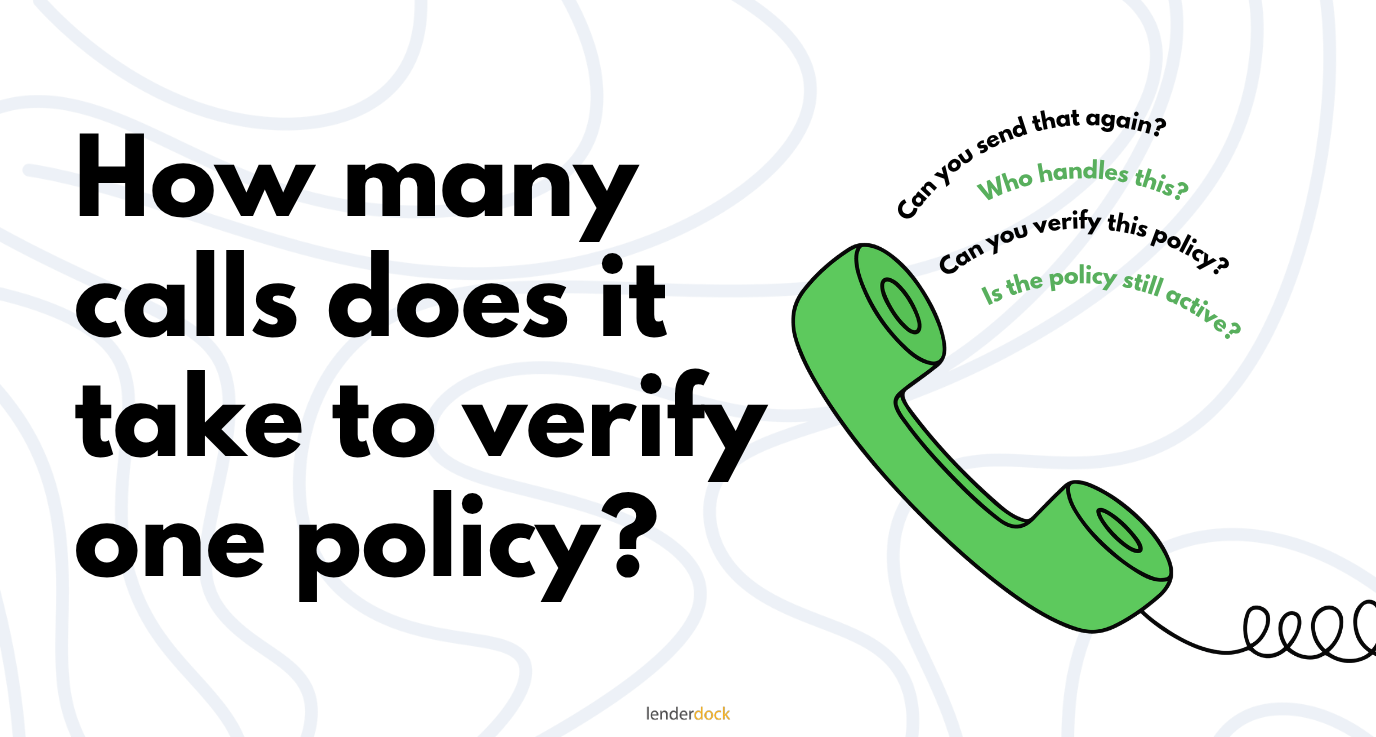
Every single day, insurance workers face a mountain of simple questions. Are they tired of answering the same questions about policy coverage all day long? Yes, they are. When banks or lenders need to check…
A title company closing a home sale needs to confirm the seller’s policy is active before the deal can move. An auto lender needs the same thing before releasing funds on a car loan. A…
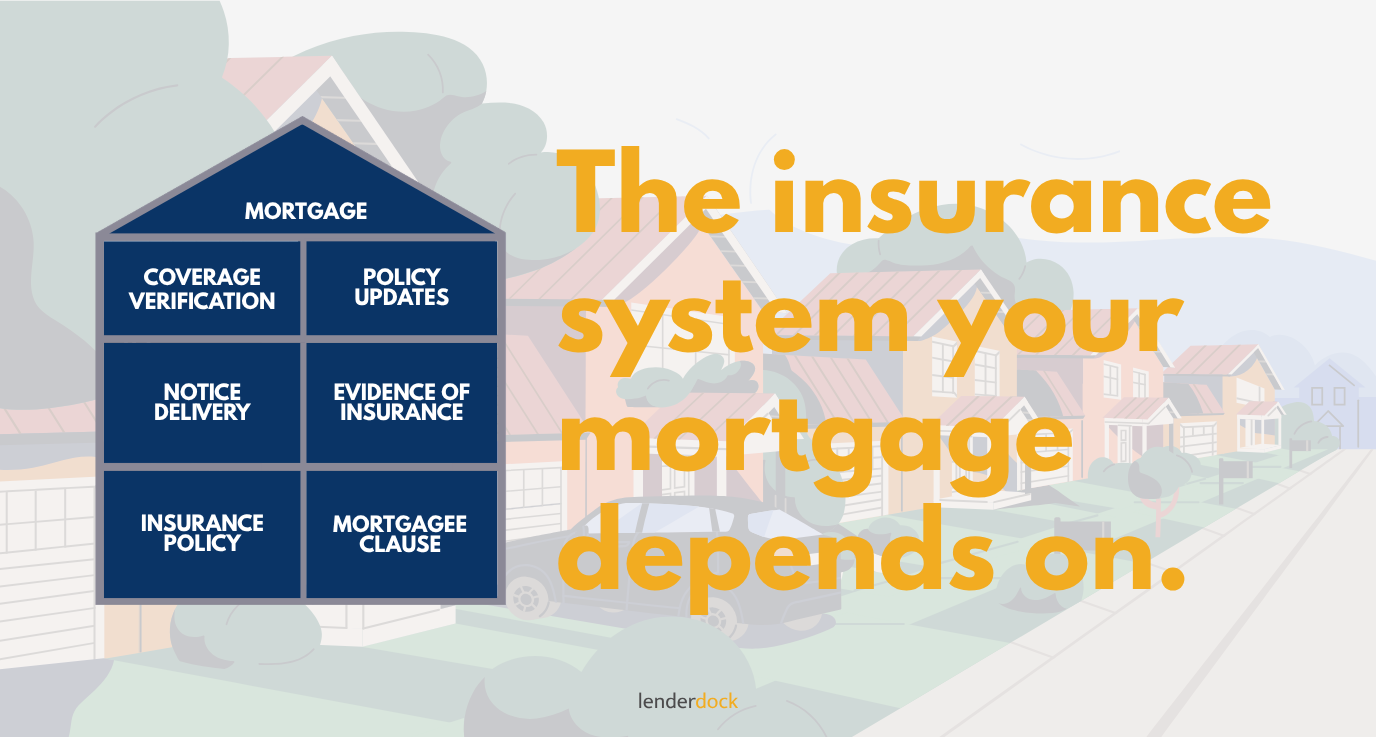
Most people who take out a mortgage never think about insurance as part of the loan itself. It feels adjacent, a separate purchase, something the lender requires but does not really participate in beyond checking…
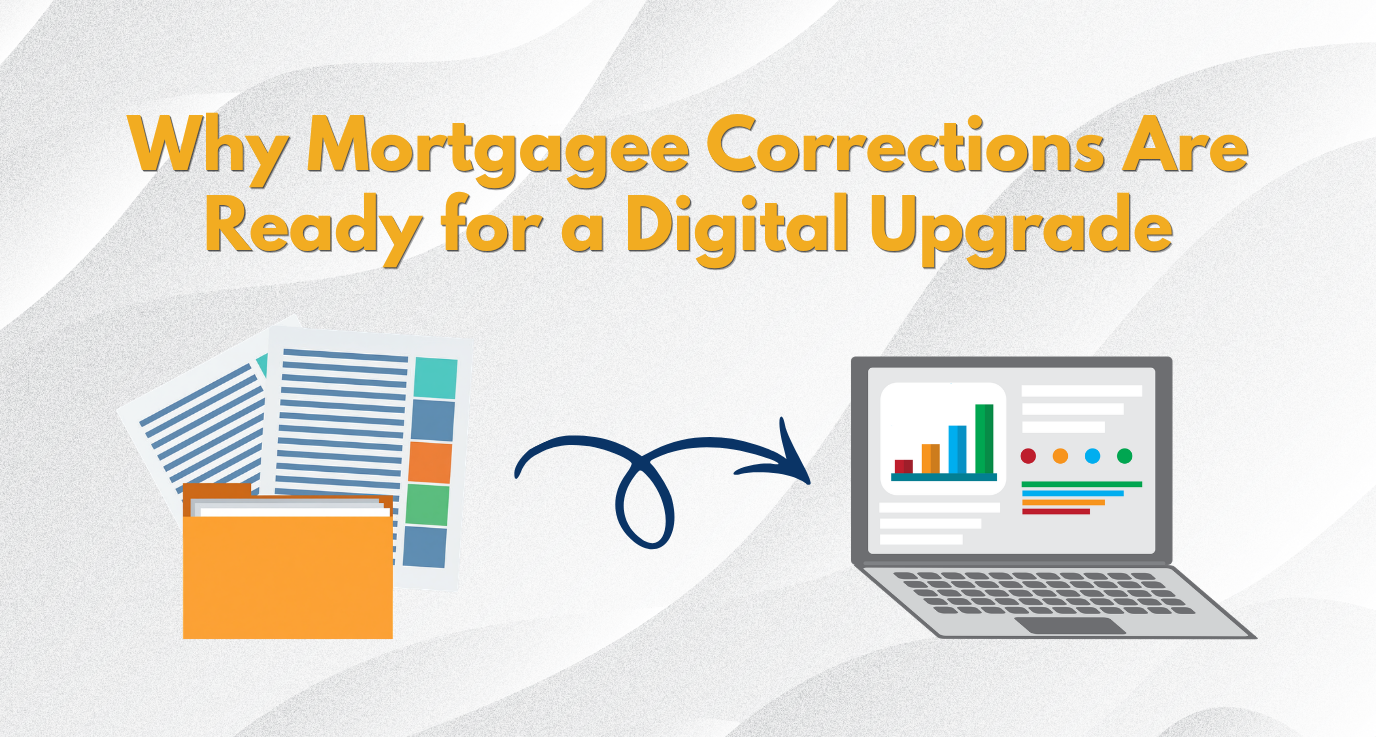
Mortgagee corrections are a routine part of insurance servicing, but the process behind them is often anything but simple. A lender may find that the mortgagee’s name or address on a policy is out of…


We consectetur adipiscing elit tempor incididunt ut labore. Wondering ipsum dolor sit amet? We consectetur adipiscing ipsum nulla glavrida elit tempor incididunt.