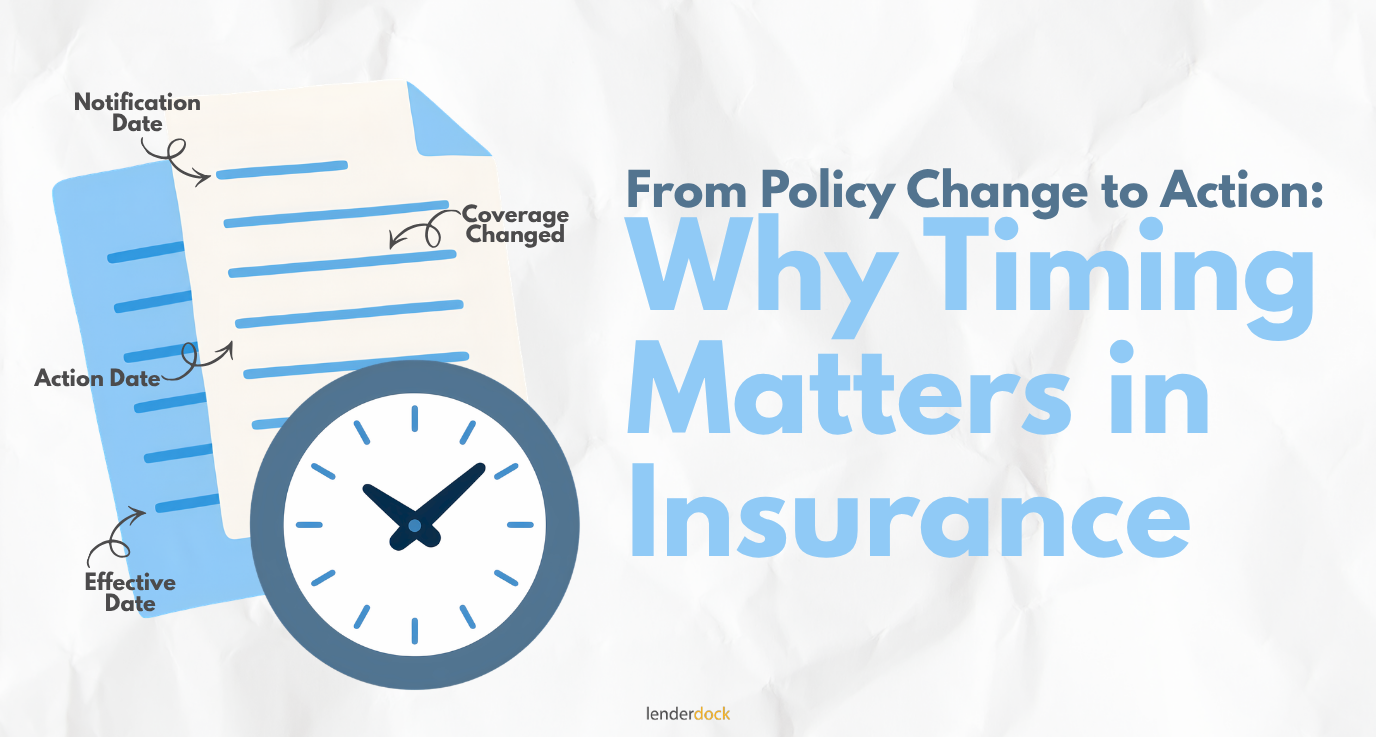
From Policy Change to Action: Why Timing Matters in Insurance
We’ve heard people in mortgage servicing use verification and tracking as if they’re interchangeable, and honestly, for a lot of daily work, treating them that way doesn’t break anything.


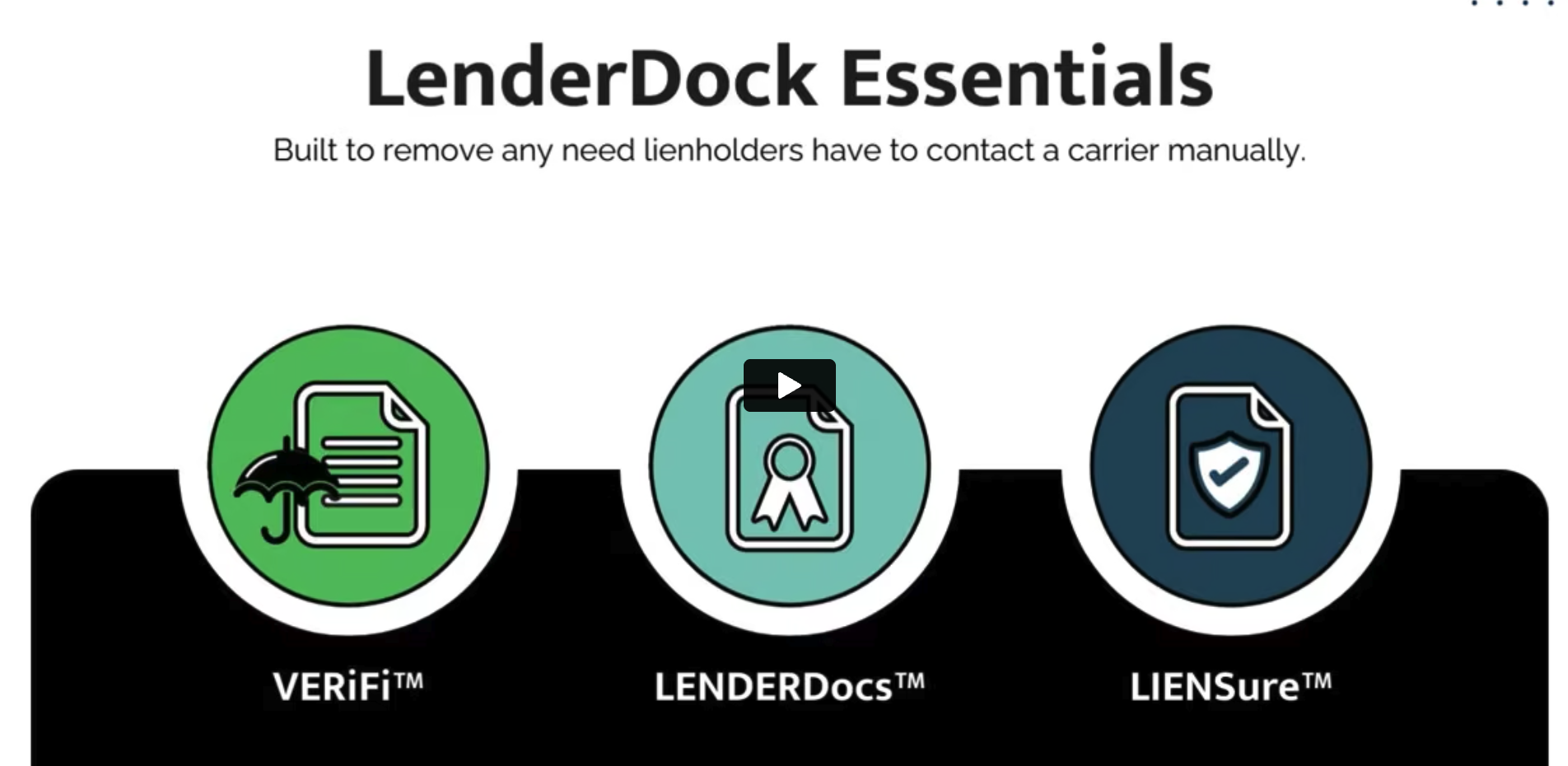
LenderDock provides real-time, insurance policy details through its magical web portal or its APIs.

LIENSure sends corrections digitally, straight from the financial source of truth and in bulk for easy processing.

ESCROWPay verifies what’s actually due before the money moves, then sends the payment and reconciliation data digitally.

NOTiFi delivers required policy, coverage, and billing notices in the formats lienholders actually use
At least check out the genesis of LenderDock Video. It’ll all make sense, the eco-system, that is.
Learn more about our great leadership team and our amazing, people-first, company culture.
There’s a lot going on at LenderDock and in our industries. We threw it all here to make it easier to keep up.
We go to a lot of events and we love to eat. See our calendar of where we’ll be.
New webinars will be coming quite frequently. Educational, success, and sales.
With inflation high, many people are already feeling the squeeze. From groceries to gas to utility bills, everything seems more expensive by the day, forcing many to tighten their belts and make tough choices about what they can afford. Unfortunately, the pain doesn’t stop there.
Home and auto insurance are also surging, adding another layer of stress to household budgets. The average insurance rate is already a hefty $2,377 annually, but homeowners across the country are expected to see a 6% spike in average premiums by the end of the year. This comes on top of a whopping 20% increase over the past two years. US home insurance rates are even expected to reach a record high this year, with the biggest increases hitting hardest in states prone to severe weather events.
Car insurance isn’t any better news. The national average cost for full coverage sits at $2,543 annually, and that number is climbing too. With these rising costs, many families are having to choose between essential coverage and other necessities. It’s a tough situation, and hopefully, some relief is on the horizon.
But why exactly are costs surging? Let’s get into it.
As you may have guessed, the reason behind surging premiums is varied and nuanced, but we must start somewhere. Let’s start with extreme weather events. Here’s why these events are impacting your home insurance bill:
Secondly, inflation is playing a significant role. The cost of repairs and replacements following weather damage has risen sharply. Lumber for rebuilding roofs, parts for car repairs after hailstorms – everything is more expensive. The Insurance Information Institute reports that for every dollar collected in home and auto premiums last year, insurers paid out a whopping $1.10 in claims and expenses. This imbalance means insurance companies are essentially losing money on every policy, prompting them to raise rates just to stay afloat.
Pricing power also plays a role here. While state regulators have some power to limit these price hikes, insurance companies often have more leverage. Regulators know that if they move too aggressively to limit premiums, insurance companies might stop offering coverage altogether in certain areas or for certain types of properties. This can leave homeowners with limited options and potentially force them to pay even higher premiums for less comprehensive coverage from a smaller pool of insurers. This dynamic, where insurance companies have significant “pricing power,” also contributes to the overall rise in home insurance costs.
Auto insurance is surging a lot – It’s hitting levels not seen since 1976. In 2024, the average annual premium for full coverage in the U.S. spiked to $2,543, a 26% increase from the previous year. This hike in rates is contributing significantly to overall inflation, adding half a percentage point to March 2024’s inflation rate of 3.2%.
Several factors are driving this surge. First, the cost of car repairs has increased by 6.7% over the past year. While this rate of increase is slower than in recent years, it remains substantially higher than pre-pandemic levels. The higher repair costs are partly due to more advanced and expensive technology in cars, which requires more specialized skills and parts to fix.
Additionally, the U.S. is experiencing more severe and frequent car accidents. Data from the National Highway Traffic Safety Administration shows a concerning rise in traffic deaths, with figures reaching 42,795 in 2022, up by about 7,000 compared to pre-pandemic numbers. Naturally, an increase in accidents has led to a rise in insurance claims, particularly due to the severity of these incidents. In fact, insurers saw losses on 27% of collision claims in 2022, a significant increase from the previous year.
Compounding the issue, there’s been a shift in driving behavior, although experts aren’t exactly sure why. More drivers are engaging in risky behaviors like speeding, texting while driving, or operating vehicles under the influence. These habits increase the likelihood of severe accidents but also lead to another costly problem – more legal cases. More claims now involve representation, further driving up costs for insurers. This combination of factors means that finding affordable car insurance is becoming increasingly difficult for many drivers.
Predicting the future is tricky, but the factors driving the surge (extreme weather, inflation, risky driving, and insurer pricing power) aren’t likely to vanish overnight. So, some continued increase in home and auto insurance premiums is likely. However, regulatory changes or advancements in mitigating weather risks could offer some relief down the line.
The rising cost of home and auto insurance is a significant burden for many households. While the future is uncertain, the factors driving this surge are unlikely to disappear quickly. This suggests that continued increases in premiums are probable. However, there’s still hope. Regulatory changes or innovative solutions to mitigate weather risks could bring much-needed relief in the long run.
In the meantime, homeowners and drivers must be proactive. Shopping around for competitive rates, seeking discounts offered by insurers, and adopting safer driving habits could help lessen the financial strain. While navigating this complex landscape might be challenging, acting can make a significant difference in managing these rising costs.
We’ve heard people in mortgage servicing use verification and tracking as if they’re interchangeable, and honestly, for a lot of daily work, treating them that way doesn’t break anything.
A two-day lag between a policy change and everyone finding out about it used to be annoying, not dangerous. Someone made a call, waited, got an answer, and moved on with their day.
We’ve heard people in mortgage servicing use verification and tracking as if they’re interchangeable, and honestly, for a lot of daily work, treating them that way doesn’t break anything.

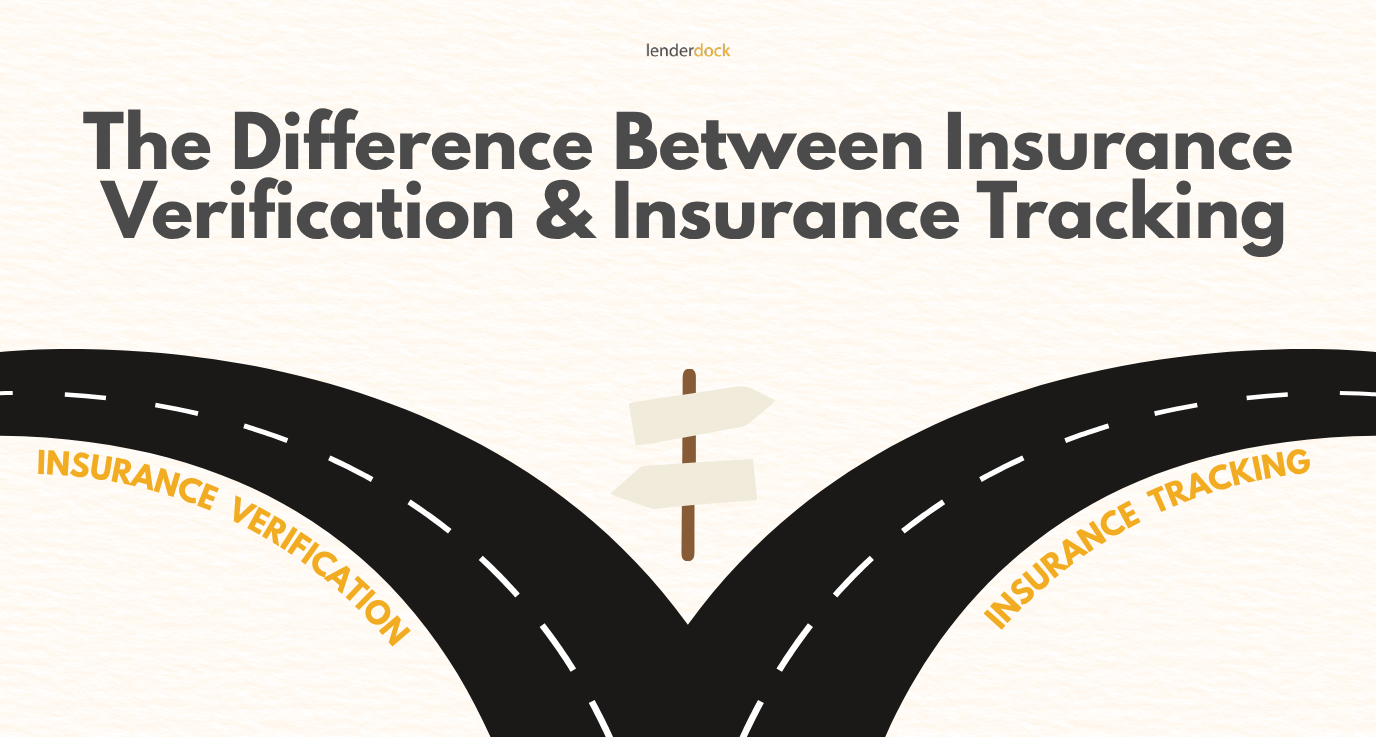
Insurance verification is a routine part of the lending and insurance process. A lender needs to know whether a policy is active. A mortgage servicer may need to confirm coverage or mortgagee information. An insurance…
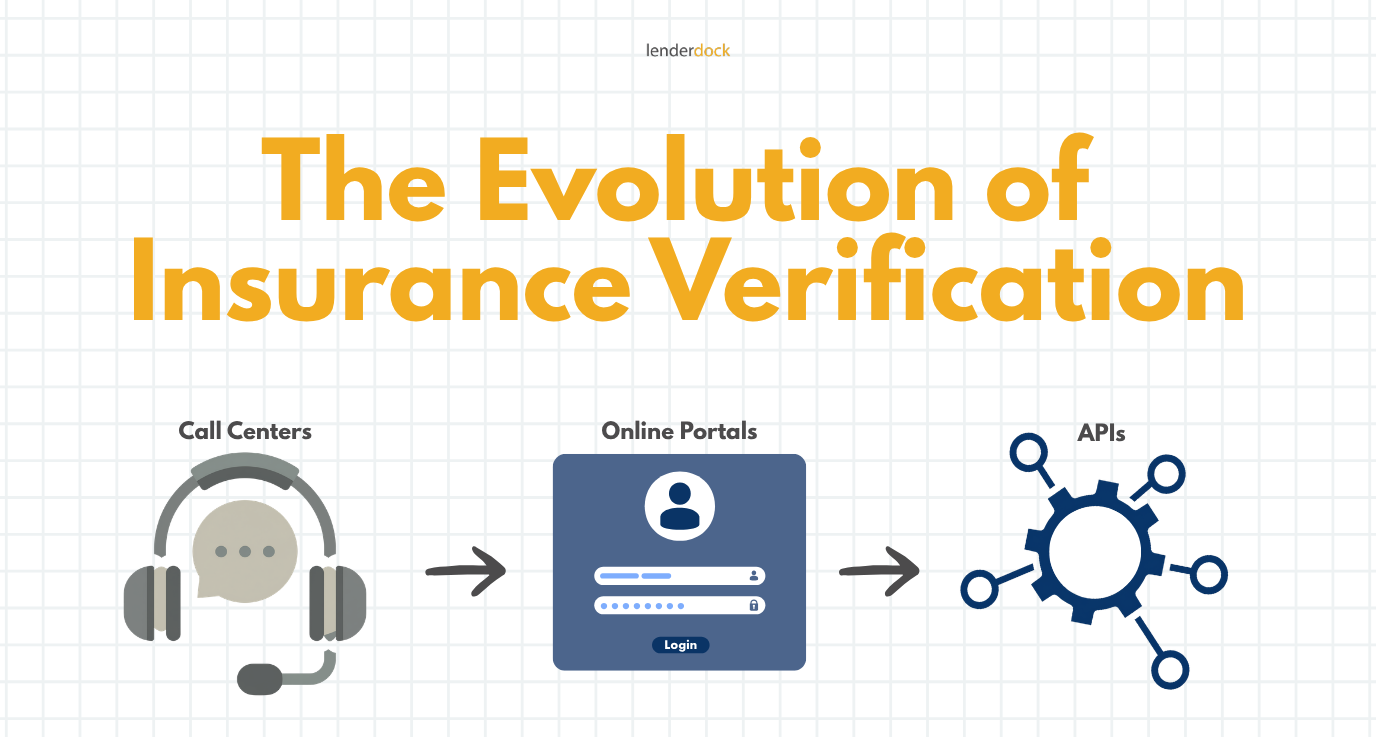
In the earliest version of insurance verification, the person answering the phone actually had to know things. They pulled a physical file, checked handwriting against a ledger, and made a judgment call about whether what…

Two insurers can each have perfectly accurate, well-maintained policy databases and still fail to exchange a single piece of usable data between them.
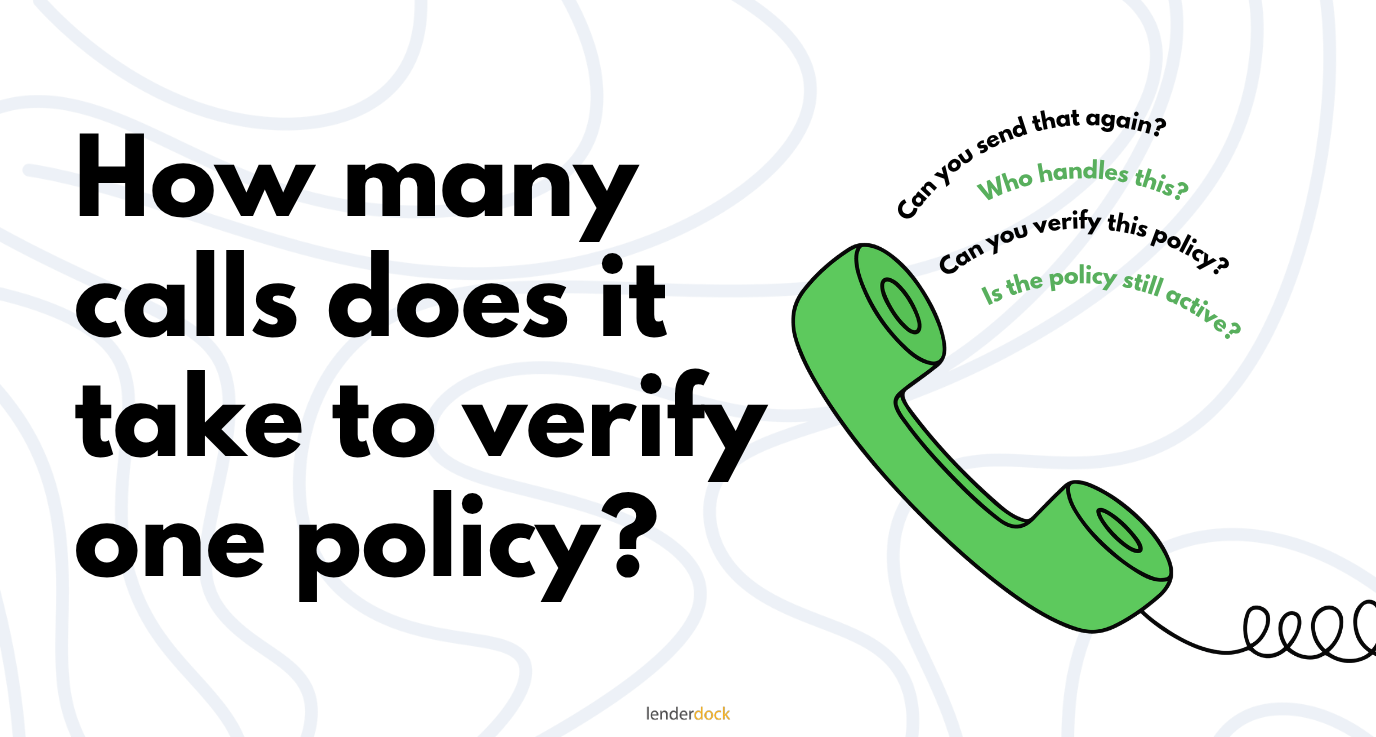
Every single day, insurance workers face a mountain of simple questions. Are they tired of answering the same questions about policy coverage all day long? Yes, they are. When banks or lenders need to check…
A title company closing a home sale needs to confirm the seller’s policy is active before the deal can move. An auto lender needs the same thing before releasing funds on a car loan. A…
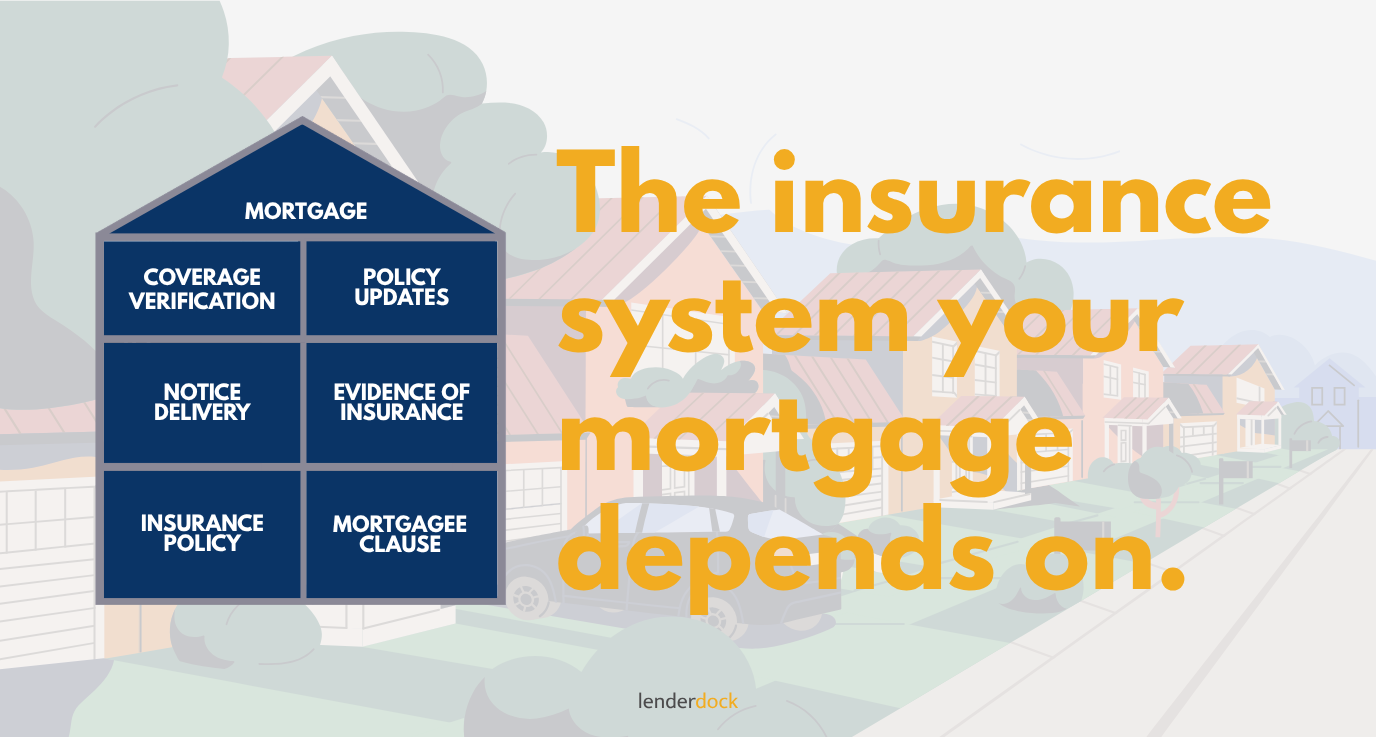
Most people who take out a mortgage never think about insurance as part of the loan itself. It feels adjacent, a separate purchase, something the lender requires but does not really participate in beyond checking…
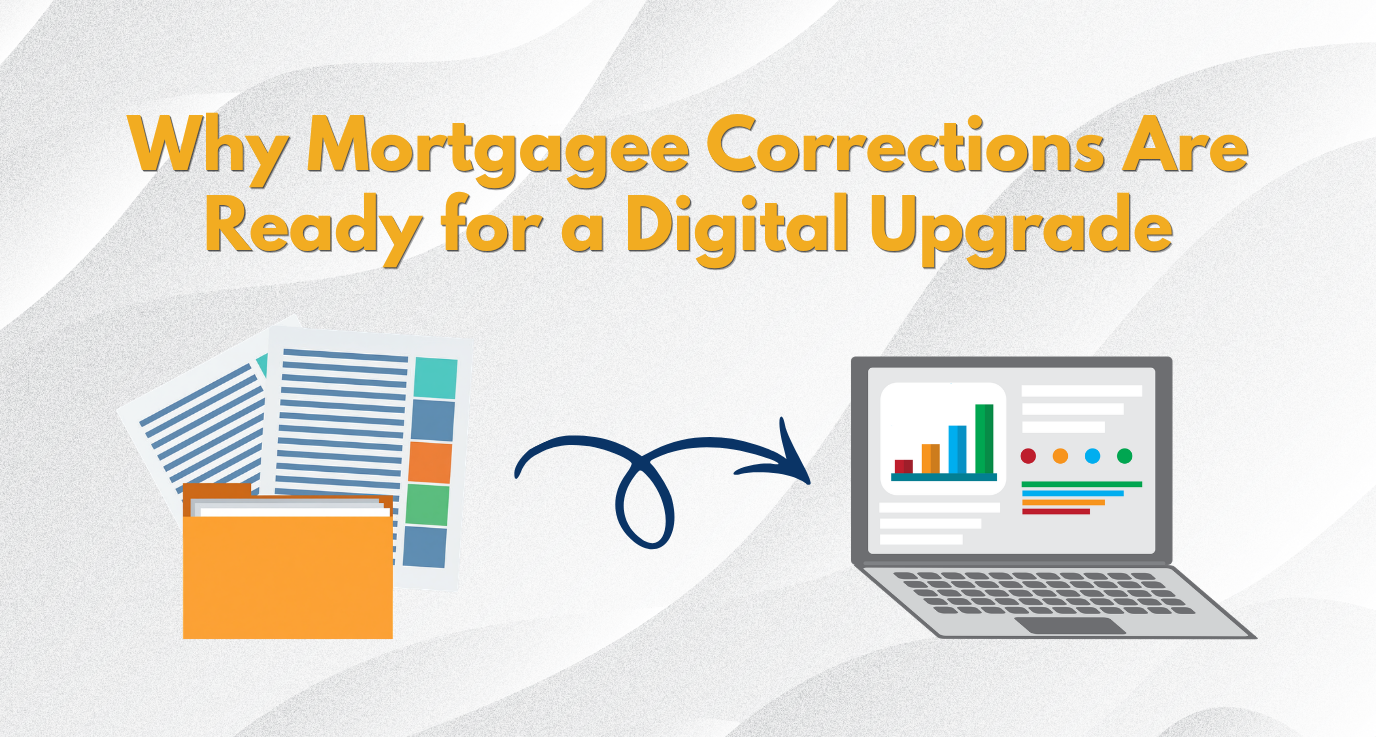
Mortgagee corrections are a routine part of insurance servicing, but the process behind them is often anything but simple. A lender may find that the mortgagee’s name or address on a policy is out of…


We consectetur adipiscing elit tempor incididunt ut labore. Wondering ipsum dolor sit amet? We consectetur adipiscing ipsum nulla glavrida elit tempor incididunt.