From Policy Change to Action: Why Timing Matters in Insurance
We’ve heard people in mortgage servicing use verification and tracking as if they’re interchangeable, and honestly, for a lot of daily work, treating them that way doesn’t break anything.


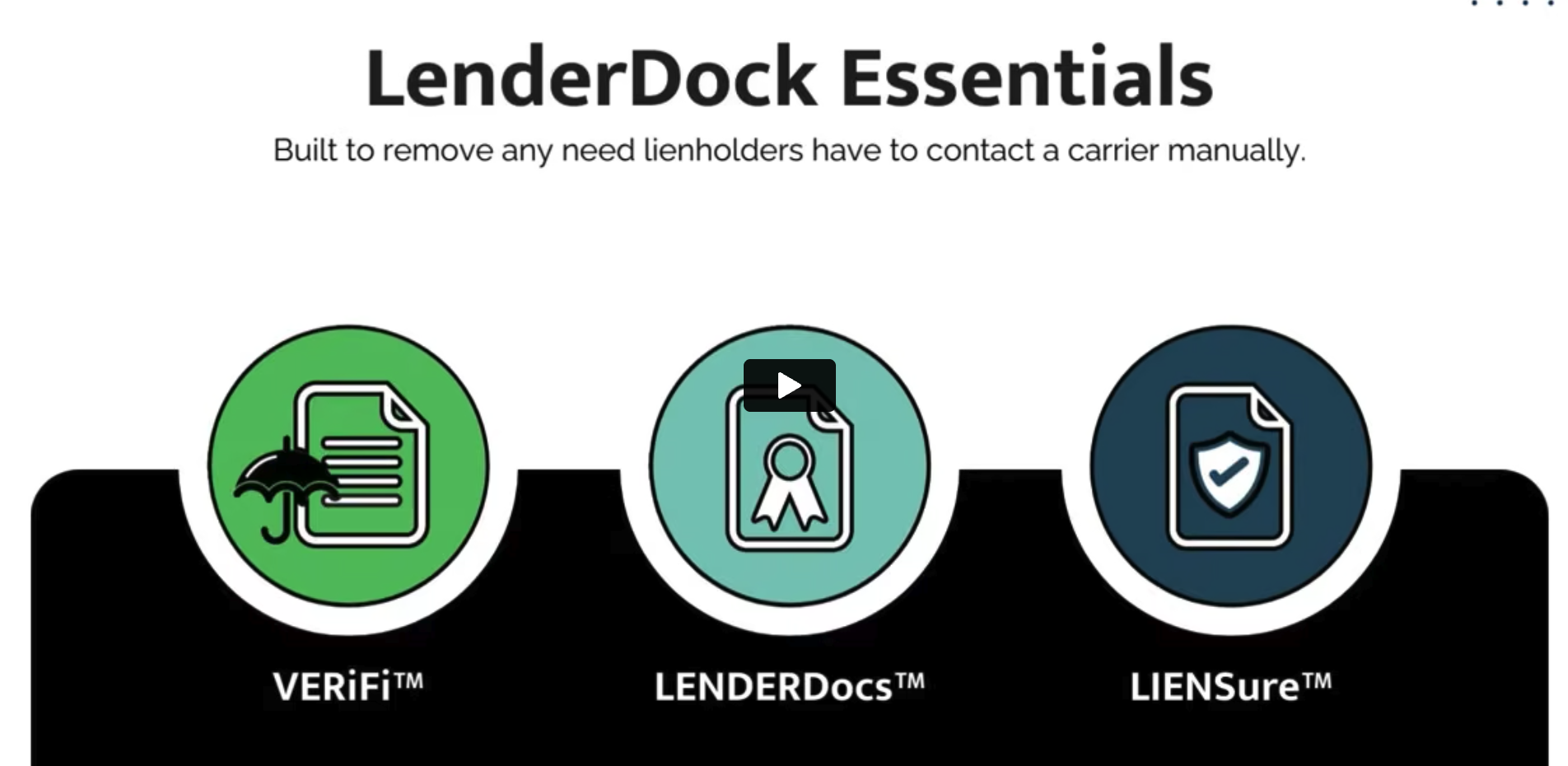
LenderDock provides real-time, insurance policy details through its magical web portal or its APIs.

LIENSure sends corrections digitally, straight from the financial source of truth and in bulk for easy processing.
ESCROWPay verifies what’s actually due before the money moves, then sends the payment and reconciliation data digitally.

NOTiFi delivers required policy, coverage, and billing notices in the formats lienholders actually use
At least check out the genesis of LenderDock Video. It’ll all make sense, the eco-system, that is.
Learn more about our great leadership team and our amazing, people-first, company culture.
There’s a lot going on at LenderDock and in our industries. We threw it all here to make it easier to keep up.
We go to a lot of events and we love to eat. See our calendar of where we’ll be.
New webinars will be coming quite frequently. Educational, success, and sales.
In an earlier article, we looked at how Augmented Reality (AR) and Virtual Reality (VR) are impacting the insurance industry. VR places users within a digitally simulated environment, while AR overlays digital information onto the real world, enhancing users’ perception and interaction with their surroundings.
Digital Twins take this a step further by creating digital replicas of objects and systems, enabling insurers to make precise predictions about these objects.
These predictions enhance insurance functions from risk assessment, distribution and marketing, to claims settlement and more.
Digital twins, which are virtual replicas of physical objects, systems, or processes, are revolutionizing the insurance industry. They use real-time data, advanced modeling, and simulations to create dynamic digital counterparts of real-world entities.
This allows insurers to gain deeper insights into risk management, asset monitoring, and customer behavior, driving more informed decision-making and enhancing operational efficiency.
Insurance is inherently data centric. Traditionally, insurers relied on historical data to assess risks and set premiums. However, the advent of digital twins offers a transformative shift.
By simulating various scenarios, from everyday incidents to rare disasters, insurers can predict and evaluate risks more accurately. This proactive approach enables better preparedness and response strategies, ultimately benefiting both the insurer and the insured.
The integration of digital twins and the Internet of Things (IoT) is propelling the insurance sector toward a new paradigm. Traditional insurance models, which focus on compensating for damages, are evolving into assurance models that emphasize risk prevention and mitigation.
Real-time risk mitigation
Digital twins, combined with IoT, enable continuous monitoring of assets and environments. For example, consider a cargo ship equipped with IoT sensors. If a digital twin detects an approaching storm, it can simulate the impact on the ship and suggest optimal actions, like altering the route.
This proactive measure prevents potential damage and reduces the likelihood of claims.
Enhanced customer expectations
Customers now expect insurance companies to adopt technological advancements swiftly. Digital twins facilitate this by providing more personalized and efficient services. For instance, smart homes and connected vehicles generate vast amounts of data that can be fed into digital twins.
With this data, digital twins can predict and prevent potential issues like poor conditions and bad weather that could lead to road accidents. This enhances customer satisfaction and loyalty.
Organizational efficiency
Insurance companies can also create digital replicas of their operations, known as Digital Twins of Organizations (DTOs). DTOs simulate internal processes, predict client behavior, and optimize workflows, leading to improved efficiency and better service delivery.
Let’s look at some real-world examples of how digital twins are being used in the insurance industry:
Digital twins are transforming the insurance industry by enabling more accurate risk assessment, enhancing claims processing, and improving fraud detection.
By leveraging real-time data and advanced simulations, insurers can provide more personalized services through precise customer profiles, better manage risks, and improve operational efficiency.
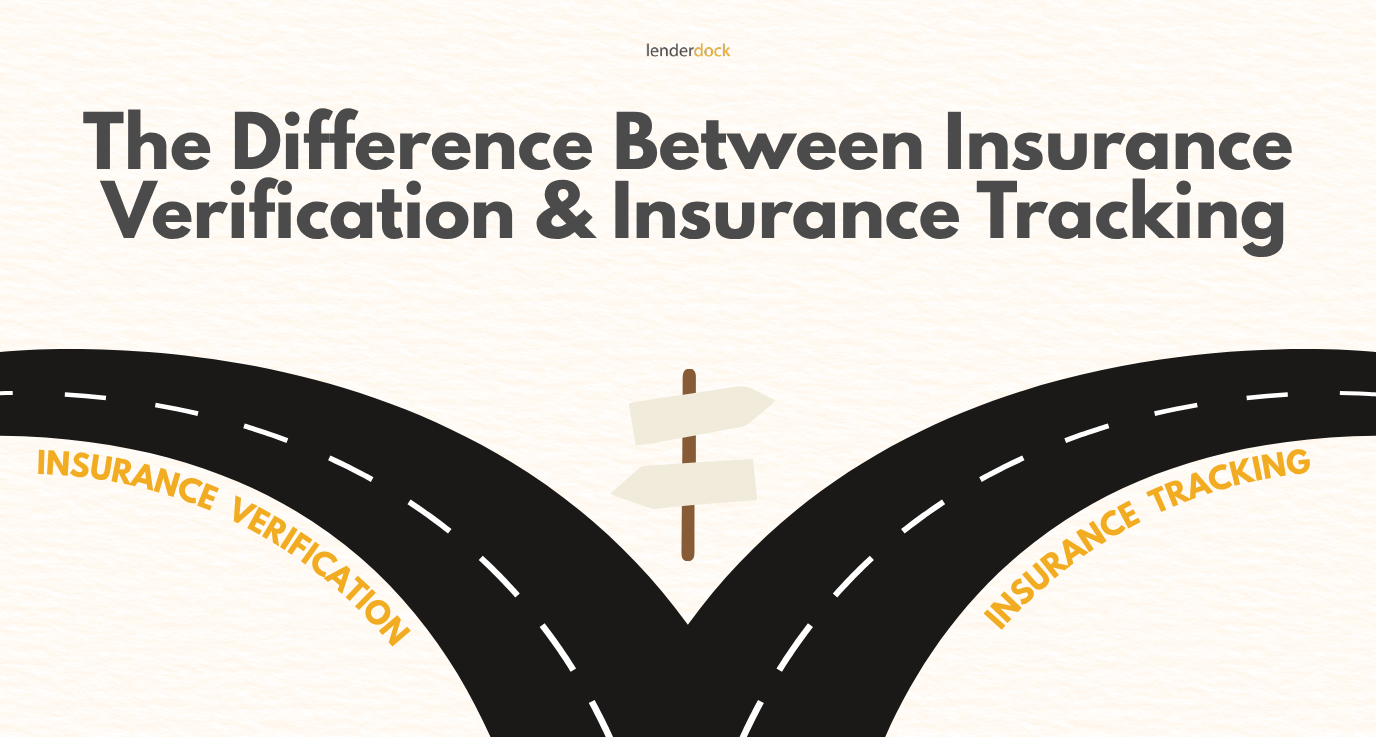
We’ve heard people in mortgage servicing use verification and tracking as if they’re interchangeable, and honestly, for a lot of daily work, treating them that way doesn’t break anything.
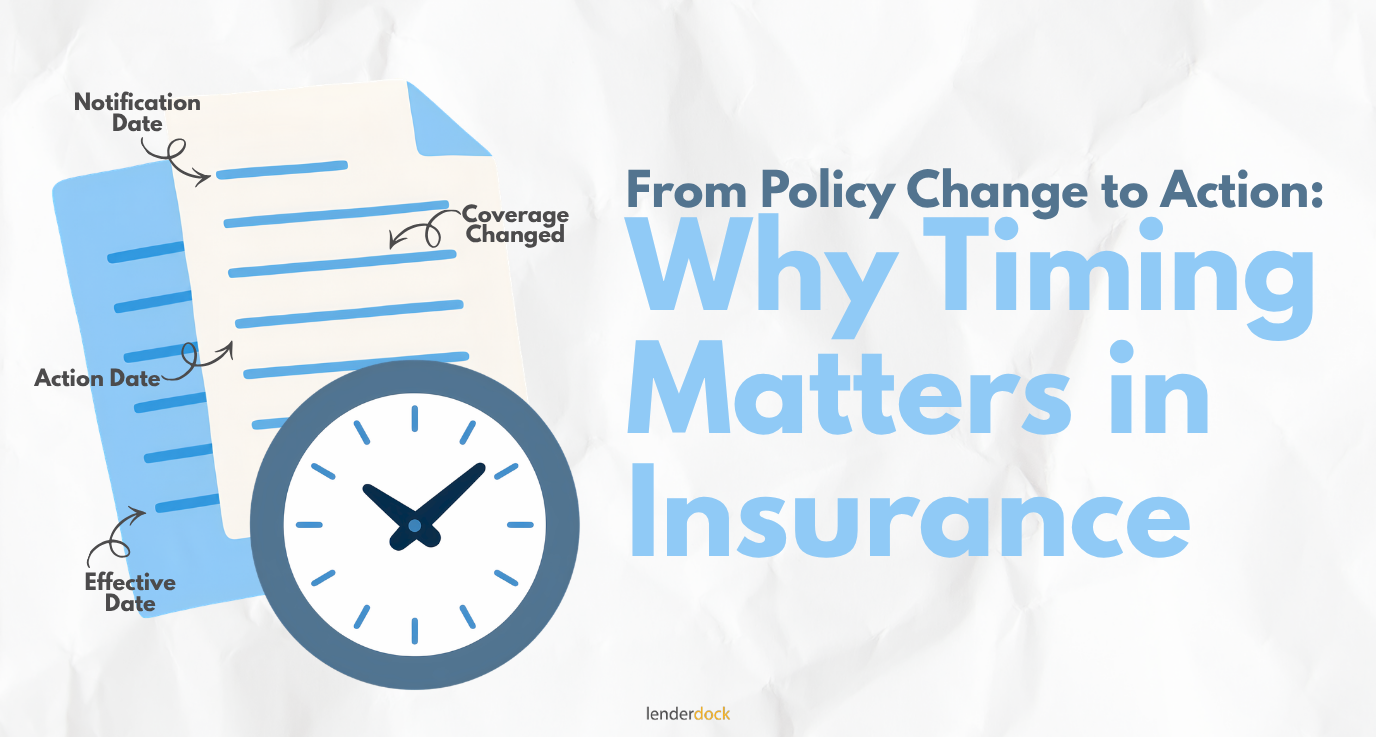
A two-day lag between a policy change and everyone finding out about it used to be annoying, not dangerous. Someone made a call, waited, got an answer, and moved on with their day.
We’ve heard people in mortgage servicing use verification and tracking as if they’re interchangeable, and honestly, for a lot of daily work, treating them that way doesn’t break anything.
Insurance verification is a routine part of the lending and insurance process. A lender needs to know whether a policy is active. A mortgage servicer may need to confirm coverage or mortgagee information. An insurance…
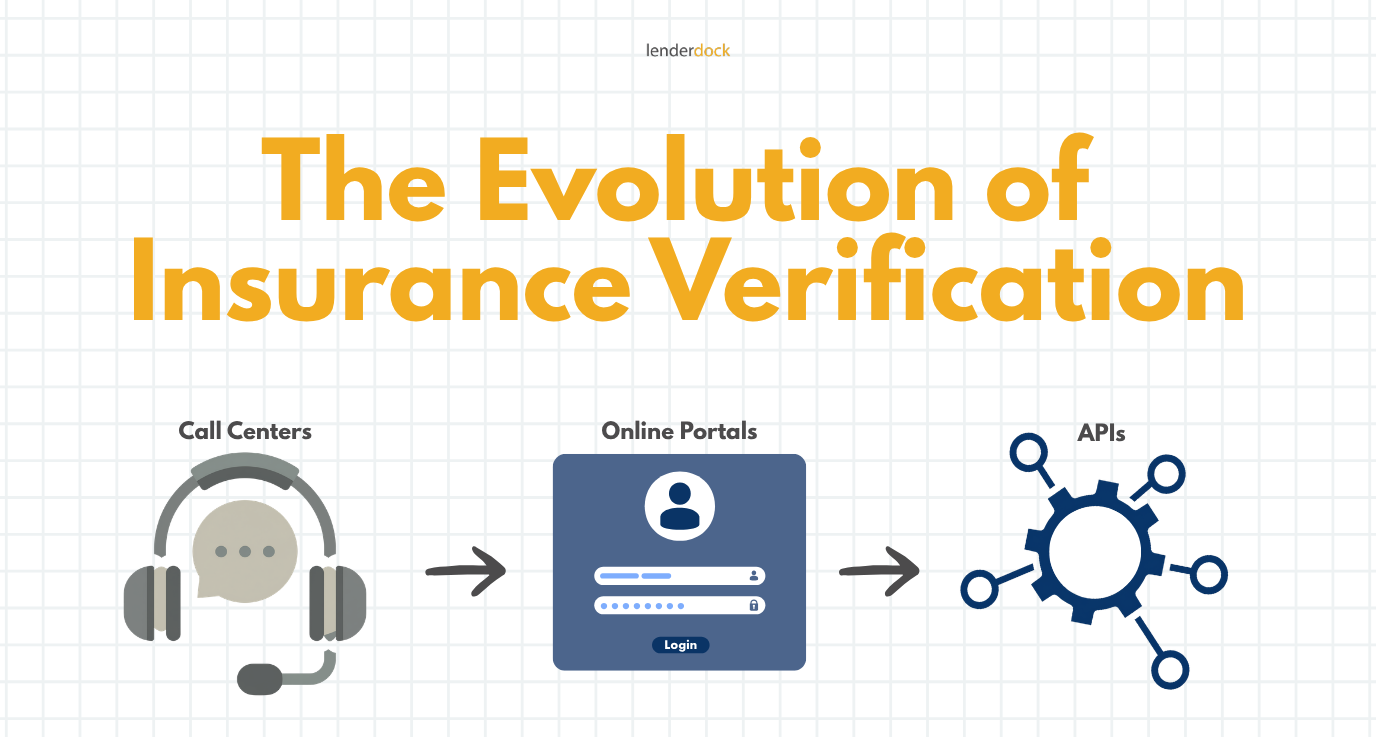
In the earliest version of insurance verification, the person answering the phone actually had to know things. They pulled a physical file, checked handwriting against a ledger, and made a judgment call about whether what…
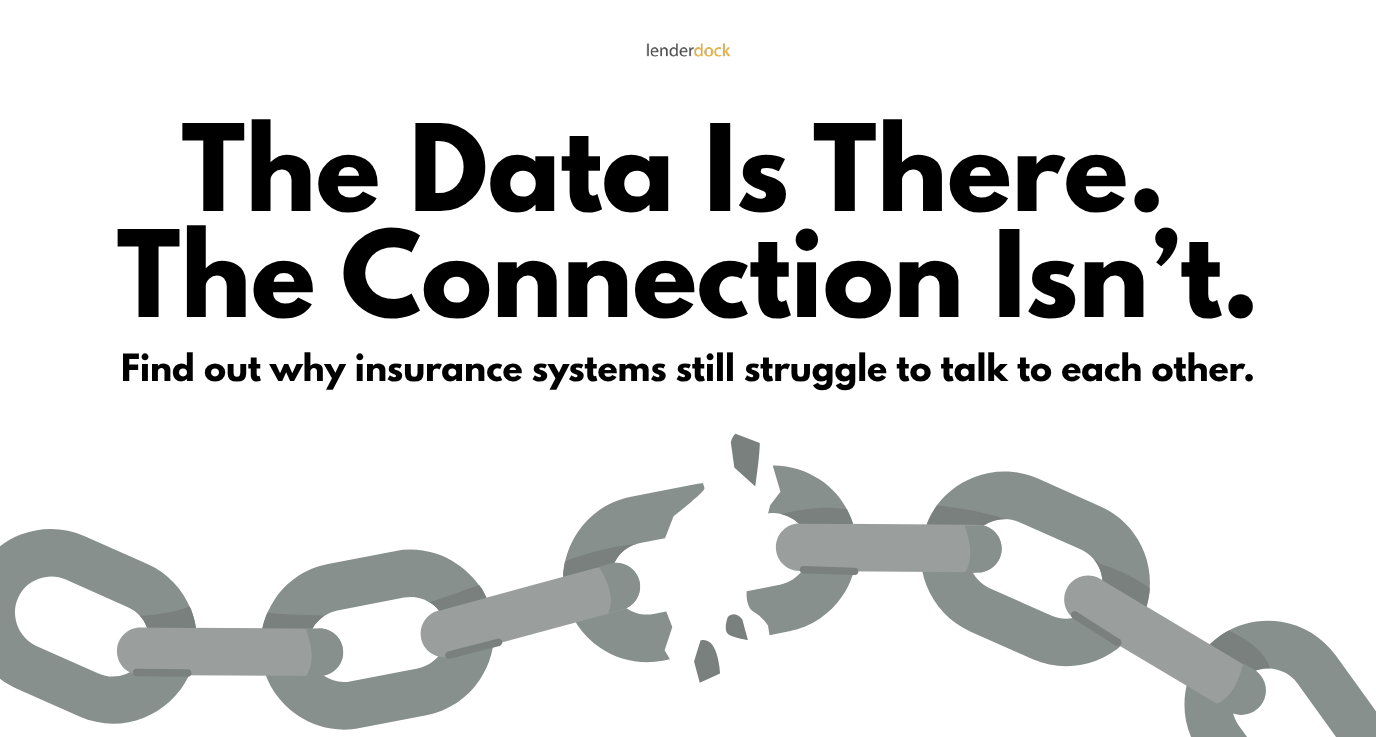
Two insurers can each have perfectly accurate, well-maintained policy databases and still fail to exchange a single piece of usable data between them.
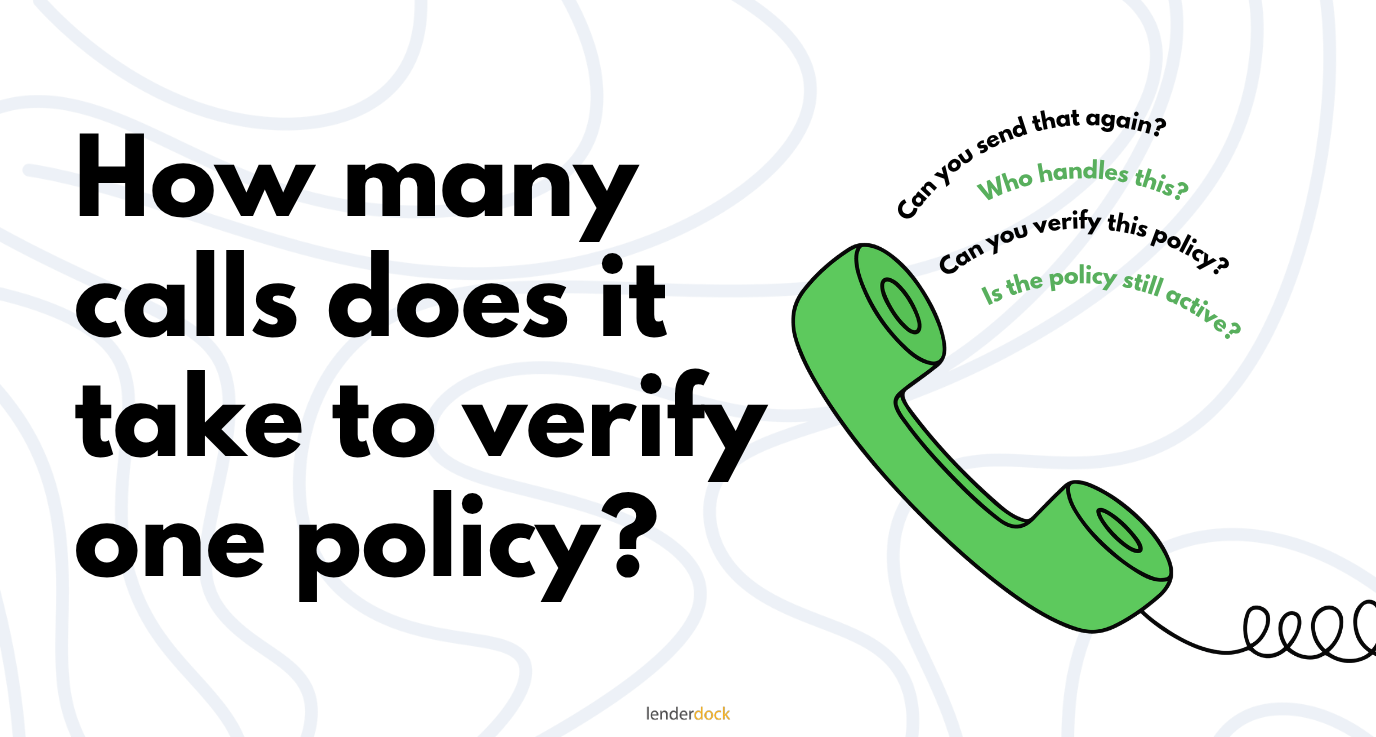
Every single day, insurance workers face a mountain of simple questions. Are they tired of answering the same questions about policy coverage all day long? Yes, they are. When banks or lenders need to check…
A title company closing a home sale needs to confirm the seller’s policy is active before the deal can move. An auto lender needs the same thing before releasing funds on a car loan. A…
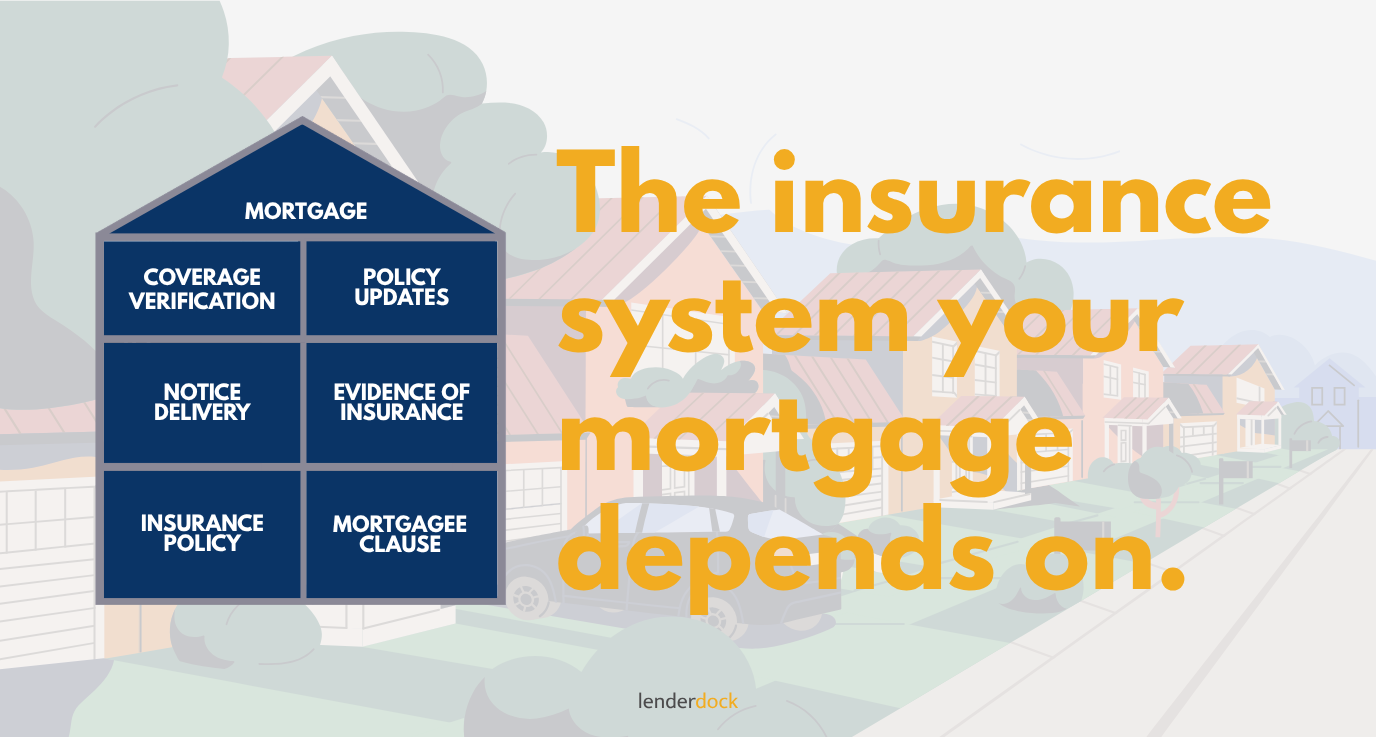
Most people who take out a mortgage never think about insurance as part of the loan itself. It feels adjacent, a separate purchase, something the lender requires but does not really participate in beyond checking…
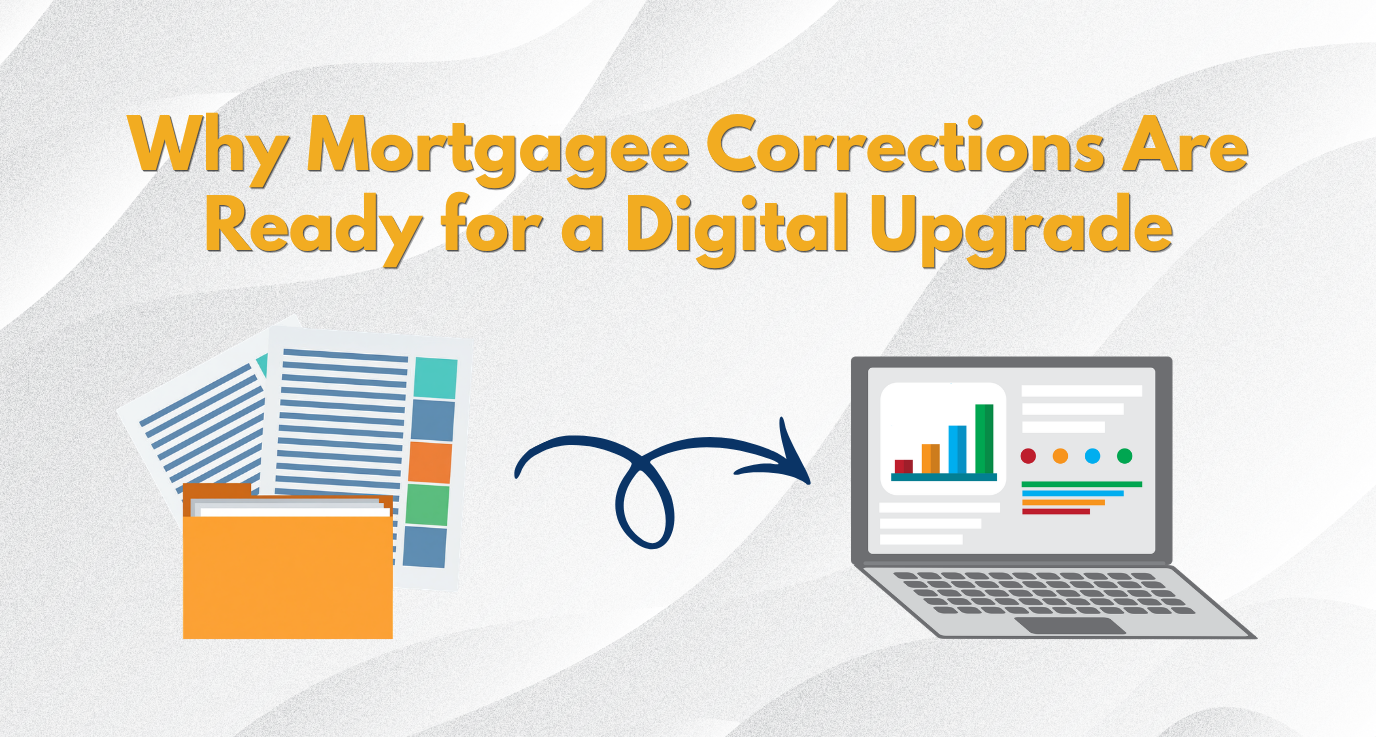
Mortgagee corrections are a routine part of insurance servicing, but the process behind them is often anything but simple. A lender may find that the mortgagee’s name or address on a policy is out of…

We consectetur adipiscing elit tempor incididunt ut labore. Wondering ipsum dolor sit amet? We consectetur adipiscing ipsum nulla glavrida elit tempor incididunt.