From Policy Change to Action: Why Timing Matters in Insurance
We’ve heard people in mortgage servicing use verification and tracking as if they’re interchangeable, and honestly, for a lot of daily work, treating them that way doesn’t break anything.


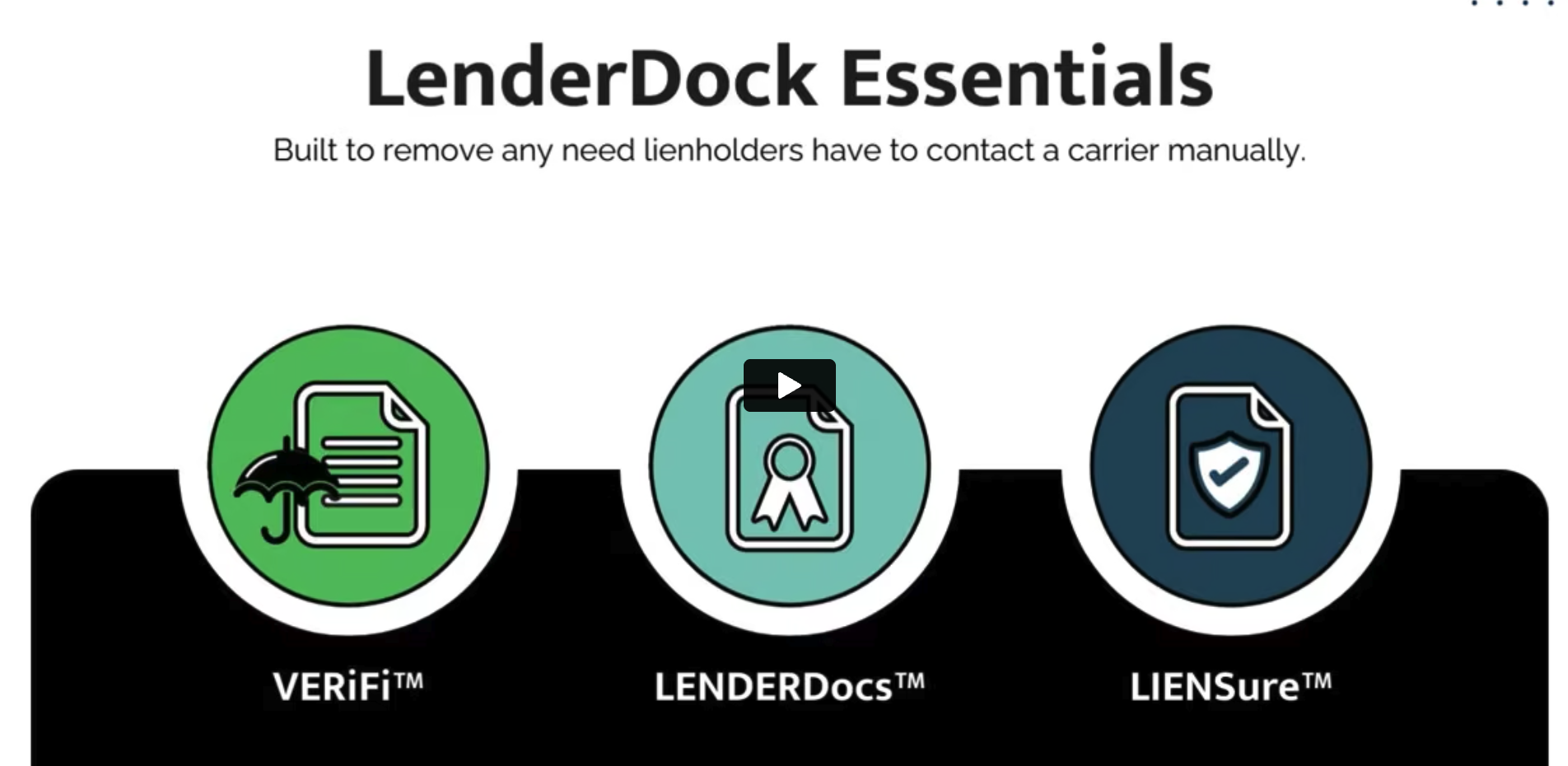
LenderDock provides real-time, insurance policy details through its magical web portal or its APIs.

LIENSure sends corrections digitally, straight from the financial source of truth and in bulk for easy processing.

ESCROWPay verifies what’s actually due before the money moves, then sends the payment and reconciliation data digitally.

NOTiFi delivers required policy, coverage, and billing notices in the formats lienholders actually use
At least check out the genesis of LenderDock Video. It’ll all make sense, the eco-system, that is.
Learn more about our great leadership team and our amazing, people-first, company culture.
There’s a lot going on at LenderDock and in our industries. We threw it all here to make it easier to keep up.
We go to a lot of events and we love to eat. See our calendar of where we’ll be.
New webinars will be coming quite frequently. Educational, success, and sales.
Climate change, with its intensifying storms, rising sea levels, and unpredictable weather patterns, is dramatically reshaping the risk landscape. It means higher premiums for property owners in flood zones, increased coverage exclusions in regions susceptible to wildfires, and more frequent and severe payout triggers for weather-related insurance claims. And that’s just home insurance. For car insurance, climate change could lead to higher rates due to increased weather-related accidents, more costly repairs, and greater total losses in areas prone to flooding or severe storms.
In short, as the frequency and severity of climate-related disruptions surge, the insurance sector finds itself at a pivotal moment. Will insurance carriers be able to keep pace with these accelerating risks? And most importantly, how can technology be harnessed to pave the way for a sustainable future?
There’s a strong consumer appetite for environmentally friendly products and services. For example, a recent Solera survey of 10,000 drivers and 500 claims experts found a significant interest in ESG considerations within the car insurance sector. This aligns with broader consumer trends. The World Economic Forum reports that 65% of consumers try to make purchasing decisions that contribute to a healthier planet.
However, widespread accusations of ‘greenwashing’, where a company makes a product appear more environmentally friendly than it is, have eroded consumer trust in these schemes. Greenwashing can come in many forms. Some common examples include advertising a product as “recyclable” when it’s not widely accepted for recycling or claiming to be carbon-neutral without providing clear evidence of their offsetting efforts.
In other words, to succeed insurers must demonstrate genuine commitment to sustainability through tangible actions, not just marketing rhetoric. And one way to do this is through technology that’s proven to work. Let’s look at some of these technologies.
Insurers are using devices that monitor driving behavior to encourage safer, more efficient driving habits. This not only helps in reducing accidents but also lowers carbon emissions, as smoother driving leads to less fuel consumption. Policyholders can benefit from lower premiums by demonstrating safe driving habits, thereby promoting environmentally friendly behavior.
Additionally, insurers can leverage data to inform customers about vehicle emissions. By analyzing vehicle data, insurers can identify models with lower emissions and offer incentives like premium discounts to encourage policyholders to choose greener options. Essentially, insurers can help support the transition to a more sustainable transportation sector.
Increasingly, we’re seeing insurers partnering with smart home technology providers. These technologies can help reduce risks and promote better sustainability practices. For example, smart thermostats can adjust heating and cooling based on usage patterns and weather forecasts, reducing energy consumption. Smart sensors can detect leaks or electrical faults that could lead to more severe damage if left unattended, thus preventing waste and promoting sustainability.
Advanced algorithms are revolutionizing risk assessment in the insurance industry. By analyzing vast amounts of environmental, climatological, and socio-economic data, AI can predict natural disasters with greater accuracy, enabling insurers to proactively manage risks associated with climate change. This includes designing insurance products that encourage building in safer, more sustainable locations and offering incentives for climate-resilient property modifications.
AI can also assess individual risk profiles with unprecedented precision. By analyzing driving patterns, claims history, and telematics data, insurers can identify low-risk drivers and reward them with lower premiums, fostering a culture of safe and environmentally conscious behavior. This data-driven approach also means insurers can develop products tailored to specific customer segments, such as electric vehicle owners or those living in high-risk areas.
However, as is always the case with AI, insurers need to proceed with caution. AI algorithms can contain bias and sometimes exacerbate existing inequalities. This is a big topic in itself, but to touch on it briefly here – insurers need to ensure they’re not punishing people living in high-risk areas who can’t relocate.
Insurers can leverage blockchain to create more transparent and efficient processes in insurance. Blockchain sounds complicated, but at its core, it’s simply a decentralized and immutable database. This means fraud becomes almost impossible and insurers can more easily and reliably go paperless.
Blockchains can be used for all sorts of things. For example, initial policy issuance can be streamlined, with smart contracts automatically generating policies based on customer inputs. Claims processing can be accelerated, with blockchain providing an irrefutable record of events and reducing the time it takes to verify information. Even reinsurance processes can be simplified, as blockchain allows for secure and transparent sharing of data among multiple parties.
Some insurance companies offer reduced premiums for buildings that meet certain environmental standards or use sustainable materials and technologies. For example, an insurer might provide discounts to homeowners with energy-efficient appliances, solar panels, or green roofs. These structures are often more resilient to natural disasters such as hurricanes and wildfires, resulting in fewer claims and lower overall costs for the insurance company. By incentivizing sustainable building practices, insurers can help promote a greener built environment while also benefiting their bottom line.
Additionally, some insurers offer premium reductions for buildings certified by green building rating systems like LEED or BREEAM. These certifications provide a standardized measure of a building’s environmental performance, allowing insurers to assess risk more accurately and offer appropriate incentives.
Insurers are increasingly investing in renewable energy projects and green technologies as part of their asset management strategies. This helps in offsetting the carbon footprint of the companies themselves and supports wider industry shifts towards sustainability.
Technology impacts almost every facet of our modern lives, and the insurance sector is no exception. Technology is now a necessity for the insurance sector. By harnessing the power of data and automation, insurers can mitigate climate risks, drive sustainable behaviors, and offer products that align with consumer values. The future of insurance is green, and technology is the key to unlocking its potential.
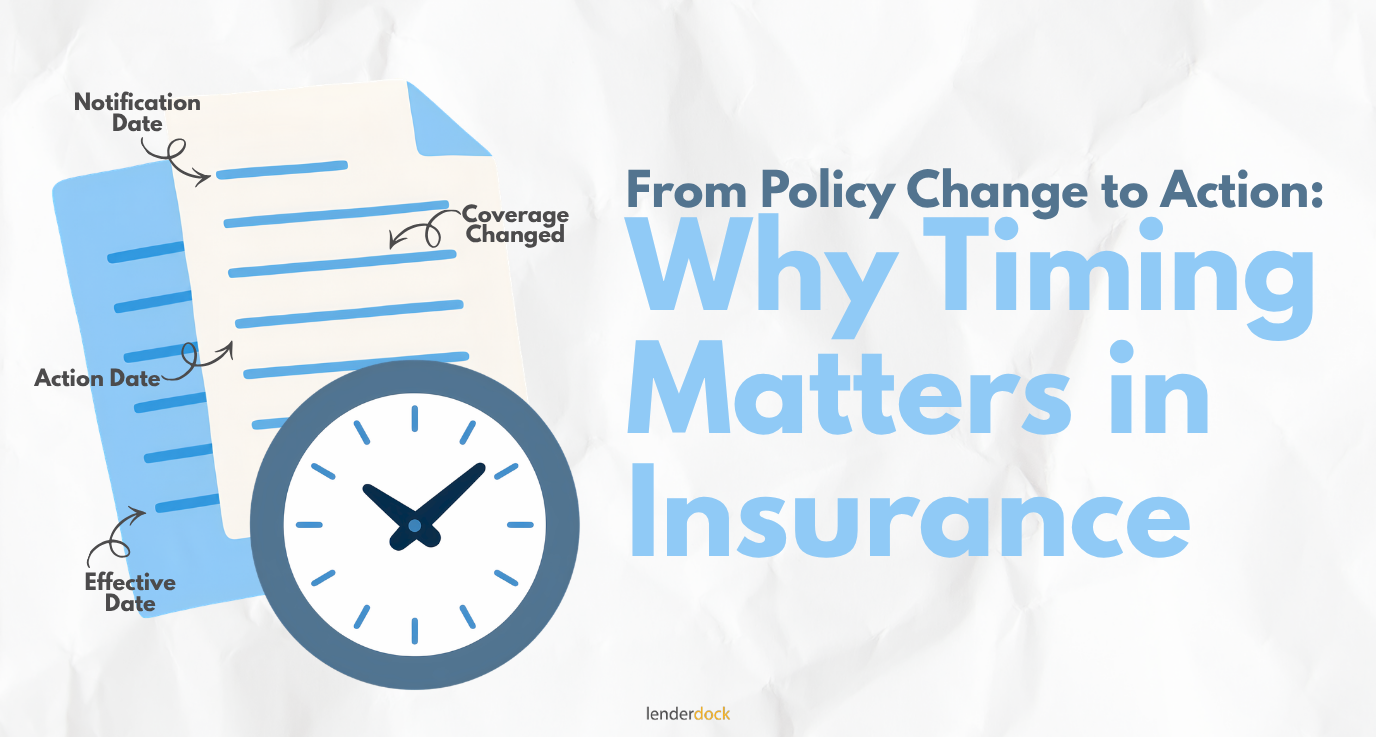
We’ve heard people in mortgage servicing use verification and tracking as if they’re interchangeable, and honestly, for a lot of daily work, treating them that way doesn’t break anything.
A two-day lag between a policy change and everyone finding out about it used to be annoying, not dangerous. Someone made a call, waited, got an answer, and moved on with their day.
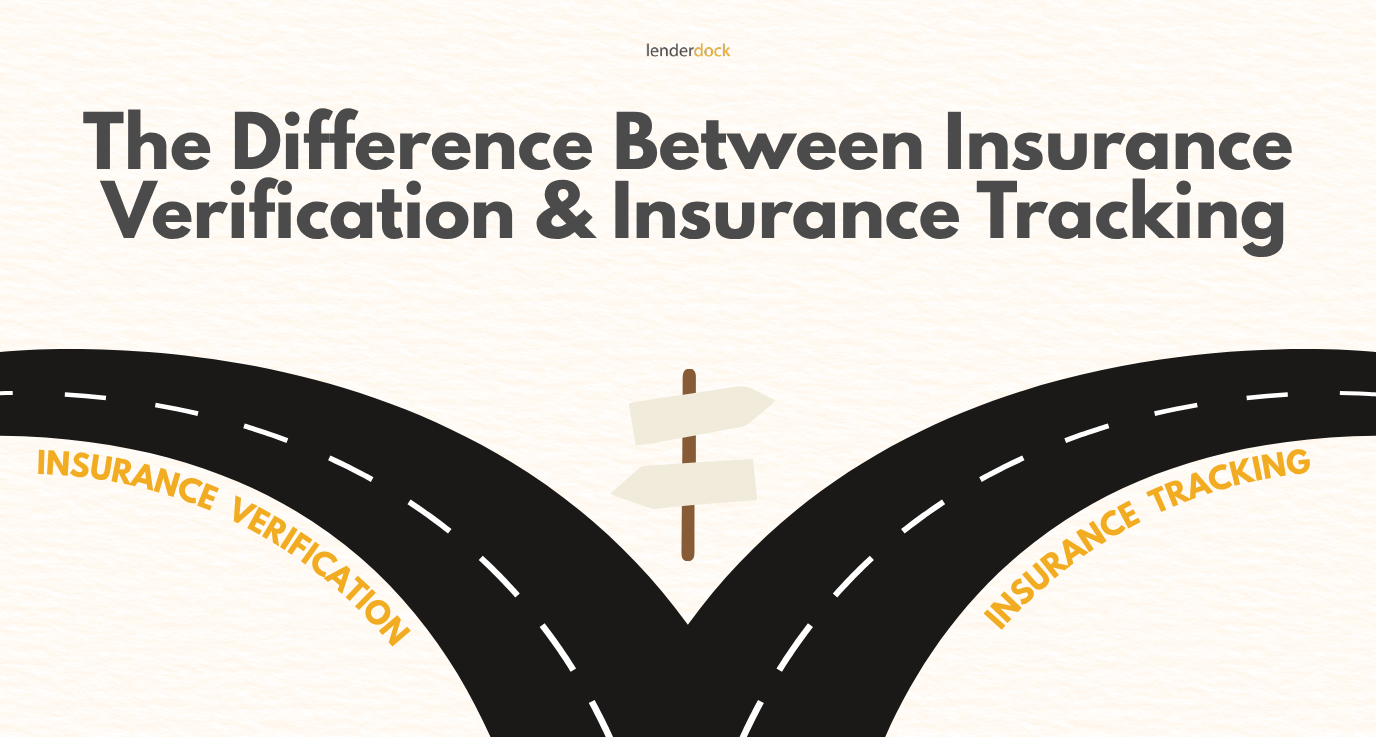
We’ve heard people in mortgage servicing use verification and tracking as if they’re interchangeable, and honestly, for a lot of daily work, treating them that way doesn’t break anything.

Insurance verification is a routine part of the lending and insurance process. A lender needs to know whether a policy is active. A mortgage servicer may need to confirm coverage or mortgagee information. An insurance…
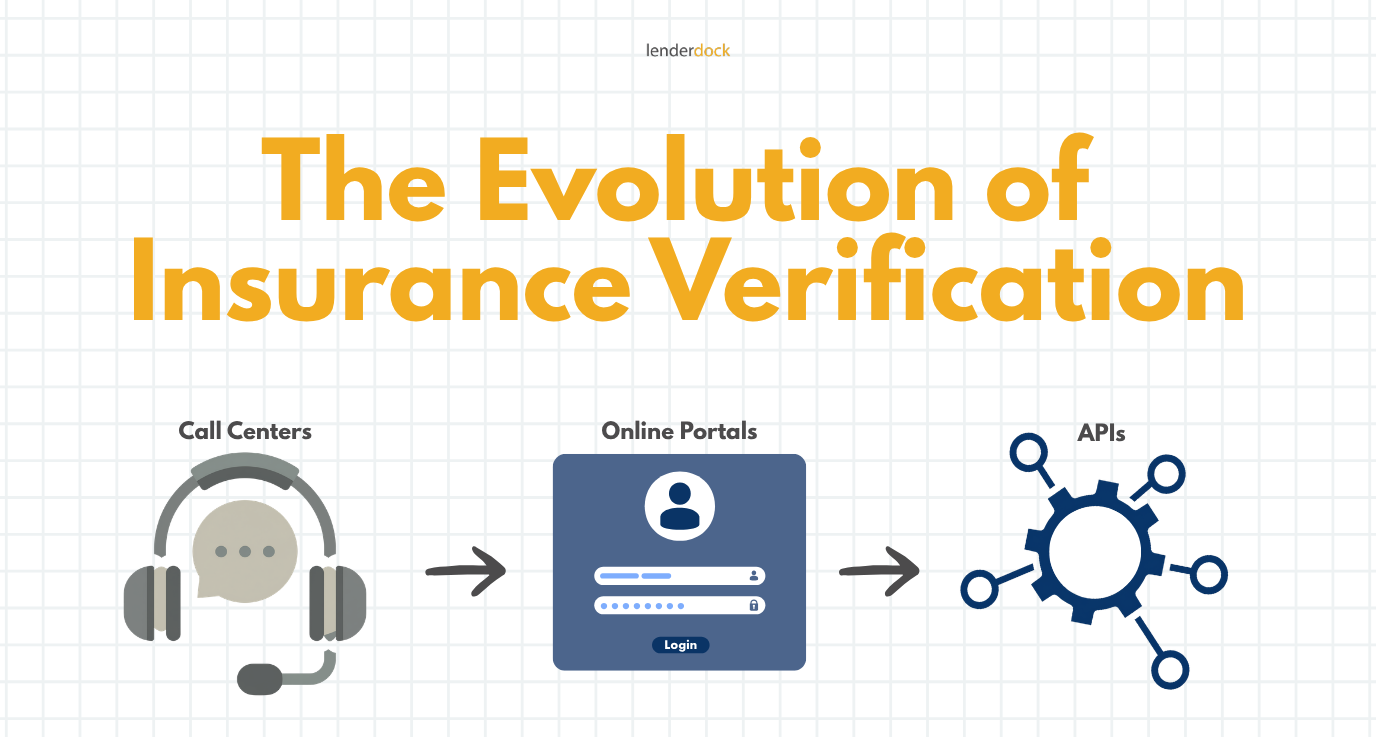
In the earliest version of insurance verification, the person answering the phone actually had to know things. They pulled a physical file, checked handwriting against a ledger, and made a judgment call about whether what…
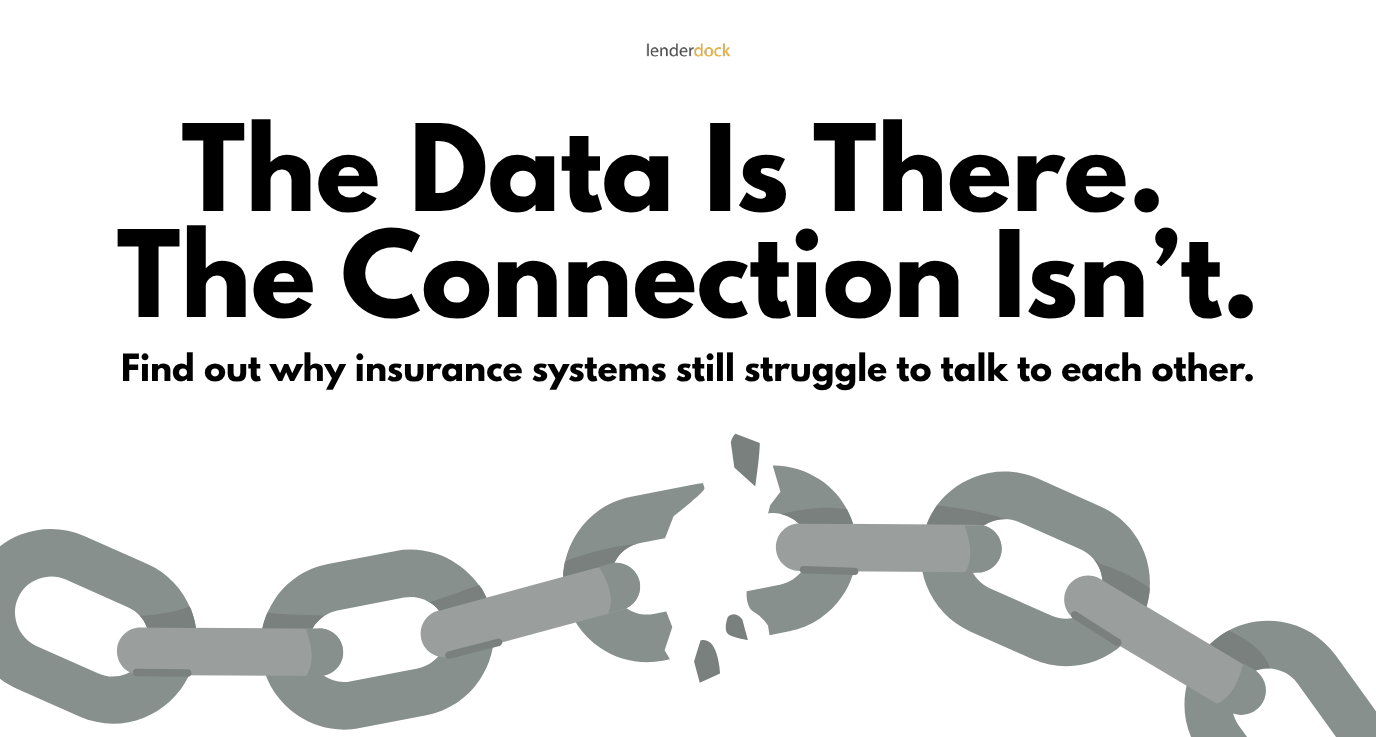
Two insurers can each have perfectly accurate, well-maintained policy databases and still fail to exchange a single piece of usable data between them.
Every single day, insurance workers face a mountain of simple questions. Are they tired of answering the same questions about policy coverage all day long? Yes, they are. When banks or lenders need to check…
A title company closing a home sale needs to confirm the seller’s policy is active before the deal can move. An auto lender needs the same thing before releasing funds on a car loan. A…
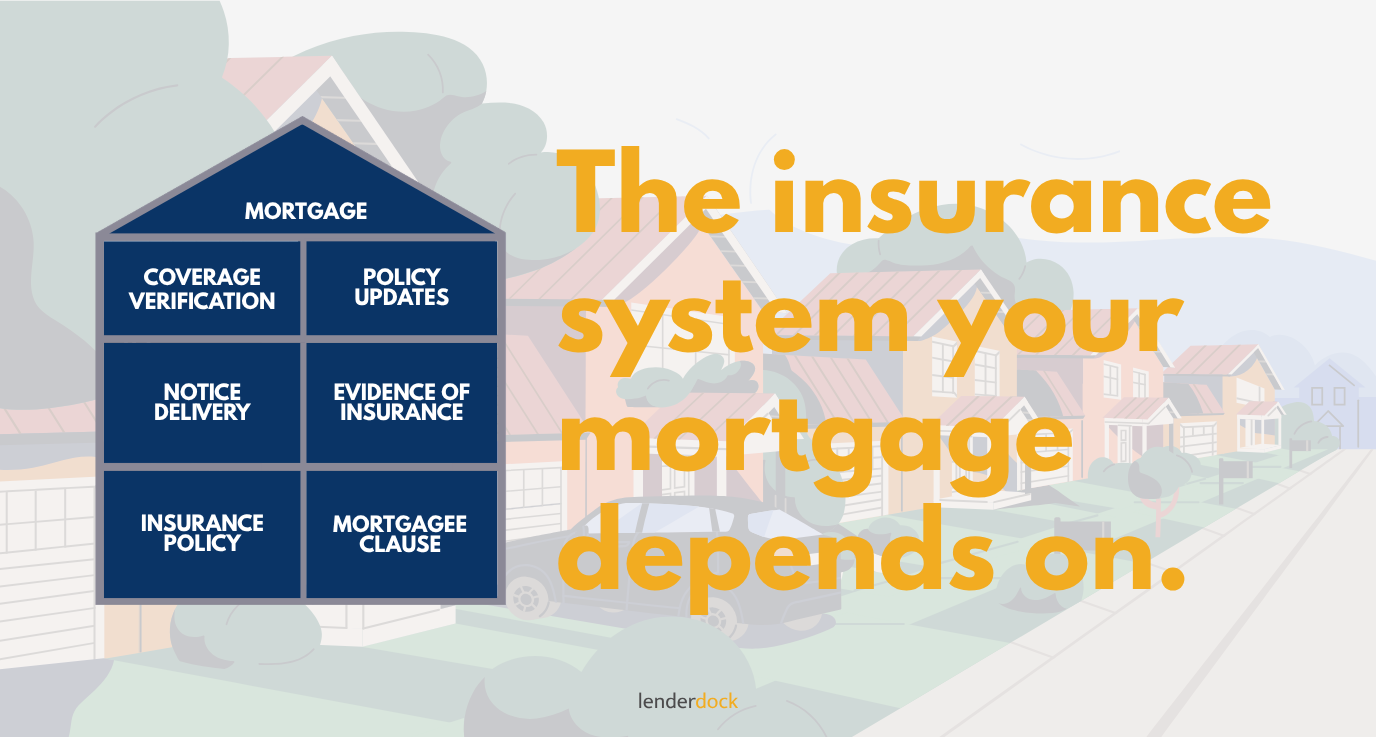
Most people who take out a mortgage never think about insurance as part of the loan itself. It feels adjacent, a separate purchase, something the lender requires but does not really participate in beyond checking…
Mortgagee corrections are a routine part of insurance servicing, but the process behind them is often anything but simple. A lender may find that the mortgagee’s name or address on a policy is out of…


We consectetur adipiscing elit tempor incididunt ut labore. Wondering ipsum dolor sit amet? We consectetur adipiscing ipsum nulla glavrida elit tempor incididunt.