From Policy Change to Action: Why Timing Matters in Insurance
We’ve heard people in mortgage servicing use verification and tracking as if they’re interchangeable, and honestly, for a lot of daily work, treating them that way doesn’t break anything.


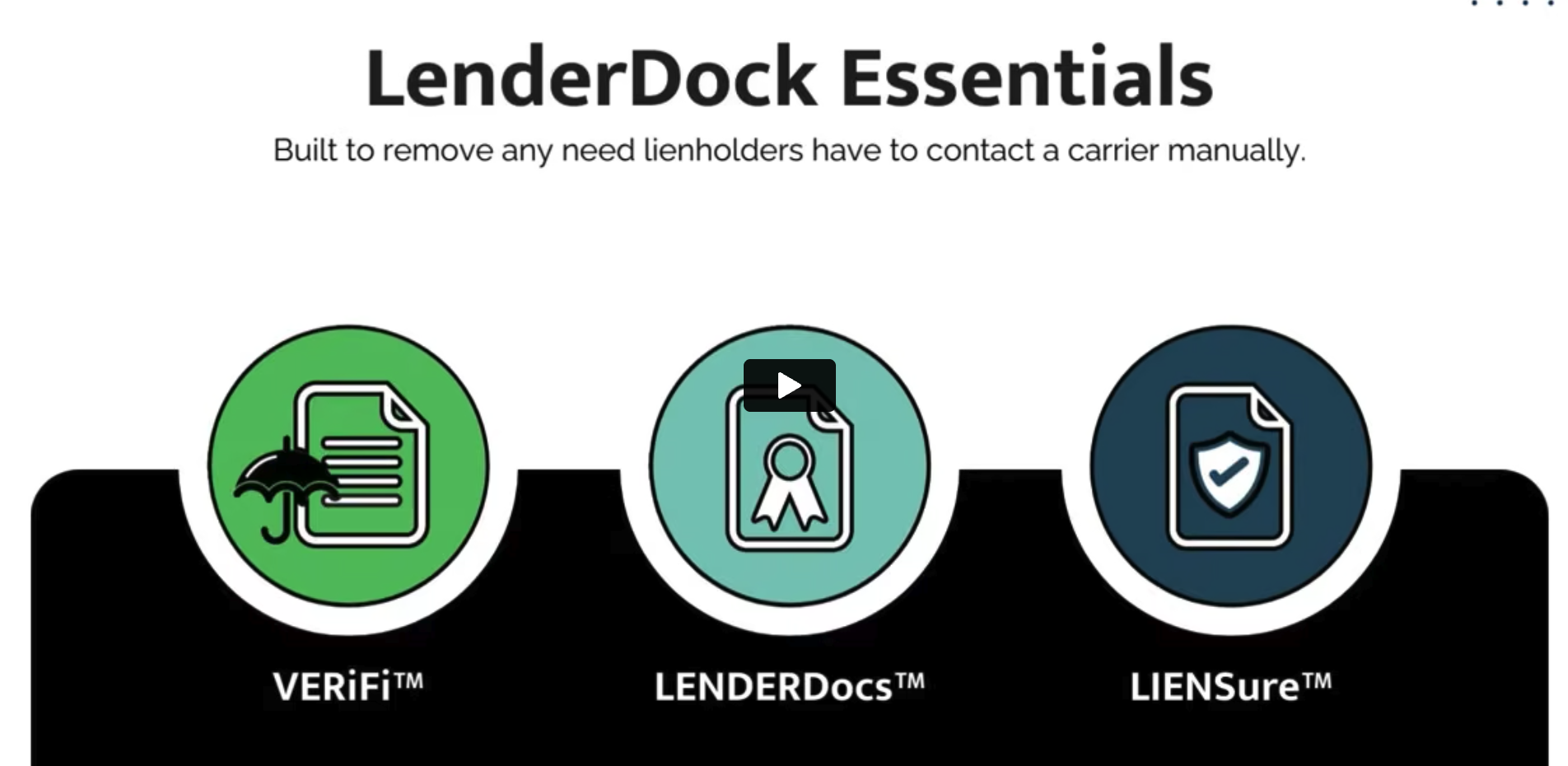
LenderDock provides real-time, insurance policy details through its magical web portal or its APIs.

LIENSure sends corrections digitally, straight from the financial source of truth and in bulk for easy processing.

ESCROWPay verifies what’s actually due before the money moves, then sends the payment and reconciliation data digitally.

NOTiFi delivers required policy, coverage, and billing notices in the formats lienholders actually use
At least check out the genesis of LenderDock Video. It’ll all make sense, the eco-system, that is.
Learn more about our great leadership team and our amazing, people-first, company culture.
There’s a lot going on at LenderDock and in our industries. We threw it all here to make it easier to keep up.
We go to a lot of events and we love to eat. See our calendar of where we’ll be.
New webinars will be coming quite frequently. Educational, success, and sales.
The insurance process was once sluggish and paper-based. But things have altered in recent years. Technology has transformed countless industries, and insurance is no exception. Today, the sector is going even further. A new breed of insurers is emerging – digital-only companies promising speed, convenience, and lower costs. These startups challenge traditional insurance giants by operating entirely online. But can they deliver on their promises? Are these digital-only insurance companies the future, or just a flash in the pan? Let’s get into it.
Over the last decade, we’ve seen a steady rise in online-only insurance companies. It used to be that everyone would choose from a select few familiar insurance companies, but today the picture couldn’t be more different. Whether it’s auto, home, or even pet insurance, the options available to consumers have exploded. This increased competition has led to a more dynamic marketplace with a wider range of policies and prices to choose from. But how did we get here? Several factors contribute to this trend of more insurance providers, particularly more online-only insurers.
Firstly, the modern consumer is increasingly tech-savvy and demands quick, convenient services. Digital-only insurers cater to this demographic by providing seamless online experiences, from obtaining quotes to filing claims. This aligns perfectly with the expectations of a generation accustomed to digital interactions in other areas of their lives.
Secondly, technological advancements have significantly reduced the barriers to entry for new insurance players. Advances in artificial intelligence, big data, and cloud computing have created powerful tools, reducing the need for large teams of specialists and lowering the overall cost of building and running an insurance business. In the past, building an insurance company required significant capital investment in physical infrastructure, such as offices, claims processing centers, and a large workforce. Not today. Cloud computing allows insurance companies to operate without the overhead of maintaining physical data centers, while artificial intelligence can automate many routine tasks, such as claims processing and customer service inquiries.
Economic pressures also play a role in the rise of digital-only insurance. Traditional insurers often grapple with rising operational costs and claims expenses. In contrast, digital-only models tend to have lower overhead, allowing them to offer more competitive premiums. This cost advantage has attracted a growing customer base.
So that’s why we see more online-only insurers, but what benefits do they offer, exactly?
Digital-only insurance companies offer a new approach to buying insurance. These online-only providers claim several advantages.
While digital-only insurers offer certain advantages, there are also potential drawbacks to consider.
Digital insurance companies are changing how we buy insurance, but they probably won’t completely replace traditional insurers. Instead, they are forcing incumbents to adapt and evolve.
Traditional insurance companies possess several inherent advantages. Their established brand reputation, extensive customer base, and deep financial reserves provide a solid foundation. Additionally, complex insurance products often require in-person consultation and personalized service, areas where traditional insurers excel. Many customers are always going to prefer the security that comes with a well-established company, especially when dealing with potentially large financial risks. These customers will choose an insurer with real humans they can speak to, even if it means paying more.
However, the pressure to compete with digital-only rivals is driving significant changes. Traditional insurers are investing heavily in technology to improve customer experience and efficiency. Online quoting tools, streamlined claims processes, and 24/7 customer support through chatbots are becoming commonplace. Moreover, many are developing hybrid models that combine the best of both worlds, offering digital convenience alongside the option for face-to-face interactions.
Here’s the bottom line. While digital-only insurers are reshaping the insurance landscape, the industry is not a zero-sum game. Traditional insurers, by embracing digital transformation and leveraging their strengths, can coexist and thrive alongside their digital counterparts. The future of insurance lies in a hybrid model that caters to the diverse needs and preferences of customers.
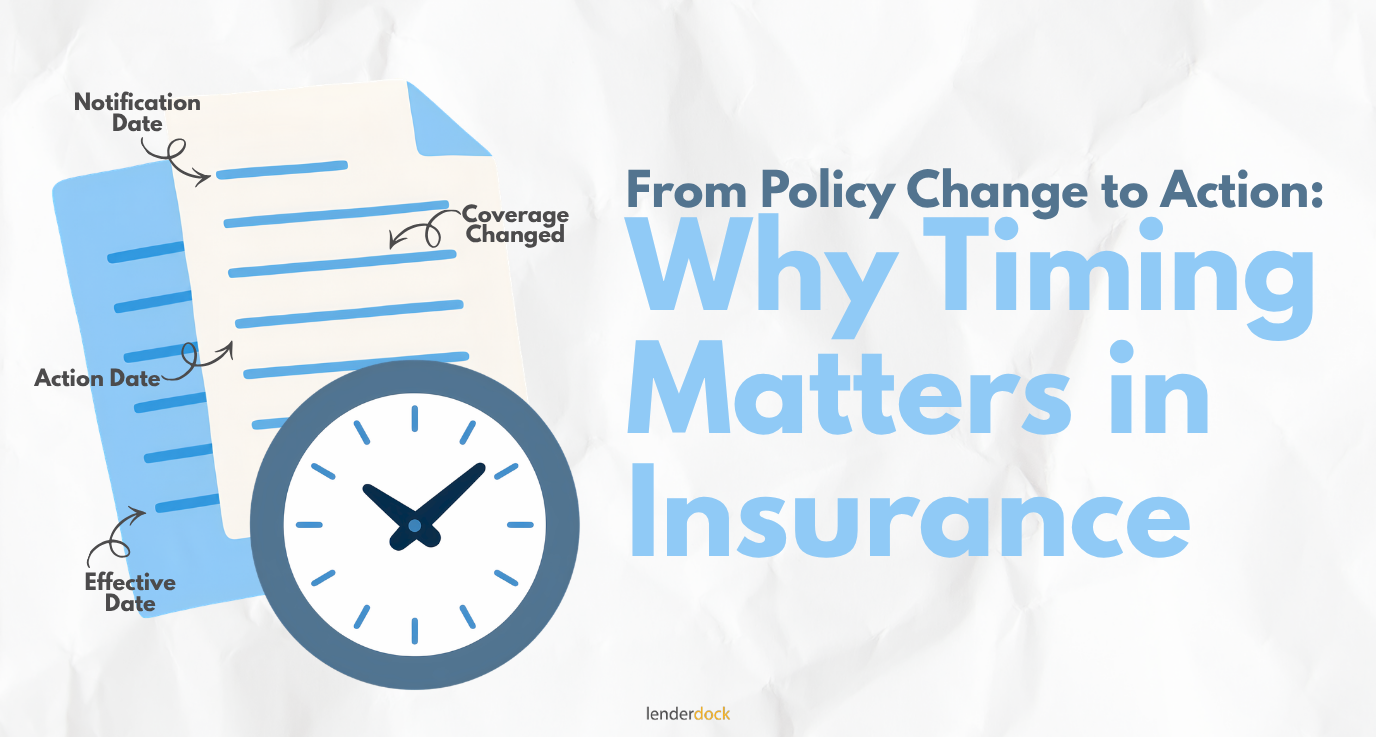
We’ve heard people in mortgage servicing use verification and tracking as if they’re interchangeable, and honestly, for a lot of daily work, treating them that way doesn’t break anything.
A two-day lag between a policy change and everyone finding out about it used to be annoying, not dangerous. Someone made a call, waited, got an answer, and moved on with their day.

We’ve heard people in mortgage servicing use verification and tracking as if they’re interchangeable, and honestly, for a lot of daily work, treating them that way doesn’t break anything.

Insurance verification is a routine part of the lending and insurance process. A lender needs to know whether a policy is active. A mortgage servicer may need to confirm coverage or mortgagee information. An insurance…
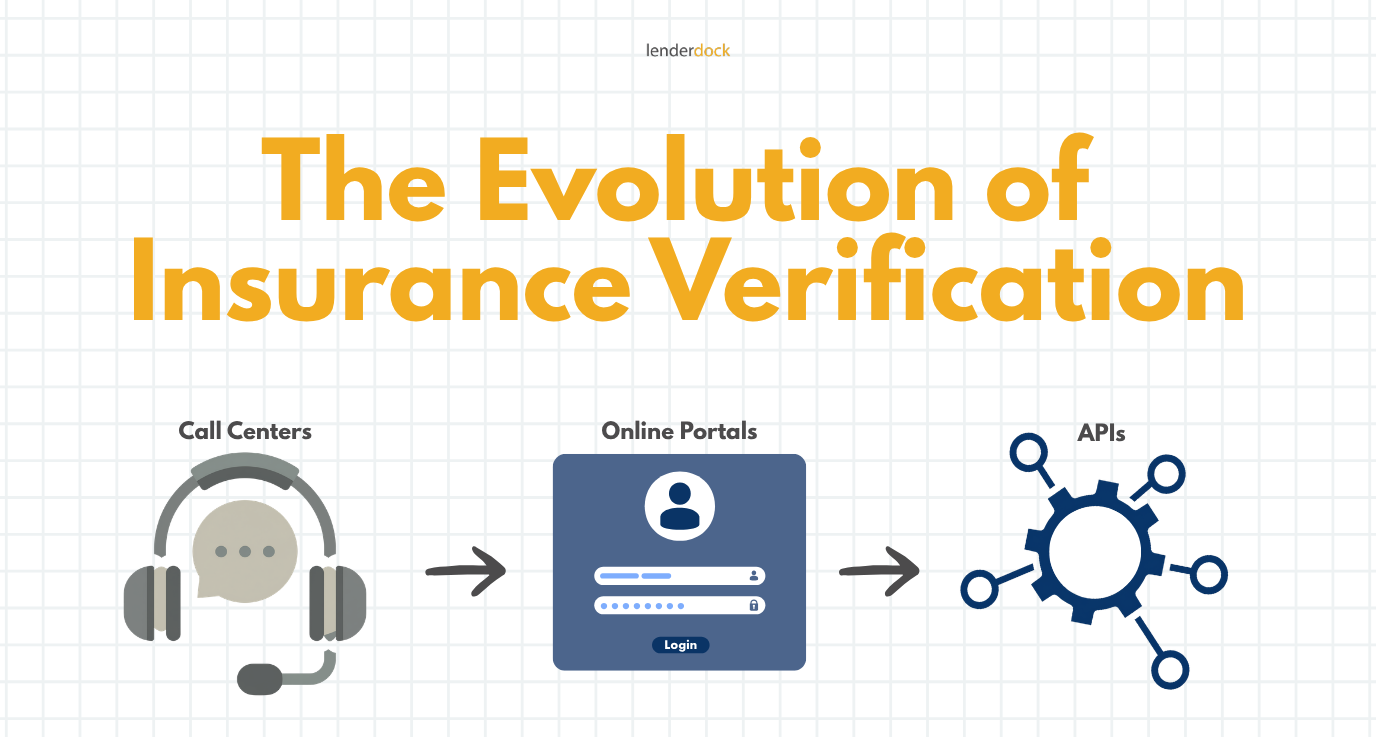
In the earliest version of insurance verification, the person answering the phone actually had to know things. They pulled a physical file, checked handwriting against a ledger, and made a judgment call about whether what…
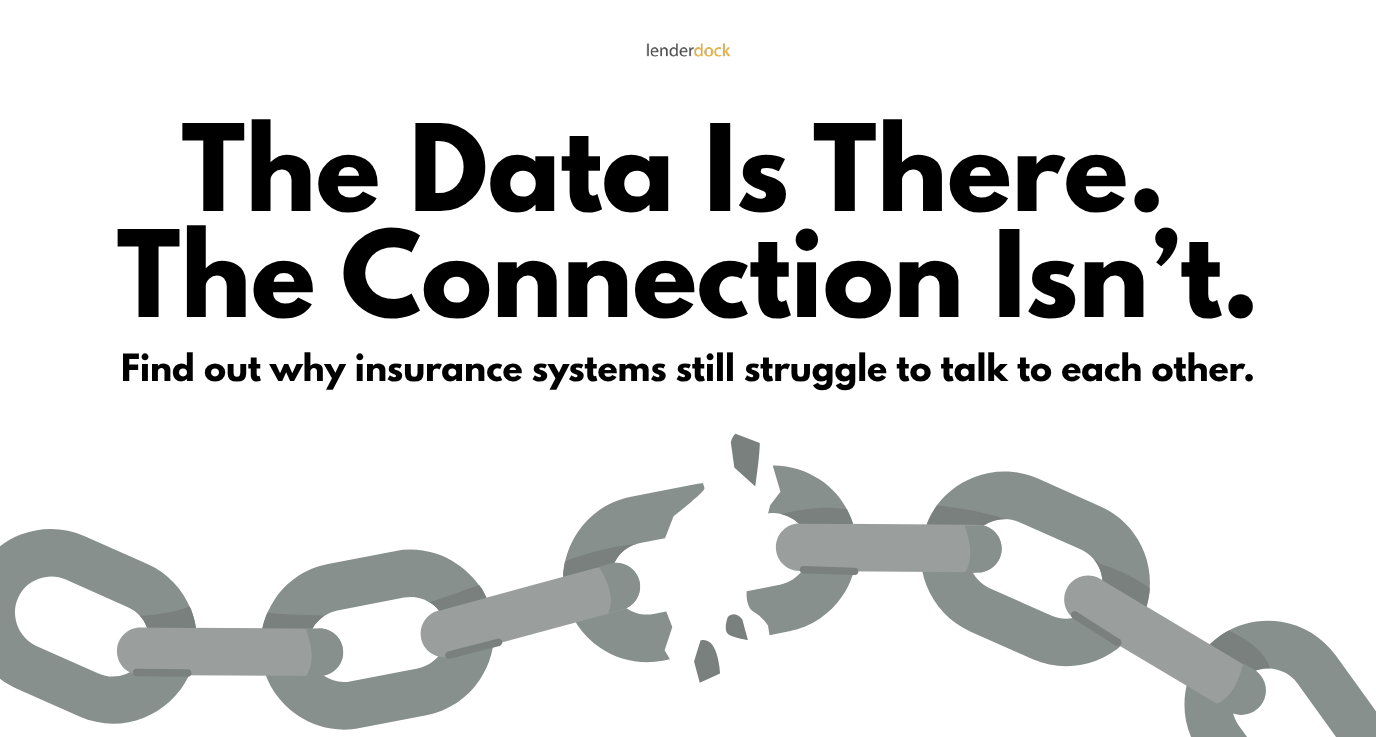
Two insurers can each have perfectly accurate, well-maintained policy databases and still fail to exchange a single piece of usable data between them.

Every single day, insurance workers face a mountain of simple questions. Are they tired of answering the same questions about policy coverage all day long? Yes, they are. When banks or lenders need to check…
A title company closing a home sale needs to confirm the seller’s policy is active before the deal can move. An auto lender needs the same thing before releasing funds on a car loan. A…
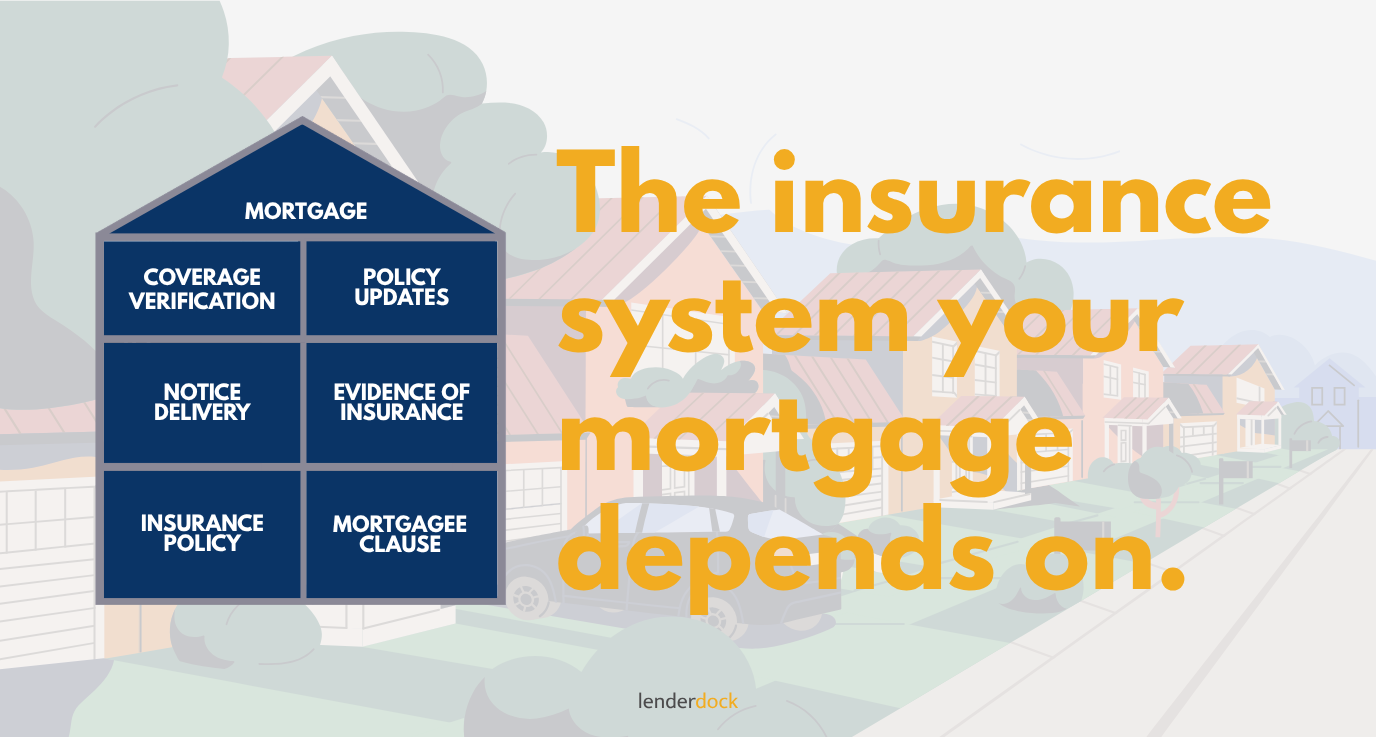
Most people who take out a mortgage never think about insurance as part of the loan itself. It feels adjacent, a separate purchase, something the lender requires but does not really participate in beyond checking…
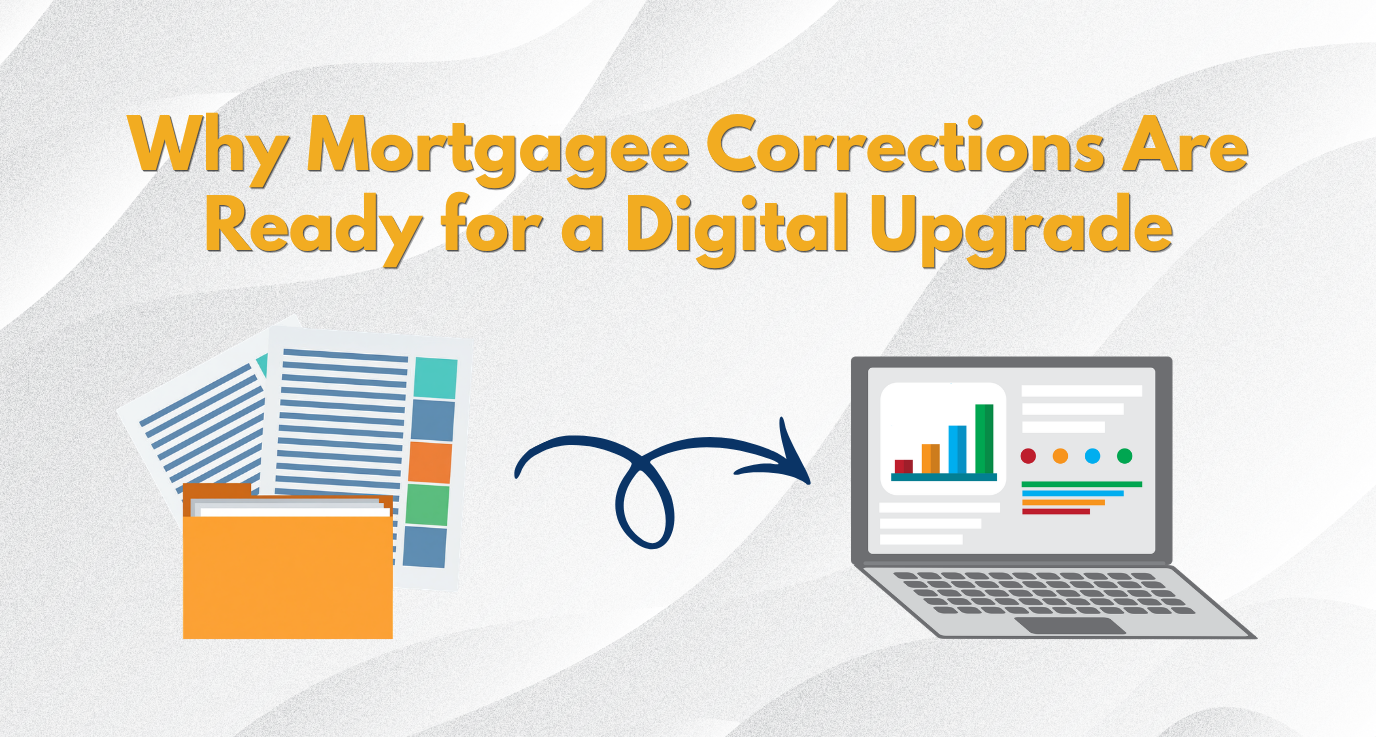
Mortgagee corrections are a routine part of insurance servicing, but the process behind them is often anything but simple. A lender may find that the mortgagee’s name or address on a policy is out of…


We consectetur adipiscing elit tempor incididunt ut labore. Wondering ipsum dolor sit amet? We consectetur adipiscing ipsum nulla glavrida elit tempor incididunt.