From Policy Change to Action: Why Timing Matters in Insurance
We’ve heard people in mortgage servicing use verification and tracking as if they’re interchangeable, and honestly, for a lot of daily work, treating them that way doesn’t break anything.


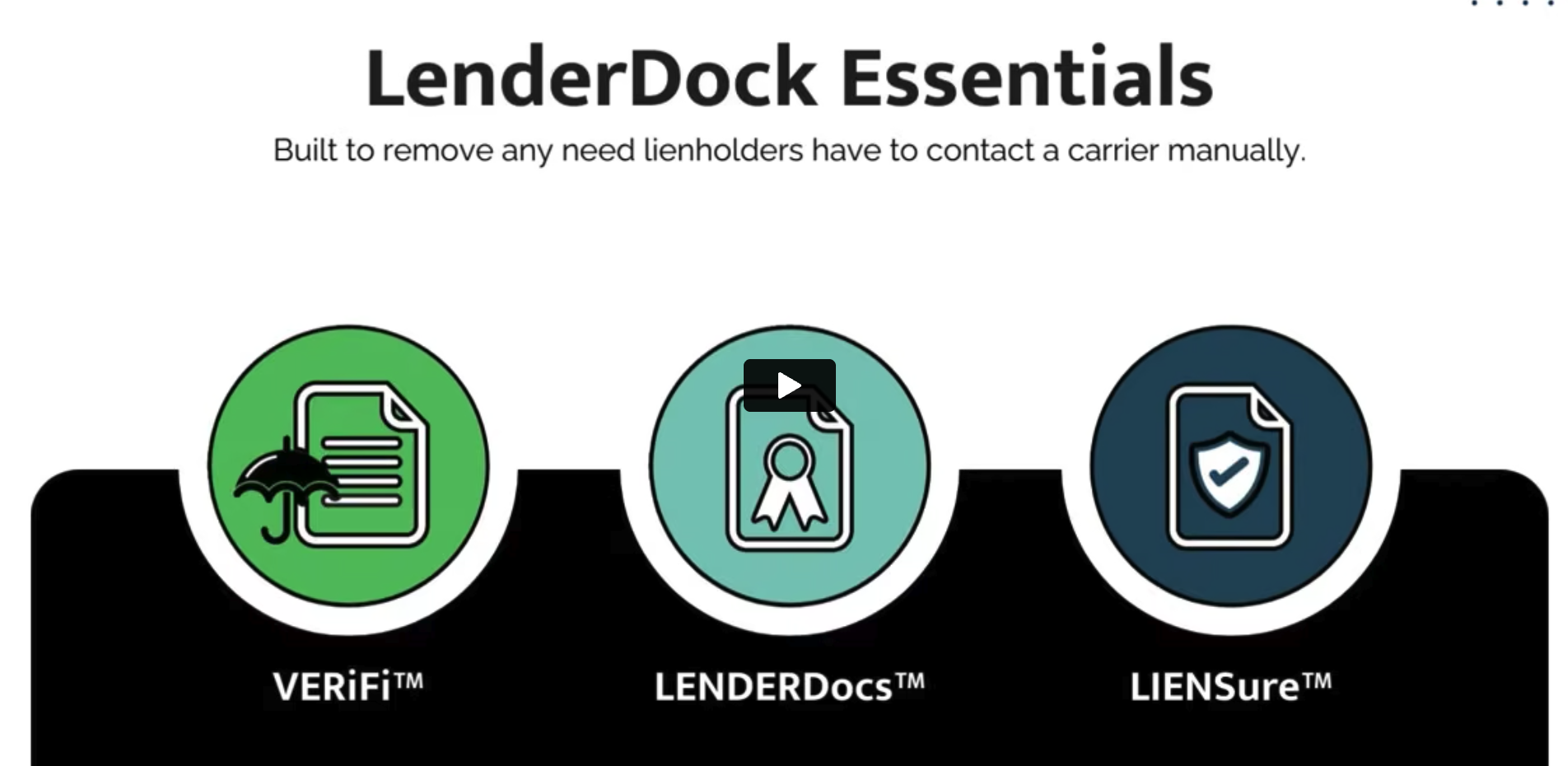
LenderDock provides real-time, insurance policy details through its magical web portal or its APIs.

LIENSure sends corrections digitally, straight from the financial source of truth and in bulk for easy processing.

ESCROWPay verifies what’s actually due before the money moves, then sends the payment and reconciliation data digitally.

NOTiFi delivers required policy, coverage, and billing notices in the formats lienholders actually use
At least check out the genesis of LenderDock Video. It’ll all make sense, the eco-system, that is.
Learn more about our great leadership team and our amazing, people-first, company culture.
There’s a lot going on at LenderDock and in our industries. We threw it all here to make it easier to keep up.
We go to a lot of events and we love to eat. See our calendar of where we’ll be.
New webinars will be coming quite frequently. Educational, success, and sales.
Application Programming Interfaces (APIs) have become a vital building block in today’s digital age.
According to a recent report, over 83% of enterprise-level companies use APIs to improve their operations, enhance customer experiences, and integrate various services effortlessly. APIs allow different software systems to “talk” to each other, acting like the invisible glue holding modern business processes together. But what does this mean for the insurance sector?
In a previous article, we explored the benefits of APIs in the insurance industry. If you missed it, we discussed how APIs streamline workflows, drive innovation, and enhance customer experiences.
Today, we’re taking a step further by diving into real-world examples of APIs used in the US insurance market.
One of the most common applications of APIs in insurance is claims management.
APIs allow insurers to automate the claims process—from reporting an accident to verifying coverage and processing payouts. For instance, insurers can integrate data from telematics and repair shops to expedite decisions.
Snapsheet’s Claims API is a perfect example, allowing insurance companies like Metromile to streamline the entire claims process, making it quicker and more efficient.
Underwriting is the backbone of any insurance operation, and APIs have stepped in to make it smarter. APIs now pull real-time data from external sources like medical records, financial histories, and even geospatial data.
Verisk’s RiskCheck API allows insurers to enhance their underwriting processes, offering quicker, more data-driven decisions with the aid of its 65+ triggers at the point of sale.
Managing policies manually can be tedious, but with the help of APIs, this process has become seamless.
LenderDock’s Verification-as-a-Service (VaaS) API allows insurers to automate real-time insurance verification and policy updates, like lienholder changes, without manual intervention. Lenders, lienholders, and agents benefit from instant access to up-to-date policyholder information, making life just that much easier.
Meanwhile, Duck Creek Technologies provides APIs that enable insurers to manage policies efficiently. Companies like Progressive leverage Duck Creek’s Policy APIs to streamline policy issuance, renewals, and updates, reducing manual errors and enhancing transparency.
Paying premiums used to be a cumbersome task, but not anymore.
APIs like Stripe’s Payment API, used by Lemonade, allow customers to make seamless premium payments and track their payment history. Similarly, Root Insurance uses Braintree’s API to facilitate smooth, secure transactions, supporting various payment methods.
APIs have transformed quote generation from a multi-step process to something that can be done in minutes.
Tarmika’s Bridge API pulls data from multiple carriers to generate real-time quotes for agents and brokers. State Auto and Travelers use this API to offer instant, accurate quotes for small businesses.
APIs help combat one of the biggest threats in the insurance industry—fraud.
Shift Technology’s Force API uses machine learning to analyze claims data in real time, detecting suspicious activities that may indicate fraud. AXA uses this technology globally, identifying potential fraud and enabling the processing of claims more efficiently.
APIs are what really make digital insurance work.
From automating claims and underwriting to improving payment processing and fraud detection, these tools are driving efficiency across the industry while also driving innovation with the creation of new digital products, and solutions for solving a number of problems in the insurance value chain.
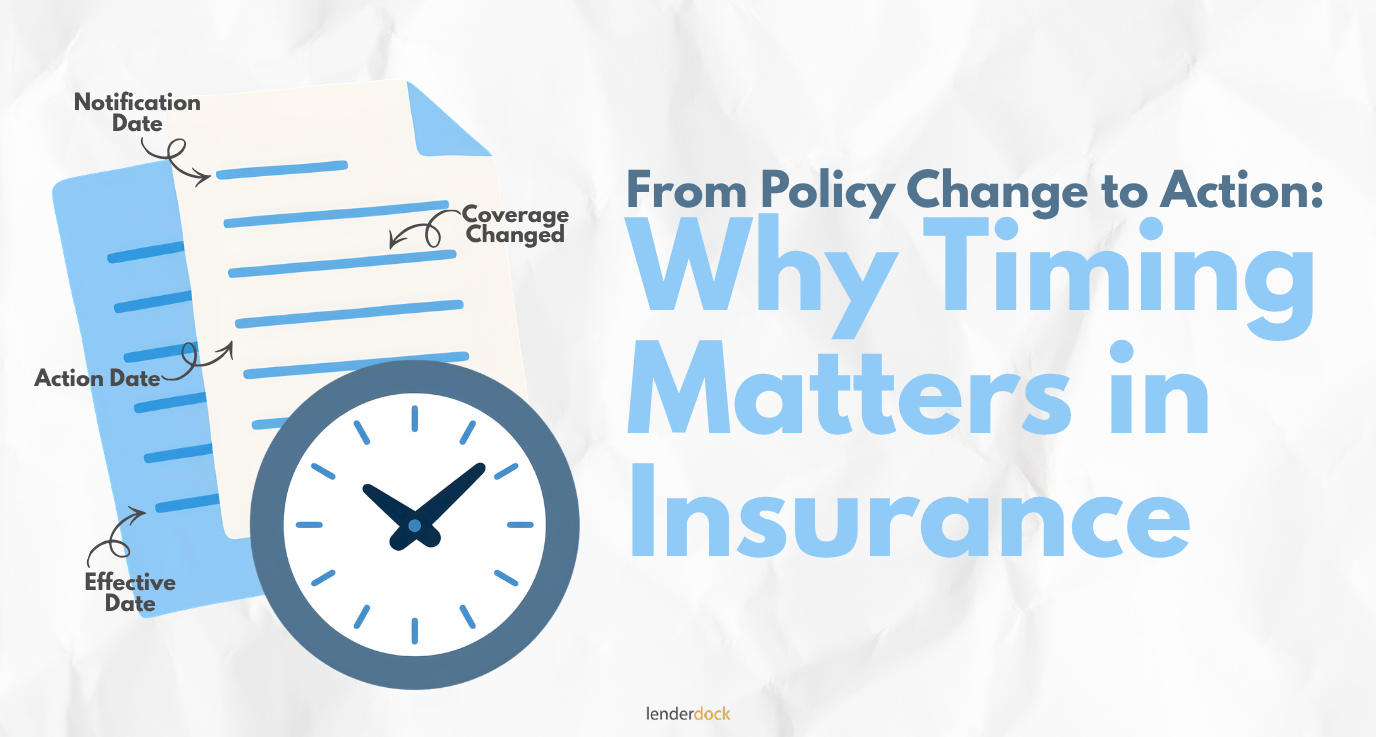
We’ve heard people in mortgage servicing use verification and tracking as if they’re interchangeable, and honestly, for a lot of daily work, treating them that way doesn’t break anything.
A two-day lag between a policy change and everyone finding out about it used to be annoying, not dangerous. Someone made a call, waited, got an answer, and moved on with their day.

We’ve heard people in mortgage servicing use verification and tracking as if they’re interchangeable, and honestly, for a lot of daily work, treating them that way doesn’t break anything.
Insurance verification is a routine part of the lending and insurance process. A lender needs to know whether a policy is active. A mortgage servicer may need to confirm coverage or mortgagee information. An insurance…
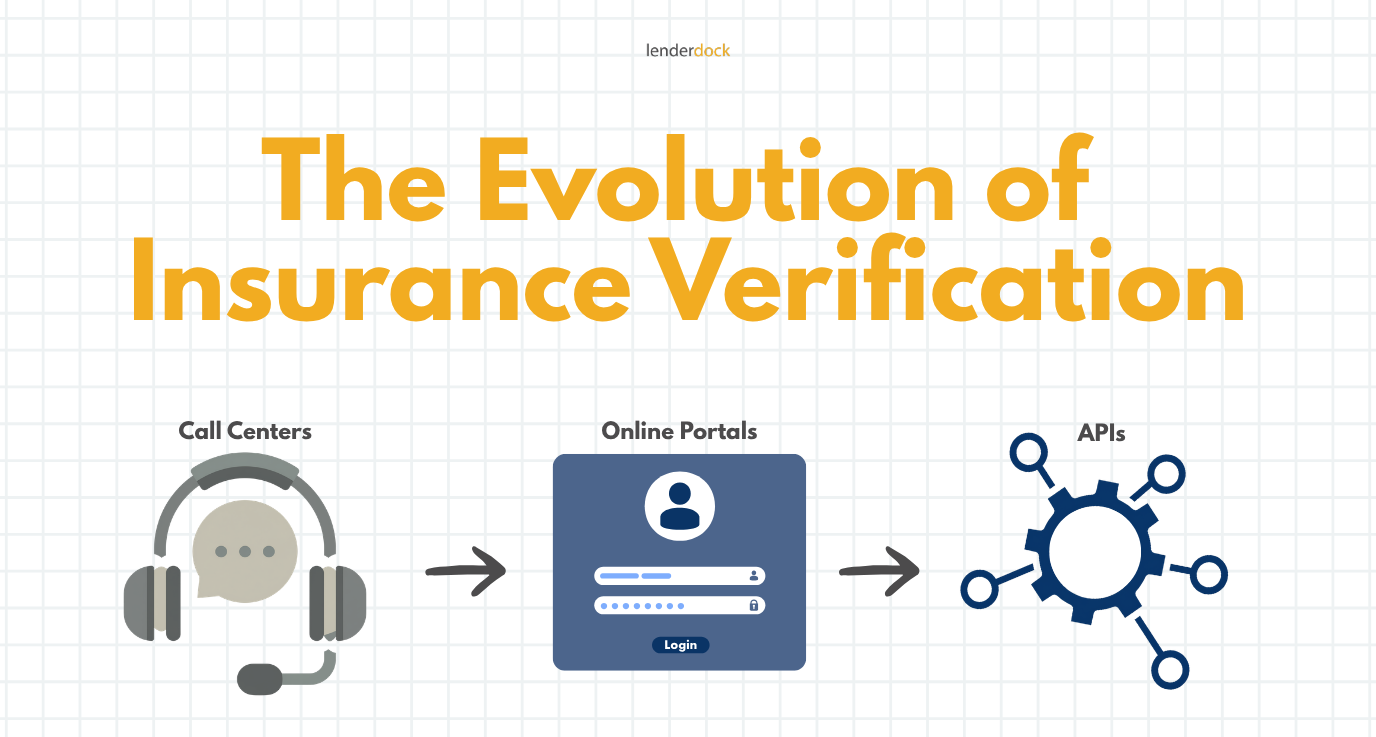
In the earliest version of insurance verification, the person answering the phone actually had to know things. They pulled a physical file, checked handwriting against a ledger, and made a judgment call about whether what…
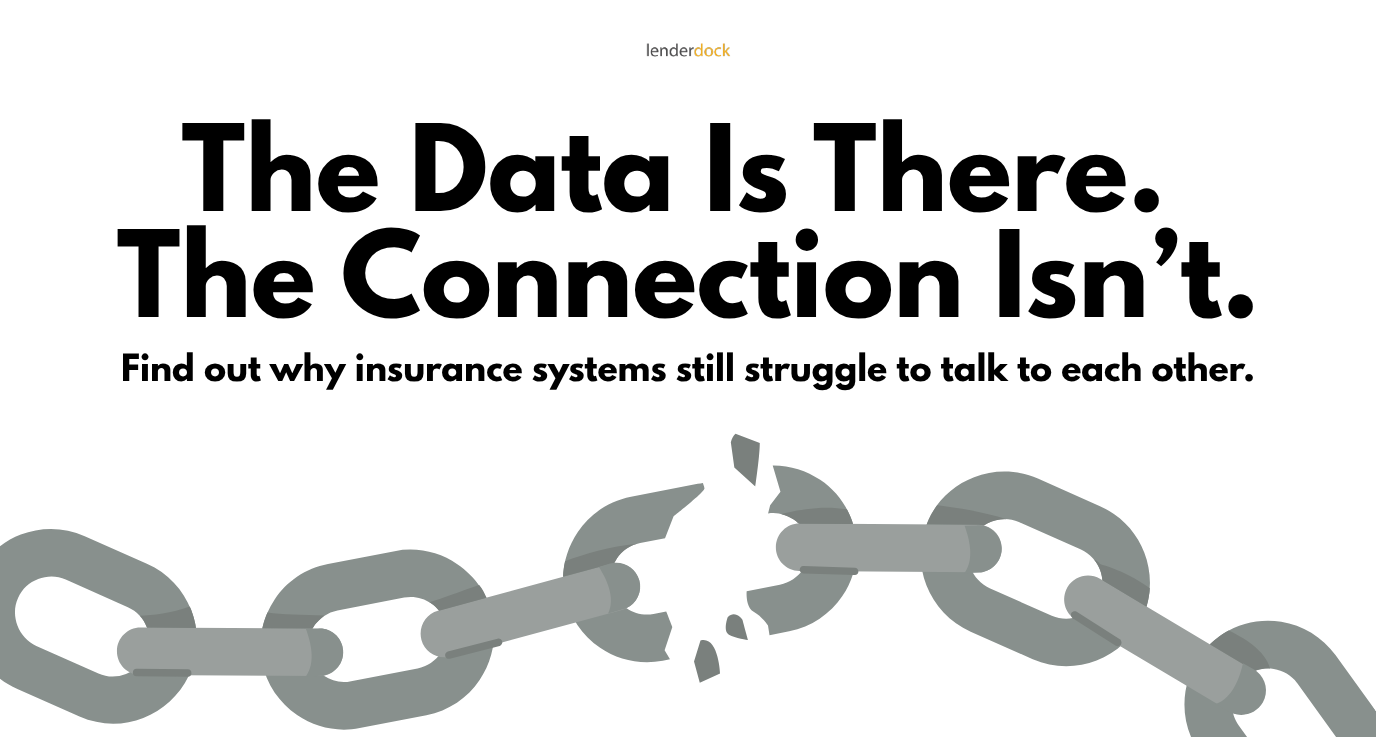
Two insurers can each have perfectly accurate, well-maintained policy databases and still fail to exchange a single piece of usable data between them.
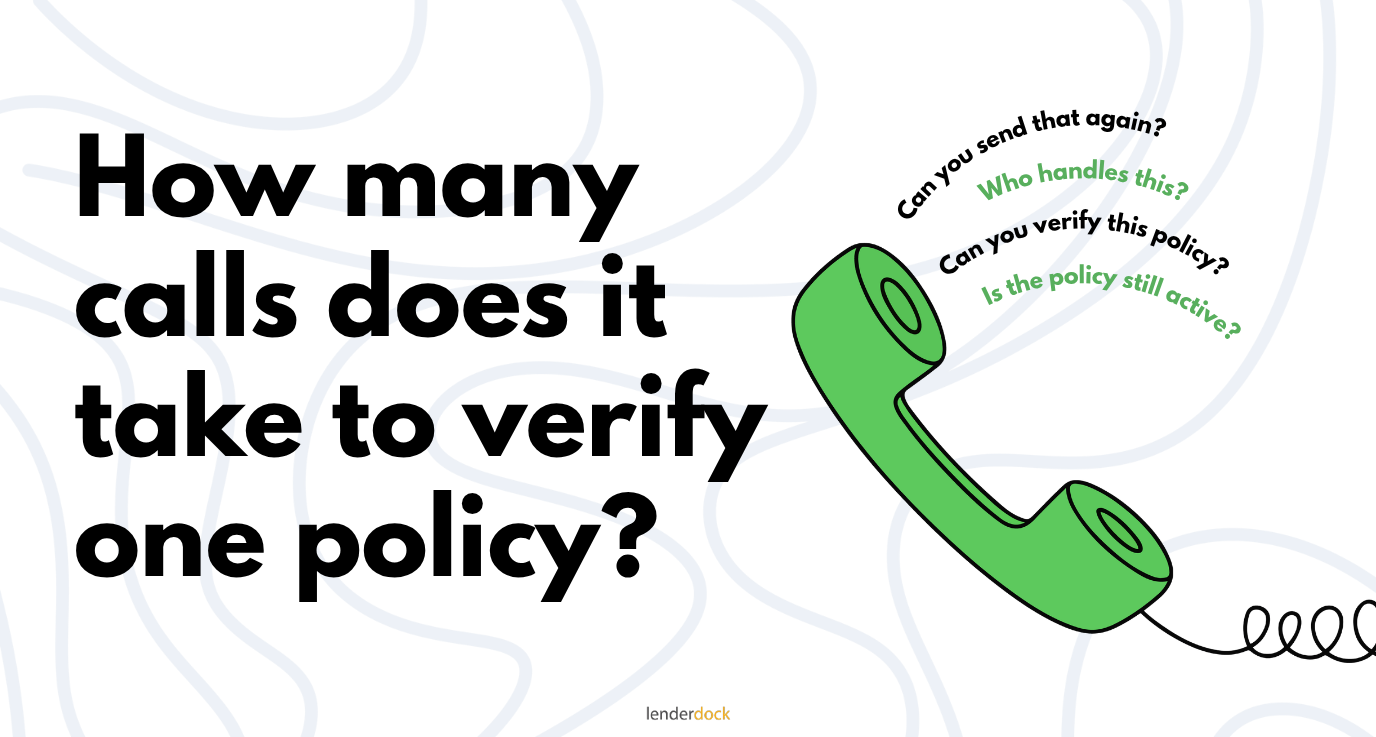
Every single day, insurance workers face a mountain of simple questions. Are they tired of answering the same questions about policy coverage all day long? Yes, they are. When banks or lenders need to check…
A title company closing a home sale needs to confirm the seller’s policy is active before the deal can move. An auto lender needs the same thing before releasing funds on a car loan. A…
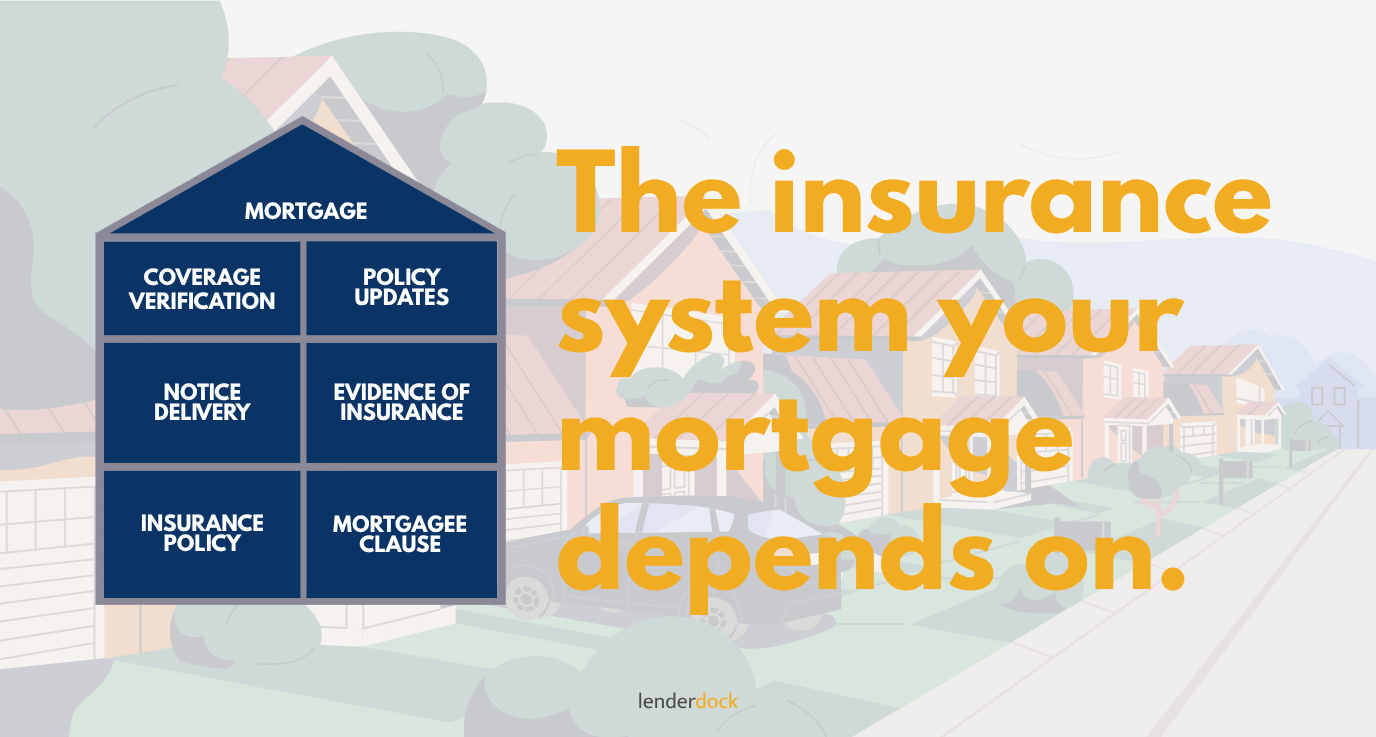
Most people who take out a mortgage never think about insurance as part of the loan itself. It feels adjacent, a separate purchase, something the lender requires but does not really participate in beyond checking…
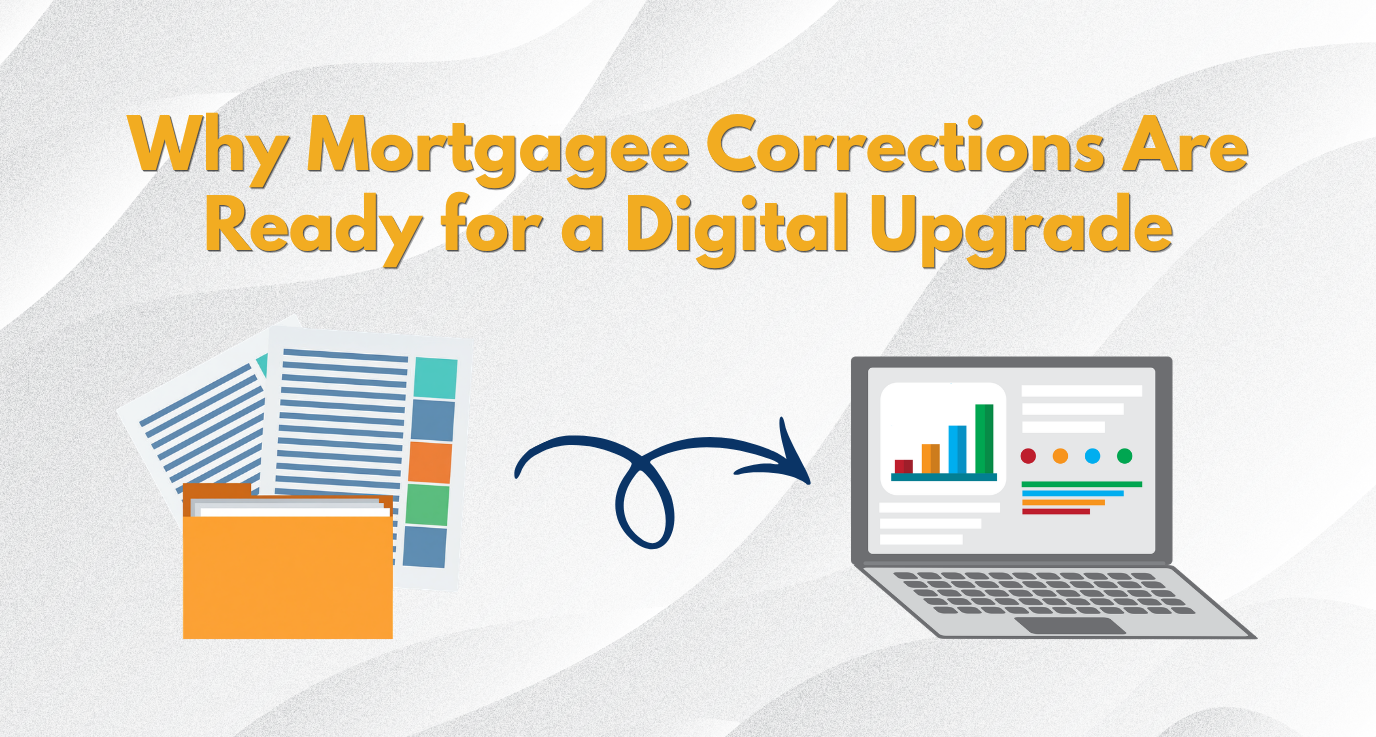
Mortgagee corrections are a routine part of insurance servicing, but the process behind them is often anything but simple. A lender may find that the mortgagee’s name or address on a policy is out of…


We consectetur adipiscing elit tempor incididunt ut labore. Wondering ipsum dolor sit amet? We consectetur adipiscing ipsum nulla glavrida elit tempor incididunt.