From Policy Change to Action: Why Timing Matters in Insurance
We’ve heard people in mortgage servicing use verification and tracking as if they’re interchangeable, and honestly, for a lot of daily work, treating them that way doesn’t break anything.


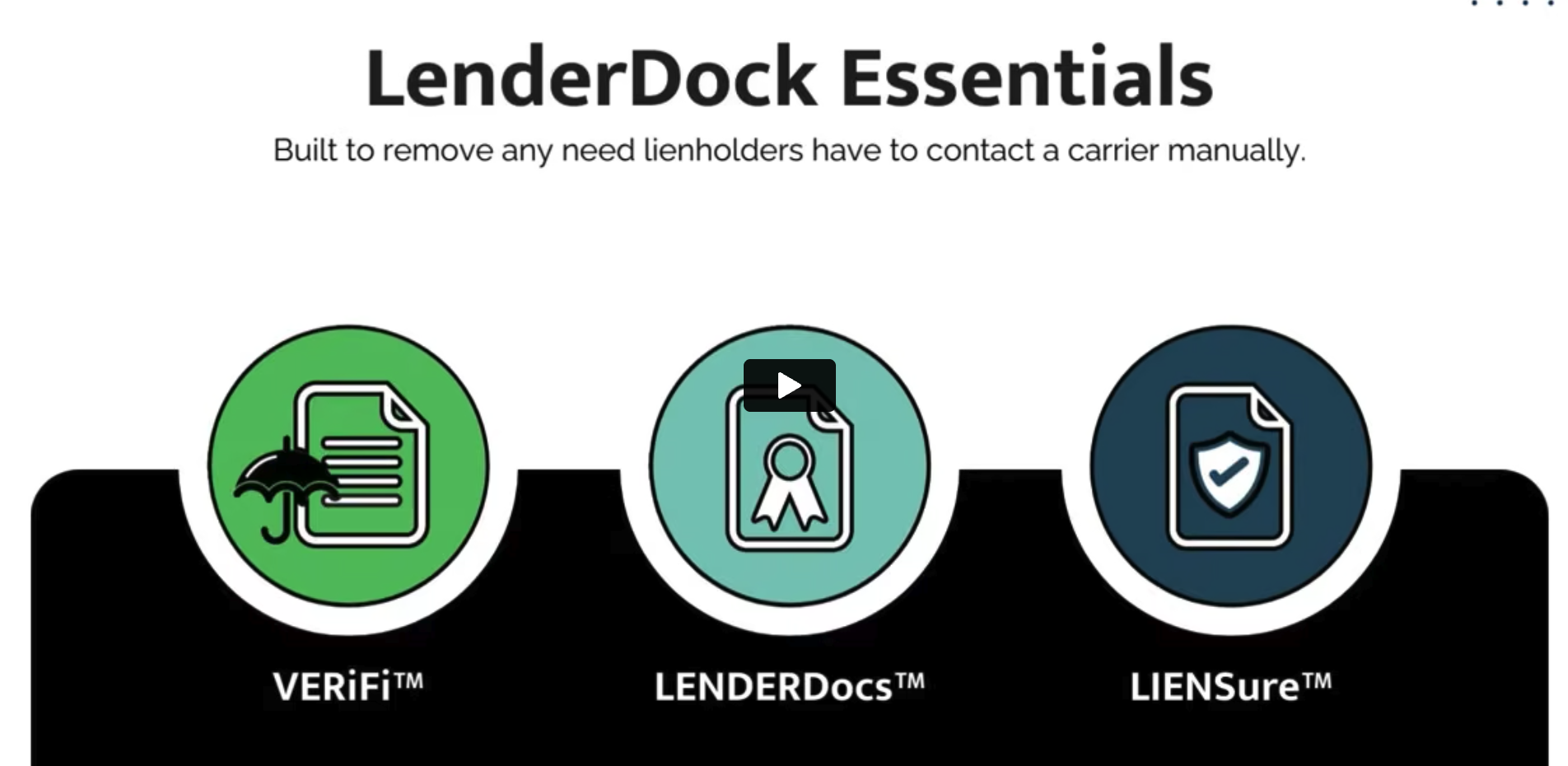
LenderDock provides real-time, insurance policy details through its magical web portal or its APIs.

LIENSure sends corrections digitally, straight from the financial source of truth and in bulk for easy processing.

ESCROWPay verifies what’s actually due before the money moves, then sends the payment and reconciliation data digitally.

NOTiFi delivers required policy, coverage, and billing notices in the formats lienholders actually use
At least check out the genesis of LenderDock Video. It’ll all make sense, the eco-system, that is.
Learn more about our great leadership team and our amazing, people-first, company culture.
There’s a lot going on at LenderDock and in our industries. We threw it all here to make it easier to keep up.
We go to a lot of events and we love to eat. See our calendar of where we’ll be.
New webinars will be coming quite frequently. Educational, success, and sales.
The way insurance is sold has come a long way. What started as a largely face-to-face business, where customers relied on agents for advice, has transformed into a mix of digital platforms, AI-powered tools, and seamless integrations.
Back in the day, the most common way to buy insurance was through an agent or broker. If you wanted to insure your home or car, you’d likely meet with an agent who would walk you through the process, explaining the fine print and offering recommendations. It was all about relationships—agents were trusted advisors. The value here was the personal touch, and for many people, especially older generations, that trust was everything.
But, as much as this model worked, it had its limitations. Agents could only reach so many clients, and everything was very hands-on. There were lots of forms, phone calls, and back-and-forths to finalize a policy. Things worked, but they moved slowly. Insurers also had to pay hefty commissions to the agents and brokers who sold their products, which contributed to the overall cost of insurance.
Even today, agents and brokers still have a role, especially for more complex insurance needs. Many people still prefer the guidance of an expert when navigating complicated coverage, like life or health insurance.
That’s exactly what Bancassurance aimed to do. Starting in the late 20th century, banks partnered with insurance companies to sell insurance products right alongside checking accounts and mortgages. The idea was that if you trust your bank with your money, why not trust them with your insurance too?
This model took off, especially in Europe and Asia, but also in the U.S. with big players like American Express and City Bank offering insurance products. For consumers, it made sense—buying insurance through a bank was convenient because everything could be handled in one place. And for insurers, it was a chance to tap into a massive customer base without needing to build out their own salesforce.
However, bancassurance doesn’t always offer the personalized advice people get from an agent, so while it’s great for simple policies, it might not be the go-to for more complicated insurance needs.
Insurtech—a term that blends insurance with technology came to prominence in the early 2010s. Companies like Lemonade, Root Insurance, and Trov have shaken up the industry by offering innovative, tech-driven solutions. Lemonade, for example, uses artificial intelligence (AI) to provide renters and homeowners insurance with a super-smooth, app-based experience. Root Insurance uses telematics via the Root app tracking your driving behavior through an app, to offer personalized auto insurance rates based on how safely you drive.
The big draw here is that everything is faster and easier. You can get quotes instantly, file claims in minutes, and manage your policies all through your smartphone. It’s insurance designed for the digital age, a huge attraction for tech-savvy customers who want everything at their fingertips.
What makes insurtech particularly interesting is how it’s tapping into areas that traditional insurers might have overlooked. For instance, Trov offers on-demand insurance for individual items like electronics or sports equipment, letting you turn coverage on and off whenever you need it. This is a far cry from the traditional model of long-term policies with complicated terms.
Imagine booking a flight, and before you complete your purchase, you’re offered travel insurance at checkout—no extra effort required. That’s the beauty of embedded insurance. It’s when insurance is seamlessly included in other products or services you’re already using.
In the U.S., platforms like Expedia and Airbnb often offer travel and rental insurance right within their booking systems. Similarly, when you buy a smartphone, you might be offered extended warranty insurance at checkout—think of services like AppleCare.
This approach makes buying insurance super convenient. You don’t have to go out of your way to research policies or talk to an agent. The product is there when you need it, exactly at the point of sale.
So, where do we go from here? The truth is, there isn’t a single “best” distribution channel anymore. Customers today want flexibility, and that means a hybrid model where they can choose how they buy insurance, whether it’s from an agent, online, through an app, or even as an add-on to something else they’re purchasing.
Insurers are investing in omnichannel strategies, allowing customers to interact with them across multiple touchpoints. Niall Kavanagh claims that this will improve sales and retention. For example, a customer might start by researching policies on an app, talking to an agent for advice, and then finalizing the purchase online—all with the same company.
Technology will keep driving innovation, and we’ll likely see even more personalized and integrated insurance products in the future. Whether it’s AI helping to predict risks more accurately, blockchain ensuring greater transparency in policies, or more partnerships between insurers and digital platforms, the future of insurance distribution is all about convenience, personalization, and choice.
In the end, no matter how insurance is sold, one thing remains the same: people want peace of mind that they’re covered when they need it most. And with the way distribution channels are evolving, getting that peace of mind is only getting easier.
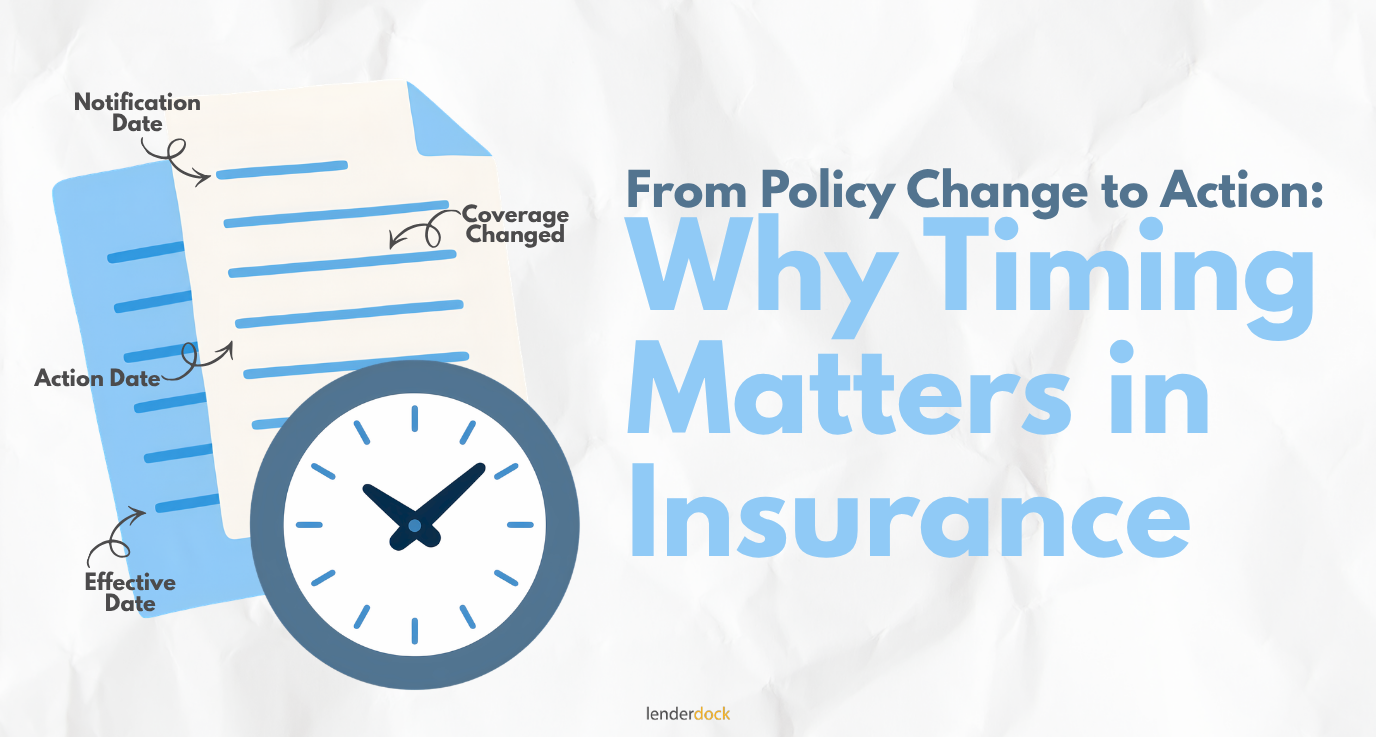
We’ve heard people in mortgage servicing use verification and tracking as if they’re interchangeable, and honestly, for a lot of daily work, treating them that way doesn’t break anything.
A two-day lag between a policy change and everyone finding out about it used to be annoying, not dangerous. Someone made a call, waited, got an answer, and moved on with their day.

We’ve heard people in mortgage servicing use verification and tracking as if they’re interchangeable, and honestly, for a lot of daily work, treating them that way doesn’t break anything.

Insurance verification is a routine part of the lending and insurance process. A lender needs to know whether a policy is active. A mortgage servicer may need to confirm coverage or mortgagee information. An insurance…
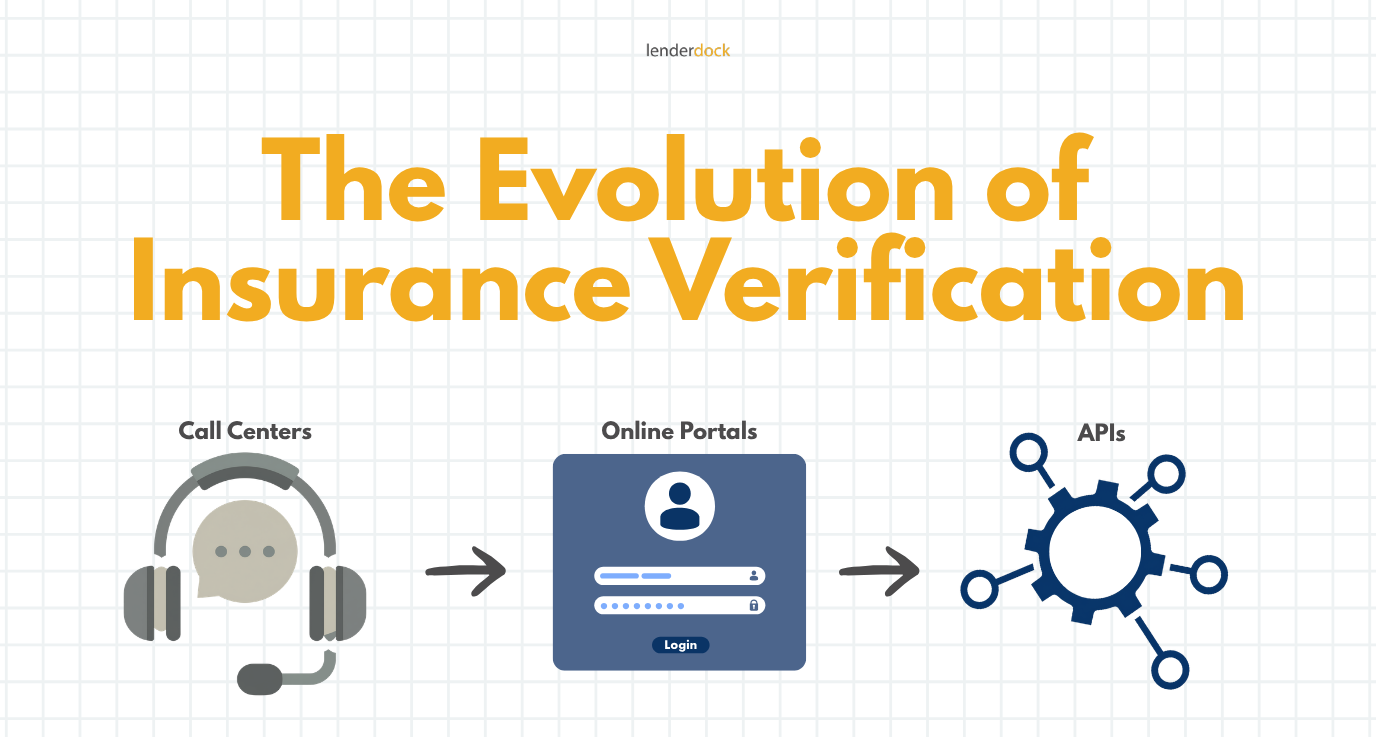
In the earliest version of insurance verification, the person answering the phone actually had to know things. They pulled a physical file, checked handwriting against a ledger, and made a judgment call about whether what…
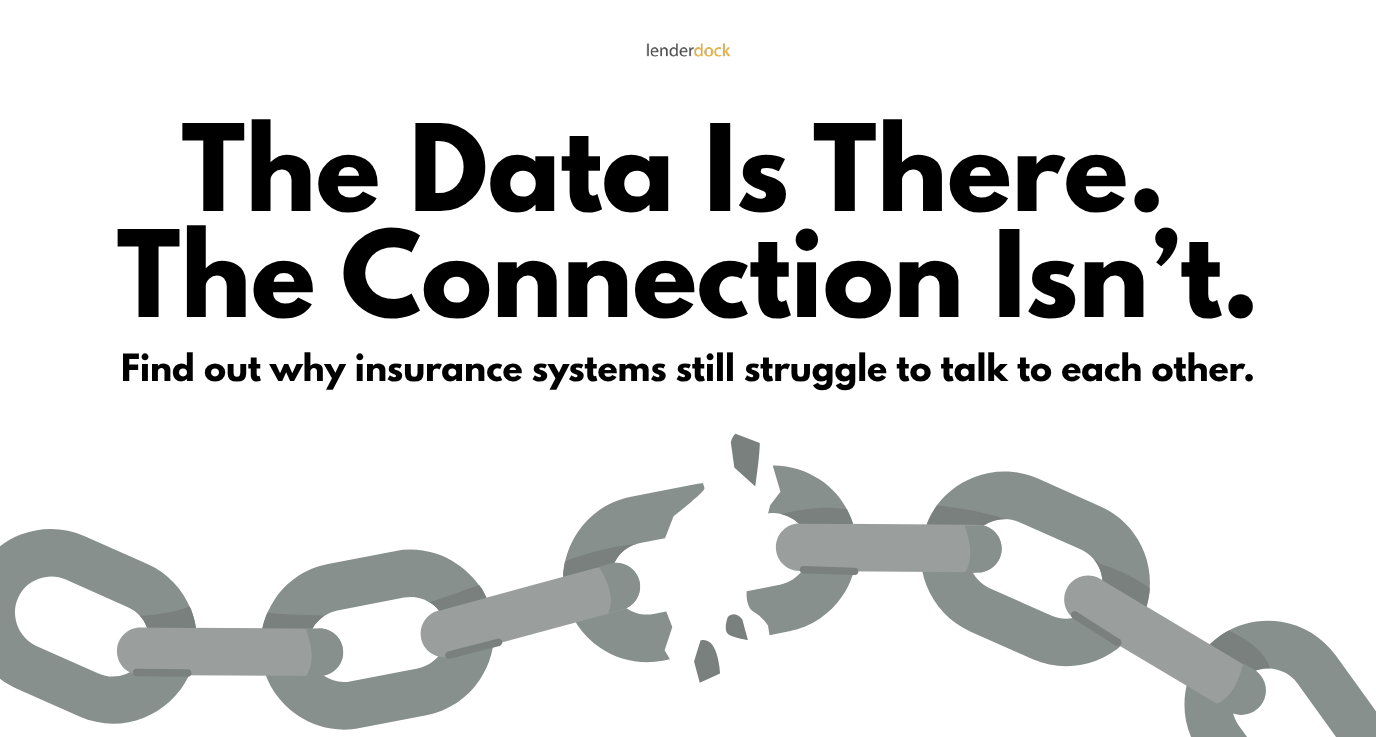
Two insurers can each have perfectly accurate, well-maintained policy databases and still fail to exchange a single piece of usable data between them.
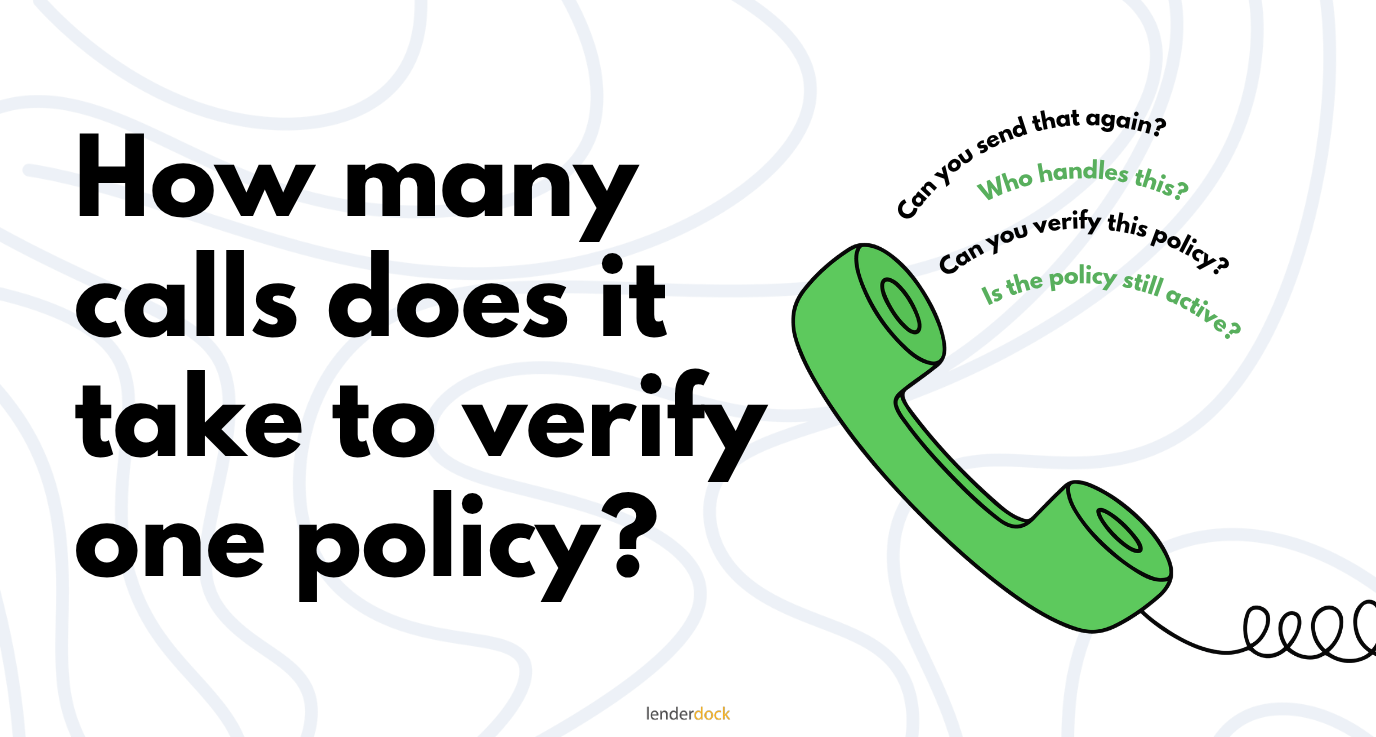
Every single day, insurance workers face a mountain of simple questions. Are they tired of answering the same questions about policy coverage all day long? Yes, they are. When banks or lenders need to check…
A title company closing a home sale needs to confirm the seller’s policy is active before the deal can move. An auto lender needs the same thing before releasing funds on a car loan. A…
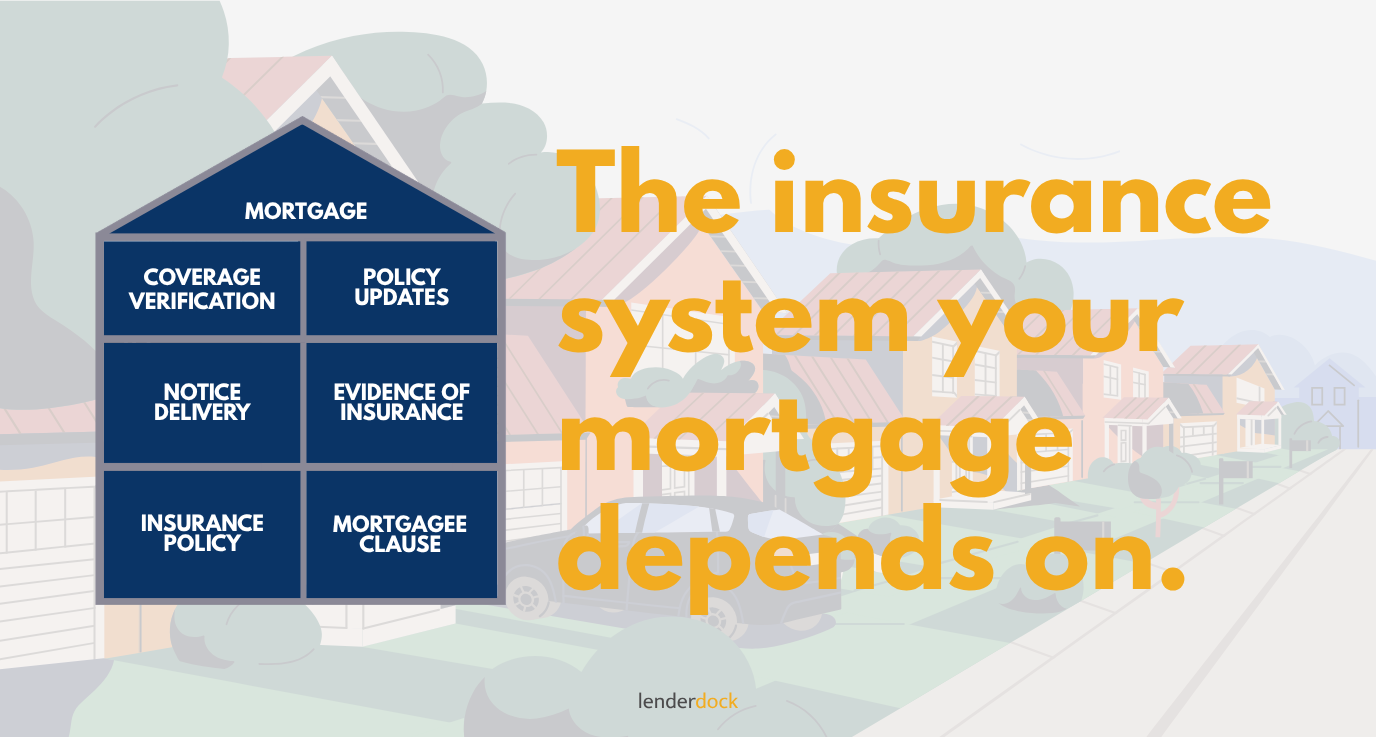
Most people who take out a mortgage never think about insurance as part of the loan itself. It feels adjacent, a separate purchase, something the lender requires but does not really participate in beyond checking…
Mortgagee corrections are a routine part of insurance servicing, but the process behind them is often anything but simple. A lender may find that the mortgagee’s name or address on a policy is out of…


We consectetur adipiscing elit tempor incididunt ut labore. Wondering ipsum dolor sit amet? We consectetur adipiscing ipsum nulla glavrida elit tempor incididunt.