From Policy Change to Action: Why Timing Matters in Insurance
We’ve heard people in mortgage servicing use verification and tracking as if they’re interchangeable, and honestly, for a lot of daily work, treating them that way doesn’t break anything.


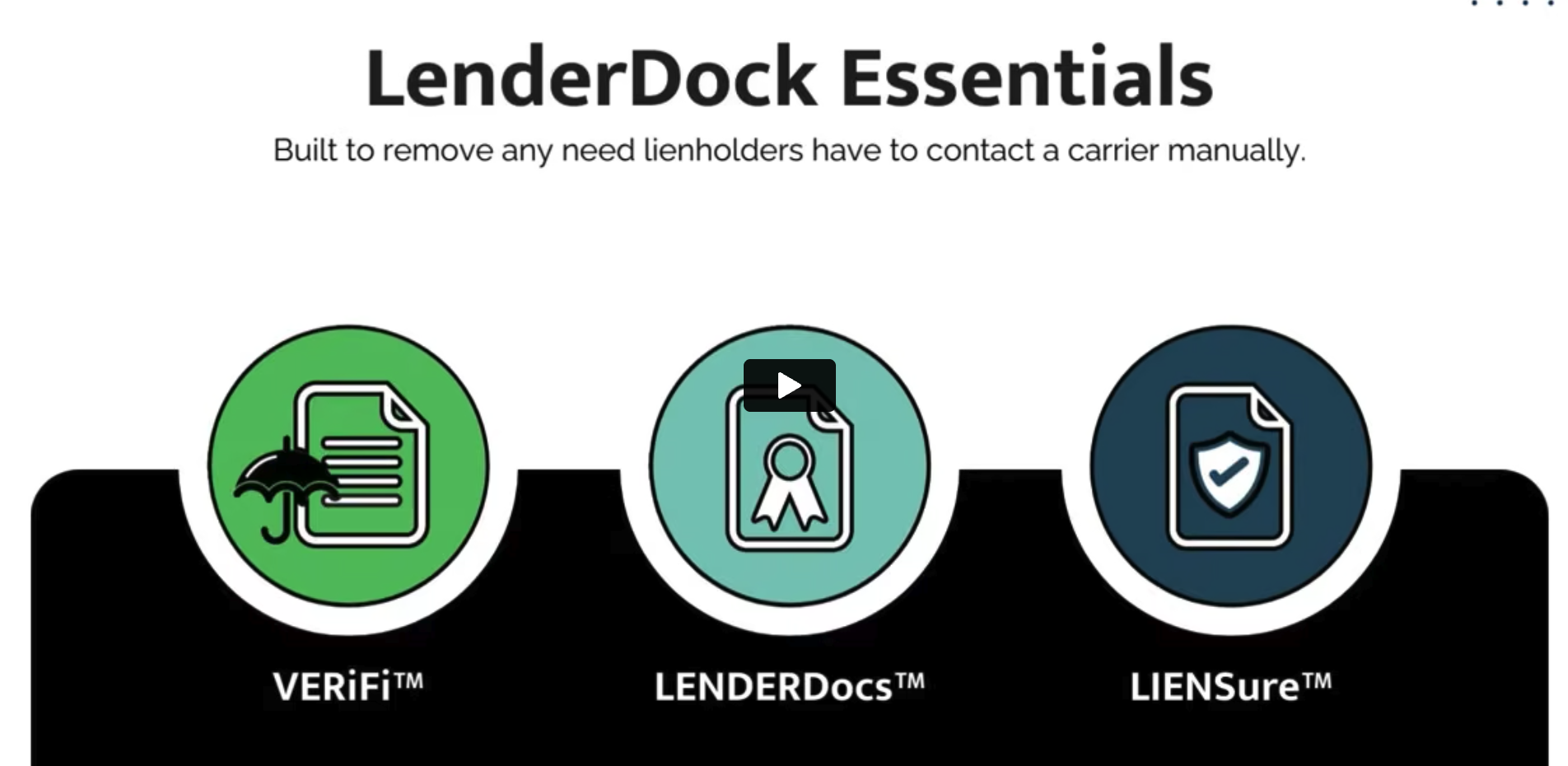
LenderDock provides real-time, insurance policy details through its magical web portal or its APIs.

LIENSure sends corrections digitally, straight from the financial source of truth and in bulk for easy processing.

ESCROWPay verifies what’s actually due before the money moves, then sends the payment and reconciliation data digitally.

NOTiFi delivers required policy, coverage, and billing notices in the formats lienholders actually use
At least check out the genesis of LenderDock Video. It’ll all make sense, the eco-system, that is.
Learn more about our great leadership team and our amazing, people-first, company culture.
There’s a lot going on at LenderDock and in our industries. We threw it all here to make it easier to keep up.
We go to a lot of events and we love to eat. See our calendar of where we’ll be.
New webinars will be coming quite frequently. Educational, success, and sales.
Imagine flipping a coin. If it lands on heads, you win $100. If it lands on tails, you lose $100. Would you take this bet? Most people wouldn’t, even though the expected value of the bet is zero.
But what if we changed it a little? Now, if it lands on tails, you still lose $100, but if it lands on heads, you win $200. More people take this bet. This is because of a concept called loss aversion. People tend to feel the pain of a loss more acutely than the pleasure of a gain of the same size. In fact, people typically need the win to be 1.5 to 2 times the value of the loss to act on the bet. Loss aversion is just one concept in behavioral economics, and many more exist.
Behavioral economics is changing the insurance industry, taking the guesswork out of creating new products and interacting with customers. By understanding how people make decisions and why, Insurtech companies are developing products that are more relevant, engaging, and personalized to customers’ needs. With this in mind, let’s explore the key concepts of behavioral economics and how they are being applied in the Insurtech space to create innovative solutions.
What is behavioral economics?
Behavioral economics challenges the traditional assumption that people always make rational decisions. It recognizes that emotions, biases, and social influences often play a significant role in our choices. By understanding these psychological factors, behavioral economics offers insights into how people perceive risk, make decisions, and respond to incentives. This knowledge is invaluable for developing insurance products that better align with customers’ needs and preferences.
The key concepts of behavioral economics
Behavioral economics is grounded in several key concepts that provide a framework for understanding human decision-making. These are:
How behavioral economics influences the Insurtech industry
Insurance companies can use behavioral data to offer more accurate and evidence-based products. But more than that, we can use behavioral economic concepts to enhance customers’ decision-making processes and provide genuine value. Here’s how insurers can apply behavioral economics thoughtfully.
Risk assessment and pricing
Overconfidence bias can lead drivers to think they are safer than average, even when that might not be true. This also applies to home insurance, where people might say, leave a door unlocked or a window open because they believe they live in a safe neighborhood.
Data can help insurers counter this bias by providing objective feedback on driving behavior or area statistics. For example, telematics data can track factors such as speed, braking, acceleration, and night driving, allowing insurers to identify risky behavior. Insurers can use this data to educate customers about their driving habits and encourage safer practices. Additionally, insurers can use telematics data to create more accurate risk profiles and offer personalized premiums based on actual driving behavior, rather than relying solely on demographic information.
Lastly, behavioral economics finds that immediate rewards are more compelling than future ones. Insurtech firms often offer immediate discounts or tangible rewards for behaviors that reduce risks, like installing safety devices in homes or cars.
Customized marketing and product offers
Insurers can use framing effects positively by highlighting how insurance protects against potential losses rather than focusing on the cost of insurance itself. Loss aversion also plays a role here. For instance, framing a home insurance policy in terms of peace of mind and financial security in case of natural disasters can help homeowners appreciate the value of insurance during uncertain times, leading to more informed and confident decision-making. We can also use relevant data to remind customers of the losses (cost and destruction) associated with natural disasters.
Studies also reveal that too many choices or overly complex options can lead people to make poor decisions or avoid making a decision altogether. Insurtech companies, therefore, simplify their offerings and use clear, jargon-free language to make their products more accessible. This is particularly important with highly personalized policies. Insurers need to find a way to use data to clearly present a few options to customers, rather than letting data result in offering 100 tailored packages that will turn customers away.
Customer engagement and social proof
Social proof, the tendency of people to conform to the behavior of others, can be leveraged to increase customer engagement. Insurers can highlight the success stories of customers who have benefited from their products or services. This can create a sense of social proof, encouraging other customers to consider similar products or services.
Final thoughts
Behavioral economics is about real people and real decisions. By understanding how people make decisions, insurers can create more personalized, relevant, and engaging products. From risk assessment and pricing to customer engagement and product design, behavioral economics provides a framework for developing innovative solutions that meet the evolving needs of today’s consumers. As the insurance industry continues to evolve, the application of behavioral economics will become increasingly important for driving growth and success.
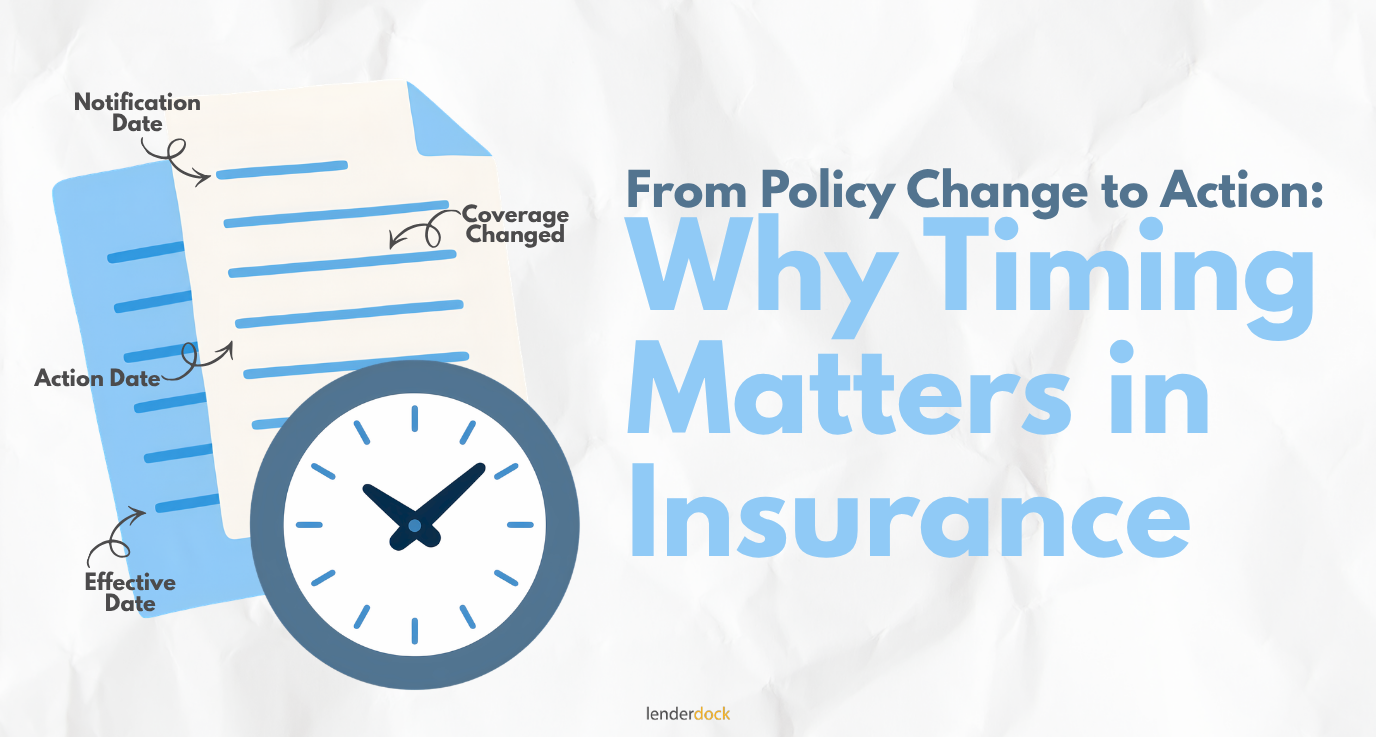
We’ve heard people in mortgage servicing use verification and tracking as if they’re interchangeable, and honestly, for a lot of daily work, treating them that way doesn’t break anything.
A two-day lag between a policy change and everyone finding out about it used to be annoying, not dangerous. Someone made a call, waited, got an answer, and moved on with their day.
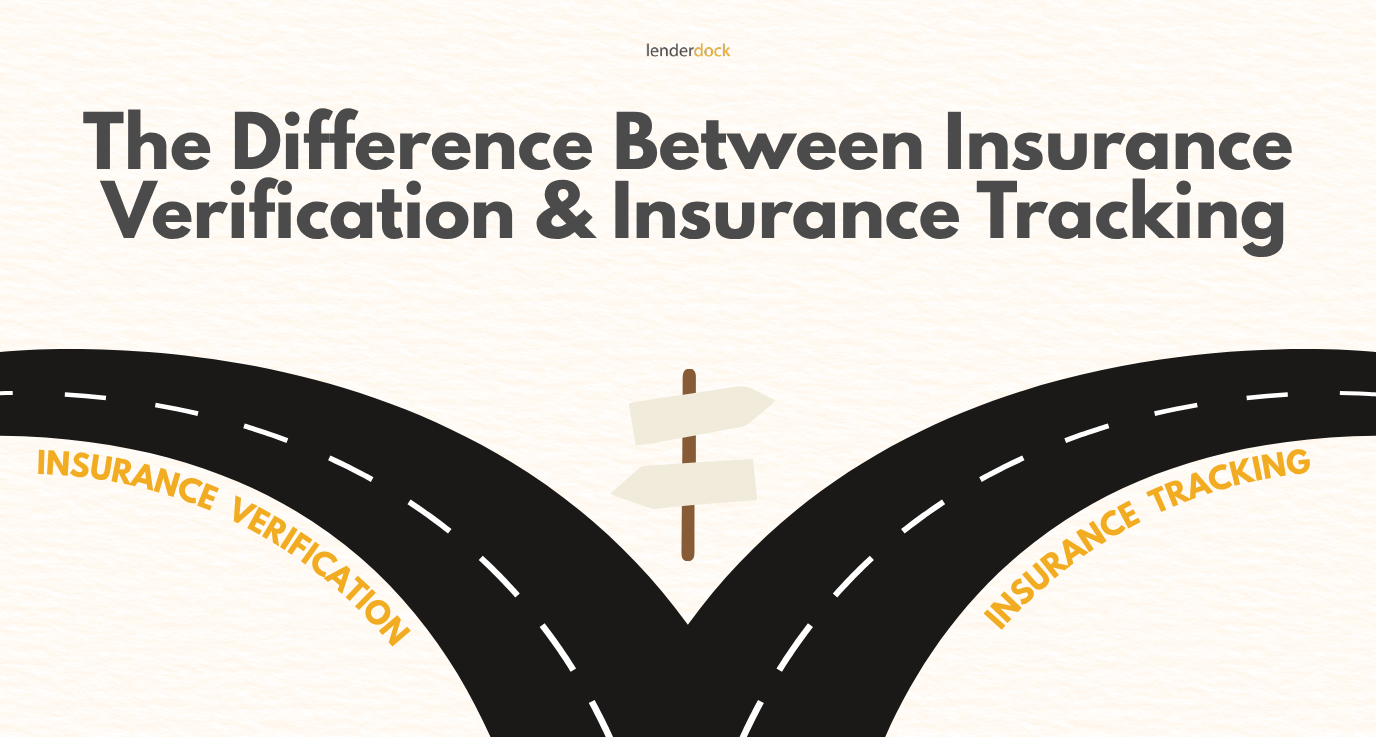
We’ve heard people in mortgage servicing use verification and tracking as if they’re interchangeable, and honestly, for a lot of daily work, treating them that way doesn’t break anything.
Insurance verification is a routine part of the lending and insurance process. A lender needs to know whether a policy is active. A mortgage servicer may need to confirm coverage or mortgagee information. An insurance…
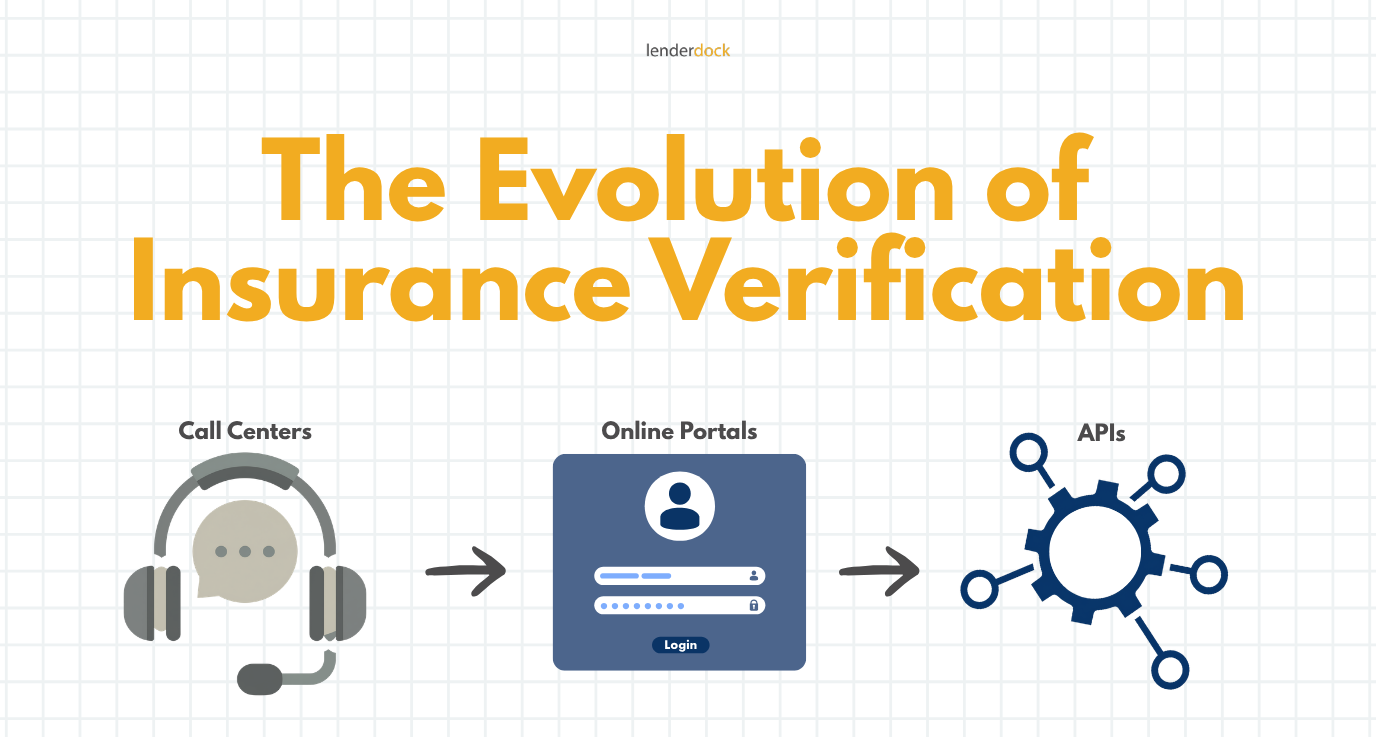
In the earliest version of insurance verification, the person answering the phone actually had to know things. They pulled a physical file, checked handwriting against a ledger, and made a judgment call about whether what…
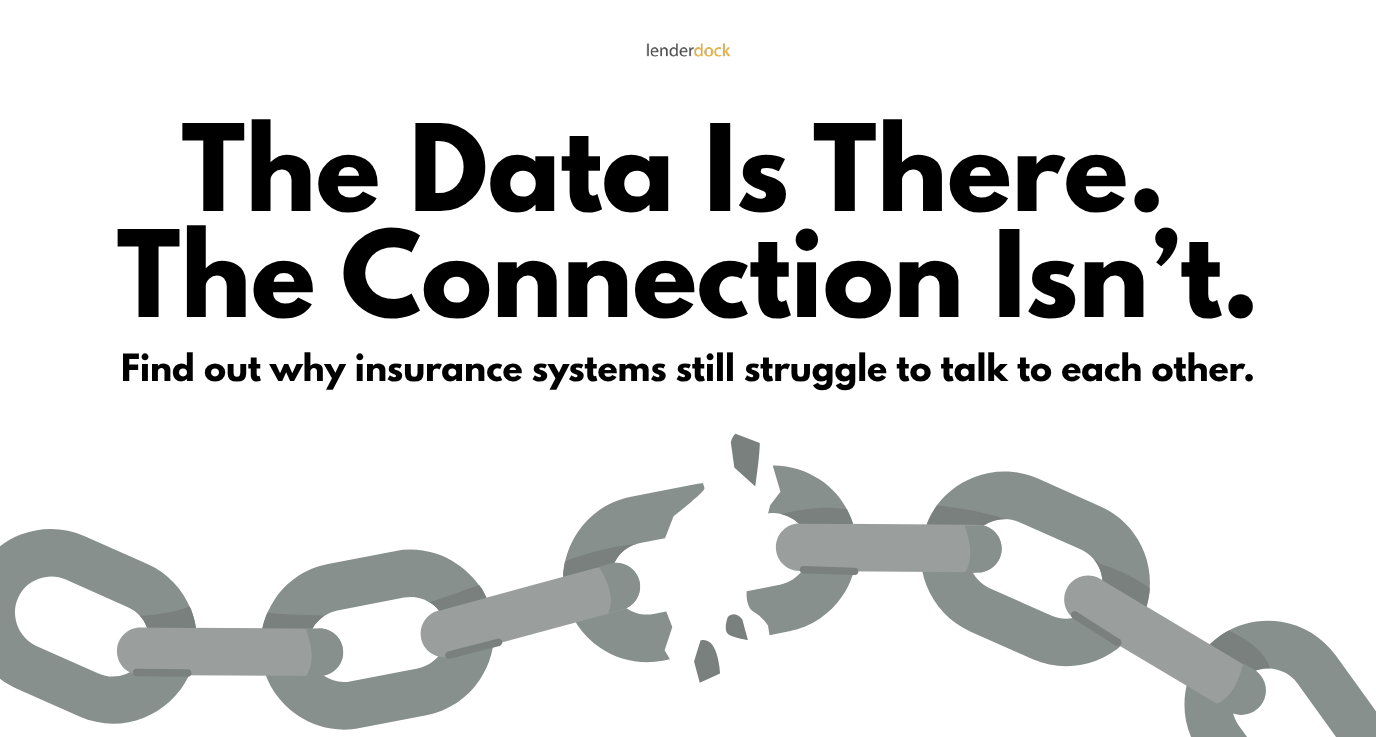
Two insurers can each have perfectly accurate, well-maintained policy databases and still fail to exchange a single piece of usable data between them.
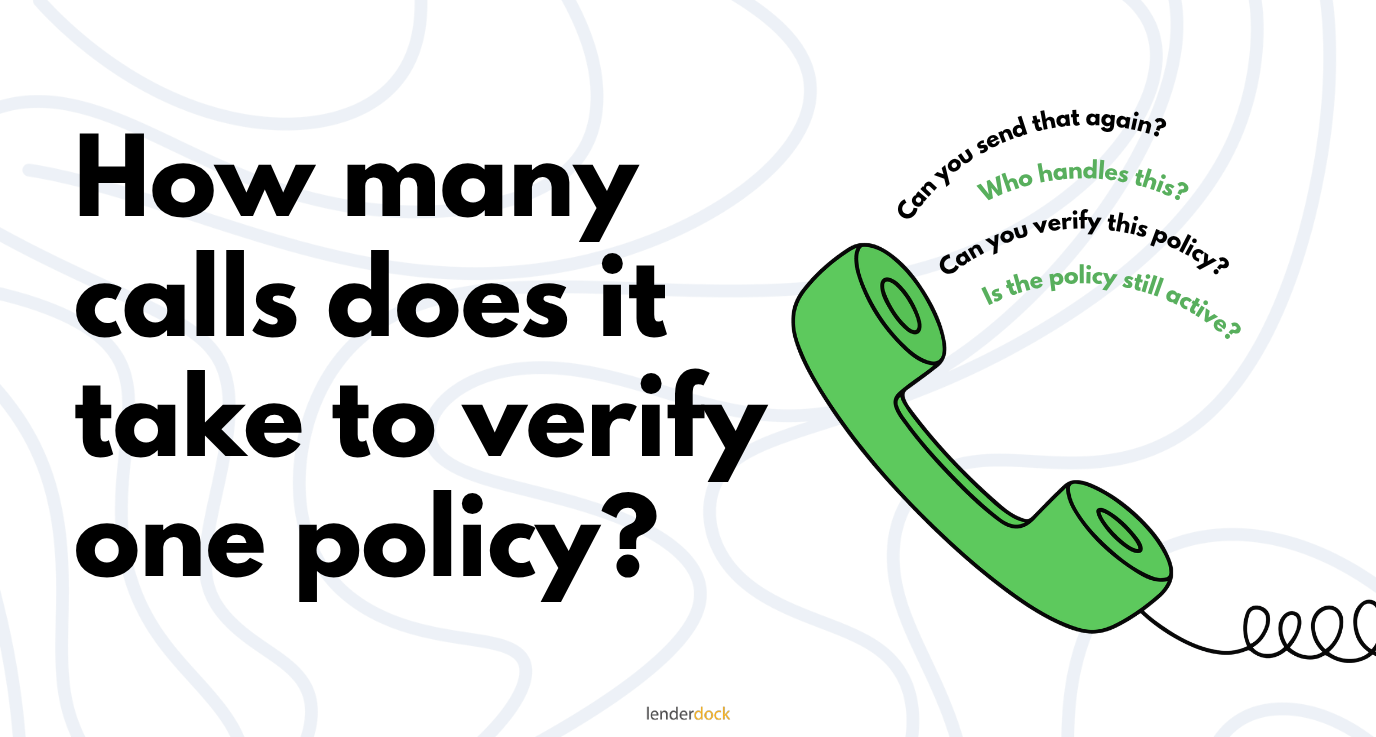
Every single day, insurance workers face a mountain of simple questions. Are they tired of answering the same questions about policy coverage all day long? Yes, they are. When banks or lenders need to check…
A title company closing a home sale needs to confirm the seller’s policy is active before the deal can move. An auto lender needs the same thing before releasing funds on a car loan. A…
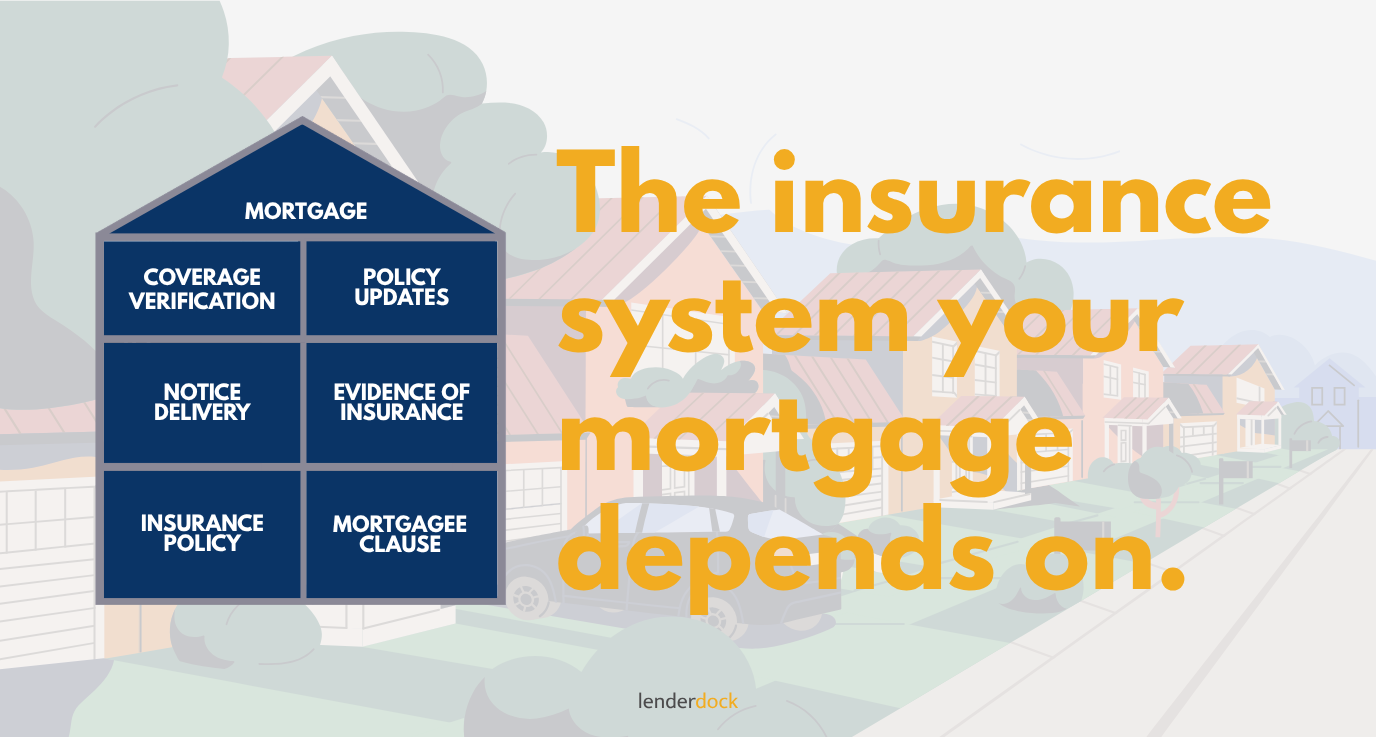
Most people who take out a mortgage never think about insurance as part of the loan itself. It feels adjacent, a separate purchase, something the lender requires but does not really participate in beyond checking…
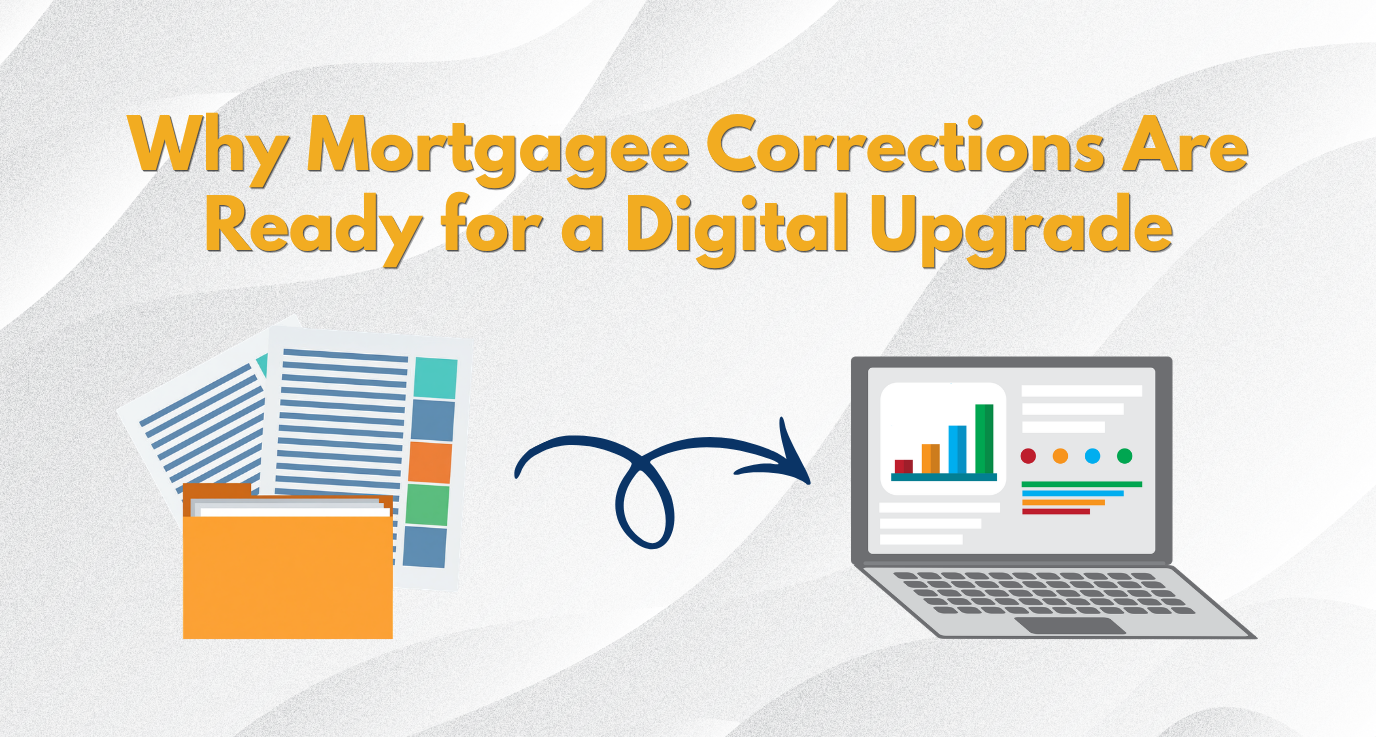
Mortgagee corrections are a routine part of insurance servicing, but the process behind them is often anything but simple. A lender may find that the mortgagee’s name or address on a policy is out of…


We consectetur adipiscing elit tempor incididunt ut labore. Wondering ipsum dolor sit amet? We consectetur adipiscing ipsum nulla glavrida elit tempor incididunt.