From Policy Change to Action: Why Timing Matters in Insurance
We’ve heard people in mortgage servicing use verification and tracking as if they’re interchangeable, and honestly, for a lot of daily work, treating them that way doesn’t break anything.


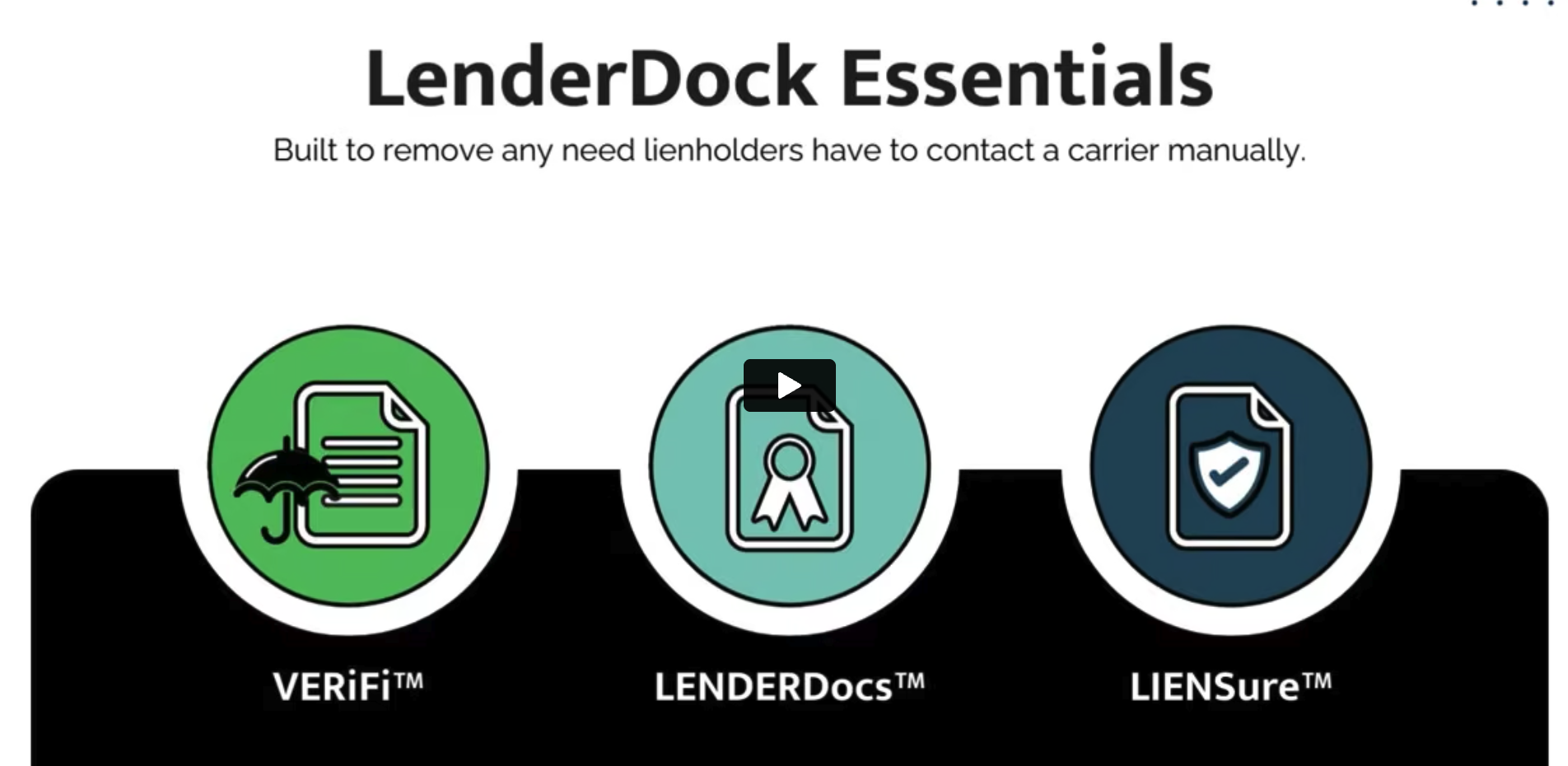
LenderDock provides real-time, insurance policy details through its magical web portal or its APIs.

LIENSure sends corrections digitally, straight from the financial source of truth and in bulk for easy processing.

ESCROWPay verifies what’s actually due before the money moves, then sends the payment and reconciliation data digitally.

NOTiFi delivers required policy, coverage, and billing notices in the formats lienholders actually use
At least check out the genesis of LenderDock Video. It’ll all make sense, the eco-system, that is.
Learn more about our great leadership team and our amazing, people-first, company culture.
There’s a lot going on at LenderDock and in our industries. We threw it all here to make it easier to keep up.
We go to a lot of events and we love to eat. See our calendar of where we’ll be.
New webinars will be coming quite frequently. Educational, success, and sales.
In a previous article, we saw how the increasing frequency of natural disasters has inflated homeowner’s insurance rates.
When disasters strike, they leave behind devastation that affects communities, economies, and livelihoods. Recovering from such events requires not just grit and determination but also efficient systems to manage the financial aftermath. This is where insurance steps in as a crucial support system.
But today, insurance is evolving—enter Insurtech and other advanced technologies that are reshaping disaster relief efforts to be faster, smarter, and more inclusive.
Let’s explore how this modern approach is making a difference.
Why insurance matters in disaster relief
Insurance has always played a key role in helping individuals, businesses, and governments recover from natural disasters.
It provides the financial protection needed to rebuild homes, restore businesses, and repair infrastructure. Traditional insurance models, however, often involve lengthy claims processes and may leave vulnerable populations without adequate coverage.
By contrast, advanced insurance technologies are addressing these gaps. From parametric insurance to AI-powered analytics, the new wave of insurtech solutions is making relief efforts faster, more efficient, and more accessible to those who need them most.
Examples of insurtechs
Insurtech is the application of advanced technologies to improve the insurance industry. Here are some of its examples and how they transform the insurance landscape:
Parametric insurance operates differently from traditional insurance by eliminating the need for on-the-ground damage assessments. Instead, it provides automatic payouts when predefined conditions like a specific wind speed during a hurricane or a certain earthquake magnitude, are triggered.
This rapid-response mechanism eliminates delays and ensures that governments and aid organizations can act quickly. Take Morocco, for instance. After a devastating earthquake in 2023, parametric insurance enabled swift access to reconstruction funds, demonstrating its value in real-world scenarios.
According to a study by the World Bank, predictive analytics in disaster planning has reduced losses by up to 20% in pilot regions.
Advanced algorithms and machine learning tools are enhancing how insurers assess and price risks. By analyzing vast datasets, including weather patterns, geospatial data, and historical disaster records, AI can:
After a disaster, accessing affected areas can be challenging.
Drones fitted with high-resolution cameras and advanced sensors can rapidly and safely assess damage, delivering real-time, accurate data to insurers and disaster response teams. This not only speeds up claims processing but also helps humanitarian organizations prioritize their efforts.
In the Caribbean, drones have been used to assess hurricane damage, enabling insurers to process claims more efficiently while helping aid groups deliver resources to the hardest-hit regions.
Blockchain technology is being adopted to improve the efficiency and transparency of insurance payouts.
By creating immutable records of policies and claims, blockchain ensures that funds reach the intended recipients without delays or mismanagement. This is particularly valuable in disaster scenarios, where accountability is critical.
Beyond insurance: Integrating advanced technologies in disaster relief
While insurtech is leading the charge, other advanced technologies are also playing a crucial role in disaster relief:
Satellite imagery provides a bird’s-eye view of disaster zones, offering invaluable data on the extent of damage.
Innovations in synthetic aperture radar (SAR) and LiDAR can even penetrate clouds and debris, ensuring reliable information in real time. This data helps insurers and relief organizations coordinate their responses more effectively.
The Internet of Things (IoT) facilitates the monitoring of environmental conditions in real time.
Sensors embedded in infrastructure can detect early signs of structural damage or environmental threats, such as rising floodwaters or unstable ground. This information allows for timely evacuations and mitigates potential losses.
Social media and crowdsourced data have become unexpected heroes in disaster relief.
Platforms like X or Facebook can provide on-the-ground updates during emergencies. Paired with geotagging, this information offers insurers and responders real-time insights into disaster impacts, complementing formal data sources.
Addressing challenges and equity gaps
While the advances are promising, challenges remain. Insurance often fails to reach the most vulnerable populations, who are disproportionately affected by disasters. Underinsurance and affordability issues mean that many households lack the coverage they need to recover.
To address this, governments and private insurers must work together to:
For example, the Caribbean Catastrophe Risk Insurance Facility (CCRIF) has provided $12 million in payouts to the Bahamas following Hurricane Dorian, showing how targeted initiatives can support vulnerable communities.
The path forward
As climate change intensifies the frequency and severity of disasters, the role of insurance, insurtech, and advanced technologies will only grow.
These innovations are not just tools for recovery—they are critical to building resilience. By investing in smarter insurance solutions and integrating cutting-edge technologies, we can create a future where communities are better prepared to weather the storm.
Disasters are inevitable, but their impacts don’t have to be catastrophic. With insurtech leading the charge, we have the tools to transform disaster relief into a faster, fairer, and more effective system.
It’s time to put them to work.
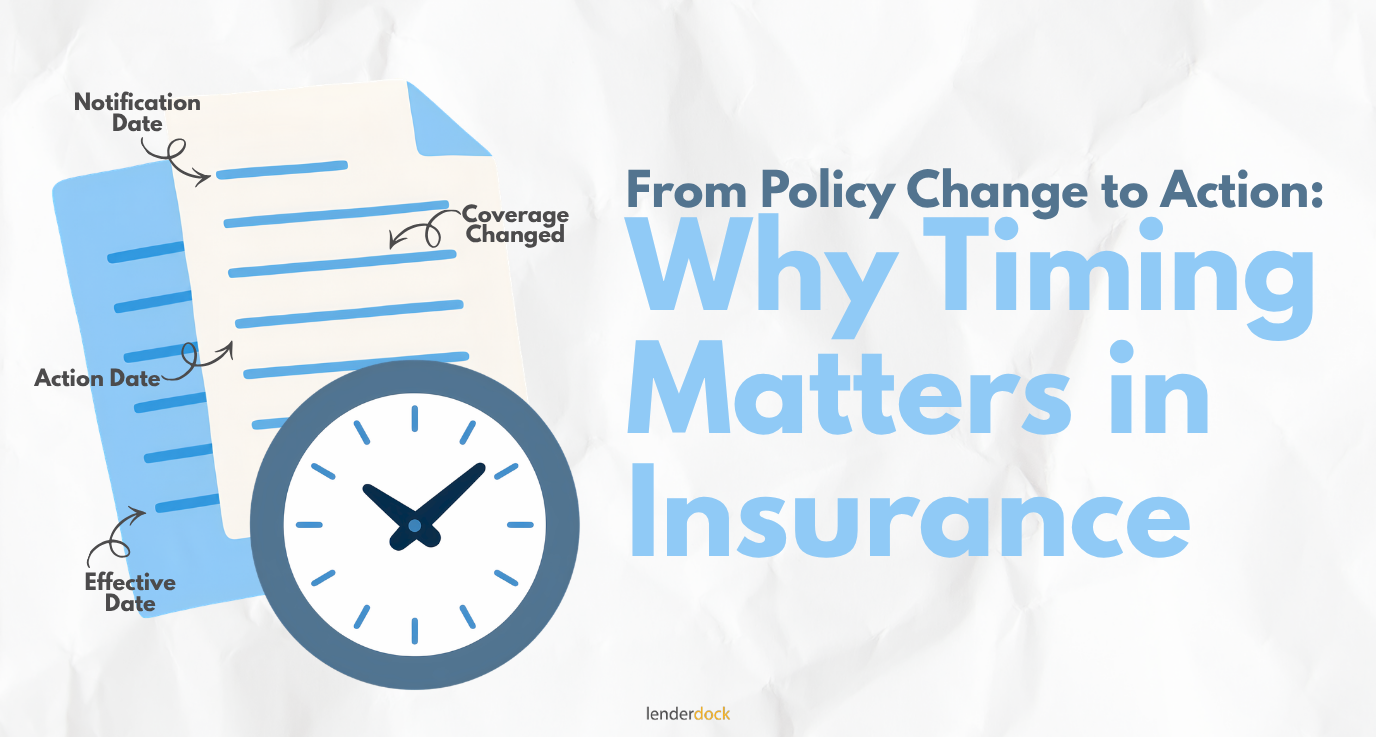
We’ve heard people in mortgage servicing use verification and tracking as if they’re interchangeable, and honestly, for a lot of daily work, treating them that way doesn’t break anything.
A two-day lag between a policy change and everyone finding out about it used to be annoying, not dangerous. Someone made a call, waited, got an answer, and moved on with their day.
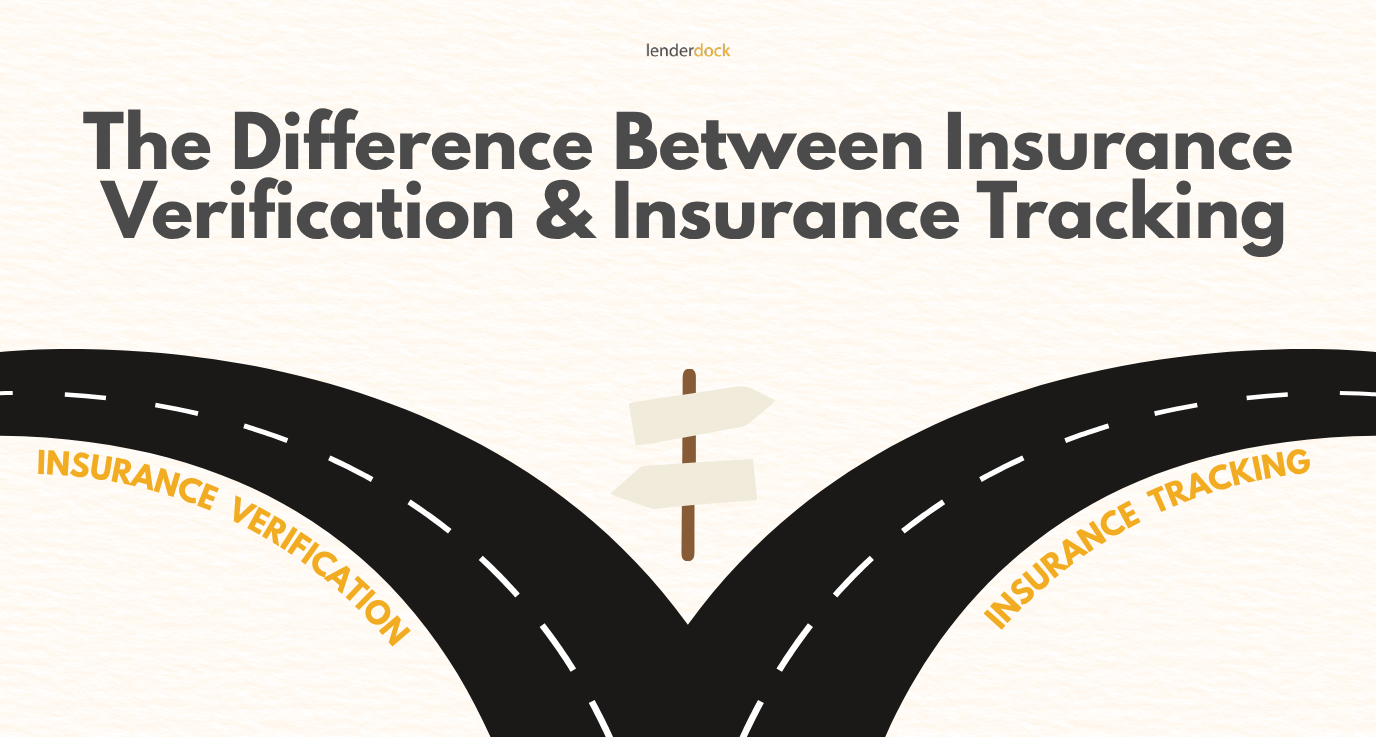
We’ve heard people in mortgage servicing use verification and tracking as if they’re interchangeable, and honestly, for a lot of daily work, treating them that way doesn’t break anything.

Insurance verification is a routine part of the lending and insurance process. A lender needs to know whether a policy is active. A mortgage servicer may need to confirm coverage or mortgagee information. An insurance…
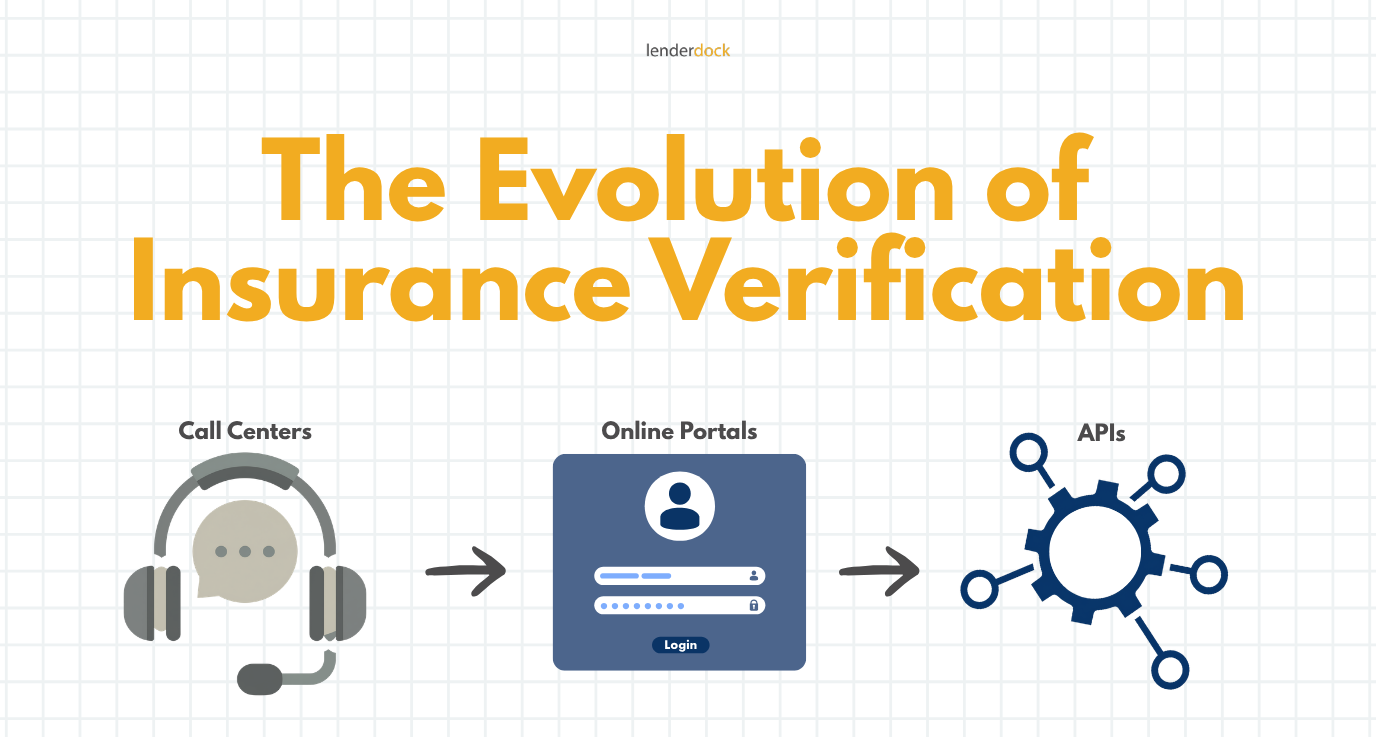
In the earliest version of insurance verification, the person answering the phone actually had to know things. They pulled a physical file, checked handwriting against a ledger, and made a judgment call about whether what…
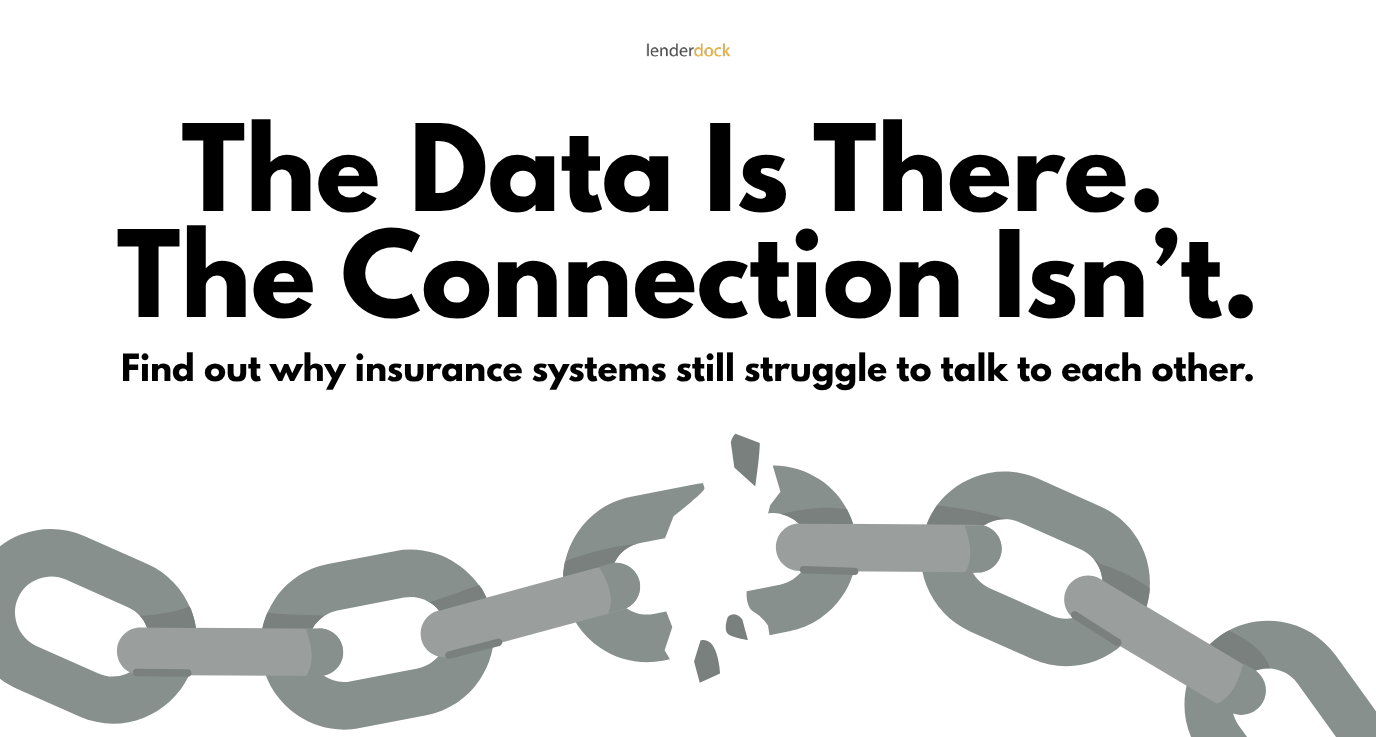
Two insurers can each have perfectly accurate, well-maintained policy databases and still fail to exchange a single piece of usable data between them.
Every single day, insurance workers face a mountain of simple questions. Are they tired of answering the same questions about policy coverage all day long? Yes, they are. When banks or lenders need to check…
A title company closing a home sale needs to confirm the seller’s policy is active before the deal can move. An auto lender needs the same thing before releasing funds on a car loan. A…
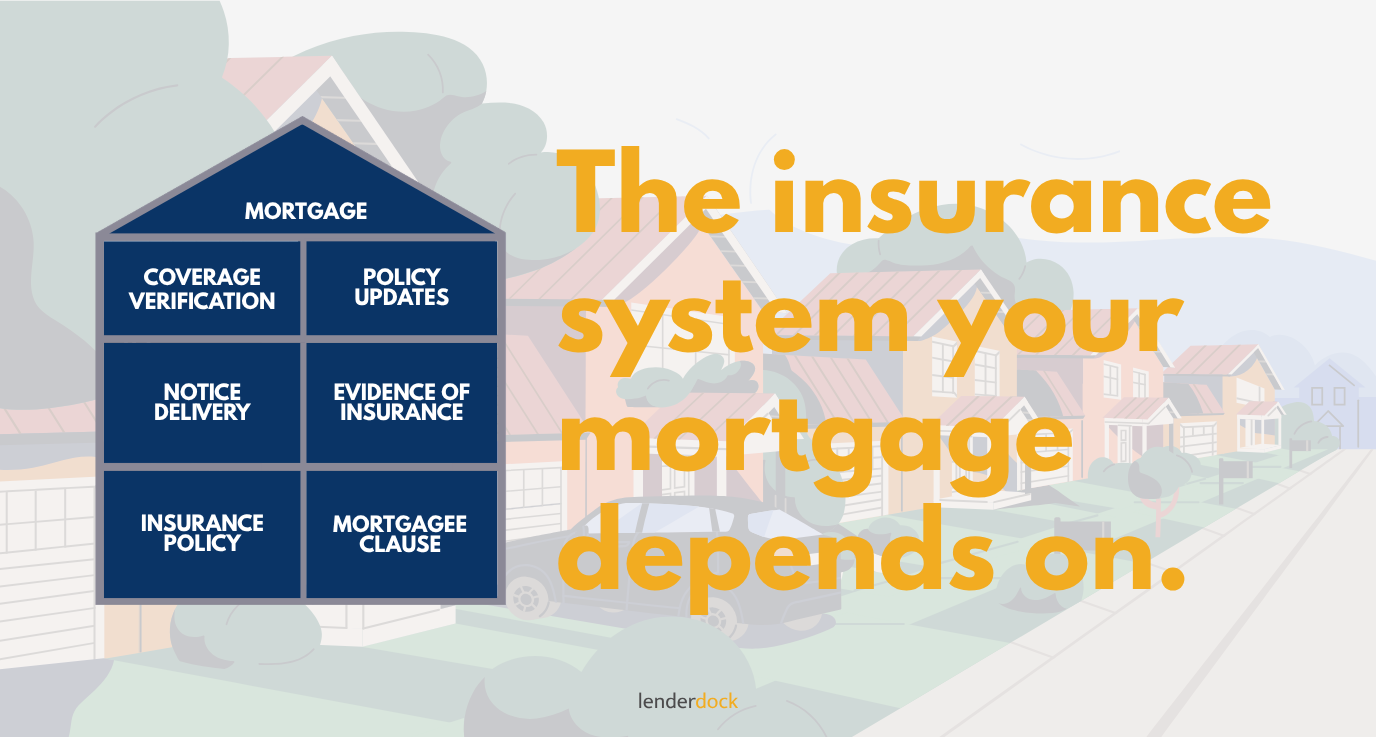
Most people who take out a mortgage never think about insurance as part of the loan itself. It feels adjacent, a separate purchase, something the lender requires but does not really participate in beyond checking…
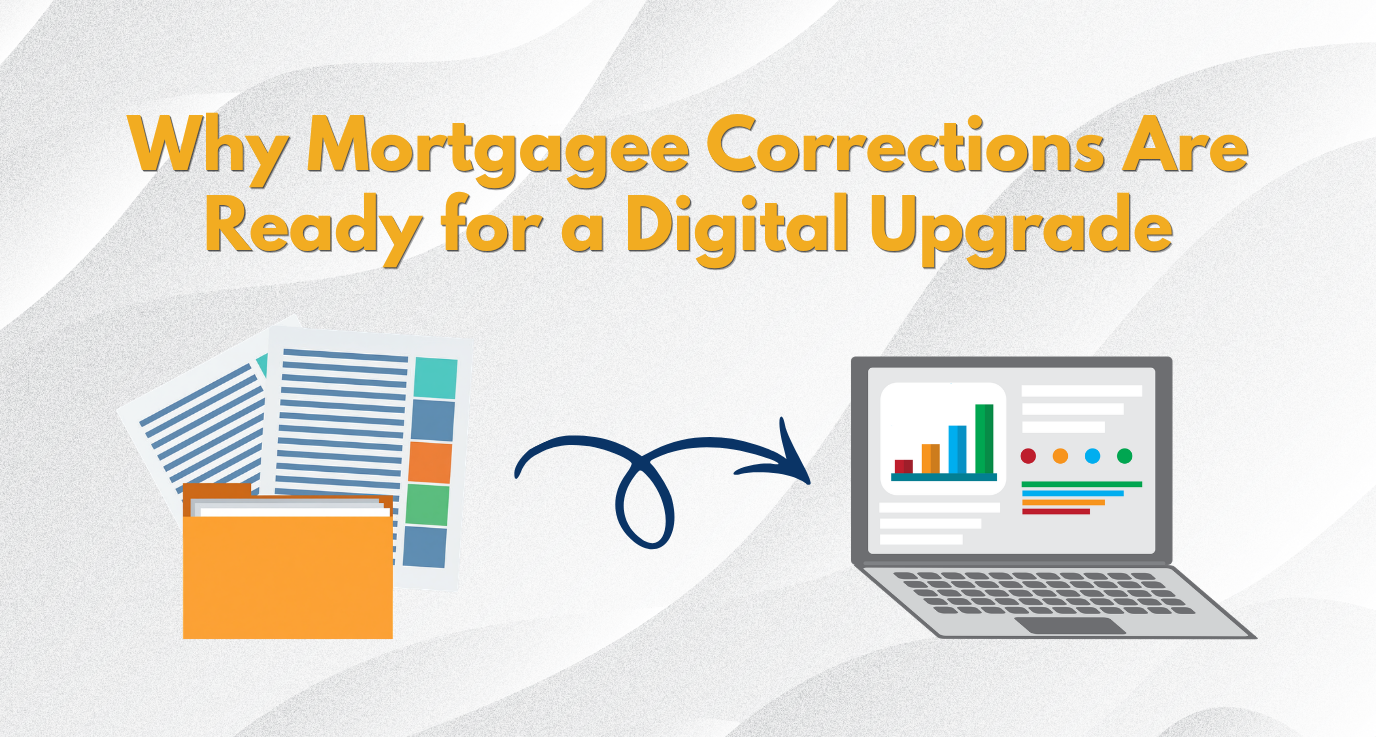
Mortgagee corrections are a routine part of insurance servicing, but the process behind them is often anything but simple. A lender may find that the mortgagee’s name or address on a policy is out of…


We consectetur adipiscing elit tempor incididunt ut labore. Wondering ipsum dolor sit amet? We consectetur adipiscing ipsum nulla glavrida elit tempor incididunt.