From Policy Change to Action: Why Timing Matters in Insurance
We’ve heard people in mortgage servicing use verification and tracking as if they’re interchangeable, and honestly, for a lot of daily work, treating them that way doesn’t break anything.


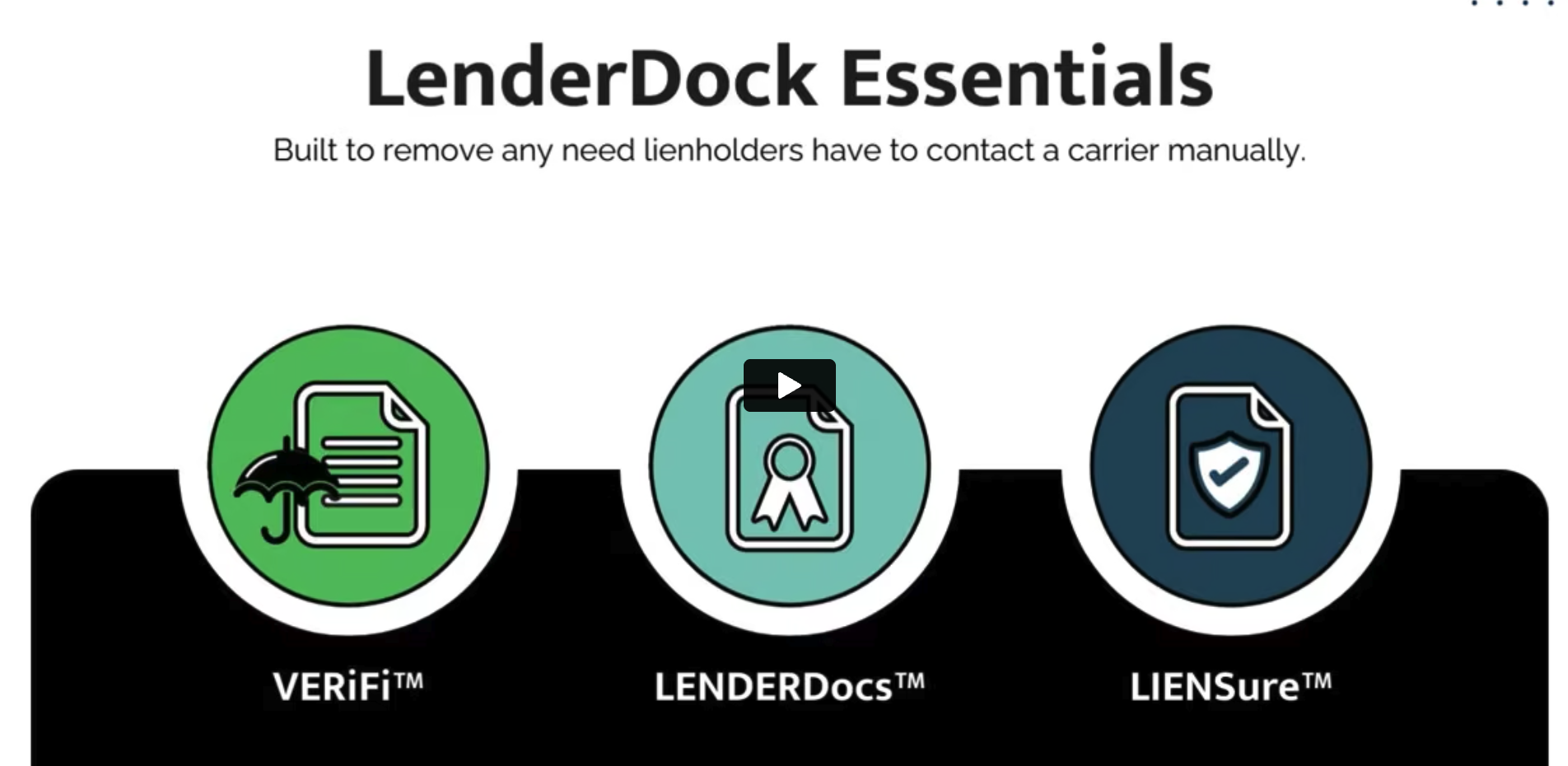
LenderDock provides real-time, insurance policy details through its magical web portal or its APIs.

LIENSure sends corrections digitally, straight from the financial source of truth and in bulk for easy processing.

ESCROWPay verifies what’s actually due before the money moves, then sends the payment and reconciliation data digitally.

NOTiFi delivers required policy, coverage, and billing notices in the formats lienholders actually use
At least check out the genesis of LenderDock Video. It’ll all make sense, the eco-system, that is.
Learn more about our great leadership team and our amazing, people-first, company culture.
There’s a lot going on at LenderDock and in our industries. We threw it all here to make it easier to keep up.
We go to a lot of events and we love to eat. See our calendar of where we’ll be.
New webinars will be coming quite frequently. Educational, success, and sales.
The industries of health insurance and employee benefits are experiencing a shift in attitude that is like other industries. Consumers now expect more when it comes to researching, selecting, and acquiring products because of advanced digital experiences offered by companies like Amazon and Netflix.
Due to the pandemic, employers must now provide competitive benefit programs to attract and retain top employees. This has led everyone involved in the industry – including brokers, agents, insurers, benefits providers, and technology platforms – to work remotely and discover better ways to remain relevant. The insurance industry must adapt due to demographic, social, and technological shifts, which present both opportunities and risks.
Although the healthcare industry is a lucrative market worth billions of dollars, it tends to be sluggish in integrating new technologies. Health insurance brokers face challenges in managing data and processes across multiple parties, including carriers, brokers, employers, and clients. For instance, when initiating a new plan, data must be gathered from diverse sources and entered into the system manually. This task is time-consuming and may result in inaccuracies. Processing claims, checking eligibility, and communicating with carrier partners and customers usually involves exchanging several emails, which can lead to inefficiency.
The process of enrolling a group of employees with a carrier can take a while. It involves various steps like requesting a proposal, comparing quotes, providing plan consulting, and receiving routine service. However, exchanging a large amount of data in PDF files via email can make this process more difficult. This may result in mistakes, delays, and problems with ensuring quality control.
A better approach
The healthcare industry is struggling with old and costly systems that are hard to update or replace. Additionally, regulatory requirements must be followed. Implementing new solutions improperly could lead to serious financial and reputational harm. Compared to other industries, the healthcare industry is less flexible, which means that it does not innovate or advance as quickly to meet the demands of consumers.
APIs can help health insurance brokers to integrate different systems and simplify their procedures, leading to savings in time and money, increased precision, and enhanced communication. APIs provide a set of protocols that enable various software applications to communicate effectively. As a result, the customer experience is improved. APIs facilitate easy data exchange between different systems, eliminating manual data entry and reducing the chances of errors. By using APIs, health insurance brokers can link their systems with those of their carrier partners, leading to seamless transfer of data and automating a range of procedures.
APIs can be beneficial for health insurance brokers in many ways. One advantage is that they can eliminate the need for manual data entry and emails, thereby saving brokers a considerable amount of time. This time savings could equate to thousands of hours annually, allowing brokers to focus on valuable tasks such as building customer relationships, improving service, and expanding their business. Additionally, APIs can speed up setting up new plans and checking eligibility, enabling brokers to provide efficient and fast service to meet customer needs.
Using APIs can prevent errors that may happen during manual data entry, like missing data, typos, or incorrect information. Such errors can cause legal problems, delays, and extra expenses. By contrast, APIs enable immediate data transfer and automatic data validation, guaranteeing that the information remains accurate and current. This greatly improves customer service quality and reduces the possibility of errors.
APIs can improve communication efficiency, particularly for health insurance brokers who can communicate in real time with their carrier partners and customers. This enables a prompt response time, as APIs can quickly transmit information such as claims details to the partner’s system. This facilitates faster and more efficient claim handling, leading to reduced waiting times for customers to receive reimbursement.
APIs in the P&C Insurance Sector
APIs have become increasingly popular in the P&C (Property and Casualty) Insurance industry due to their ability to enable communication and data sharing between different systems and applications. Here are some ways APIs are being used in the P&C insurance industry:
Overall, APIs have the potential to transform the P&C insurance industry by improving efficiency, enhancing customer experience, and driving innovation.
Facilitating the connection between people and technology
Although the healthcare industry has been improving with tools such as virtual reality for patients and health data apps, the pandemic has highlighted a necessity for standardization in data and customer interfaces throughout the industry. To genuinely enhance healthcare, we require a comprehensive strategy that involves data, APIs for connecting information from various organizations, and professionals who can effectively utilize the outcomes.
Using APIs is crucial for insurance brokers who want to succeed in today’s market. APIs offer modern and efficient solutions that help brokers improve their data management and streamline operations. By integrating APIs with their carrier partners, brokers can enhance service quality, improve communication accuracy, and focus on essential tasks. This ultimately creates a better customer experience and keeps the brokers competitive in a market where customers demand immediate results.
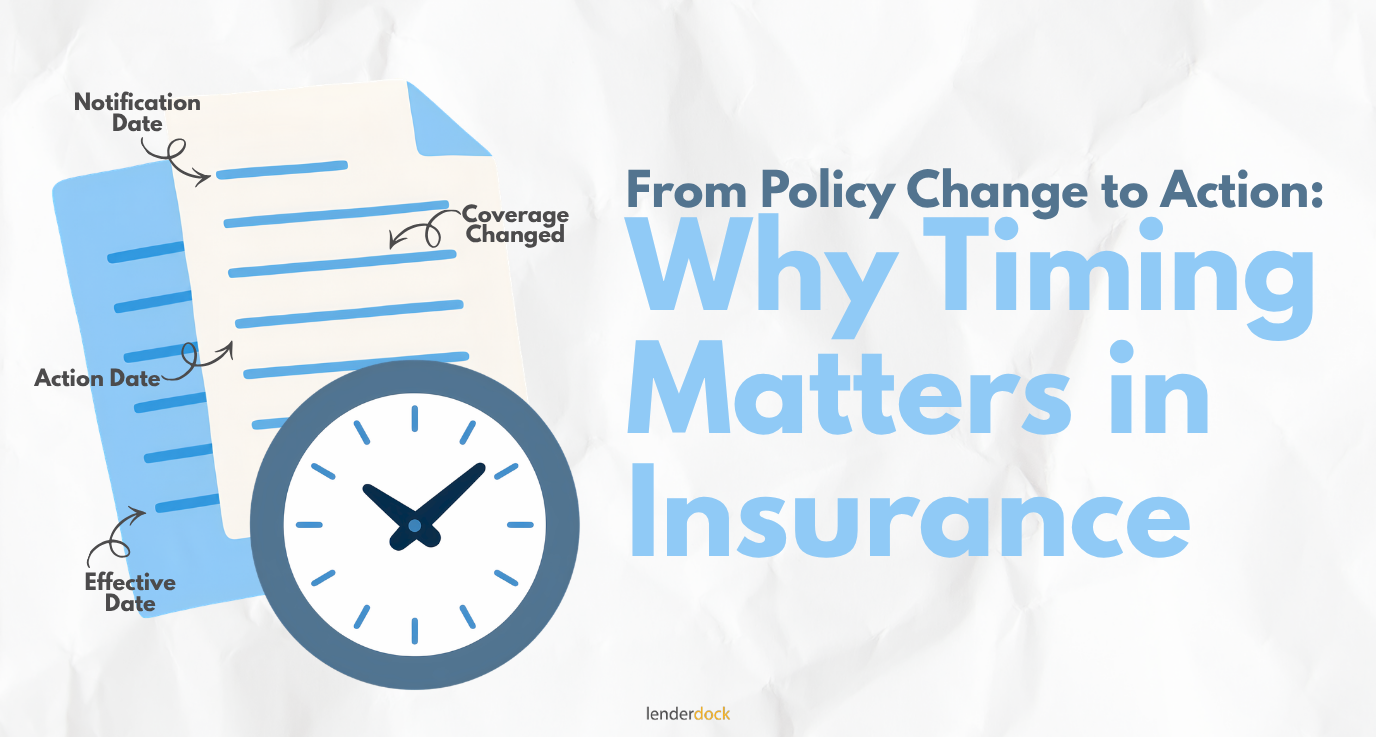
We’ve heard people in mortgage servicing use verification and tracking as if they’re interchangeable, and honestly, for a lot of daily work, treating them that way doesn’t break anything.
A two-day lag between a policy change and everyone finding out about it used to be annoying, not dangerous. Someone made a call, waited, got an answer, and moved on with their day.

We’ve heard people in mortgage servicing use verification and tracking as if they’re interchangeable, and honestly, for a lot of daily work, treating them that way doesn’t break anything.
Insurance verification is a routine part of the lending and insurance process. A lender needs to know whether a policy is active. A mortgage servicer may need to confirm coverage or mortgagee information. An insurance…
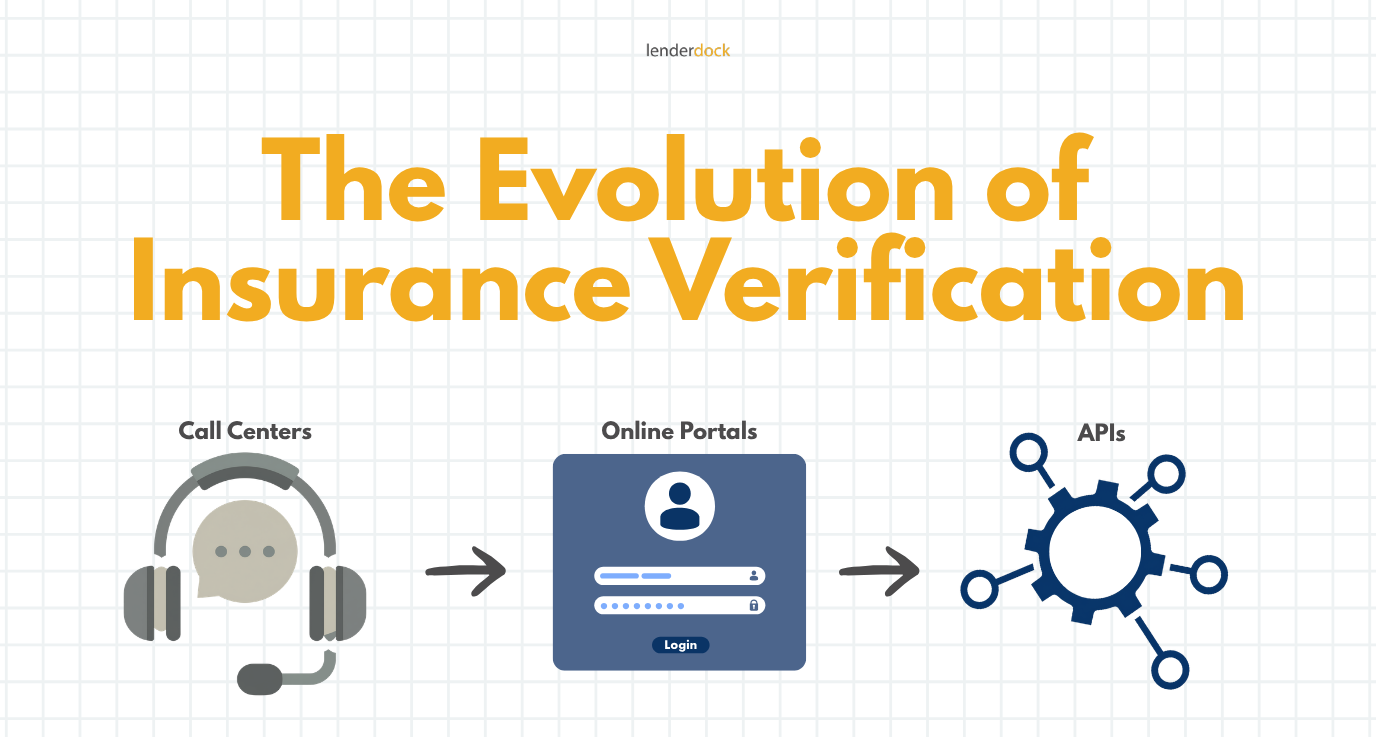
In the earliest version of insurance verification, the person answering the phone actually had to know things. They pulled a physical file, checked handwriting against a ledger, and made a judgment call about whether what…
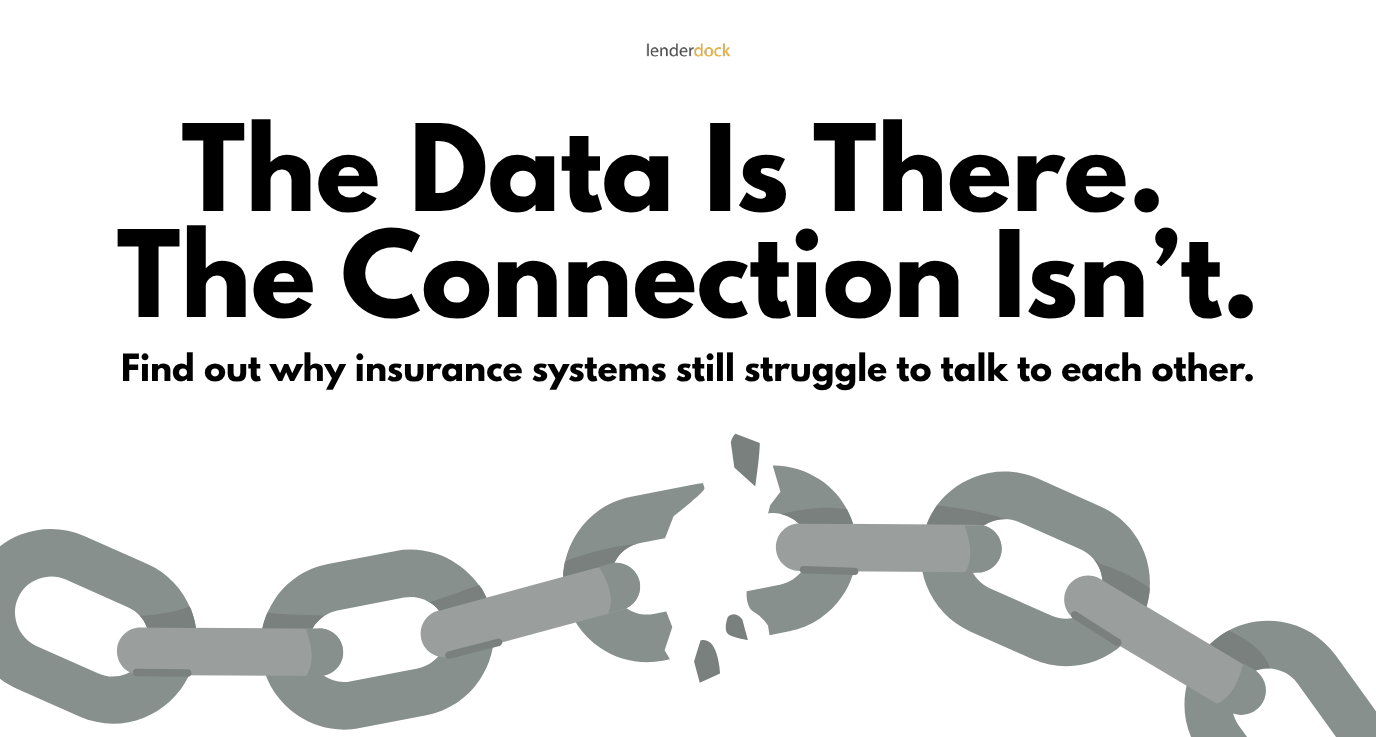
Two insurers can each have perfectly accurate, well-maintained policy databases and still fail to exchange a single piece of usable data between them.
Every single day, insurance workers face a mountain of simple questions. Are they tired of answering the same questions about policy coverage all day long? Yes, they are. When banks or lenders need to check…
A title company closing a home sale needs to confirm the seller’s policy is active before the deal can move. An auto lender needs the same thing before releasing funds on a car loan. A…
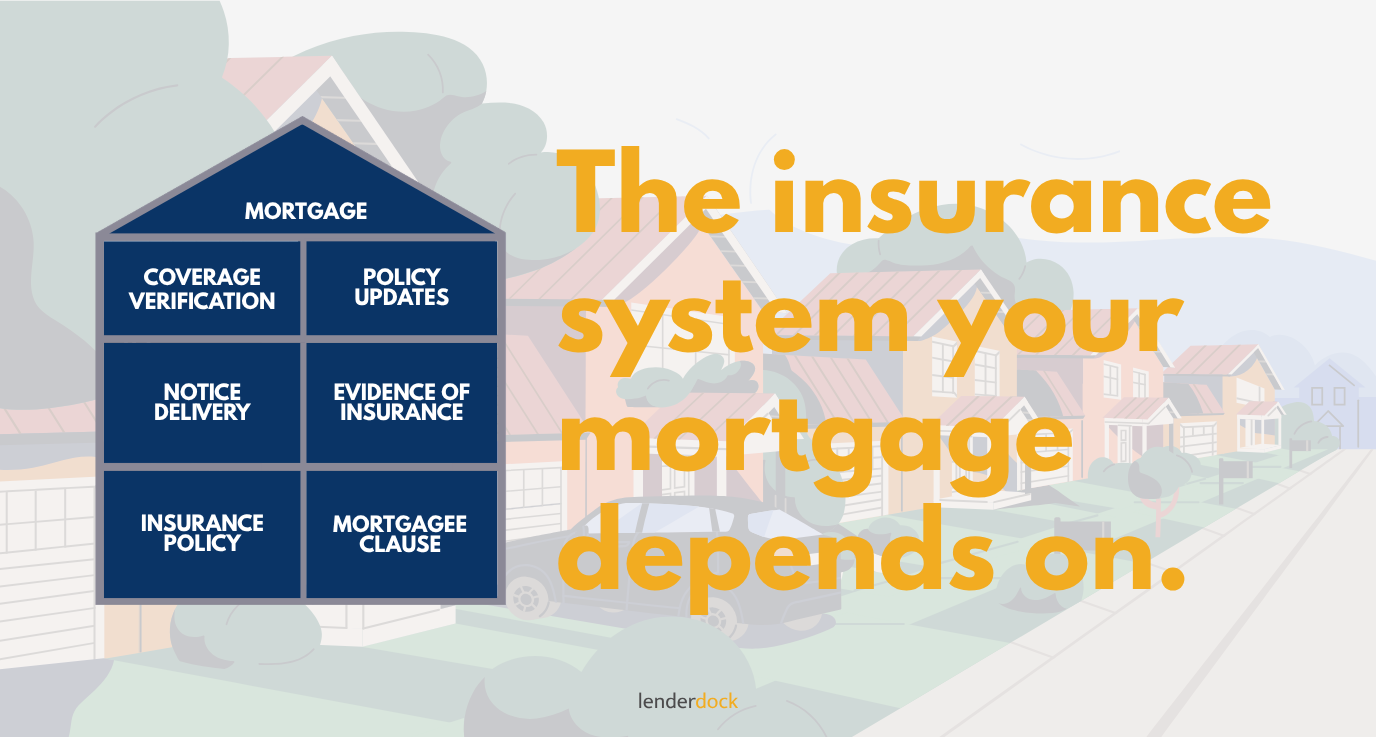
Most people who take out a mortgage never think about insurance as part of the loan itself. It feels adjacent, a separate purchase, something the lender requires but does not really participate in beyond checking…
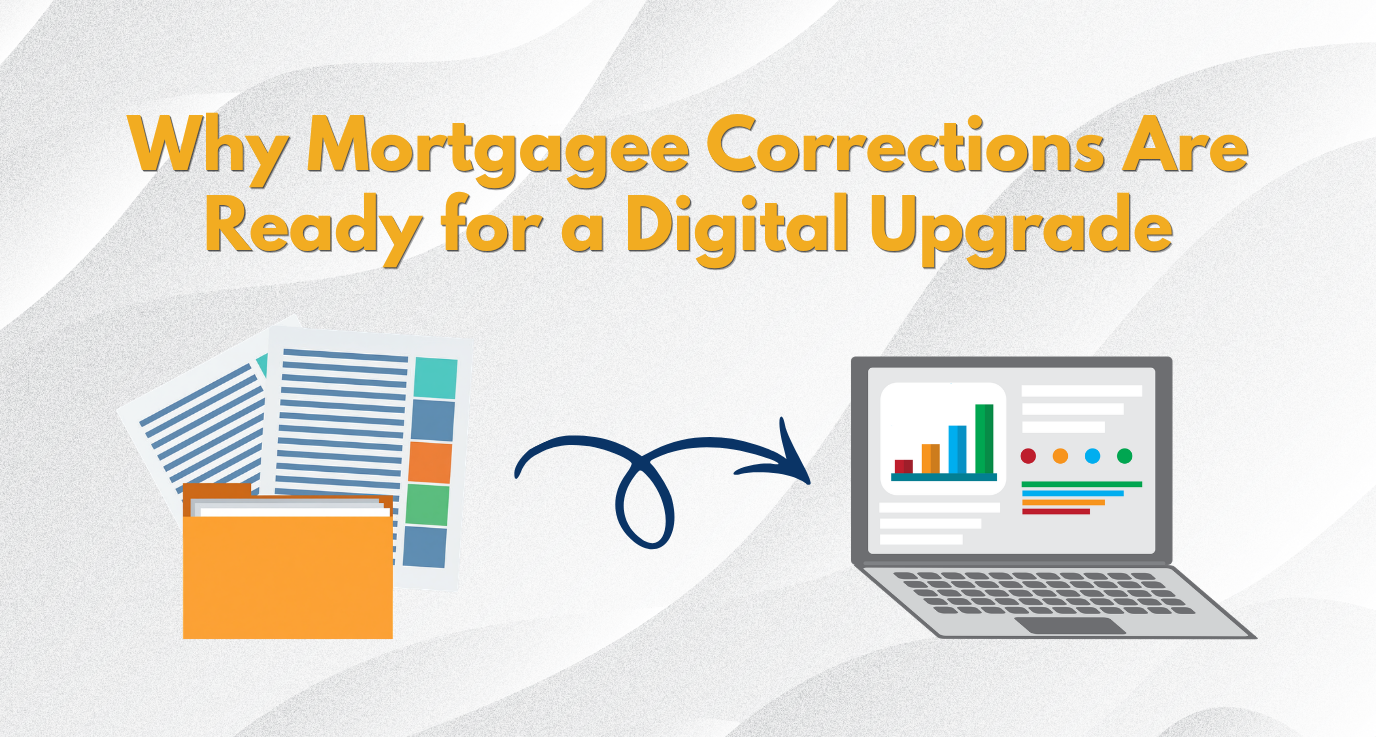
Mortgagee corrections are a routine part of insurance servicing, but the process behind them is often anything but simple. A lender may find that the mortgagee’s name or address on a policy is out of…


We consectetur adipiscing elit tempor incididunt ut labore. Wondering ipsum dolor sit amet? We consectetur adipiscing ipsum nulla glavrida elit tempor incididunt.