From Policy Change to Action: Why Timing Matters in Insurance
We’ve heard people in mortgage servicing use verification and tracking as if they’re interchangeable, and honestly, for a lot of daily work, treating them that way doesn’t break anything.


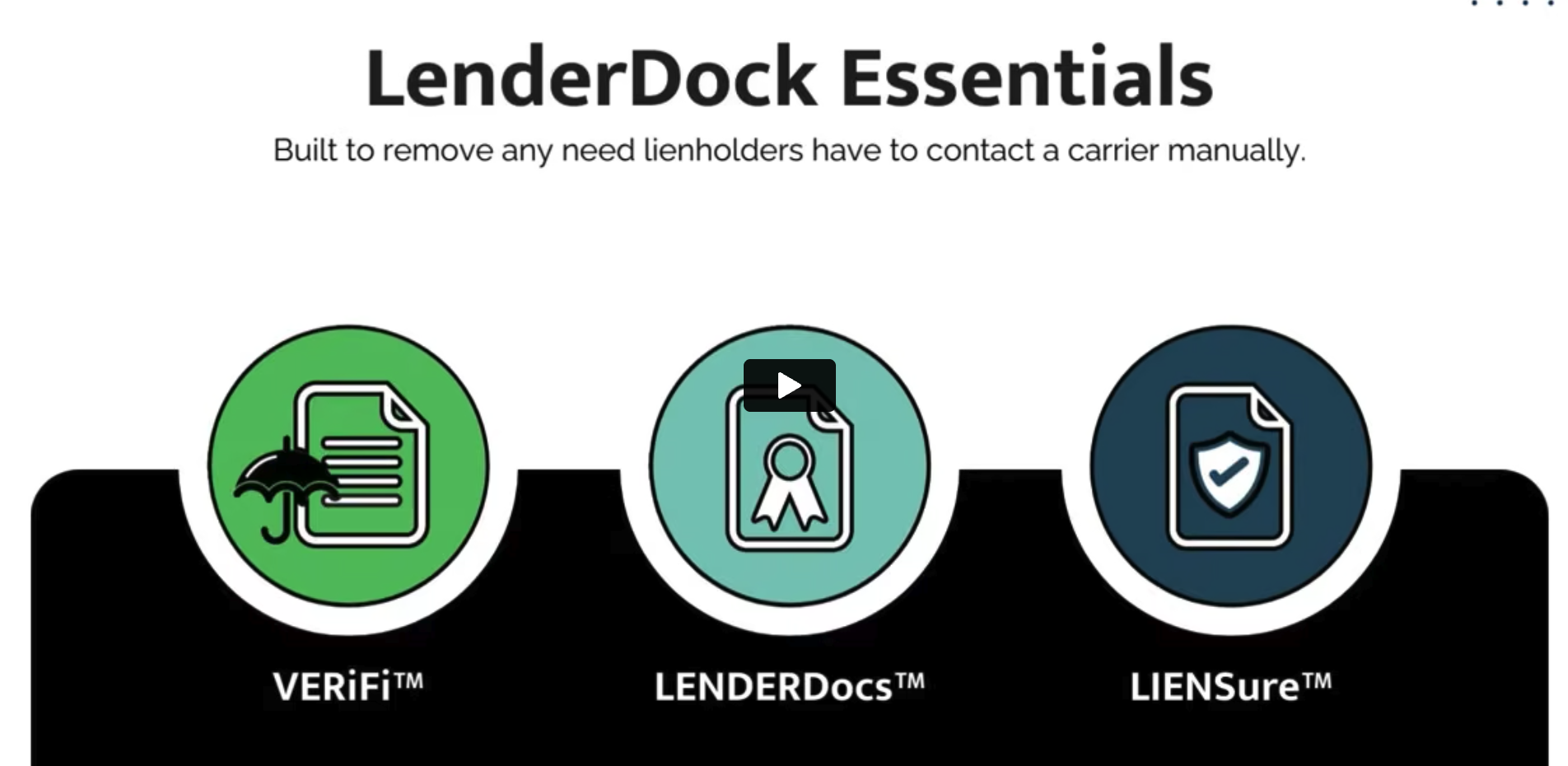
LenderDock provides real-time, insurance policy details through its magical web portal or its APIs.

LIENSure sends corrections digitally, straight from the financial source of truth and in bulk for easy processing.

ESCROWPay verifies what’s actually due before the money moves, then sends the payment and reconciliation data digitally.

NOTiFi delivers required policy, coverage, and billing notices in the formats lienholders actually use
At least check out the genesis of LenderDock Video. It’ll all make sense, the eco-system, that is.
Learn more about our great leadership team and our amazing, people-first, company culture.
There’s a lot going on at LenderDock and in our industries. We threw it all here to make it easier to keep up.
We go to a lot of events and we love to eat. See our calendar of where we’ll be.
New webinars will be coming quite frequently. Educational, success, and sales.
The most recent developments in sophisticated technology provide insurers a significant chance to prosper in a fiercely competitive business.
It is therefore not surprising that many insurance companies are embracing digital transformation. According to a recent Gartner poll, most insurers want to decrease their expensive infrastructure investments and boost their use of cloud technology.
However, to be genuinely effective, insurance carriers must first make sure that the data underlying these potent technologies can be trusted to produce the best outcomes.
In the sections that follow, we examine how modern technology may affect the insurance sector and how data integrity may be the key to success.
Revolutionizing the insurance sector through technological innovations
Without a question, during the past few years, technology has radically changed the sector.
For instance, insurance companies are now able to use artificial intelligence (AI) and machine learning (ML) models to quickly identify fraud and reveal new business insights, to automate processes for underwriting and claims processing, and even to drive hyper-personalization for higher levels of customer satisfaction.
The insurance industry is beginning to appreciate the promise of cutting-edge technology, but the key to realizing its full potential lies in the data that powers it.
A comprehensive look at data integrity
Data integrity, or reliable data that is accurate, consistent, and contextual, is crucial for insurers given the industry’s continuous adoption of technology.
It is crucial for insurers to have data integrity, or reliable data that is precise, consistent, and contextual, given the industry’s continuous adoption of technology.
Insurers may use cutting-edge technology to lower risk, improve customer experience, and increase overall operational efficiency by utilizing the four fundamental pillars of data integrity: data integration, data governance and quality, location intelligence, and data enrichment.
Challenges in integrating data
Data exists in many different formats and is stored in silos throughout the insurance industry, including antiquated legacy programs.
For insurers, the existence of data silos is a major issue since it hinders communication and collaboration between groups like marketing, sales, and customer support.
Business leaders will observe a decline in overall productivity and a rise in expenditure if erroneous data is disseminated within the organization.
By integrating data from disparate silos and platforms into contemporary cloud-based data environments, businesses may operate more efficiently and realize tremendous value through data-driven decisions.
Insurers can improve business performance, cut costs, and, in the end, contribute to supplying advanced analytics and technologies with timely and accurate data by building a single, integrated data pipeline that makes legacy business data accessible for data quality initiatives while extending the usefulness of mission-critical systems.
Enhancing data governance and quality for insurers: Strategies for improvement
To innovate and acquire a competitive edge, insurers must make the most of their vital internal data since doing so helps them to gain the analytical insights necessary to boost growth and improve business results.
Business executives who want to gain deeper business insights and analytics insights might benefit from smart data governance techniques that can help them identify and comprehend the meaning, ancestry, and linkages of data.
As an illustration, a lot of users waste a lot of time on their systems looking for the appropriate data and debating the veracity of the information.
Businesses may put the technical assets they are utilizing in context by using data governance to give technical asset definitions, ownership, and data lineage.
The data will also be more reliable if a data governance solution is implemented that offers visibility into the data quality standards and ratings of data assets.
When using sophisticated analytics and AI across growing data quantities, it is essential to ensure high levels of data quality.
When insurance companies guarantee the correctness of policies, claims, and other crucial business data, it assumes an even greater significance as a means of preserving their good name and fostering client confidence.
Methods for insurers to boost the reliability of their data
Location intelligence and data enrichment are essential for advancing data-driven change in the insurance sector.
Consider the increase in weather and wildfire incidents that establish new records. More context is needed than ever for underwriters to appropriately assess risk and set policy prices.
That is made possible by highly accurate property data combined with world-class geocoding and data enrichment that offers insights into the risk of wildfire, the characteristics of the property, neighboring risks, and more.
Customers’ need for personalization has significantly increased in recent years across all industries.
Insurance firms can gain access to strong, previously untapped insights that can be used to elevate the customer experience by streamlining the process of enhancing client data.
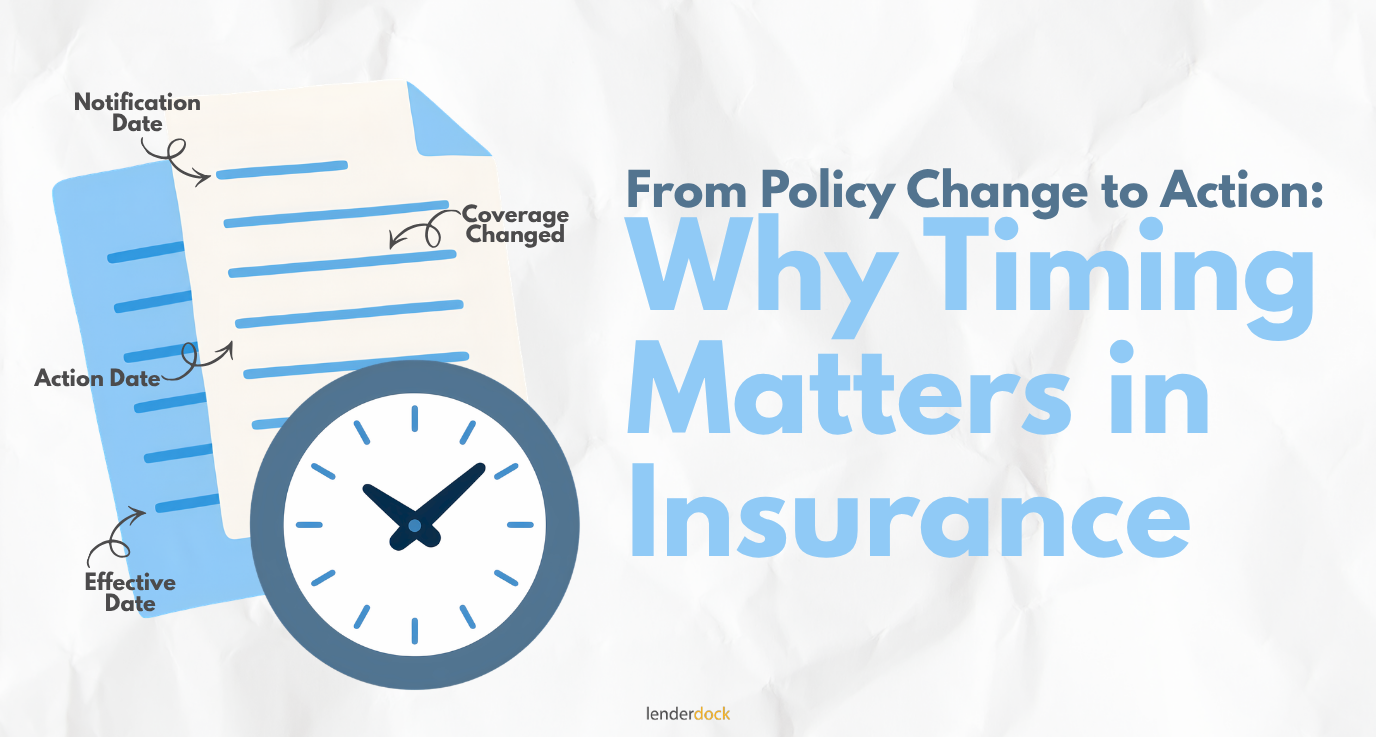
We’ve heard people in mortgage servicing use verification and tracking as if they’re interchangeable, and honestly, for a lot of daily work, treating them that way doesn’t break anything.
A two-day lag between a policy change and everyone finding out about it used to be annoying, not dangerous. Someone made a call, waited, got an answer, and moved on with their day.
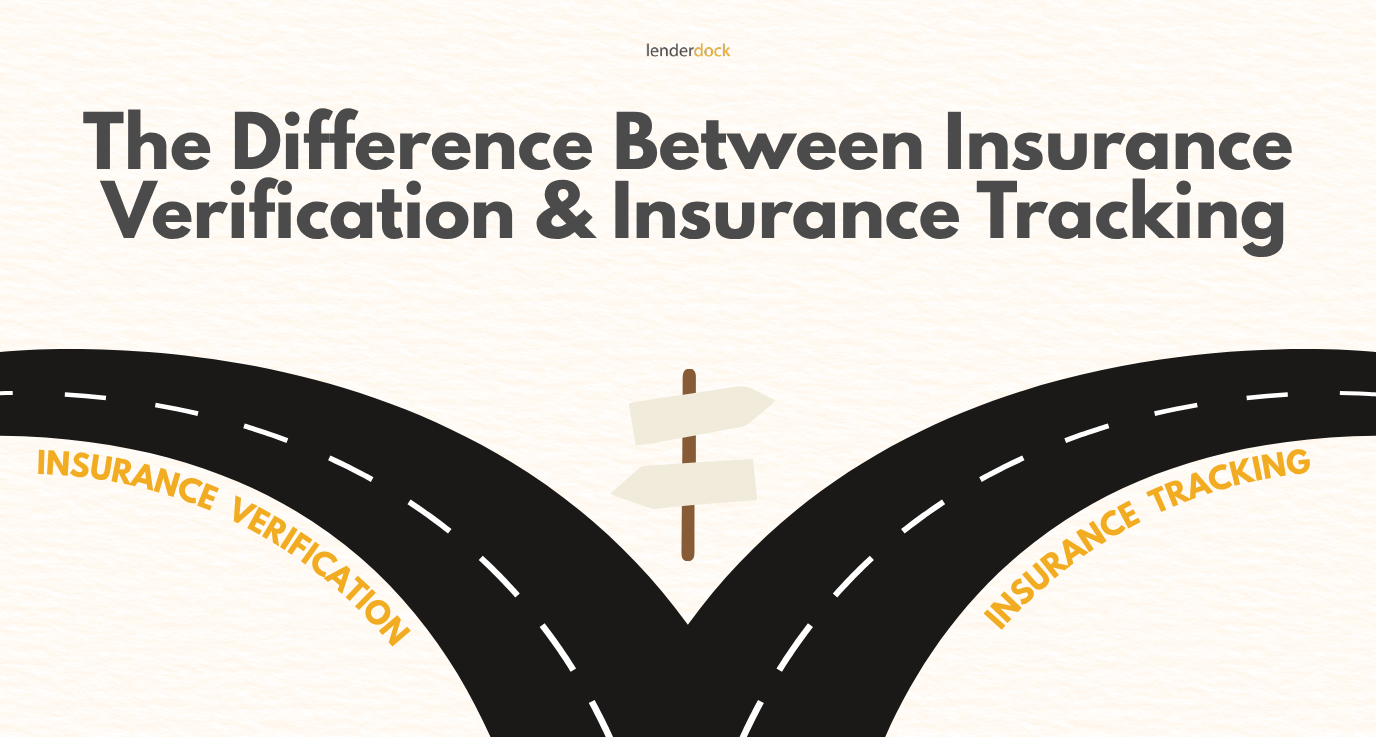
We’ve heard people in mortgage servicing use verification and tracking as if they’re interchangeable, and honestly, for a lot of daily work, treating them that way doesn’t break anything.
Insurance verification is a routine part of the lending and insurance process. A lender needs to know whether a policy is active. A mortgage servicer may need to confirm coverage or mortgagee information. An insurance…
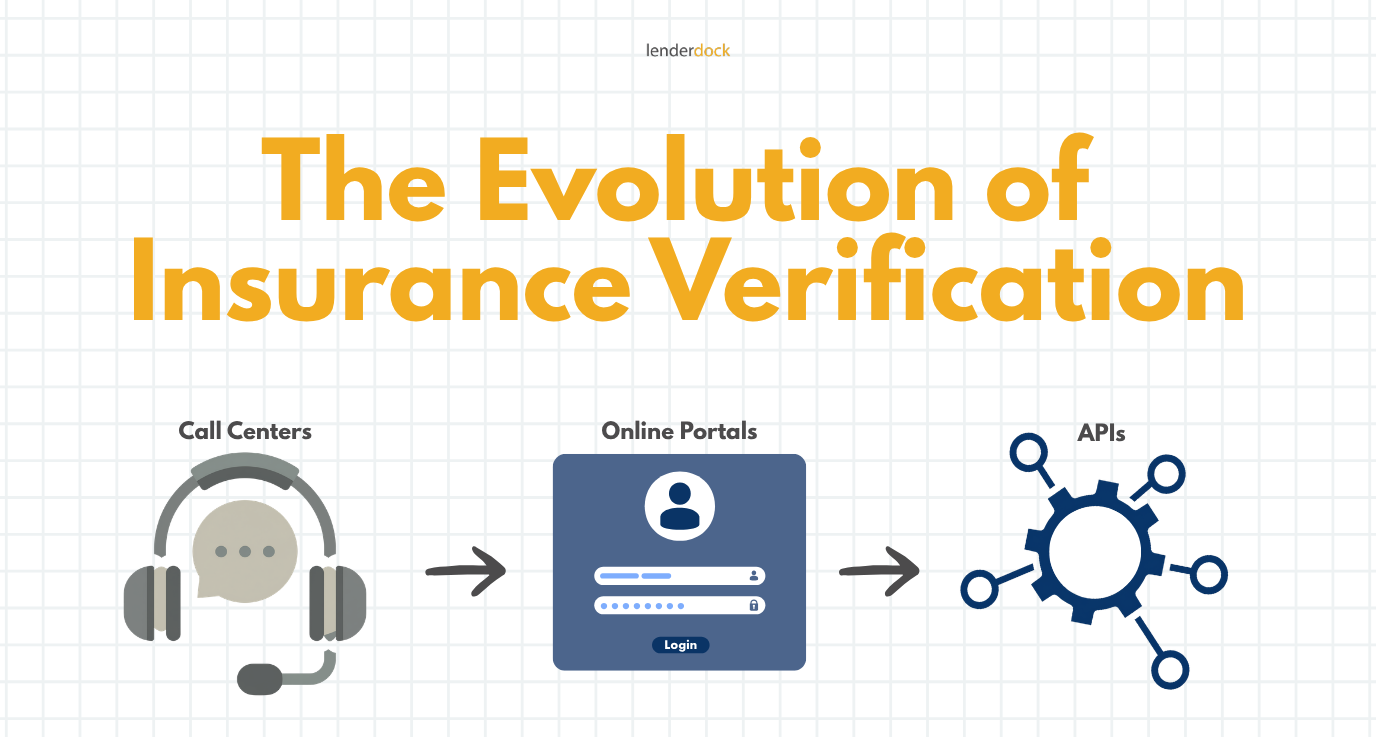
In the earliest version of insurance verification, the person answering the phone actually had to know things. They pulled a physical file, checked handwriting against a ledger, and made a judgment call about whether what…
Two insurers can each have perfectly accurate, well-maintained policy databases and still fail to exchange a single piece of usable data between them.
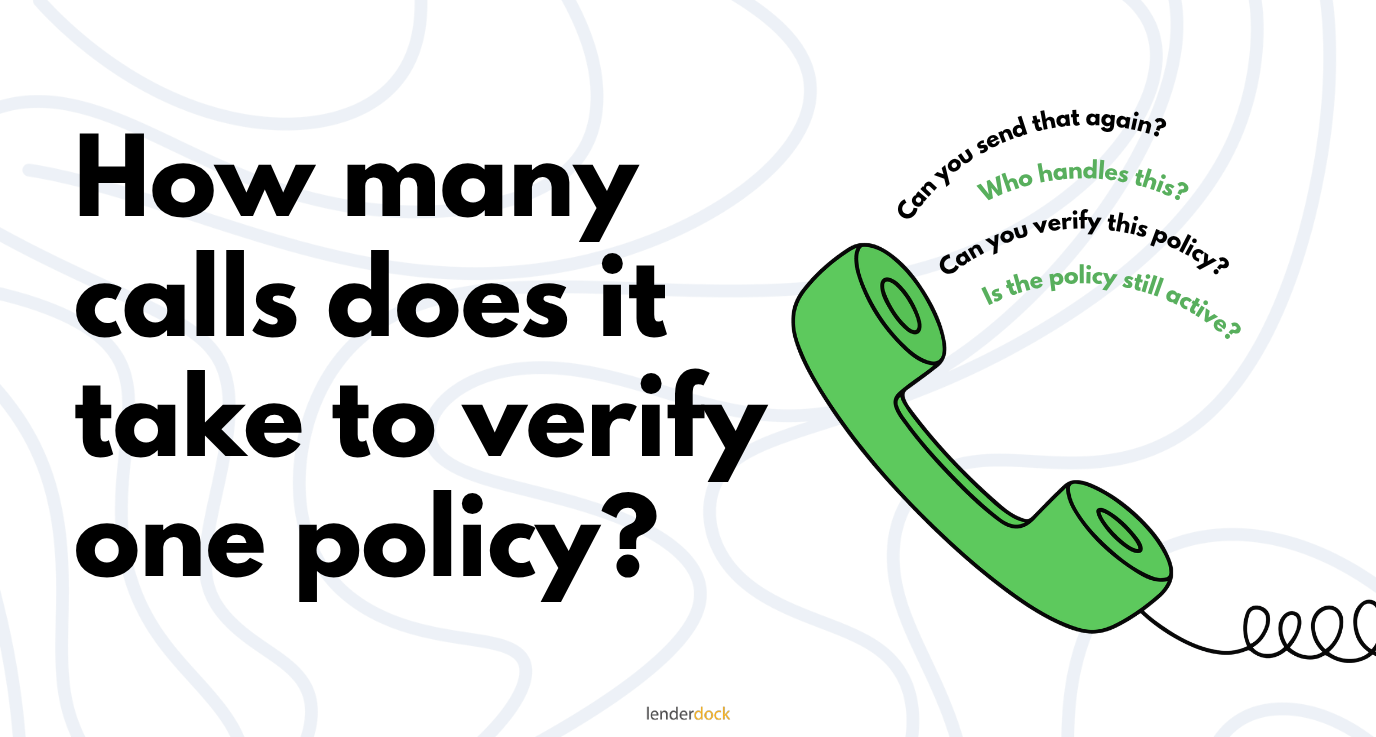
Every single day, insurance workers face a mountain of simple questions. Are they tired of answering the same questions about policy coverage all day long? Yes, they are. When banks or lenders need to check…
A title company closing a home sale needs to confirm the seller’s policy is active before the deal can move. An auto lender needs the same thing before releasing funds on a car loan. A…
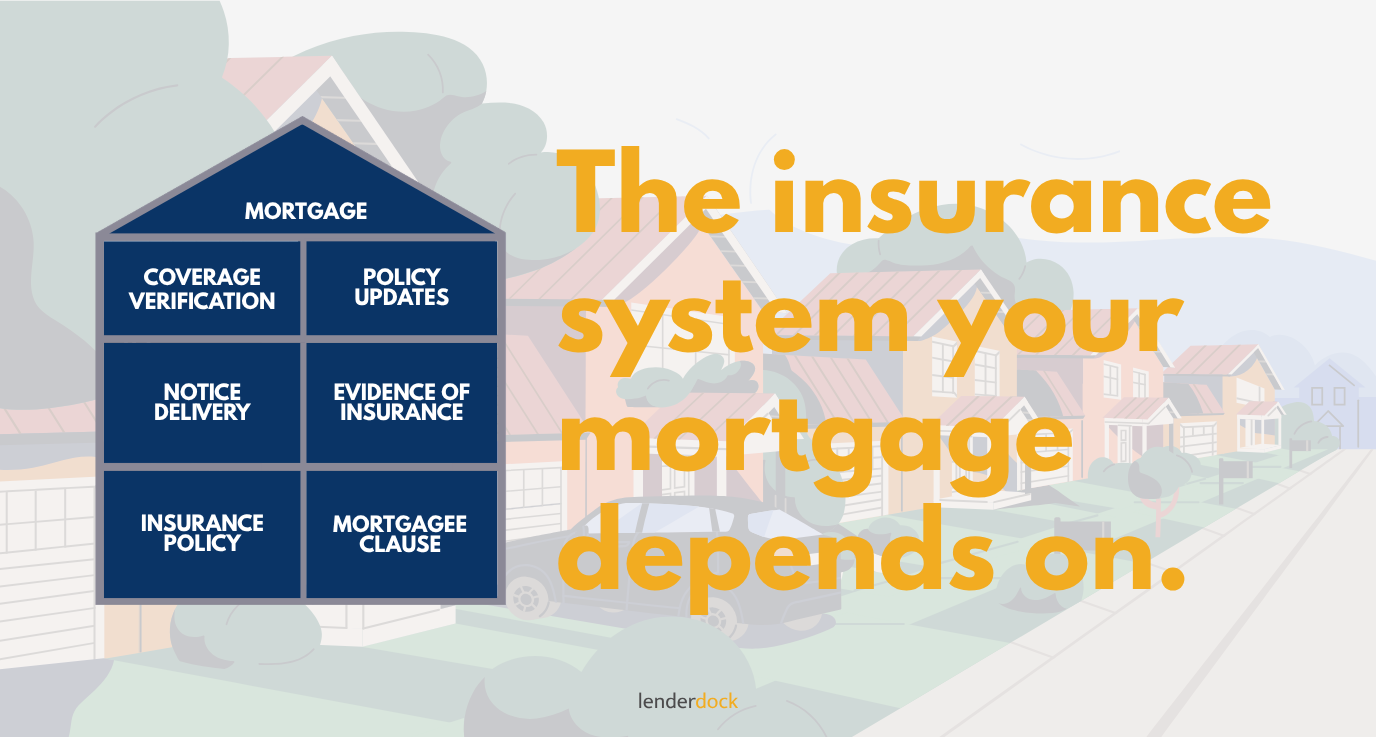
Most people who take out a mortgage never think about insurance as part of the loan itself. It feels adjacent, a separate purchase, something the lender requires but does not really participate in beyond checking…
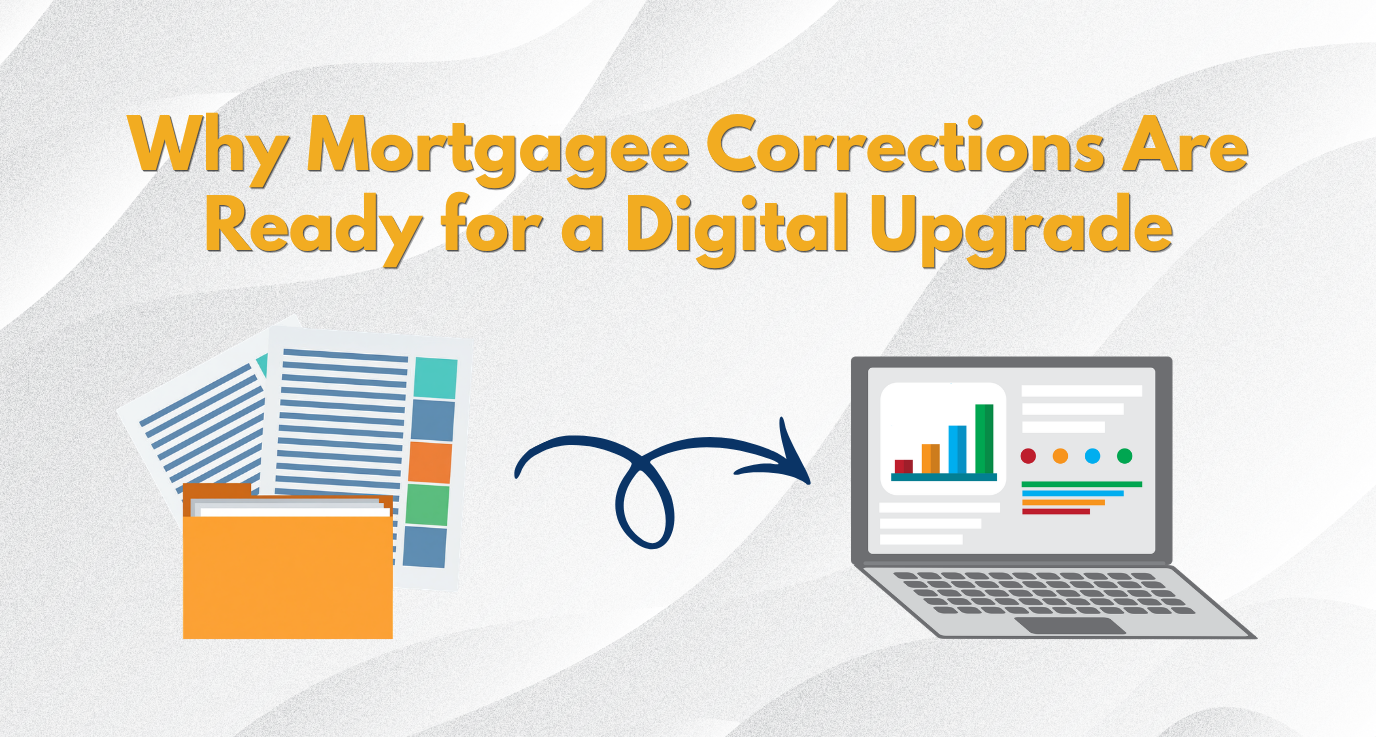
Mortgagee corrections are a routine part of insurance servicing, but the process behind them is often anything but simple. A lender may find that the mortgagee’s name or address on a policy is out of…


We consectetur adipiscing elit tempor incididunt ut labore. Wondering ipsum dolor sit amet? We consectetur adipiscing ipsum nulla glavrida elit tempor incididunt.