From Policy Change to Action: Why Timing Matters in Insurance
We’ve heard people in mortgage servicing use verification and tracking as if they’re interchangeable, and honestly, for a lot of daily work, treating them that way doesn’t break anything.


LenderDock provides real-time, insurance policy details through its magical web portal or its APIs.

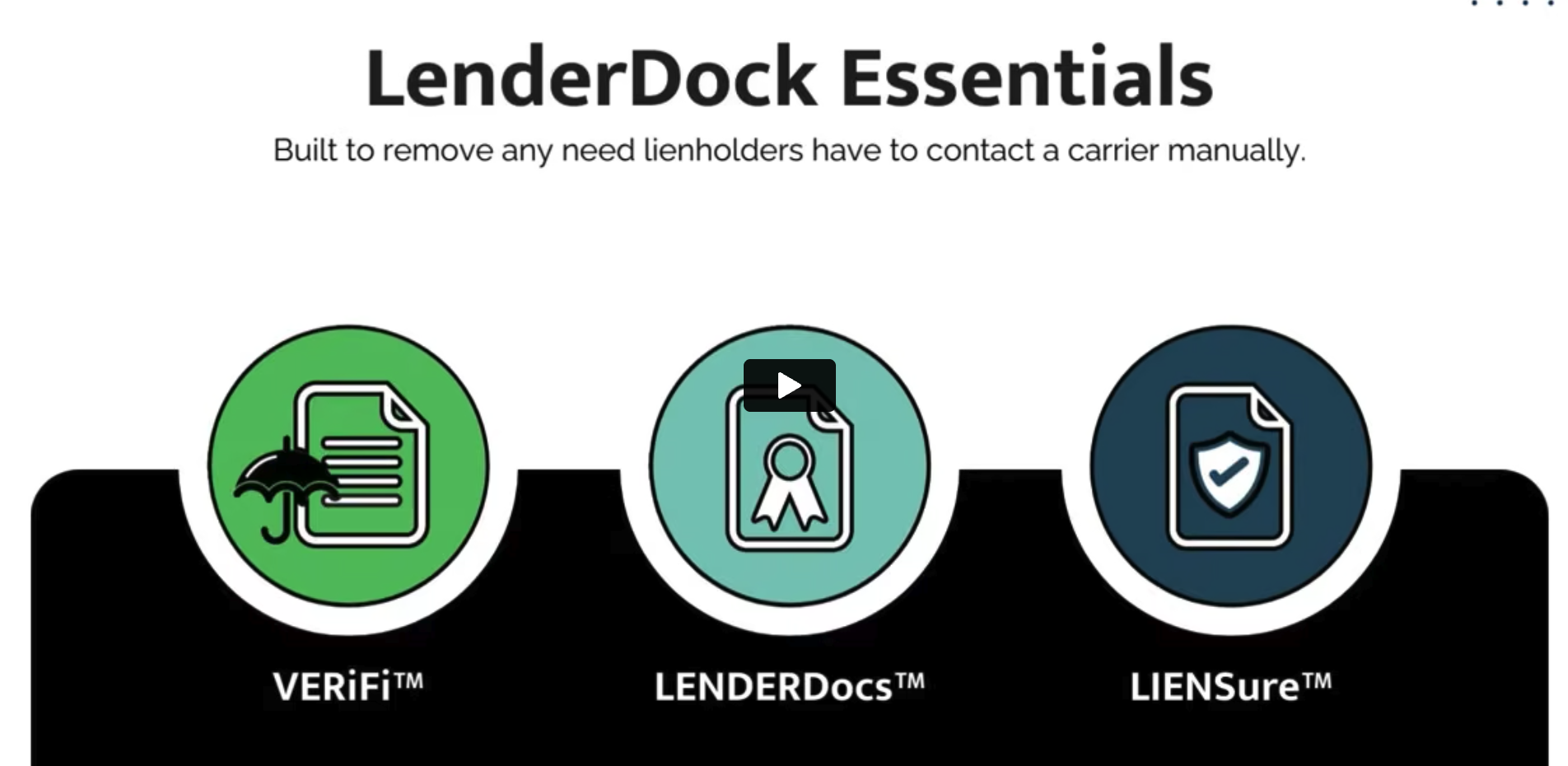
LIENSure sends corrections digitally, straight from the financial source of truth and in bulk for easy processing.

ESCROWPay verifies what’s actually due before the money moves, then sends the payment and reconciliation data digitally.

NOTiFi delivers required policy, coverage, and billing notices in the formats lienholders actually use
At least check out the genesis of LenderDock Video. It’ll all make sense, the eco-system, that is.
Learn more about our great leadership team and our amazing, people-first, company culture.
There’s a lot going on at LenderDock and in our industries. We threw it all here to make it easier to keep up.
We go to a lot of events and we love to eat. See our calendar of where we’ll be.
New webinars will be coming quite frequently. Educational, success, and sales.
In comparison to other industries, the insurance sector has struggled to keep up due to low levels of innovation.
This is partially because consumers are less interested in insurance goods until an urgent need arises, and partly because providers must adhere to stringent risk and compliance regulations and use rigid legacy systems.
To make their product more relevant to clients, insurers have therefore had less need—and less ability—to innovate. As a result, many existing players have concentrated on solidifying their positions, making business expansion more challenging, expensive, and complex.
As a result, insurers are increasingly looking to collaborations with insurtech companies as the “magic solution” to quicken the insurance industry’s digital transition.
Customers may manage their insurance portfolio and submit a claim with the assistance of chatbots powered by AI, for instance.
When combined with behavioral data from smart watches or cars, the use of AI and machine learning technology can aid insurance carriers in the detection of fraud, support the development of new business models, and help customize plans and lower premiums.
The idea of “embedded insurance” is, nevertheless, possibly, the most significant trend and the strongest growth lever for insurance providers. This is not a brand-new business model; rather, it expands the reach of what we have come to refer to as “bancassurance” to new prospective retailers that sell goods or services to customers online.
When a consumer is making a transaction, embedded insurance allows suppliers to sell micro-insurance goods or services. A prime illustration of that is when you get travel insurance along with a ticket or vacation.
Because of this, integrated insurance must be digitalized, whether through online sales channels, e-commerce platforms, apps, standalone websites, or even at non-points of sale. And to accomplish this, most insurers must collaborate with insurtechs.
Legacy insurers can modernize by expediting innovation in the sector
There are many other ways for businesses to update their outdated platforms, and not all of them entail integrating with an insurtech’s platform.
There is no one technique that works for everyone, and the best course of action greatly depends on the current status of the organization’s strategic goals and the design of its systems.
Many businesses should start by prioritizing modernization and innovation and spending the necessary time and money to outline their strategies.
Implementing innovative working practices like Agile or DevOps, which will hasten innovation and the development and deployment of systems, is one such strategy.
Additionally, businesses may try to re-architect their systems using techniques like microservices, modularization, or containerization to increase agility while reducing complexity and interdependencies.
Companies may need to adopt an API-first strategy or migrate (or partially migrate) their old systems into the cloud if they wish to benefit from insurtech innovation. They might even decide to replace their legacy systems completely, which would be a huge move.
Companies may think about collaborating with an expert partner to assist them sort through the plan and determine the best course of action given the variety of possibilities, the potential cost, risk, and complexity involved.
Key factors to prioritize when modernizing legacy systems
When modernizing systems, there are several factors to consider. Among the crucial ones are:
Business impact: How does the current system affect the company’s present and long-term strategic goals? How well does the system satisfy customer needs, and what maintenance risks exist, such as downtime and security issues?
Cost-benefit evaluation: What are the costs associated with operating the current system, taking into account the cost of construction, upkeep, licenses, and the financial impact of unavailability? What are the expenses incurred by modernizing, as well as the financial gains in terms of spending, productivity, and client retention?
Technical debt and complexity: How much complexity has built up over the years, considering obsolete technologies, unsupported software, and intricate interdependencies? What effect do these have on technology integration, maintenance, and stability?
Interoperability and integration: How effectively does the current technology suit the needs for interoperability and integration with internal and external systems now and in the future? Can the system support contemporary APIs, data formats, and protocols? How well does it integrate with other technologies, such as cloud, mobile, and third-party systems?
Future scalability and innovation: To what extent is the system capable of supporting foreseeable expansion and innovation? Can it support cutting-edge technologies like artificial intelligence (AI) and machine learning, and can new features and functions be added quickly and easily thanks to the architecture’s support for modular upgrades and agile development?
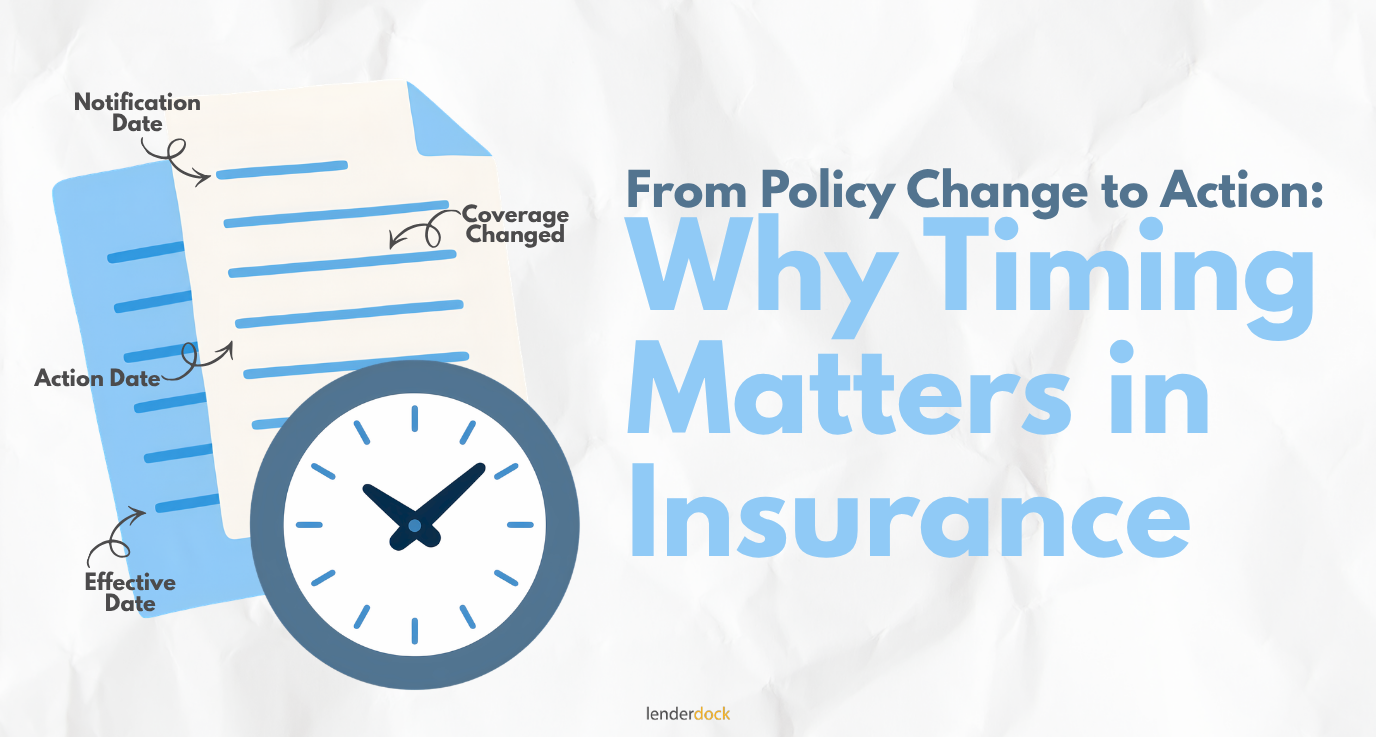
We’ve heard people in mortgage servicing use verification and tracking as if they’re interchangeable, and honestly, for a lot of daily work, treating them that way doesn’t break anything.
A two-day lag between a policy change and everyone finding out about it used to be annoying, not dangerous. Someone made a call, waited, got an answer, and moved on with their day.

We’ve heard people in mortgage servicing use verification and tracking as if they’re interchangeable, and honestly, for a lot of daily work, treating them that way doesn’t break anything.
Insurance verification is a routine part of the lending and insurance process. A lender needs to know whether a policy is active. A mortgage servicer may need to confirm coverage or mortgagee information. An insurance…
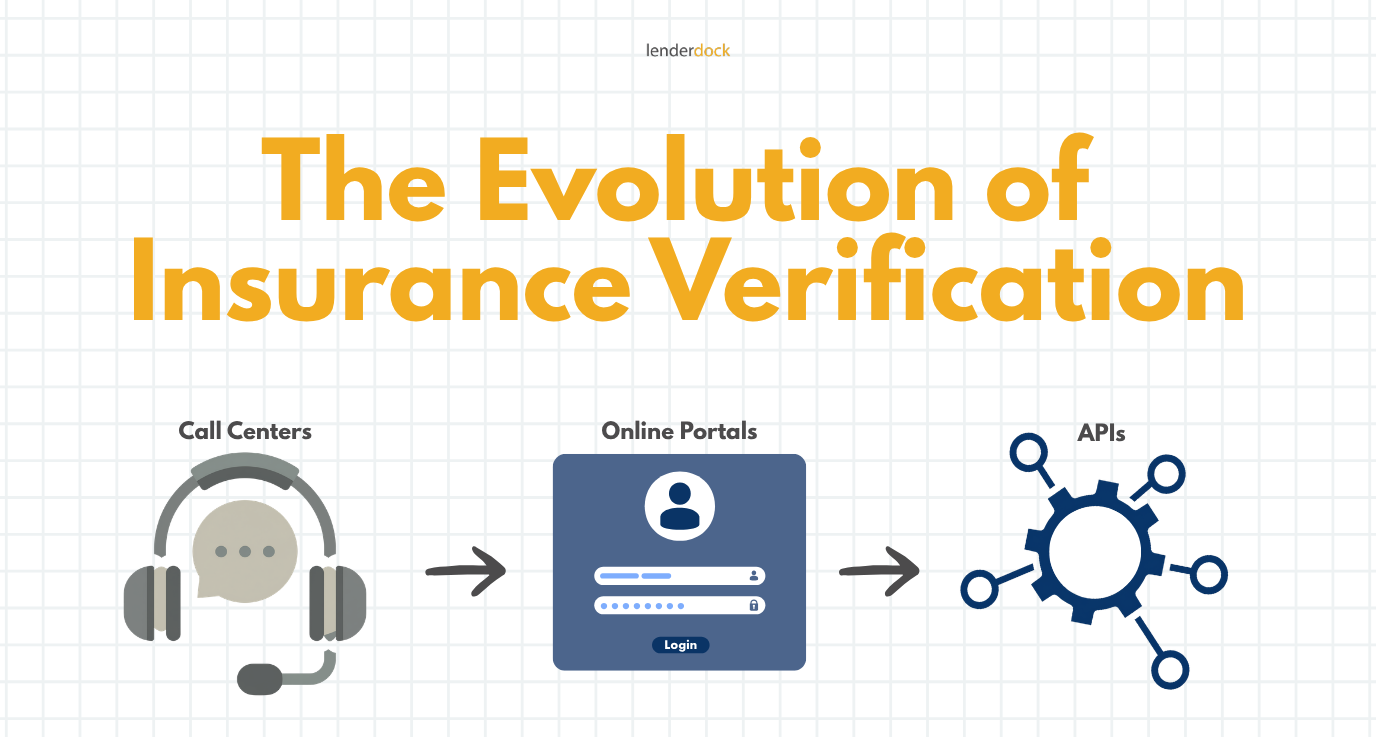
In the earliest version of insurance verification, the person answering the phone actually had to know things. They pulled a physical file, checked handwriting against a ledger, and made a judgment call about whether what…
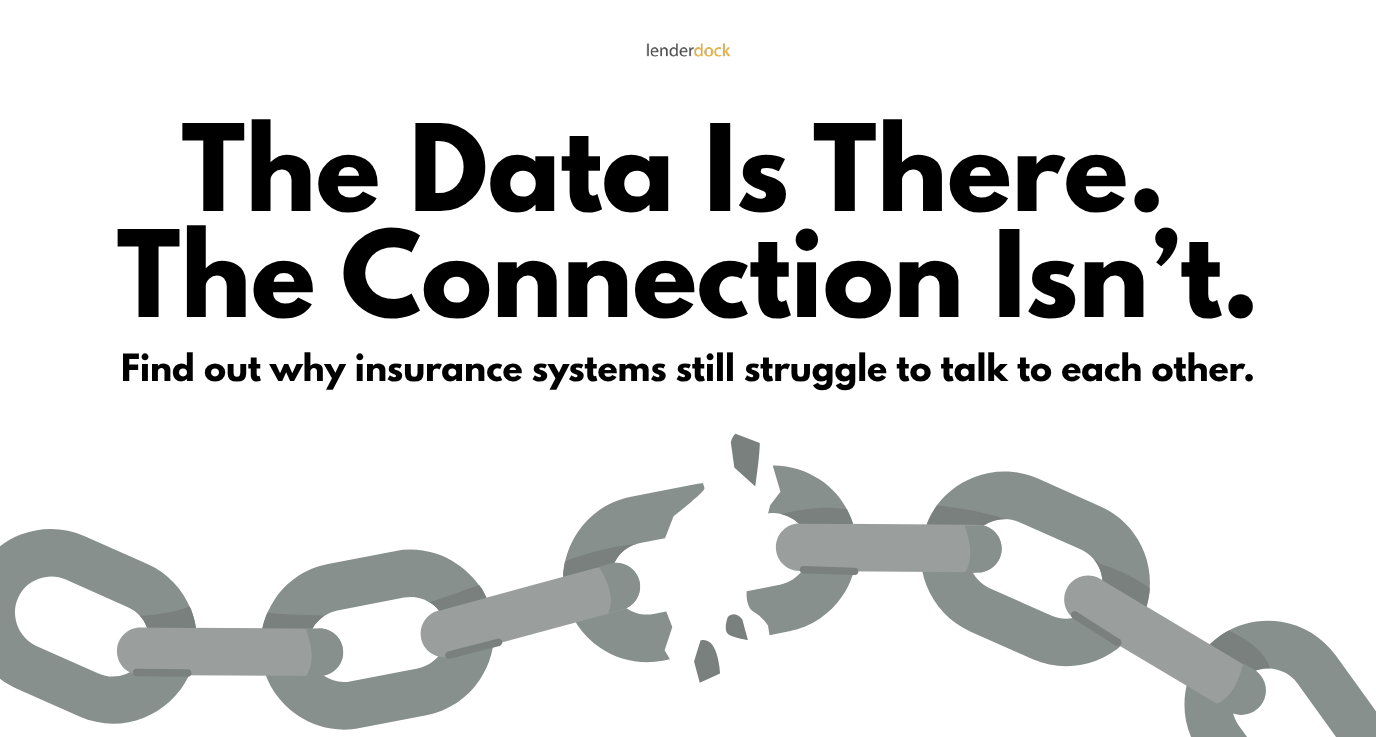
Two insurers can each have perfectly accurate, well-maintained policy databases and still fail to exchange a single piece of usable data between them.
Every single day, insurance workers face a mountain of simple questions. Are they tired of answering the same questions about policy coverage all day long? Yes, they are. When banks or lenders need to check…
A title company closing a home sale needs to confirm the seller’s policy is active before the deal can move. An auto lender needs the same thing before releasing funds on a car loan. A…
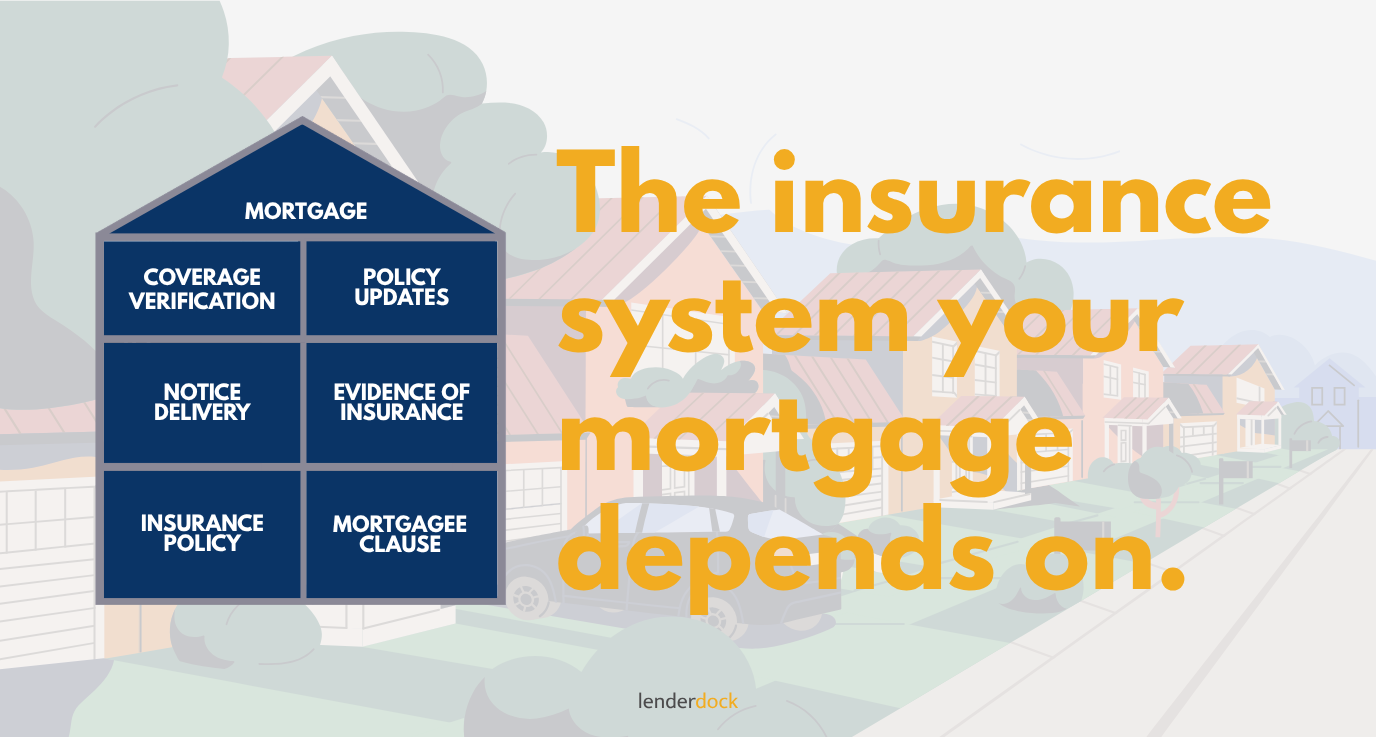
Most people who take out a mortgage never think about insurance as part of the loan itself. It feels adjacent, a separate purchase, something the lender requires but does not really participate in beyond checking…
Mortgagee corrections are a routine part of insurance servicing, but the process behind them is often anything but simple. A lender may find that the mortgagee’s name or address on a policy is out of…


We consectetur adipiscing elit tempor incididunt ut labore. Wondering ipsum dolor sit amet? We consectetur adipiscing ipsum nulla glavrida elit tempor incididunt.