From Policy Change to Action: Why Timing Matters in Insurance
We’ve heard people in mortgage servicing use verification and tracking as if they’re interchangeable, and honestly, for a lot of daily work, treating them that way doesn’t break anything.


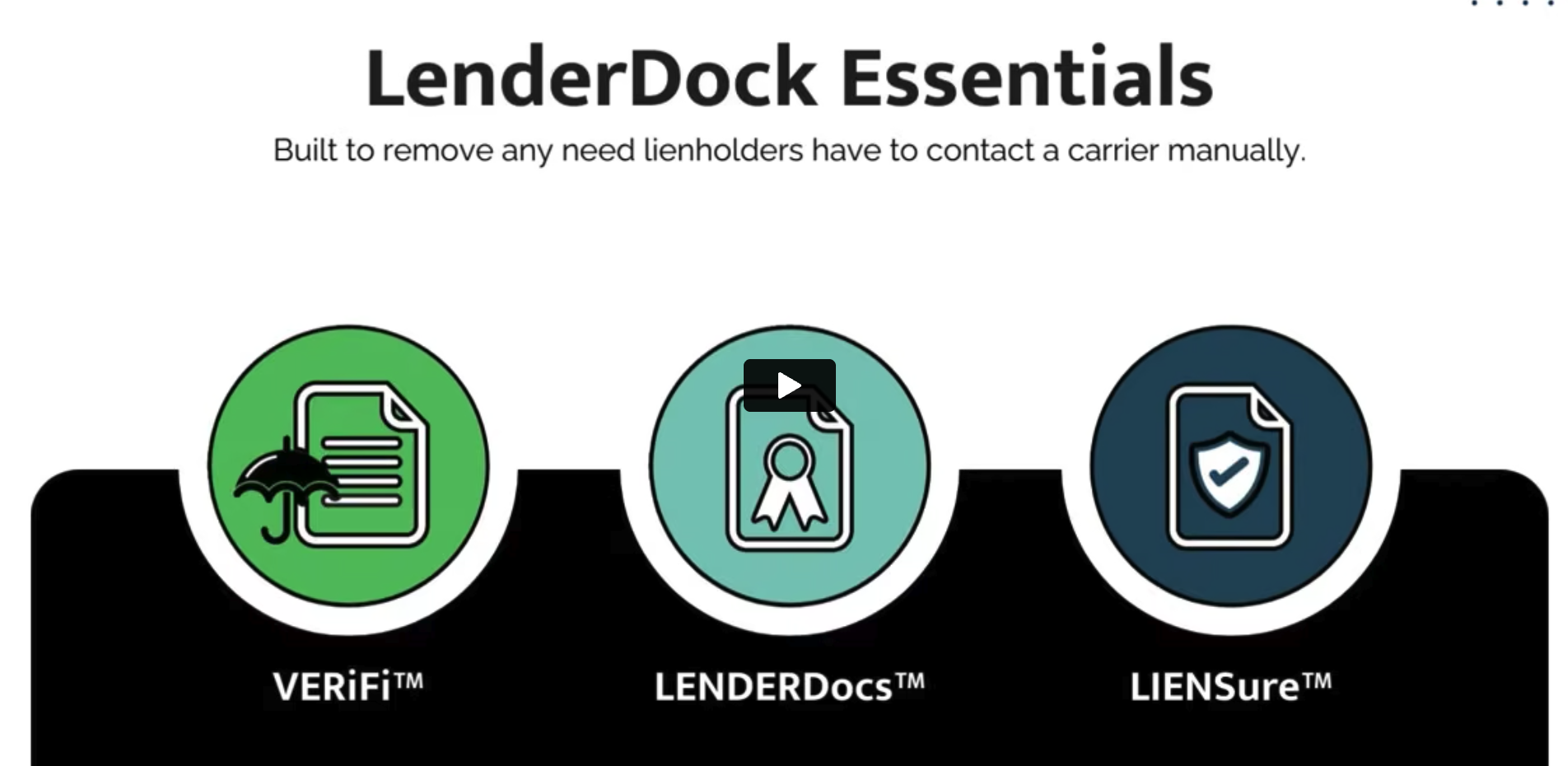
LenderDock provides real-time, insurance policy details through its magical web portal or its APIs.

LIENSure sends corrections digitally, straight from the financial source of truth and in bulk for easy processing.

ESCROWPay verifies what’s actually due before the money moves, then sends the payment and reconciliation data digitally.

NOTiFi delivers required policy, coverage, and billing notices in the formats lienholders actually use
At least check out the genesis of LenderDock Video. It’ll all make sense, the eco-system, that is.
Learn more about our great leadership team and our amazing, people-first, company culture.
There’s a lot going on at LenderDock and in our industries. We threw it all here to make it easier to keep up.
We go to a lot of events and we love to eat. See our calendar of where we’ll be.
New webinars will be coming quite frequently. Educational, success, and sales.
Without having to incur the usual costs of expansion, MGAs can provide insurers with an affordable way to enter new or niche markets.
What is a managing general agent? This piece will focus on giving a clear definition of managing general agents (MGAs) instead of going into detail about their uses, history, and growth.
The following list of factors determines whether a person or thing is an MGA:
In general, look at MDL 225, which is the NAIC Managing General Agents Act.
In short, an MGA is a person who oversees how an insurer does business, writes some of the insurer’s business, settles or adjusts some of the insurer’s claims, and either works with the insurer to arrange reinsurance or brings in new business. Things aren’t always so simple, though.
Unique aspects of each state
All 50 states, the District of Columbia, and the Virgin Islands may have different rules and thresholds than the Model Act. This is because the above summary is based on the Managing General Agents Act (the Model Act) of the National Association of Insurance Commissioners (NAIC, id., § 2(D)).
Based on California law’s description of MGA, for example, it looks like a person or business can be considered an MGA just by negotiating reinsurance (Cal. Insurance Code §769.81(c)). On the other hand, Texas law has a very different—possibly more literal—definition of an MGA. It only looks at whether the person or organization can accept or process policies made and sold by other agents and whether they have control over an insurer’s local agency and field operations (see §19.1202(3) of the 28th Texas Administrative Code). Surprisingly, though, the New York rule sticks much more closely to the Model Act’s description of MGA, with no clear differences – check out N.Y. Comp. Codes R. & Regs. tit. 11, §33.2 – it lowers the amount of money that can be paid out for adjusting and changing claims from $25,000 to $10,000, which is what the Model Act said.
Exceptions. Obviously, the Model Act lets some people and groups off the hook from being seen as MGAs when they might otherwise be qualified for exemptions. To give you a quick rundown of these exceptions:
Because of the large amount of underwriting and production that would usually be too much for one person, many MGAs are businesses rather than people. Because of this, some states, like New York, have done away with the first clause and replaced it with the third one. As for the holding company act protection, it applies to all affiliates, no matter what services they provide to the insurance company (N.Y. Comp. Codes R. & Regs. tit. 11, §33.4(a)). This move gives captive agencies and the insurers that work with them a little more room to breathe. These companies do cost-effective underwriting and claims management in-house. It was likely partly caused by the huge rise in the number of hostage agencies that have been set up and used over the years.
License terms and responsibilities
What does it mean if you’ve proven that you meet the legal standards to be an MGA in at least one state? MGAs need to keep their licenses up to date in the state where the risk is located or where the insurance is based (NAIC Managing General Agents Act, MDL 225, §3).
Granting licenses
The rules for getting a license may also be different in each state. Most of the time, the MGA will need to keep another license in addition to its production license. It might even be necessary to have extra IDs for everyone who works for the MGA. Some states, like New York, don’t have a specific type of license. For example, an MGA’s producer license gives it a license. This means that the insurer is mostly responsible for any extra registration requirements, like making sure that the right MGA-specific appointments are set up and forms are filled out and sent in (see the OGC Opinion from December 18, 2002, and the Department of Financial Services’ Managing General Agent Appointment and Termination).
Responsibility
Becoming an MGA can mean taking on a lot of duties, such as more attention from regulators, binding contracts, and reporting obligations. These may be more important than any new license standards that might or might not need to be met.
As per the Model Act, “the MGA’s actions are taken to be those of the insurer for whom it is acting… an MGA may be examined as if it were the insurer,” (see NAIC Managing General Agents Act, MDL 225, §6. To be clear, that quote is all of Section 6 of the Model Act). It basically tells MGAs that officials will take their duties very seriously. As many who have helped producers through regulatory examinations at the insurer level can tell, these exams are not right for the average producer.
Also, the Model Act has a lot of complicated rules that must be written in every contract that controls the MGA’s services, even though it is the insurer, not the MGA, that is mostly responsible for reporting.
Key points
There are without a question many good reasons to become an MGA. For starters, MGAs can be a good option for insurers that want to get into a new or niche market because they don’t have to pay the normal fees. This means that any MGA that has the tools to let the insurer enter the market in question (for example, having previously approved goods) is in a very good position to make a lot of money.
Because of this, an agent who only brings in business would never want to be seen as an MGA unless they really do the things that a state’s MGA guidelines say they should do. This is why many people are told to get rid of the words “managing general agent” or “MGA” from their insurance policies. That word doesn’t seem to change the fact that someone or something is an MGA, so why even bring up the idea that you might be providing services that are only available to MGAs?
This increases danger and scrutiny from regulators for no reason, even if it’s small. For example, if a regulator looks at an agreement with the wrong title while looking at an insurer, the regulator may investigate the producer’s responsibilities and license status. Also, using the terms incorrectly could lead to confusion about the services covered by the insurance contract when there shouldn’t be any confusion at all.
You should think about this: “Do I underwrite insurance, adjust or pay claims, negotiate reinsurance, or even just manage elements of an unaffiliated insurer’s business?” If the answer is “yes,” you should look over the laws about handling general agents in each state where you have a producer license.
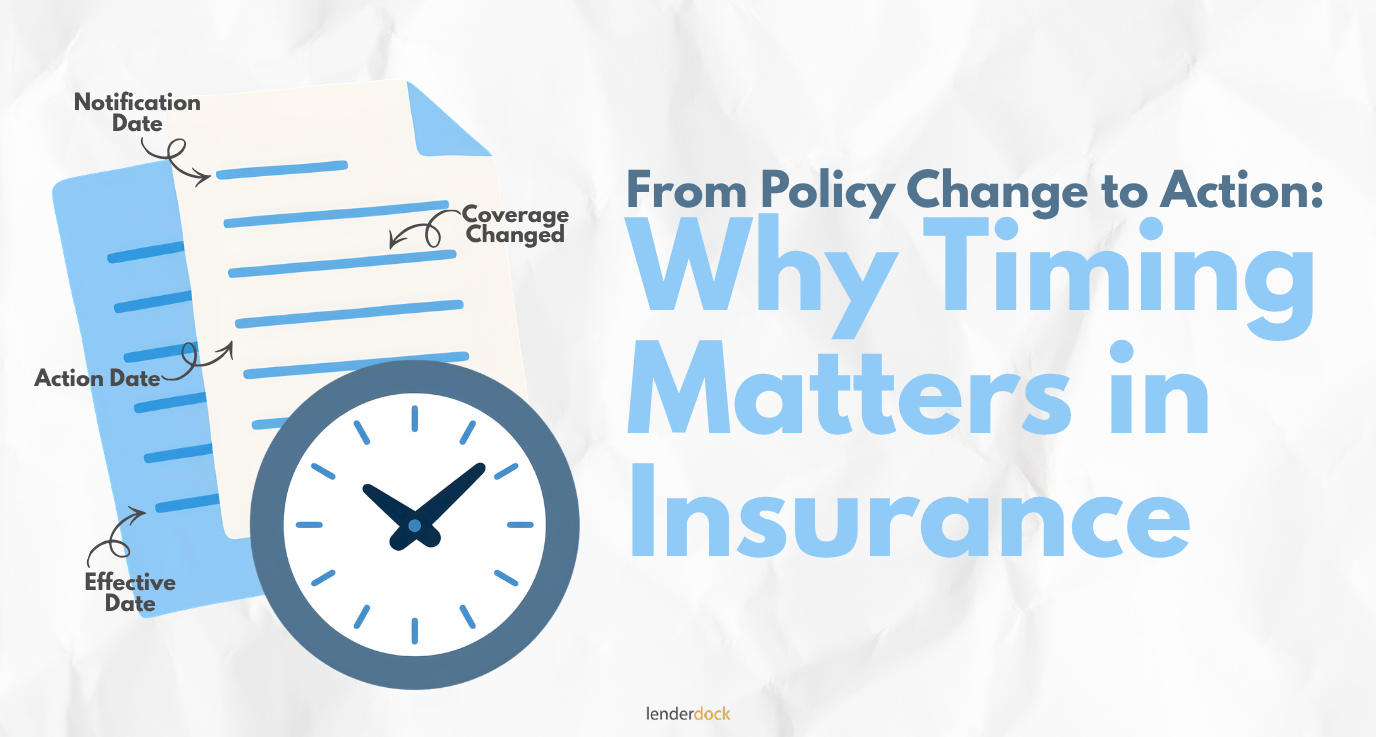
We’ve heard people in mortgage servicing use verification and tracking as if they’re interchangeable, and honestly, for a lot of daily work, treating them that way doesn’t break anything.
A two-day lag between a policy change and everyone finding out about it used to be annoying, not dangerous. Someone made a call, waited, got an answer, and moved on with their day.

We’ve heard people in mortgage servicing use verification and tracking as if they’re interchangeable, and honestly, for a lot of daily work, treating them that way doesn’t break anything.
Insurance verification is a routine part of the lending and insurance process. A lender needs to know whether a policy is active. A mortgage servicer may need to confirm coverage or mortgagee information. An insurance…
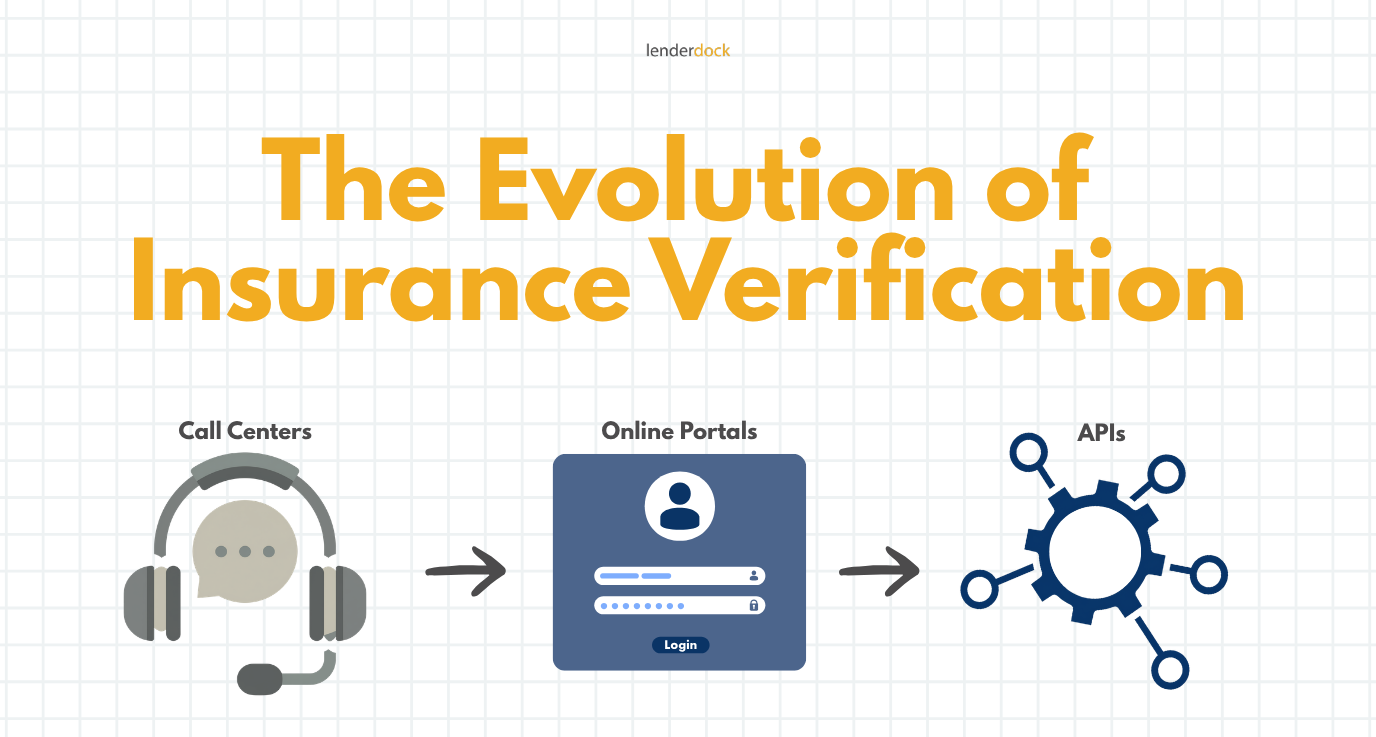
In the earliest version of insurance verification, the person answering the phone actually had to know things. They pulled a physical file, checked handwriting against a ledger, and made a judgment call about whether what…

Two insurers can each have perfectly accurate, well-maintained policy databases and still fail to exchange a single piece of usable data between them.
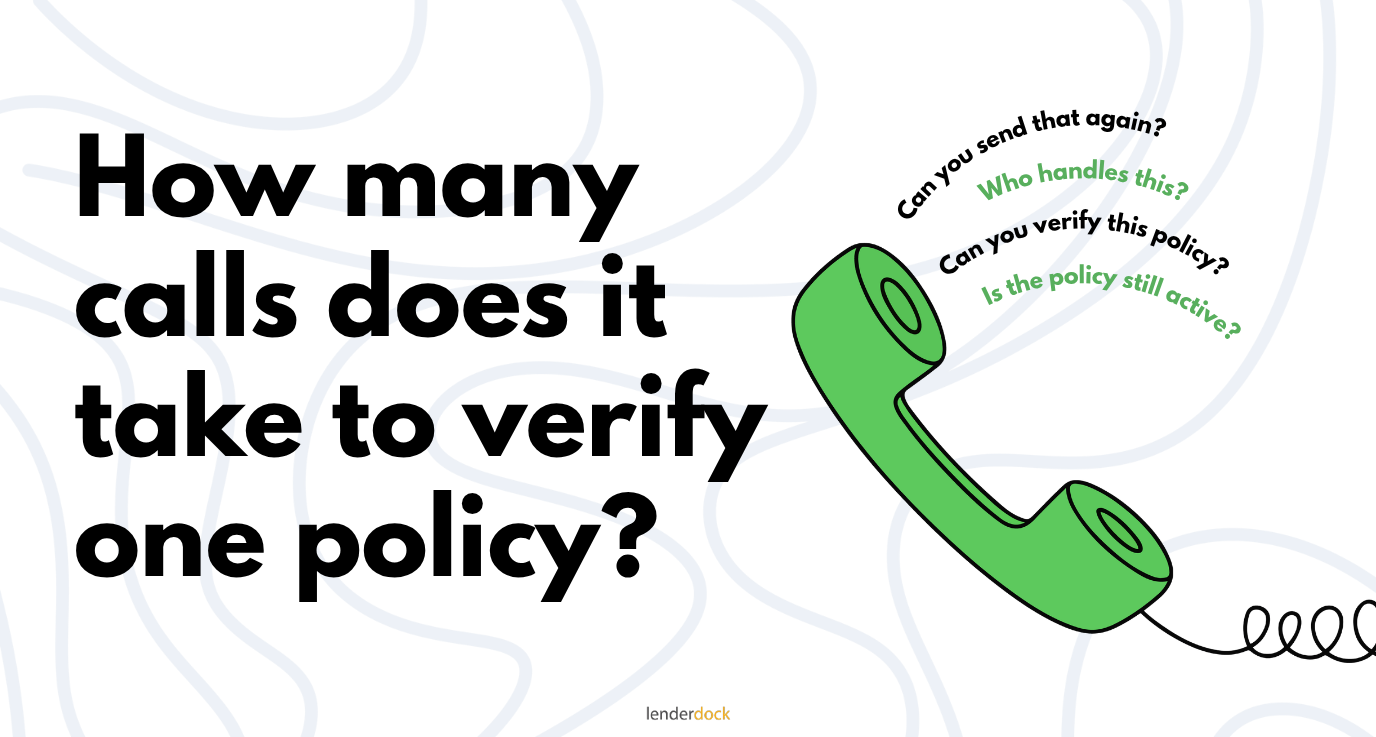
Every single day, insurance workers face a mountain of simple questions. Are they tired of answering the same questions about policy coverage all day long? Yes, they are. When banks or lenders need to check…
A title company closing a home sale needs to confirm the seller’s policy is active before the deal can move. An auto lender needs the same thing before releasing funds on a car loan. A…
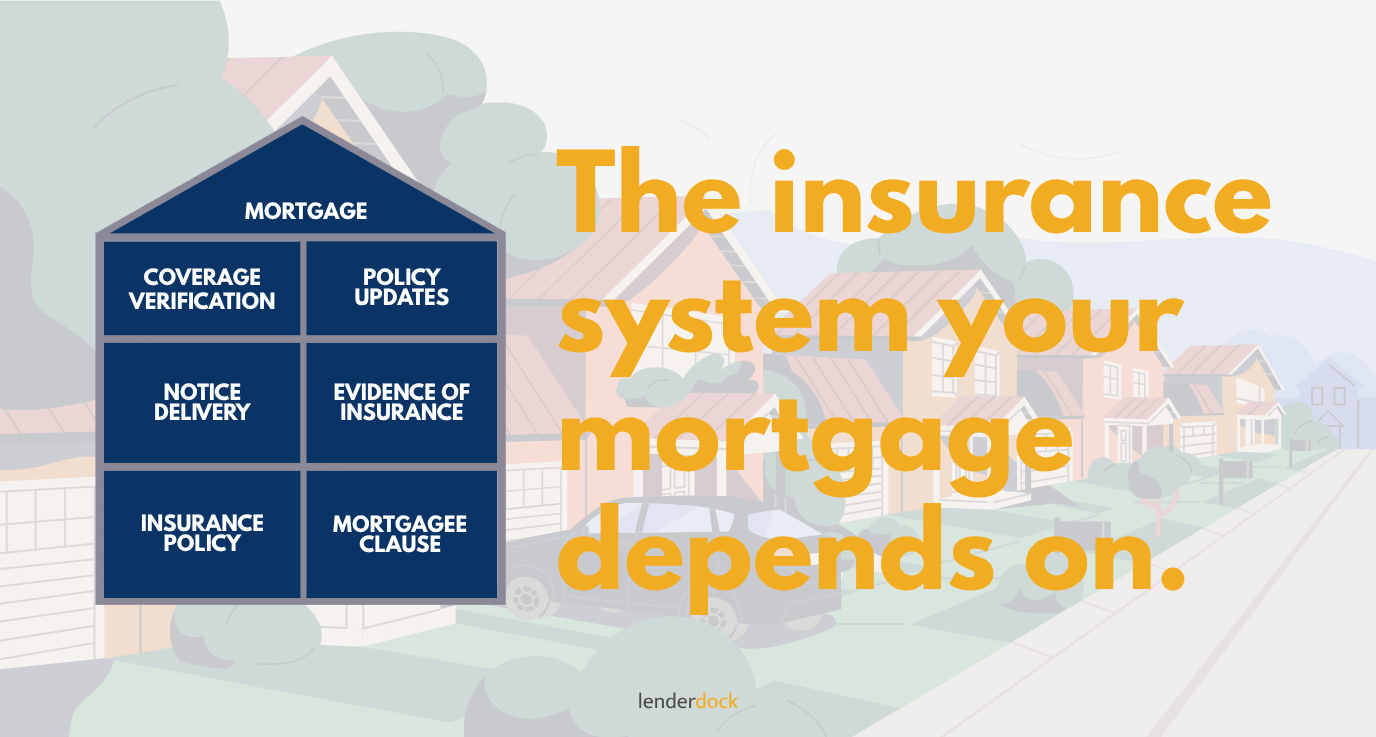
Most people who take out a mortgage never think about insurance as part of the loan itself. It feels adjacent, a separate purchase, something the lender requires but does not really participate in beyond checking…
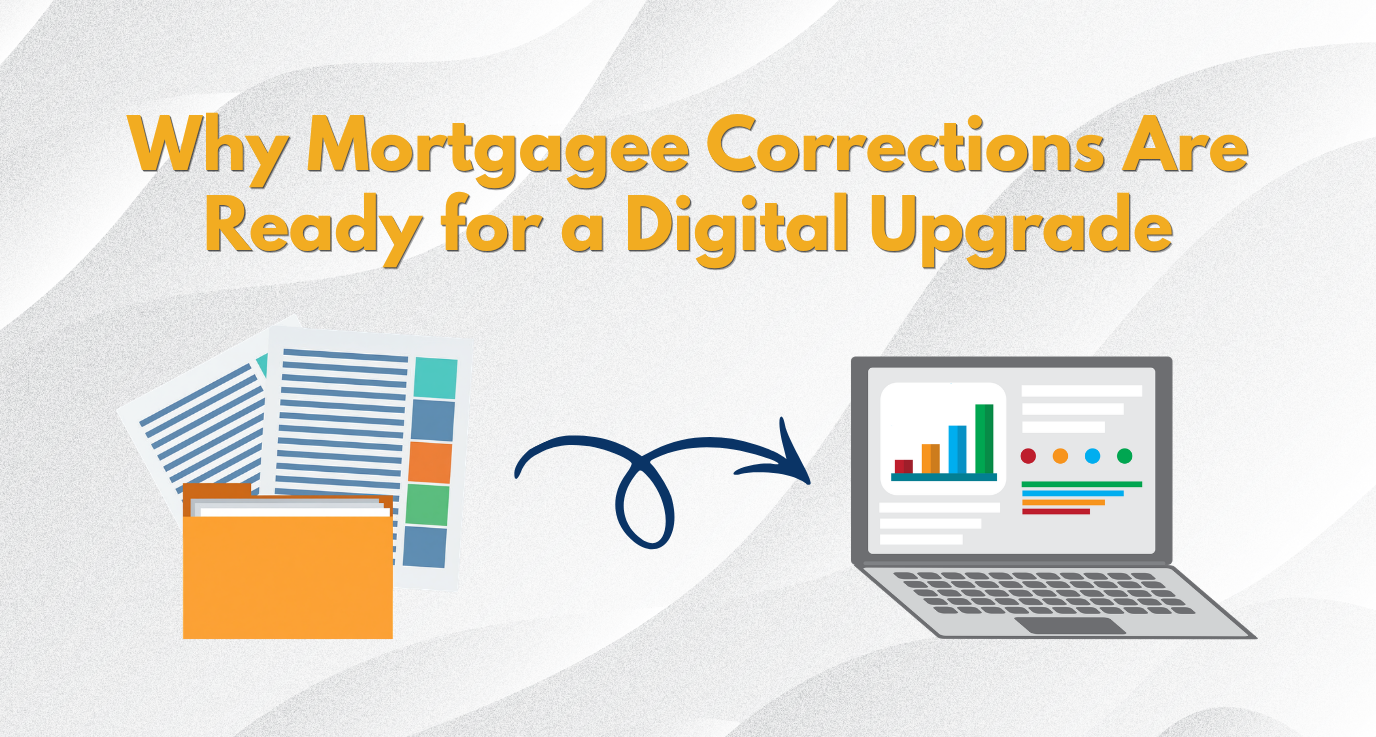
Mortgagee corrections are a routine part of insurance servicing, but the process behind them is often anything but simple. A lender may find that the mortgagee’s name or address on a policy is out of…


We consectetur adipiscing elit tempor incididunt ut labore. Wondering ipsum dolor sit amet? We consectetur adipiscing ipsum nulla glavrida elit tempor incididunt.