From Policy Change to Action: Why Timing Matters in Insurance
We’ve heard people in mortgage servicing use verification and tracking as if they’re interchangeable, and honestly, for a lot of daily work, treating them that way doesn’t break anything.


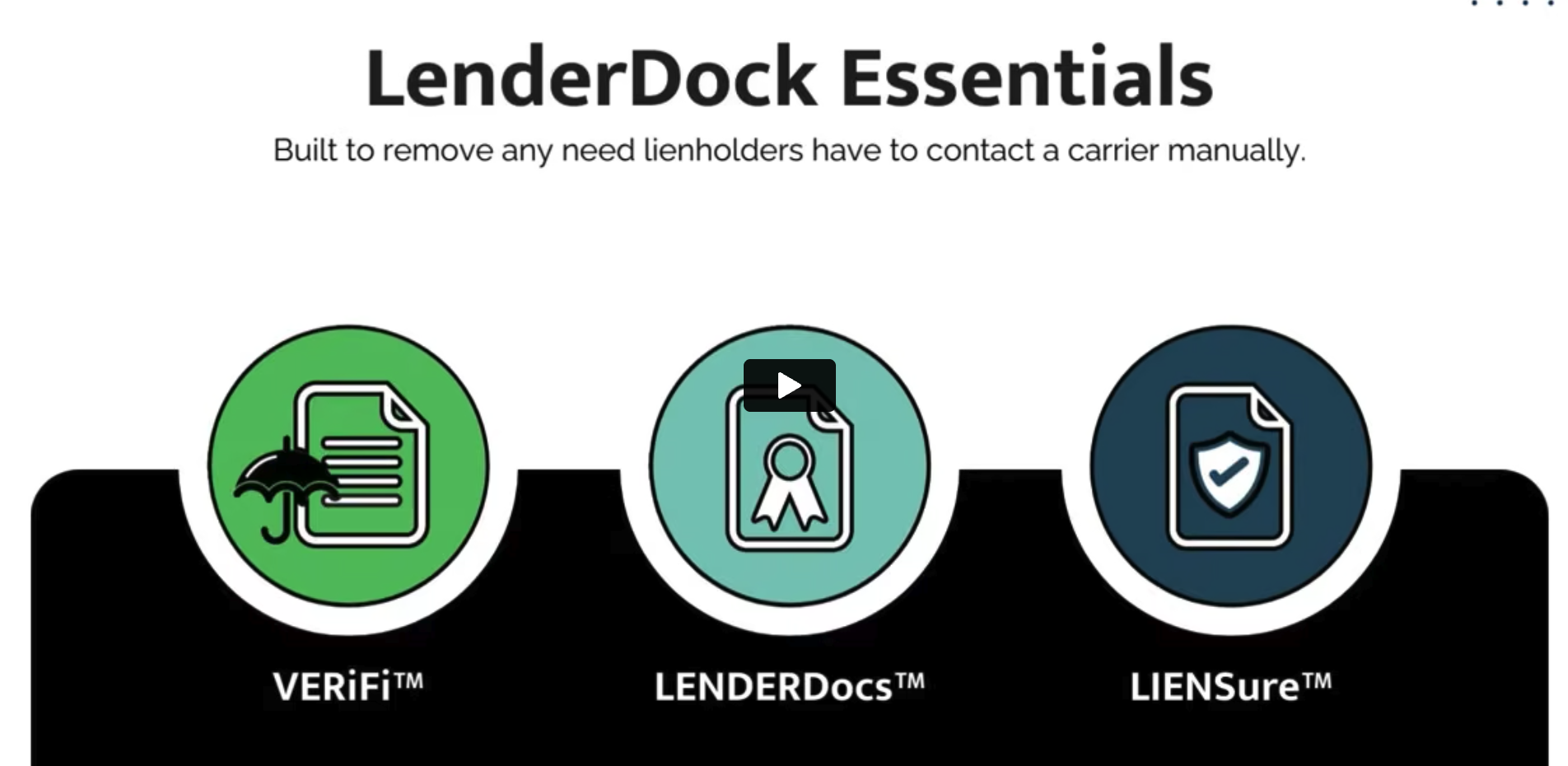
LenderDock provides real-time, insurance policy details through its magical web portal or its APIs.

LIENSure sends corrections digitally, straight from the financial source of truth and in bulk for easy processing.

ESCROWPay verifies what’s actually due before the money moves, then sends the payment and reconciliation data digitally.

NOTiFi delivers required policy, coverage, and billing notices in the formats lienholders actually use
At least check out the genesis of LenderDock Video. It’ll all make sense, the eco-system, that is.
Learn more about our great leadership team and our amazing, people-first, company culture.
There’s a lot going on at LenderDock and in our industries. We threw it all here to make it easier to keep up.
We go to a lot of events and we love to eat. See our calendar of where we’ll be.
New webinars will be coming quite frequently. Educational, success, and sales.
In the realm of insurance, the concept of Uberrimae Fidae, or Utmost Good Faith, serves as the bedrock of trust and transparency between insurers and policyholders. This principle mandates complete honesty, full disclosure of pertinent information, and unwavering transparency throughout the insurance process.
Essentially, it establishes a framework for mutually beneficial relationships and fair dealings.
However, with the proliferation of customer data, rising incentives for fraud, and increasing market competition, insurers face the challenge of maintaining customer trust while remaining competitive.
This is where blockchain comes into play.
What is blockchain?
Blockchain is a decentralized ledger technology that facilitates secure and transparent recording of transactions across a network of nodes. Each transaction, encapsulated within a “block” is cryptographically linked to its predecessor, forming an immutable chain resistant to retroactive alteration.
This architecture ensures the integrity and transparency of data stored on the blockchain.
While the term has often been associated with cryptocurrencies, this represents only the tip of the iceberg in terms of its potential.
Blockchain in insurance
The integration of blockchain technology into the insurance sector holds immense promise for revolutionizing traditional processes and enhancing operational efficiency. By harnessing blockchain, insurers can streamline various facets of their operations, from policy issuance and claims processing to risk assessment and fraud detection.
The distributed ledger nature of blockchain allows insurers to store immutable and traceable records of customer data, accessible in real-time by various stakeholders.
Additionally, smart contracts enable automation of insurance processes like claim payout, triggering payments automatically when predefined conditions are met. For example, if premiums have been duly paid, and the specified peril conditions have been met, the claim will be paid out automatically.
Applications of blockchain
Smart contracts, imbued with self-executing capabilities and predefined conditions, automate various insurance processes. This includes policy issuance, claims settlement, and premium payments, based on predetermined criteria.
Smart contracts can be implemented on the blockchain and thus allow for a self-serving mechanism requiring little to no supervision.
Leveraging blockchain, on-demand insurance models offer flexible coverage options that policyholders can activate or deactivate as needed, catering to evolving customer needs and providing personalized insurance solutions.
Take for instance motor coverage that is activated only when the insured alone actively drives his vehicle. Telematic data can be fed in real time into the blockchain allowing for dynamic adjustments to premiums based on usage.
Blockchain facilitates transparent and efficient reinsurance processes by enabling real-time data sharing among insurers and reinsurers. This enhances risk assessment, claims handling, and settlement procedures, resulting in cost savings and operational efficiencies.
Blockchain enhances data sharing and management in health insurance by securely storing and accessing medical records. Real-time access to patient records by both healthcare providers and insurers speeds up claims processing and prevents fraud by ensuring data integrity.
Blockchain aids insurers in meeting legal and regulatory obligations by securely storing and sharing customer data for KYC (Know Your Customer) and AML (Anti-Money Laundering) compliance. Moreover, it automates the generation and submission of insurance reports to regulators, ensuring timely reporting.
Final thoughts
The essence of the insurance business lies in trust between key stakeholders. Blockchain enhances this trust by securely storing data, automating processes and reducing risks (fraud).
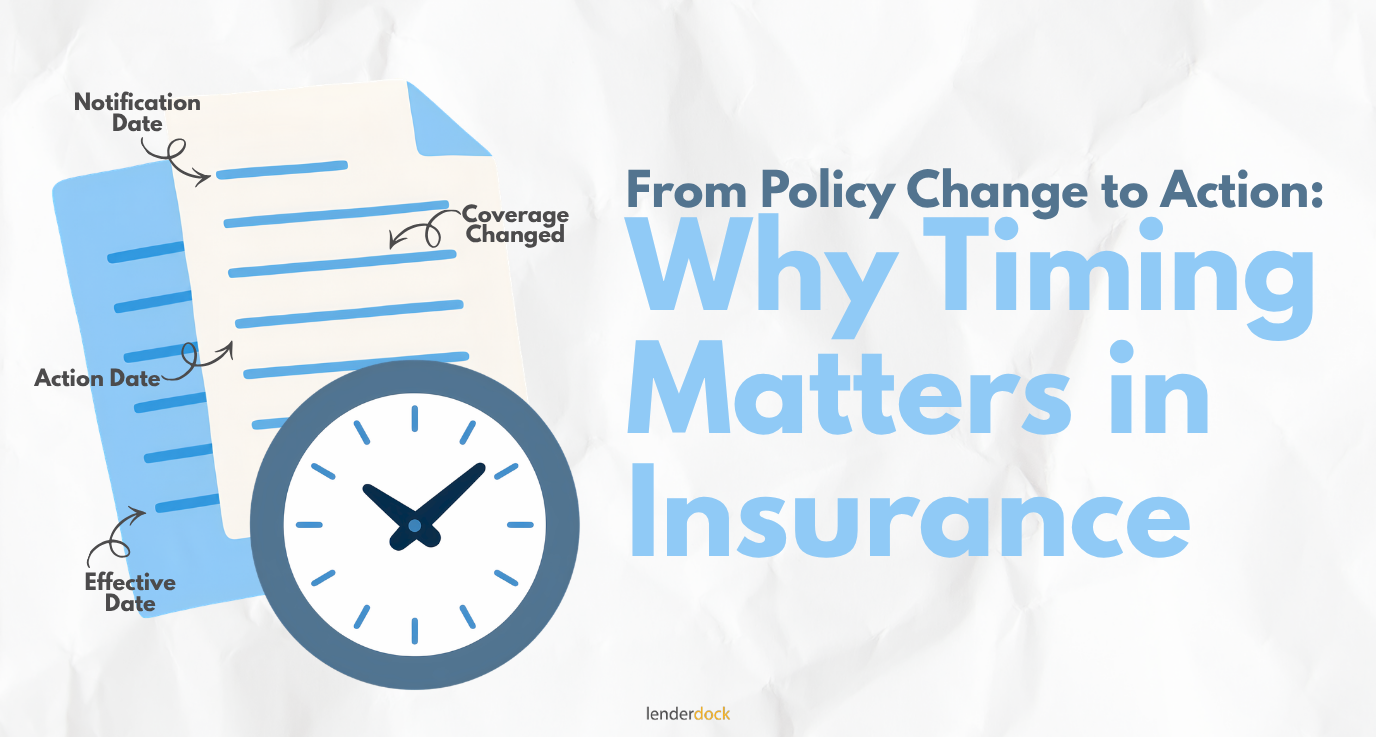
We’ve heard people in mortgage servicing use verification and tracking as if they’re interchangeable, and honestly, for a lot of daily work, treating them that way doesn’t break anything.
A two-day lag between a policy change and everyone finding out about it used to be annoying, not dangerous. Someone made a call, waited, got an answer, and moved on with their day.
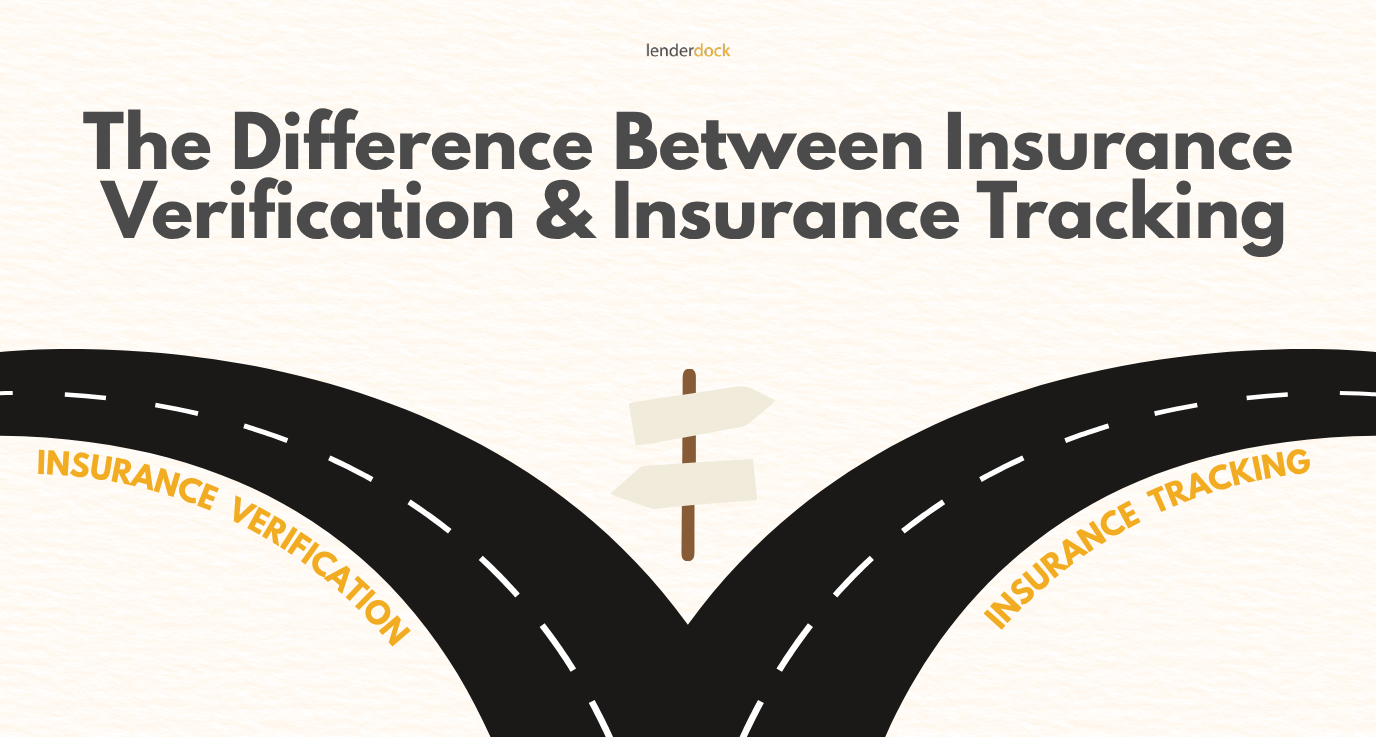
We’ve heard people in mortgage servicing use verification and tracking as if they’re interchangeable, and honestly, for a lot of daily work, treating them that way doesn’t break anything.
Insurance verification is a routine part of the lending and insurance process. A lender needs to know whether a policy is active. A mortgage servicer may need to confirm coverage or mortgagee information. An insurance…
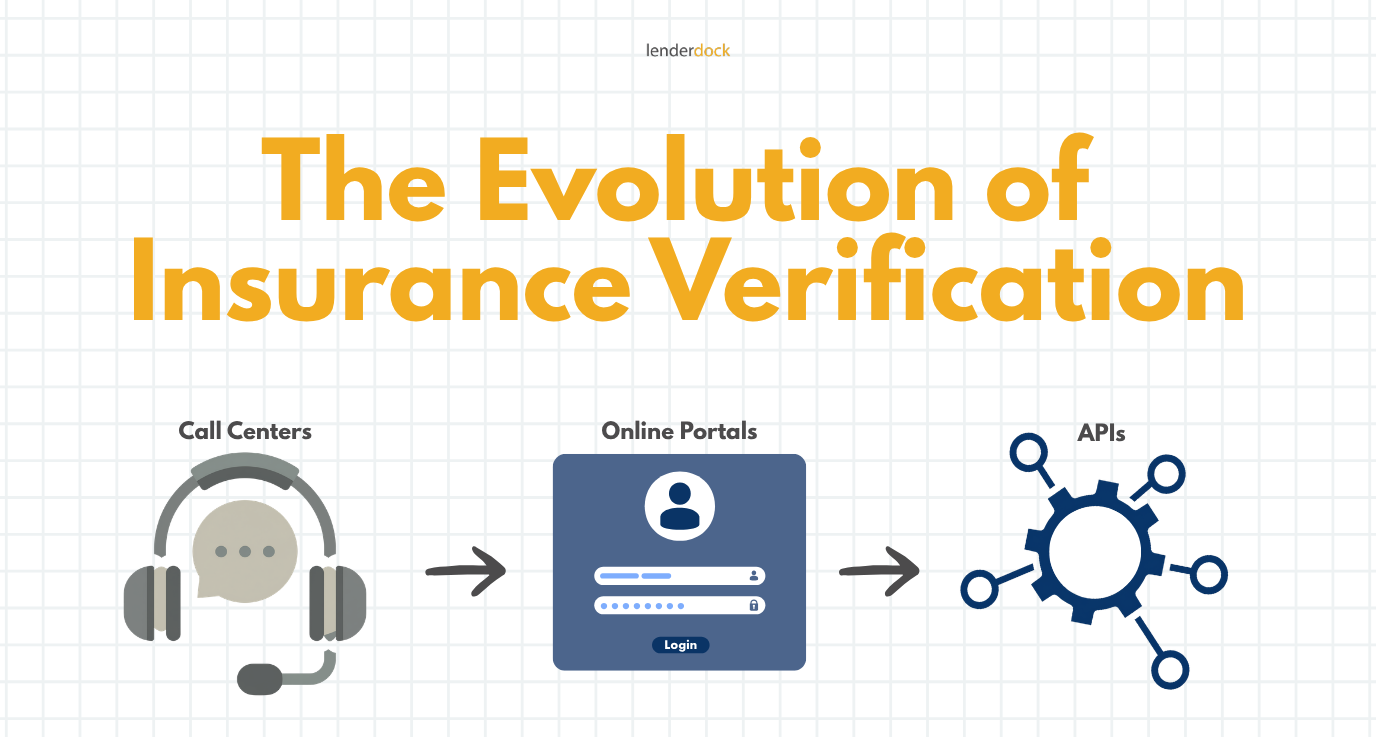
In the earliest version of insurance verification, the person answering the phone actually had to know things. They pulled a physical file, checked handwriting against a ledger, and made a judgment call about whether what…
Two insurers can each have perfectly accurate, well-maintained policy databases and still fail to exchange a single piece of usable data between them.
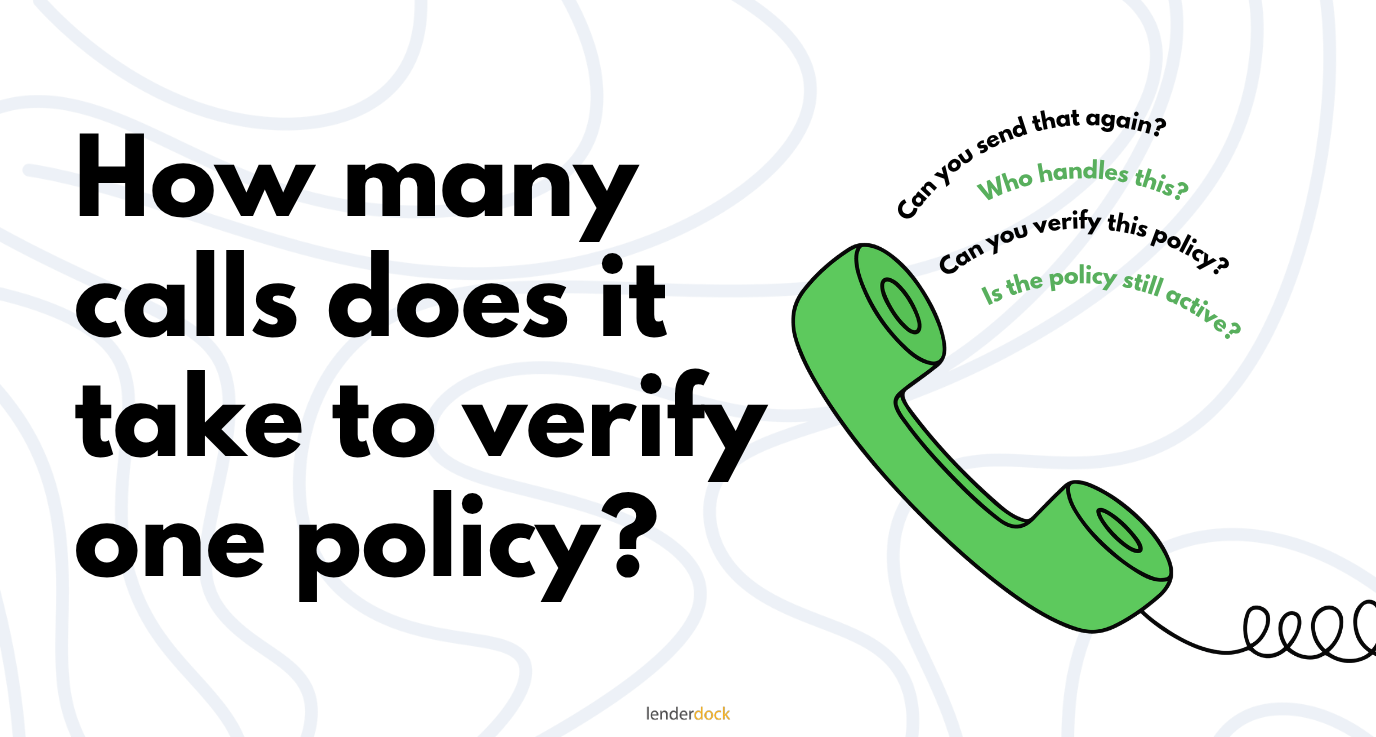
Every single day, insurance workers face a mountain of simple questions. Are they tired of answering the same questions about policy coverage all day long? Yes, they are. When banks or lenders need to check…
A title company closing a home sale needs to confirm the seller’s policy is active before the deal can move. An auto lender needs the same thing before releasing funds on a car loan. A…
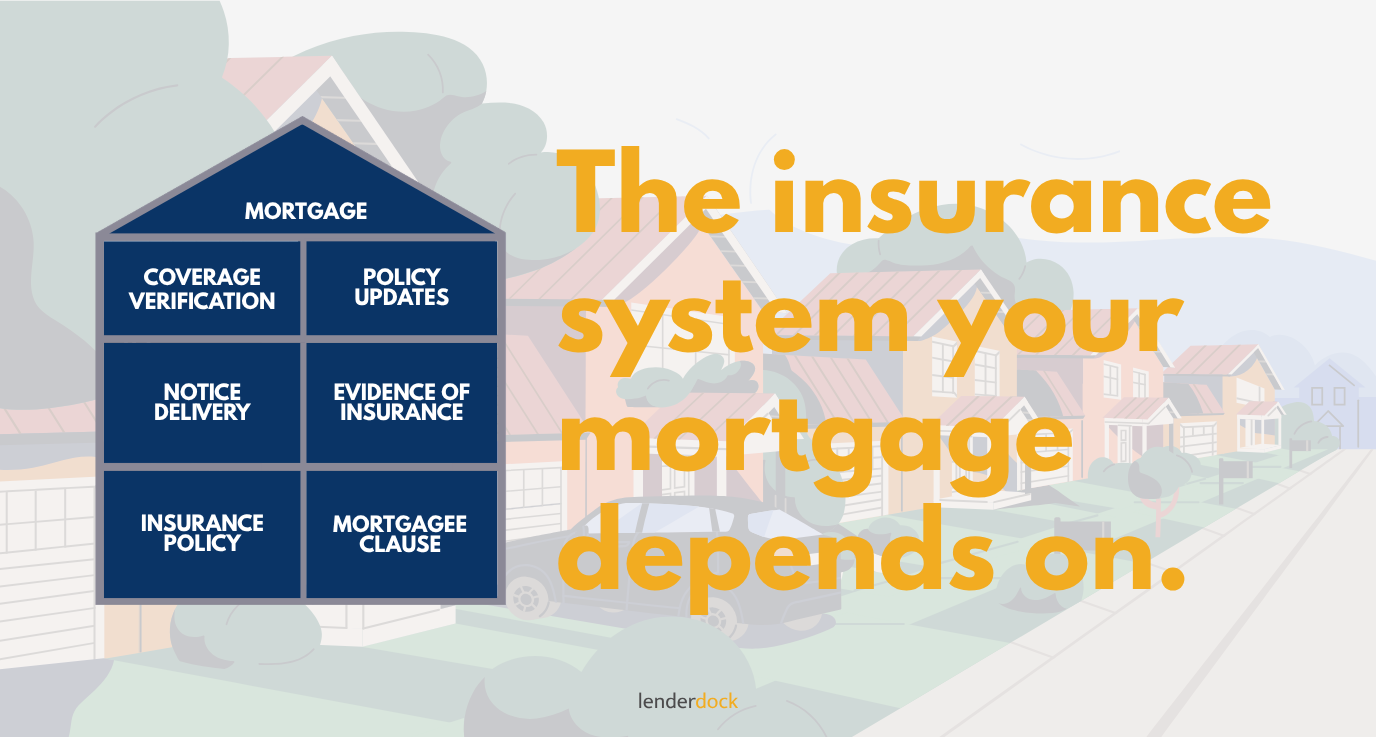
Most people who take out a mortgage never think about insurance as part of the loan itself. It feels adjacent, a separate purchase, something the lender requires but does not really participate in beyond checking…
Mortgagee corrections are a routine part of insurance servicing, but the process behind them is often anything but simple. A lender may find that the mortgagee’s name or address on a policy is out of…


We consectetur adipiscing elit tempor incididunt ut labore. Wondering ipsum dolor sit amet? We consectetur adipiscing ipsum nulla glavrida elit tempor incididunt.