From Policy Change to Action: Why Timing Matters in Insurance
We’ve heard people in mortgage servicing use verification and tracking as if they’re interchangeable, and honestly, for a lot of daily work, treating them that way doesn’t break anything.


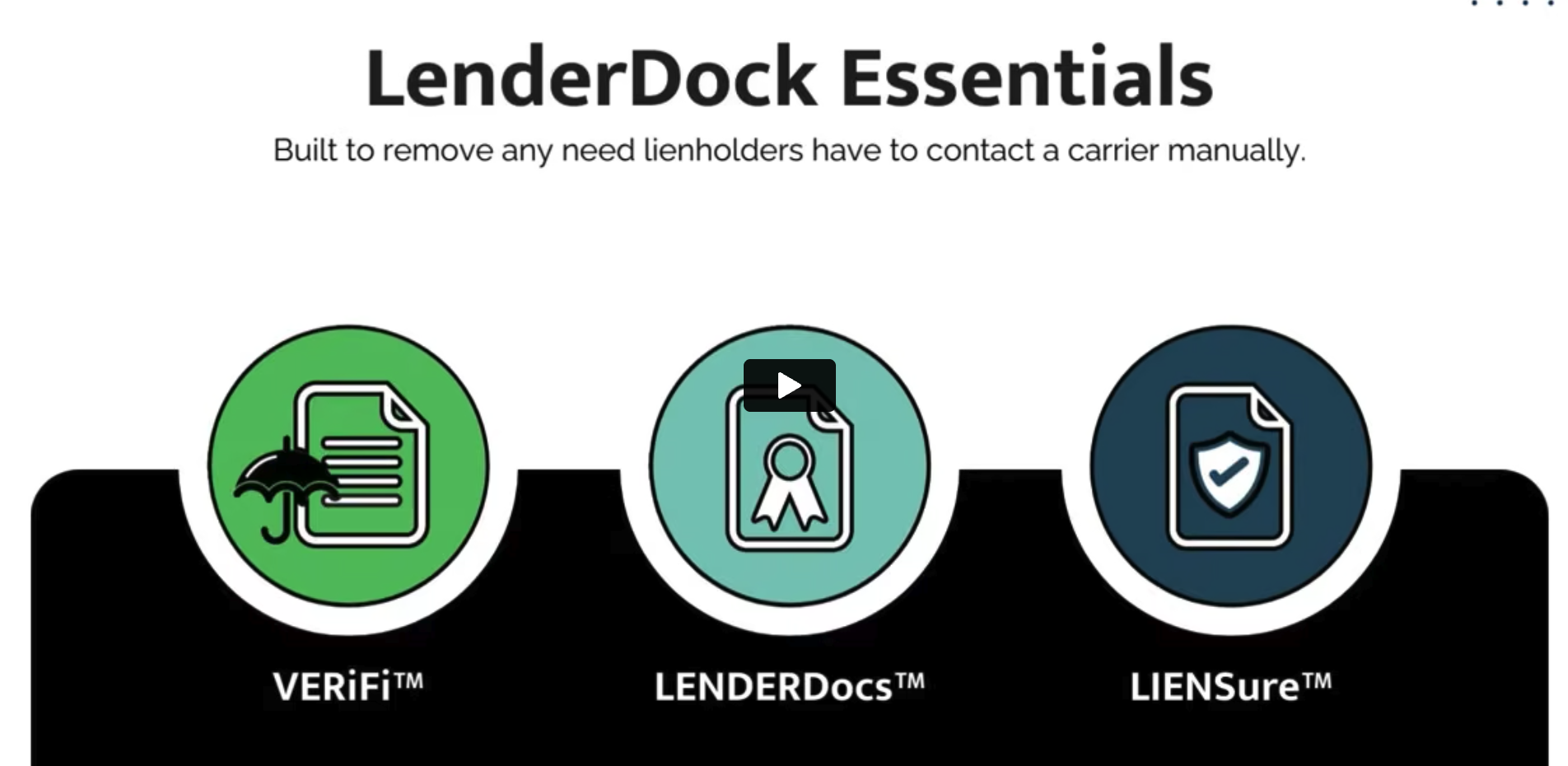
LenderDock provides real-time, insurance policy details through its magical web portal or its APIs.

LIENSure sends corrections digitally, straight from the financial source of truth and in bulk for easy processing.

ESCROWPay verifies what’s actually due before the money moves, then sends the payment and reconciliation data digitally.

NOTiFi delivers required policy, coverage, and billing notices in the formats lienholders actually use
At least check out the genesis of LenderDock Video. It’ll all make sense, the eco-system, that is.
Learn more about our great leadership team and our amazing, people-first, company culture.
There’s a lot going on at LenderDock and in our industries. We threw it all here to make it easier to keep up.
We go to a lot of events and we love to eat. See our calendar of where we’ll be.
New webinars will be coming quite frequently. Educational, success, and sales.
As the insurance sector enters the Insurtech 2.0 age, carriers need to create a flexible, innovative business environment.
As more and more consumers become tech-savvy, the insurance sector has witnessed a shift in consumer preference toward self-service portals. Over the course of the last five years, the percentage of claims processed digitally through automated processing and through mobile apps has climbed from single digits to 55%.
Insurance firms are faced with an evolving trend that requires them to retain personal engagement with clients during crucial moments while optimizing the benefits of digital tools. In addition to facilitating their workflows, digital solutions enable insurance agents to enhance their client experience services.
To meet customer expectations as the insurance industry enters the era of Insurtech 2.0, a journey driven by digital experiences, insurers should construct a strong digital system, make use of cutting-edge capabilities from ecosystem partners, and optimize their distribution channels.
Embrace digital platforms for investment
Using digital platforms, insurers may improve accessibility and convenience by enabling customers to purchase, renew, and manage their policies online. The Gen Z and millennial populations are accustomed to this kind of frictionless, user-friendly, and streamlined service from their insurers. Gen Z, who are digital natives with 95% of them possessing mobile devices, exhibit tech savvy in how they interact with insurers and buy plans.
With a templated approach to allow varying degrees of customization, low-code and no-code solutions on the backend of these platforms are accelerating the delivery of digital apps for insurers. Companies can create customized platforms by simply dragging and dropping the features they require to meet different needs.
Collaborate with pioneers in the Insurtech ecosystem
Insurtech ecosystem partners have caused a major upheaval in the insurance industry by bringing their creative and agile digital-first solutions into fundamental systems to meet changing client expectations. Insurtech platforms, for instance, facilitate the easy access, integration, and analysis of data across many business lines by insurers through their data analytics capabilities.
Precision in risk assessment and management for properties is made possible by geospatial data, while actionable insights are unlocked and improved emergency management and decision-making are facilitated by radar and satellite data.
A further illustration would be the expanding use of embedded insurance. In response to the growing gig economy, some businesses are providing insurance to drivers via meal delivery apps so they can reach their clients wherever they are. Consumers’ daily lives are impacted by the use case. Over 30 percent of insurance transactions will take place through embedded channels in the next five years.
In addition to improving customer satisfaction, insurers can open new growth potential by partnering with insurtech businesses in ways that benefit both parties.
Enhance traditional distribution channels using digital technology
By utilizing digital tools, insurers may improve their current distribution channels and enable agents and brokers to provide noticeably better client service. Online quoting and policy binding is one such tool that helps insurers stay efficient even as they transition to the self-service model.
Simplified communication between clients, brokers, and agents is made possible by digital tools, which enhances customer satisfaction and may even raise retention rates. Insurance companies that provide digital tools to their intermediaries are better positioned to hold onto their market edge.
Anticipating the future
Older customer generations won’t be left behind in the shift to digital self-service. To help customers navigate this new digital self-service paradigm, insurers must offer customer education and support. They also need to place staff members in the best possible positions to assist those customers who need to speak with an expert.
Insurers may contribute to the development of an innovative and adaptable insurance market as digital transformation progresses and cutting-edge technologies such as generative AI gain traction. Digital tools enhance the human element of insurance by comprehending the needs of policyholders and offering customized coverage, creating an experience that is streamlined and motivated by empathy.
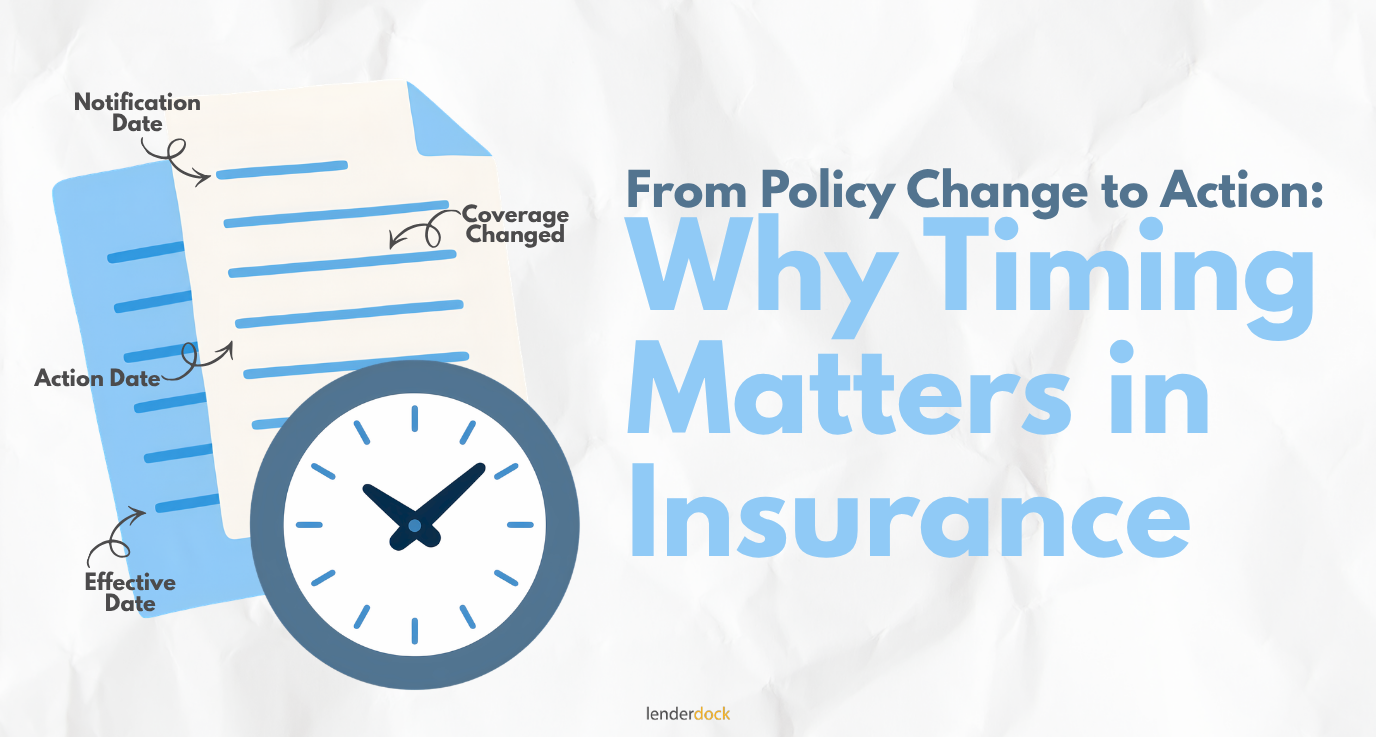
We’ve heard people in mortgage servicing use verification and tracking as if they’re interchangeable, and honestly, for a lot of daily work, treating them that way doesn’t break anything.
A two-day lag between a policy change and everyone finding out about it used to be annoying, not dangerous. Someone made a call, waited, got an answer, and moved on with their day.

We’ve heard people in mortgage servicing use verification and tracking as if they’re interchangeable, and honestly, for a lot of daily work, treating them that way doesn’t break anything.
Insurance verification is a routine part of the lending and insurance process. A lender needs to know whether a policy is active. A mortgage servicer may need to confirm coverage or mortgagee information. An insurance…
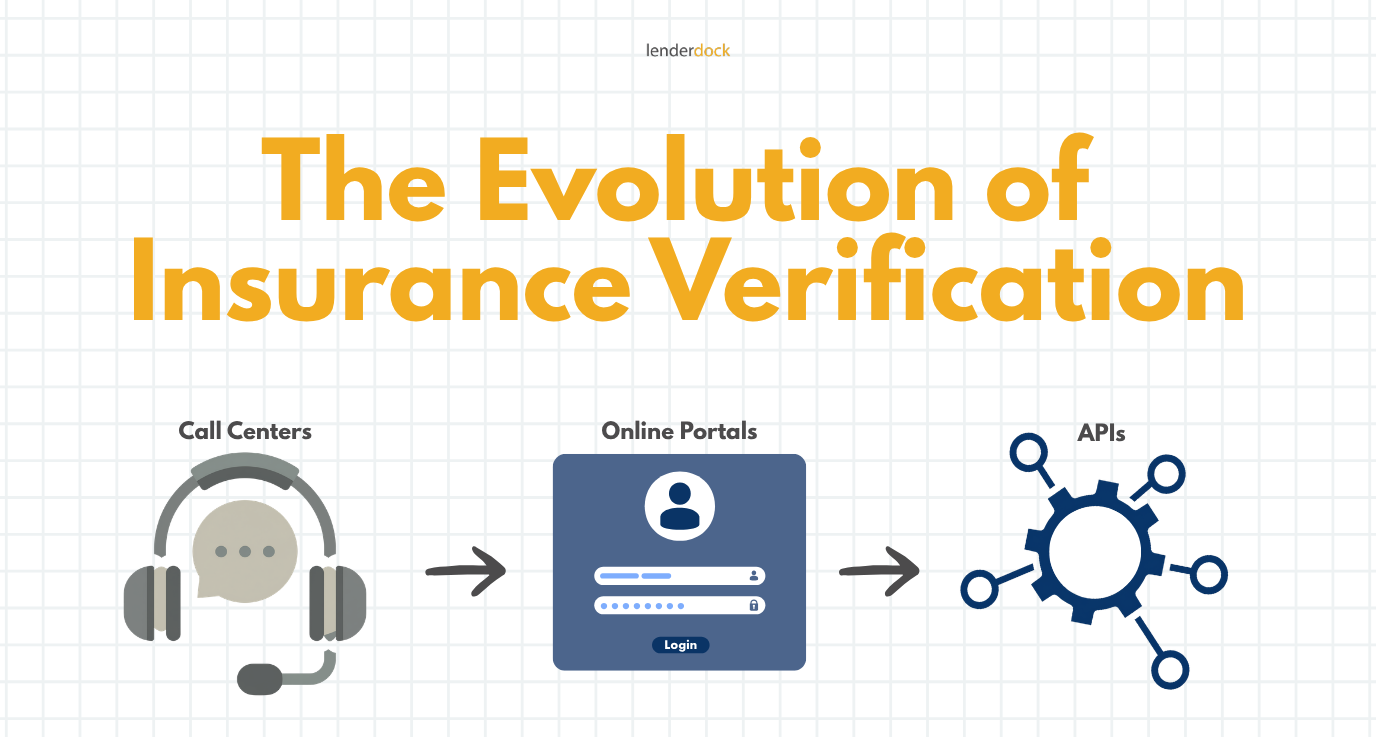
In the earliest version of insurance verification, the person answering the phone actually had to know things. They pulled a physical file, checked handwriting against a ledger, and made a judgment call about whether what…
Two insurers can each have perfectly accurate, well-maintained policy databases and still fail to exchange a single piece of usable data between them.
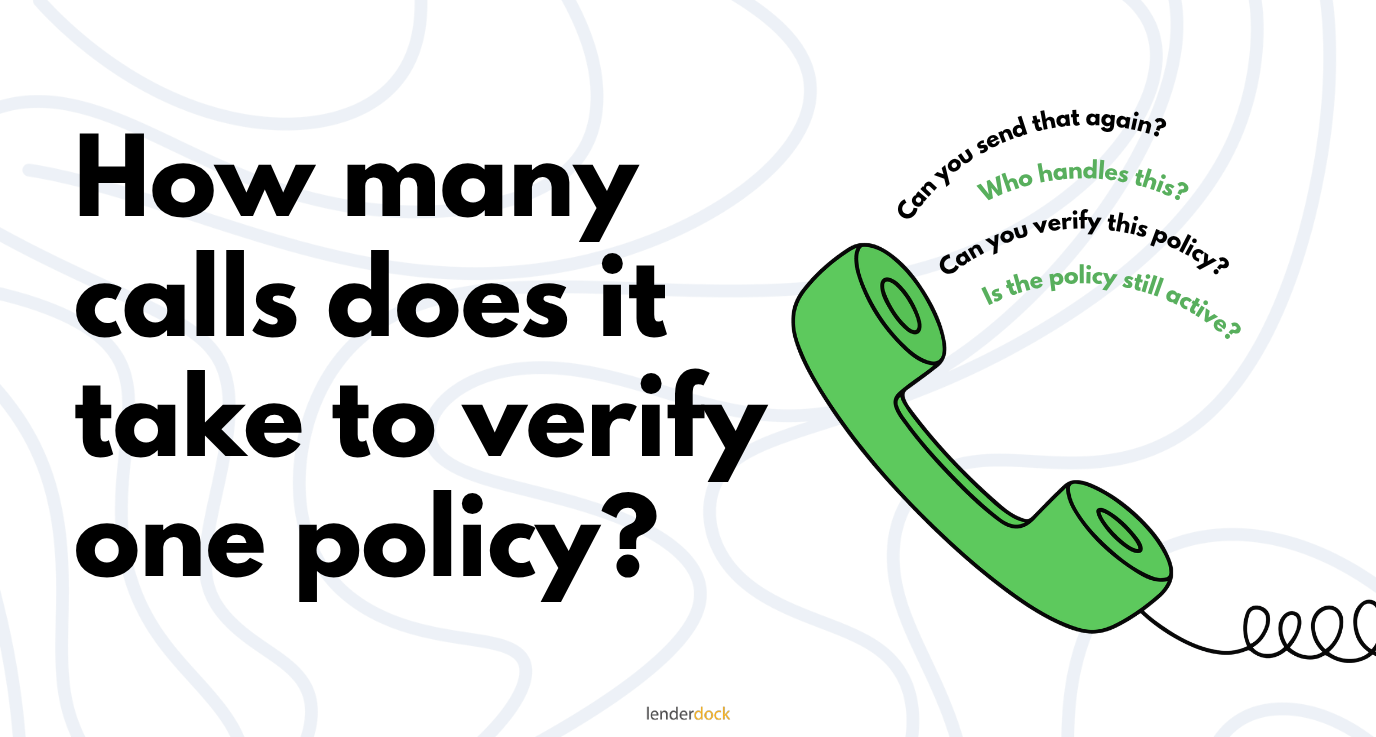
Every single day, insurance workers face a mountain of simple questions. Are they tired of answering the same questions about policy coverage all day long? Yes, they are. When banks or lenders need to check…
A title company closing a home sale needs to confirm the seller’s policy is active before the deal can move. An auto lender needs the same thing before releasing funds on a car loan. A…
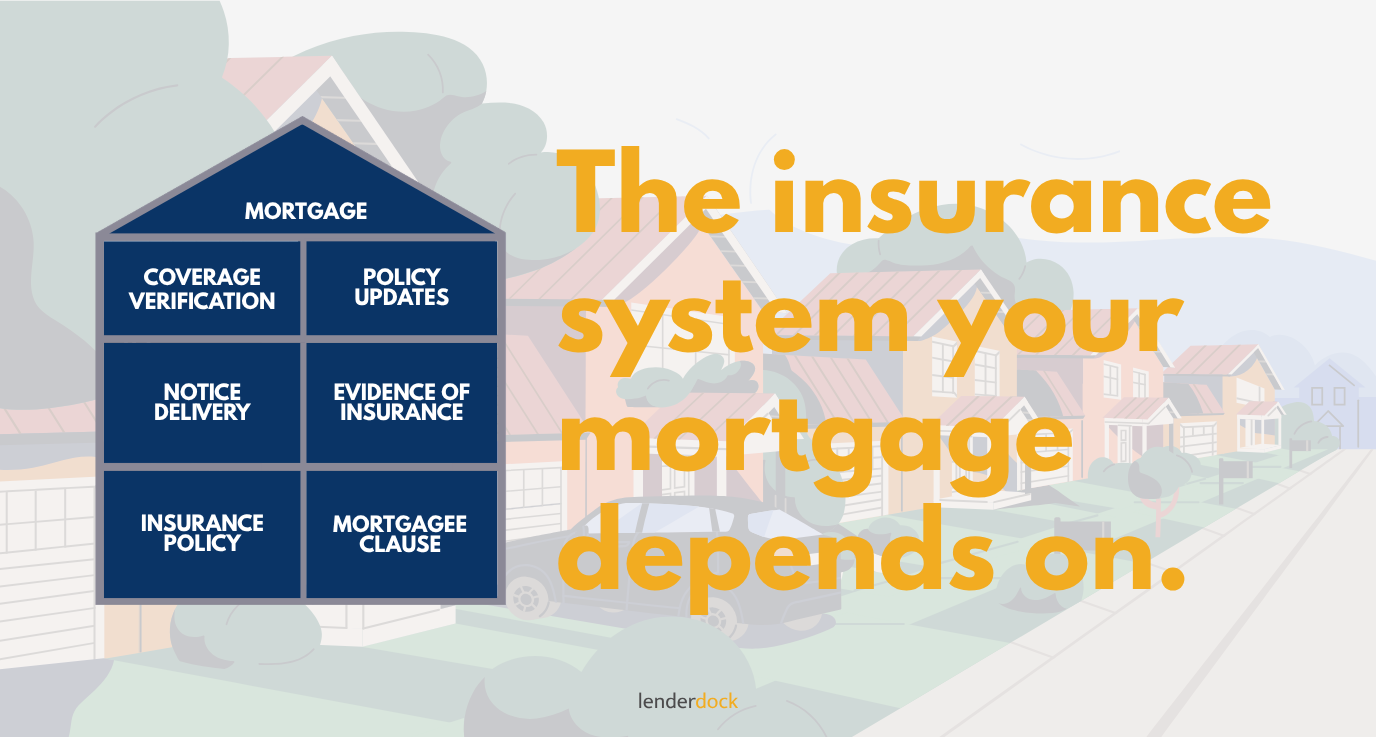
Most people who take out a mortgage never think about insurance as part of the loan itself. It feels adjacent, a separate purchase, something the lender requires but does not really participate in beyond checking…
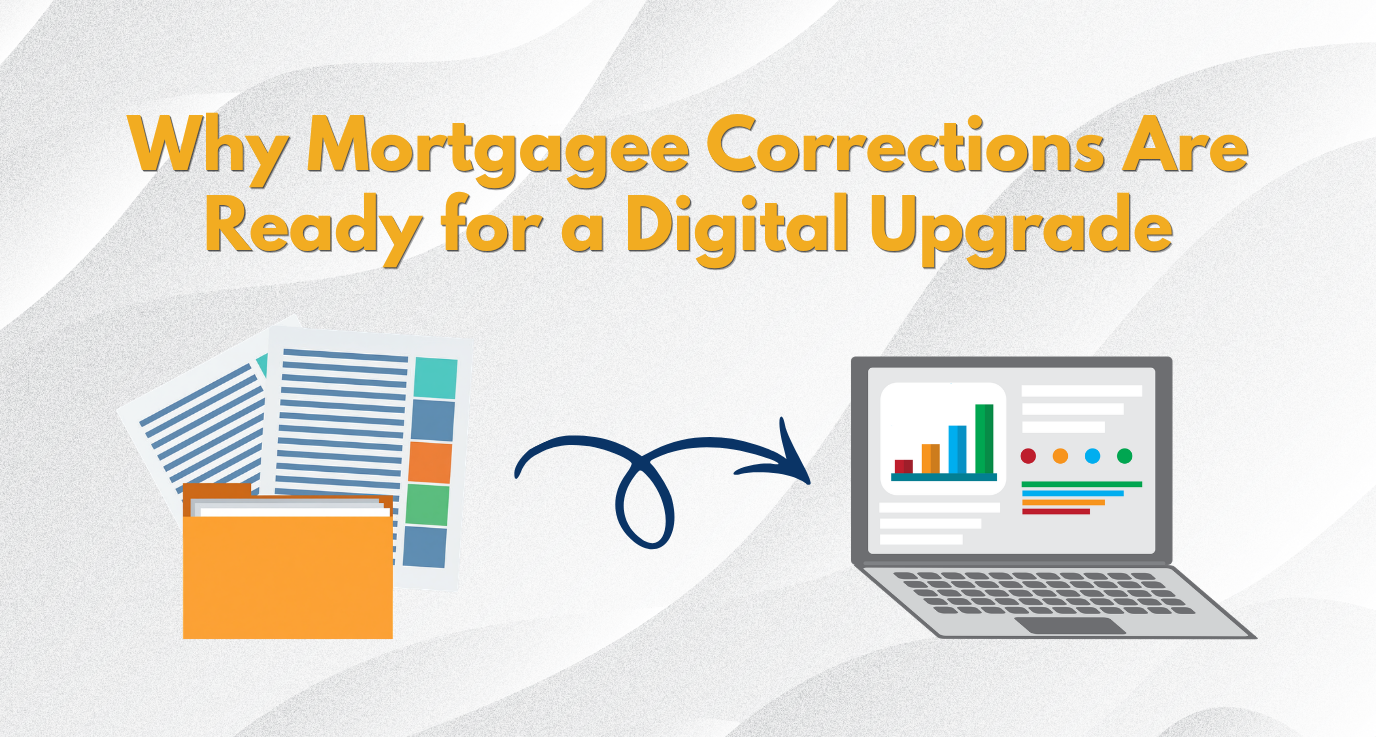
Mortgagee corrections are a routine part of insurance servicing, but the process behind them is often anything but simple. A lender may find that the mortgagee’s name or address on a policy is out of…


We consectetur adipiscing elit tempor incididunt ut labore. Wondering ipsum dolor sit amet? We consectetur adipiscing ipsum nulla glavrida elit tempor incididunt.