From Policy Change to Action: Why Timing Matters in Insurance
We’ve heard people in mortgage servicing use verification and tracking as if they’re interchangeable, and honestly, for a lot of daily work, treating them that way doesn’t break anything.


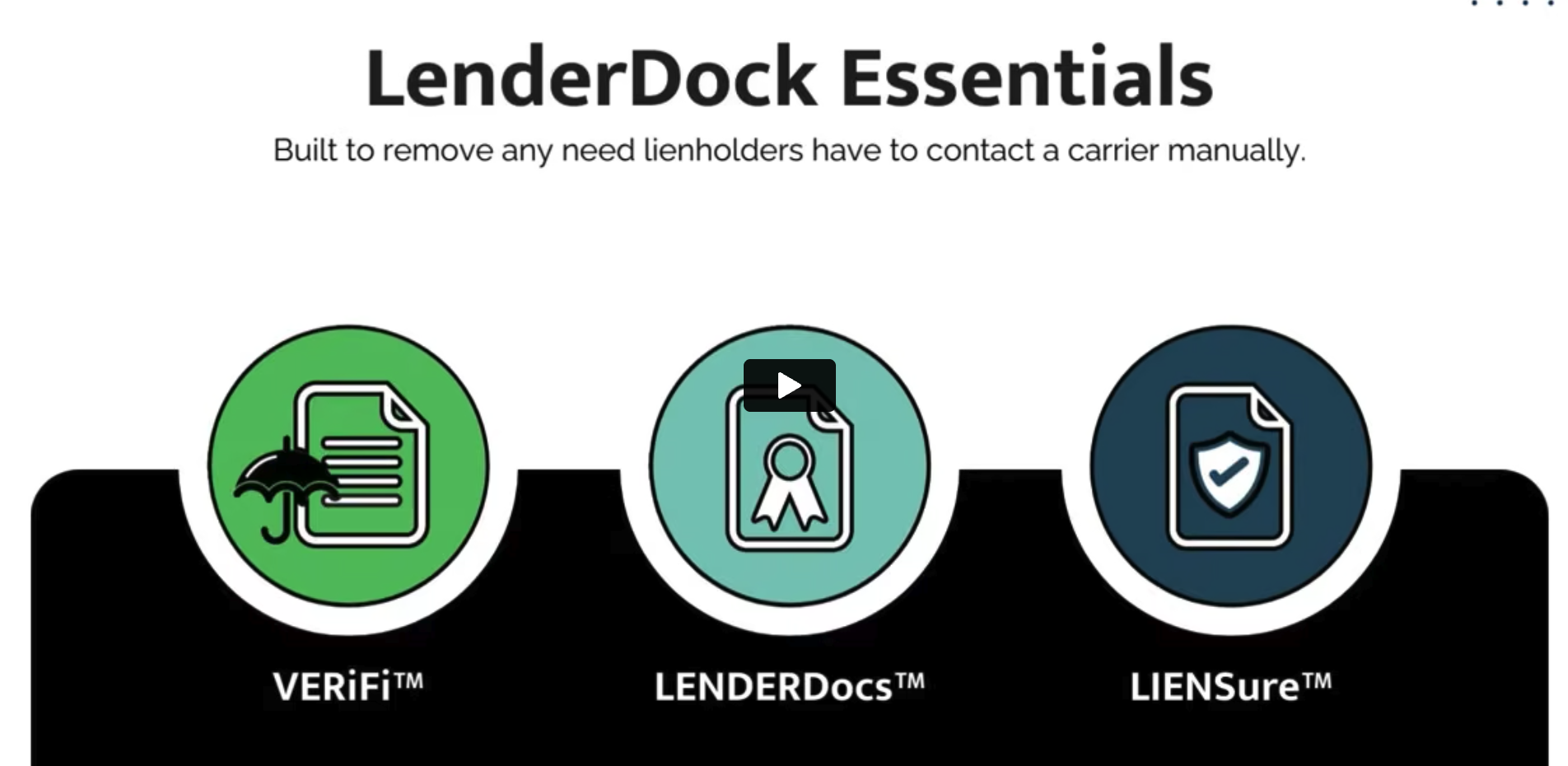
LenderDock provides real-time, insurance policy details through its magical web portal or its APIs.

LIENSure sends corrections digitally, straight from the financial source of truth and in bulk for easy processing.

ESCROWPay verifies what’s actually due before the money moves, then sends the payment and reconciliation data digitally.

NOTiFi delivers required policy, coverage, and billing notices in the formats lienholders actually use
At least check out the genesis of LenderDock Video. It’ll all make sense, the eco-system, that is.
Learn more about our great leadership team and our amazing, people-first, company culture.
There’s a lot going on at LenderDock and in our industries. We threw it all here to make it easier to keep up.
We go to a lot of events and we love to eat. See our calendar of where we’ll be.
New webinars will be coming quite frequently. Educational, success, and sales.
Visualize all the grains of sand on beaches across Earth. It’s a number so big – roughly 2.5 quintillion to be exact – that we can’t imagine it in any meaningful way. But it’s also the amount of data that we generate every single day. That data, hidden in documents or flowing through the internet, is akin to the oil that revolutionized the 20th century; it drives our economies and powers our technological advancements.
And just as oil needed engines to transform raw power into usable energy, data requires analytics to unlock its potential. These analytics, the combustion engine of our era, turn vast, inert numbers into insights that propel us forward, shaping everything from daily decisions to global policies.
The insurance industry is no exception here. Big data and analytics have been fundamentally transforming how policies are priced, risks are assessed, and claims are managed. By harnessing vast amounts of data—from driving records to real-time health monitoring—insurers can tailor policies more precisely to individual risk profiles, enhancing both customer satisfaction and operational efficiency. With this in mind, let’s look at precisely how data and analytics are driving improvements in underwriting.
The challenge for underwriters
Underwriters face the daunting task of accurately assessing and pricing risks in a highly complex and ever-changing world. Traditional methods rely heavily on historical data, and while historical data has worked well enough for a long time, it’s not ideal. It’s far less useful at accurately predicting future risks due to emerging technologies, new medical advancements, and shifting social norms.
For example, how can historical data on human drivers anticipate the challenges and uncertainties presented by the rise of autonomous vehicles? Similarly, advances in genetics and personalized medicine are rapidly changing health profiles, which impacts life and health insurance industries in ways that past data cannot adequately forecast.
Furthermore, the sheer volume and complexity of data now available can overwhelm traditional analytical processes, making it challenging to identify relevant insights quickly and efficiently. These limitations can lead to imprecise risk assessments, mismatched premiums, and ultimately, financial losses.
How underwriters are leveraging big data & analytics today
So, that’s the challenge – historical data alone limits accuracy and efficiency in underwriting, but what’s the solution? You guessed it – big data and advanced analytics. Insurers are leveraging big data to assess a far bigger range of data sources and leveraging AI-driven analytics solutions to turn that data into meaningful insights.
More accurate risk assessment
Insurers can now access vastly more data sources than in the past, including public records (like driving violations and property details), data from connected devices (such as telematics for car insurance and wearables for health insurance), and social media insights. This rich, diverse dataset allows for a more detailed understanding of an applicant’s risk and offers many benefits, including:
Automated underwriting decisions
Big data and analytics go hand in hand with automation. Here, automation and AI are primarily used in decision-making processes for straightforward, low-risk cases. This automation not only speeds up the underwriting process but also allows human underwriters to dedicate more time to complex or unusual cases where personalized attention is crucial. The result is a more efficient overall process with improved turnaround times for customers.
And statistics back this up. A study published in McKinsey found that leading insurers who built advanced data and analytics underwriting solutions saw business premiums increase 10 to 15 percent. They also saw loss ratios improve by three to five points, and retention in profitable segments surge up to 10 percent.
Staggeringly, it’s estimated that with advanced automation (ones that leverage machine learning models), an eye-watering 95% of policies go straight through processing without underwriter involvement. No more waiting weeks for a decision.
Dynamic pricing
Dynamic pricing models allow underwriters to adapt premiums based on a customer’s current behaviors or circumstances. For example, usage-based car insurance policies leverage telematics data to offer a “pay-as-you-drive” model. Premiums are adjusted based on actual driving behaviors, rewarding safe driving and creating financial incentives for risk reduction. This not only makes insurance pricing more personalized but also encourages better behavior among policyholders.
Benefits for underwriters, but benefits for customers too
Here’s the bottom line. Big data and analytics undoubtedly help insurers avoid financial loss. More efficient profiling through data analysis means more time and less human error for underwriters. They can focus on complex cases and customer service, rather than getting bogged down in manual data processing.
However, that’s not to say the benefits lie solely with underwriters. Customers also reap significant advantages. More accurate profiling means fairer pricing for policyholders. Insurers can identify lower-risk individuals quickly and accurately and offer competitive premiums, reflecting their actual risk profile.
And big data also opens the doors for highly personalized coverage. Data allows insurers to offer tailored insurance products that better meet individual needs. For example, a homeowner with a robust security system might qualify for a discount on their property insurance.
Final thoughts
Big data and analytics are no longer a futuristic vision, but the essential tools driving the insurance industry forward. By harnessing the power of vast datasets and sophisticated analytics, insurers can create a win-win situation for both themselves and their customers.
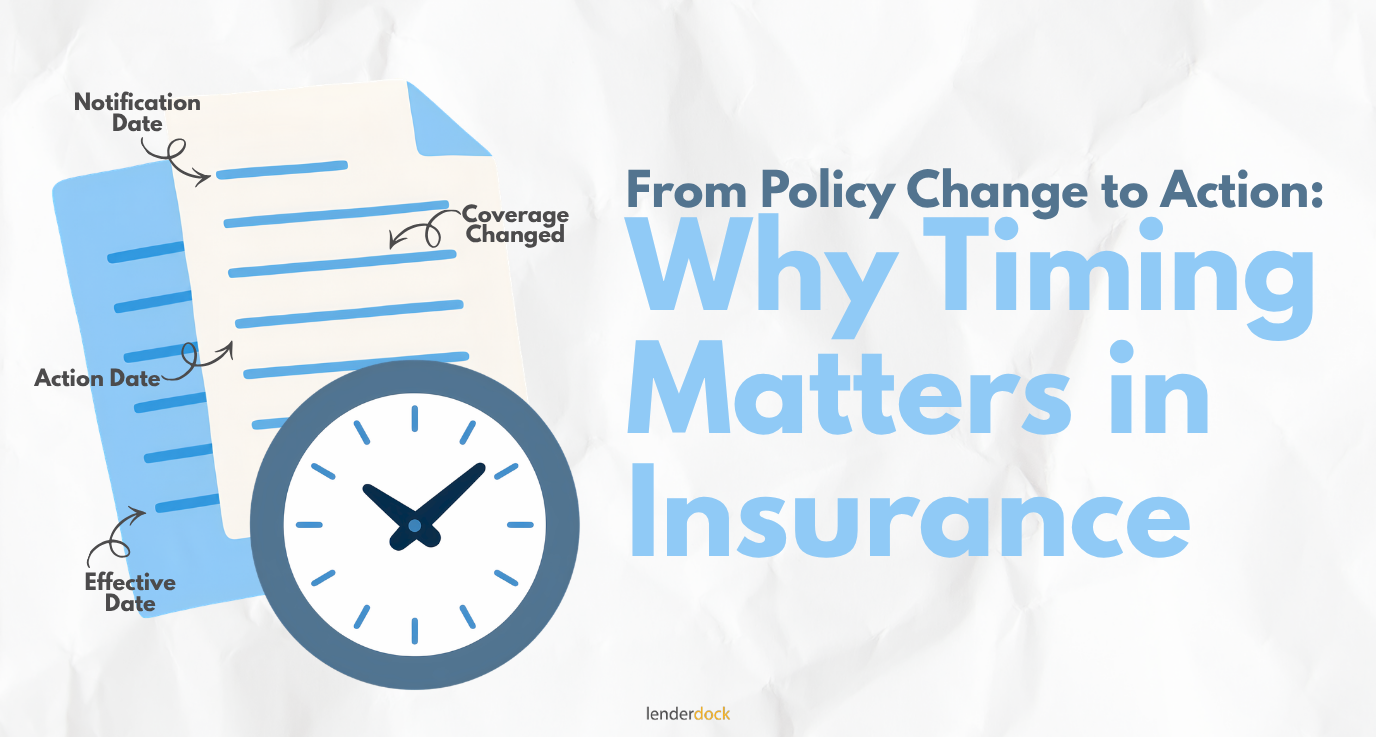
We’ve heard people in mortgage servicing use verification and tracking as if they’re interchangeable, and honestly, for a lot of daily work, treating them that way doesn’t break anything.
A two-day lag between a policy change and everyone finding out about it used to be annoying, not dangerous. Someone made a call, waited, got an answer, and moved on with their day.
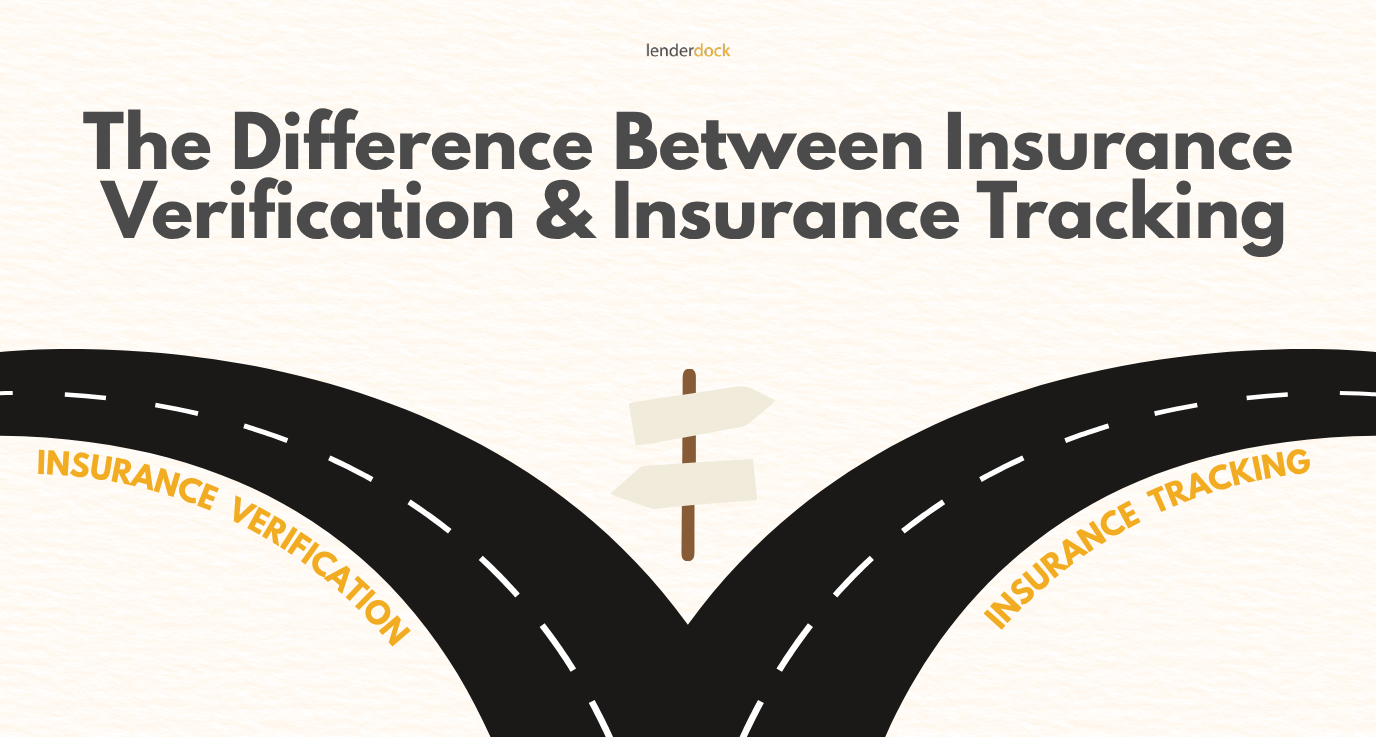
We’ve heard people in mortgage servicing use verification and tracking as if they’re interchangeable, and honestly, for a lot of daily work, treating them that way doesn’t break anything.
Insurance verification is a routine part of the lending and insurance process. A lender needs to know whether a policy is active. A mortgage servicer may need to confirm coverage or mortgagee information. An insurance…
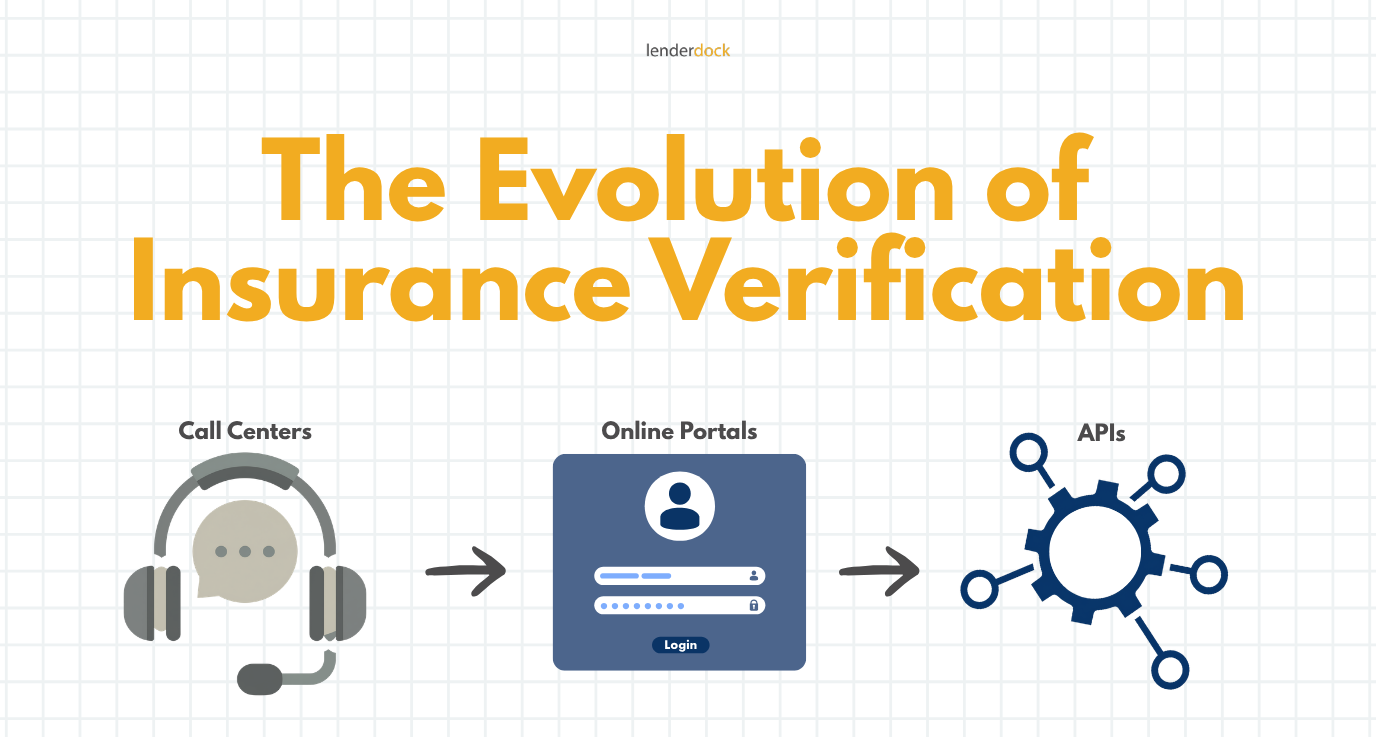
In the earliest version of insurance verification, the person answering the phone actually had to know things. They pulled a physical file, checked handwriting against a ledger, and made a judgment call about whether what…
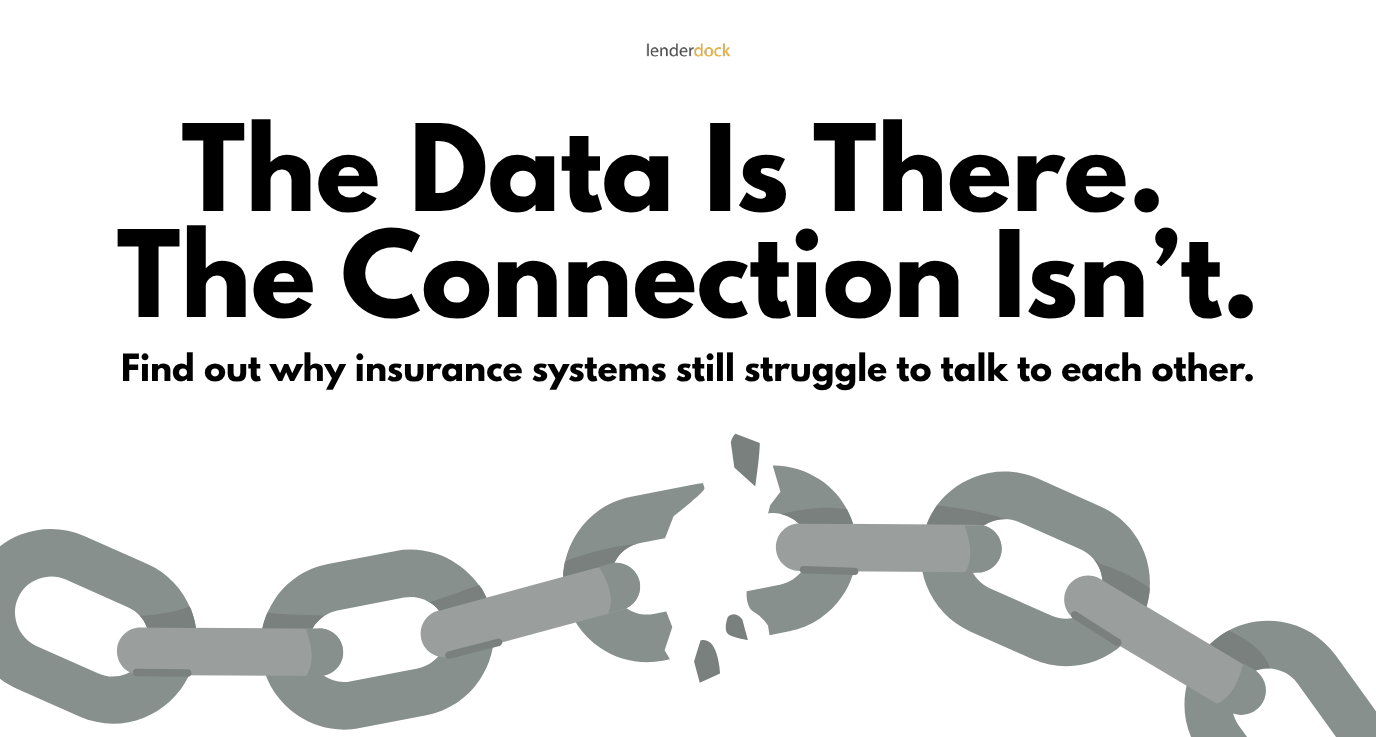
Two insurers can each have perfectly accurate, well-maintained policy databases and still fail to exchange a single piece of usable data between them.
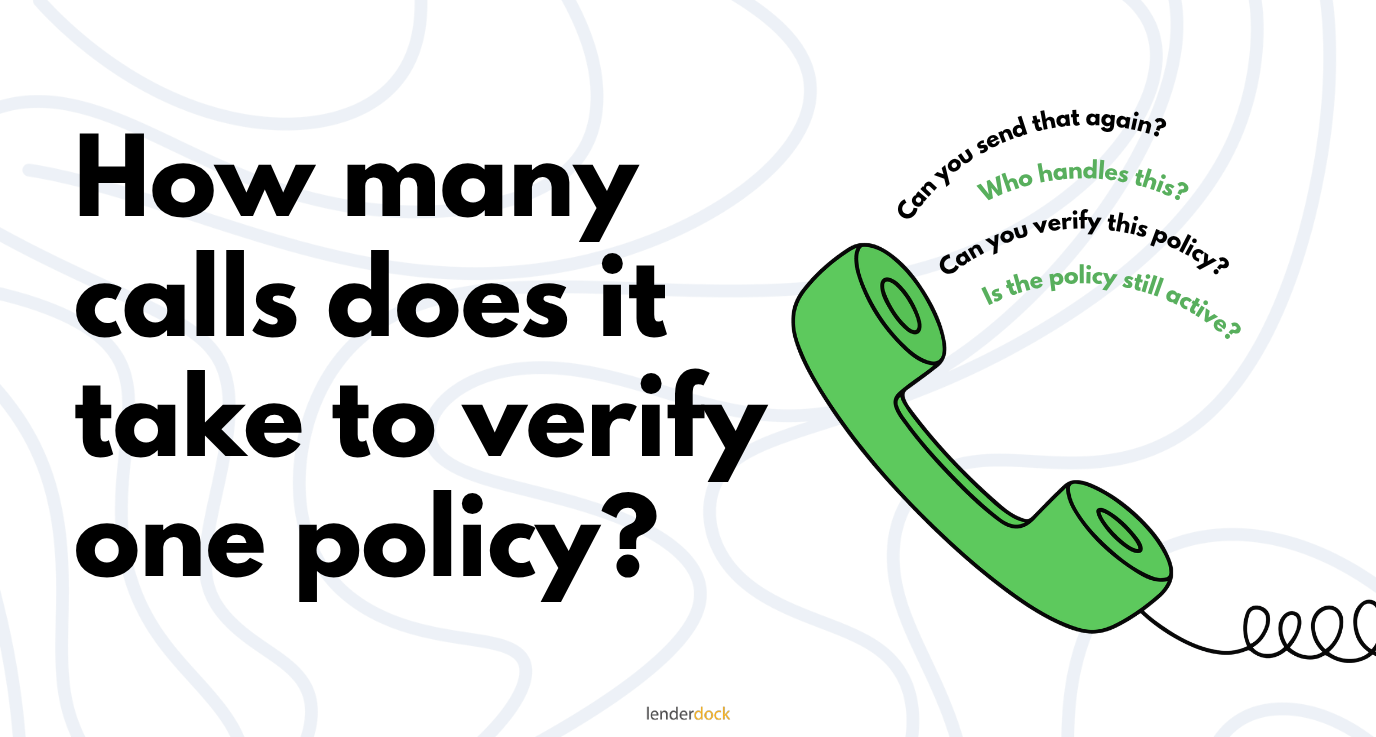
Every single day, insurance workers face a mountain of simple questions. Are they tired of answering the same questions about policy coverage all day long? Yes, they are. When banks or lenders need to check…
A title company closing a home sale needs to confirm the seller’s policy is active before the deal can move. An auto lender needs the same thing before releasing funds on a car loan. A…
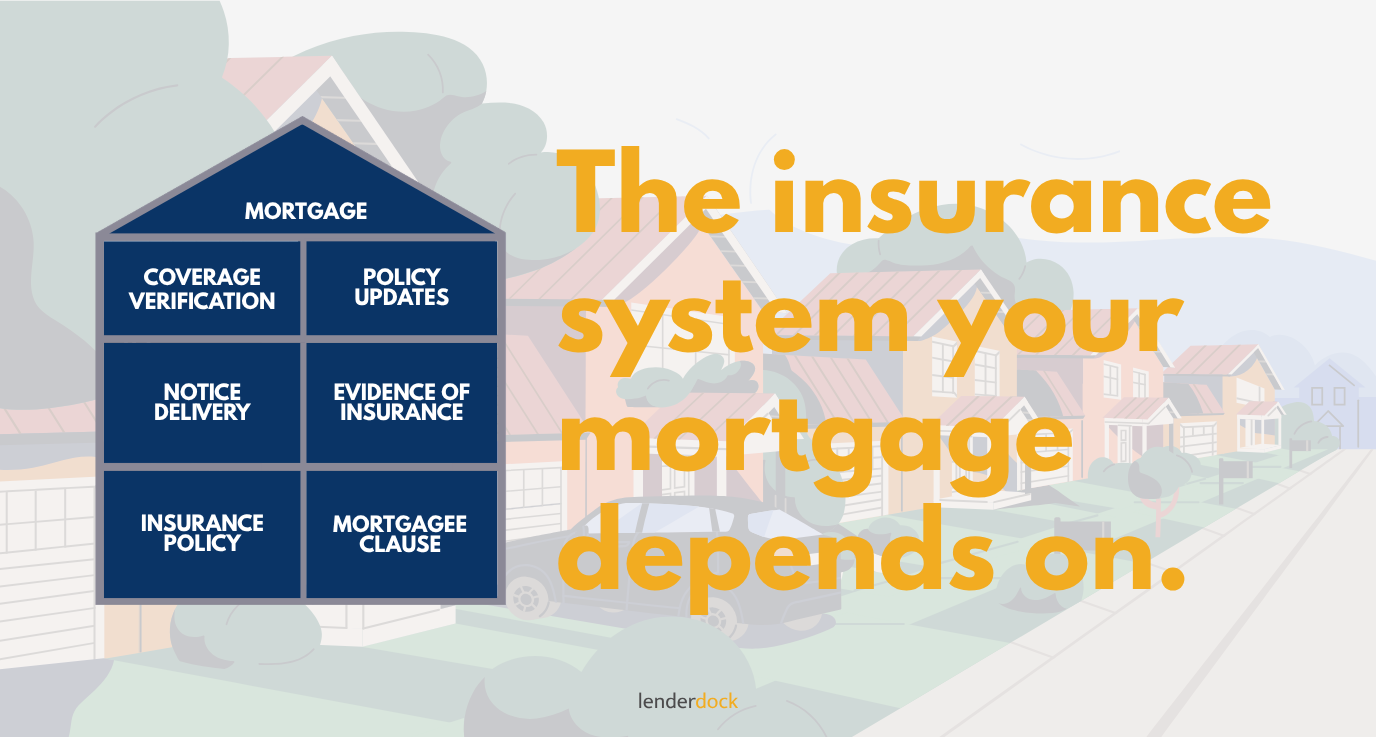
Most people who take out a mortgage never think about insurance as part of the loan itself. It feels adjacent, a separate purchase, something the lender requires but does not really participate in beyond checking…
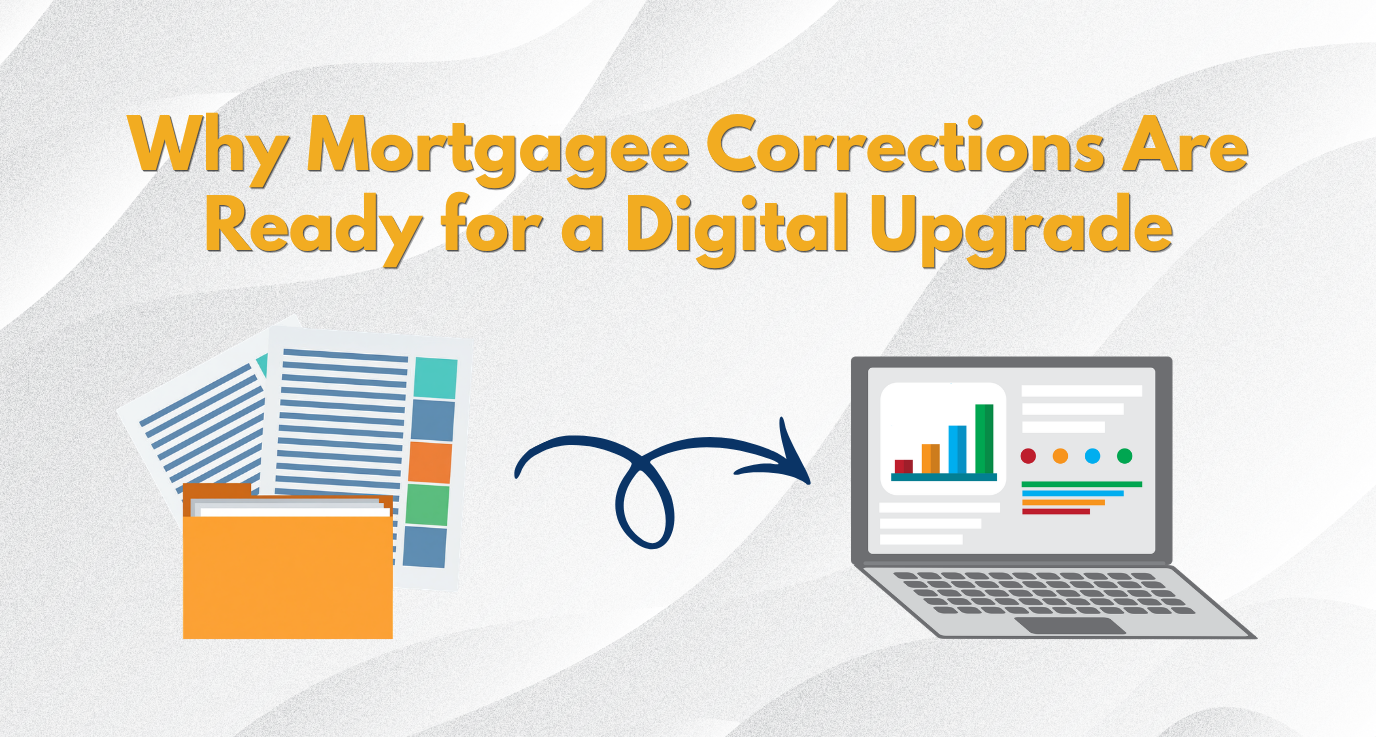
Mortgagee corrections are a routine part of insurance servicing, but the process behind them is often anything but simple. A lender may find that the mortgagee’s name or address on a policy is out of…


We consectetur adipiscing elit tempor incididunt ut labore. Wondering ipsum dolor sit amet? We consectetur adipiscing ipsum nulla glavrida elit tempor incididunt.