From Policy Change to Action: Why Timing Matters in Insurance
We’ve heard people in mortgage servicing use verification and tracking as if they’re interchangeable, and honestly, for a lot of daily work, treating them that way doesn’t break anything.


LenderDock provides real-time, insurance policy details through its magical web portal or its APIs.

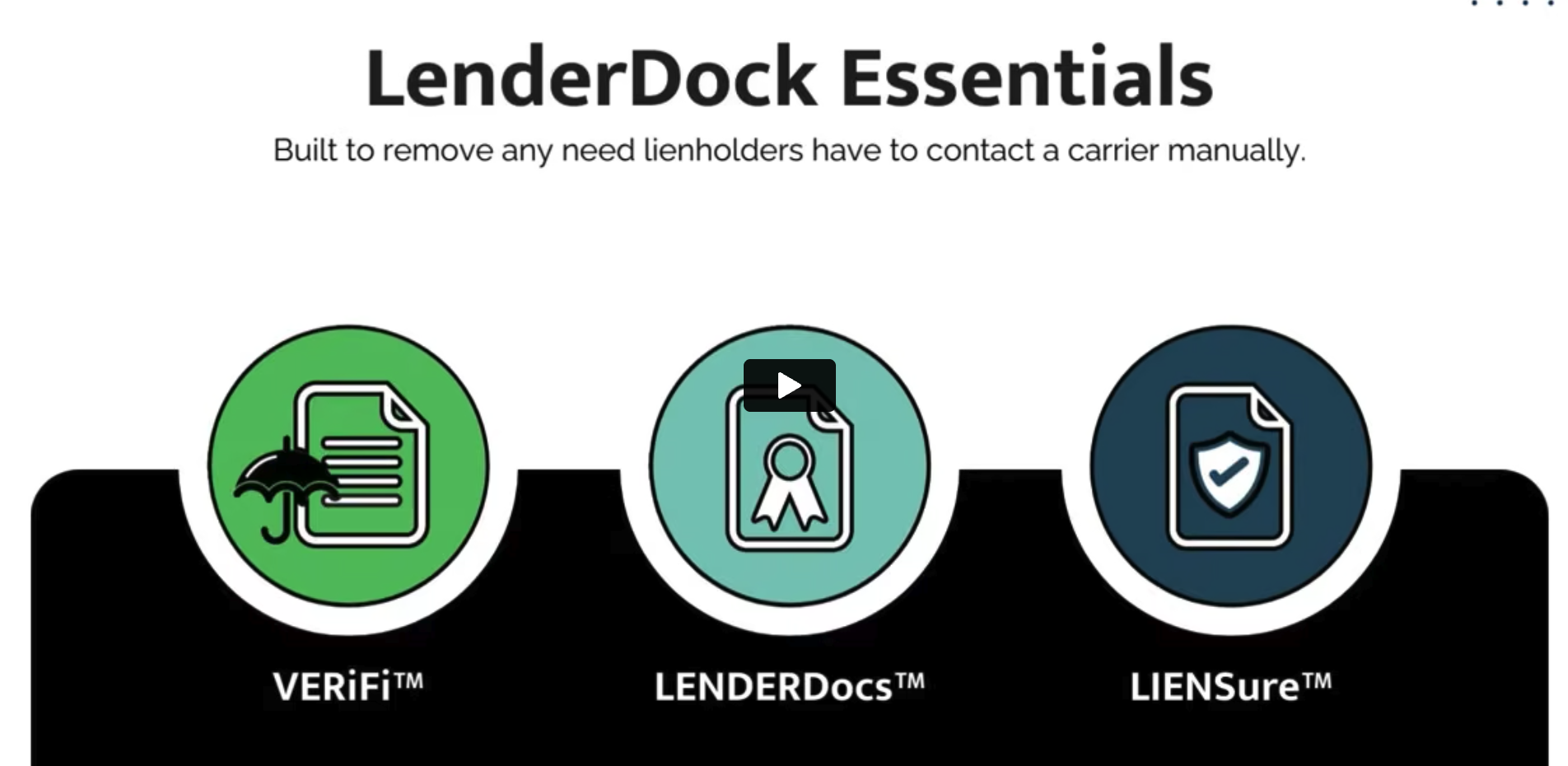
LIENSure sends corrections digitally, straight from the financial source of truth and in bulk for easy processing.

ESCROWPay verifies what’s actually due before the money moves, then sends the payment and reconciliation data digitally.

NOTiFi delivers required policy, coverage, and billing notices in the formats lienholders actually use
At least check out the genesis of LenderDock Video. It’ll all make sense, the eco-system, that is.
Learn more about our great leadership team and our amazing, people-first, company culture.
There’s a lot going on at LenderDock and in our industries. We threw it all here to make it easier to keep up.
We go to a lot of events and we love to eat. See our calendar of where we’ll be.
New webinars will be coming quite frequently. Educational, success, and sales.
Few industries have leveraged data as extensively as insurance.
For decades, insurers have relied on actuarial models, historical claims data, and risk assessments to guide their decisions. But today, advanced analytics, AI, and machine learning have the potential to revolutionize underwriting, claims processing, and customer engagement.
The problem? Implementation is not as easy as it sounds.
From legacy systems and data fragmentation to talent shortages and lack of executive buy-in, insurers face numerous obstacles when trying to leverage advanced analytics. As explored in our previous article, the power of analytics goes far beyond crunching numbers—it shapes smarter decision-making and enhances customer experiences.
However, harnessing this power comes with its own set of challenges. Let’s break down these obstacles and explore how they can be tackled.
1. The Data Dilemma: Volume Without Cohesion
Insurance companies generate and collect enormous amounts of data from various sources: call centers, mobile apps, self-service portals, social media interactions, and even IoT devices in cars and homes. However, having a wealth of data is not the same as having usable data.
One of the biggest challenges is fragmentation—different departments store data in separate systems that don’t communicate well with each other. A claims department may record information differently from the underwriting team, leading to inconsistencies. Without a unified data infrastructure, valuable insights are lost in translation.
2. Legacy Systems: Old Tech Meets New Demands
Many insurance firms operate on outdated legacy systems, some dating back decades. These systems were not designed to support modern analytics tools, making integration difficult. Upgrading to a cloud-based data ecosystem requires a huge investment, both in infrastructure and employee training.
Consider the case of State Farm, which launched a multi-year initiative to modernize its data infrastructure. Despite investing billions and its partnership with Amazon AWS, a cloud computing platform, the transition has been slow due to compatibility issues with existing systems and the challenge of retraining employees to work with AI-driven processes.
3. Translating Insights into Action
One of the most overlooked challenges is the failure to translate analytical insights into actionable business strategies. Many companies invest in predictive modeling but fail to integrate findings into everyday decision-making.
For example, an insurer might develop an AI-driven fraud detection system that identifies suspicious claims. However, if claims adjusters aren’t trained to interpret AI alerts or lack the authority to act on them, the tool becomes useless.
Aside from that, even when the technology and talent are in place, organizational resistance can stall progress. Employees, especially claims adjusters and underwriters, may fear that automation will replace their roles.
The road to implementing advanced analytics in insurance is tough, but not impossible. Here’s how insurers can overcome these hurdles:
Despite these challenges, the shift toward data-driven decision-making in insurance is inevitable. Companies that successfully integrate advanced analytics will gain a competitive edge through faster claims processing, improved risk assessments, and better customer experiences.
By addressing legacy issues, talent shortages, and data governance concerns, insurers can harness the power of analytics and pave the way for a smarter, more efficient industry.
The key lies in not just having data but knowing how to make it work for you.
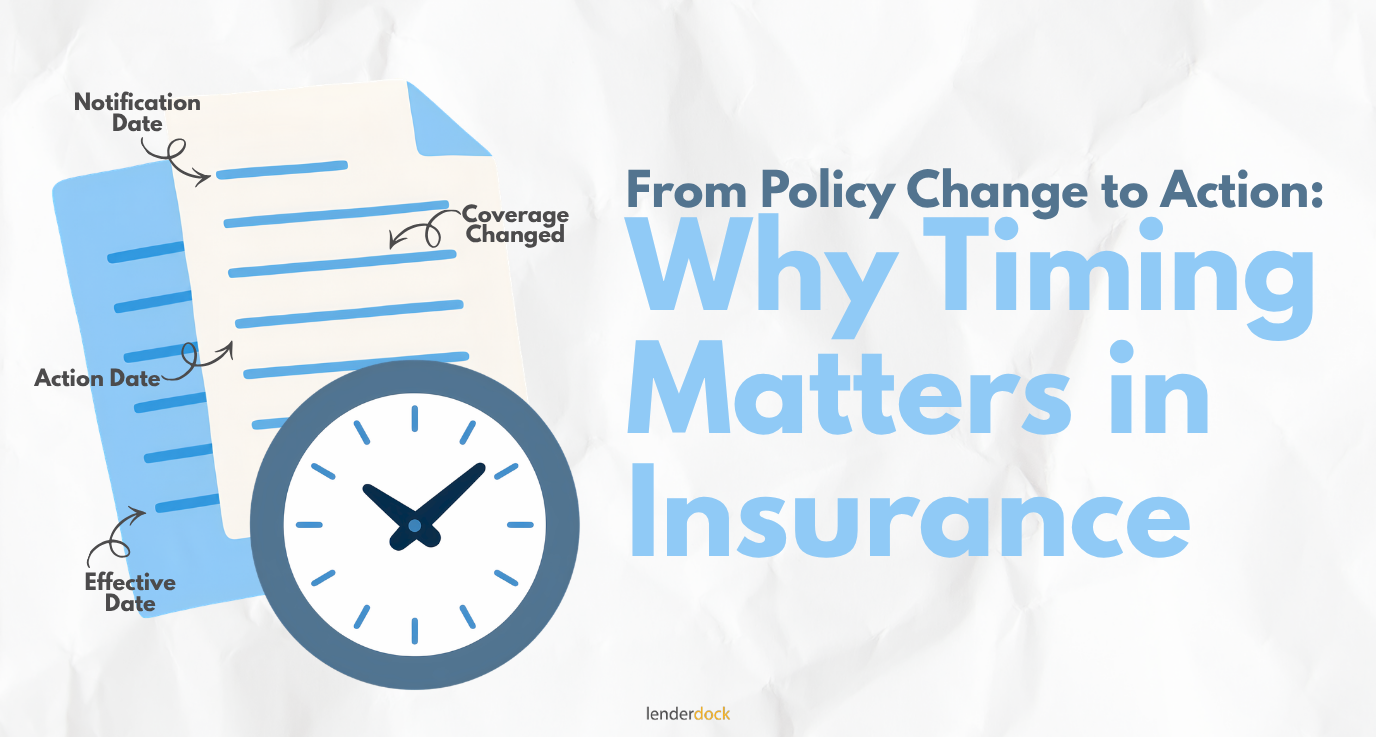
We’ve heard people in mortgage servicing use verification and tracking as if they’re interchangeable, and honestly, for a lot of daily work, treating them that way doesn’t break anything.
A two-day lag between a policy change and everyone finding out about it used to be annoying, not dangerous. Someone made a call, waited, got an answer, and moved on with their day.

We’ve heard people in mortgage servicing use verification and tracking as if they’re interchangeable, and honestly, for a lot of daily work, treating them that way doesn’t break anything.

Insurance verification is a routine part of the lending and insurance process. A lender needs to know whether a policy is active. A mortgage servicer may need to confirm coverage or mortgagee information. An insurance…
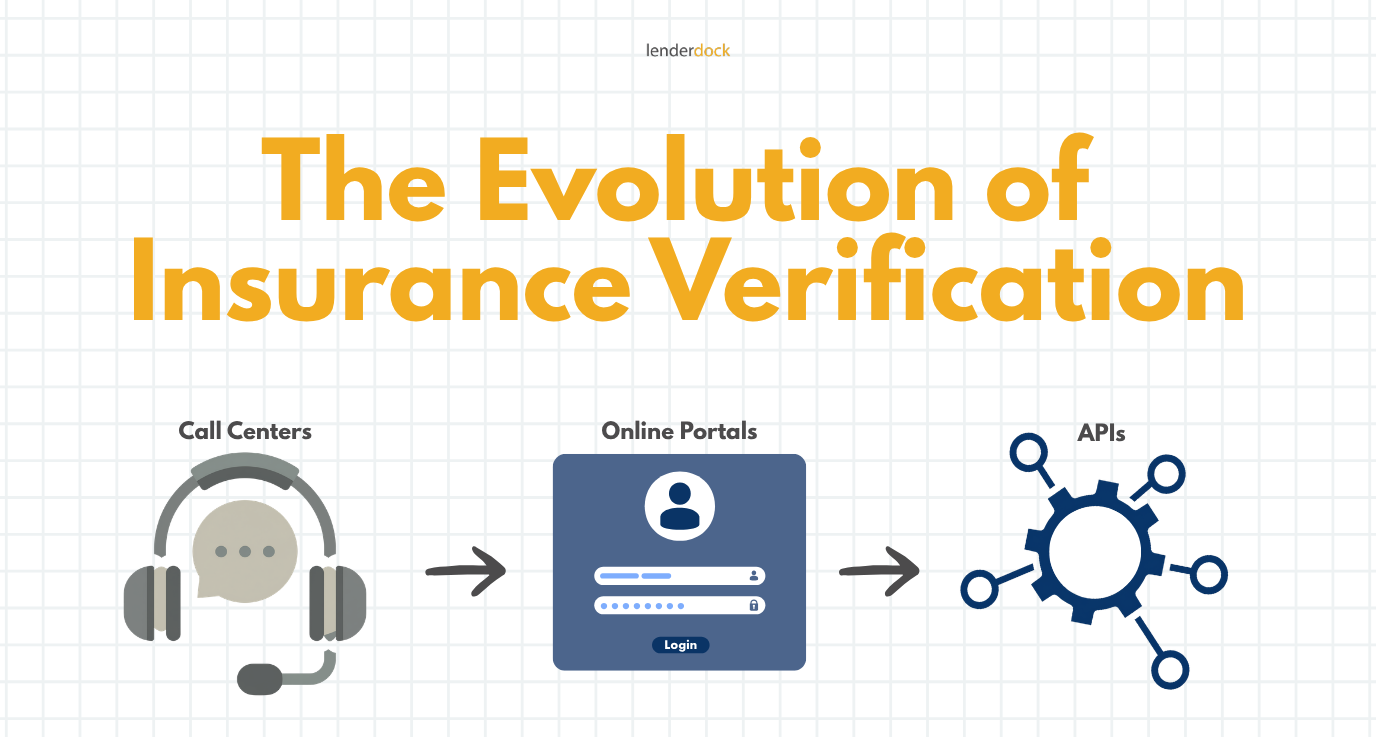
In the earliest version of insurance verification, the person answering the phone actually had to know things. They pulled a physical file, checked handwriting against a ledger, and made a judgment call about whether what…
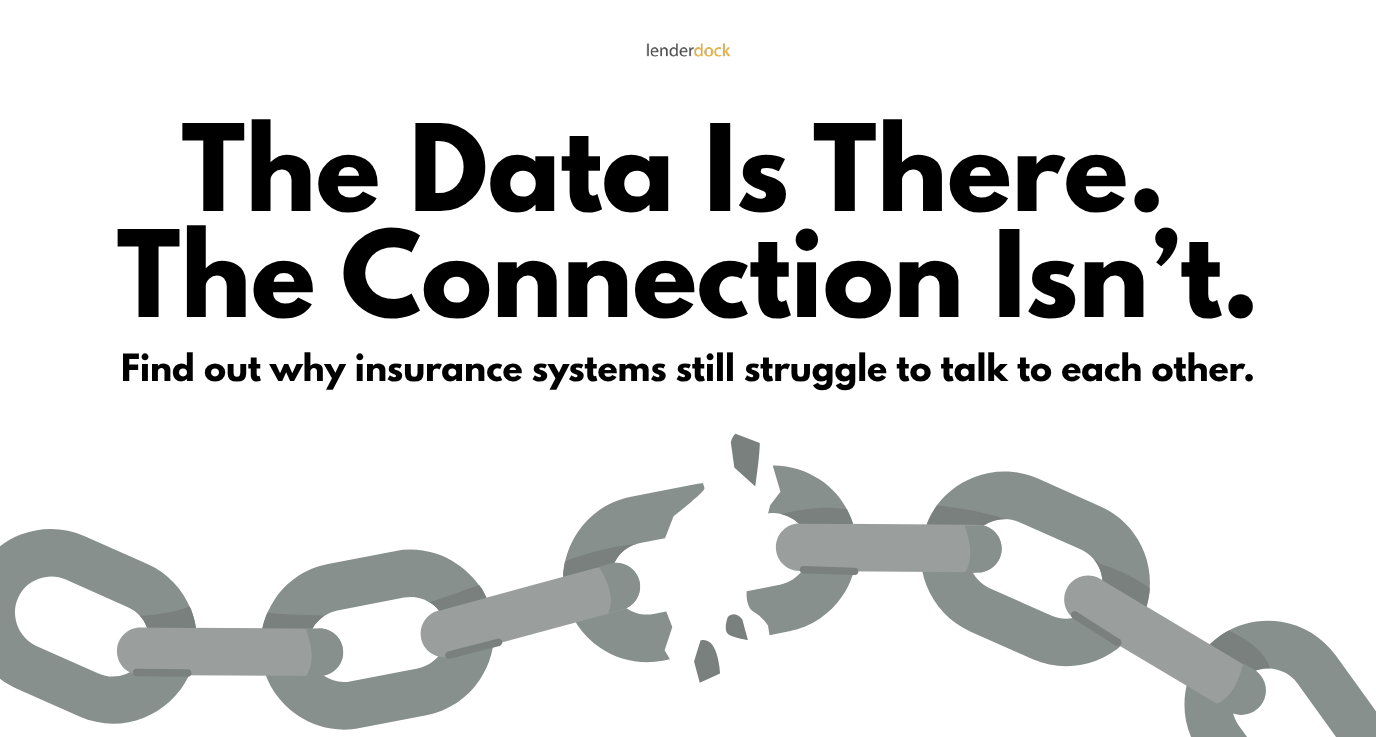
Two insurers can each have perfectly accurate, well-maintained policy databases and still fail to exchange a single piece of usable data between them.
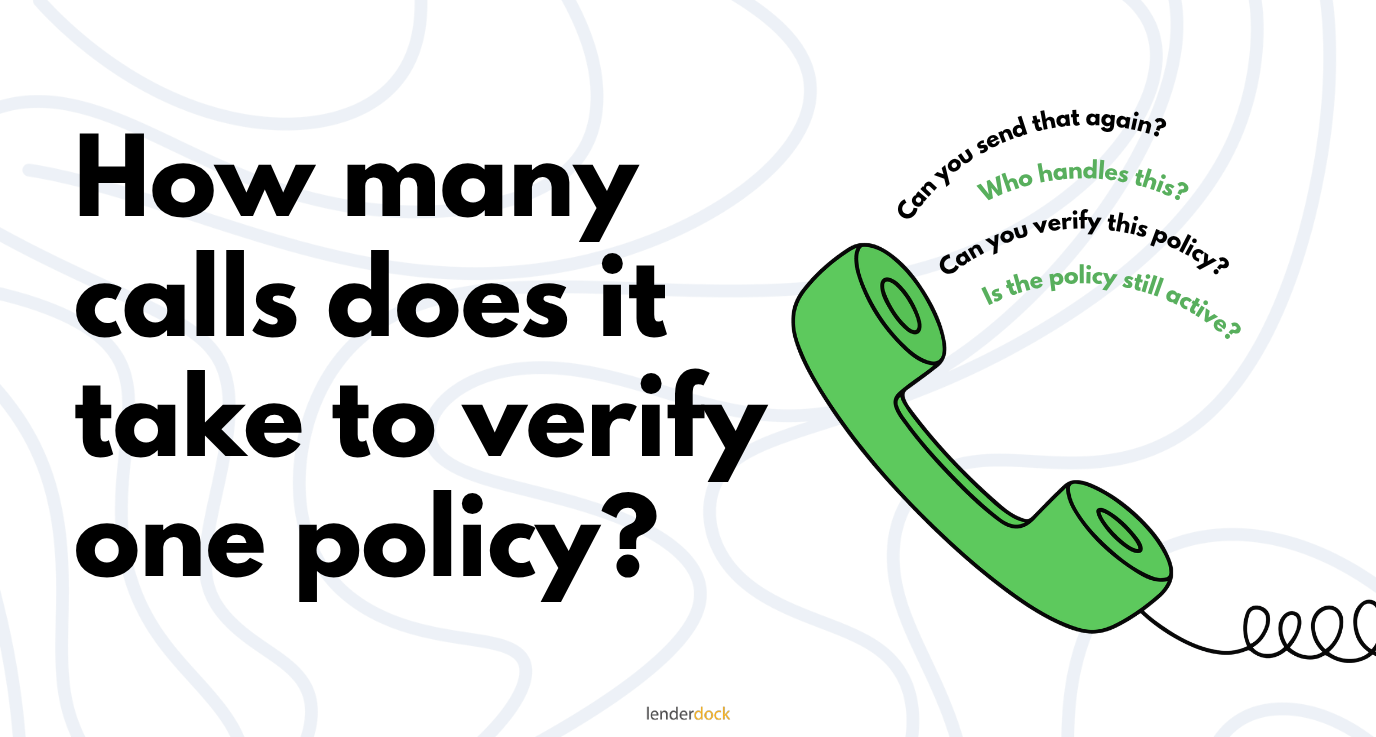
Every single day, insurance workers face a mountain of simple questions. Are they tired of answering the same questions about policy coverage all day long? Yes, they are. When banks or lenders need to check…
A title company closing a home sale needs to confirm the seller’s policy is active before the deal can move. An auto lender needs the same thing before releasing funds on a car loan. A…
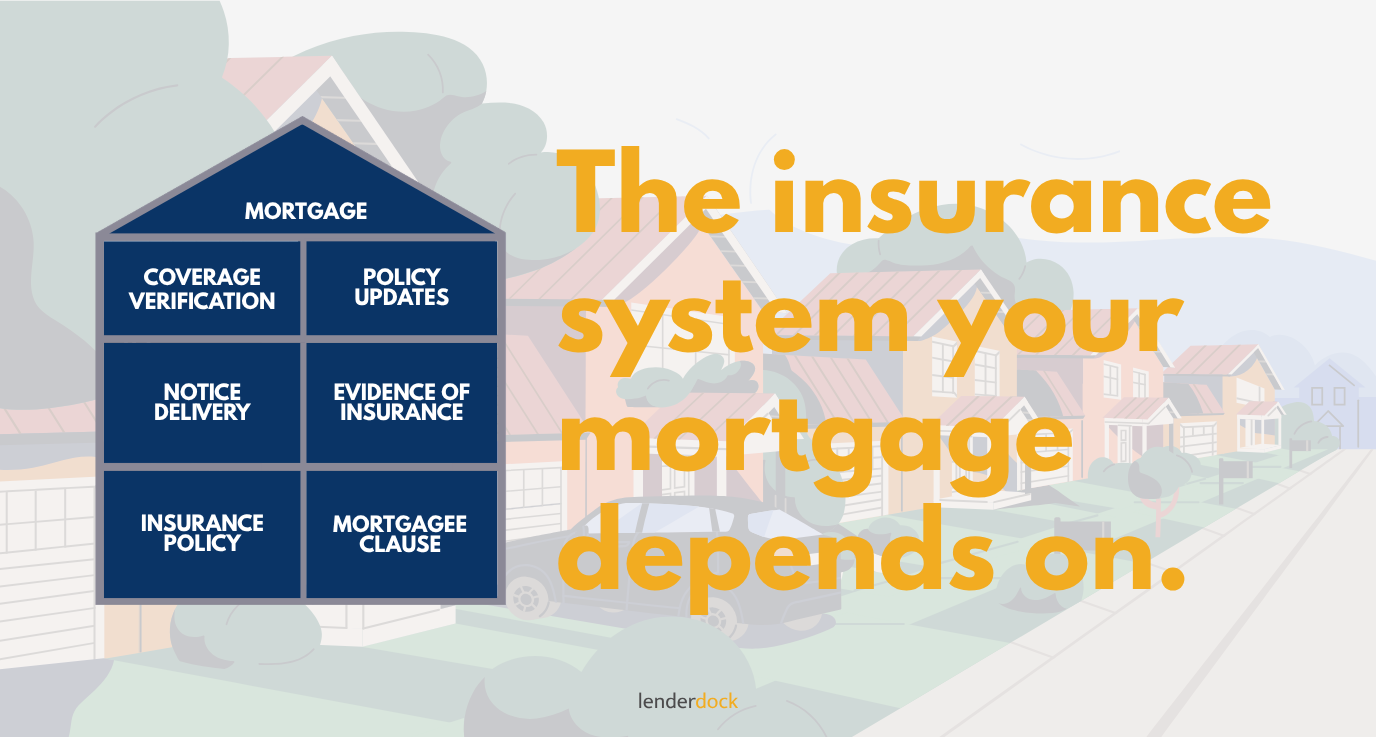
Most people who take out a mortgage never think about insurance as part of the loan itself. It feels adjacent, a separate purchase, something the lender requires but does not really participate in beyond checking…
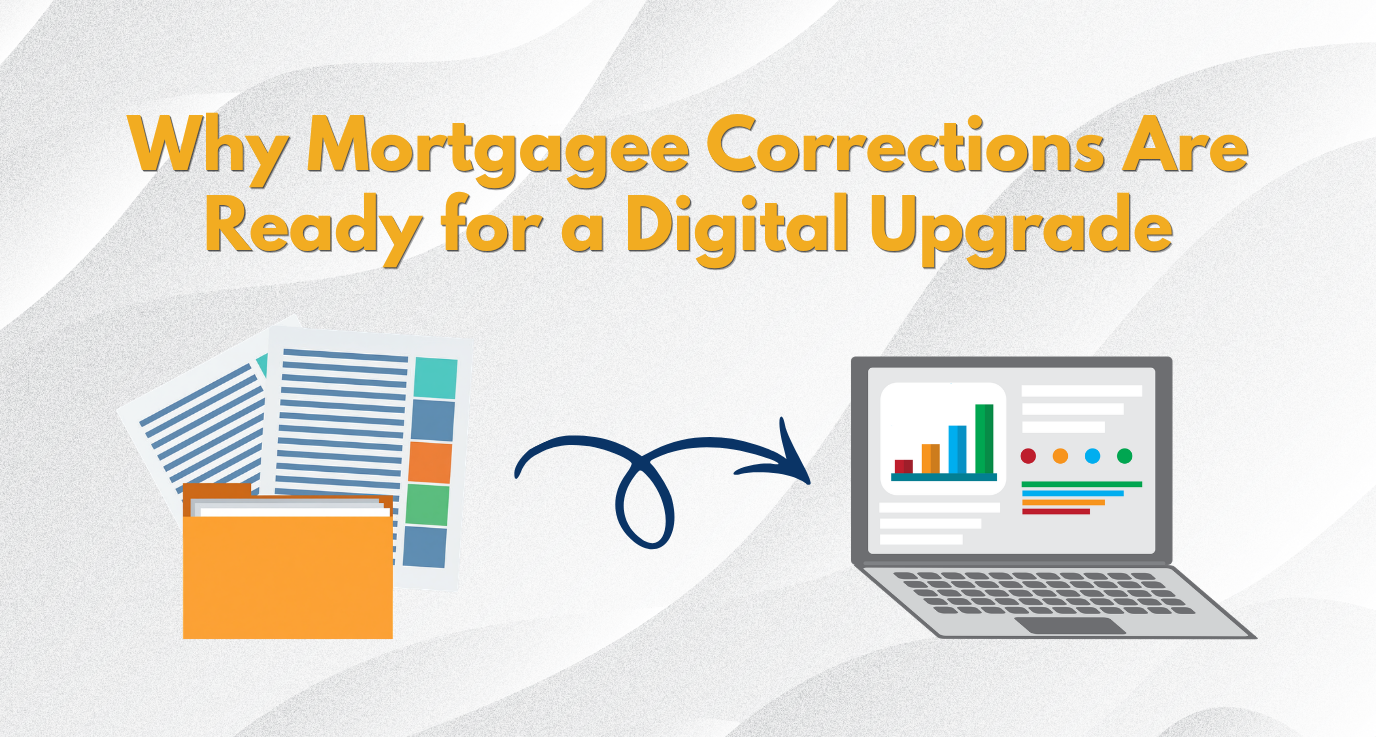
Mortgagee corrections are a routine part of insurance servicing, but the process behind them is often anything but simple. A lender may find that the mortgagee’s name or address on a policy is out of…


We consectetur adipiscing elit tempor incididunt ut labore. Wondering ipsum dolor sit amet? We consectetur adipiscing ipsum nulla glavrida elit tempor incididunt.