From Policy Change to Action: Why Timing Matters in Insurance
We’ve heard people in mortgage servicing use verification and tracking as if they’re interchangeable, and honestly, for a lot of daily work, treating them that way doesn’t break anything.


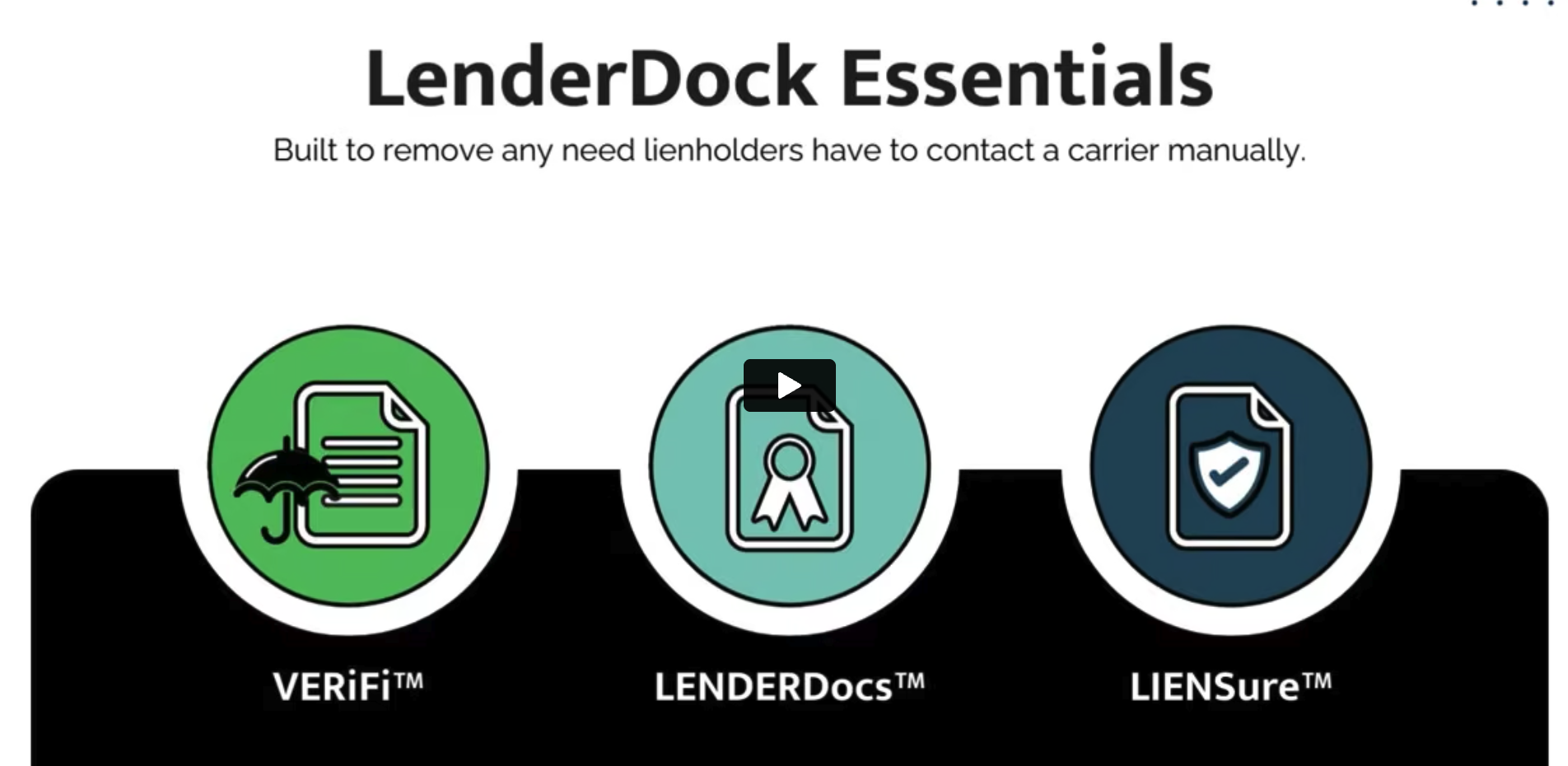
LenderDock provides real-time, insurance policy details through its magical web portal or its APIs.

LIENSure sends corrections digitally, straight from the financial source of truth and in bulk for easy processing.

ESCROWPay verifies what’s actually due before the money moves, then sends the payment and reconciliation data digitally.

NOTiFi delivers required policy, coverage, and billing notices in the formats lienholders actually use
At least check out the genesis of LenderDock Video. It’ll all make sense, the eco-system, that is.
Learn more about our great leadership team and our amazing, people-first, company culture.
There’s a lot going on at LenderDock and in our industries. We threw it all here to make it easier to keep up.
We go to a lot of events and we love to eat. See our calendar of where we’ll be.
New webinars will be coming quite frequently. Educational, success, and sales.
Ask any P&C carrier operations leader about lienholder management and watch their expression shift. It’s not quite a grimace, but it’s close. For years, the problem has been the same: thousands of phone calls, emails, faxes, and paper forms flooding contact centers every week. Lenders demanding policy verifications. Mortgagees requesting lienholder corrections. Banks chasing documentation for loan closings.
The response has always been to staff up. Hire more contact center agents. Build bigger back-office teams. Accept that lienholder servicing is just an operational cost of doing business.
Something shifted in 2024 and 2025: carriers stopped accepting manual lienholder processes as inevitable. They started recognizing these interactions for what they really are—an automation opportunity disguised as a service problem.
Here’s what most carriers don’t realize until they measure it: lienholder interactions aren’t just frequent—they’re crushing.
A mid-sized regional carrier might handle 70,000+ lienholder requests annually. Larger carriers? Multiply that several times over. Each interaction pulls agents away from policyholders who actually need help. Each manual verification task delays a lending decision. Each paper form requires data entry, filing, reconciliation.
The operational drag compounds. Contact centers get overwhelmed. Back-office teams spend hours responding to the same repetitive requests. And when lenders can’t get answers quickly, they escalate—creating even more work.
Meanwhile, carriers keep investing in policyholder-facing digital experiences while lienholder interactions remain stuck in the 1990s. It’s a strange blind spot for an industry obsessed with efficiency.
If the problem is so obvious, why hasn’t it been solved?
Legacy thinking. Most carriers view lienholder servicing as a compliance obligation, not a business process worth optimizing. It’s treated as a necessary evil rather than an automation candidate.
System constraints. Core policy systems weren’t built with lender self-service in mind. Exposing policy data externally requires APIs, integrations, and security layers that many cores simply don’t support natively.
Procurement friction. Even when carriers identify the problem, getting a new vendor approved, contracted, and implemented can take years. By the time legal signs off, the urgency has faded.
The “we’ll build it ourselves” trap. Some IT teams believe they can solve this internally. A year later, the project is still in the backlog while calls keep flooding in.
But 2025 feels different. The business case for automation has become too compelling to ignore.
Several forces converged to make lienholder automation unavoidable:
Profitability pressure. Combined ratios aren’t improving, and carriers are scrutinizing every operational expense. When leadership realizes that lienholder servicing consumes the equivalent of 15-20 FTEs, suddenly it’s worth solving.
Digital expectations. Banks and lenders have been digitizing their own operations for years. They’re no longer willing to call and wait on hold for policy verifications. They expect real-time access—just like they get from every other part of their tech stack.
Workforce constraints. Finding and retaining contact center talent is harder than ever. The carriers winning this battle aren’t the ones hiring faster—they’re the ones eliminating the need to hire in the first place.
API maturity. Unlike a decade ago, integrating external platforms into policy systems is now straightforward. Modern middleware and API layers make it possible to expose data securely without rearchitecting the core.
The industry finally has both the motivation and the means.
Consider a Northeast carrier handling over 70,000 annual lienholder interactions through traditional channels. Their contact center was underwater. Back-office staff spent entire days processing verification requests. The business case was clear, but leadership worried about implementation complexity.
They moved forward with an automated lienholder platform. Within six months, the solution was live. Within weeks of launch, inbound call volume dropped measurably. Agents could refocus on complex policyholder issues. Lenders got instant answers without picking up the phone.
Or look at a Midwest carrier that had been printing and mailing tens of thousands of lienholder notices annually. High costs, slow delivery, frequent errors. They switched to electronic delivery through an automated clearinghouse. Electronic delivery rates hit 85% for auto notifications. Costs dropped by 20%. Turnaround times collapsed from days to minutes.
These aren’t pilot programs or edge cases. They’re operational realities for carriers who recognized that lienholder management automation isn’t a nice-to-have—it’s table stakes.
The hardest part of lienholder automation isn’t the technical integration. It’s the organizational inertia.
Operations vs. IT. In many carriers, operations teams feel the pain while IT controls the roadmap. Without executive alignment, automation projects never get prioritized.
“Not our problem” syndrome. Some carriers assume lenders should just adapt to their processes. That mindset works until lenders start preferring carriers who make verification seamless.
One-off solutions. Carriers sometimes build custom integrations for large lender partners, then realize they’ve created tech debt rather than a scalable platform.
Without buy-in from both operations and technology leadership, automation efforts stall before they start.
When carriers get lienholder automation right, the benefits extend far beyond call volume reduction:
Redeployment, not reduction. Successful carriers don’t just cut headcount—they redeploy people to higher-value work. Contact center agents handle complex claims escalations. Back-office teams focus on underwriting support.
Lender satisfaction. When lenders can verify coverage, request lienholder changes, and access documentation instantly, they’re more likely to write loans with your policies in force. It becomes a competitive advantage.
Escrow efficiency. Automated payment reconciliation eliminates the nightmare of matching checks to lump-sum deposits. Finance teams stop drowning in manual reconciliation work.
Measurable ROI. Carriers tracking the numbers see improvements within months: reduced average handle time, fewer escalations, lower operational costs per policy.
The best part? Policyholders never notice the change—they just experience faster service because agents aren’t stuck answering lienholder verification calls.
Some carriers are still hesitant. They worry about integration complexity, vendor lock-in, or disrupting existing processes.
But delay carries its own risks:
Competitive disadvantage. Carriers who automate first become easier partners for lenders. When a bank chooses which carrier to embed in their loan process, ease of integration matters.
Escalating costs. Manual lienholder processes don’t get cheaper—they get more expensive as staffing costs rise and volumes increase.
Missed AI opportunities. Carriers investing in AI-powered underwriting and claims need clean, accessible data. If lienholder data is trapped in paper forms and phone transcripts, AI can’t help.
Modernization isn’t about ripping out systems or betting the business on unproven technology. It’s about strategically automating processes that don’t require human judgment—so humans can focus on what actually needs their expertise.
Core system replacement will always have a role in carrier modernization strategies. But waiting for the next-generation policy admin system to solve lienholder management is like waiting for a new airport to fix traffic congestion. It might eventually help, but you need solutions today.
Lienholder process automation represents something different: pragmatic modernization that doesn’t require replacing anything. It wraps around existing systems, exposes data through secure channels, and delivers measurable improvements in months, not years.
For carriers exploring what this looks like in practice, platforms like LenderDock demonstrate the approach in action. As the leading provider of automated lienholder management services, it addresses exactly the operational challenges described above: eliminating manual communication, providing real-time verification, and giving carriers the operational efficiency they need without disrupting their core systems.
Lienholder management won’t ever be the flashiest part of a carrier’s modernization strategy. It won’t generate press releases or win innovation awards.
But it might be the most impactful operational improvement a carrier can make in 2025.
Because at the end of the day, modernization isn’t about grand transformation projects. It’s about removing friction, reallocating resources, and making your business easier to work with.
The carriers figuring this out aren’t just saving money. They’re building the operational foundation that makes everything else possible—whether that’s AI-enabled underwriting, embedded insurance products, or simply delivering faster service to the people who matter most.
The question isn’t whether lienholder automation makes sense. It’s whether you’ll implement it before your competitors do.
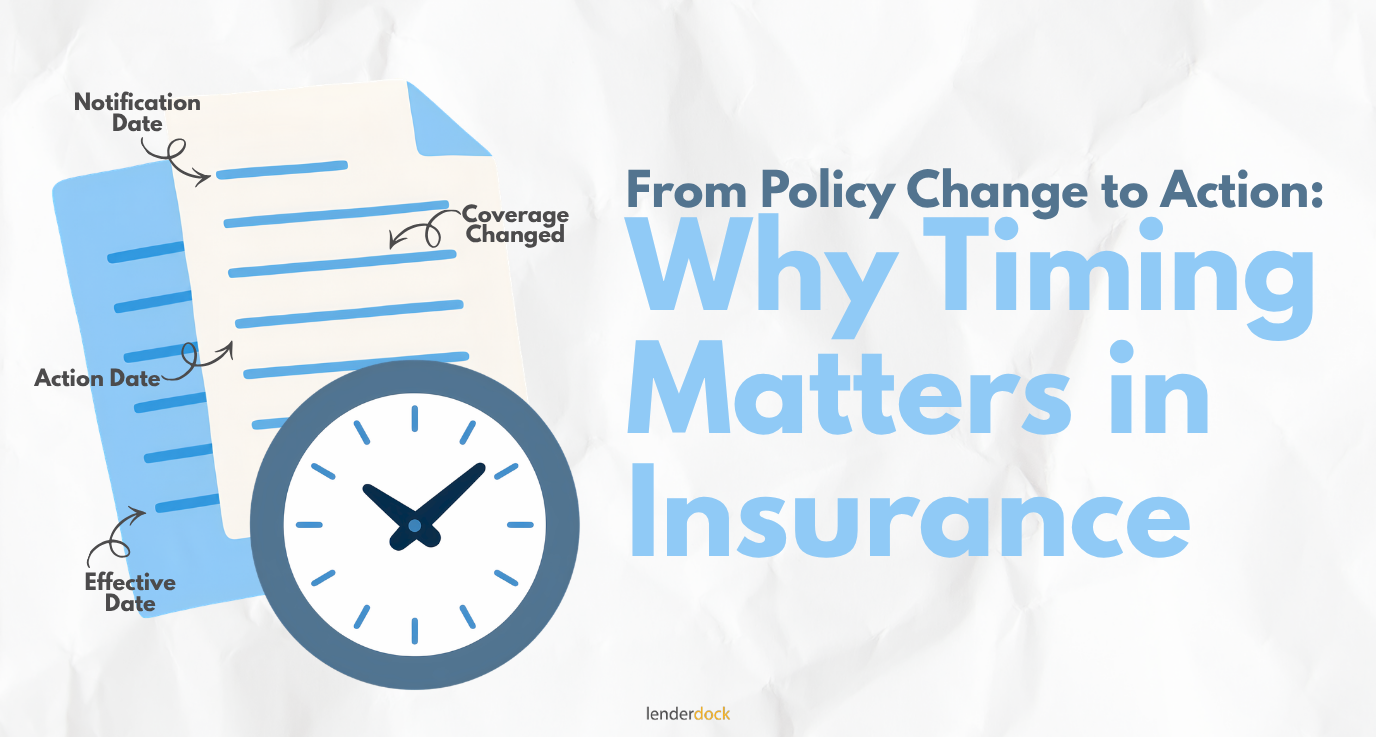
We’ve heard people in mortgage servicing use verification and tracking as if they’re interchangeable, and honestly, for a lot of daily work, treating them that way doesn’t break anything.
A two-day lag between a policy change and everyone finding out about it used to be annoying, not dangerous. Someone made a call, waited, got an answer, and moved on with their day.
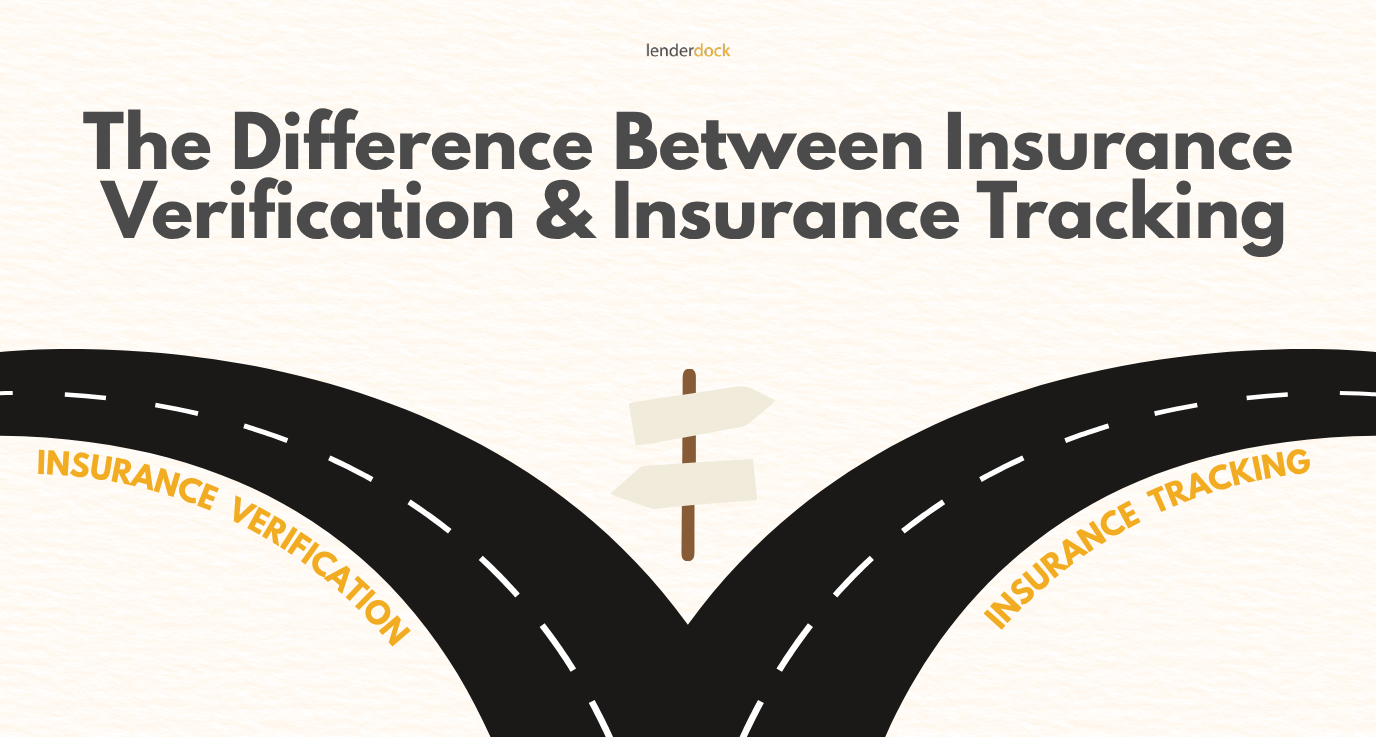
We’ve heard people in mortgage servicing use verification and tracking as if they’re interchangeable, and honestly, for a lot of daily work, treating them that way doesn’t break anything.
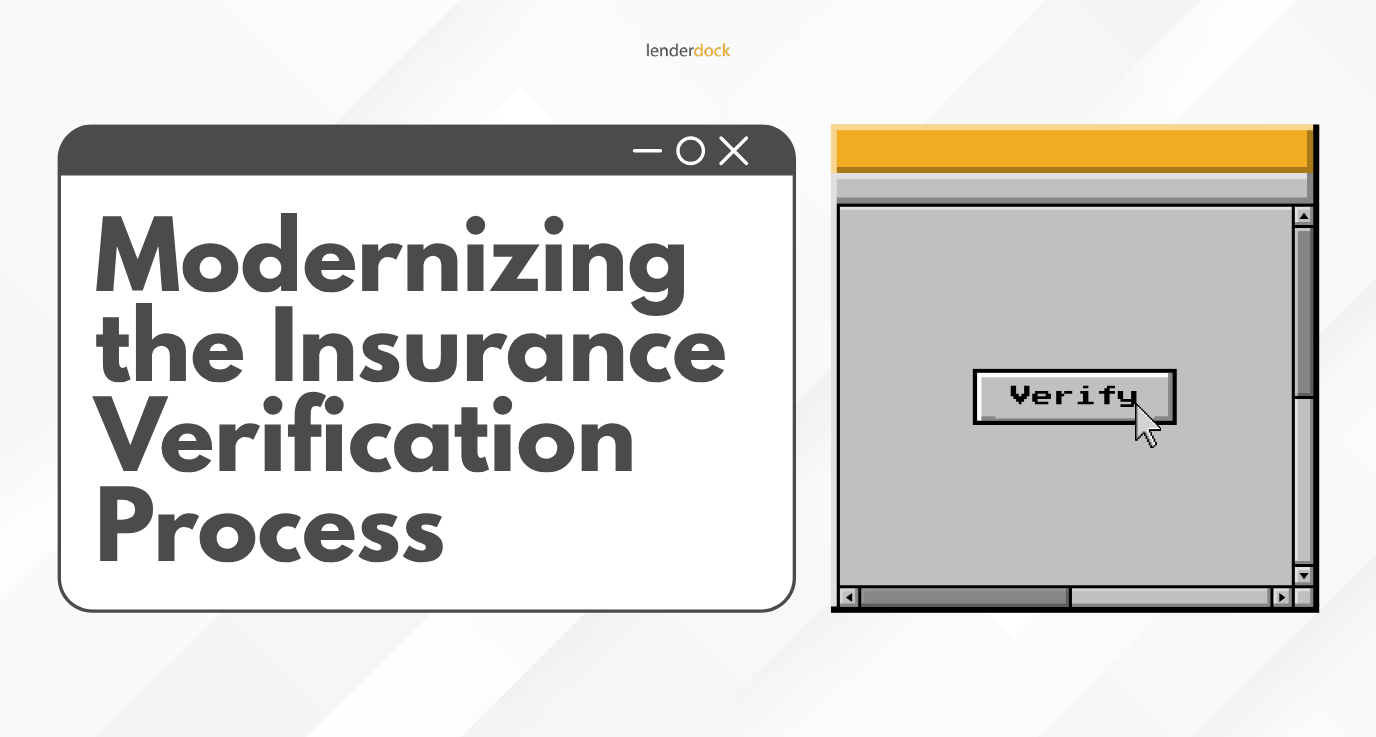
Insurance verification is a routine part of the lending and insurance process. A lender needs to know whether a policy is active. A mortgage servicer may need to confirm coverage or mortgagee information. An insurance…
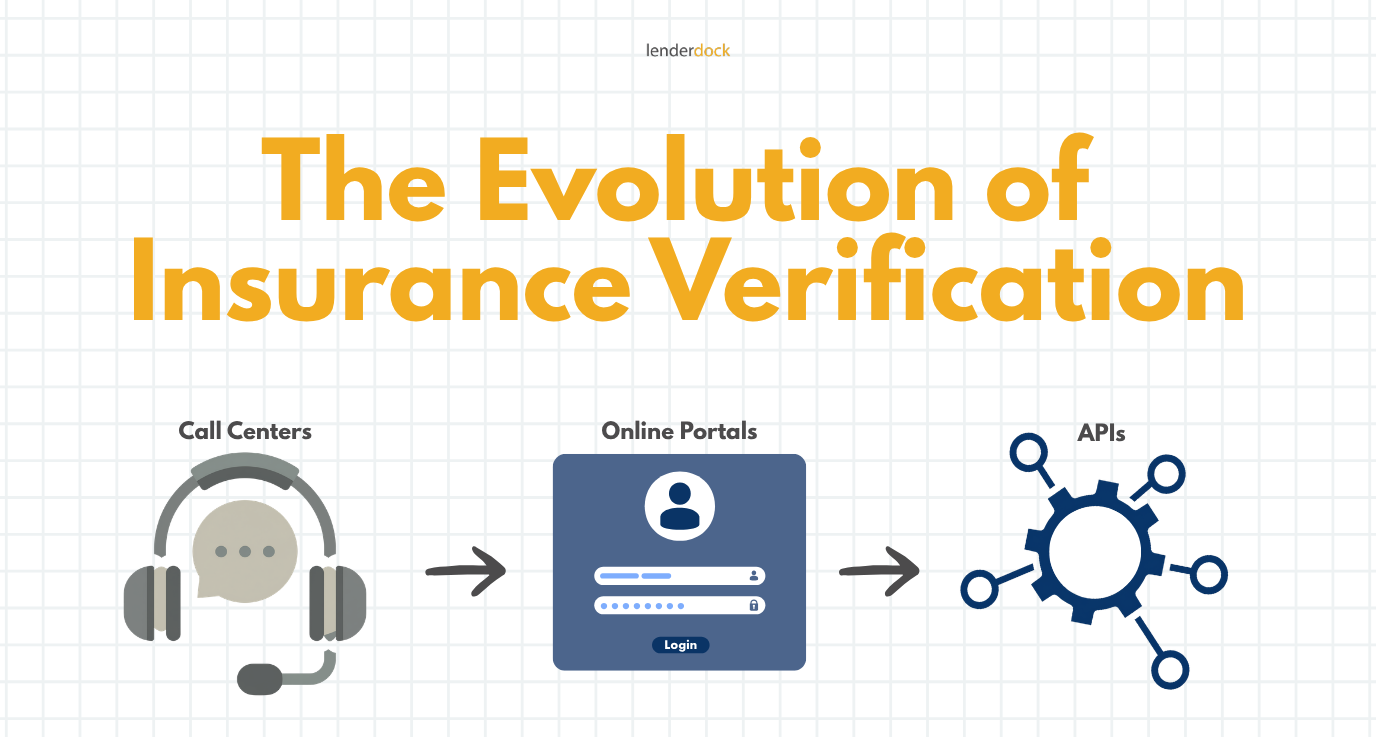
In the earliest version of insurance verification, the person answering the phone actually had to know things. They pulled a physical file, checked handwriting against a ledger, and made a judgment call about whether what…
Two insurers can each have perfectly accurate, well-maintained policy databases and still fail to exchange a single piece of usable data between them.
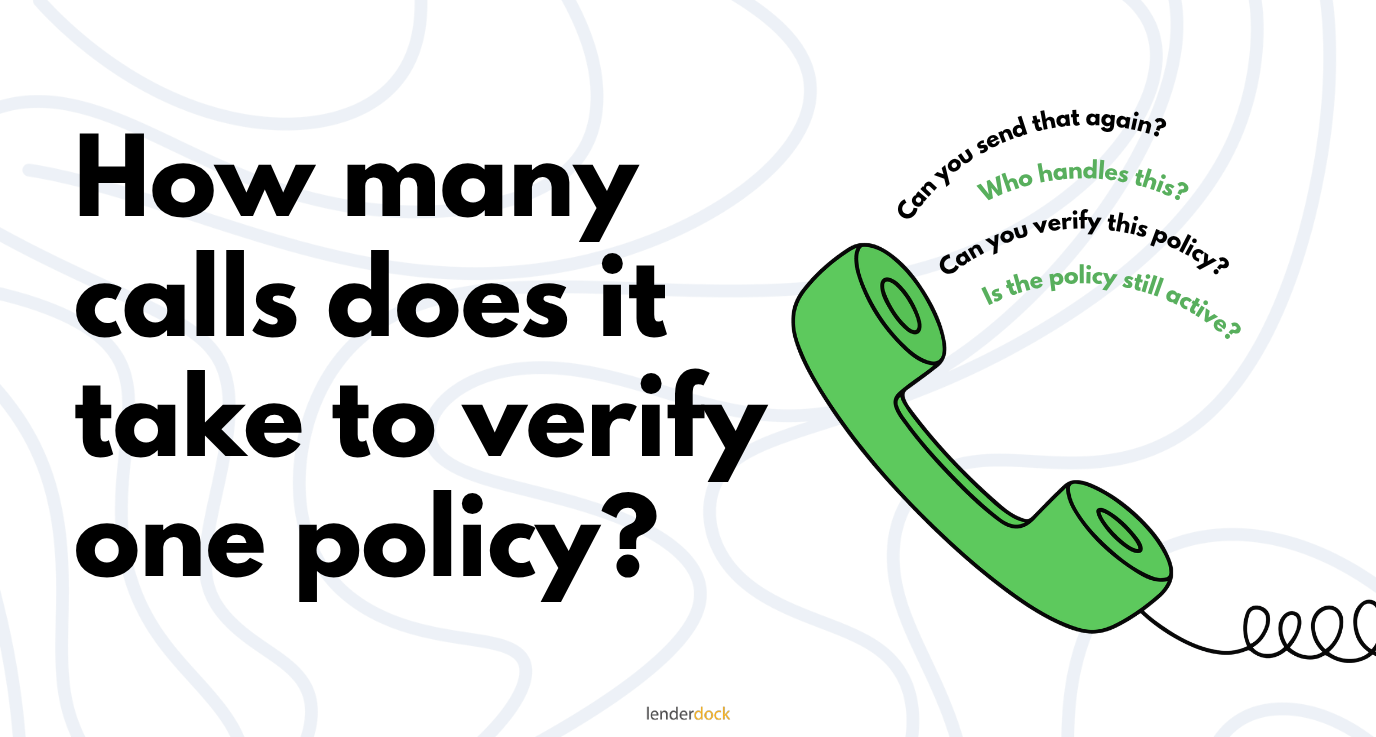
Every single day, insurance workers face a mountain of simple questions. Are they tired of answering the same questions about policy coverage all day long? Yes, they are. When banks or lenders need to check…
A title company closing a home sale needs to confirm the seller’s policy is active before the deal can move. An auto lender needs the same thing before releasing funds on a car loan. A…
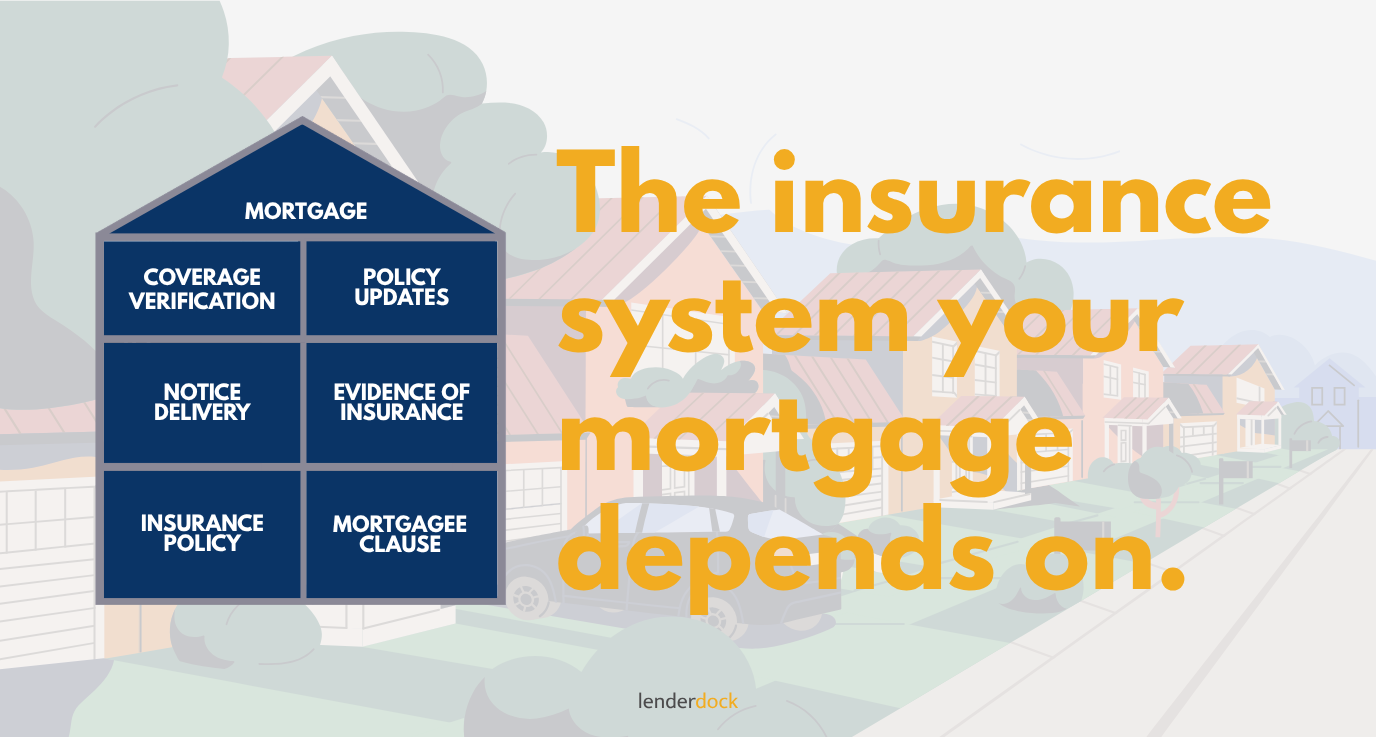
Most people who take out a mortgage never think about insurance as part of the loan itself. It feels adjacent, a separate purchase, something the lender requires but does not really participate in beyond checking…
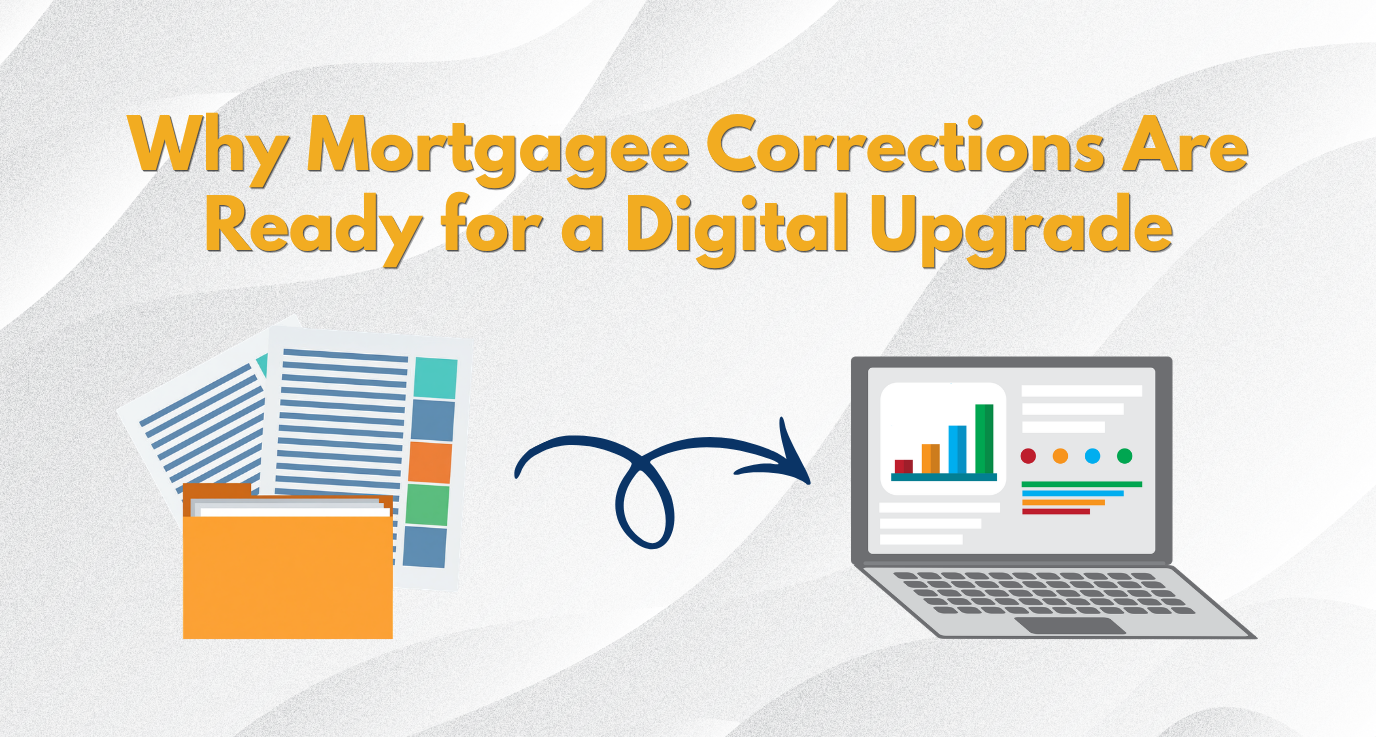
Mortgagee corrections are a routine part of insurance servicing, but the process behind them is often anything but simple. A lender may find that the mortgagee’s name or address on a policy is out of…


We consectetur adipiscing elit tempor incididunt ut labore. Wondering ipsum dolor sit amet? We consectetur adipiscing ipsum nulla glavrida elit tempor incididunt.