From Policy Change to Action: Why Timing Matters in Insurance
We’ve heard people in mortgage servicing use verification and tracking as if they’re interchangeable, and honestly, for a lot of daily work, treating them that way doesn’t break anything.


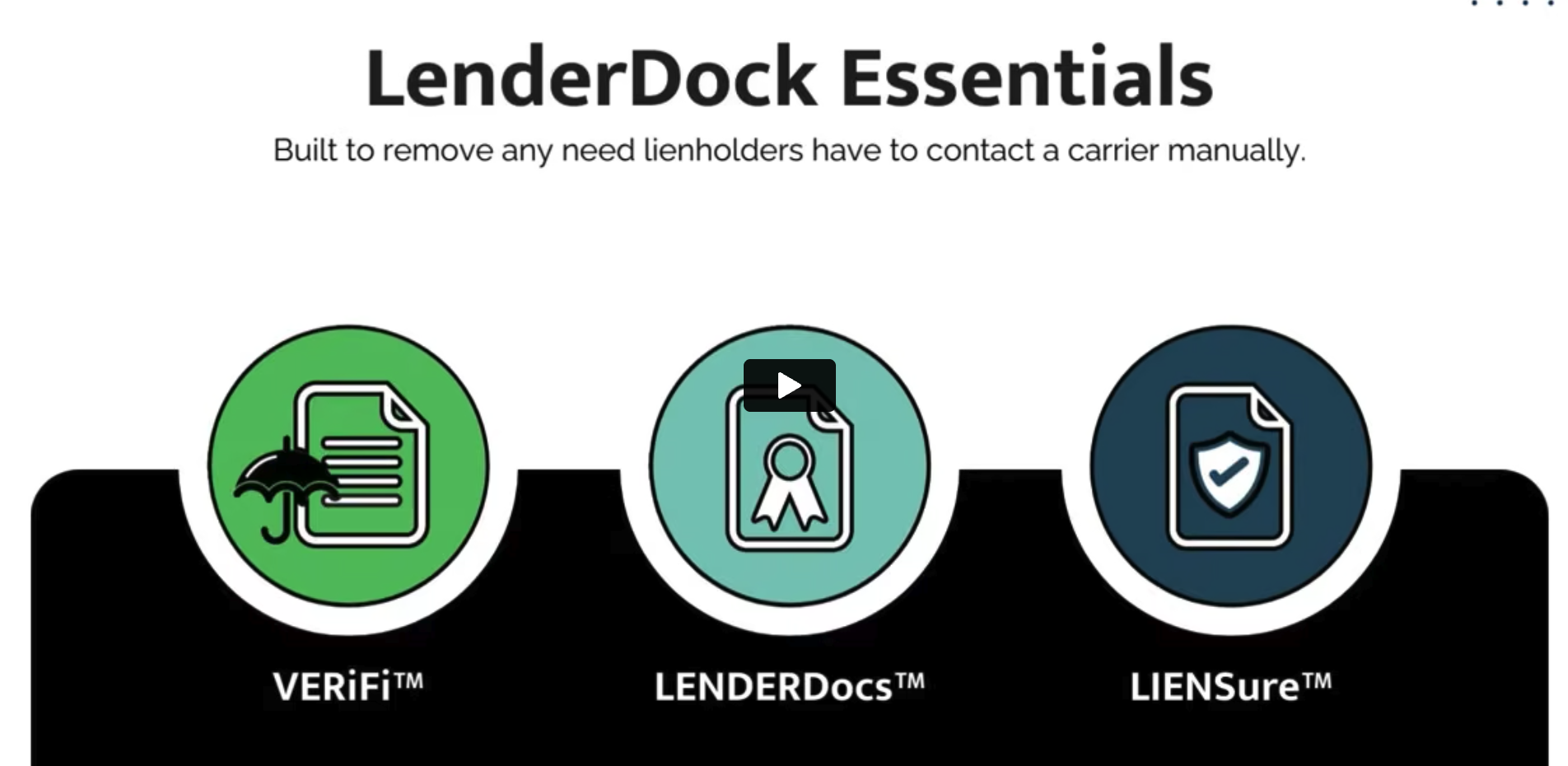
LenderDock provides real-time, insurance policy details through its magical web portal or its APIs.

LIENSure sends corrections digitally, straight from the financial source of truth and in bulk for easy processing.

ESCROWPay verifies what’s actually due before the money moves, then sends the payment and reconciliation data digitally.

NOTiFi delivers required policy, coverage, and billing notices in the formats lienholders actually use
At least check out the genesis of LenderDock Video. It’ll all make sense, the eco-system, that is.
Learn more about our great leadership team and our amazing, people-first, company culture.
There’s a lot going on at LenderDock and in our industries. We threw it all here to make it easier to keep up.
We go to a lot of events and we love to eat. See our calendar of where we’ll be.
New webinars will be coming quite frequently. Educational, success, and sales.
Life insurance underwriting has, for a long time, been a single, heavily scrutinized moment. A medical exam, a blood panel, a questionnaire about family history and lifestyle, and from that snapshot, an insurer builds a risk classification that follows the policy for years, sometimes decades. The model assumes that a person’s risk profile, once assessed, stays reasonably stable, or at least stable enough that re-underwriting every year would not be worth the cost.
Wearables are – for the better – quietly testing that assumption.
A handful of insurers have built products around continuous health data rather than a single point-in-time assessment. John Hancock’s Healthy Engagement Rider, built on the Vitality program, gives policyholders discounts on wearable devices and rewards them for staying active, with the explicit aim of encouraging behavior correlated with longevity.
The mechanism is straightforward enough, as when you hit certain activity thresholds, tracked through a connected device, the cost of insurance can be reduced through a rider credit applied to the policy.
What makes this different from a one-time underwriting discount is the word continuous. The data does not stop after the policy is issued. It keeps flowing, and the premium can move with it, with John Hancock noting explicitly that premiums based on Vitality status may decrease, stay level, or increase each year depending on participation. The underwriting moment has stretched from a single appointment into an ongoing relationship between the policyholder’s daily habits and what they pay.
There is a built-in safeguard worth noting, because it matters for how nervous people should be about this. John Hancock states that it will not use medical or other information collected through the program, after the policy’s issue date, to change a risk classification or as the sole basis to deny a reinstatement request.
That is a meaningful boundary. The wearable data feeds a rewards and discount structure layered on top of the original underwriting decision, not a continuous re-underwriting of the base policy itself. The two are easy to conflate, and the distinction is doing more protective work for the policyholder than it might appear to at first glance.
Even with that boundary in place, the direction is worth sitting with. The reason life insurers have historically priced risk at a single point in time is that continuous monitoring was not available. Now it is, and the industry has started building products around the fact that it is.
What started as an optional wellness incentive, step counts and discounted devices, sits adjacent to a much larger pool of biometric data that wearables generate constantly: heart rate variability, sleep quality, and in some devices, blood oxygen and irregular heart rhythm alerts.
None of that is currently flowing into core underwriting decisions at scale. But the infrastructure to do so, technically, already exists, and infrastructure tends to get used eventually once the data is already being collected for one purpose.
The comparison to telematics in auto insurance is close enough to be useful and different enough to matter. A car’s behavior is observable in the moment, speed, braking, time of day, and the insurer’s interest in that data is fairly narrow: will this specific trip or pattern predict an accident?!
Health data is different in kind. It touches on conditions a person may not yet know they have, patterns that could reveal far more than the wellness reward was designed to capture, and a body of information that, once collected, sits under a patchwork of health privacy regulation that varies considerably by jurisdiction and was largely not written with consumer wearables in mind.
The customers opting into these programs tend to be the ones who would likely qualify for favorable rates anyway, healthy, active, and already inclined toward the kind of habits the program rewards. That is its own quiet selection effect. The people most worried about what continuous monitoring might reveal are the ones least likely to sign up for it, which means the programs currently look more like a loyalty mechanism for already-healthy customers than a genuine shift in how risk gets assessed.
Whether that stays true is the more interesting question. Wearable adoption keeps climbing, and the devices themselves keep getting better at detecting things a step counter never could. The boundary insurers have drawn today, rewards and discounts, not reclassification, is a policy choice rather than a technical limitation. Luckily enough, there is an incentive for both insurers and insureds to revisit them.
The medical exam used to be the entire underwriting story. Now, with the extension of wearables that evolves better every day, it is no longer obvious where that story ends.
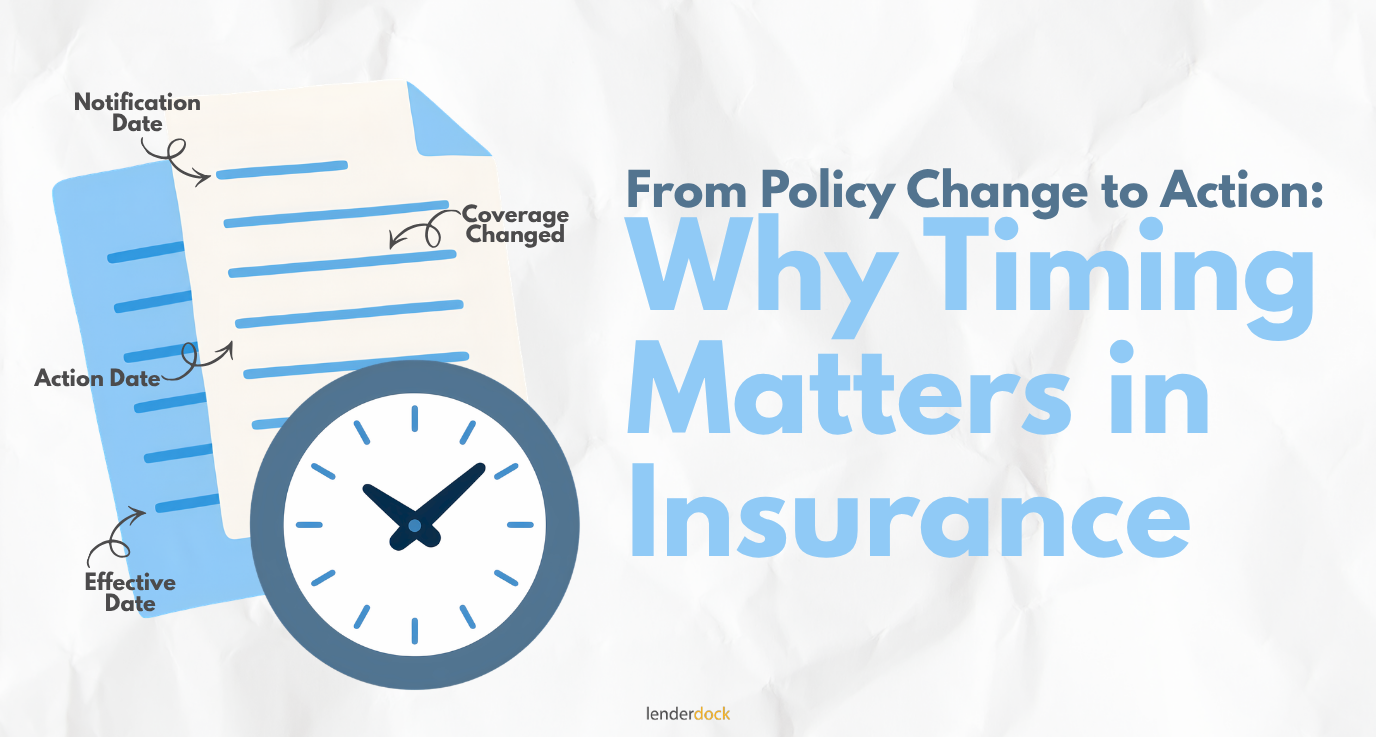
We’ve heard people in mortgage servicing use verification and tracking as if they’re interchangeable, and honestly, for a lot of daily work, treating them that way doesn’t break anything.
A two-day lag between a policy change and everyone finding out about it used to be annoying, not dangerous. Someone made a call, waited, got an answer, and moved on with their day.
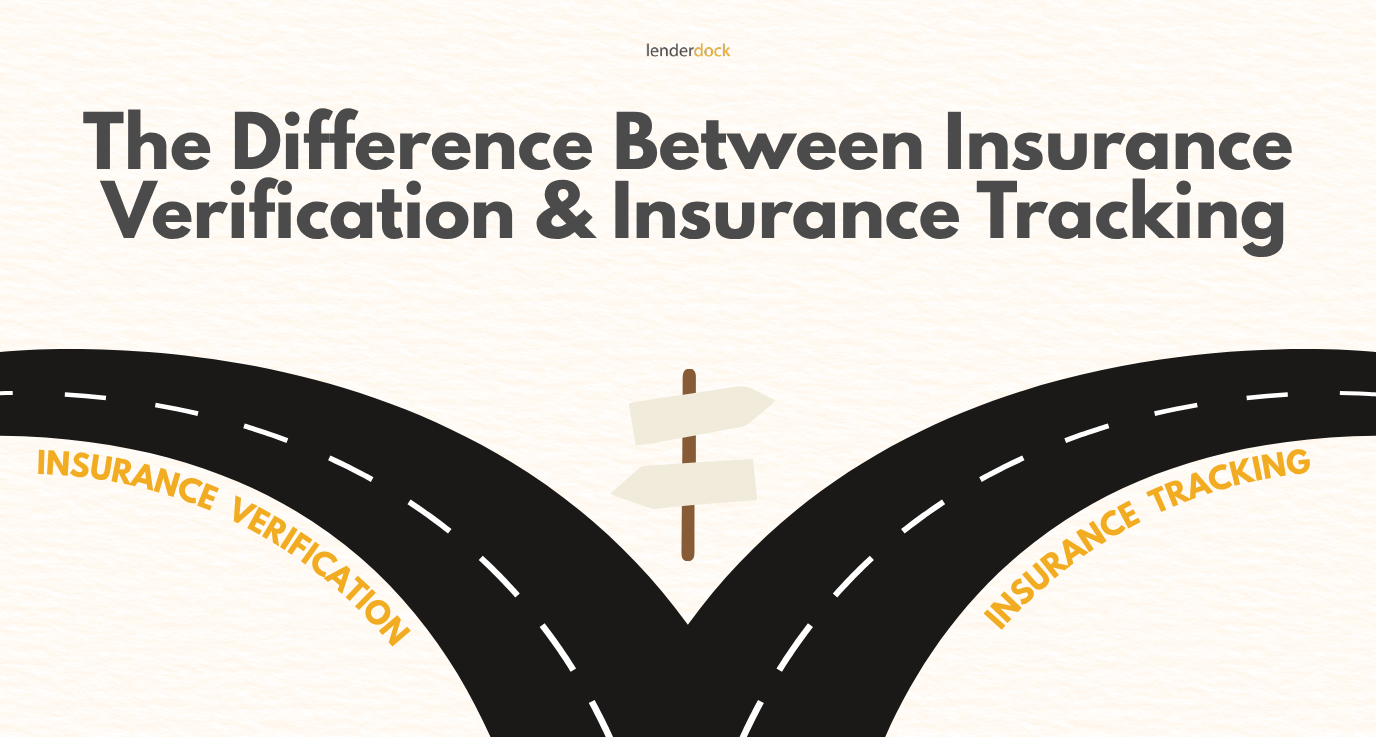
We’ve heard people in mortgage servicing use verification and tracking as if they’re interchangeable, and honestly, for a lot of daily work, treating them that way doesn’t break anything.
Insurance verification is a routine part of the lending and insurance process. A lender needs to know whether a policy is active. A mortgage servicer may need to confirm coverage or mortgagee information. An insurance…
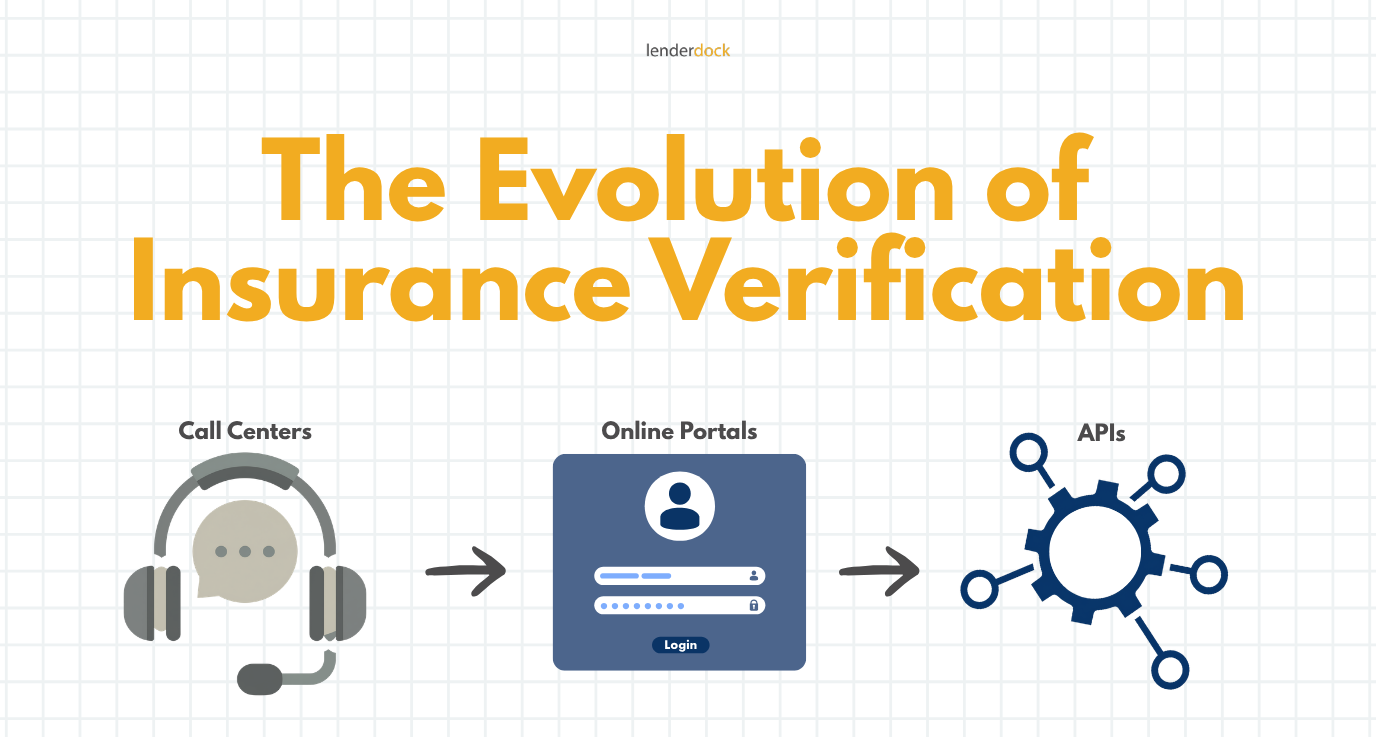
In the earliest version of insurance verification, the person answering the phone actually had to know things. They pulled a physical file, checked handwriting against a ledger, and made a judgment call about whether what…
Two insurers can each have perfectly accurate, well-maintained policy databases and still fail to exchange a single piece of usable data between them.
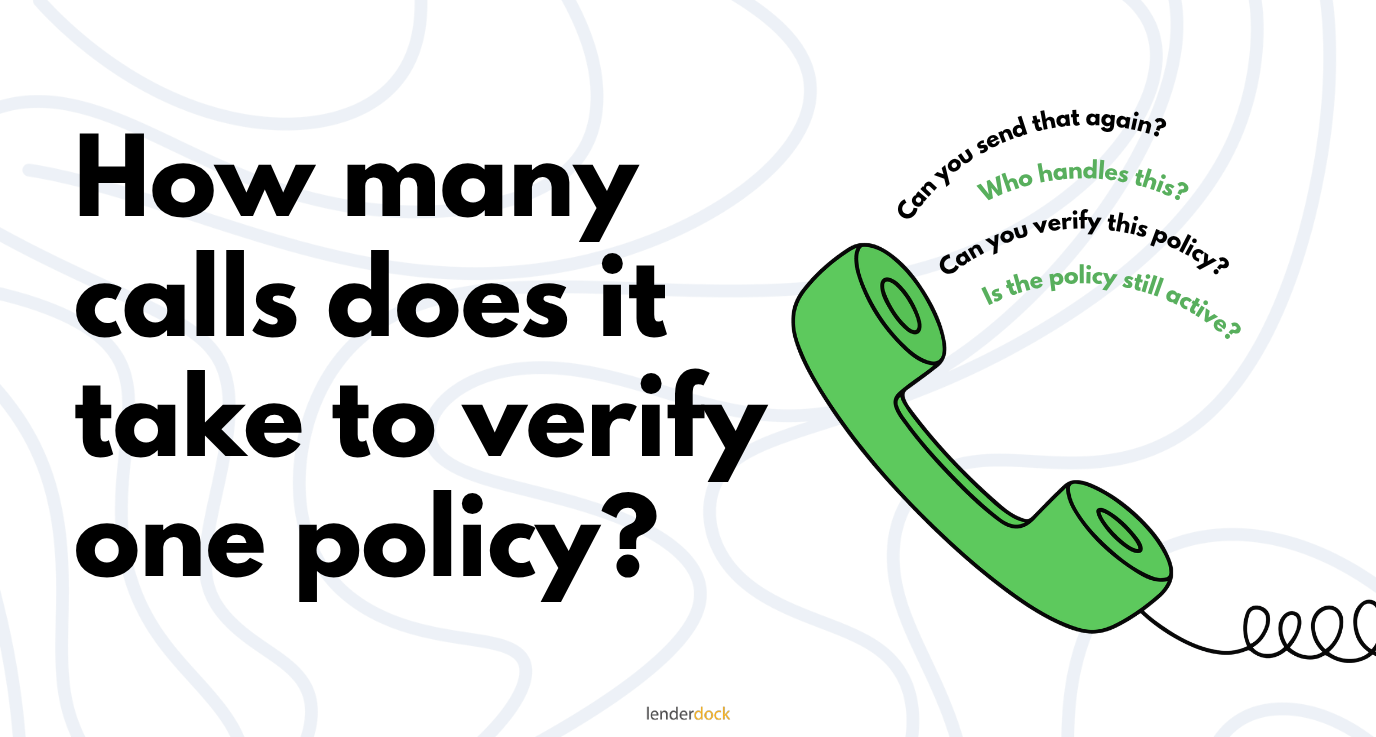
Every single day, insurance workers face a mountain of simple questions. Are they tired of answering the same questions about policy coverage all day long? Yes, they are. When banks or lenders need to check…
A title company closing a home sale needs to confirm the seller’s policy is active before the deal can move. An auto lender needs the same thing before releasing funds on a car loan. A…
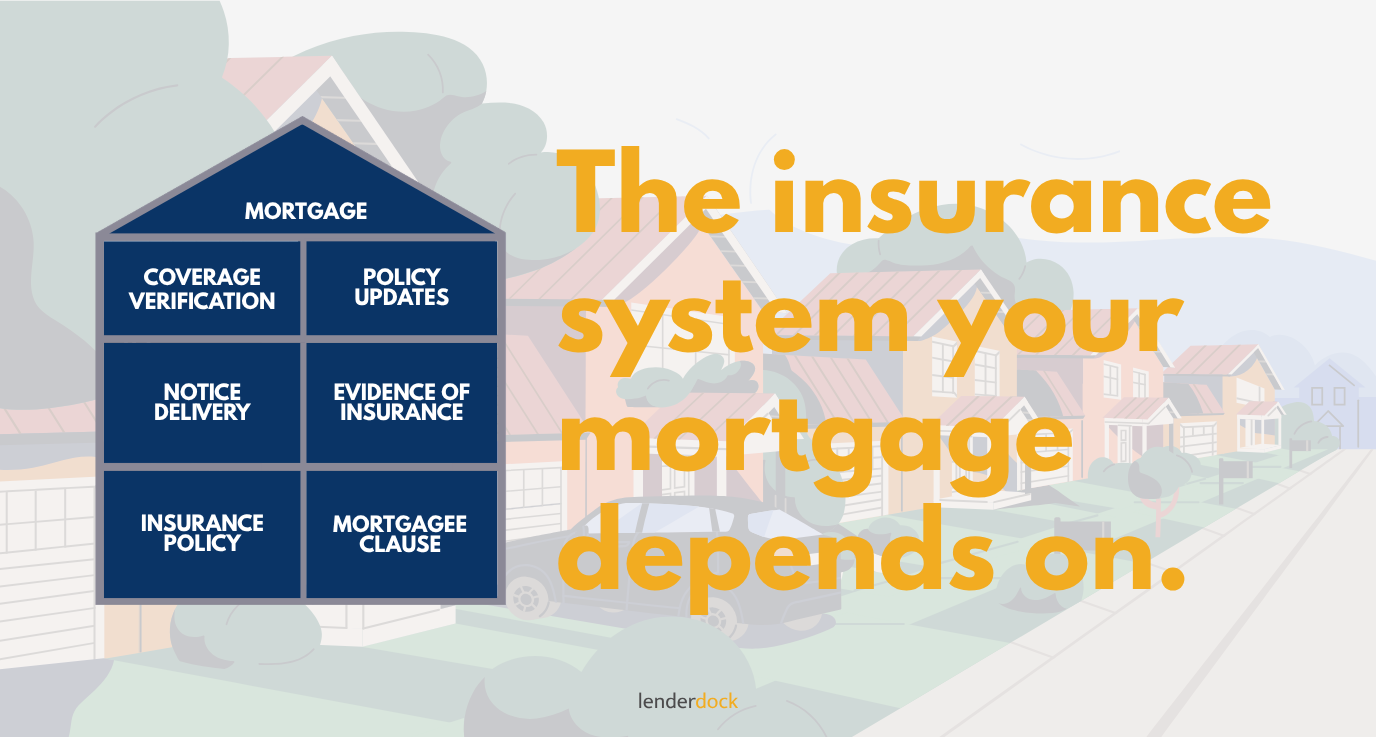
Most people who take out a mortgage never think about insurance as part of the loan itself. It feels adjacent, a separate purchase, something the lender requires but does not really participate in beyond checking…
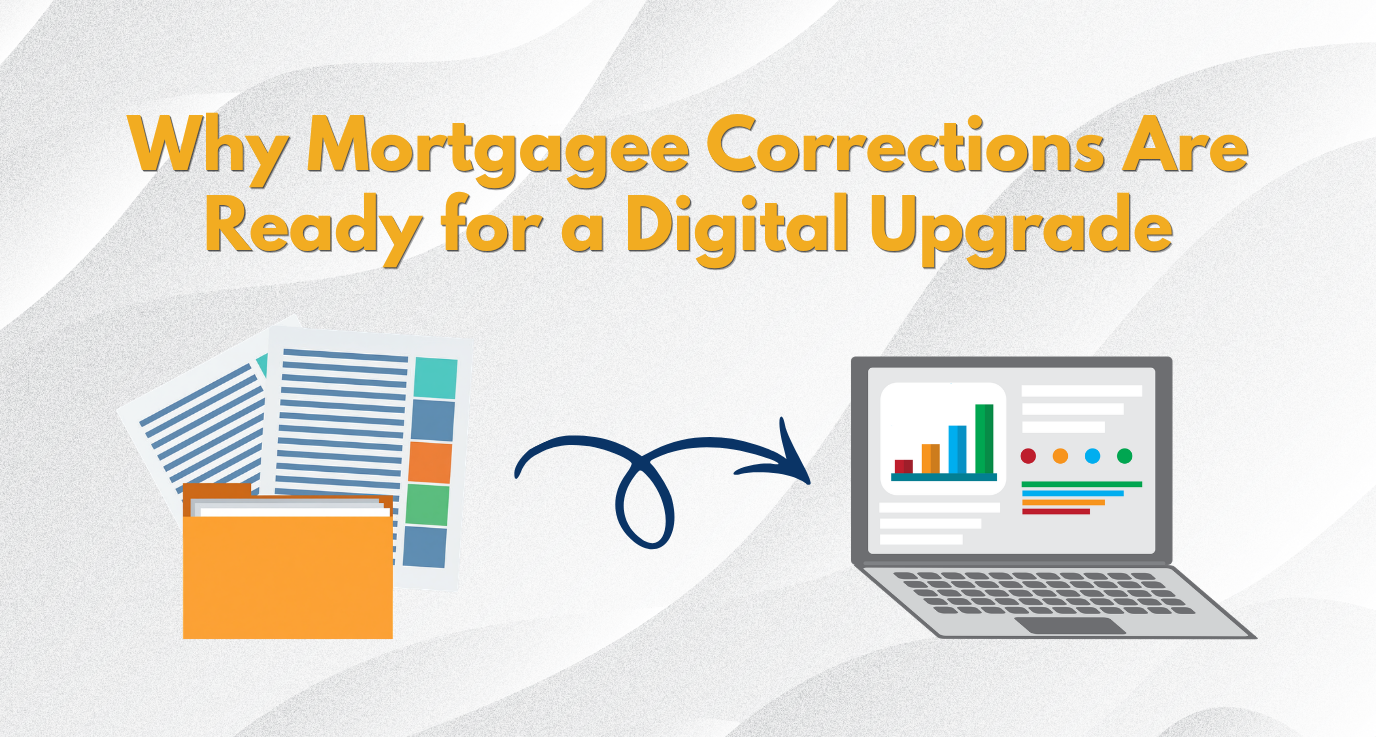
Mortgagee corrections are a routine part of insurance servicing, but the process behind them is often anything but simple. A lender may find that the mortgagee’s name or address on a policy is out of…


We consectetur adipiscing elit tempor incididunt ut labore. Wondering ipsum dolor sit amet? We consectetur adipiscing ipsum nulla glavrida elit tempor incididunt.