From Policy Change to Action: Why Timing Matters in Insurance
We’ve heard people in mortgage servicing use verification and tracking as if they’re interchangeable, and honestly, for a lot of daily work, treating them that way doesn’t break anything.


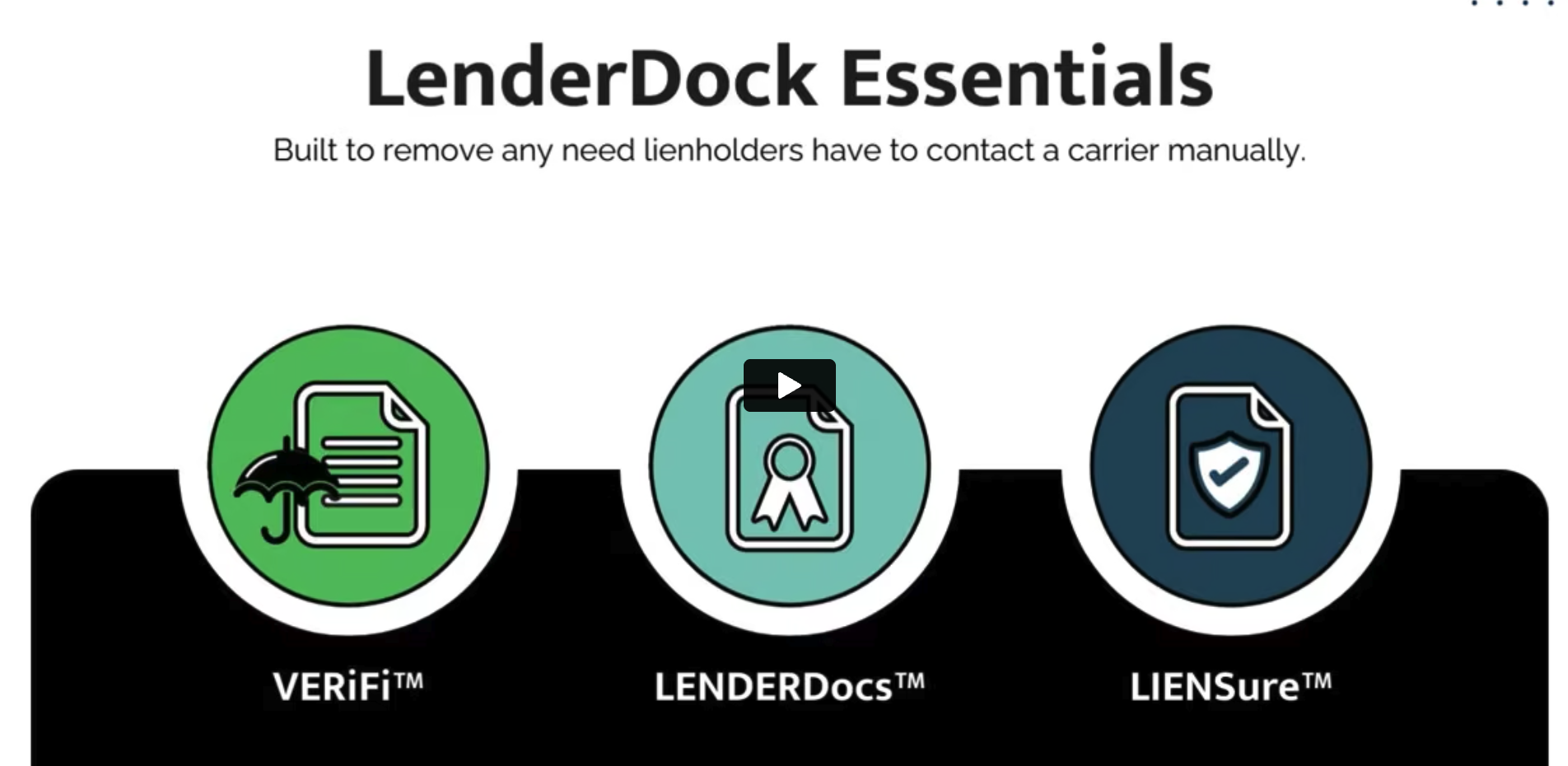
LenderDock provides real-time, insurance policy details through its magical web portal or its APIs.

LIENSure sends corrections digitally, straight from the financial source of truth and in bulk for easy processing.

ESCROWPay verifies what’s actually due before the money moves, then sends the payment and reconciliation data digitally.

NOTiFi delivers required policy, coverage, and billing notices in the formats lienholders actually use
At least check out the genesis of LenderDock Video. It’ll all make sense, the eco-system, that is.
Learn more about our great leadership team and our amazing, people-first, company culture.
There’s a lot going on at LenderDock and in our industries. We threw it all here to make it easier to keep up.
We go to a lot of events and we love to eat. See our calendar of where we’ll be.
New webinars will be coming quite frequently. Educational, success, and sales.
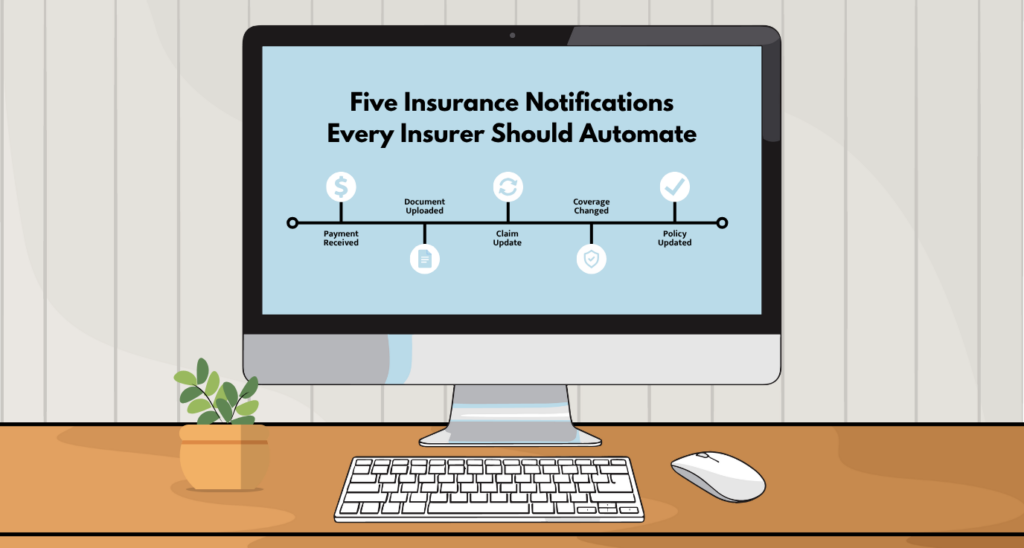
The insurance industry has spent years automating underwriting, pricing, fraud detection, and claims. Communication, oddly enough, still feels like an afterthought. Customers often learn something important only after they decide to log in, call customer service, or receive a letter days later.
Insurance runs on information. Every policy, endorsement, payment, inspection, and claim creates a trail of updates inside an insurer’s systems. Most of those updates already exist. The problem is that they often stop there. They become internal events instead of customer events.
The result is familiar to almost anyone who has dealt with an insurer. A policyholder calls to ask whether a document arrived. A repair shop wants to know if an estimate has been approved. A broker follows up because a policy amendment has not appeared yet.
None of these conversations are really about insurance. They are about uncertainty, and most of them could have been avoided.
The first moment where that uncertainty appears is usually around payments. A failed premium payment is rarely a surprise to the insurer. The billing system knows almost immediately when a transaction has been declined.
Yet many policyholders only become aware of the problem after receiving a lapse warning or discovering that a payment never went through.
There are plenty of ordinary reasons why a payment fails. A card could have expired or a bank could have blocked the transaction. Sometimes an account runs short for a day or two.
Most of those situations are temporary, and many could be resolved with a timely notification rather than a formal lapse notice several days later. Preventing a lapse is almost always less expensive than fixing one after the fact.
Claims create a different kind of silence, and one that compounds over time.
The most common question claims teams receive is not whether a claim has been approved but whether anything has happened. That question exists because customers cannot see what the insurer sees.
They do not know that repair estimates have arrived, photographs have been reviewed, or medical reports are still outstanding. From their perspective, the claim appears frozen.
A notification saying that nothing has changed yet can still be valuable. Waiting is frustrating. Waiting without knowing whether anyone is working on the file is worse. Regular status updates do not shorten the claims process, but they make it feel less arbitrary, and those are not the same thing.
Insurance policies rarely stay exactly as they were on the day they were issued.
Quite often, addresses change, businesses expand into new activities, and even deductibles increase. Sometimes the customer requested the change. Sometimes it happened because the insurer renewed the policy under different terms.
Months later, many policyholders cannot remember what changed or when. They only notice during a claim, when they discover that the policy in front of them is not quite the one they thought they had.
A short notification explaining what changed, and why, would prevent many of those conversations.
Banks, tax authorities, and parcel services all send confirmation messages after receiving an uploaded file. The confirmation is almost routine now, a simple signal that the document arrived and the process is moving.
Moreso, you can even track the progress and movement of such items along the associated chain of responsibilities.
Unfortunately, in insurance, this isn’t the case. Insurance still treats document receipt differently more often than it should. Medical records, repair invoices, proof of ownership, identity documents, and countless other files disappear into a portal or an email inbox with little indication that they reached the right place.
Customers follow up not because they want special treatment, but because they are trying to answer a simple question: Did it arrive?
Commercial policyholders often rely on insurers to monitor credit limits, endorsements, or underwriting conditions that shift during the life of a policy.
A reduced trade credit limit or an amended condition can materially affect how a business operates, yet those changes are not always communicated with the urgency they deserve. By the time the customer notices, the decision has already been made without them.
The same applies, in a quieter way, to personal lines. A property inspection that flags a condition, a renewal that adjusts coverage terms, or a change in a flood zone designation that affects what the policy will and will not cover.
These are not administrative details but are the very moments where the policy the customer thinks they have starts to differ from the one they actually hold.
None of these notifications requires artificial intelligence. Most do not require new data either. The information already exists inside policy administration systems, billing platforms, and claims software. What is missing is the assumption that customers should know what the insurer already knows, in a reasonable time, without having to ask.
There is a balance to strike. Nobody wants twenty notifications a week, and the goal is not volume but relevance, notifying customers about the moments that change a decision, prevent unnecessary work, or remove avoidable uncertainty.
For years, insurers have measured digital transformation by the processes they managed to automate. There is another measure that deserves equal attention: how often does a customer still have to ask what is happening? For many insurers, the answer remains far more often than it should.
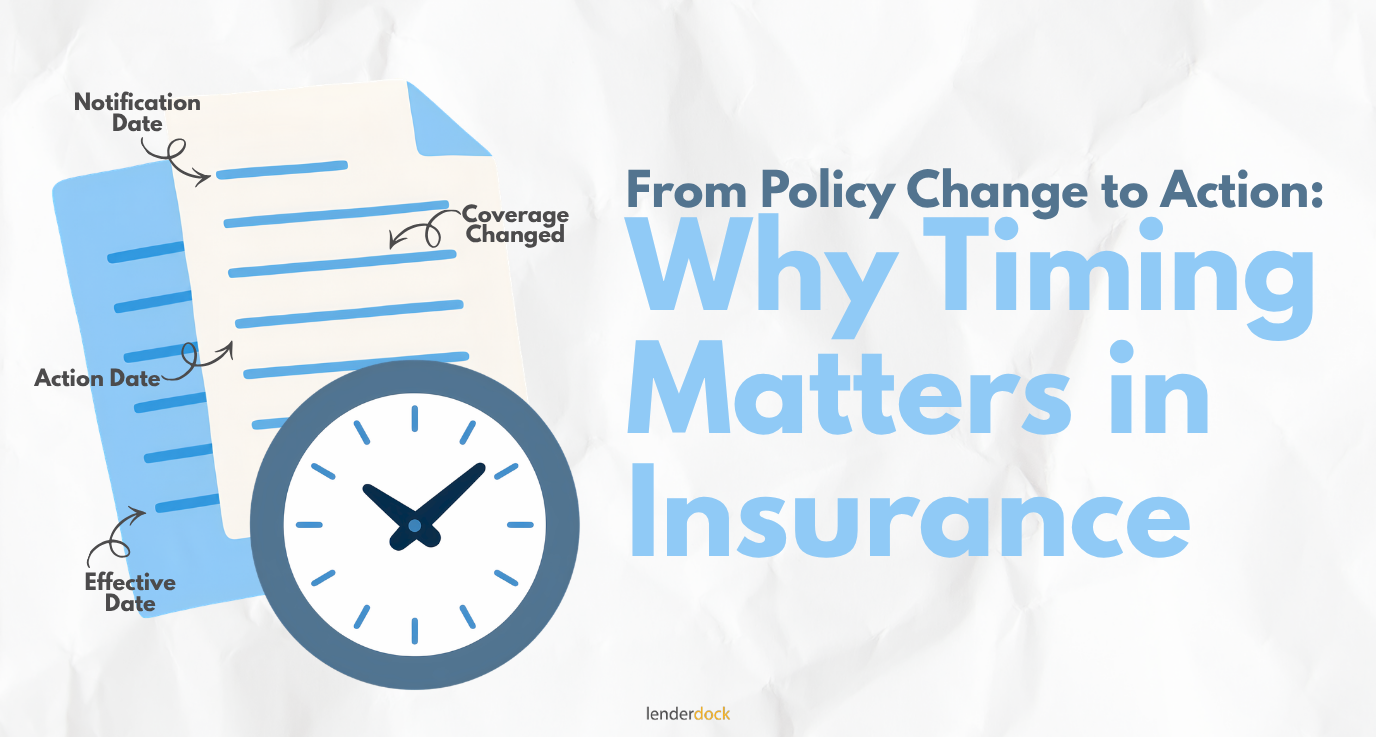
We’ve heard people in mortgage servicing use verification and tracking as if they’re interchangeable, and honestly, for a lot of daily work, treating them that way doesn’t break anything.
A two-day lag between a policy change and everyone finding out about it used to be annoying, not dangerous. Someone made a call, waited, got an answer, and moved on with their day.

We’ve heard people in mortgage servicing use verification and tracking as if they’re interchangeable, and honestly, for a lot of daily work, treating them that way doesn’t break anything.
Insurance verification is a routine part of the lending and insurance process. A lender needs to know whether a policy is active. A mortgage servicer may need to confirm coverage or mortgagee information. An insurance…
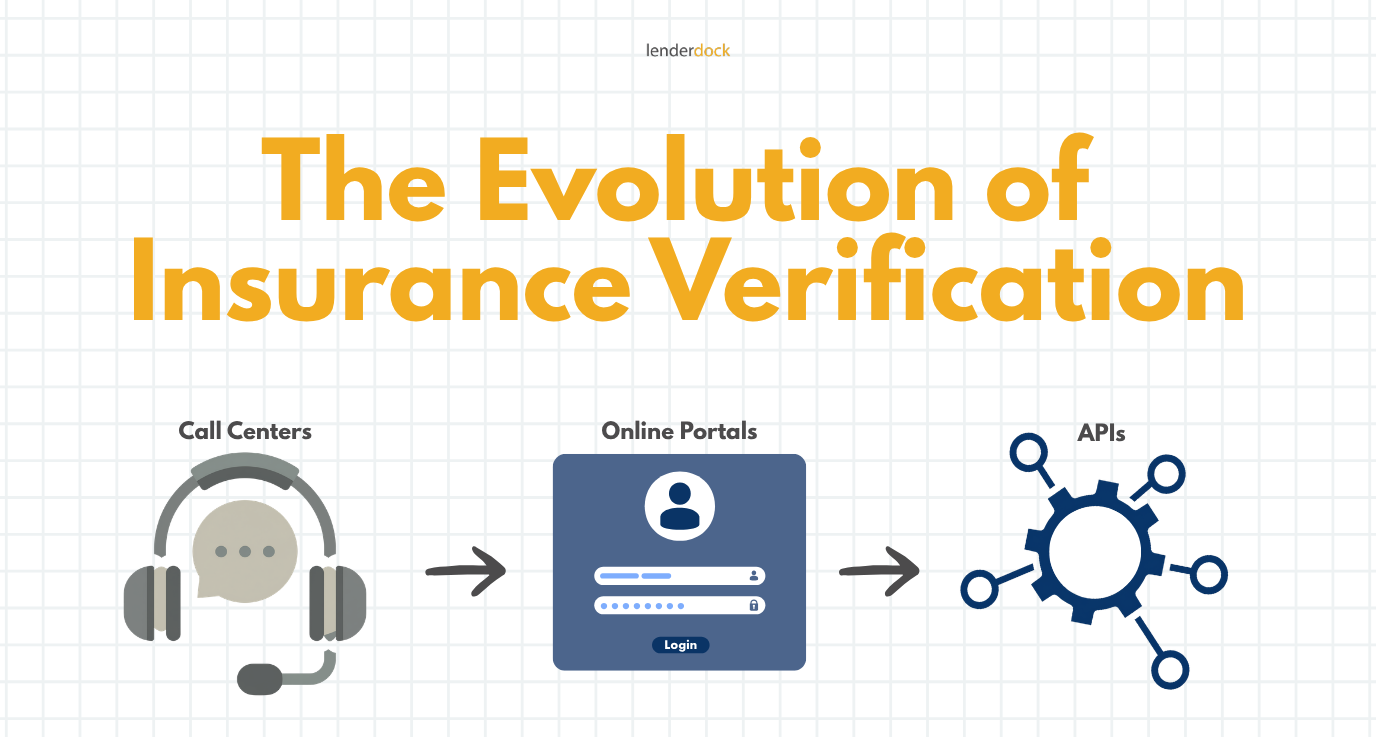
In the earliest version of insurance verification, the person answering the phone actually had to know things. They pulled a physical file, checked handwriting against a ledger, and made a judgment call about whether what…
Two insurers can each have perfectly accurate, well-maintained policy databases and still fail to exchange a single piece of usable data between them.
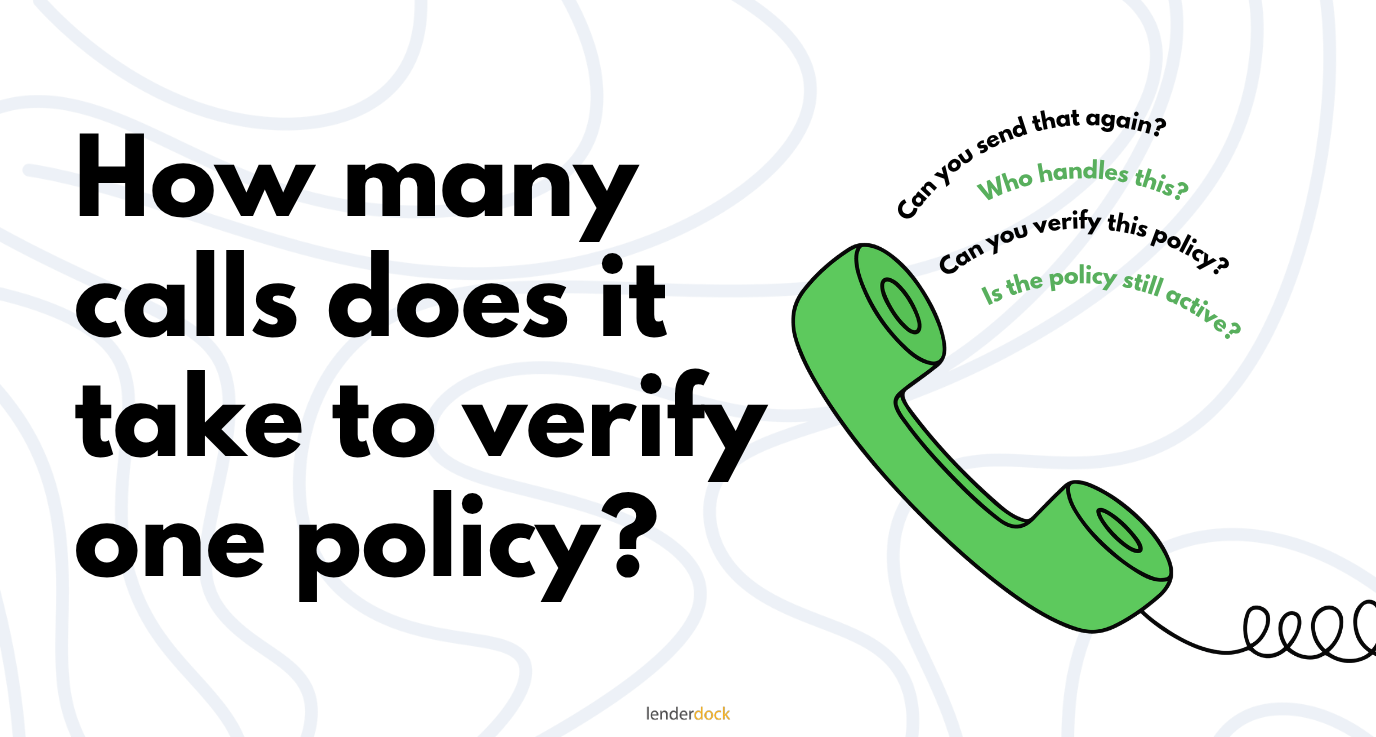
Every single day, insurance workers face a mountain of simple questions. Are they tired of answering the same questions about policy coverage all day long? Yes, they are. When banks or lenders need to check…
A title company closing a home sale needs to confirm the seller’s policy is active before the deal can move. An auto lender needs the same thing before releasing funds on a car loan. A…
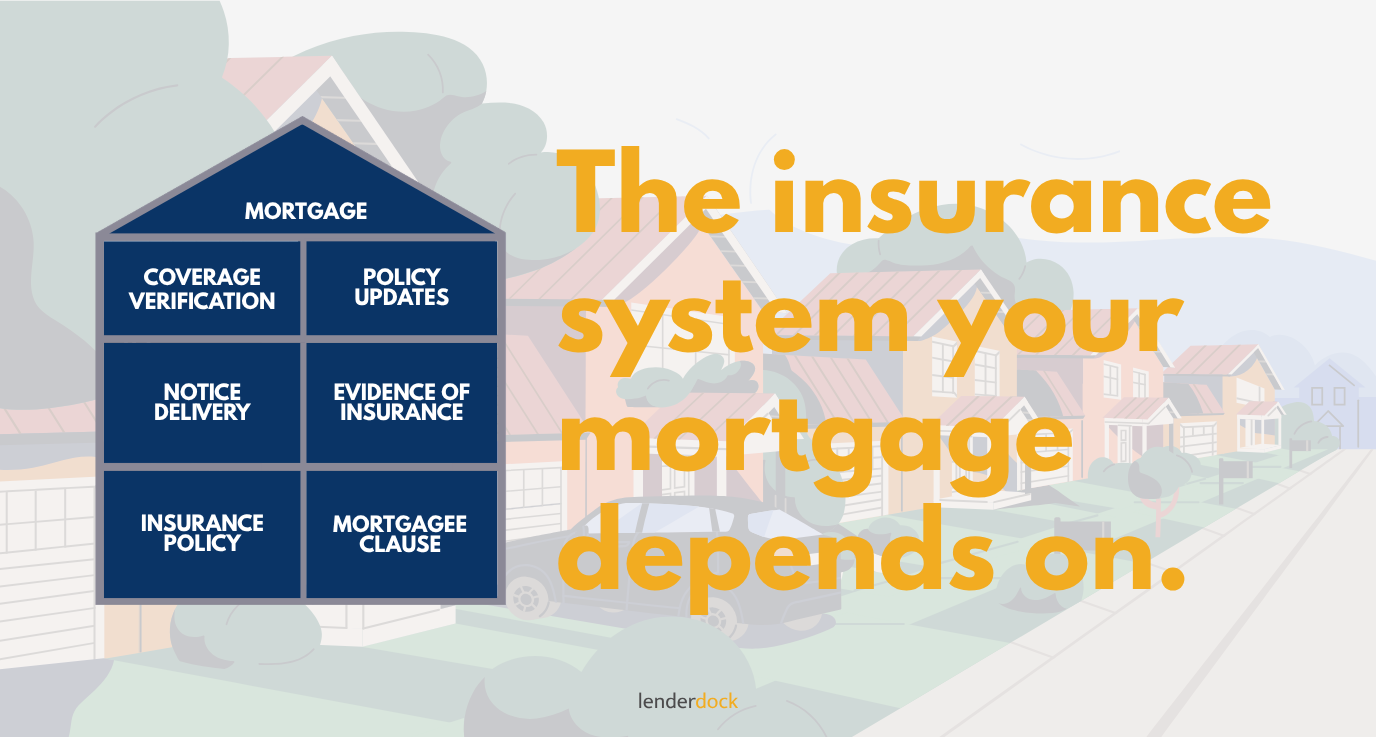
Most people who take out a mortgage never think about insurance as part of the loan itself. It feels adjacent, a separate purchase, something the lender requires but does not really participate in beyond checking…
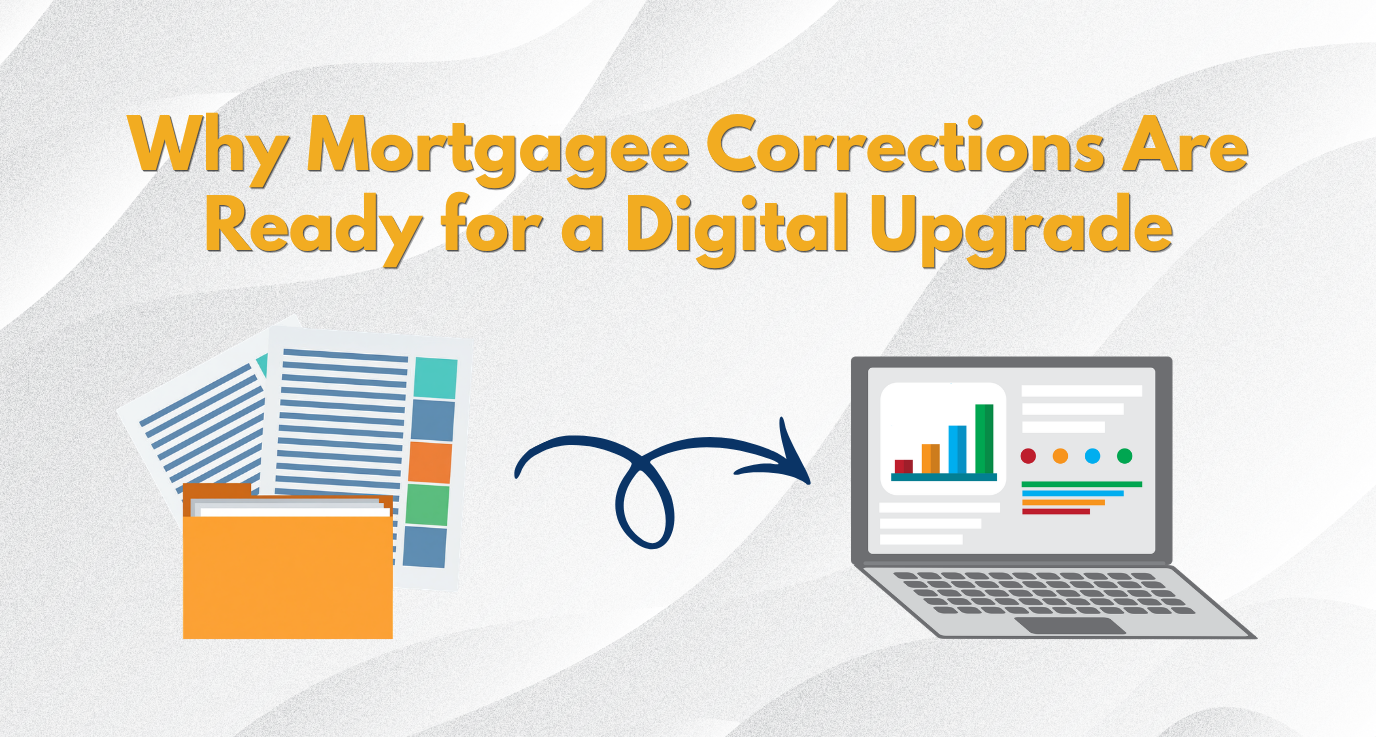
Mortgagee corrections are a routine part of insurance servicing, but the process behind them is often anything but simple. A lender may find that the mortgagee’s name or address on a policy is out of…


We consectetur adipiscing elit tempor incididunt ut labore. Wondering ipsum dolor sit amet? We consectetur adipiscing ipsum nulla glavrida elit tempor incididunt.