From Policy Change to Action: Why Timing Matters in Insurance
We’ve heard people in mortgage servicing use verification and tracking as if they’re interchangeable, and honestly, for a lot of daily work, treating them that way doesn’t break anything.


LenderDock provides real-time, insurance policy details through its magical web portal or its APIs.

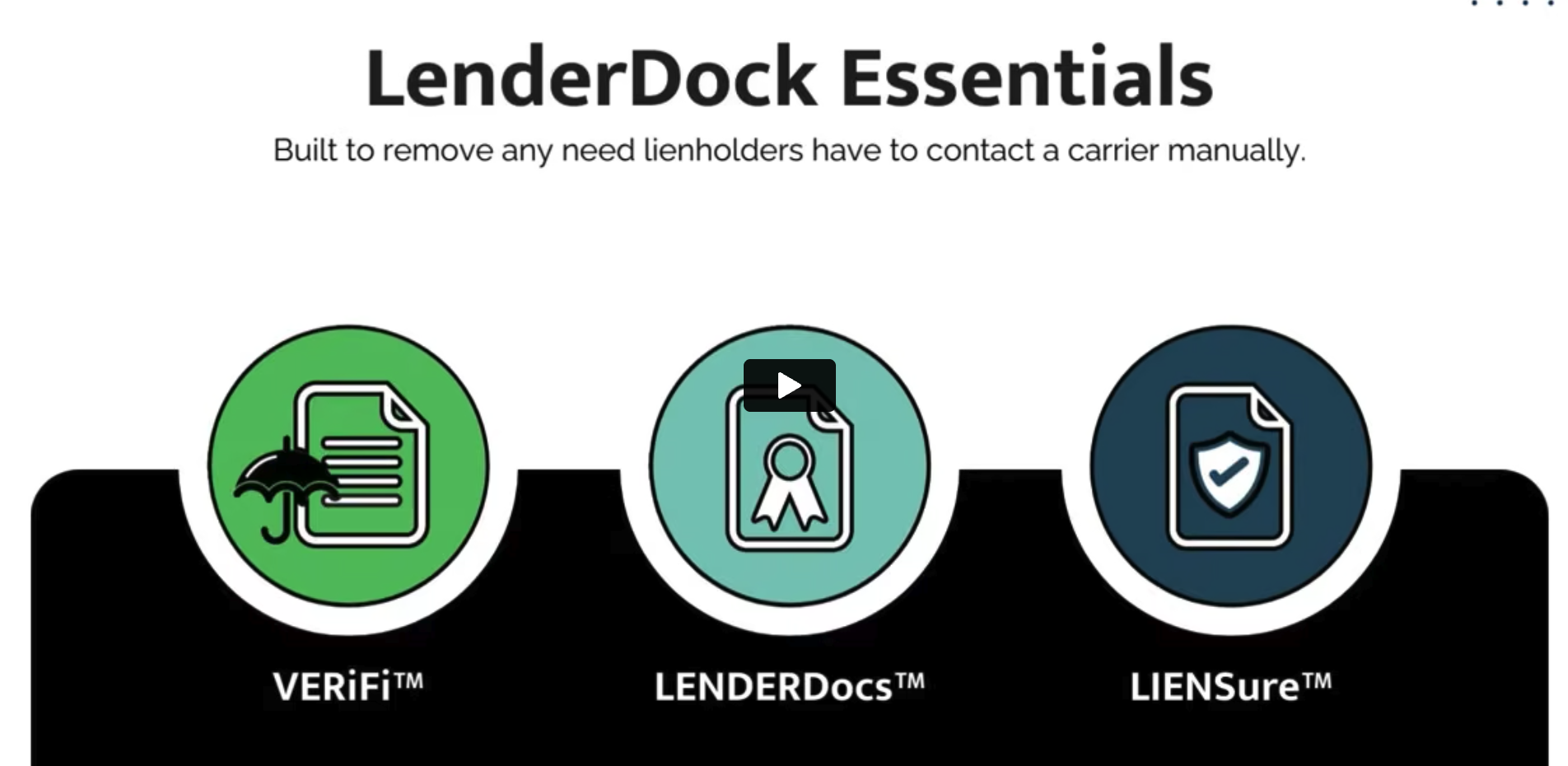
LIENSure sends corrections digitally, straight from the financial source of truth and in bulk for easy processing.

ESCROWPay verifies what’s actually due before the money moves, then sends the payment and reconciliation data digitally.

NOTiFi delivers required policy, coverage, and billing notices in the formats lienholders actually use
At least check out the genesis of LenderDock Video. It’ll all make sense, the eco-system, that is.
Learn more about our great leadership team and our amazing, people-first, company culture.
There’s a lot going on at LenderDock and in our industries. We threw it all here to make it easier to keep up.
We go to a lot of events and we love to eat. See our calendar of where we’ll be.
New webinars will be coming quite frequently. Educational, success, and sales.
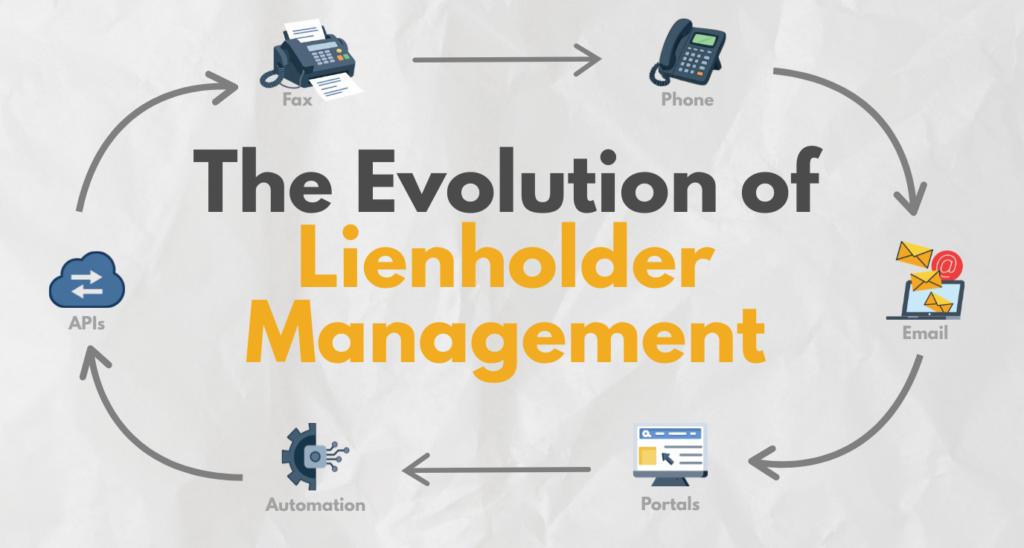
The relationship between insurers and mortgage lenders has always required a paper trail. When a homeowner takes out a mortgage, the lender becomes a named party on the insurance policy, with a direct financial interest in the property staying covered for the life of the loan.
Managing that relationship, confirming coverage, tracking changes, ensuring notifications reach the right place, has been a core operational function for both sides of the transaction for as long as mortgage lending has existed.
What has changed, particularly over the last few decades, is how that function gets executed.
The earliest version of lienholder management was entirely paper-based.
Certificates of insurance traveled by post. Cancellation notices went out by mail. Policy changes were communicated through written correspondence that moved at whatever speed the postal system allowed.
For a lending environment that operated on similar timescales (loan applications processed over weeks, property transactions closing over months), the lag was manageable.
Nobody expected to know something the same day it happened, because nothing else in the process moved that fast either.
The paper system had its own logic. A physical document with a signature carried a kind of authority that felt appropriate for transactions of that size and significance.
It was also slow, lossy (documents got misfiled, lost in transit, or sent to addresses that were no longer current), and entirely dependent on human handling at every step.
The fax machine felt like a revolution when it arrived in insurance and mortgage servicing operations. A document that used to take days to arrive could now be transmitted in minutes.
Lienholder confirmations, policy endorsements, and cancellation notices could move the same day they were generated. For servicers managing growing loan portfolios, the speed improvement was real and meaningful.
What the fax did not solve was the human layer underneath it. A faxed document still had to be received by a person, read by a person, and entered into a system by a person. The transmission was faster, but the processing was not.
And as loan portfolios grew through the 1980s and 1990s, the volume of faxes arriving in servicing operations started to create its own kind of problem. Dedicated fax rooms, staff whose entire job was managing inbound fax queues, and the attendant errors that come from manual data entry at scale became standard features of the lienholder management function.
As portfolios grew and the complexity of lienholder relationships increased, the phone became the default resolution channel for everything the fax could not handle cleanly.
A servicer who could not read a faxed document clearly called to verify. A carrier who needed to confirm a lienholder address called to check. A borrower caught between two institutions with conflicting records called both of them, usually multiple times, and got different answers depending on who picked up.
Call centers absorbed an enormous volume of work that existed entirely because information was not moving reliably between systems. The representatives staffing them were not resolving insurance questions in any meaningful sense but rather compensating for data gaps, one phone call at a time.
The cost of running those operations (in staffing, in training, in the time spent on calls that should never have needed to happen) became a permanent line item in carrier and servicer budgets, accepted as a cost of doing business rather than recognized as a symptom of an information problem.
Email brought another round of speed improvement without solving the underlying issue.
Documents could move faster and more reliably than fax, and the digital format made storage and retrieval easier.
But email is still a human-to-human channel, dependent on someone sending, someone receiving, and someone entering the relevant information into whatever system needed to hold it.
Portals were the industry’s attempt to add some structure to that process.
A servicer could log in, look up a policy, and (in theory) get current information without making a phone call. In practice, portal adoption was uneven, data freshness was inconsistent, and the portals themselves required manual updates that lagged behind the carrier’s own systems.
A servicer checking a portal on Thursday might be looking at information that was last refreshed on Monday, which defeated much of the purpose.
The portal era also introduced a new kind of friction for carriers. Managing access credentials, maintaining portal infrastructure, and keeping data current across multiple servicer relationships added operational overhead that the efficiency gains did not always offset.
For smaller carriers, the portal model could be harder to justify, particularly where they lacked the IT resources of larger insurers or already had established distribution arrangements.
The shift to API-driven lienholder management is qualitatively different from the transitions that preceded it.
Mail to fax to email to portal was essentially the same model moving faster. A document or record generated in one place, transmitted to another, received and processed by a person. Each iteration reduced the transit time.
None of them changed the fundamental structure of the exchange.
An API changes the structure. Instead of one party generating a document and sending it to another party to process, the systems on both sides are connected directly.
When something changes on a policy, the update propagates to the connected servicer’s system automatically, without a document being generated, transmitted, received, or manually entered. The event and the communication about the event happen as close to simultaneously as the technology allows.
For lienholder management specifically, this means that a cancellation triggers a notification the moment it is recorded, not when the next batch runs or when someone gets around to sending the fax. A reinstatement is confirmed in real time, not after a servicer calls to check. A coverage change is reflected across connected systems before anyone has had to ask whether it happened.
The operational implications compound over time. Servicers running on real-time API connections need smaller verification teams because the information they used to chase arrives without being requested.
Carriers fielding fewer inbound calls from servicers can redirect that capacity toward work that actually requires human judgment. Borrowers caught between two institutions with conflicting records become rarer, because the records are drawn from the same live data rather than separate snapshots taken at different times.
The transition is not complete.
A meaningful portion of lienholder management still runs on fax, email, and manual portal lookups, particularly among smaller carriers and regional servicers whose legacy systems were not built with API connectivity in mind.
The infrastructure investment required to move from batch-based communication to real-time data exchange is real. Worse, the institutional habits built around slower channels do not change overnight.
But the direction is clear, and the gap between organizations that have made the transition and those that have not is becoming more visible in operational costs, exception volumes, and the borrower experience on the other side of both.
The fax machine solved a real problem in its time. So did every channel that followed it. What APIs solve is different in kind, not just degree, and that distinction is what makes the current transition more significant than the ones that preceded it.
LenderDock was built specifically for this transition. Our platform connects insurers and mortgage servicers through real-time API integrations, replacing the batch files, fax queues, and manual verification calls that still define lienholder management for much of the industry.
Carriers using LenderDock’s NOTiFi™️ solution receive and deliver policy notifications electronically and in real time, while our real-time API gives servicers direct, live access to policy data without the lag that portal lookups and scheduled file transfers introduce.
If your organization is still managing lienholder relationships through channels that were designed for a different era, it is worth seeing what the current one looks like.
We’ve heard people in mortgage servicing use verification and tracking as if they’re interchangeable, and honestly, for a lot of daily work, treating them that way doesn’t break anything.
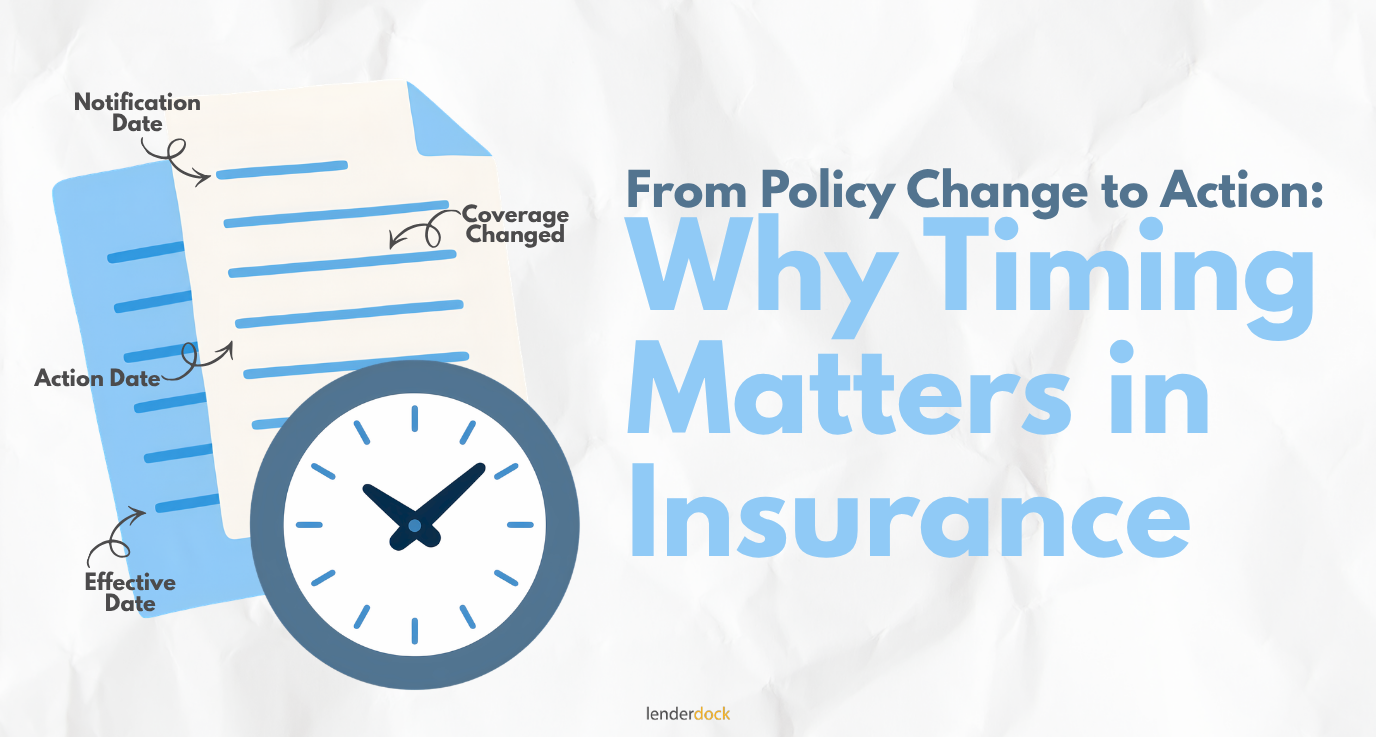
A two-day lag between a policy change and everyone finding out about it used to be annoying, not dangerous. Someone made a call, waited, got an answer, and moved on with their day.
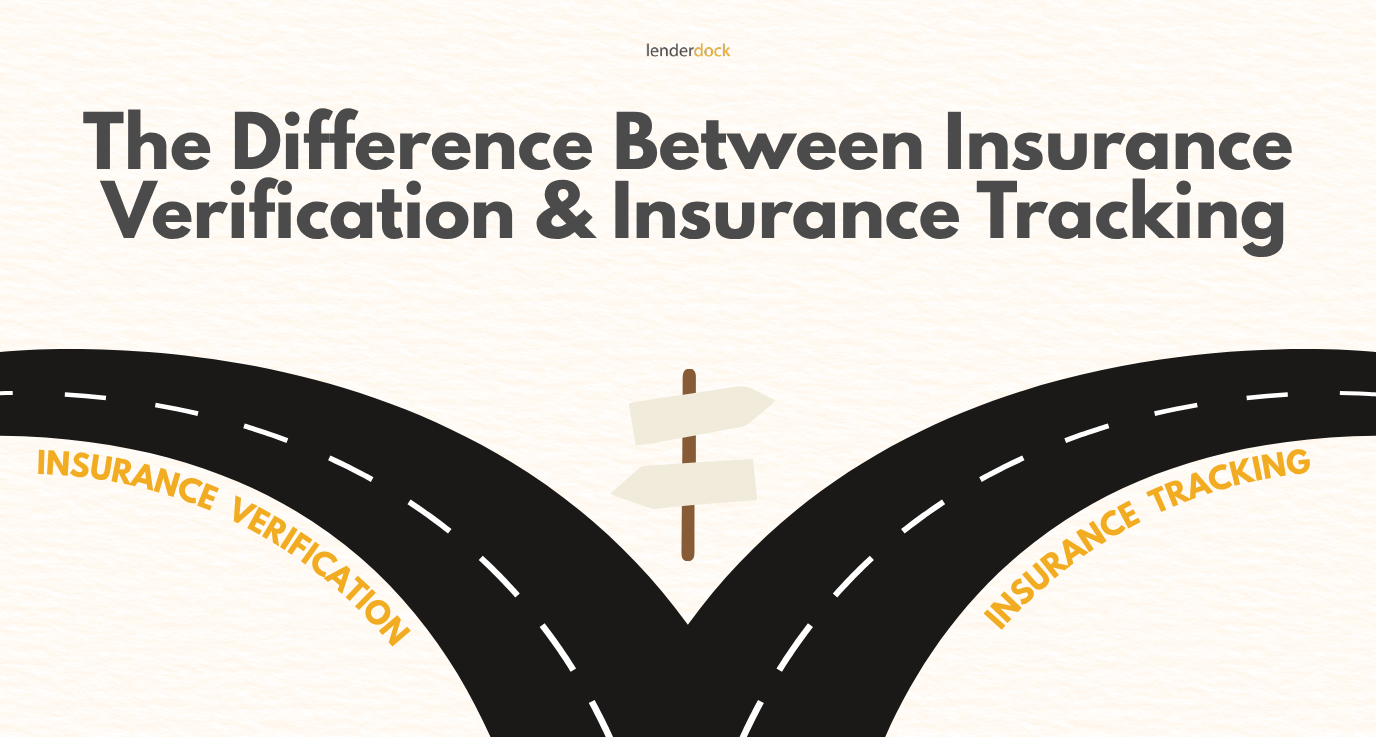
We’ve heard people in mortgage servicing use verification and tracking as if they’re interchangeable, and honestly, for a lot of daily work, treating them that way doesn’t break anything.
Insurance verification is a routine part of the lending and insurance process. A lender needs to know whether a policy is active. A mortgage servicer may need to confirm coverage or mortgagee information. An insurance…
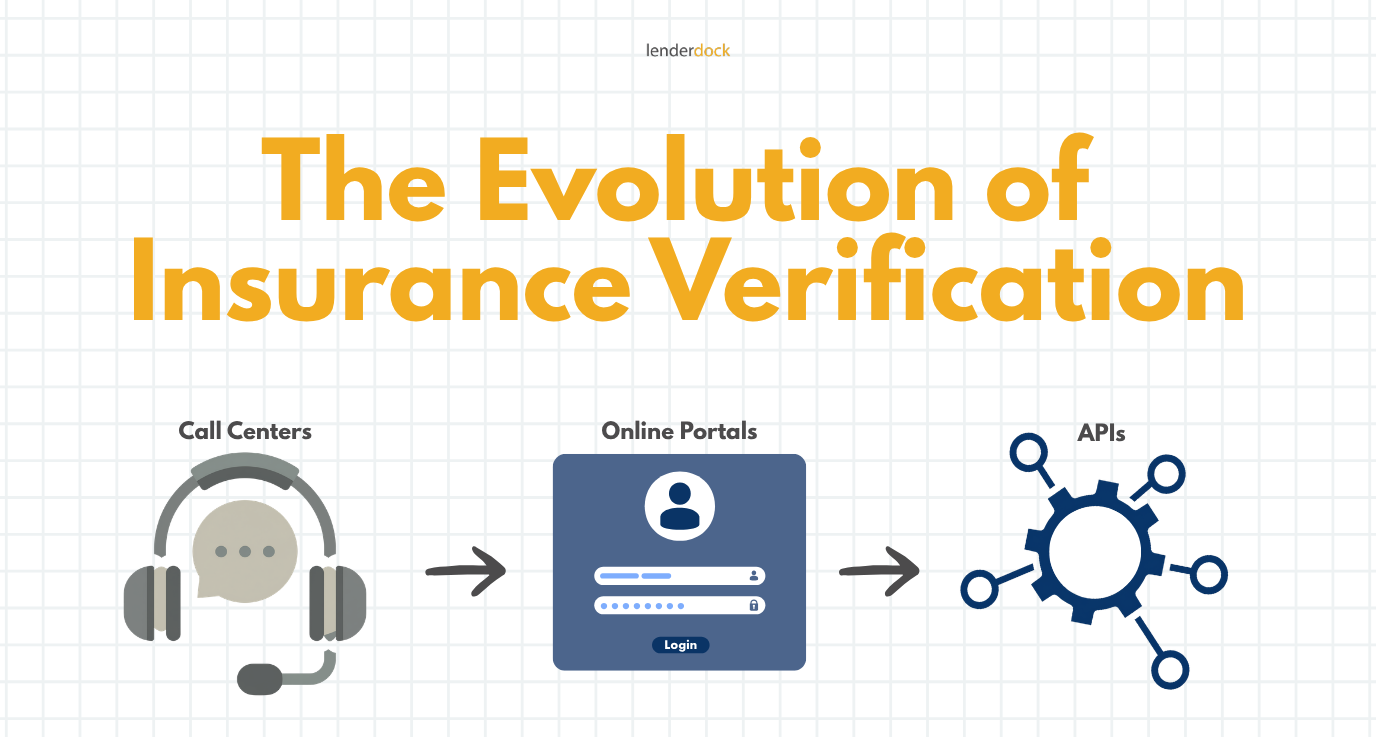
In the earliest version of insurance verification, the person answering the phone actually had to know things. They pulled a physical file, checked handwriting against a ledger, and made a judgment call about whether what…
Two insurers can each have perfectly accurate, well-maintained policy databases and still fail to exchange a single piece of usable data between them.
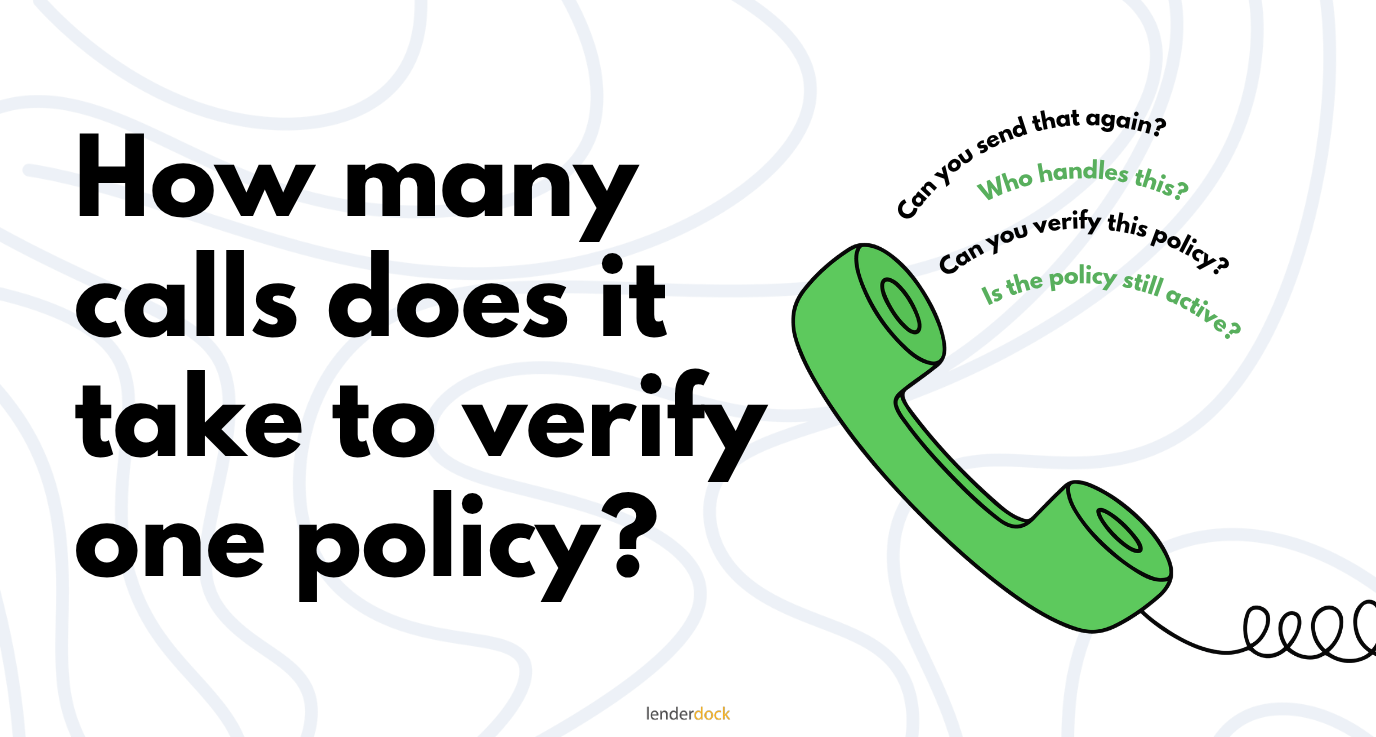
Every single day, insurance workers face a mountain of simple questions. Are they tired of answering the same questions about policy coverage all day long? Yes, they are. When banks or lenders need to check…
A title company closing a home sale needs to confirm the seller’s policy is active before the deal can move. An auto lender needs the same thing before releasing funds on a car loan. A…
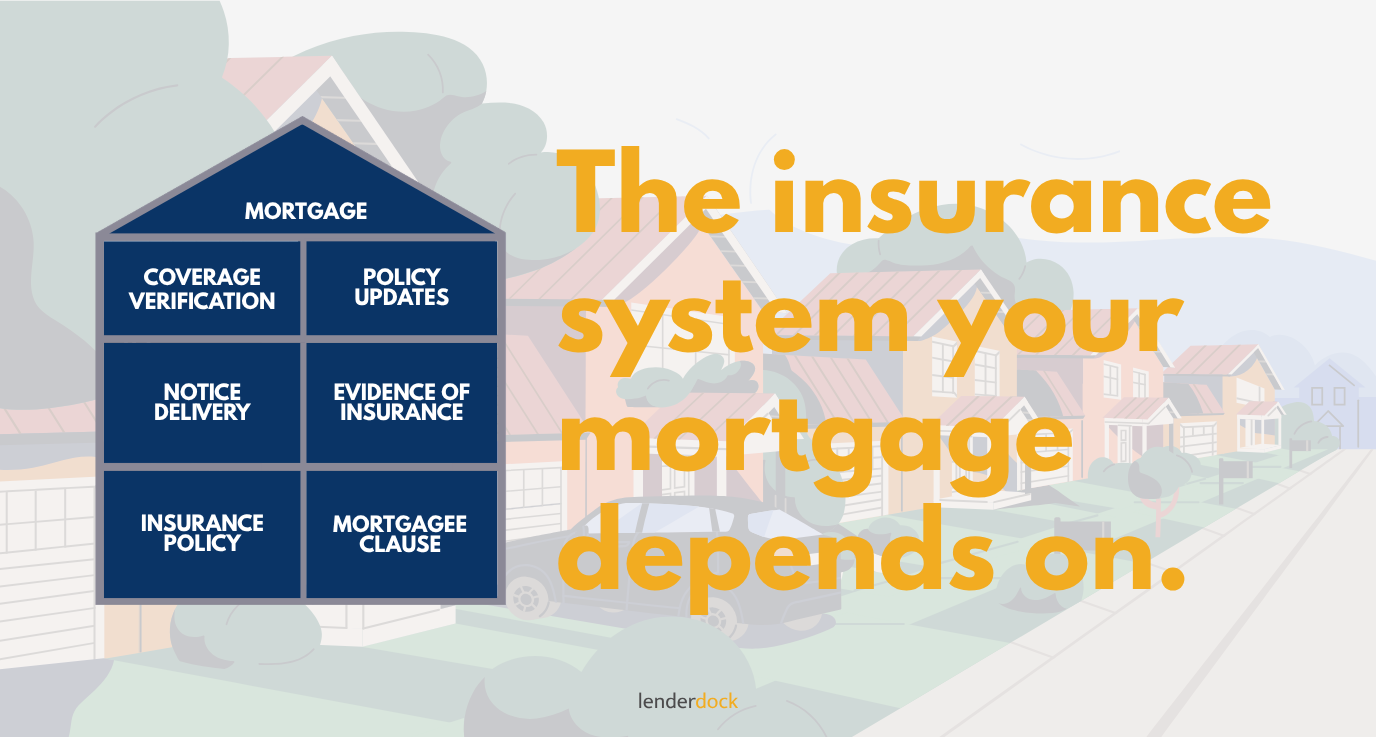
Most people who take out a mortgage never think about insurance as part of the loan itself. It feels adjacent, a separate purchase, something the lender requires but does not really participate in beyond checking…
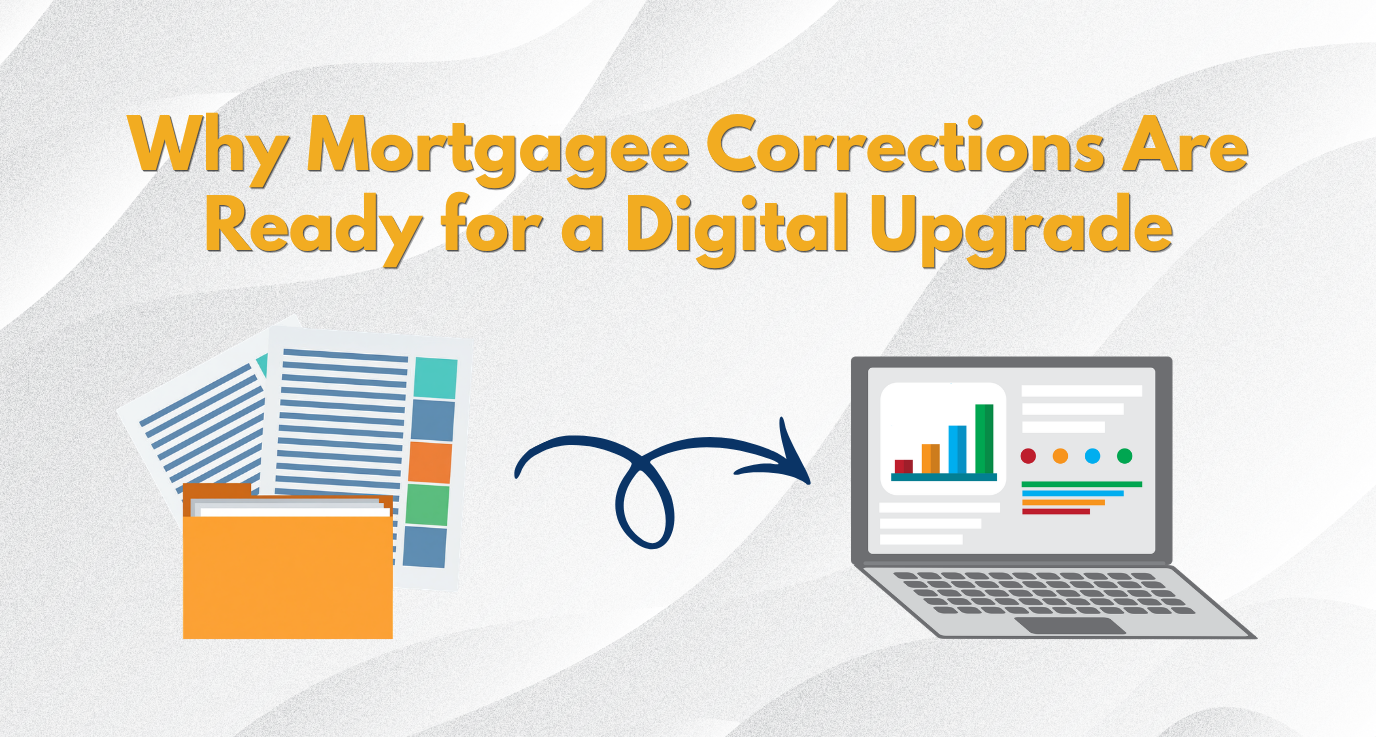
Mortgagee corrections are a routine part of insurance servicing, but the process behind them is often anything but simple. A lender may find that the mortgagee’s name or address on a policy is out of…


We consectetur adipiscing elit tempor incididunt ut labore. Wondering ipsum dolor sit amet? We consectetur adipiscing ipsum nulla glavrida elit tempor incididunt.