From Policy Change to Action: Why Timing Matters in Insurance
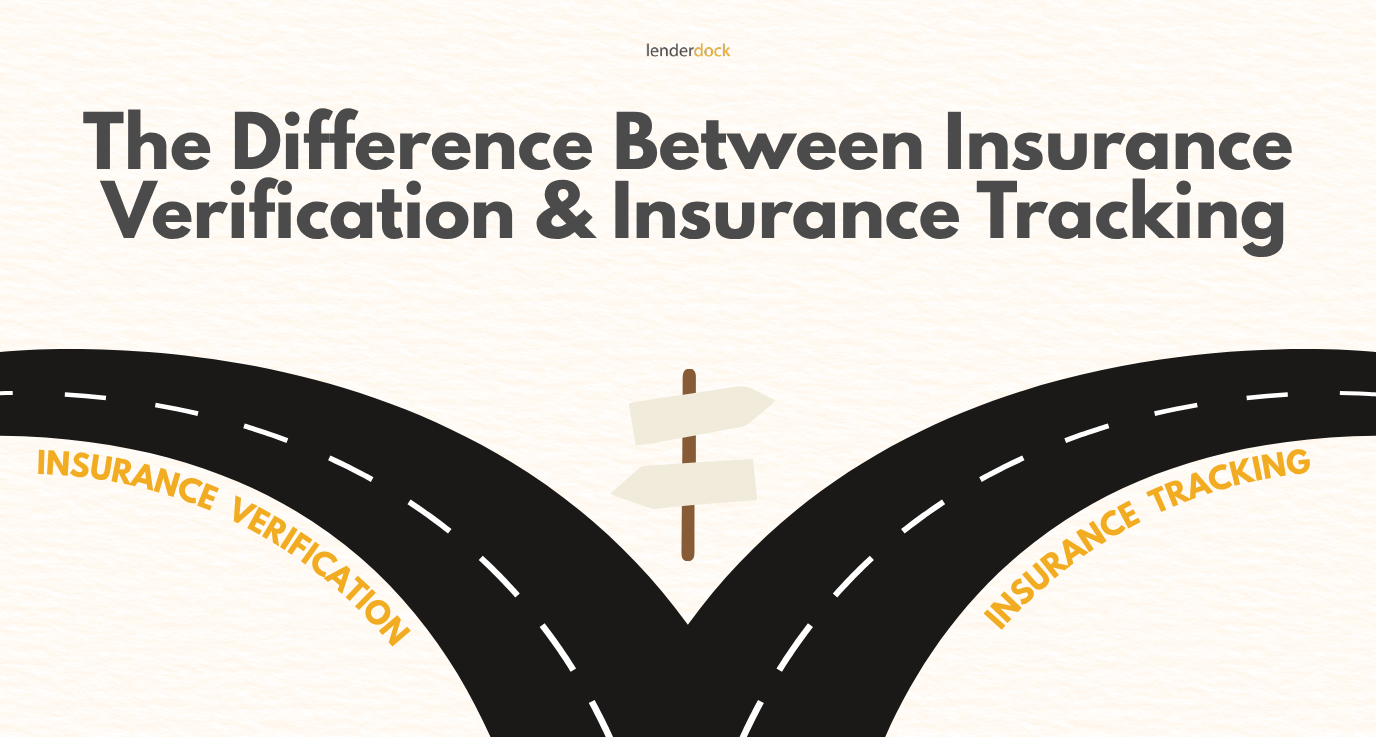
We’ve heard people in mortgage servicing use verification and tracking as if they’re interchangeable, and honestly, for a lot of daily work, treating them that way doesn’t break anything.


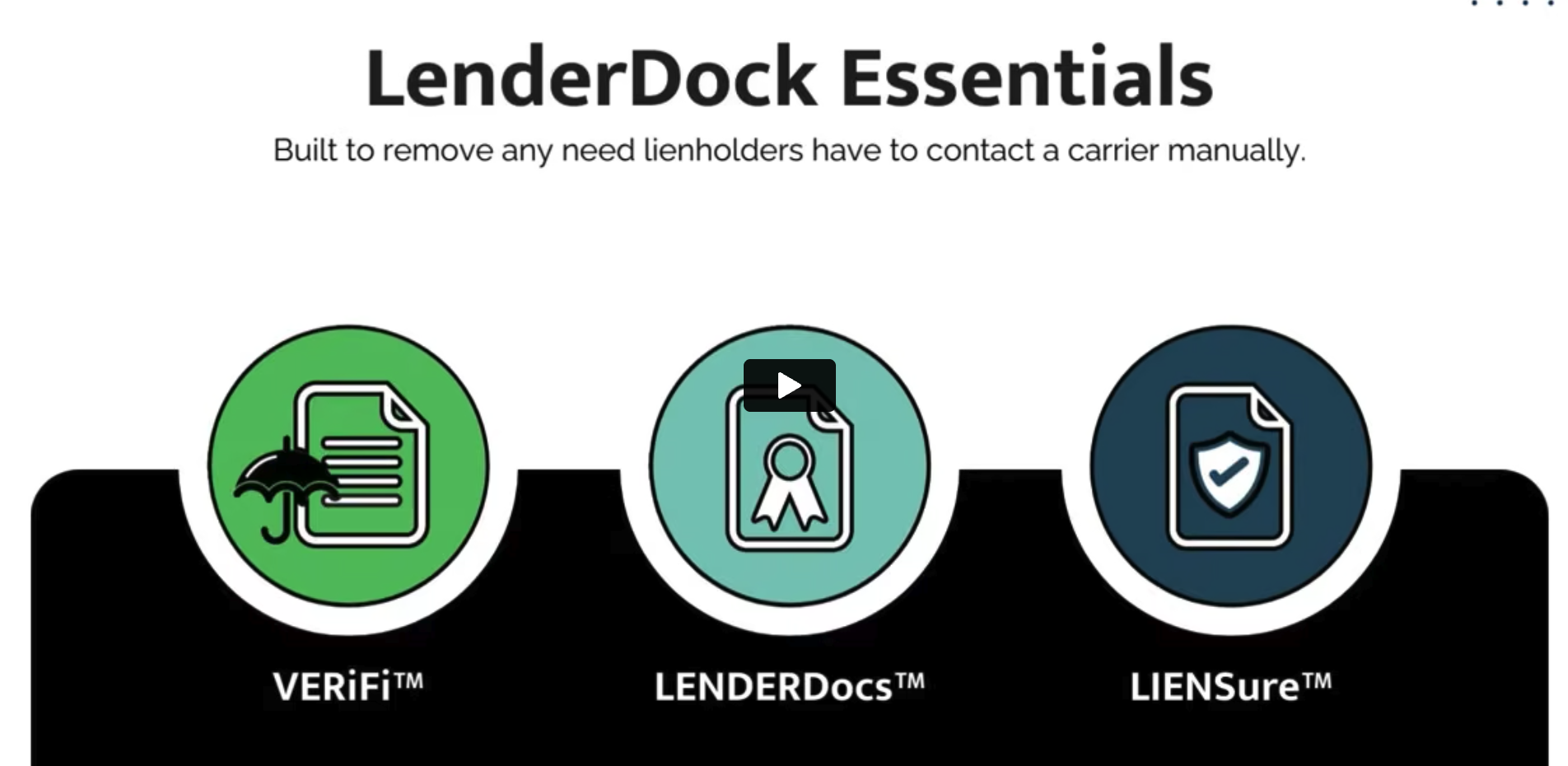
LenderDock provides real-time, insurance policy details through its magical web portal or its APIs.

LIENSure sends corrections digitally, straight from the financial source of truth and in bulk for easy processing.

ESCROWPay verifies what’s actually due before the money moves, then sends the payment and reconciliation data digitally.

NOTiFi delivers required policy, coverage, and billing notices in the formats lienholders actually use
At least check out the genesis of LenderDock Video. It’ll all make sense, the eco-system, that is.
Learn more about our great leadership team and our amazing, people-first, company culture.
There’s a lot going on at LenderDock and in our industries. We threw it all here to make it easier to keep up.
We go to a lot of events and we love to eat. See our calendar of where we’ll be.
New webinars will be coming quite frequently. Educational, success, and sales.
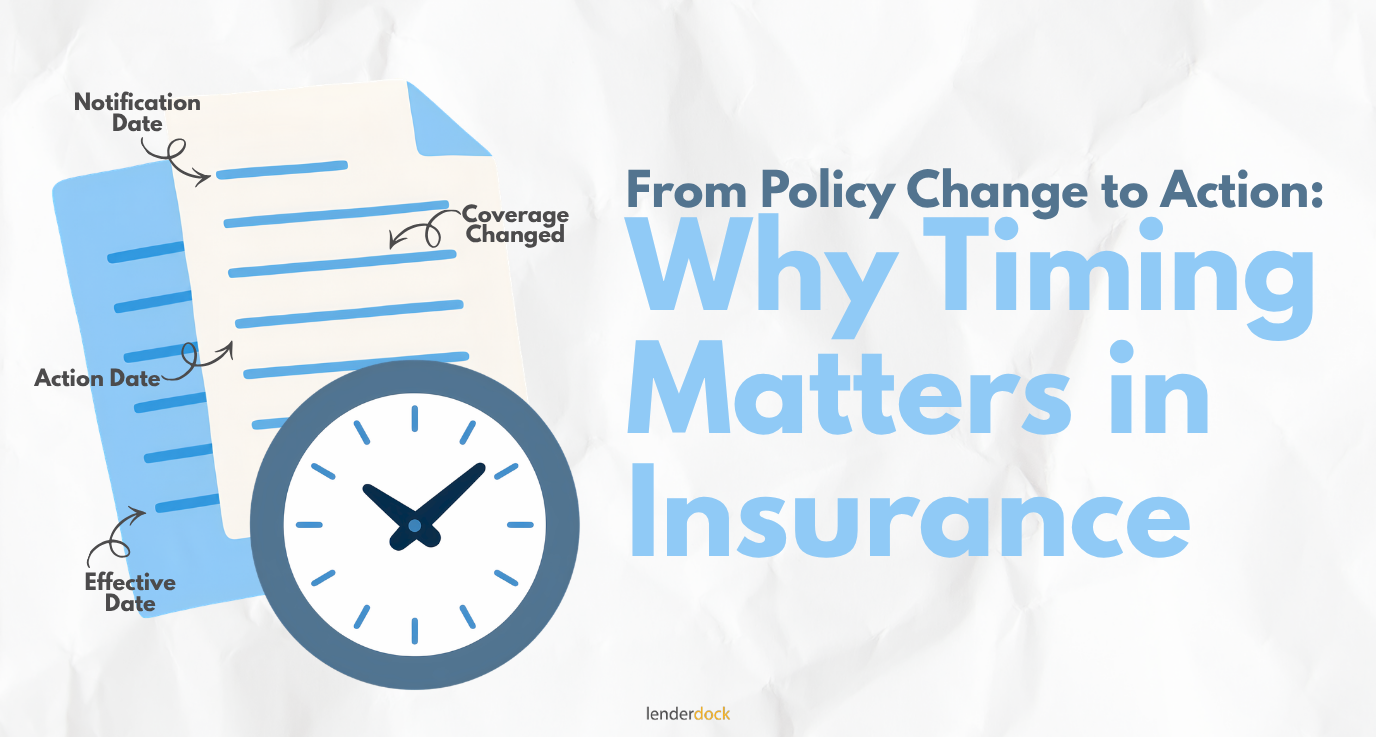
A two-day lag between a policy change and everyone finding out about it used to be annoying, not dangerous. Someone made a call, waited, got an answer, and moved on with their day.
What changed isn’t the size of the lag but rather who’s waiting on the other end of it.
A person checking a policy status can absorb a bit of staleness without much cost; they’ll notice if something looks off, they’ll ask a follow-up question, they’ll wait an extra day if they have to.
A system doesn’t do any of that. Feed it a two-day-old status, and it acts on that status immediately, with the same confidence it would have if the data were current.
Digital mortgage closings show this clearly enough. A closing that used to stretch over weeks (plenty of slack in there for a paper certificate to arrive late) now sometimes wraps up in days, occasionally hours, with the insurance confirmation feeding straight into an automated funding decision.
Nobody built extra slack into that timeline for a stale data point, because nobody thought there’d need to be any.
Embedded insurance runs into a sharper version of the same thing. A checkout flow offering coverage at the point of sale has to confirm eligibility, price it, and bind it in seconds, and a policy database that only refreshes overnight simply can’t feed that. It’s not a minor drag on the experience; it breaks the product outright.
Catastrophe events push the timing problem harder still. A hurricane or a wildfire can trigger thousands of policy changes (cancellations, force-placements, new claims) inside a single compressed window, which is roughly the worst possible moment for a batch system to be running a day or two behind.
Insurers and servicers trying to understand their exposure while the event is still unfolding are often working from a snapshot that was already outdated before the disaster had finished happening.
AI-driven pricing adds a quieter pressure of its own. A model that reprices risk continuously, or flags a policy the moment some relevant condition shifts, is only as good as what it’s fed.
Give it stale inputs, and it doesn’t produce an obviously wrong answer; it produces a confident one, which tends to be harder to catch.
A batch system, underneath all of this, has always quietly assumed a human would notice when something looked wrong and step in. Machine-to-machine exchange doesn’t carry that same assumption. Whatever arrives gets acted on right away, no second look.
That raises the cost of a small error considerably. A wrong address sitting in a batch file eventually surfaces, a piece of mail bounces, a call goes unanswered.
A wrong address feeding a fully automated pipeline might just mean the notification goes nowhere and nobody finds out until the consequence shows up somewhere else entirely: a policy lapse, a denied claim, a force-placement that looked like it came out of nowhere.
The underlying technology, API connections that push updates the instant they happen rather than bundling them into a scheduled file, isn’t new or unusual anymore. Banking and payments have run this way for years without much fuss.
What’s shifting in insurance is less the availability of that technology and more the number of downstream systems now quietly built on the assumption that it’s there.
Plenty of insurers are still running on batch files right now, and honestly, nothing about their day-to-day operation looks broken because of it. The strain shows up further downstream, in whatever got built assuming the data would already be current by the time it arrived.
A closing platform doesn’t ask whether the insurance confirmation feeding it is actually from this morning. It just uses what it has.
Where that assumption turns out to be wrong is usually where nobody’s looking: three steps removed from the batch file itself, in a decision that already happened before anyone had a reason to double check what it was based on.
We’ve heard people in mortgage servicing use verification and tracking as if they’re interchangeable, and honestly, for a lot of daily work, treating them that way doesn’t break anything.
A two-day lag between a policy change and everyone finding out about it used to be annoying, not dangerous. Someone made a call, waited, got an answer, and moved on with their day.
We’ve heard people in mortgage servicing use verification and tracking as if they’re interchangeable, and honestly, for a lot of daily work, treating them that way doesn’t break anything.
Insurance verification is a routine part of the lending and insurance process. A lender needs to know whether a policy is active. A mortgage servicer may need to confirm coverage or mortgagee information. An insurance…
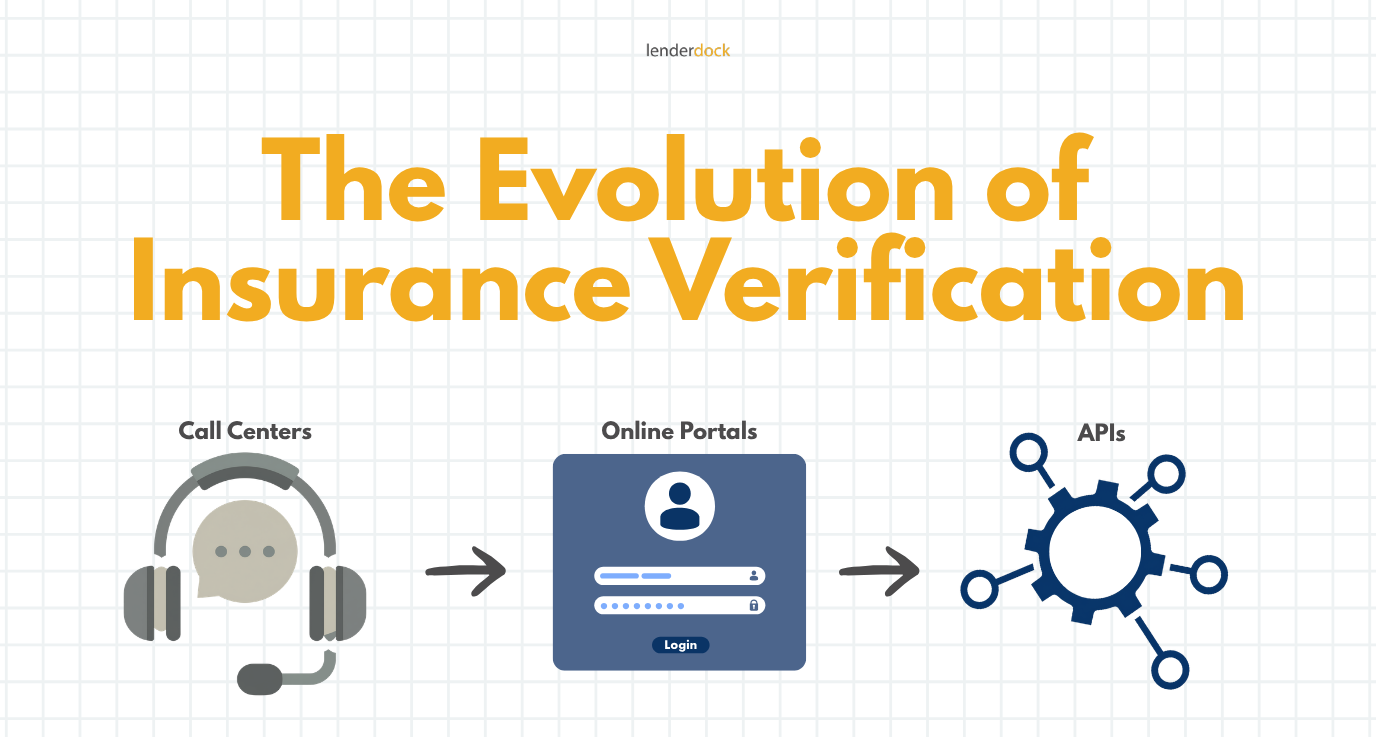
In the earliest version of insurance verification, the person answering the phone actually had to know things. They pulled a physical file, checked handwriting against a ledger, and made a judgment call about whether what…
Two insurers can each have perfectly accurate, well-maintained policy databases and still fail to exchange a single piece of usable data between them.
Every single day, insurance workers face a mountain of simple questions. Are they tired of answering the same questions about policy coverage all day long? Yes, they are. When banks or lenders need to check…
A title company closing a home sale needs to confirm the seller’s policy is active before the deal can move. An auto lender needs the same thing before releasing funds on a car loan. A…
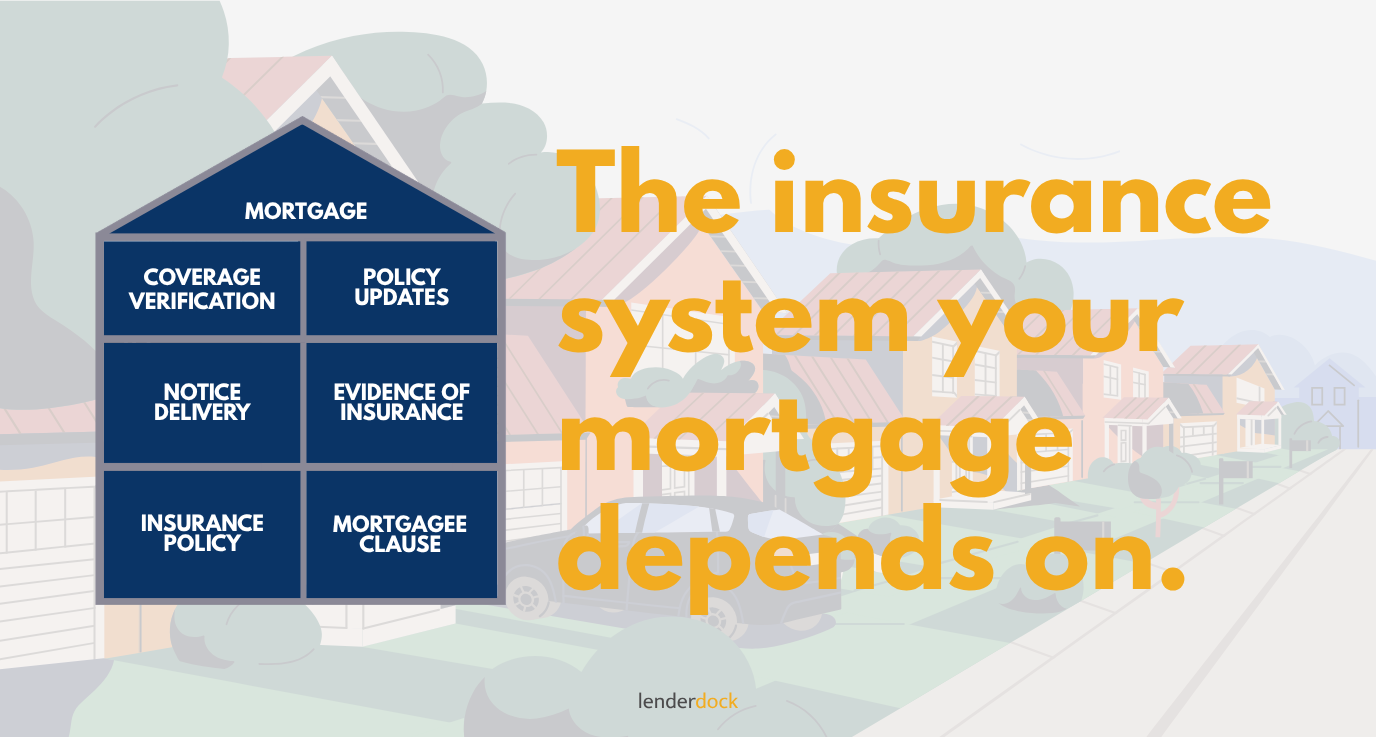
Most people who take out a mortgage never think about insurance as part of the loan itself. It feels adjacent, a separate purchase, something the lender requires but does not really participate in beyond checking…
Mortgagee corrections are a routine part of insurance servicing, but the process behind them is often anything but simple. A lender may find that the mortgagee’s name or address on a policy is out of…


We consectetur adipiscing elit tempor incididunt ut labore. Wondering ipsum dolor sit amet? We consectetur adipiscing ipsum nulla glavrida elit tempor incididunt.