From Policy Change to Action: Why Timing Matters in Insurance
We’ve heard people in mortgage servicing use verification and tracking as if they’re interchangeable, and honestly, for a lot of daily work, treating them that way doesn’t break anything.


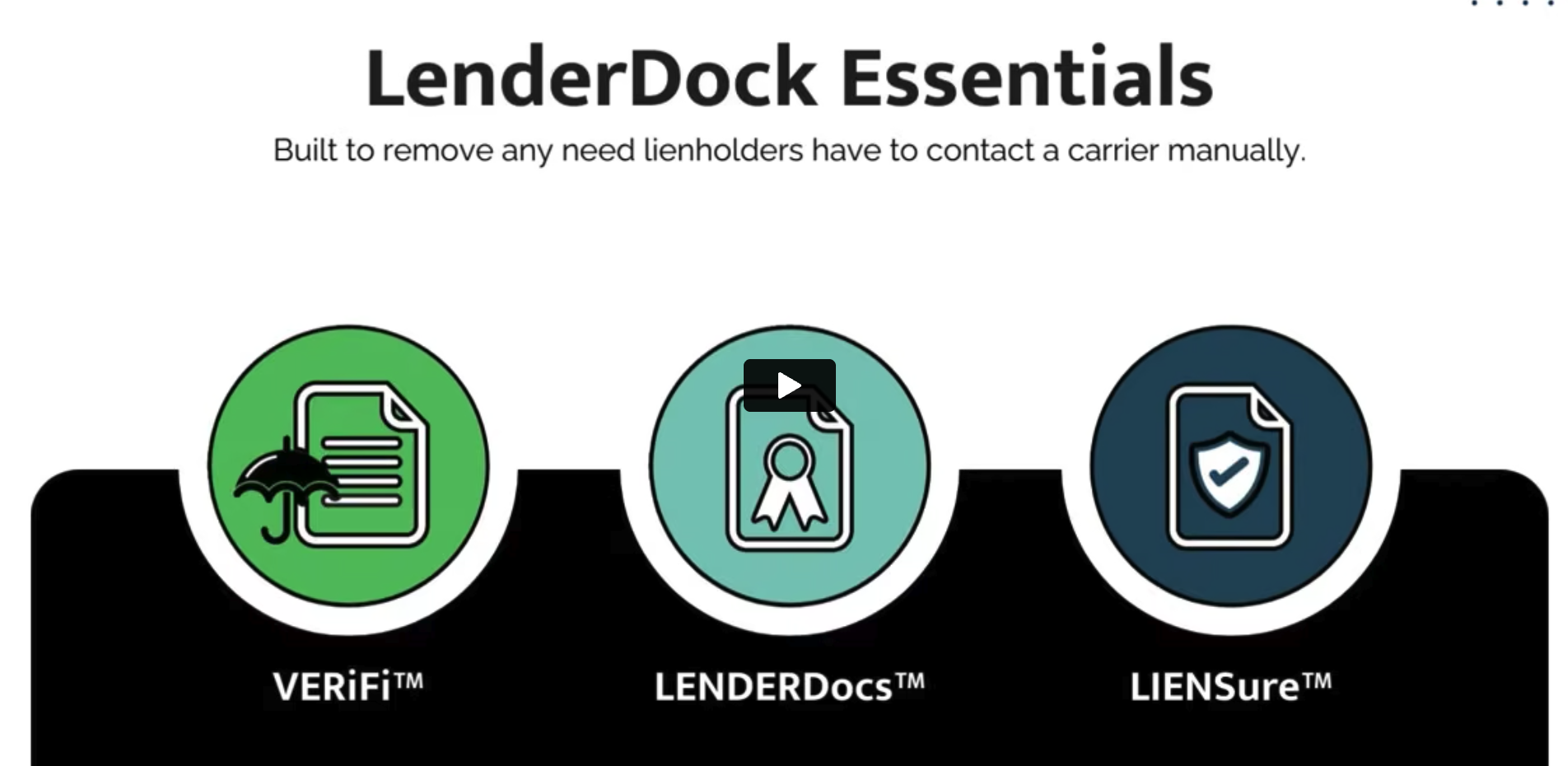
LenderDock provides real-time, insurance policy details through its magical web portal or its APIs.

LIENSure sends corrections digitally, straight from the financial source of truth and in bulk for easy processing.

ESCROWPay verifies what’s actually due before the money moves, then sends the payment and reconciliation data digitally.

NOTiFi delivers required policy, coverage, and billing notices in the formats lienholders actually use
At least check out the genesis of LenderDock Video. It’ll all make sense, the eco-system, that is.
Learn more about our great leadership team and our amazing, people-first, company culture.
There’s a lot going on at LenderDock and in our industries. We threw it all here to make it easier to keep up.
We go to a lot of events and we love to eat. See our calendar of where we’ll be.
New webinars will be coming quite frequently. Educational, success, and sales.
From revolutionizing payments, investments, and even contracts, blockchain has had many impacts on our lives. But its potential doesn’t stop there. In reinsurance, blockchain is quietly reshaping how insurers and reinsurers work together, offering improvements in efficiency, transparency, and trust.
This technology, known for powering cryptocurrencies like Bitcoin, can now be leveraged in the reinsurance space for everything from risk underwriting to financial settlements.
In 2022, Allianz and Swiss Re, executed the world’s first legally binding reinsurance contract using a distributed ledger technology (DLT) platform.
Let’s break down the key applications and how blockchain is driving change in this critical industry.
Reinsurance relies heavily on accurate data sharing to assess risks effectively. Traditionally, this process involves multiple parties exchanging data through slow and sometimes outdated methods.
By using blockchain, reinsurers can:
Lemonade, a leading insurtech company, showcases the potential of blockchain-powered smart contracts in insurance underwriting. Working with partners like Avalanche, Chainlink, and Etherics, Lemonade launched a blockchain-based crop protection insurance program to help farmers in rural Africa.
Lemonade’s program uses parametric insurance, which triggers smart contract functions when specific weather conditions, like drought, are detected. This blockchain-hosted system ensures affordable premiums, instant payouts, and a transparent claims process, helping farmers survive difficult seasons without financial ruin.
The adoption of blockchain in insurance and reinsurance could reduce reconciliation errors by up to 30%, cutting down administrative costs significantly.
Tracking reinsurance contracts and premium payments can be complex. Policies often involve intricate layers of agreements, and any inconsistencies can lead to disputes or payment delays. Blockchain simplifies this by offering a transparent and automated system for contract management.
Here’s how it helps:
All parties involved—insurers, reinsurers, and even regulators—can have access to a shared view of the policy’s status, ensuring everyone is on the same page.
Handling claims in reinsurance involves multiple reviews, verifications, and settlements. This process can be lengthy, often bogged down by inconsistent records and manual workflows. Blockchain eliminates many of these hurdles by creating a shared ledger where all claims information is stored and validated in real time.
Blockchain-powered claims processing could speed up claims settlement times by as much as 40%, enhancing the customer experience and operational efficiency for insurers. (This is exemplified in the next section)
Key benefits include:
When it comes to settling payments between insurers and reinsurers, blockchain can make a big difference. Financial settlements often involve multiple transactions, currencies, and reconciliations, which can be time-consuming and prone to errors. Blockchain, with its ability to record and verify transactions instantly, makes this process seamless.
Benefits include:
Lemonade holds the record for the fastest insurance settlement, processing a payout in just 2 seconds. By combining artificial intelligence, blockchain, and other advanced technologies, Lemonade is not only transforming traditional insurance but also paving the way for faster settlements in the reinsurance space.
Why blockchain matters for reinsurance
The reinsurance industry is built on trust and collaboration. Insurers and reinsurers need to work together efficiently to manage risks and protect policyholders. Blockchain offers a practical solution by addressing key pain points like data transparency, manual inefficiencies, and trust issues.
As more players in the industry explore its potential, blockchain could very well become a foundational tool, not just a passing trend. Whether you’re an insurer, a reinsurer, or a tech enthusiast, this is a development worth watching.
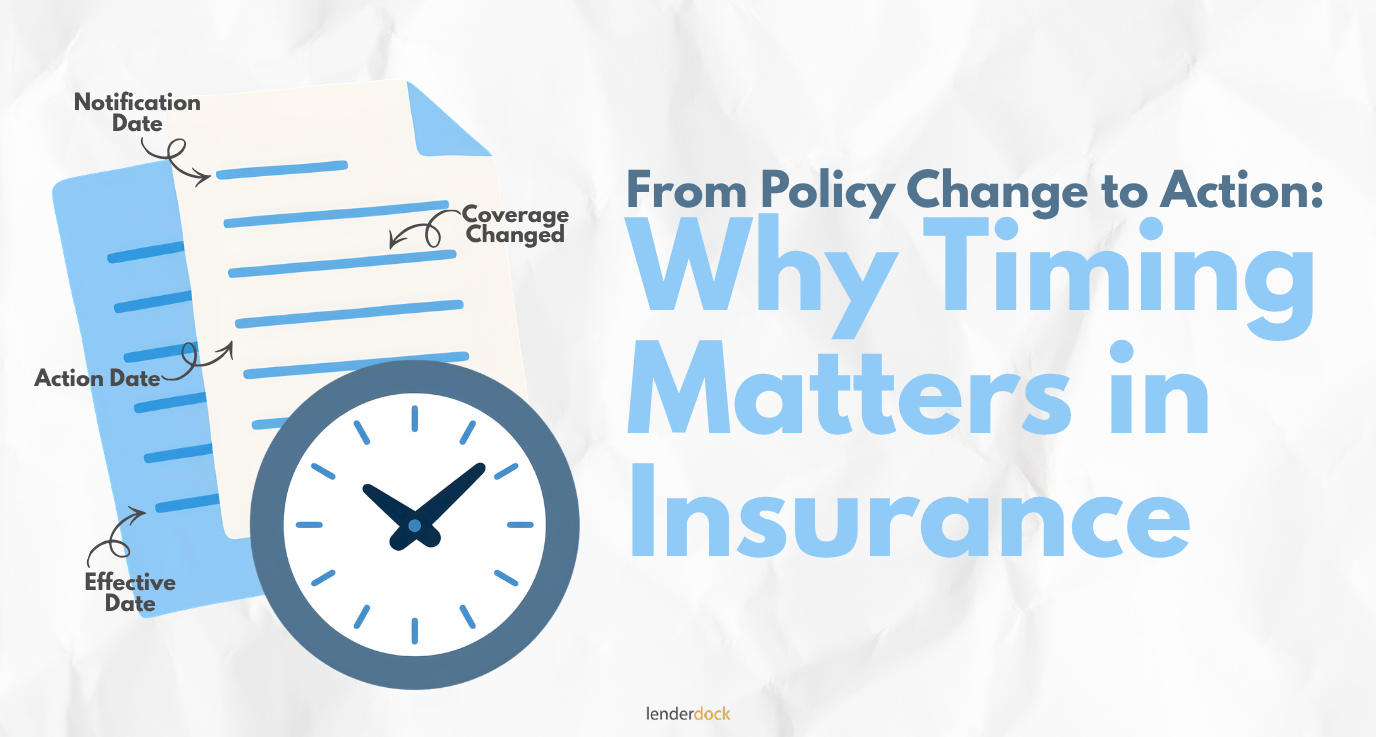
We’ve heard people in mortgage servicing use verification and tracking as if they’re interchangeable, and honestly, for a lot of daily work, treating them that way doesn’t break anything.
A two-day lag between a policy change and everyone finding out about it used to be annoying, not dangerous. Someone made a call, waited, got an answer, and moved on with their day.
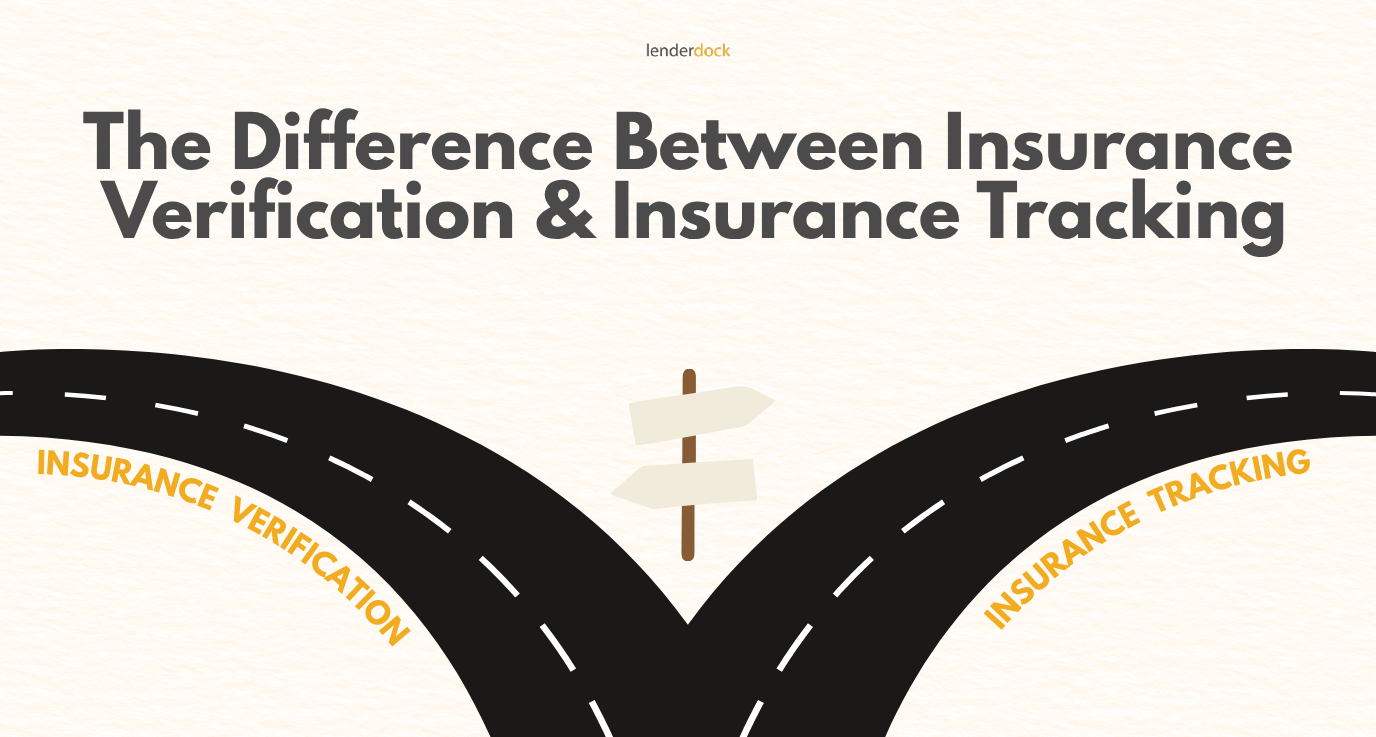
We’ve heard people in mortgage servicing use verification and tracking as if they’re interchangeable, and honestly, for a lot of daily work, treating them that way doesn’t break anything.
Insurance verification is a routine part of the lending and insurance process. A lender needs to know whether a policy is active. A mortgage servicer may need to confirm coverage or mortgagee information. An insurance…
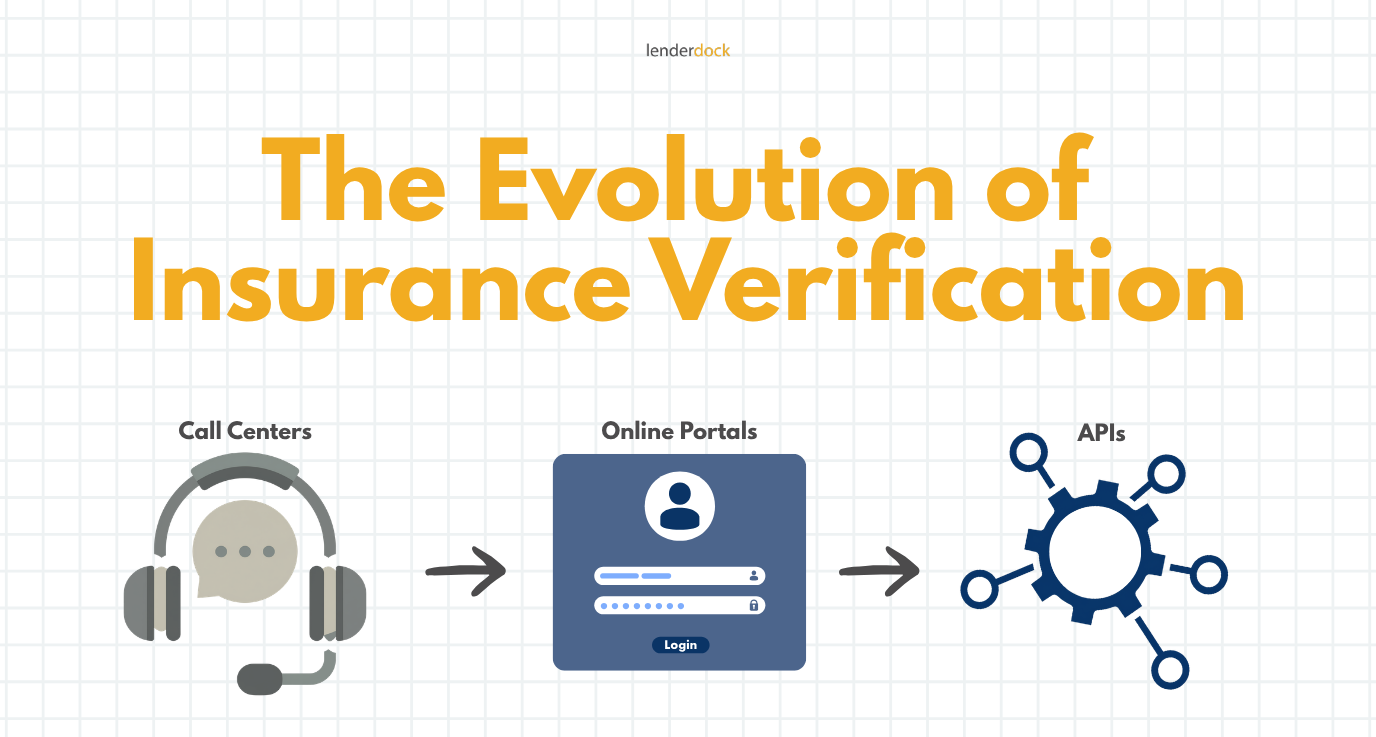
In the earliest version of insurance verification, the person answering the phone actually had to know things. They pulled a physical file, checked handwriting against a ledger, and made a judgment call about whether what…
Two insurers can each have perfectly accurate, well-maintained policy databases and still fail to exchange a single piece of usable data between them.
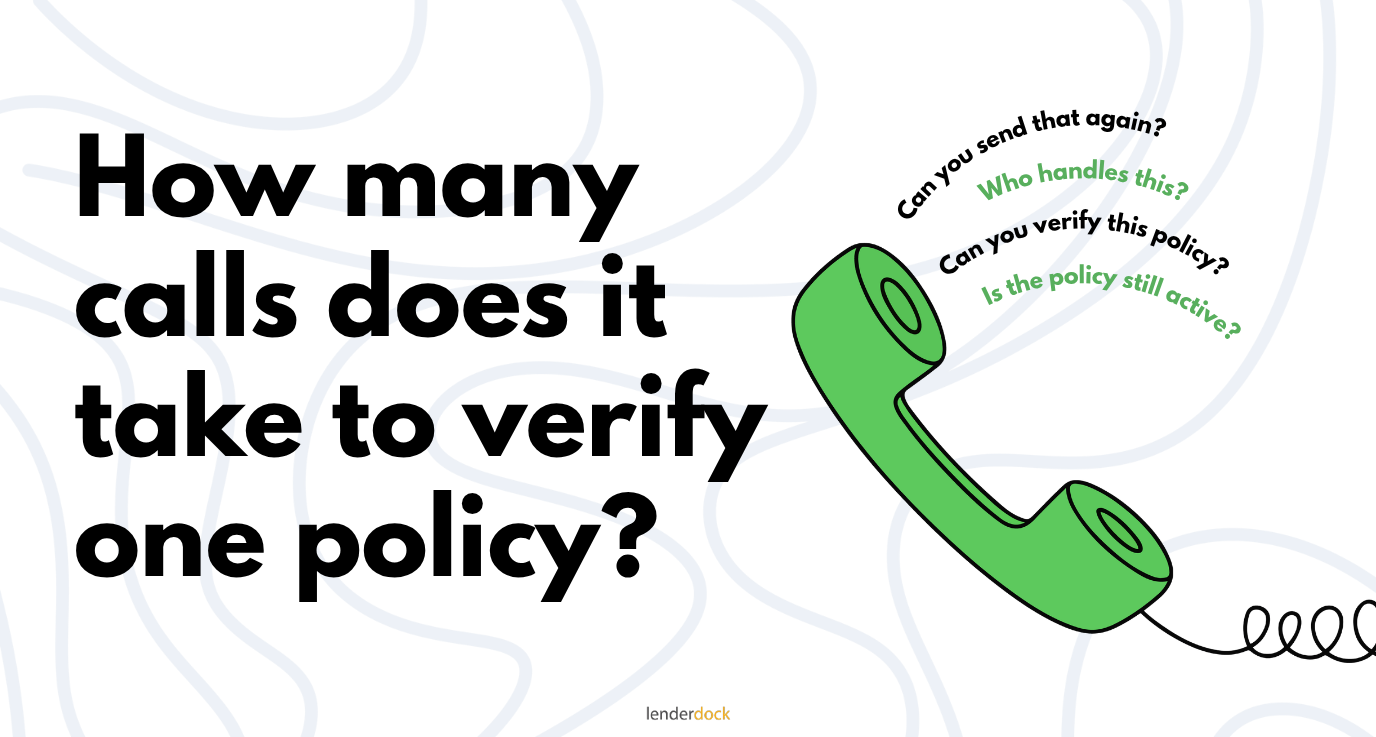
Every single day, insurance workers face a mountain of simple questions. Are they tired of answering the same questions about policy coverage all day long? Yes, they are. When banks or lenders need to check…
A title company closing a home sale needs to confirm the seller’s policy is active before the deal can move. An auto lender needs the same thing before releasing funds on a car loan. A…
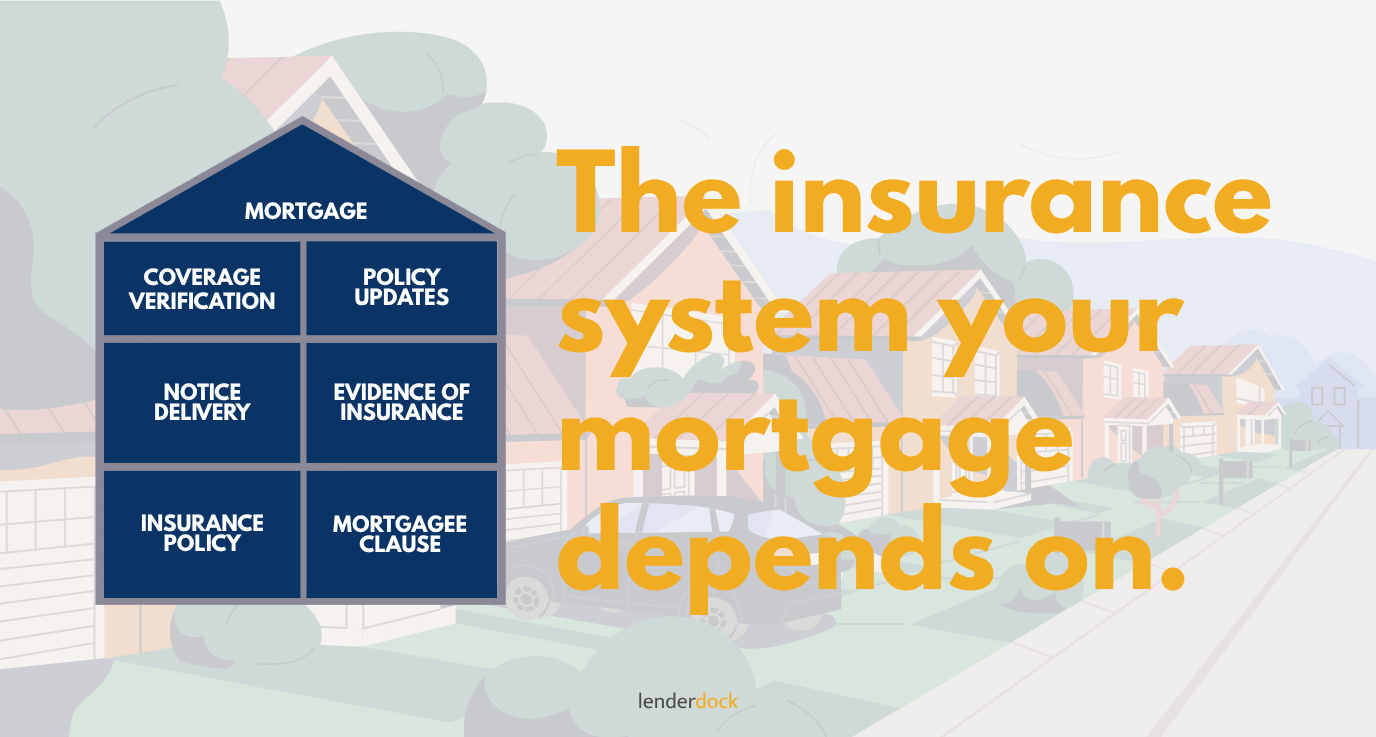
Most people who take out a mortgage never think about insurance as part of the loan itself. It feels adjacent, a separate purchase, something the lender requires but does not really participate in beyond checking…
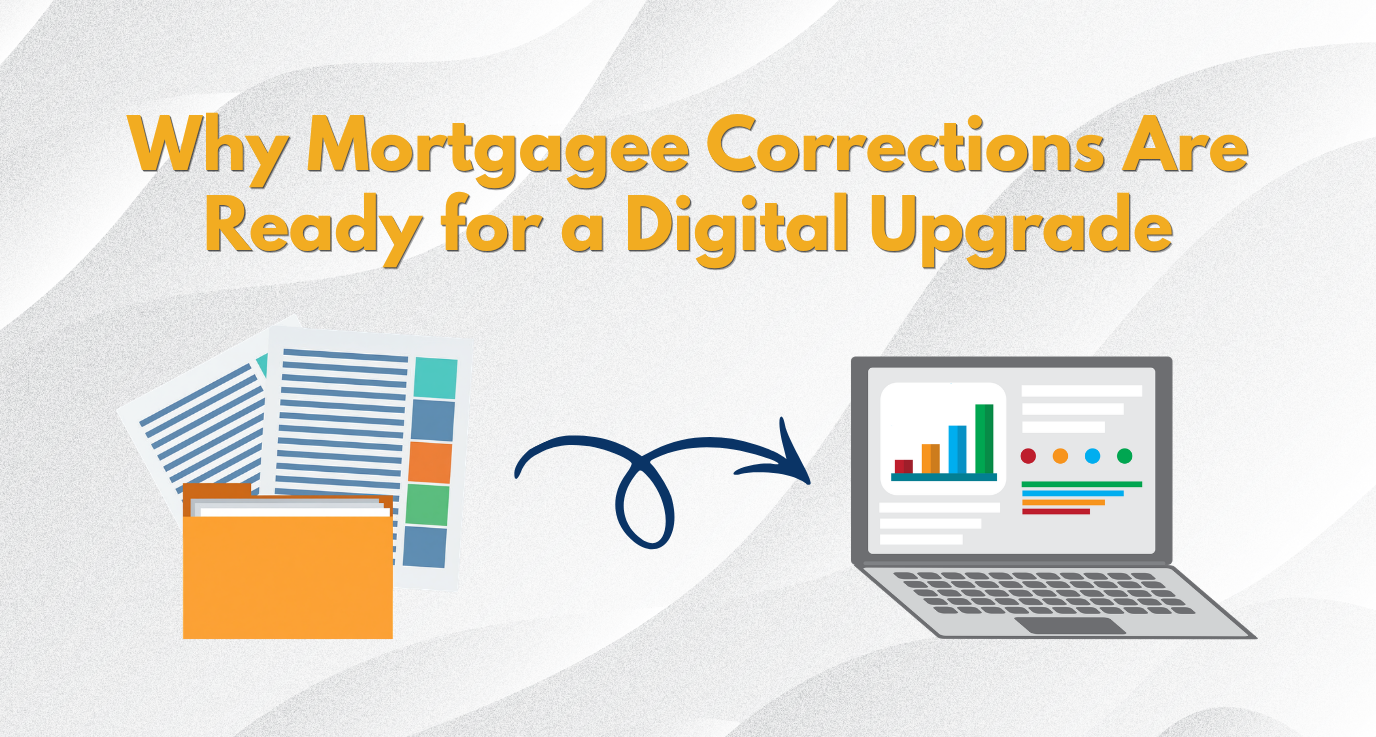
Mortgagee corrections are a routine part of insurance servicing, but the process behind them is often anything but simple. A lender may find that the mortgagee’s name or address on a policy is out of…


We consectetur adipiscing elit tempor incididunt ut labore. Wondering ipsum dolor sit amet? We consectetur adipiscing ipsum nulla glavrida elit tempor incididunt.