From Policy Change to Action: Why Timing Matters in Insurance
We’ve heard people in mortgage servicing use verification and tracking as if they’re interchangeable, and honestly, for a lot of daily work, treating them that way doesn’t break anything.


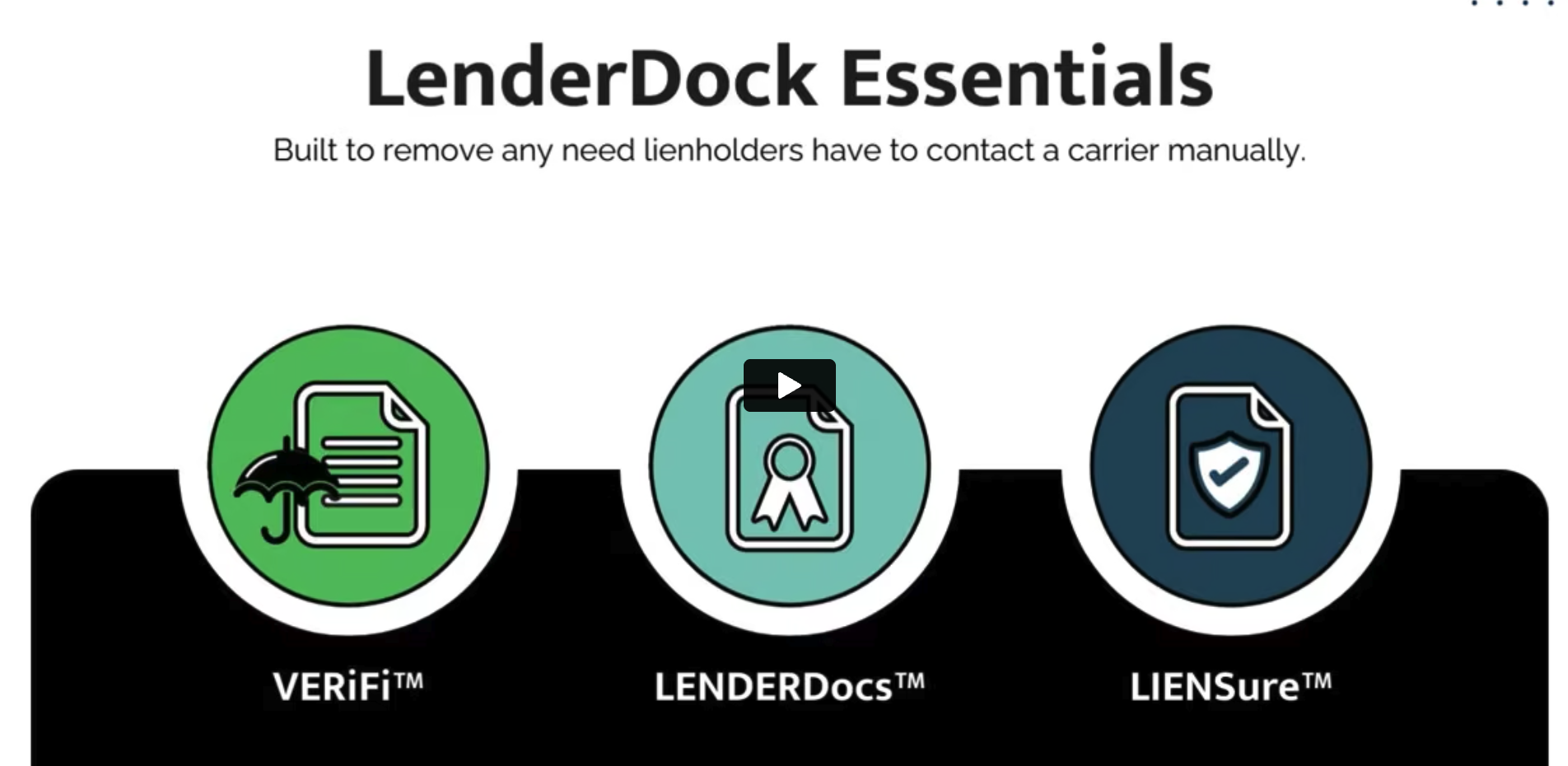
LenderDock provides real-time, insurance policy details through its magical web portal or its APIs.

LIENSure sends corrections digitally, straight from the financial source of truth and in bulk for easy processing.

ESCROWPay verifies what’s actually due before the money moves, then sends the payment and reconciliation data digitally.

NOTiFi delivers required policy, coverage, and billing notices in the formats lienholders actually use
At least check out the genesis of LenderDock Video. It’ll all make sense, the eco-system, that is.
Learn more about our great leadership team and our amazing, people-first, company culture.
There’s a lot going on at LenderDock and in our industries. We threw it all here to make it easier to keep up.
We go to a lot of events and we love to eat. See our calendar of where we’ll be.
New webinars will be coming quite frequently. Educational, success, and sales.
It has always been the goal of the insurance industry to anticipate and manage risk. Any inability to evaluate risk will eventually cost the insurer money. In a similar vein, insurers must remain vigilant about the procedures and actions that follow a disaster to prevent unmanageable costs.
To provide their clients with the appropriate coverage, insurers are constantly looking for better and more effective ways to predict and lessen the impact of risks. As the number of risks increases, how can insurers use technology to their advantage? Profitability is essential to their survival in this intensely competitive market.
Numerous risks impact a wide range of insurance verticals. Traditional risks like fire or theft are already adequately insured, but the risk environment is always changing because of wars as well as the sudden requirement to insure new areas such as the internet. New issues are arising as global temperatures rise. Thus, it makes sense that, according to two-thirds of experts (66%) extreme weather will be the most likely cause of a significant worldwide disaster by 2024. Recent research has demonstrated this. Although 2023 was the warmest year ever recorded, 2024 could break even more records. Insurance companies now must deal with the growing expenses of new risks, such the effects of extreme weather, and figure out better strategies to control these evolving risks.
To assist clients, prevent loss altogether, insurers can increase their capacity for knowledge and risk awareness by utilizing technology and data-driven insights. These are the top three areas where the insurance sector is being transformed by new, connected devices and proactive communications technologies.
Health trackers and wearable technology are crucial tools for helping people achieve their wellness objectives. In the past, life and health insurers used basic physiological information to determine mortality risk, such as height, weight, and smoking status, to compute premiums. Devices connected to the Internet of Things (IoT) may now access a wide range of outputs, including blood pressure, heart rate, blood oxygen saturation, and activity and sleep metrics. Personalized life insurance plans based on a person’s lifestyle can be created using this rich, detailed data, and health measures can be utilized as extra inputs to continuously evaluate an individual’s mortality risk.
Using IoT data for personalized underwriting can provide more equitable and transparent pricing structures for policyholders. Customers may benefit from reduced premiums, for instance, if wearable technology tracks their more active lifestyles. Both the policyholder and the insurer gain from a tailored approach: the former encourages policyholders to better manage their own risk, while the latter provides incentives for the policyholder to behave in their own best interests.
Within the established domain of auto insurance, Internet of Things (IoT)-enabled telematics devices, popularly referred to as “black boxes,” offer valuable insights into driver conduct and capture data on variables including speed, acceleration, braking, distance traveled, and time of day a vehicle is driven.
Telematics devices can be extremely helpful not just for GPS monitoring and driving feedback, but also for customer interactions, such as the critical “first notice of loss.” Black boxes can automatically detect and notify emergency services and the driver’s insurance company in the event of a traffic collision. This allows the insurer to take charge of an event before it becomes serious, as opposed to learning about it days later after a local tow truck driver has taken all the major decisions and basically ran the show. Simultaneously, this dynamic approach is clearly more beneficial for the client, offering a comforting feeling of control and support in an otherwise unsettling and strange circumstance.
Utilizing the gathered data also promotes safer driving practices, routine maintenance, and reduces the possibility of fraud. According to one study, keeping an eye on driving behavior can lower overall claims costs and decrease the number of claims by up to 50%. Telematics devices, when incorporated into an insurance policy, allow insurers to offer pay-per-mile, or usage-based insurance (UBI), tailored according to the driving patterns of the insured.
Numerous insurance risks are impacted by extreme weather. Effective communication with clients to offer up-to-date information and advice is advantageous for all sides, assisting policyholders in maintaining their safety, safeguarding their possessions, and minimizing damages. Insurers are now using contemporary technology to offer proactive communications that can advise clients to impending extreme weather conditions directly to their smart or mobile device.
In addition to posing a large financial risk to insurers, catastrophic weather disasters highlight the necessity of taking preemptive steps to foresee and lessen the impact on policyholders. Natural catastrophes are expected to cost insurers close to $95 billion in 2023 due to the growth in extreme weather occurrences, which range from destructive hurricanes to record-breaking wildfires.
If a big weather event is predicted to affect a policyholder, they can receive advice on staying safe as well as prior notice of notifications and alerts. Weather forecast data can be linked to policyholder addresses automatically, informing clients of only pertinent unfavorable conditions and providing advice on how to protect their properties and self. Emails informing clients of impending storms or emergency SMS texts informing policyholders of more serious local wildfire sightings can serve as basic forms of notification.
By utilizing IoT devices and seizing the opportunities presented by contemporary linked technologies, insurers can reduce financial losses and develop enduring relationships with policyholders that are based on proactive communications, openness, and personalization. In a period of uncertainty and change, those who leverage technology to its fullest potential will not only survive but prosper in the insurance industry, offering first-rate customer experiences with ease and efficiency using ever-more-granular data.
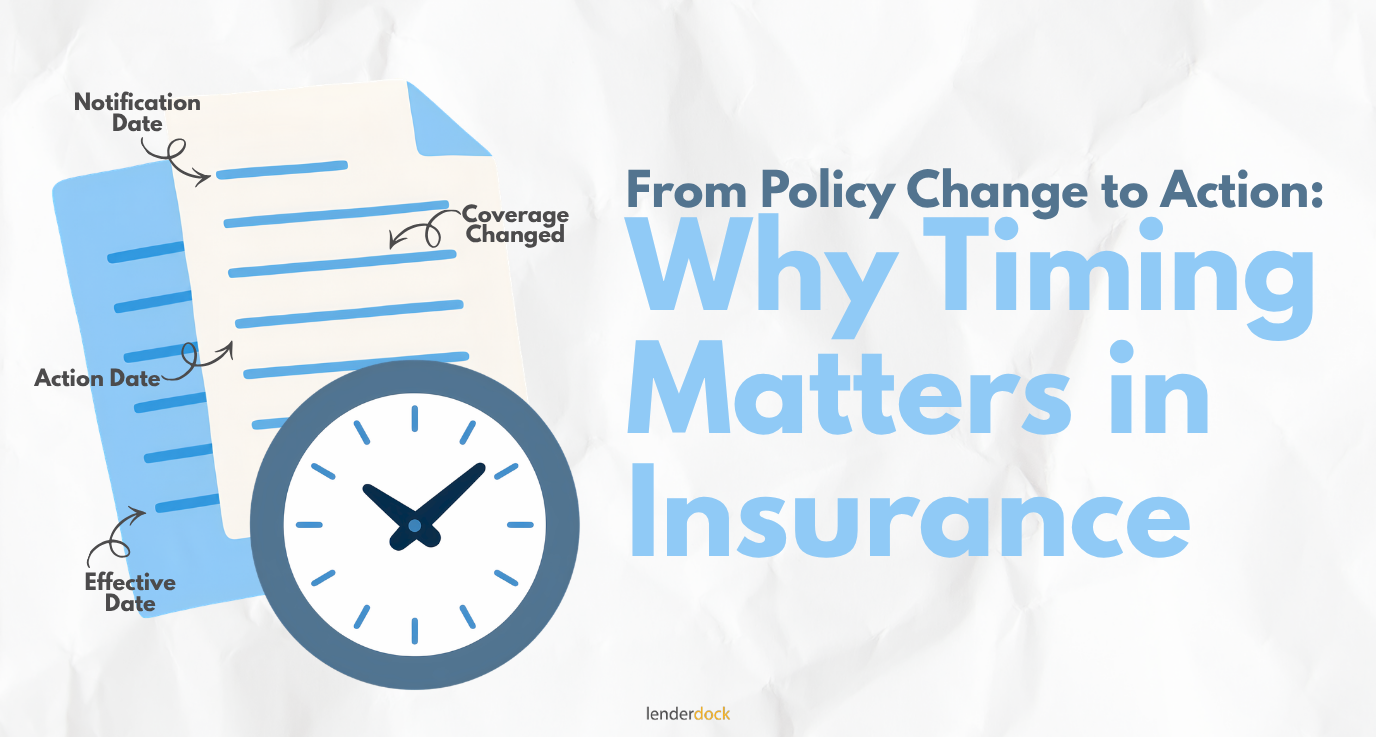
We’ve heard people in mortgage servicing use verification and tracking as if they’re interchangeable, and honestly, for a lot of daily work, treating them that way doesn’t break anything.
A two-day lag between a policy change and everyone finding out about it used to be annoying, not dangerous. Someone made a call, waited, got an answer, and moved on with their day.
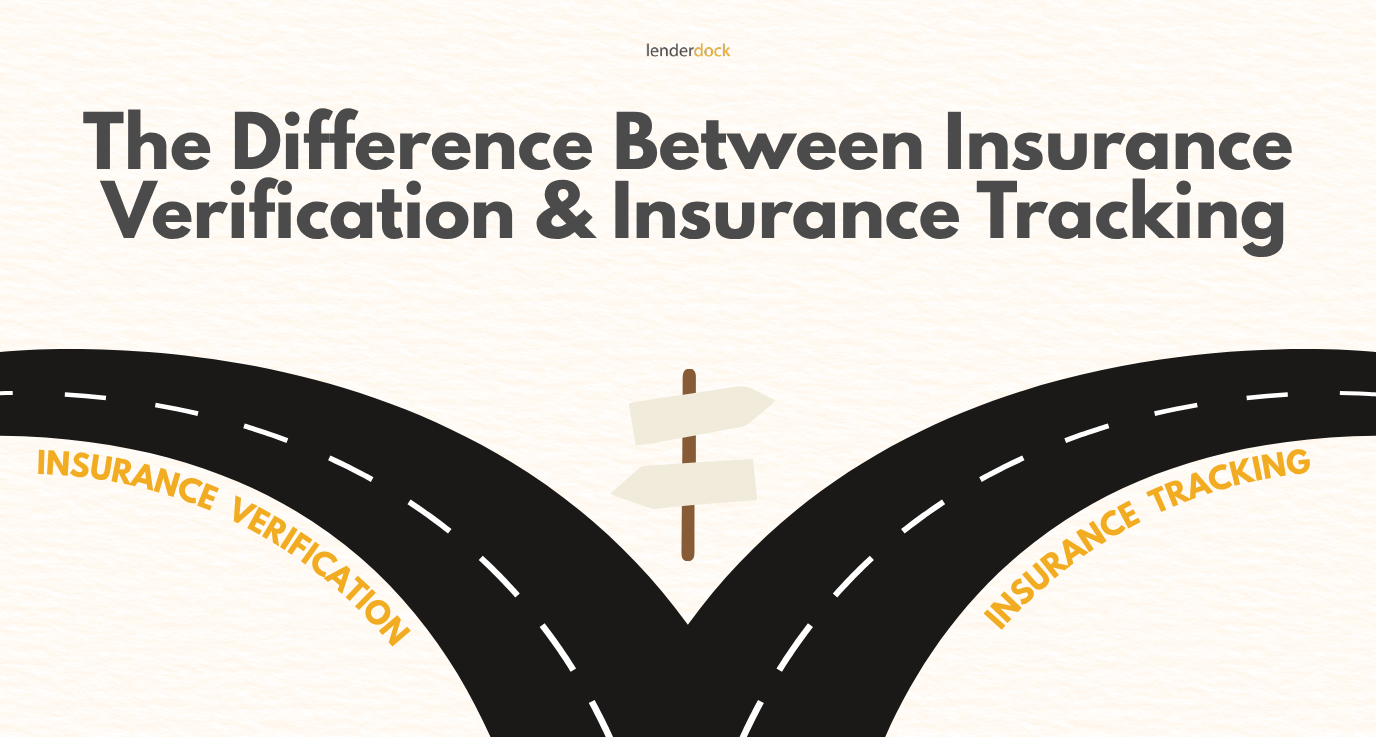
We’ve heard people in mortgage servicing use verification and tracking as if they’re interchangeable, and honestly, for a lot of daily work, treating them that way doesn’t break anything.
Insurance verification is a routine part of the lending and insurance process. A lender needs to know whether a policy is active. A mortgage servicer may need to confirm coverage or mortgagee information. An insurance…
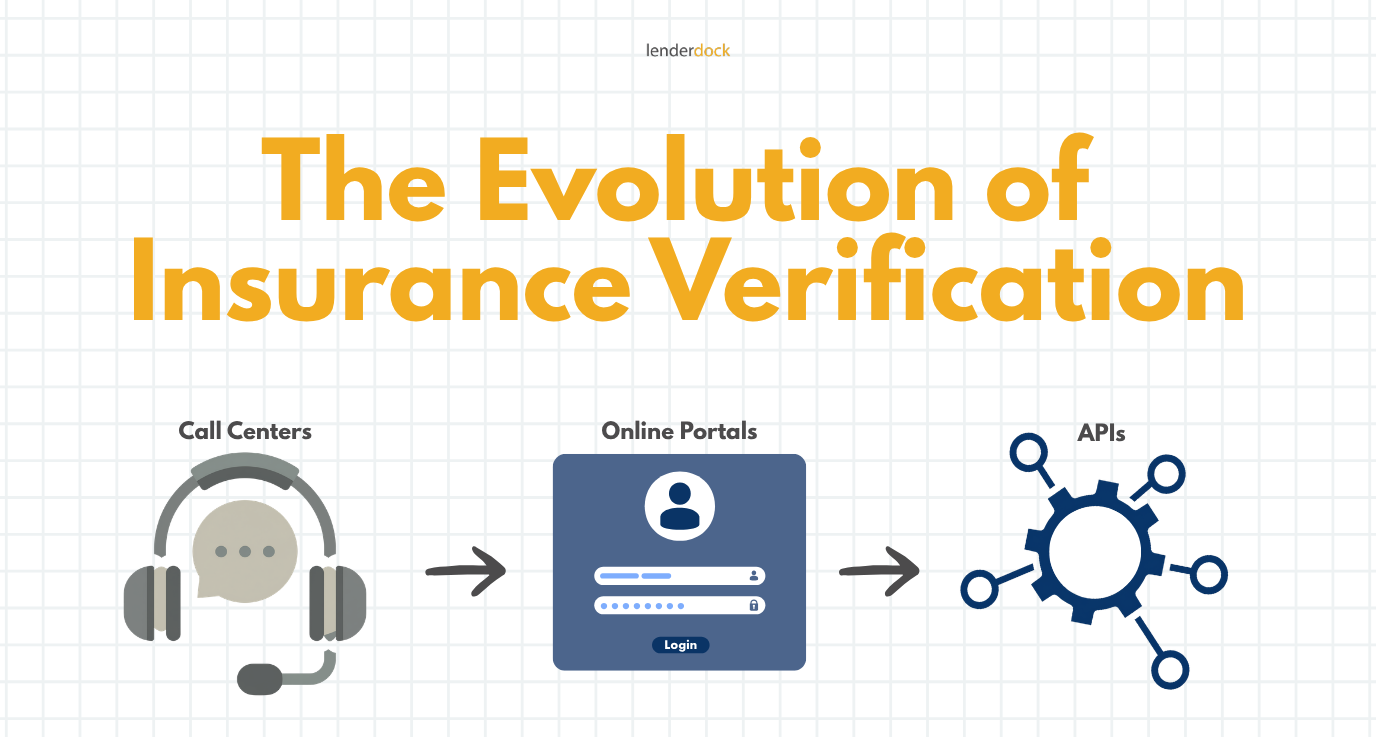
In the earliest version of insurance verification, the person answering the phone actually had to know things. They pulled a physical file, checked handwriting against a ledger, and made a judgment call about whether what…
Two insurers can each have perfectly accurate, well-maintained policy databases and still fail to exchange a single piece of usable data between them.
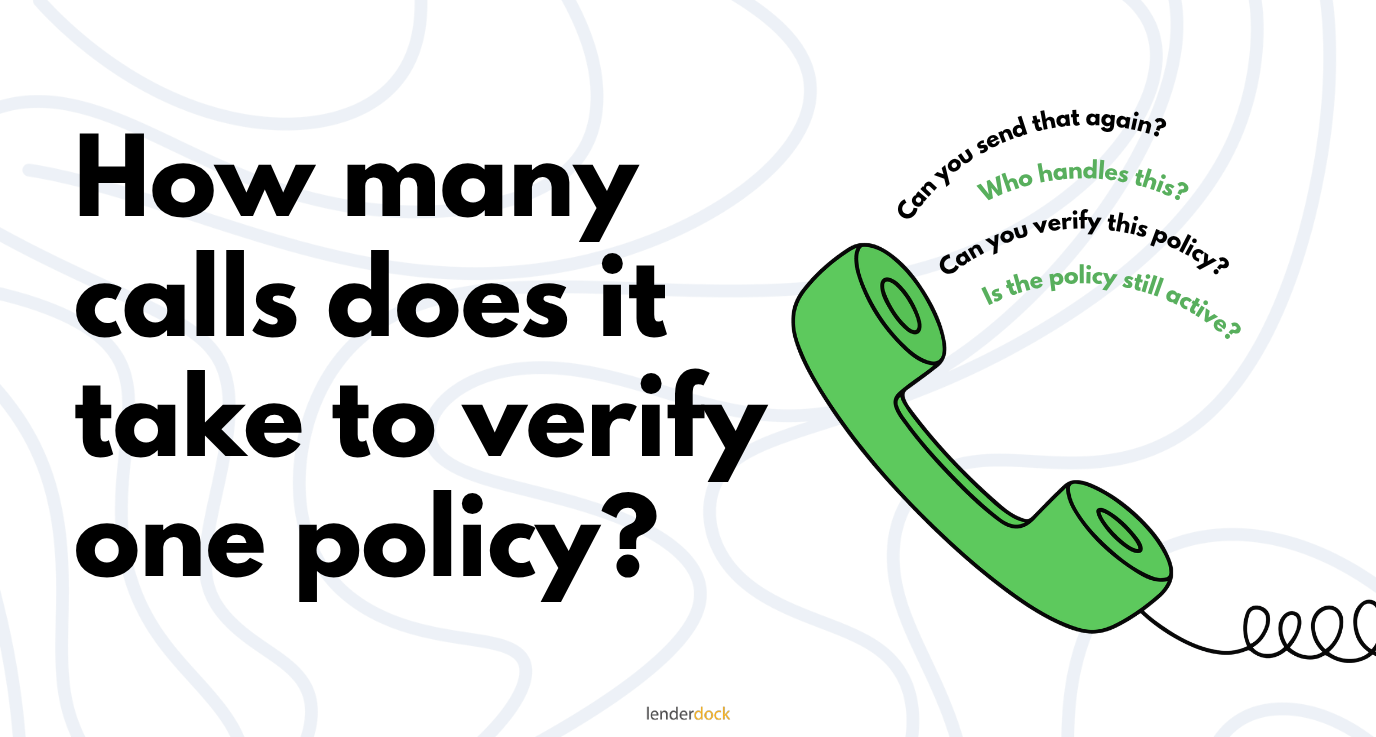
Every single day, insurance workers face a mountain of simple questions. Are they tired of answering the same questions about policy coverage all day long? Yes, they are. When banks or lenders need to check…
A title company closing a home sale needs to confirm the seller’s policy is active before the deal can move. An auto lender needs the same thing before releasing funds on a car loan. A…
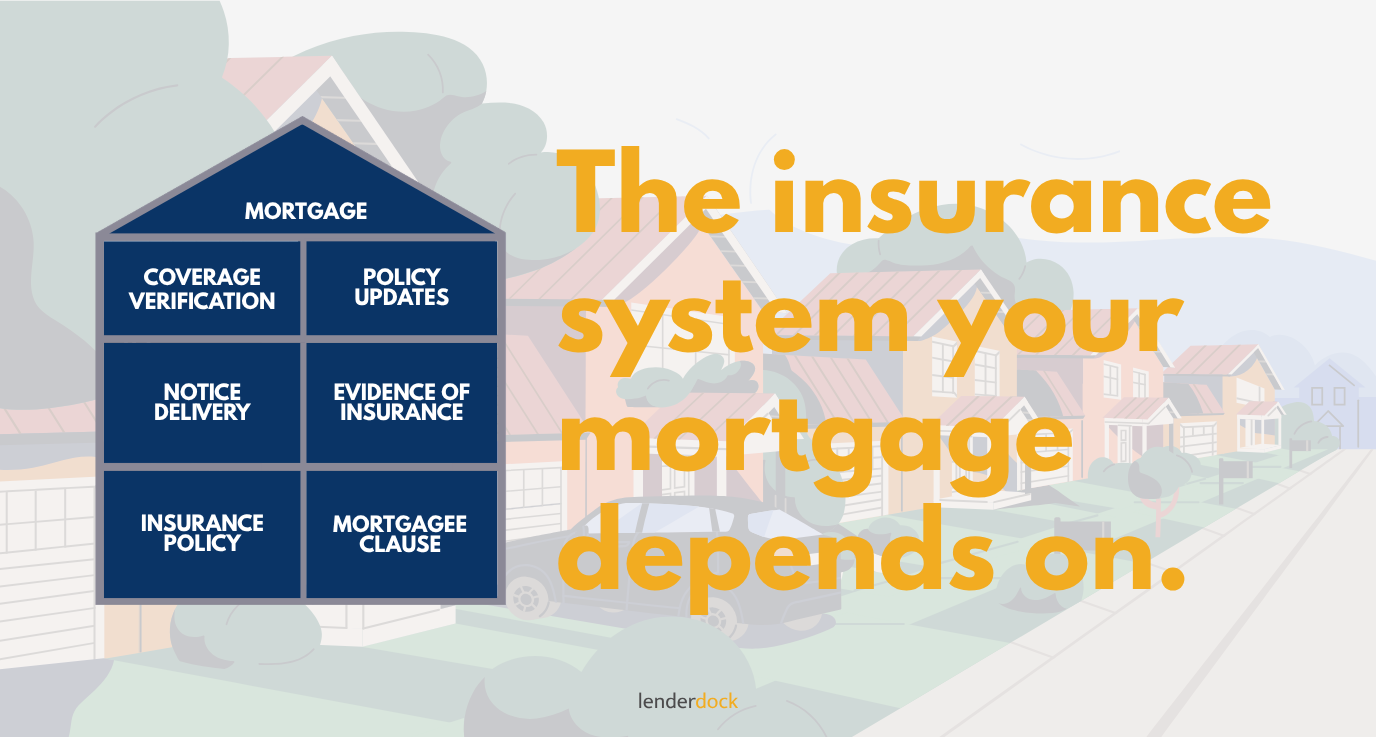
Most people who take out a mortgage never think about insurance as part of the loan itself. It feels adjacent, a separate purchase, something the lender requires but does not really participate in beyond checking…
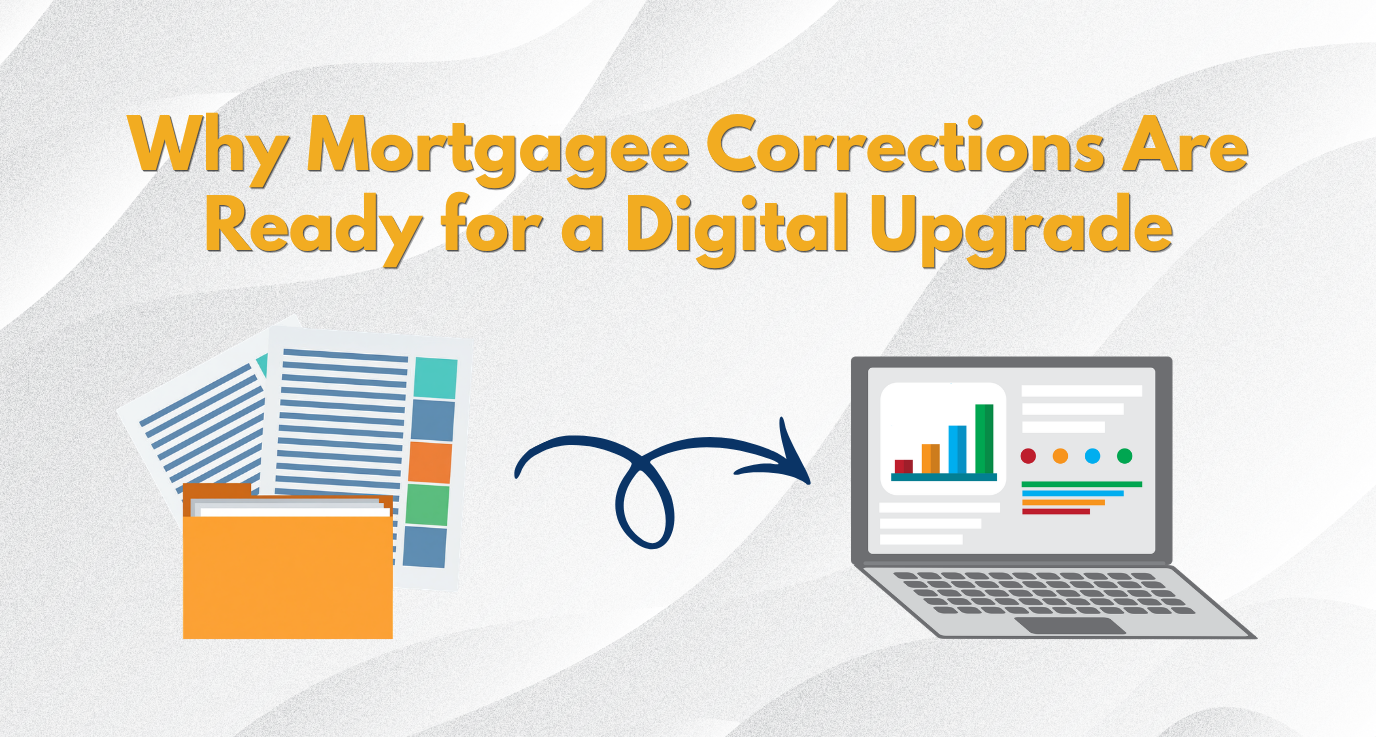
Mortgagee corrections are a routine part of insurance servicing, but the process behind them is often anything but simple. A lender may find that the mortgagee’s name or address on a policy is out of…


We consectetur adipiscing elit tempor incididunt ut labore. Wondering ipsum dolor sit amet? We consectetur adipiscing ipsum nulla glavrida elit tempor incididunt.