In Florida, an insurer that cancels a homeowner’s policy for nonpayment can give as little as 10 days’ written notice, while one that decides not to renew generally has to give 120 days.
A system built mainly to flag cancellations can easily file the two together, even though one leaves days to react and the other leaves months.
California sets 75 days for a residential nonrenewal, and in both states the notice goes to the policyholder (the statutes name the insured), so what reaches the servicer depends on how the insurer notifies lienholders.
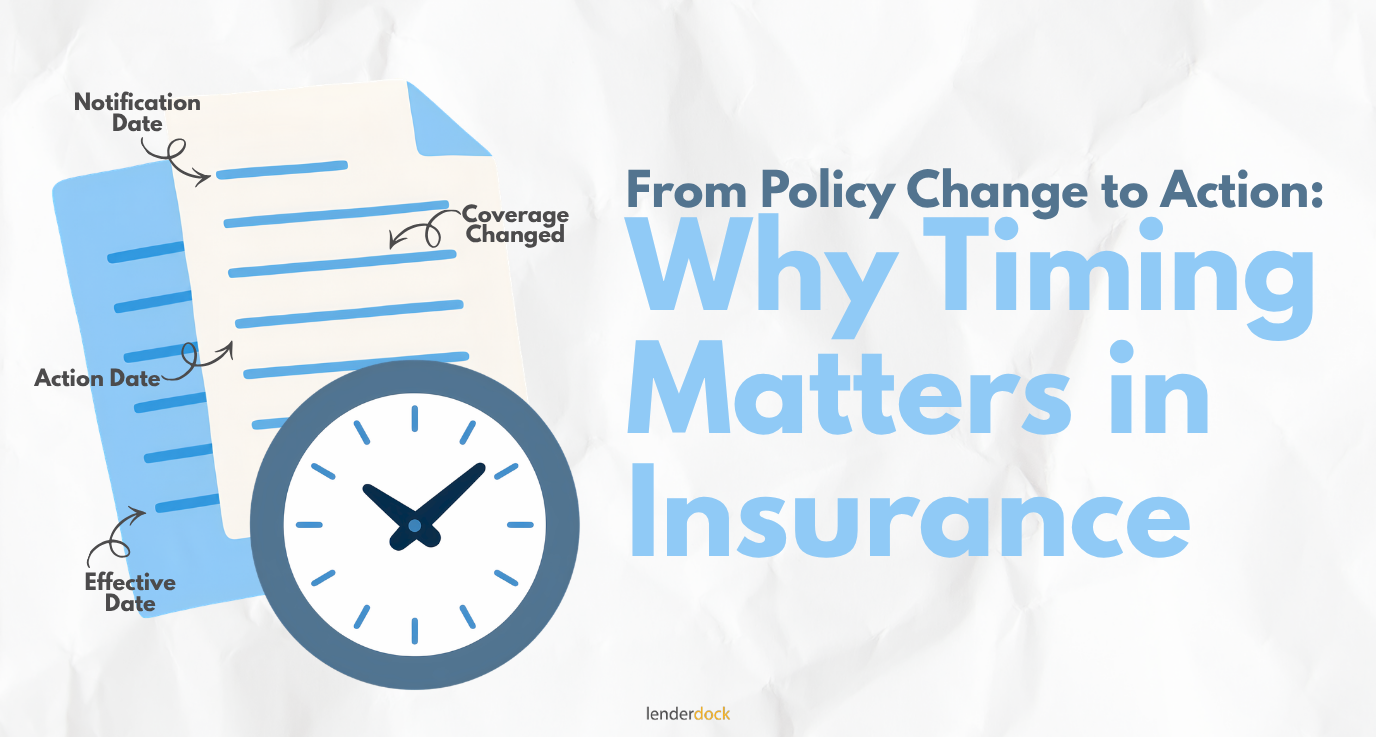
A nonrenewal notice that sits in a queue for a month has already used up a good part of the time the borrower had to find another insurer.
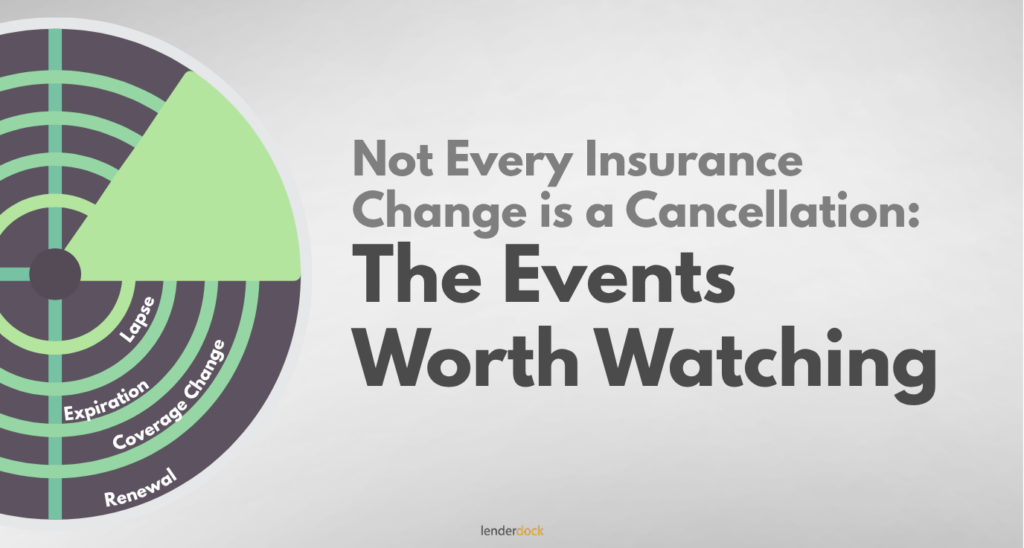
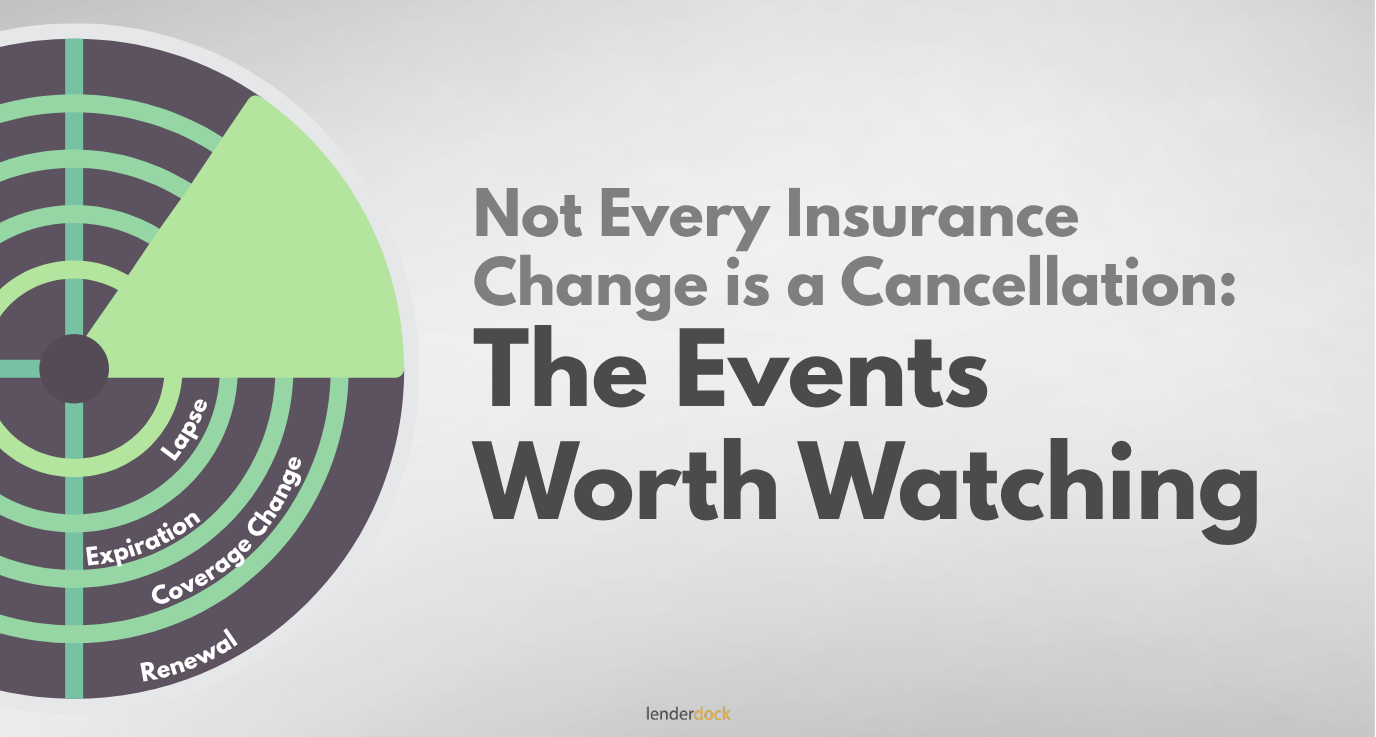
A renewal looks like the uneventful case, since the policy simply carries on, though it is also a point where a policy can change without anyone announcing it. The premium might move, for one thing. Florida’s statute also calls for 45 days’ written notice of a renewal premium, and on an escrowed loan a higher premium usually means a bigger escrow payment for the borrower.
Fannie Mae’s servicing guide adds a check on the servicer’s side. At least once a year the servicer has to confirm that the policy still meets the investor’s requirements (things like required perils and the maximum deductible), and the guide treats a coverage amount that has dropped from the last known figure differently from one that hasn’t.
Deductibles are where this gets specific.
Fannie Mae’s Selling Guide caps the deductible on a one- to four-unit property at 5% of the coverage amount and applies that to each separate deductible on the policy, windstorm and wildfire included, so a wind deductible raised above that level at renewal would put the policy outside the rule while the premium is paid and the policy is in force.
The same section says that when a policy excludes or limits a required peril, the borrower has to get another policy covering it, which means a new exclusion creates a task for the servicer as well.
Reinstatements run the other way, telling the servicer that an earlier cancellation no longer applies (a fairly ordinary thing to happen once a missed payment is made up). Until that news arrives, the loan keeps being treated as uninsured, which is how a borrower whose coverage is already back in place can still get a letter about a lapse.
A system that only watches for cancellations catches the events that already look like trouble, while a renewal with a higher deductible carries no alarm and looks like any other renewal until someone compares it against the requirement.
Getting every one of these events to the servicer faster doesn’t decide which ones deserve attention, and the answer changes from loan to loan (Fannie Mae’s rules are one investor’s, and Freddie Mac keeps its own).
From the outside, it’s hard to tell how many of these events a servicer hears about when they happen and how many it finds at the next annual review.