From Policy Change to Action: Why Timing Matters in Insurance
We’ve heard people in mortgage servicing use verification and tracking as if they’re interchangeable, and honestly, for a lot of daily work, treating them that way doesn’t break anything.


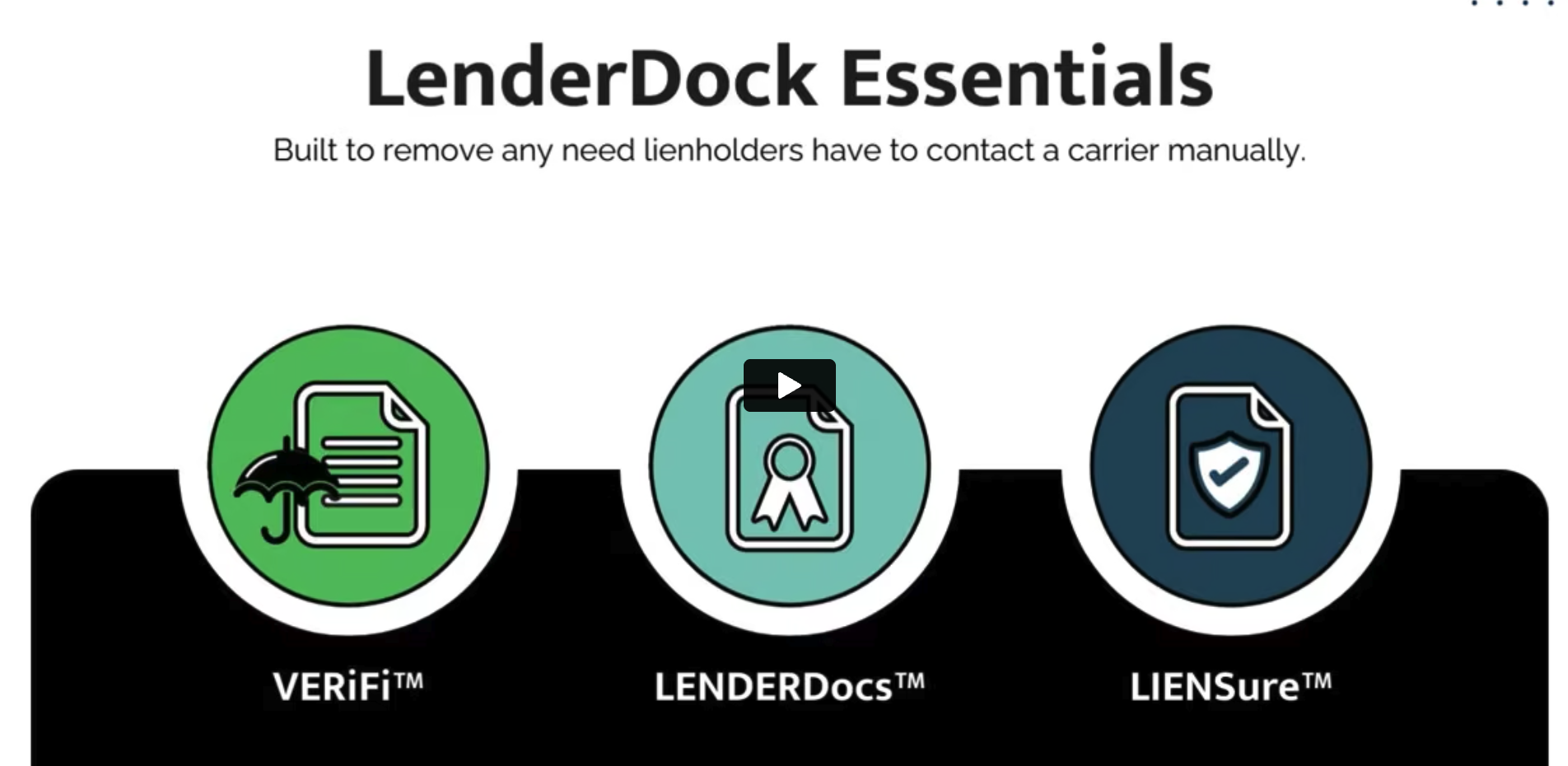
LenderDock provides real-time, insurance policy details through its magical web portal or its APIs.

LIENSure sends corrections digitally, straight from the financial source of truth and in bulk for easy processing.

ESCROWPay verifies what’s actually due before the money moves, then sends the payment and reconciliation data digitally.

NOTiFi delivers required policy, coverage, and billing notices in the formats lienholders actually use
At least check out the genesis of LenderDock Video. It’ll all make sense, the eco-system, that is.
Learn more about our great leadership team and our amazing, people-first, company culture.
There’s a lot going on at LenderDock and in our industries. We threw it all here to make it easier to keep up.
We go to a lot of events and we love to eat. See our calendar of where we’ll be.
New webinars will be coming quite frequently. Educational, success, and sales.
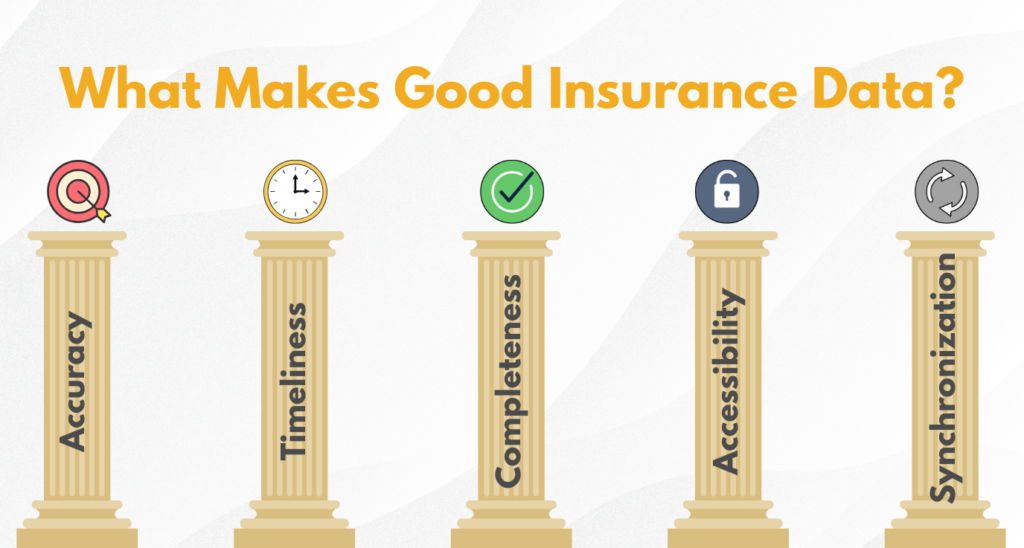
When we talk about data quality, accuracy is often the first thing people mention. It is also the easiest one to measure, which is probably why it gets the most attention. A policy number is either correct or it is not. An address either matches the property or it does not.
These are binary checks, and the insurance industry has spent considerable effort building systems to run them.
What those systems tend to miss is that accuracy is a necessary condition for good data, not a sufficient one. A piece of information can be perfectly accurate and still be useless, because it arrived too late, or because it only tells part of the story, or because the person who needed it could not get to it, or because three different systems are holding three different versions of it and nobody is sure which one to trust.
Good insurance data has to clear several bars at once, and accuracy is only the first of them.
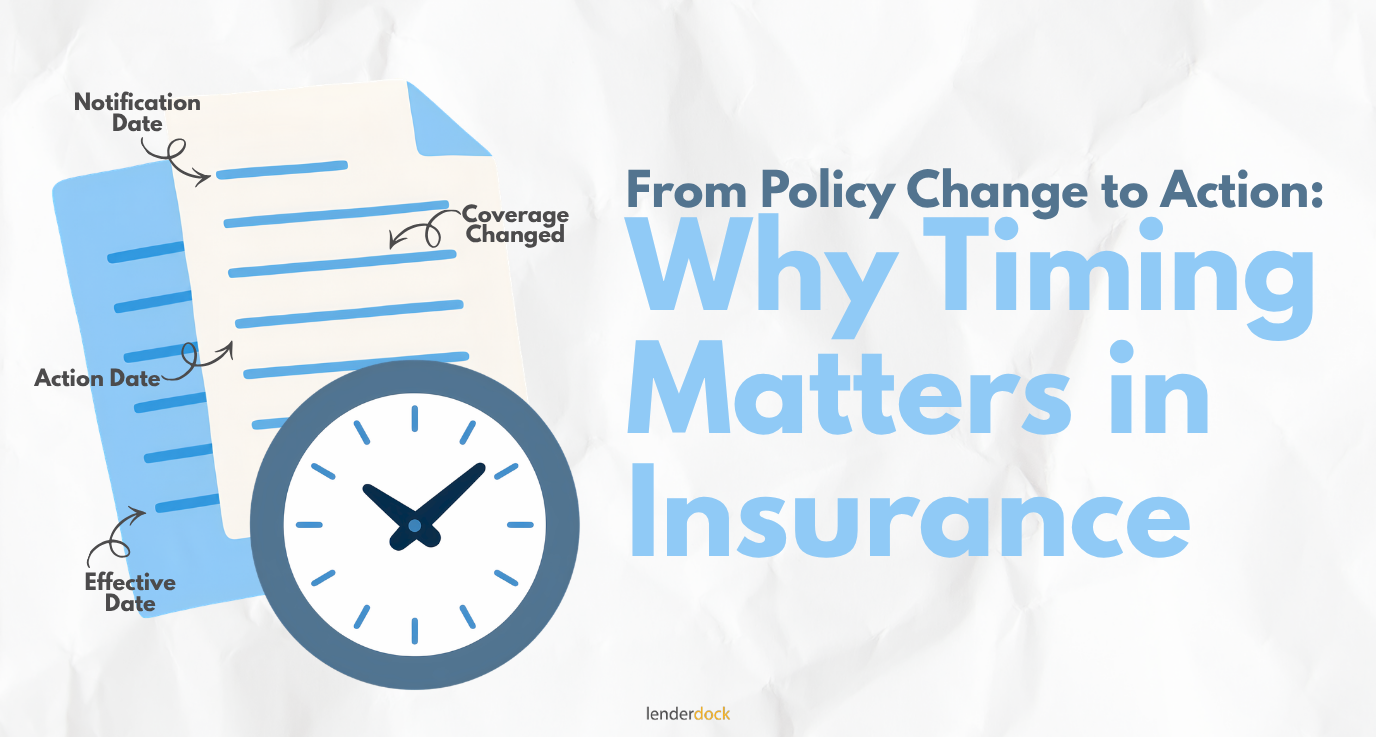
A policy cancellation recorded correctly in a carrier’s system is accurate data. If that accurate record does not reach the mortgage servicer until two days later (after the batch file runs, gets processed, and clears the servicer’s own intake queue), it has already failed at something important.
The information was true. It was just not true in time to be useful.
Timeliness matters in insurance more than in most industries because the decisions sitting on top of policy data are time-sensitive. A servicer deciding whether to force-place coverage needs to know the current status of a policy, not the status it had yesterday.
A claims handler pulling coverage details at the moment of a loss needs information that reflects the policy as it stands right now, not as it stood at the last system refresh.
When the data lags behind reality, the decisions downstream of it lag too (and the cost of those lagged decisions tends to land on the borrower).
Accurate and timely data can still leave a gap if it only covers part of what the recipient needs to know.
A cancellation notice that confirms a policy is no longer active but does not include the effective date of cancellation, the reason for cancellation, or the lienholder details is technically correct and practically incomplete.
The servicer receiving it still has to make additional calls to fill in what is missing.
Completeness is particularly fragile at the edges of transactions. Endorsements that update one coverage element without reflecting the full policy picture. Reinstatement confirmations that do not include the reinstated terms. Renewal notices that confirm continuity without disclosing what changed.
Each of these is a partial picture, and partial pictures create follow-up work, a costly and tedious one.
Good data that nobody can reach is not good data in any practical sense. Accessibility in insurance data means that the right information is available to the right party at the moment they need it, in a format they can actually use.
This is where a lot of operational friction lives. A carrier might hold detailed, accurate, up-to-date policy information in a system that servicers can only access through a scheduled file transfer or a manual verification call.
The data itself is fine however the infrastructure around it means that accessing it requires effort, introduces delay, and creates opportunities for the information to be misread or misrouted in transit.
Accessibility also means format. A PDF certificate of insurance sent by email satisfies a documentation requirement. It does not feed cleanly into a servicer’s policy tracking system without someone manually keying the relevant fields. The data in the document is accessible to a human. It is not accessible to the system that needs to act on it.
This is arguably the hardest bar to clear, and the one that causes the most visible problems when it is not met. Insurance transactions involve multiple parties (carriers, servicers, agents, borrowers, regulators), each maintaining their own records of the same underlying policy.
When those records fall out of sync (which they do, routinely, because they are updated on different schedules through different channels), the result is a situation where everyone is technically working from accurate data that nonetheless disagrees with everyone else’s accurate data.
A servicer whose system shows a policy as active, while the carrier’s system shows it as cancelled, is not dealing with a data accuracy problem in the traditional sense. Both records may have been accurate at some point. They just stopped being updated at the same time, and the divergence between them creates the kind of exception that a tracking team then has to resolve manually.
Synchronization requires more than occasional reconciliation. It requires that updates move between systems consistently enough that the lag between one party’s view of reality and another’s stays small enough not to matter.
Real-time data exchange (through APIs that push updates the moment they occur rather than bundling them into periodic files) is the closest the industry has come to solving this at scale.
The reason data quality conversations tend to stall at accuracy is that accuracy is the part that is easiest to audit and easiest to fix.
The other four characteristics are harder to measure, harder to attribute to a single system or process, and harder to improve without changes that cross organizational boundaries.
But a policy record that is accurate, timely, complete, accessible, and synchronized across systems is a fundamentally different operational asset from one that is merely accurate.
The first one supports decisions. The second one supports disputes about what the right decision should have been.
That distinction is worth more attention than it usually gets.
We’ve heard people in mortgage servicing use verification and tracking as if they’re interchangeable, and honestly, for a lot of daily work, treating them that way doesn’t break anything.
A two-day lag between a policy change and everyone finding out about it used to be annoying, not dangerous. Someone made a call, waited, got an answer, and moved on with their day.
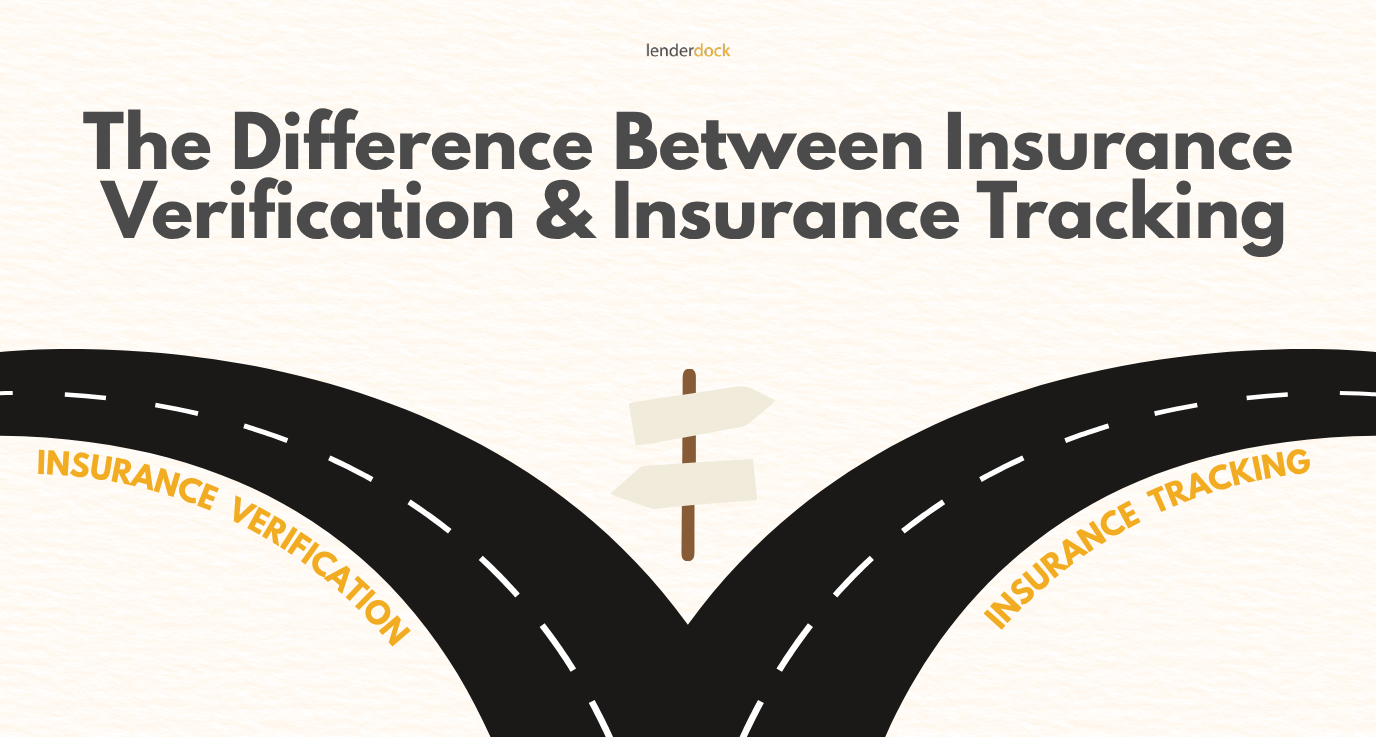
We’ve heard people in mortgage servicing use verification and tracking as if they’re interchangeable, and honestly, for a lot of daily work, treating them that way doesn’t break anything.
Insurance verification is a routine part of the lending and insurance process. A lender needs to know whether a policy is active. A mortgage servicer may need to confirm coverage or mortgagee information. An insurance…
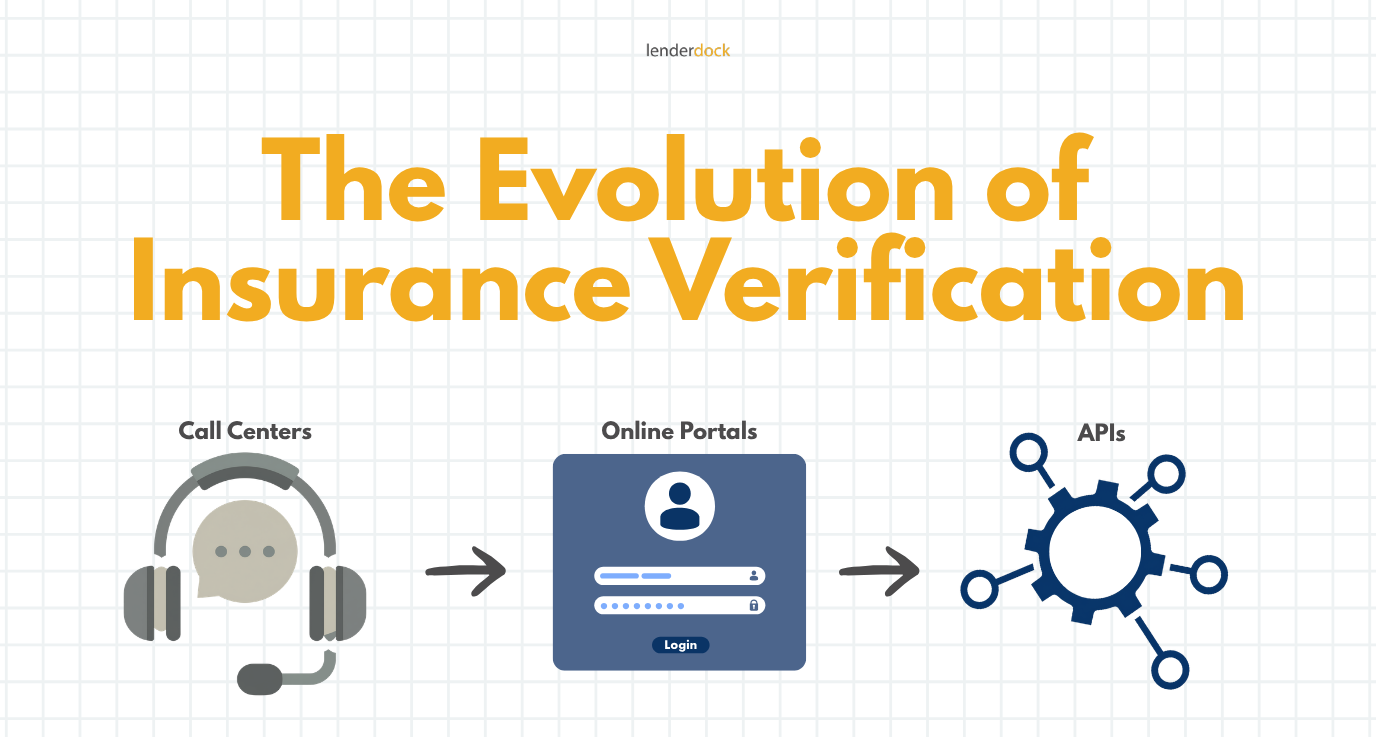
In the earliest version of insurance verification, the person answering the phone actually had to know things. They pulled a physical file, checked handwriting against a ledger, and made a judgment call about whether what…
Two insurers can each have perfectly accurate, well-maintained policy databases and still fail to exchange a single piece of usable data between them.
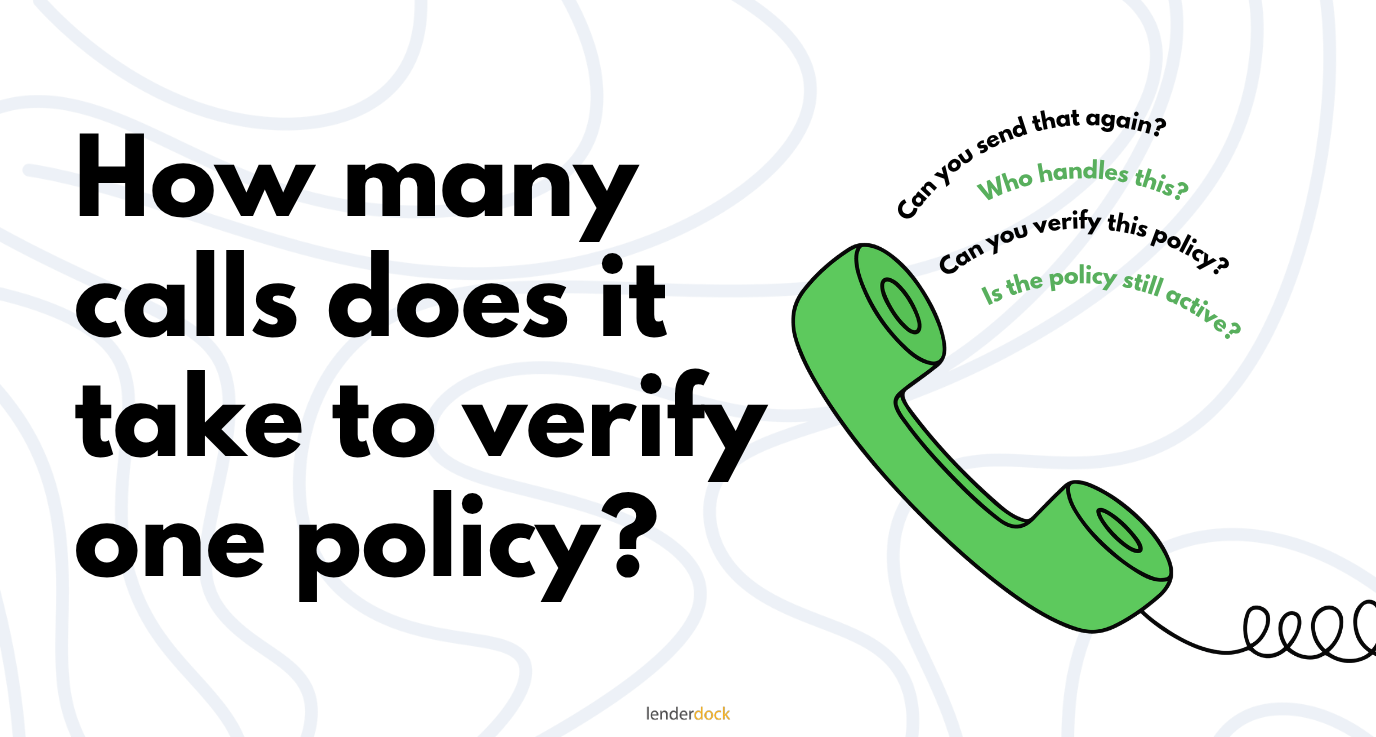
Every single day, insurance workers face a mountain of simple questions. Are they tired of answering the same questions about policy coverage all day long? Yes, they are. When banks or lenders need to check…
A title company closing a home sale needs to confirm the seller’s policy is active before the deal can move. An auto lender needs the same thing before releasing funds on a car loan. A…
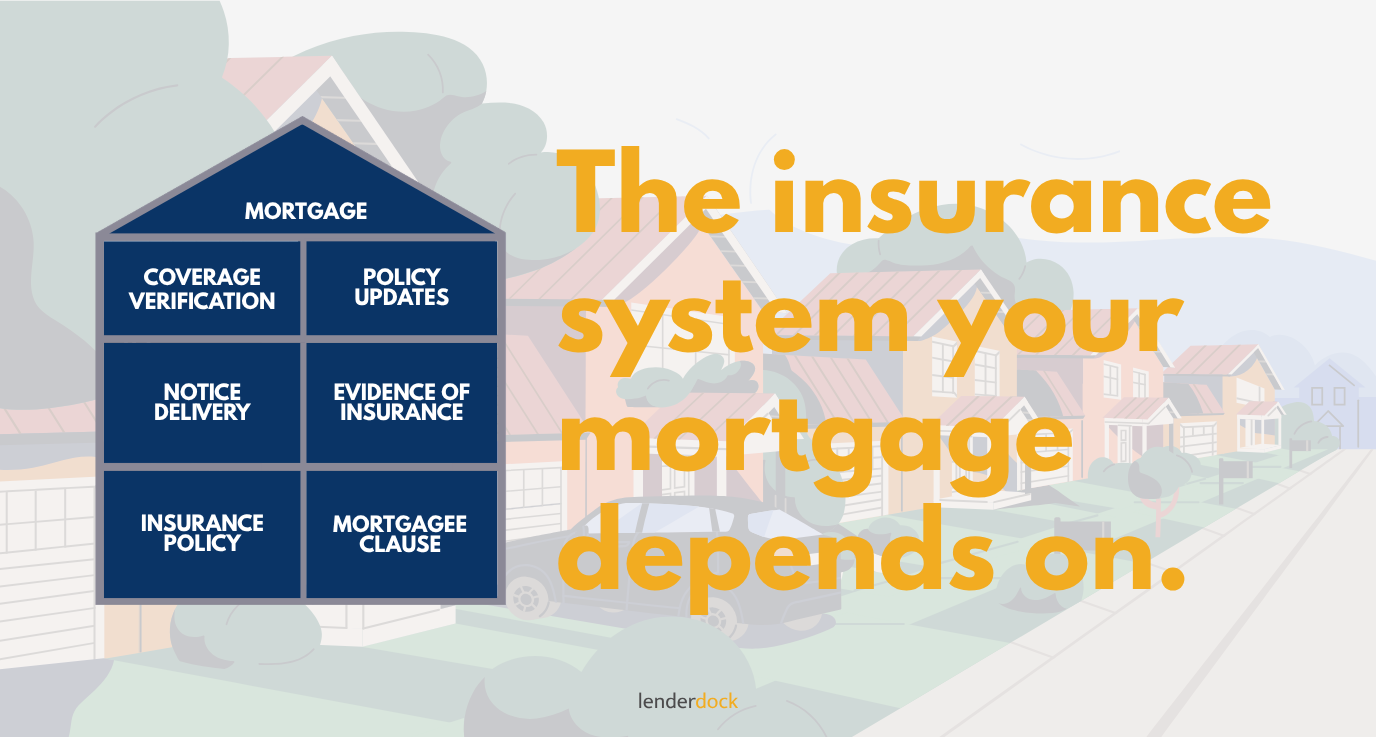
Most people who take out a mortgage never think about insurance as part of the loan itself. It feels adjacent, a separate purchase, something the lender requires but does not really participate in beyond checking…
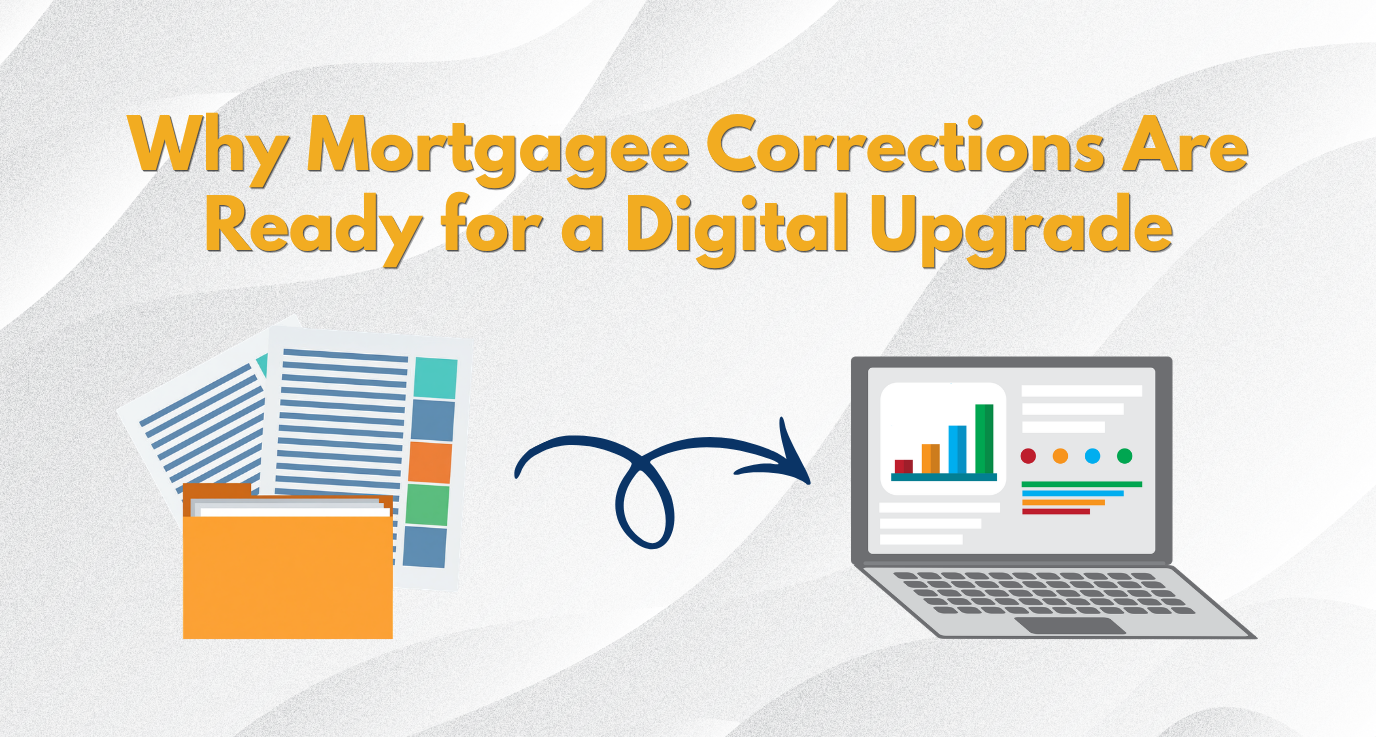
Mortgagee corrections are a routine part of insurance servicing, but the process behind them is often anything but simple. A lender may find that the mortgagee’s name or address on a policy is out of…


We consectetur adipiscing elit tempor incididunt ut labore. Wondering ipsum dolor sit amet? We consectetur adipiscing ipsum nulla glavrida elit tempor incididunt.