From Policy Change to Action: Why Timing Matters in Insurance
We’ve heard people in mortgage servicing use verification and tracking as if they’re interchangeable, and honestly, for a lot of daily work, treating them that way doesn’t break anything.


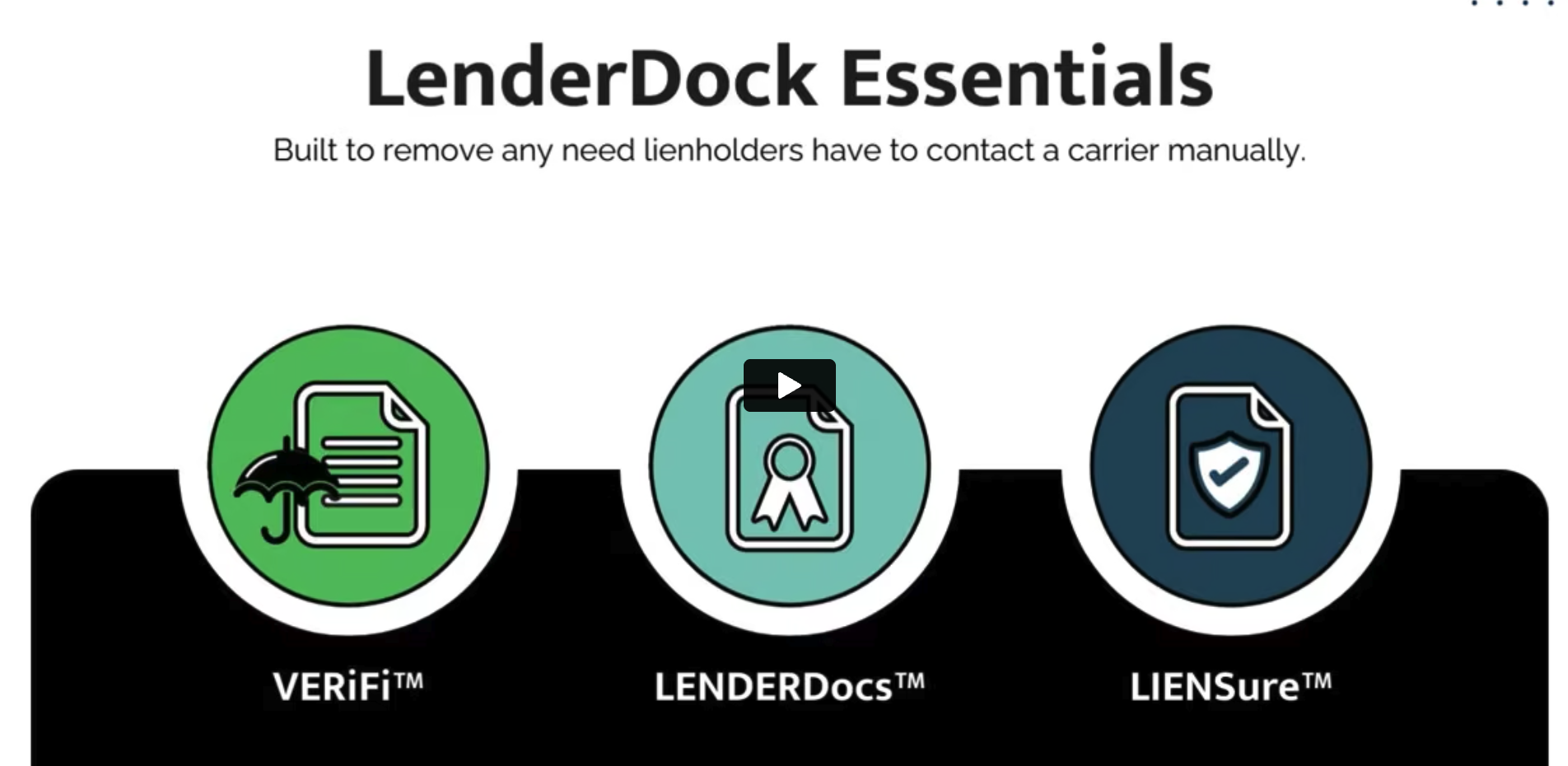
LenderDock provides real-time, insurance policy details through its magical web portal or its APIs.

LIENSure sends corrections digitally, straight from the financial source of truth and in bulk for easy processing.

ESCROWPay verifies what’s actually due before the money moves, then sends the payment and reconciliation data digitally.

NOTiFi delivers required policy, coverage, and billing notices in the formats lienholders actually use
At least check out the genesis of LenderDock Video. It’ll all make sense, the eco-system, that is.
Learn more about our great leadership team and our amazing, people-first, company culture.
There’s a lot going on at LenderDock and in our industries. We threw it all here to make it easier to keep up.
We go to a lot of events and we love to eat. See our calendar of where we’ll be.
New webinars will be coming quite frequently. Educational, success, and sales.
Ask any P&C insurance servicing team what eats up their day, and you’ll hear the same answer: lenders and lienholders calling, emailing, and faxing to verify coverage, request notices, or correct mortgagee information. One major carrier fields over a million of these Financial Institution Inquiries every single year. That’s not a service team — that’s a call center dedicated entirely to answering questions that the right technology could answer instantly.
For decades, lender and lienholder servicing has run on paper, phone trees, and manual lookups. Insurance verification requests pile up. Lienholder notices get mailed instead of delivered digitally. Mortgagee records drift out of sync. Escrow payments move at the speed of a check in the mail. Every one of these friction points adds cost, slows response times, and introduces compliance risk — all while insurers try to preserve the systems and workflows they’ve already invested in.
The answer isn’t ripping out core policy and billing platforms. It’s layering automation on top of them, so lenders and mortgagees get what they need — instantly, digitally, and with a full audit trail — without insurers changing how they run their business.
That’s the idea behind LenderDock’s approach to lienholder process automation:
– Insurance verification, automated. Lenders and mortgagees get self-service, real-time access to policy verification — no more calls, emails, or manual lookups on either side.
– Digital lienholder communications. Mortgagee and lienholder notices are created, delivered, and tracked electronically, with a complete audit trail built in for compliance.
– Cleaner mortgagee data. Automated maintenance of mortgagee and loss payee records means fewer errors and fewer servicing exceptions downstream.
– Escrow payments that move. Payment processing and reconciliation workflows are streamlined and integrated directly into billing operations.
This isn’t theoretical. Carriers that have digitized lienholder communication have seen results fast — in some cases, phone lines built for lender calls went quiet within weeks of going live. One East Coast carrier that fielded thousands of monthly bank inquiries by phone saw that volume drop by more than 98%. Others have reported faster payment cycles and workload savings equivalent to multiple full-time employees.
Three forces are converging to make this urgent: tightening regulatory expectations around timely lienholder notices, the mounting cost of manual processes that don’t scale, and an industry-wide push toward digital-first operation. Insurers who wait are absorbing all the costs of the old way while their peers move to the new one.
The opportunity isn’t just cost savings — it’s freeing service teams from repetitive manual work so they can focus on what grows the business: serving policyholders, not answering the same verification call for the thousandth time.
—
Want to see how automated lienholder process management could work for your team? Let’s talk.
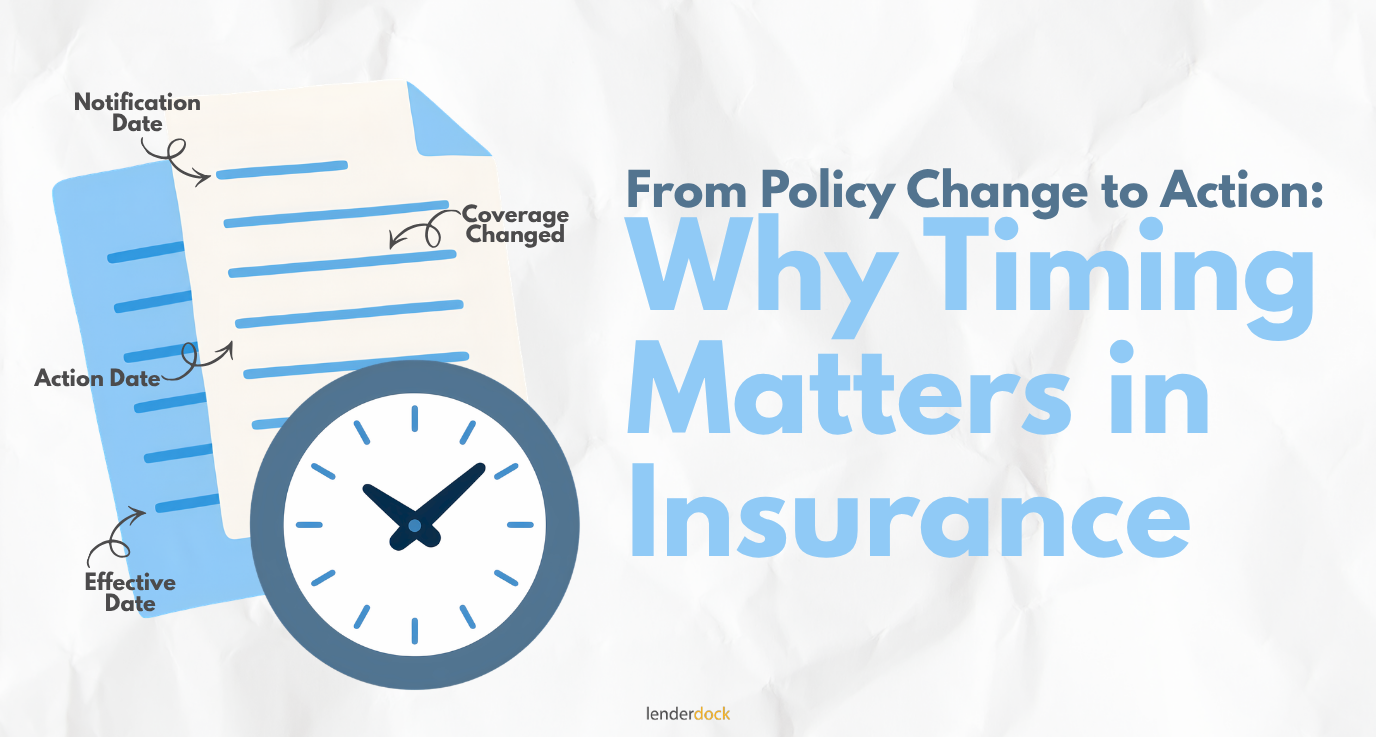
We’ve heard people in mortgage servicing use verification and tracking as if they’re interchangeable, and honestly, for a lot of daily work, treating them that way doesn’t break anything.
A two-day lag between a policy change and everyone finding out about it used to be annoying, not dangerous. Someone made a call, waited, got an answer, and moved on with their day.

We’ve heard people in mortgage servicing use verification and tracking as if they’re interchangeable, and honestly, for a lot of daily work, treating them that way doesn’t break anything.
Insurance verification is a routine part of the lending and insurance process. A lender needs to know whether a policy is active. A mortgage servicer may need to confirm coverage or mortgagee information. An insurance…
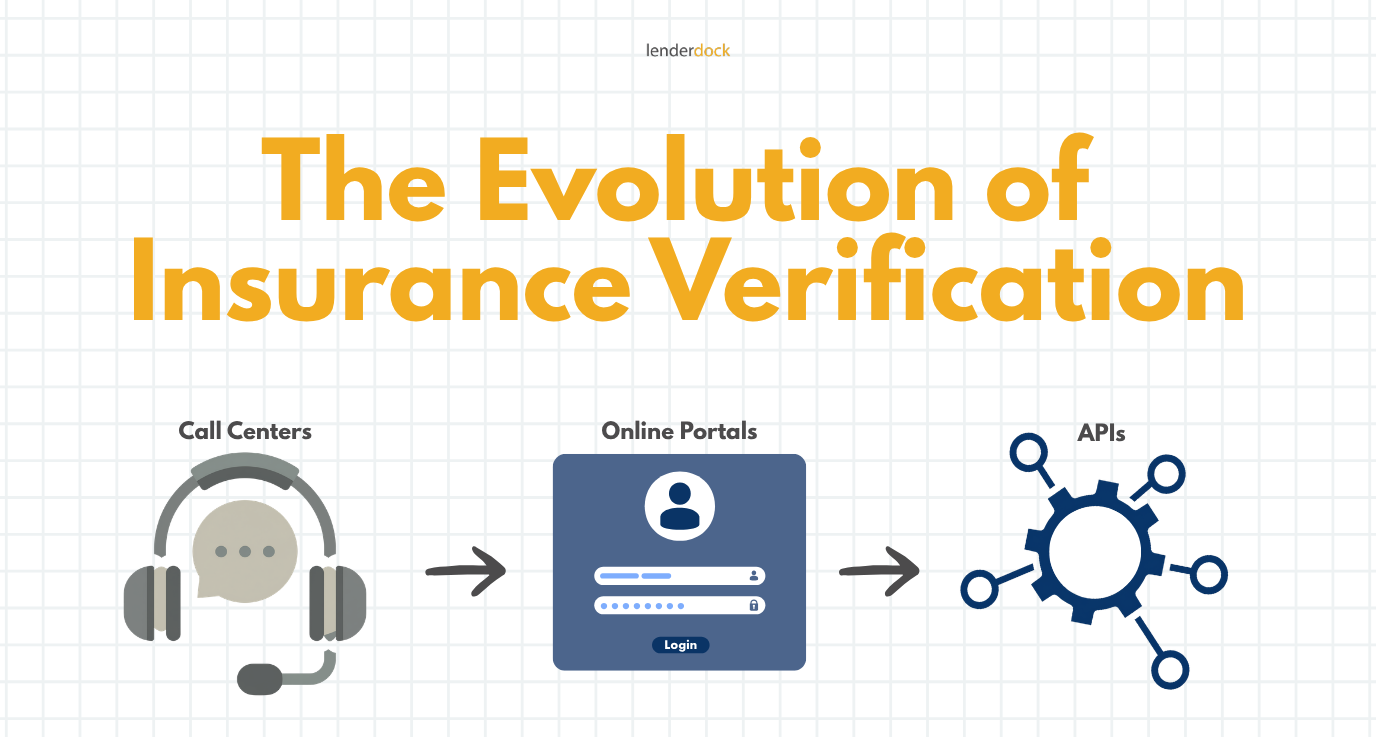
In the earliest version of insurance verification, the person answering the phone actually had to know things. They pulled a physical file, checked handwriting against a ledger, and made a judgment call about whether what…
Two insurers can each have perfectly accurate, well-maintained policy databases and still fail to exchange a single piece of usable data between them.
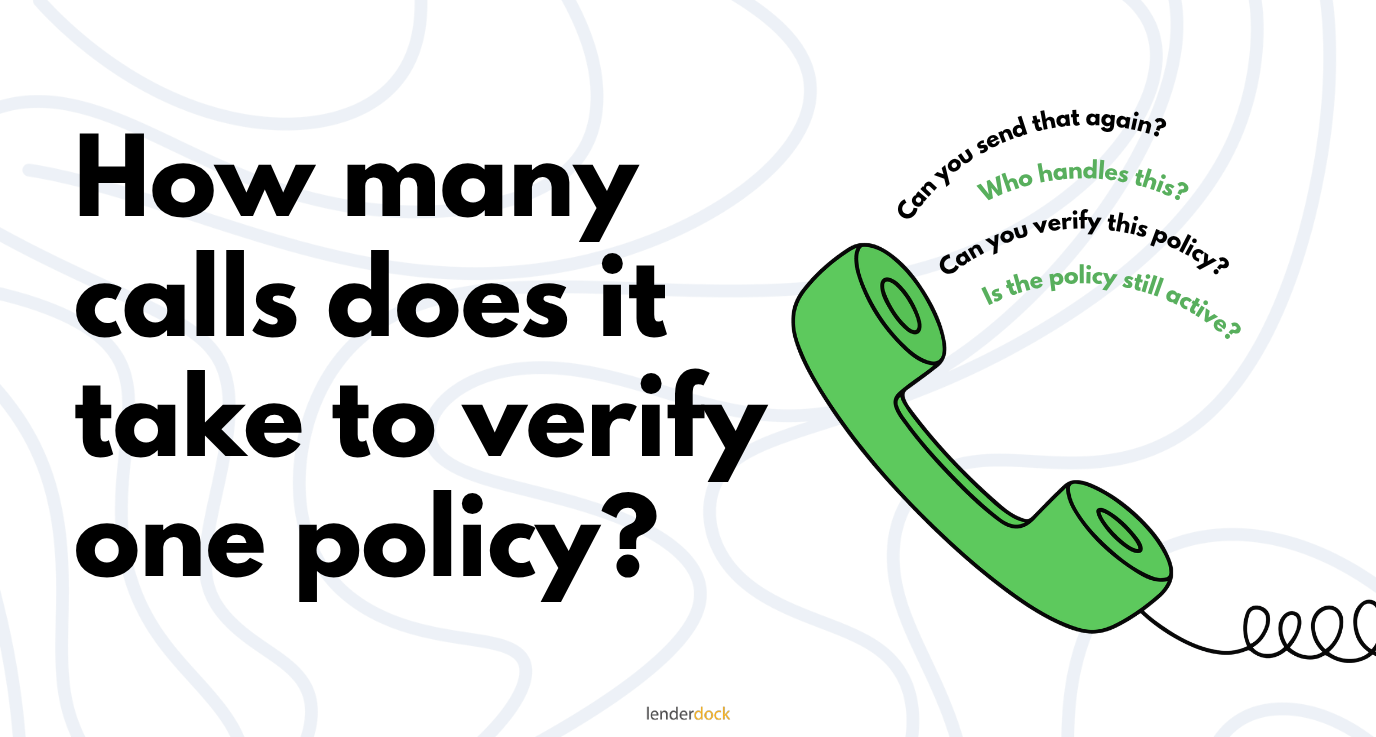
Every single day, insurance workers face a mountain of simple questions. Are they tired of answering the same questions about policy coverage all day long? Yes, they are. When banks or lenders need to check…
A title company closing a home sale needs to confirm the seller’s policy is active before the deal can move. An auto lender needs the same thing before releasing funds on a car loan. A…
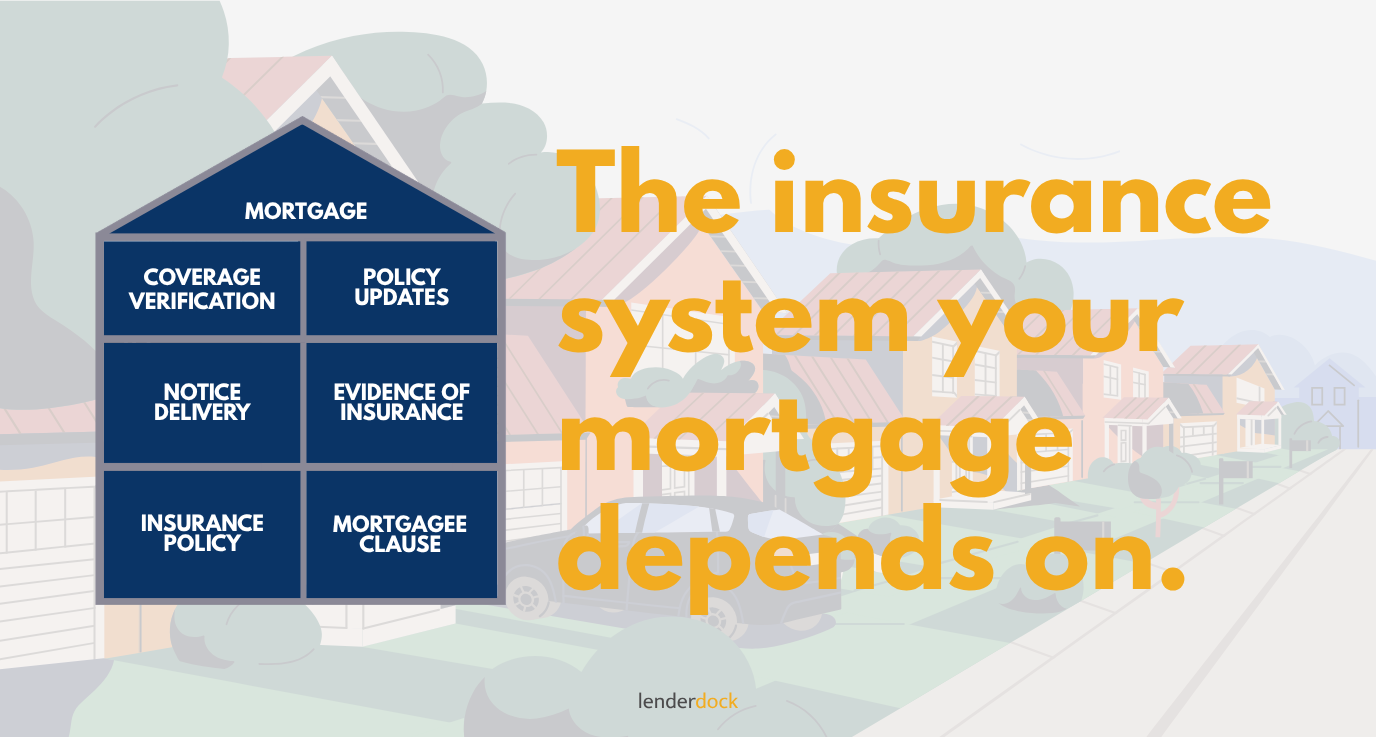
Most people who take out a mortgage never think about insurance as part of the loan itself. It feels adjacent, a separate purchase, something the lender requires but does not really participate in beyond checking…
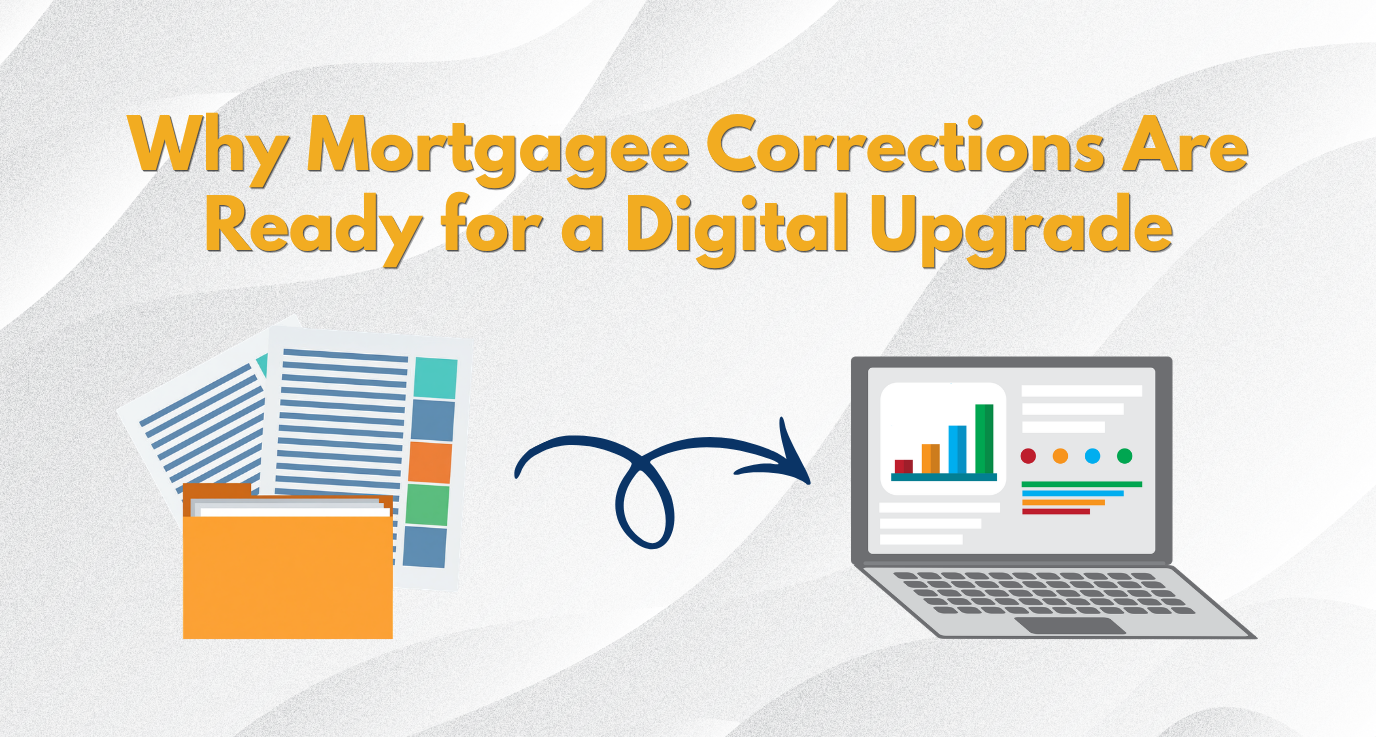
Mortgagee corrections are a routine part of insurance servicing, but the process behind them is often anything but simple. A lender may find that the mortgagee’s name or address on a policy is out of…


We consectetur adipiscing elit tempor incididunt ut labore. Wondering ipsum dolor sit amet? We consectetur adipiscing ipsum nulla glavrida elit tempor incididunt.