From Policy Change to Action: Why Timing Matters in Insurance
We’ve heard people in mortgage servicing use verification and tracking as if they’re interchangeable, and honestly, for a lot of daily work, treating them that way doesn’t break anything.


LenderDock provides real-time, insurance policy details through its magical web portal or its APIs.

LIENSure sends corrections digitally, straight from the financial source of truth and in bulk for easy processing.

ESCROWPay verifies what’s actually due before the money moves, then sends the payment and reconciliation data digitally.

NOTiFi delivers required policy, coverage, and billing notices in the formats lienholders actually use
At least check out the genesis of LenderDock Video. It’ll all make sense, the eco-system, that is.
Learn more about our great leadership team and our amazing, people-first, company culture.
There’s a lot going on at LenderDock and in our industries. We threw it all here to make it easier to keep up.
We go to a lot of events and we love to eat. See our calendar of where we’ll be.
New webinars will be coming quite frequently. Educational, success, and sales.

The relationship between property and casualty (P&C) insurance carriers and financial lienholders has long been defined by administrative complexity. While insurers have embraced consumer-facing innovation, the back-end exchange of data and funds between carriers and financial institutions still relies heavily on physical mail, paper checks, and manual inquiries.
That model is becoming unsustainable. Rising operating costs and increasing economic volatility are forcing carriers to replace manual workflows with automated, real-time digital transaction networks.
For years, insurers have accepted inefficient processes as part of doing business. These inefficiencies typically fall into three categories:
Together, these issues create a continuous feedback gap. Manual data entry introduces delays, increases compliance risks, and discourages operational efficiency across the carrier-lienholder relationship.
The push toward modernization is also being driven by economic realities. Household costs continue to rise as property taxes and homeowners’ insurance premiums increase.
Between the end of 2021 and 2025, average homeowners’ insurance premiums tied to escrowed loans climbed 64%, increasing from $1,597 to $2,625. Inflation, higher rebuilding costs, supply chain disruptions, and more frequent severe weather events have all contributed to significant escrow shortages.
As premiums rise, homeowners shop more aggressively for lower-cost coverage. Every policy change creates additional administrative work, including mortgage clause verification, cancellations, and refund processing. These frequent transactions expose the limitations of paper-based workflows.
Despite widespread digital transformation, the industry still processes approximately 35 million escrow checks each year. This paper-based process creates significant costs:
Bulk escrow checks covering hundreds of policies often require manual reconciliation. Even small discrepancies can delay processing, resulting in additional research, refund checks, and administrative overhead.
Digital policy verification is only part of the modernization equation. Payment processing must evolve as well.
ESCROWPay™ by LenderDock is the P&C industry’s first fully digital escrow payment and reconciliation solution, replacing paper checks and lockbox processing with secure, API-driven payment transactions.
Instead of mailing a single bulk check accompanied by lengthy spreadsheets, lenders and mortgage servicers submit secure digital payments that can be automatically validated against carrier policy systems.
The benefits are immediate:
ESCROWPay™ delivers even greater value when integrated into a broader automation strategy. By connecting directly with policy administration systems such as Guidewire and WaterStreet, carriers can centralize policy verification, escrow payments, lienholder communications, and statutory notifications.
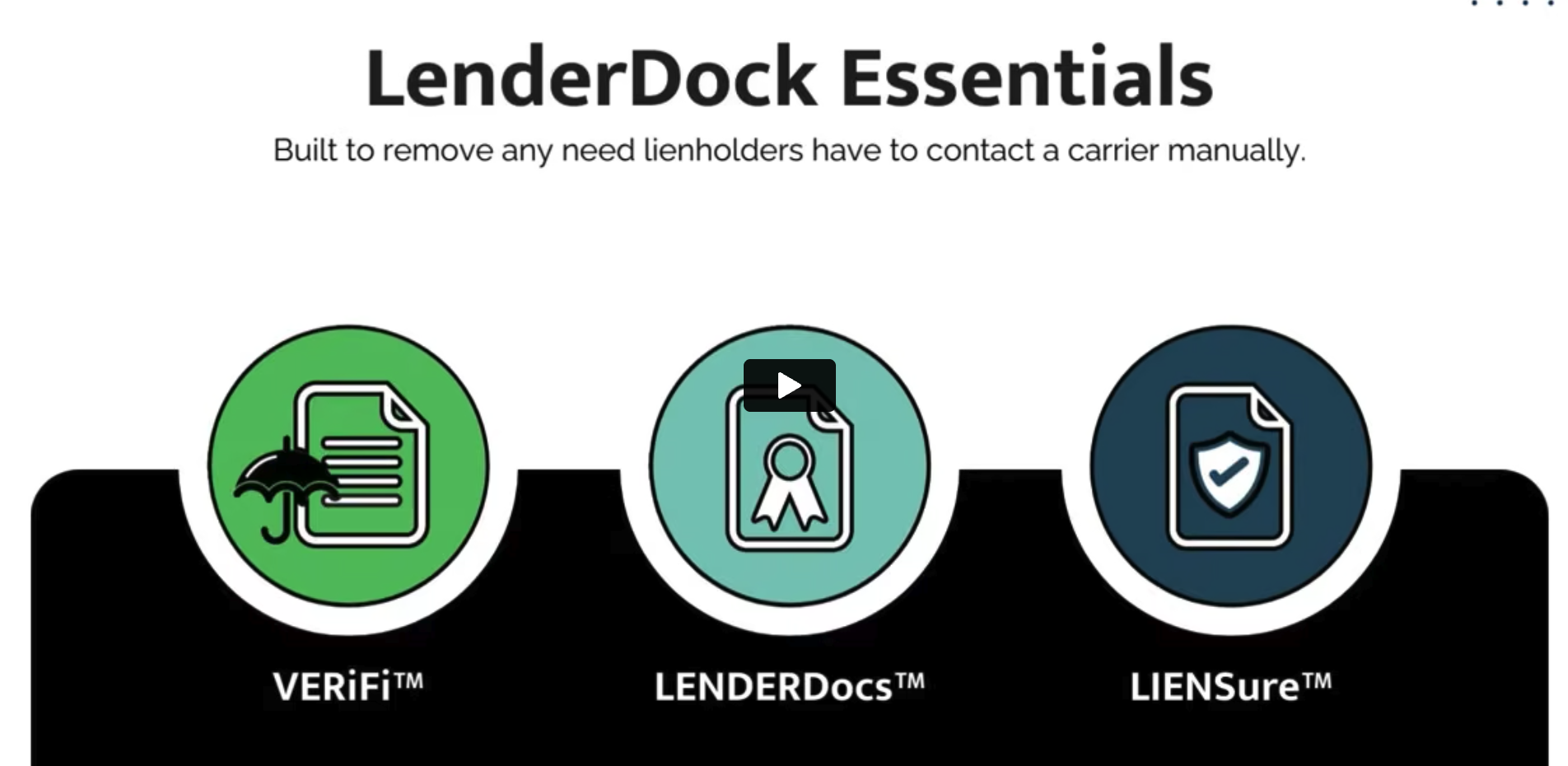
Combined with LenderDock’s Essentials™ suite (VERiFi™ and LIENSure™) and the NOTiFi™ outbound communication platform, carriers gain a unified digital workflow with complete audit visibility while avoiding lengthy core system implementations.
Organizations adopting these integrated solutions report dramatic operational improvements, including up to 90% reductions in call volume, 73% faster payment cycles, and substantial administrative cost savings.
Managing carrier-lienholder relationships through paper checks, spreadsheets, and manual phone calls is no longer sustainable. Economic pressures and growing transaction volumes demand greater operational agility than legacy processes can provide.
By adopting fully digital payment ecosystems such as ESCROWPay™, insurance carriers can eliminate administrative bottlenecks, improve cash flow, reduce costs, strengthen security, and allow employees to focus on higher-value work that supports customer service and long-term business growth.
The paper chase has lasted long enough. The future of carrier-lienholder interactions is digital.
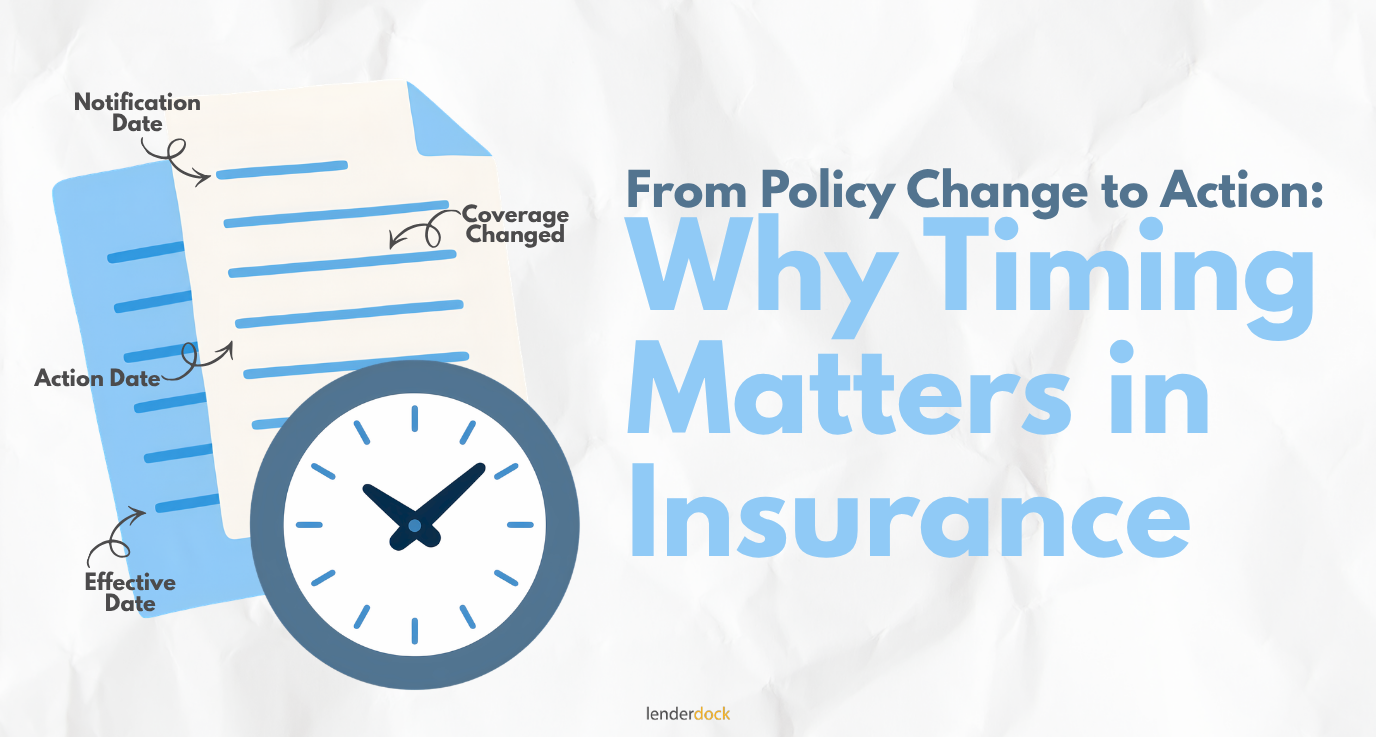
We’ve heard people in mortgage servicing use verification and tracking as if they’re interchangeable, and honestly, for a lot of daily work, treating them that way doesn’t break anything.
A two-day lag between a policy change and everyone finding out about it used to be annoying, not dangerous. Someone made a call, waited, got an answer, and moved on with their day.
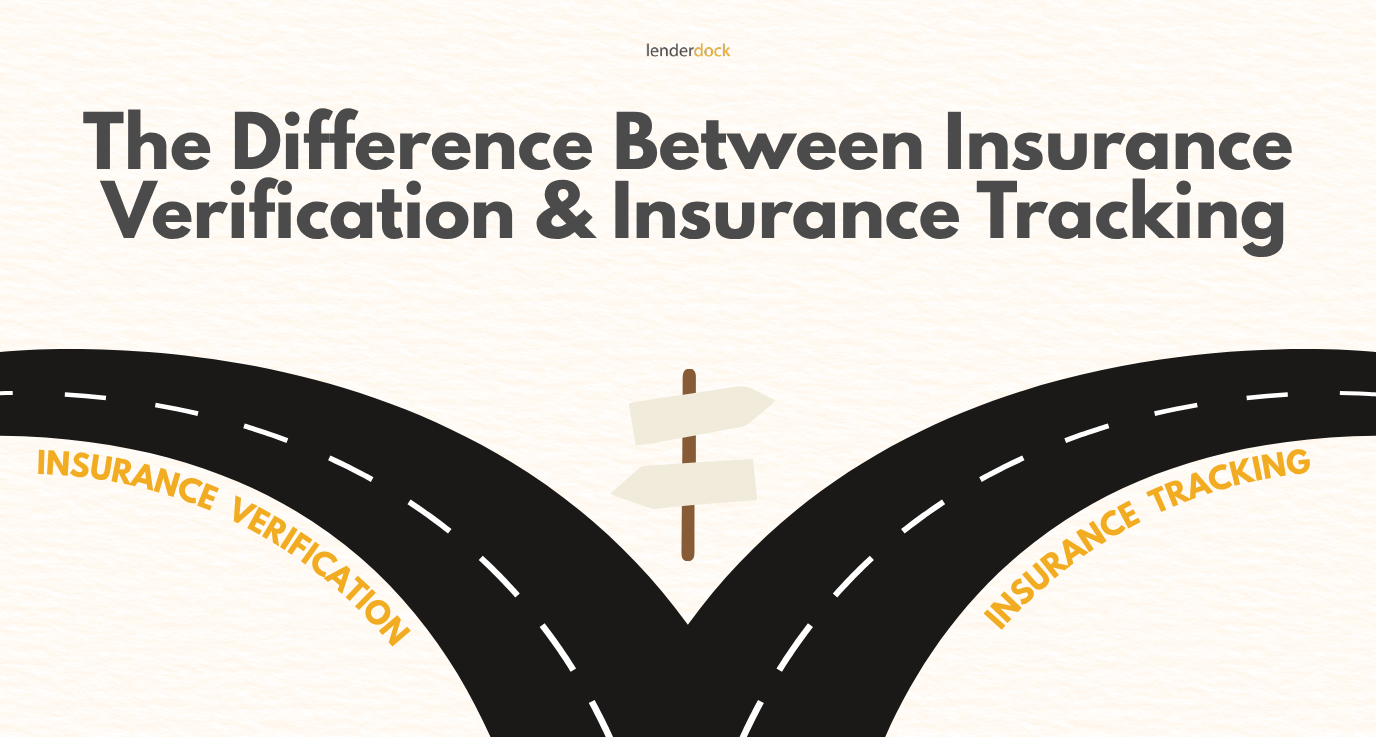
We’ve heard people in mortgage servicing use verification and tracking as if they’re interchangeable, and honestly, for a lot of daily work, treating them that way doesn’t break anything.
Insurance verification is a routine part of the lending and insurance process. A lender needs to know whether a policy is active. A mortgage servicer may need to confirm coverage or mortgagee information. An insurance…
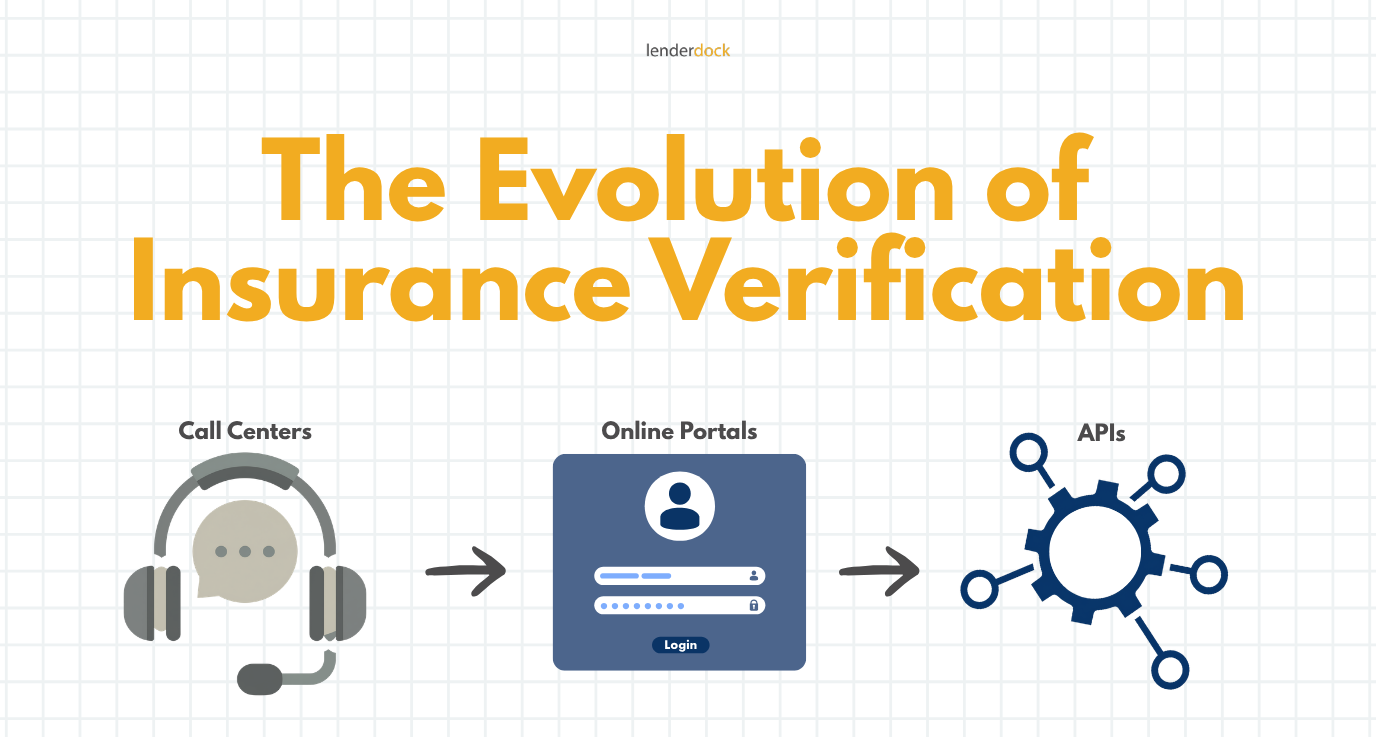
In the earliest version of insurance verification, the person answering the phone actually had to know things. They pulled a physical file, checked handwriting against a ledger, and made a judgment call about whether what…
Two insurers can each have perfectly accurate, well-maintained policy databases and still fail to exchange a single piece of usable data between them.
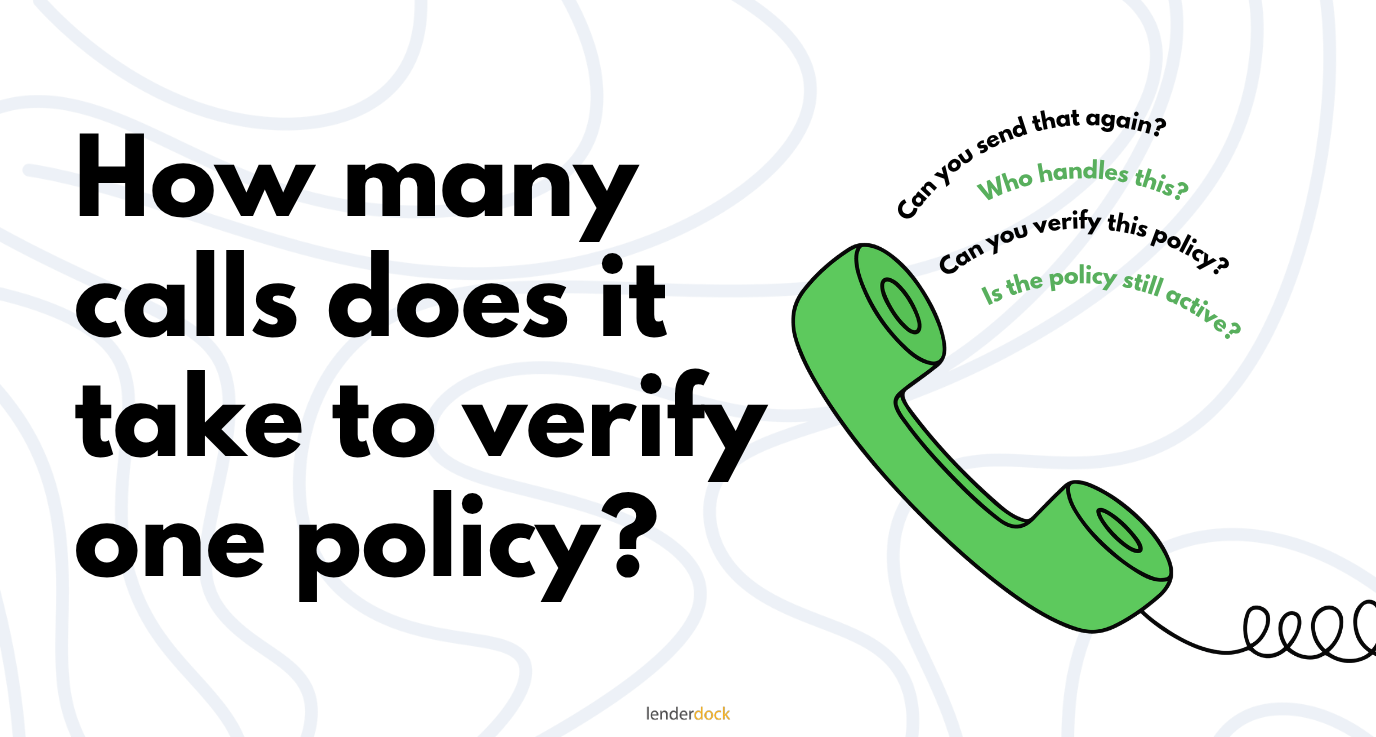
Every single day, insurance workers face a mountain of simple questions. Are they tired of answering the same questions about policy coverage all day long? Yes, they are. When banks or lenders need to check…
A title company closing a home sale needs to confirm the seller’s policy is active before the deal can move. An auto lender needs the same thing before releasing funds on a car loan. A…
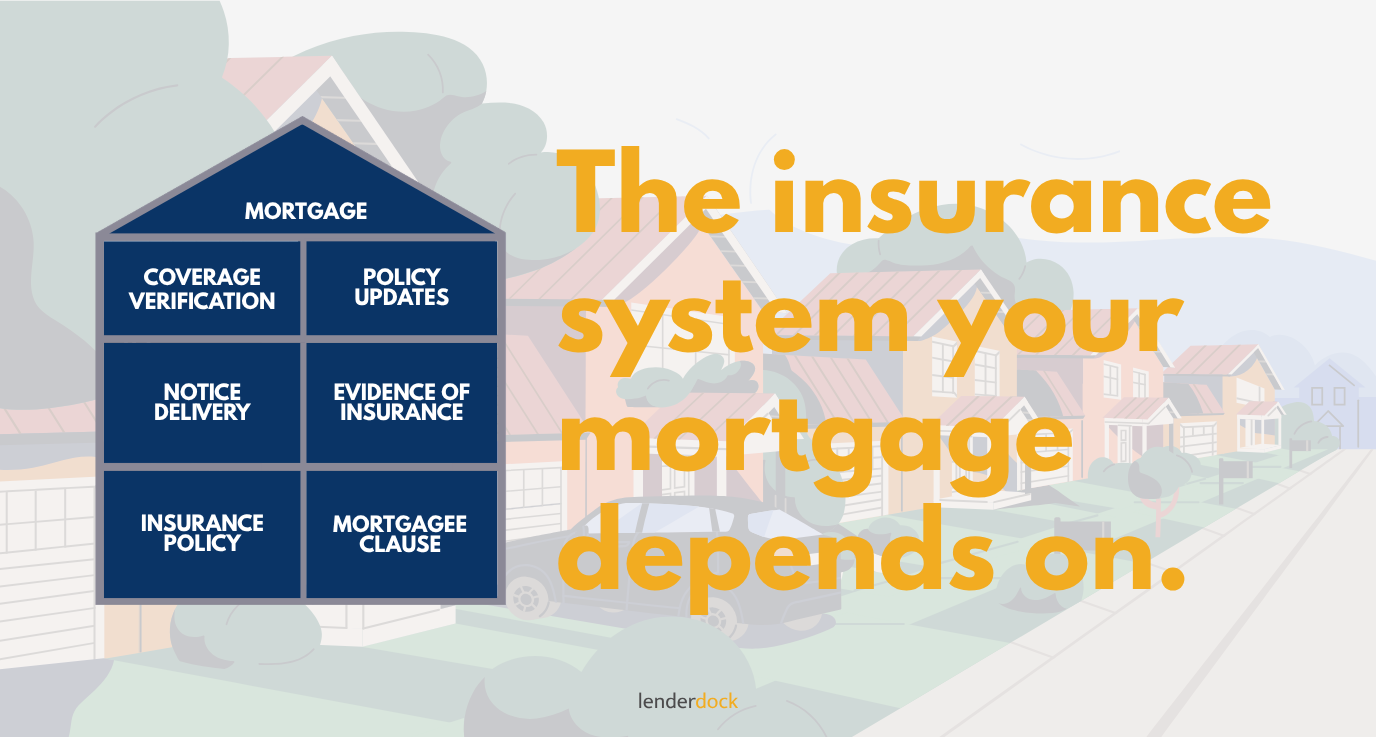
Most people who take out a mortgage never think about insurance as part of the loan itself. It feels adjacent, a separate purchase, something the lender requires but does not really participate in beyond checking…
Mortgagee corrections are a routine part of insurance servicing, but the process behind them is often anything but simple. A lender may find that the mortgagee’s name or address on a policy is out of…


We consectetur adipiscing elit tempor incididunt ut labore. Wondering ipsum dolor sit amet? We consectetur adipiscing ipsum nulla glavrida elit tempor incididunt.