From Policy Change to Action: Why Timing Matters in Insurance
We’ve heard people in mortgage servicing use verification and tracking as if they’re interchangeable, and honestly, for a lot of daily work, treating them that way doesn’t break anything.


LenderDock provides real-time, insurance policy details through its magical web portal or its APIs.

LIENSure sends corrections digitally, straight from the financial source of truth and in bulk for easy processing.

ESCROWPay verifies what’s actually due before the money moves, then sends the payment and reconciliation data digitally.

NOTiFi delivers required policy, coverage, and billing notices in the formats lienholders actually use
At least check out the genesis of LenderDock Video. It’ll all make sense, the eco-system, that is.
Learn more about our great leadership team and our amazing, people-first, company culture.
There’s a lot going on at LenderDock and in our industries. We threw it all here to make it easier to keep up.
We go to a lot of events and we love to eat. See our calendar of where we’ll be.
New webinars will be coming quite frequently. Educational, success, and sales.
For years, Property & Casualty (P&C) carriers have relied on “contributory databases” to share policy data with lenders, mortgagees, and third-party trackers. The process usually looks like this: a carrier exports their entire book of business into a massive batch file and ships it off to a third-party aggregator on a daily, weekly, or monthly basis.
But as data privacy regulations tighten and customer expectations for speed skyrocket, this legacy model is showing its age. Handing over your entire customer database isn’t just inefficient—it’s a massive security vulnerability.
The industry is rapidly shifting toward API (Application Programming Interface) integrations. Here is why the API approach isn’t just an upgrade, but a fundamental necessity for modern insurance carriers, and why platforms like LenderDock are rendering contributory databases obsolete.
When a carrier uses a contributory database, they are actively participating in the creation of a massive “honeypot” of Personally Identifiable Information (PII).
Insurance is dynamic. Policies are canceled, renewed, and endorsed by the minute.

This exact contrast is why platforms like LenderDock are rapidly replacing legacy data-sharing models.
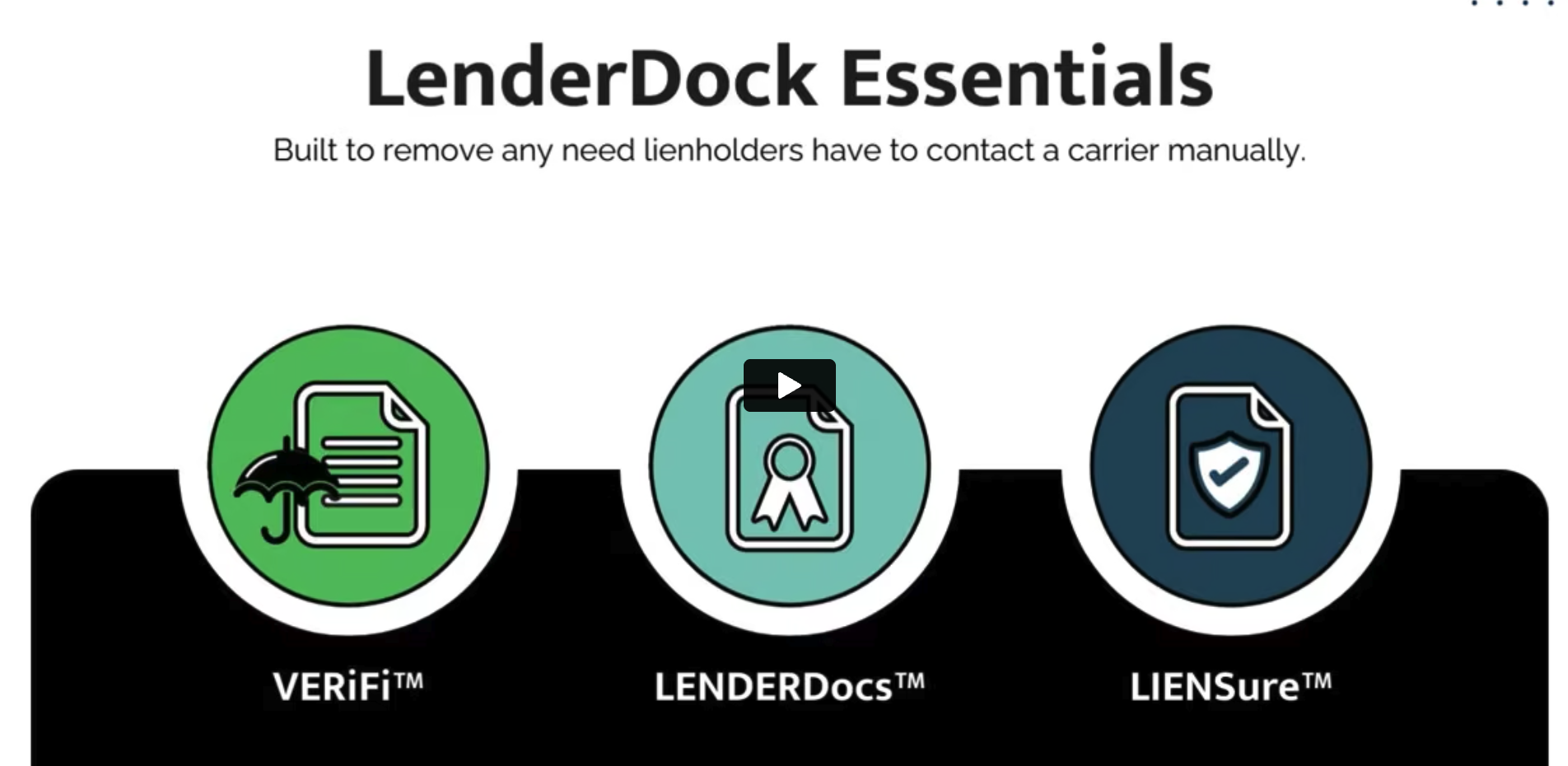
Unlike traditional tracking databases that ask carriers to surrender their data, LenderDock’s VERiFi™ and Essentials API act as a secure, real-time bridge. It allows lienholders and mortgagees to digitally verify policies instantly, without the carrier ever having to host their data on a third-party server.
By utilizing an API-first approach, LenderDock eliminates the back-and-forth phone calls, drastically reduces paper processing, and most importantly—keeps the carrier’s data firmly in the carrier’s hands.
The era of shipping off flat files is ending. If you want to protect your policyholders’ data while eliminating administrative waste, it’s time to cut the cord on contributory databases and plug into the API ecosystem.
We’ve heard people in mortgage servicing use verification and tracking as if they’re interchangeable, and honestly, for a lot of daily work, treating them that way doesn’t break anything.
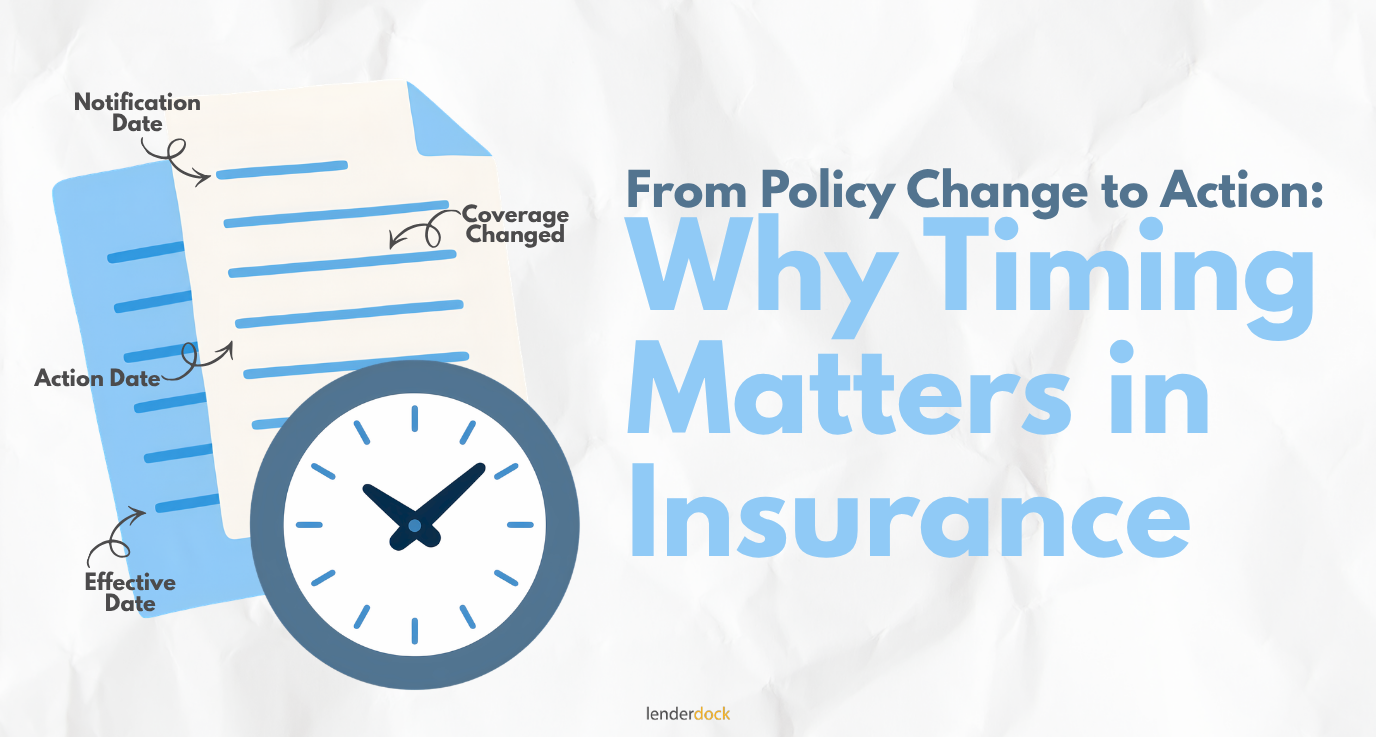
A two-day lag between a policy change and everyone finding out about it used to be annoying, not dangerous. Someone made a call, waited, got an answer, and moved on with their day.
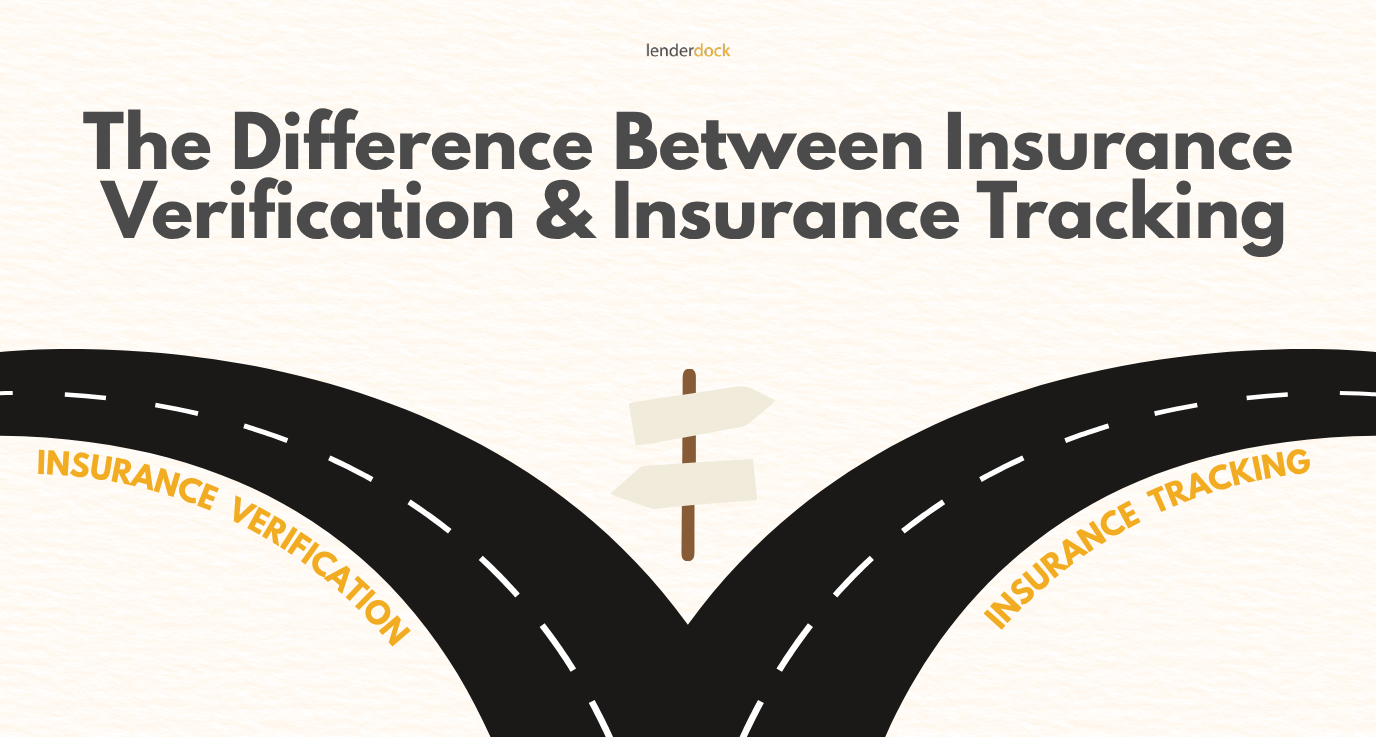
We’ve heard people in mortgage servicing use verification and tracking as if they’re interchangeable, and honestly, for a lot of daily work, treating them that way doesn’t break anything.
Insurance verification is a routine part of the lending and insurance process. A lender needs to know whether a policy is active. A mortgage servicer may need to confirm coverage or mortgagee information. An insurance…
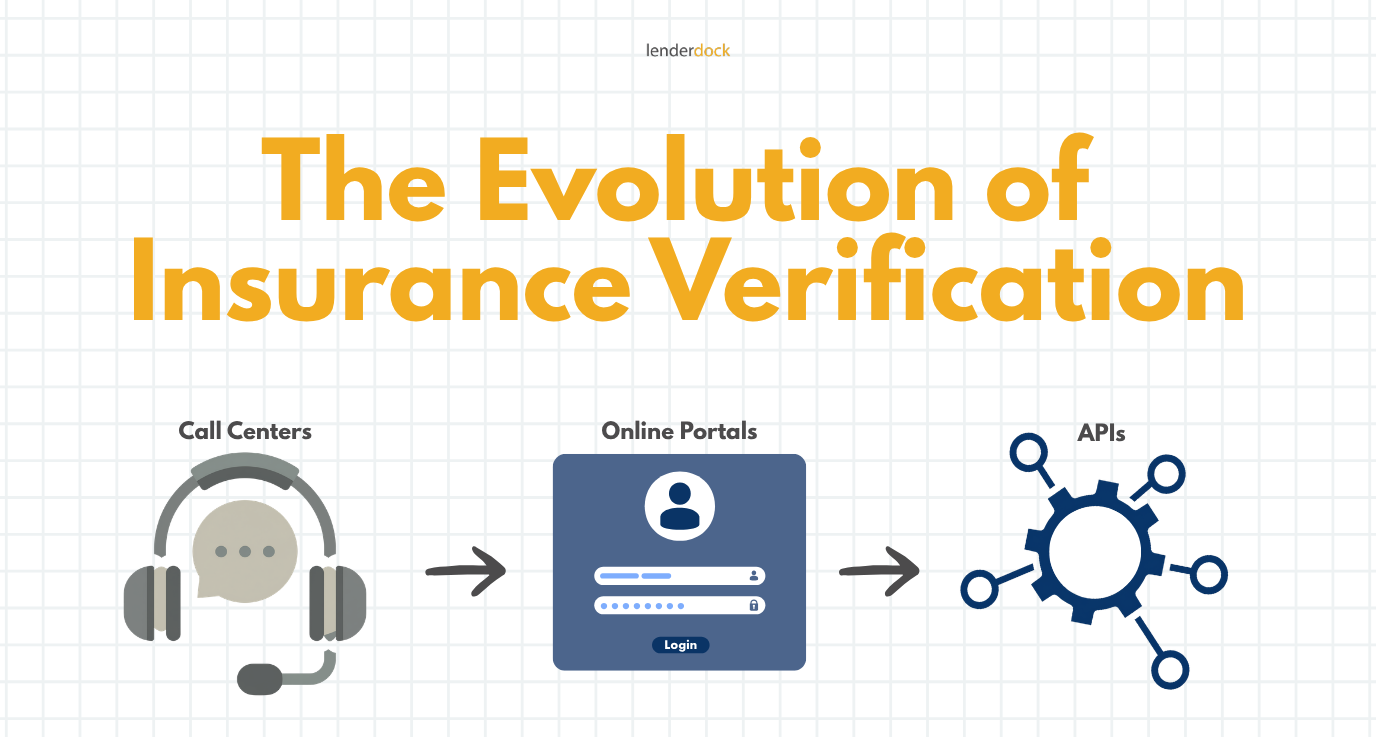
In the earliest version of insurance verification, the person answering the phone actually had to know things. They pulled a physical file, checked handwriting against a ledger, and made a judgment call about whether what…
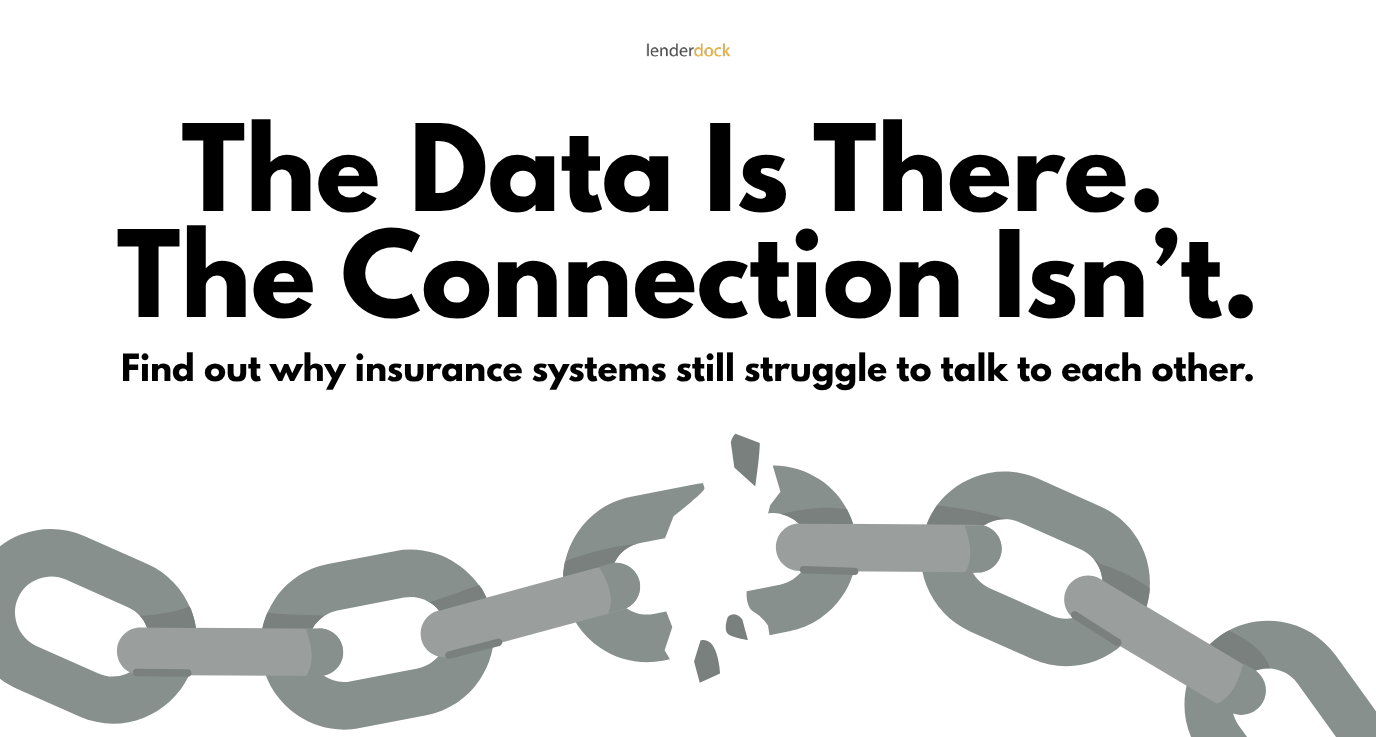
Two insurers can each have perfectly accurate, well-maintained policy databases and still fail to exchange a single piece of usable data between them.
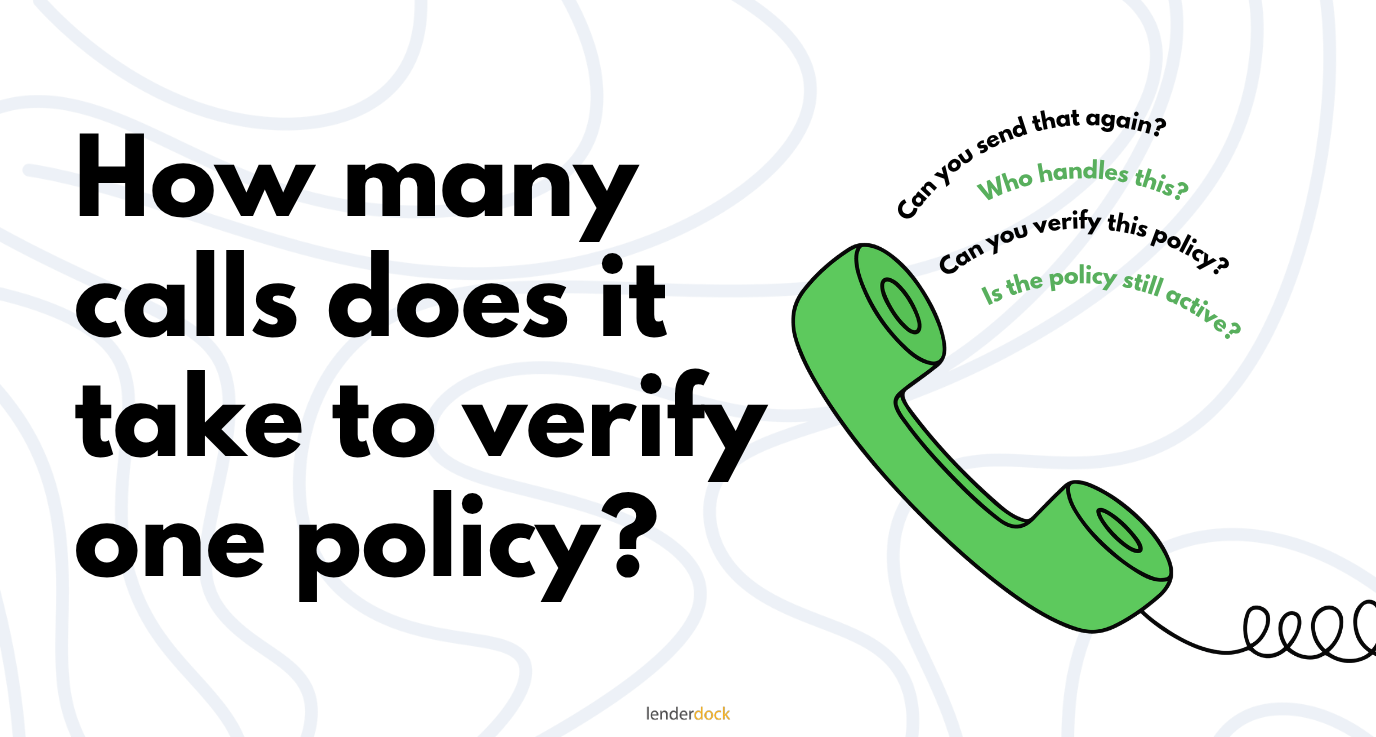
Every single day, insurance workers face a mountain of simple questions. Are they tired of answering the same questions about policy coverage all day long? Yes, they are. When banks or lenders need to check…
A title company closing a home sale needs to confirm the seller’s policy is active before the deal can move. An auto lender needs the same thing before releasing funds on a car loan. A…
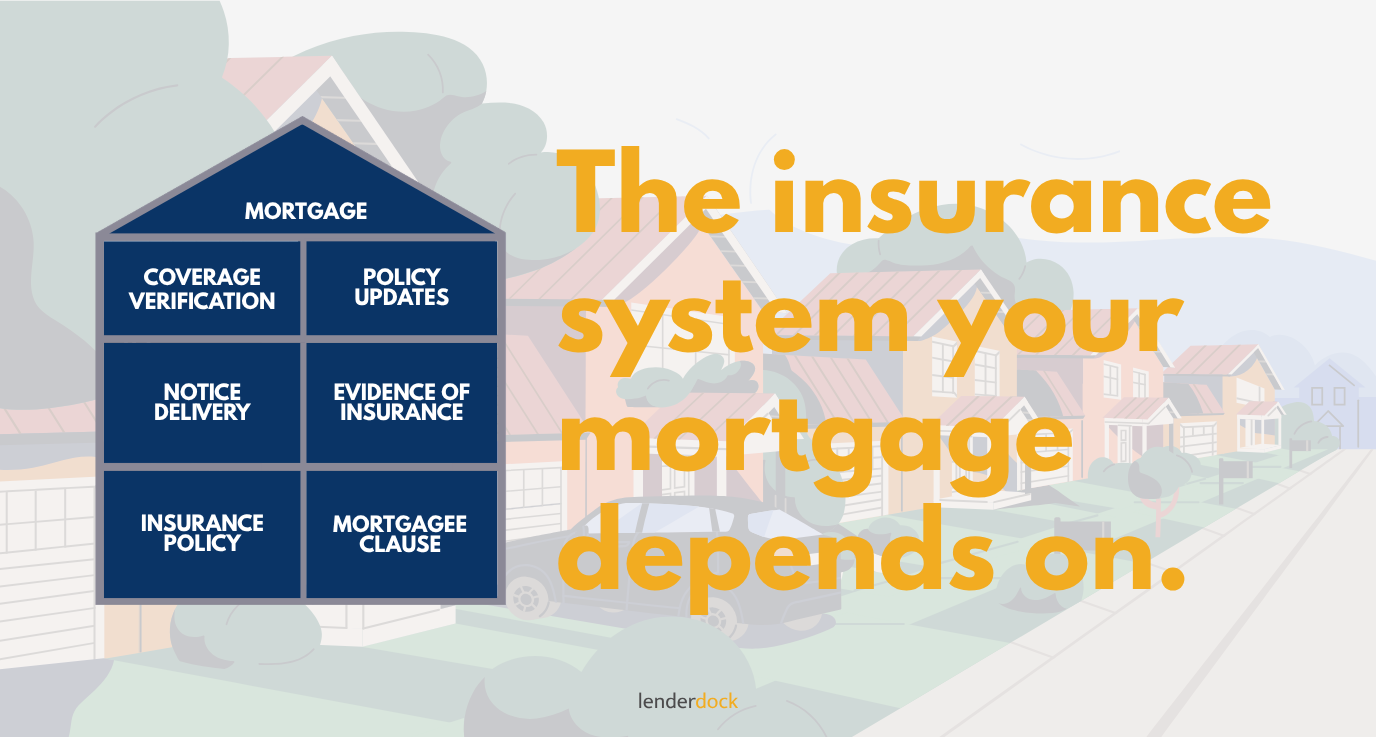
Most people who take out a mortgage never think about insurance as part of the loan itself. It feels adjacent, a separate purchase, something the lender requires but does not really participate in beyond checking…
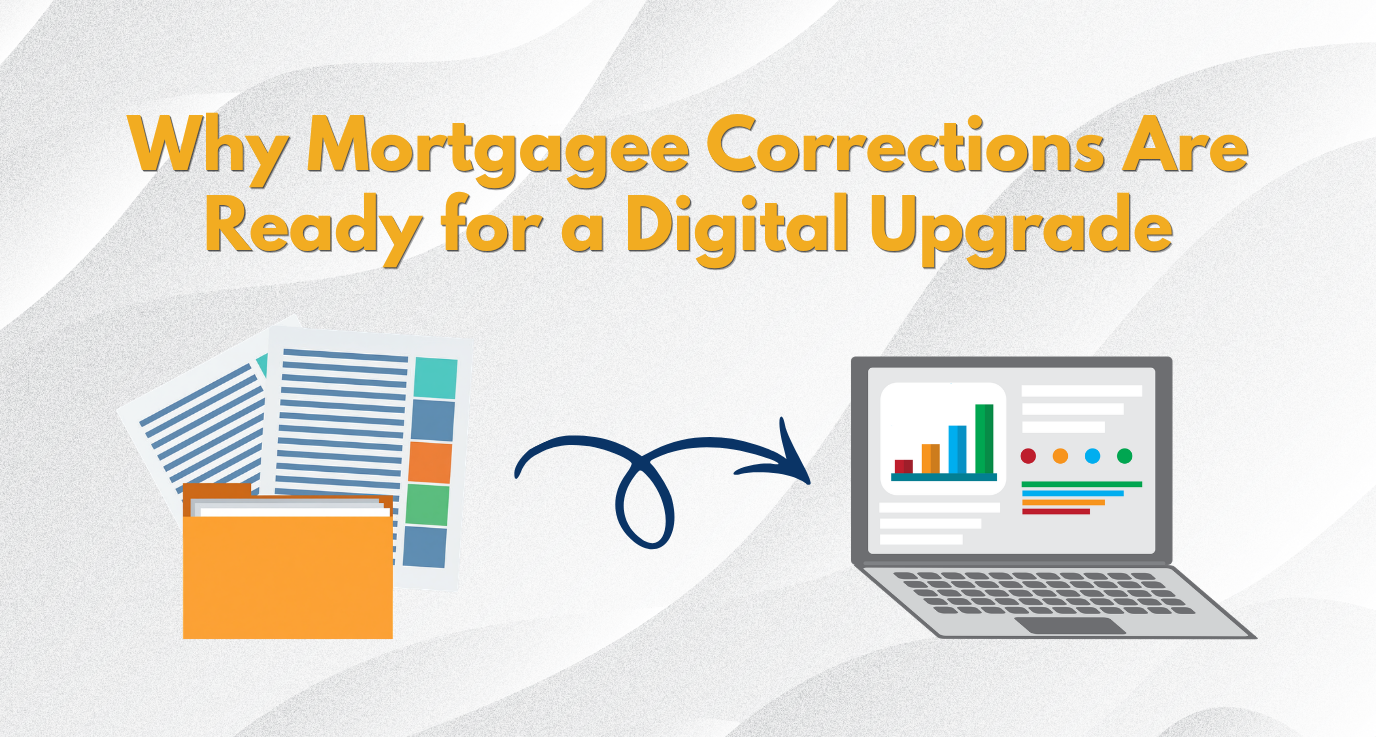
Mortgagee corrections are a routine part of insurance servicing, but the process behind them is often anything but simple. A lender may find that the mortgagee’s name or address on a policy is out of…


We consectetur adipiscing elit tempor incididunt ut labore. Wondering ipsum dolor sit amet? We consectetur adipiscing ipsum nulla glavrida elit tempor incididunt.