From Policy Change to Action: Why Timing Matters in Insurance
We’ve heard people in mortgage servicing use verification and tracking as if they’re interchangeable, and honestly, for a lot of daily work, treating them that way doesn’t break anything.


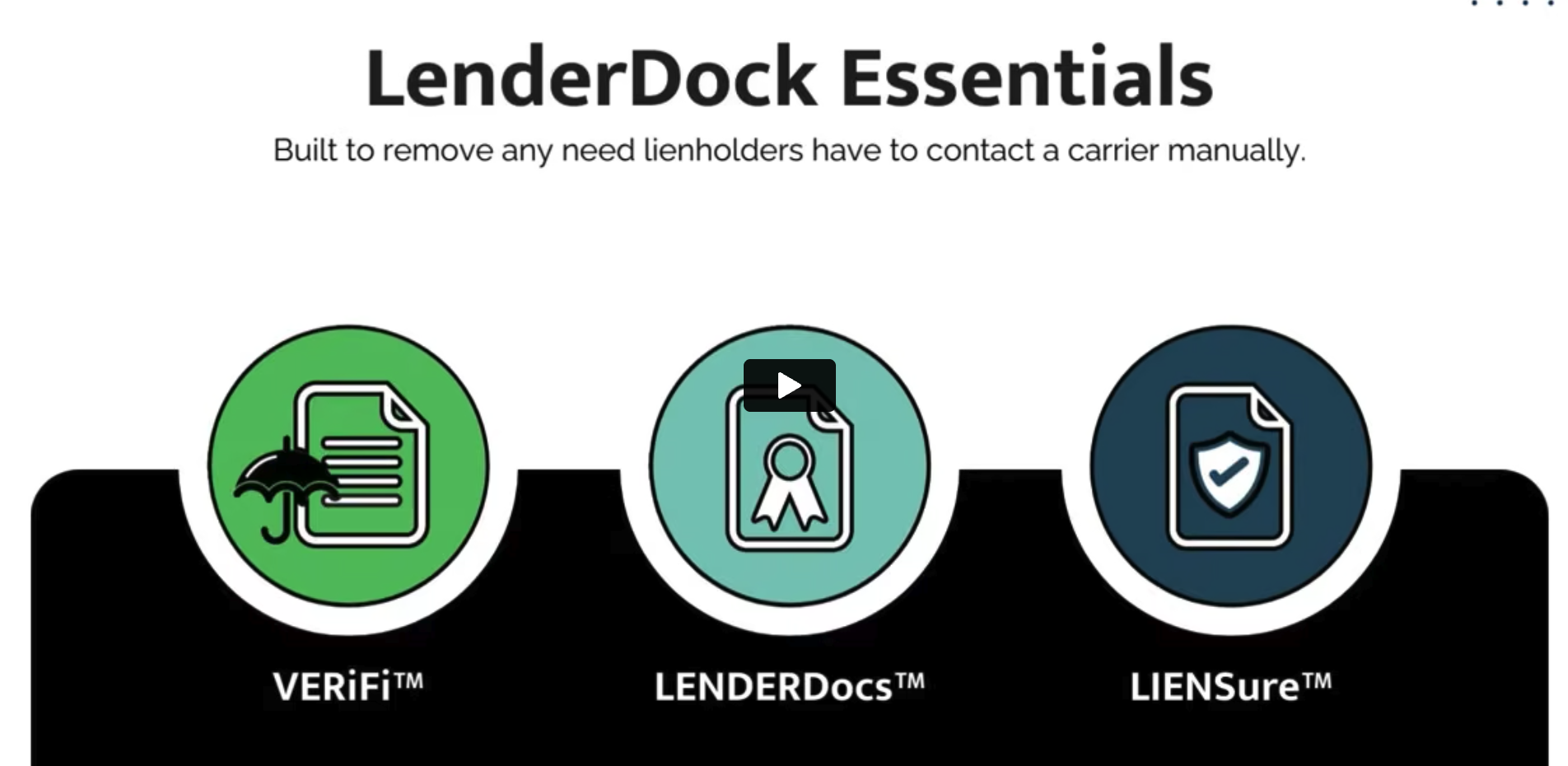
LenderDock provides real-time, insurance policy details through its magical web portal or its APIs.

LIENSure sends corrections digitally, straight from the financial source of truth and in bulk for easy processing.

ESCROWPay verifies what’s actually due before the money moves, then sends the payment and reconciliation data digitally.

NOTiFi delivers required policy, coverage, and billing notices in the formats lienholders actually use
At least check out the genesis of LenderDock Video. It’ll all make sense, the eco-system, that is.
Learn more about our great leadership team and our amazing, people-first, company culture.
There’s a lot going on at LenderDock and in our industries. We threw it all here to make it easier to keep up.
We go to a lot of events and we love to eat. See our calendar of where we’ll be.
New webinars will be coming quite frequently. Educational, success, and sales.
Last time, we talked about how cloud computing has transformed insurance services—streamlining operations, improving data accessibility, and enhancing customer interactions. But technology never stands still. Now, the next evolution of cloud computing is taking shape: edge computing.
In this article, we’ll explore what edge computing is and how it works, and while it extends the capabilities of cloud computing, we’ll also elaborate how it operates quite differently.
At its core, edge computing moves data processing closer to its source instead of sending everything to a central cloud.
Think of it as making a quick decision on the spot rather than calling a remote office for instructions. Insurance companies collect massive amounts of data from policyholders, sensors, and connected devices. Instead of routing all this information to the cloud and waiting for a response, edge computing allows them to process and analyze it right where it’s generated. This means faster insights, reduced bandwidth use, and more control over sensitive data.
Edge computing has already started to shape key areas of the insurance industry.
Telematics-based auto insurance is one example. Instead of continuously sending driving data to the cloud, vehicles equipped with edge technology can process information in real time, offering instant feedback on driving behavior and potential premium adjustments. This allows for fairer pricing and a more dynamic insurance model.
Claims automation is another area where edge computing proves valuable. By integrating it with AI-driven fraud detection systems, insurers can flag suspicious activities faster. Anomalies in claim submissions can be identified and assessed immediately, reducing delays and improving accuracy in fraud prevention.
In health insurance, wearable devices equipped with edge processing capabilities can track patient vitals without overloading cloud servers with unnecessary data. This allows insurers to provide more personalized coverage plans while keeping sensitive health data secure and local.
Speed is everything in insurance, whether it’s processing claims, assessing risks, or detecting fraud. With edge computing, insurers don’t have to rely on long data transfers to and from cloud servers. A connected vehicle involved in an accident, for instance, can instantly transmit crash data to insurers for real-time claims evaluation. The delay that typically slows down claim approvals can be cut dramatically, improving customer experience and reducing unnecessary processing costs.
There is also greater operational efficiency. Instead of depending solely on centralized systems, insurers can leverage edge computing to analyze customer interactions, identify patterns, and even automate underwriting decisions. The technology enables AI-powered chatbots to provide instant responses based on locally processed data, reducing lag and enhancing customer engagement.
Data security and privacy are growing concerns in the insurance world. Sending sensitive customer data across networks introduces risks, but edge computing reduces exposure by processing information closer to the source. This not only improves security but also helps insurers meet strict data protection regulations by keeping certain information within localized networks.
The insurance industry thrives on data—how fast it’s processed, how securely it’s stored, and how effectively it’s used.
Edge computing provides a smarter—and better—way to manage insurance services in an era where speed, efficiency, and security matter more than ever. As insurers continue to integrate this technology, they’ll be better equipped to provide faster claims processing, more accurate risk assessments, and a seamless customer experience.
We’ve heard people in mortgage servicing use verification and tracking as if they’re interchangeable, and honestly, for a lot of daily work, treating them that way doesn’t break anything.
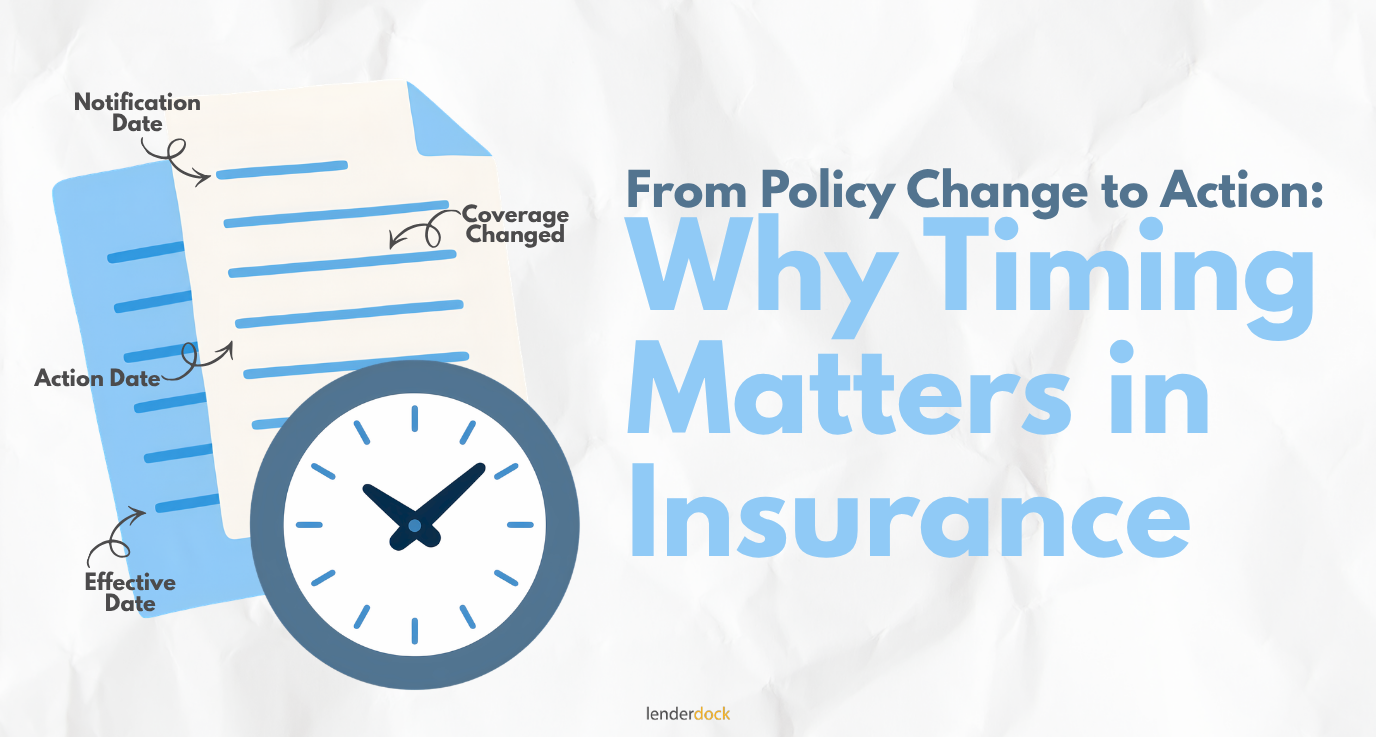
A two-day lag between a policy change and everyone finding out about it used to be annoying, not dangerous. Someone made a call, waited, got an answer, and moved on with their day.
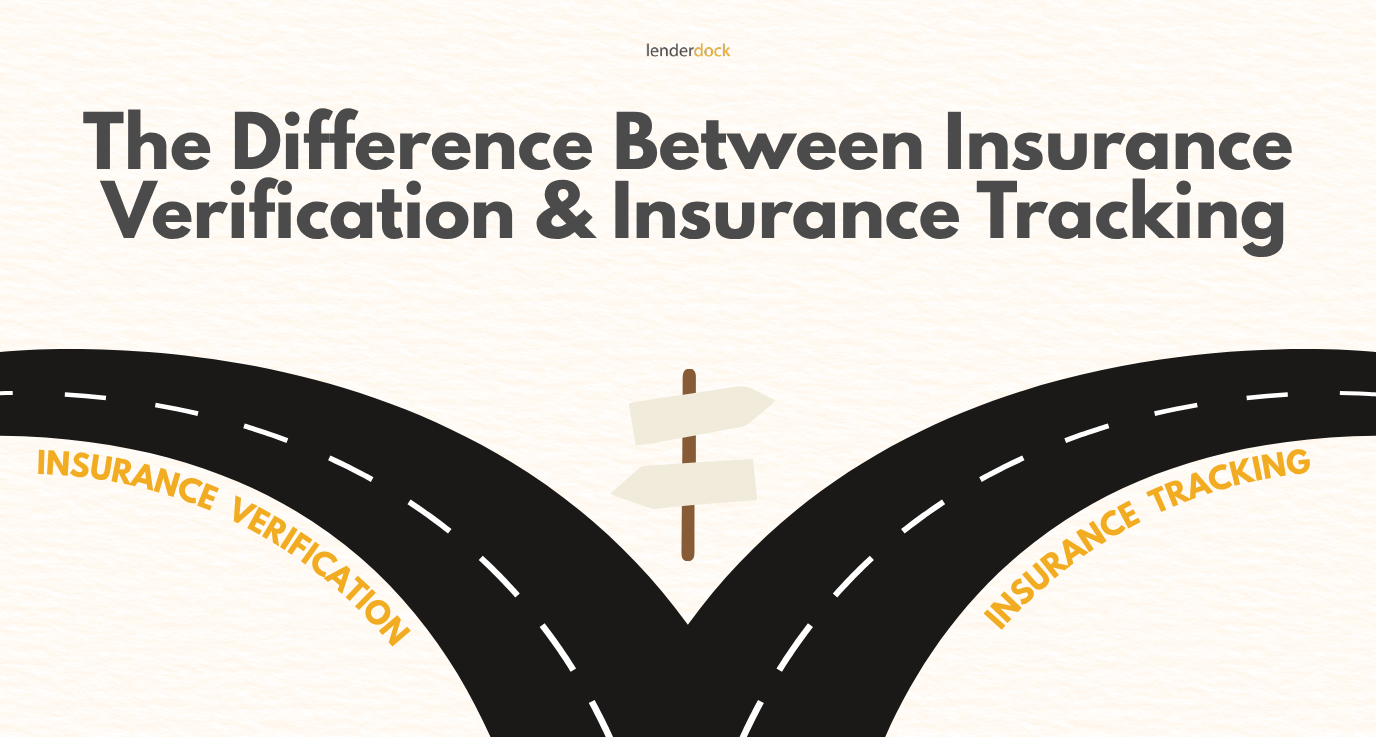
We’ve heard people in mortgage servicing use verification and tracking as if they’re interchangeable, and honestly, for a lot of daily work, treating them that way doesn’t break anything.
Insurance verification is a routine part of the lending and insurance process. A lender needs to know whether a policy is active. A mortgage servicer may need to confirm coverage or mortgagee information. An insurance…
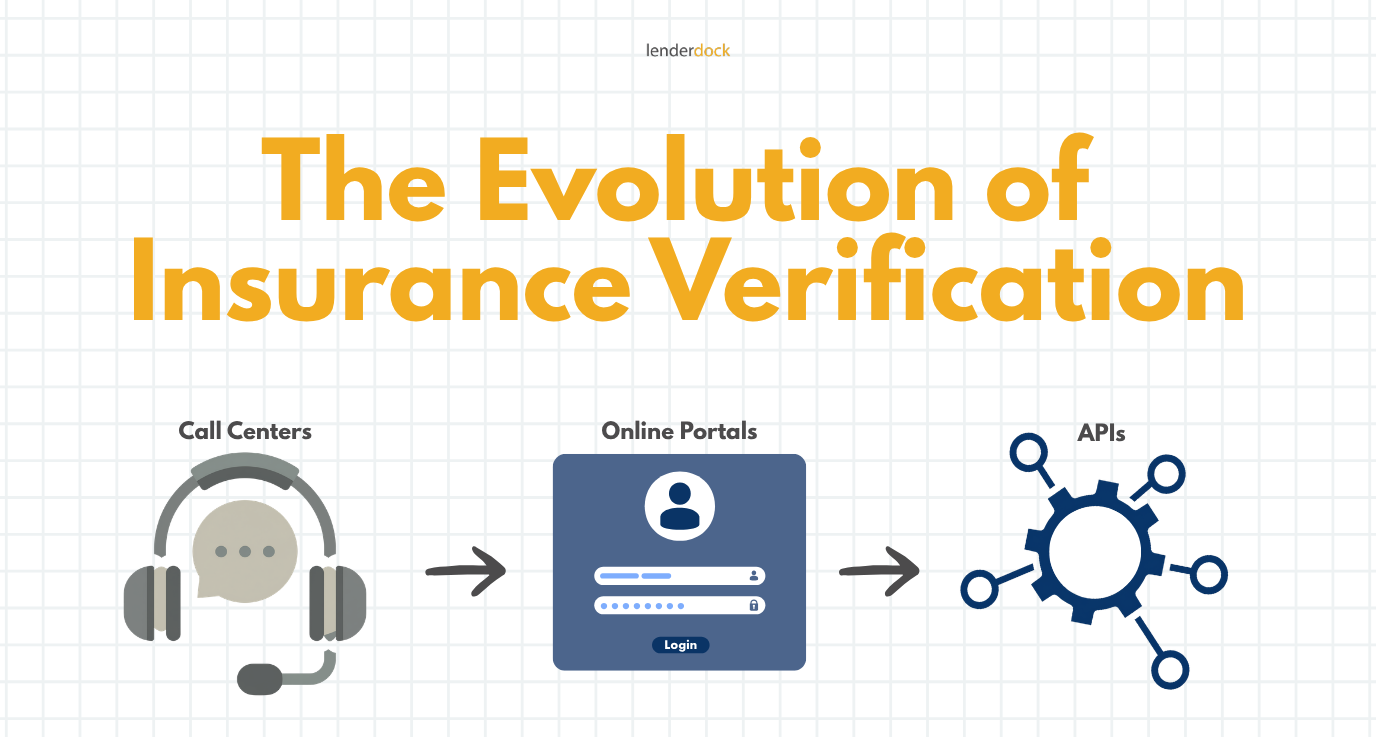
In the earliest version of insurance verification, the person answering the phone actually had to know things. They pulled a physical file, checked handwriting against a ledger, and made a judgment call about whether what…
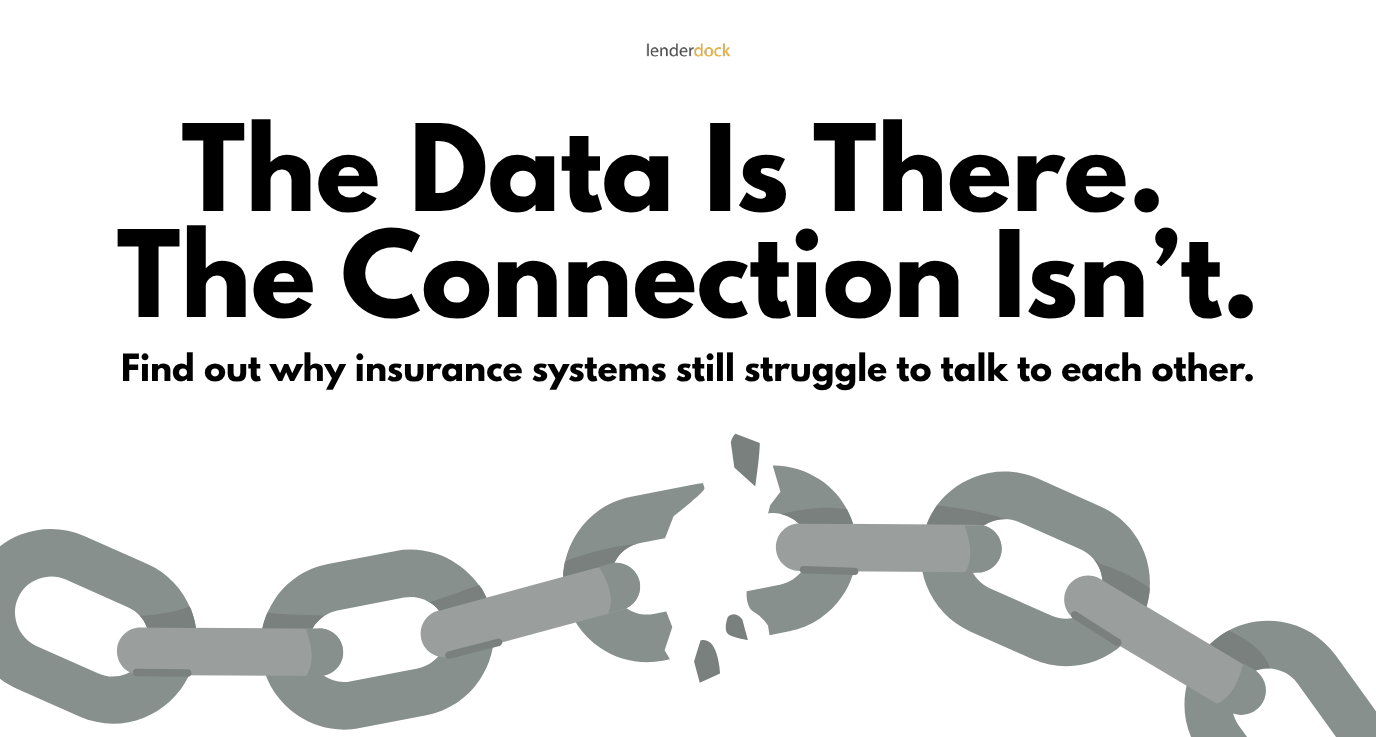
Two insurers can each have perfectly accurate, well-maintained policy databases and still fail to exchange a single piece of usable data between them.

Every single day, insurance workers face a mountain of simple questions. Are they tired of answering the same questions about policy coverage all day long? Yes, they are. When banks or lenders need to check…
A title company closing a home sale needs to confirm the seller’s policy is active before the deal can move. An auto lender needs the same thing before releasing funds on a car loan. A…
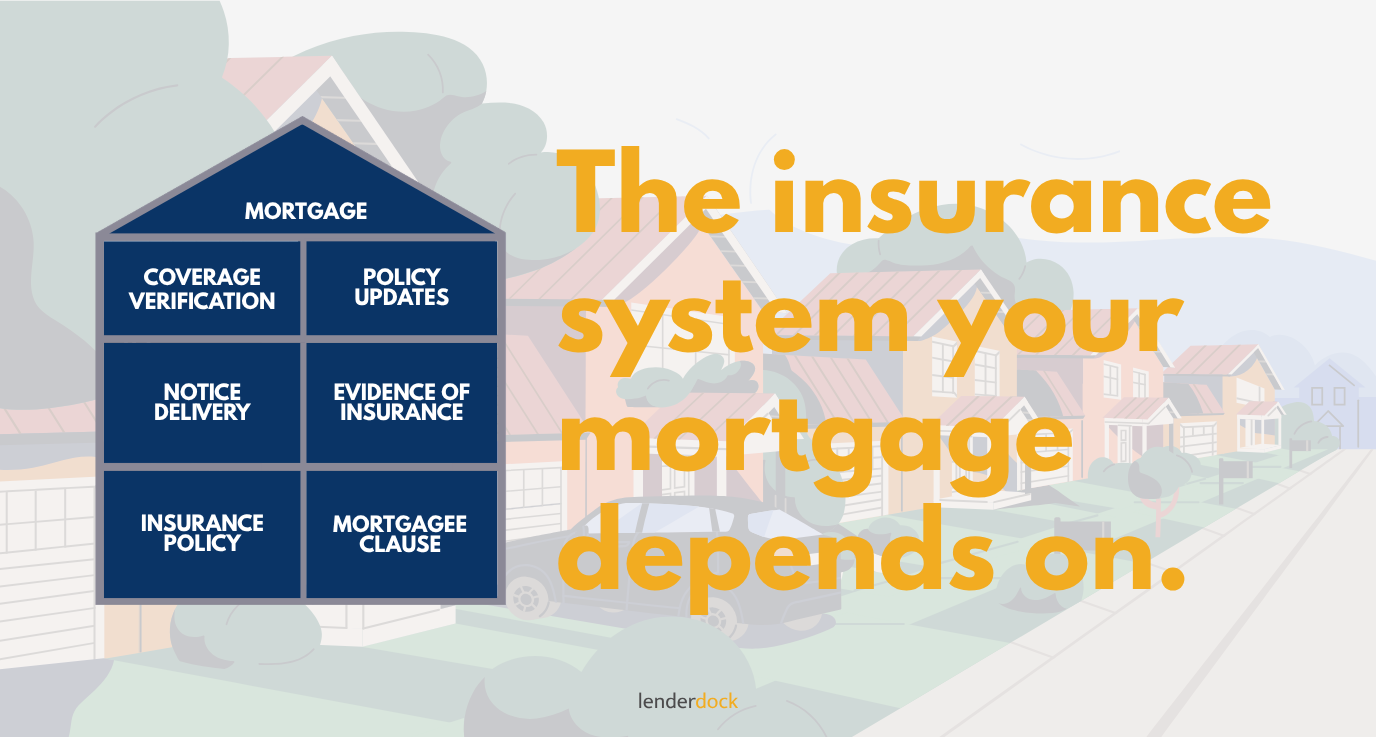
Most people who take out a mortgage never think about insurance as part of the loan itself. It feels adjacent, a separate purchase, something the lender requires but does not really participate in beyond checking…
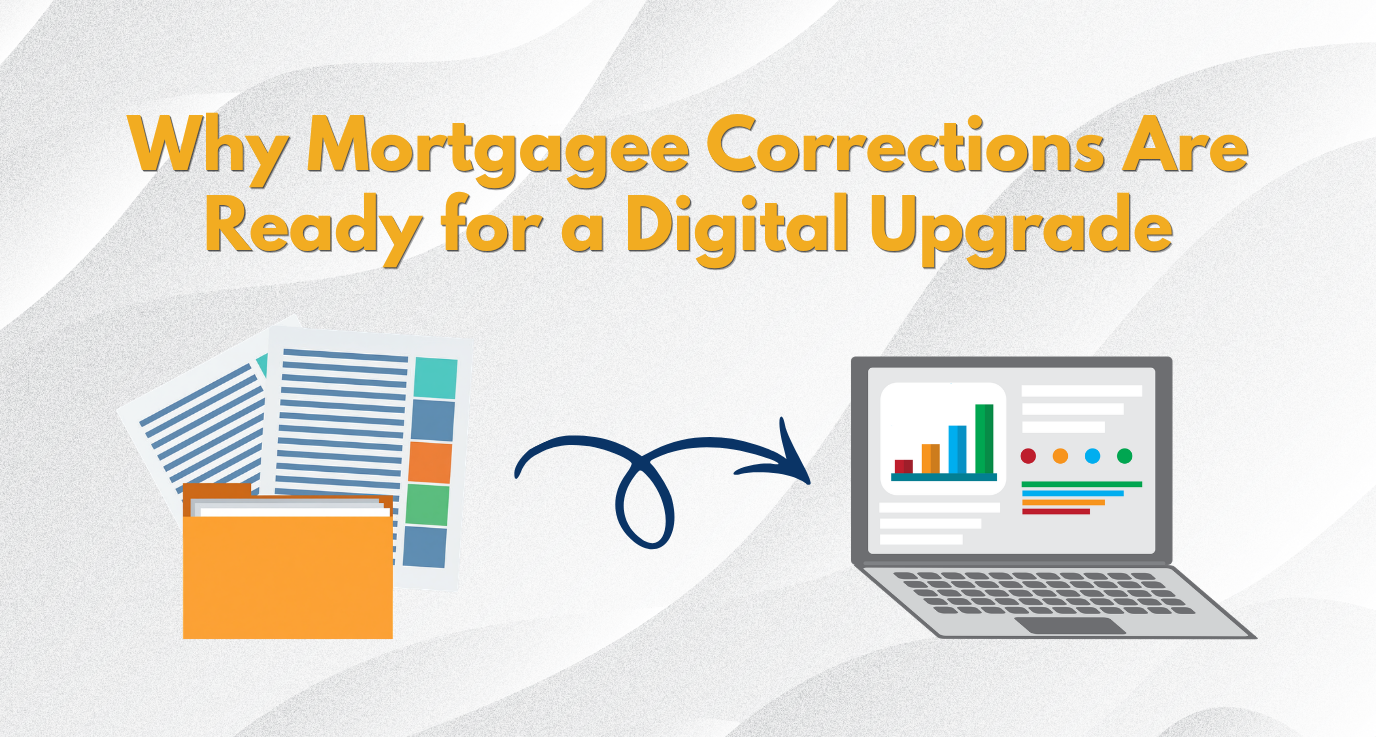
Mortgagee corrections are a routine part of insurance servicing, but the process behind them is often anything but simple. A lender may find that the mortgagee’s name or address on a policy is out of…


We consectetur adipiscing elit tempor incididunt ut labore. Wondering ipsum dolor sit amet? We consectetur adipiscing ipsum nulla glavrida elit tempor incididunt.