From Policy Change to Action: Why Timing Matters in Insurance
We’ve heard people in mortgage servicing use verification and tracking as if they’re interchangeable, and honestly, for a lot of daily work, treating them that way doesn’t break anything.


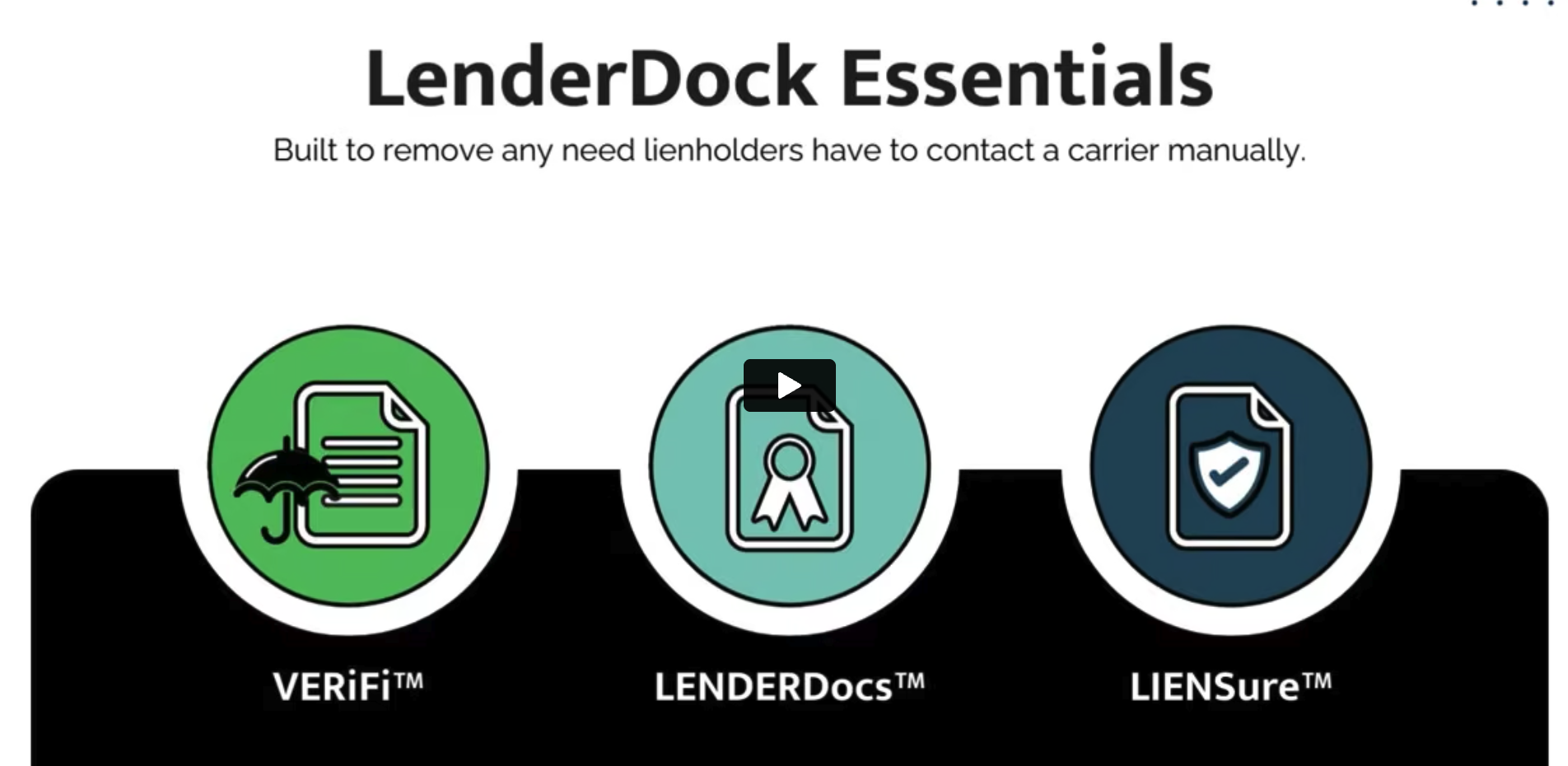
LenderDock provides real-time, insurance policy details through its magical web portal or its APIs.

LIENSure sends corrections digitally, straight from the financial source of truth and in bulk for easy processing.

ESCROWPay verifies what’s actually due before the money moves, then sends the payment and reconciliation data digitally.

NOTiFi delivers required policy, coverage, and billing notices in the formats lienholders actually use
At least check out the genesis of LenderDock Video. It’ll all make sense, the eco-system, that is.
Learn more about our great leadership team and our amazing, people-first, company culture.
There’s a lot going on at LenderDock and in our industries. We threw it all here to make it easier to keep up.
We go to a lot of events and we love to eat. See our calendar of where we’ll be.
New webinars will be coming quite frequently. Educational, success, and sales.
Let’s say you’re renting an apartment online. Instead of dealing with paperwork, you agree to a digital contract—a smart contract. As soon as your payment goes through on the blockchain, the contract instantly grants you a digital key code to access the apartment.
No back-and-forth, no middlemen, just instant execution.
That’s the promise of smart contracts—self-executing agreements powered by blockchain. Previously, we saw how they cut out the middleman, speed up processes, and increase transparency. The insurance industry is already experimenting with this technology, using smart contracts to automate claim payments, policy issuance, and even fraud detection.
However, like any emerging technology, smart contracts come with their own set of risks.
Smart contracts sound flawless in theory, but in reality, they introduce new vulnerabilities that insurers and policyholders need to consider. One major challenge is coding errors. Unlike traditional contracts, which allow for negotiation and interpretation, a smart contract is only as good as the code it’s built on. If there’s a flaw in the logic, it can be exploited. The infamous 2016 DAO hack is a case in point—attackers found a loophole in a smart contract and siphoned off millions of dollars in cryptocurrency before the community could intervene.
Another risk is rigidity. Traditional contracts allow for human discretion in unique cases, but smart contracts execute blindly. If an insured event occurs but there’s a nuance the contract wasn’t programmed for, it may lead to unfair claim denials. Imagine a flight delay insurance contract that only pays out if a flight is delayed by exactly two hours. If the delay is one hour and 59 minutes, the contract won’t trigger, even if common sense says the traveler faced the same inconvenience.
Security is also a looming issue. Because smart contracts “live” on the blockchain, they’re vulnerable to attacks if not properly secured. Reentrancy attacks, where an attacker tricks a contract into executing unintended transactions, have led to financial losses in the past. Additionally, the “immutability” of blockchain means once a flawed contract is deployed, fixing it isn’t as simple as updating a policy document—it often requires complex, time-consuming, and costly workarounds.
While smart contracts pose risks, they aren’t insurmountable. The insurance industry can take several measures to minimize vulnerabilities and ensure safer adoption.
First, rigorous auditing is non-negotiable. Third-party security audits should be a standard step before deploying any insurance-related smart contract. Companies like CertiK and Quantstamp specialize in identifying vulnerabilities before they can be exploited. Testing for weaknesses through simulated attack scenarios can prevent costly breaches down the line.
Second, hybrid models offer a practical solution. Instead of making insurance contracts fully automated, insurers can design “human-in-the-loop” mechanisms. This means that while smart contracts handle routine claims, disputed cases can be escalated to human decision-makers. This balances efficiency with fairness and ensures that edge cases don’t lead to unjust outcomes.
Another crucial step is regulatory clarity. As of now, smart contract regulations vary across jurisdictions, leaving insurers in a gray area when it comes to enforcement and compliance. Industry-wide standards for smart contract audits, dispute resolution protocols, and fail-safes will be necessary to prevent legal chaos. Some insurers have already begun forming blockchain consortiums to establish best practices and ensure safe deployment.
Smart contracts hold immense potential to make insurance faster, cheaper, and more transparent, but they must be approached with caution. Lessons from past blockchain-related failures highlight the need for careful design, strong security, and human oversight. Insurers who navigate these risks effectively will be at the forefront of an industry that’s becoming more digitized and automated.
The bottom line? Smart contracts can revolutionize insurance—but only if the industry is smart about implementing them.
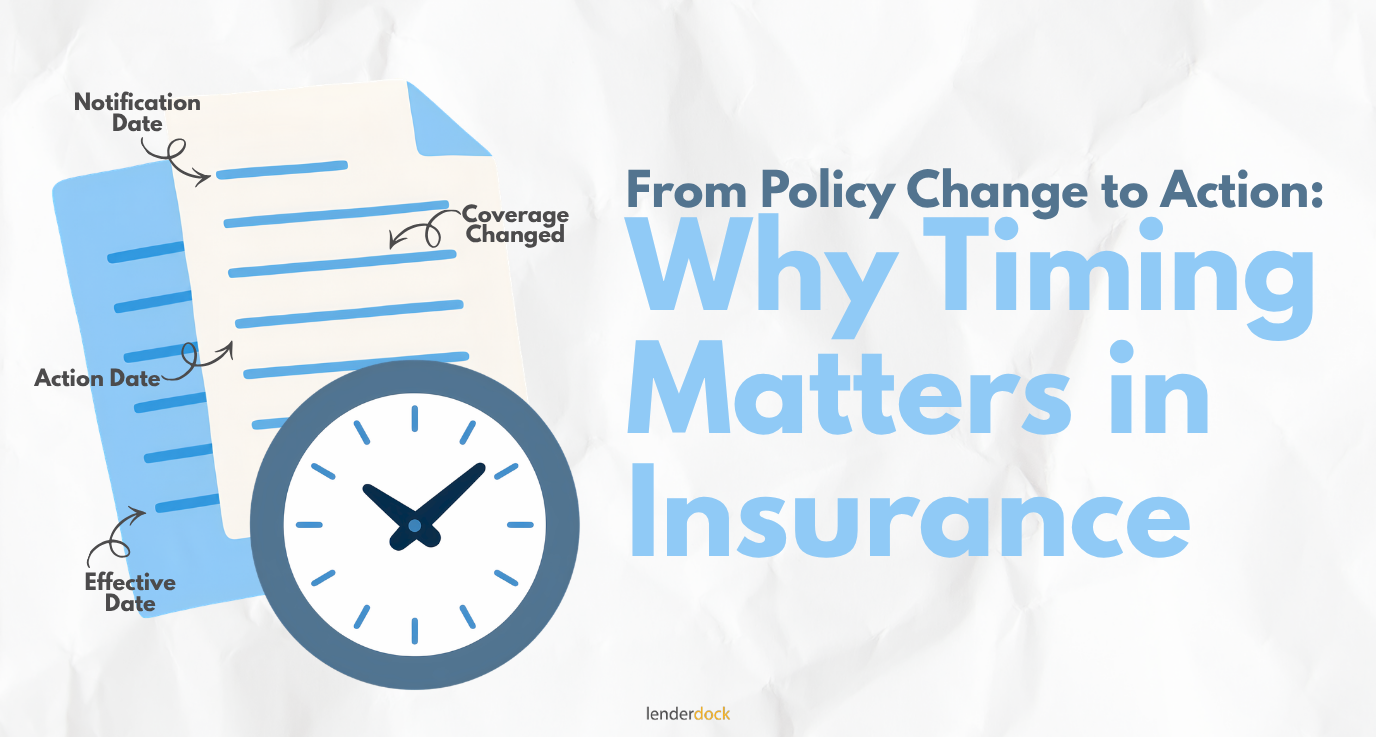
We’ve heard people in mortgage servicing use verification and tracking as if they’re interchangeable, and honestly, for a lot of daily work, treating them that way doesn’t break anything.
A two-day lag between a policy change and everyone finding out about it used to be annoying, not dangerous. Someone made a call, waited, got an answer, and moved on with their day.
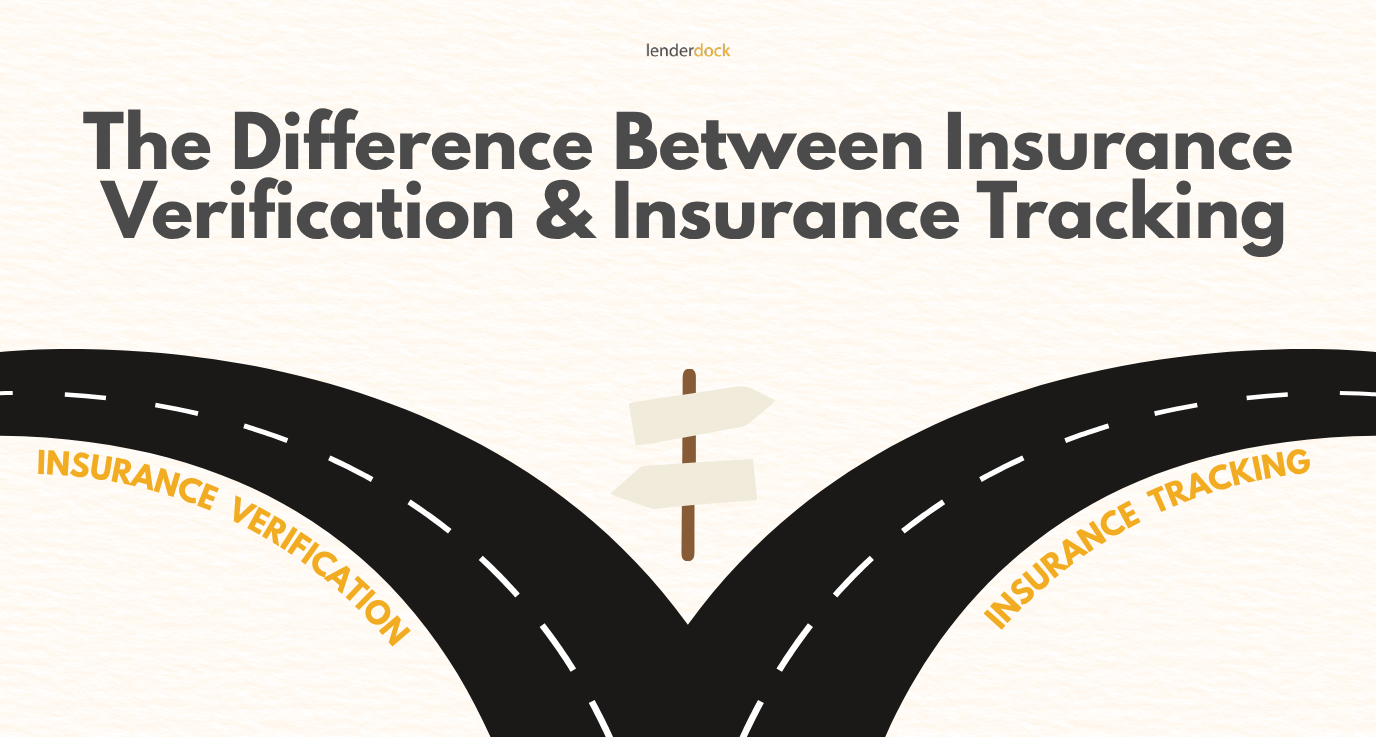
We’ve heard people in mortgage servicing use verification and tracking as if they’re interchangeable, and honestly, for a lot of daily work, treating them that way doesn’t break anything.
Insurance verification is a routine part of the lending and insurance process. A lender needs to know whether a policy is active. A mortgage servicer may need to confirm coverage or mortgagee information. An insurance…
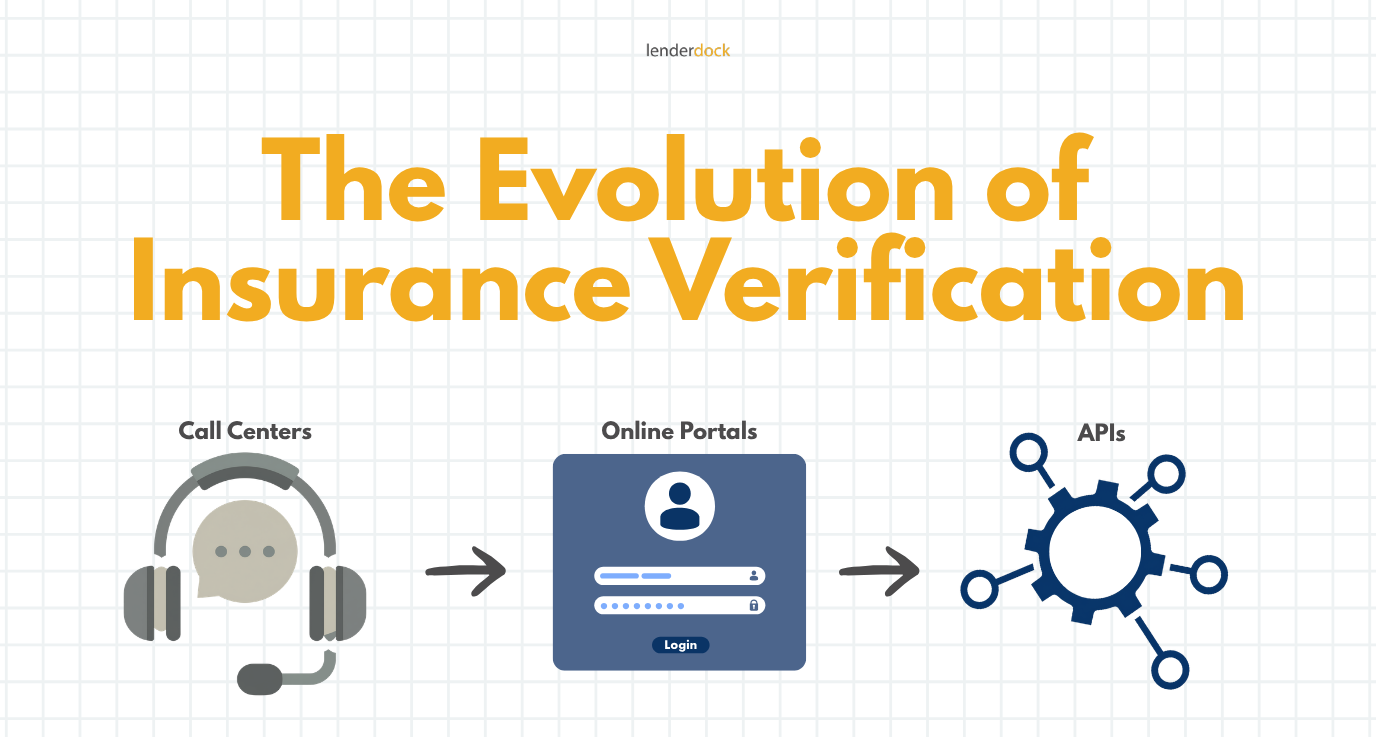
In the earliest version of insurance verification, the person answering the phone actually had to know things. They pulled a physical file, checked handwriting against a ledger, and made a judgment call about whether what…
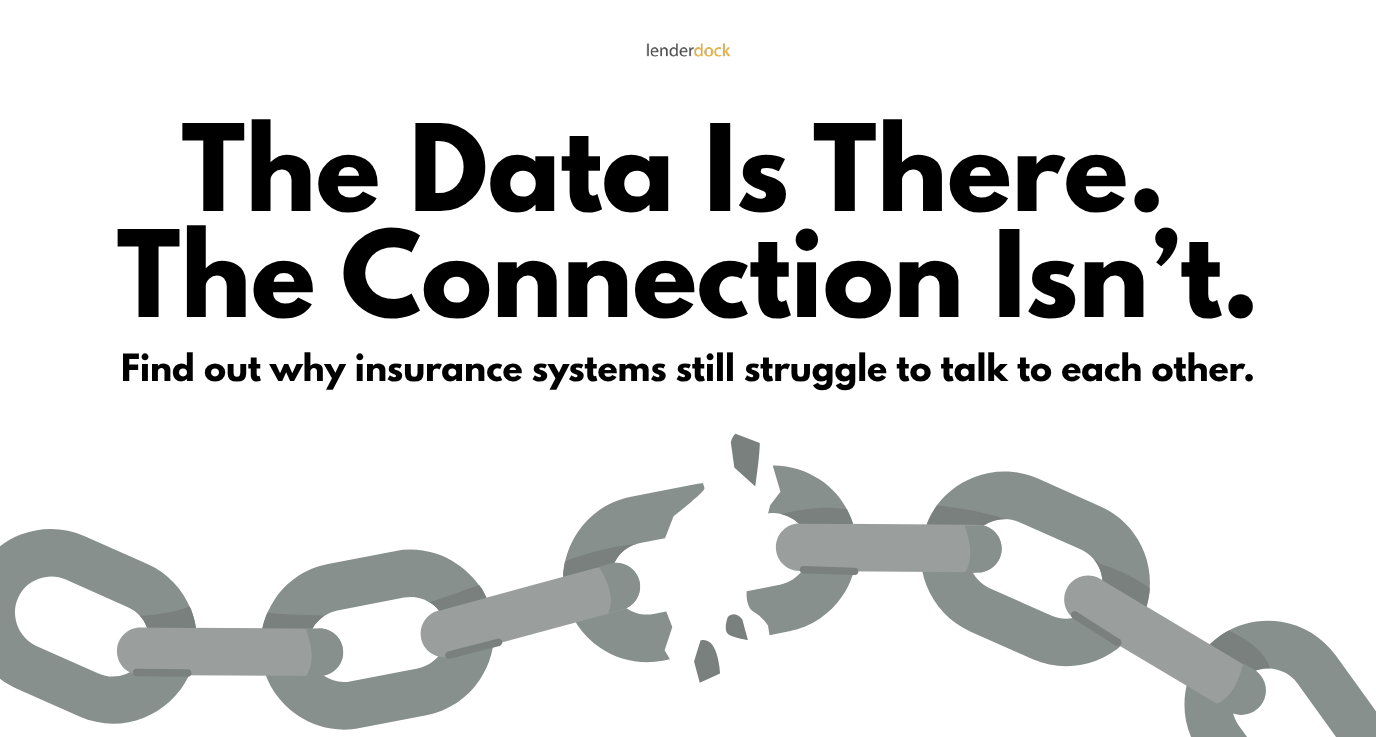
Two insurers can each have perfectly accurate, well-maintained policy databases and still fail to exchange a single piece of usable data between them.
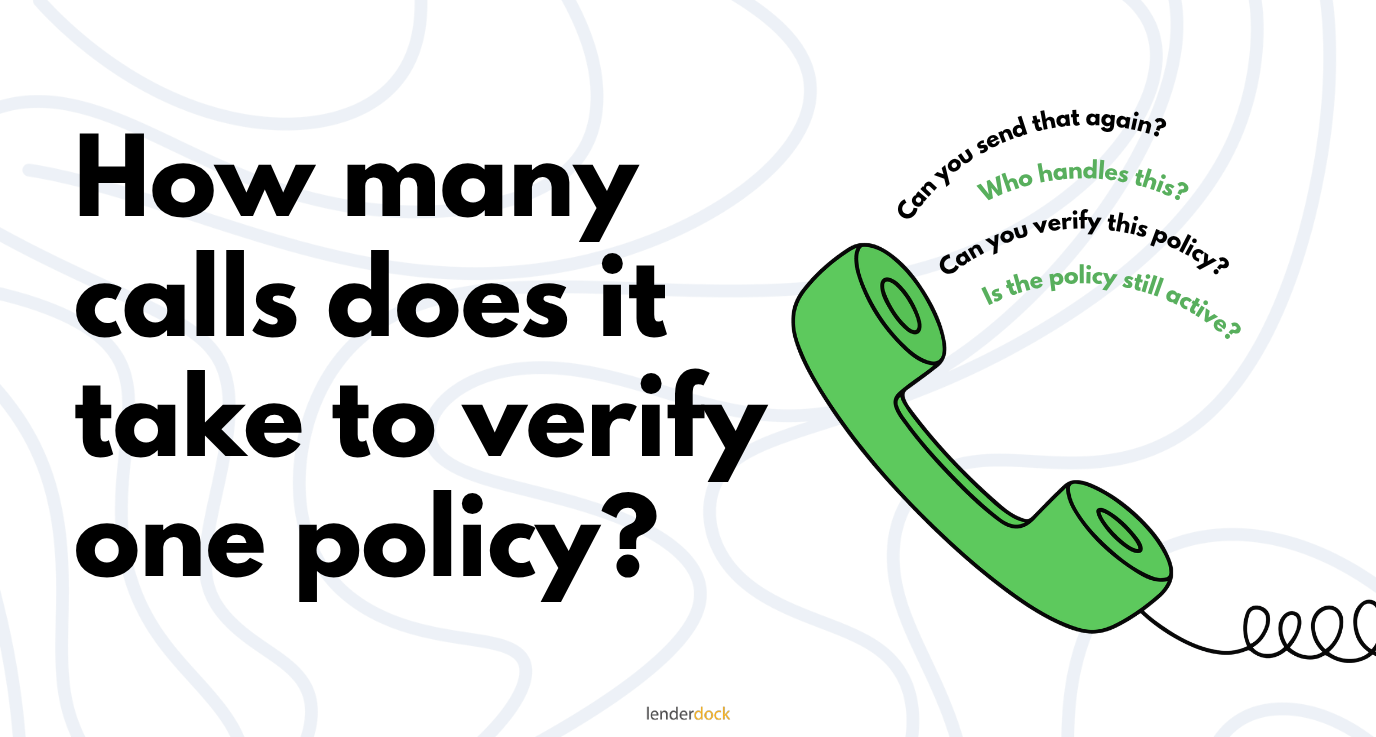
Every single day, insurance workers face a mountain of simple questions. Are they tired of answering the same questions about policy coverage all day long? Yes, they are. When banks or lenders need to check…
A title company closing a home sale needs to confirm the seller’s policy is active before the deal can move. An auto lender needs the same thing before releasing funds on a car loan. A…
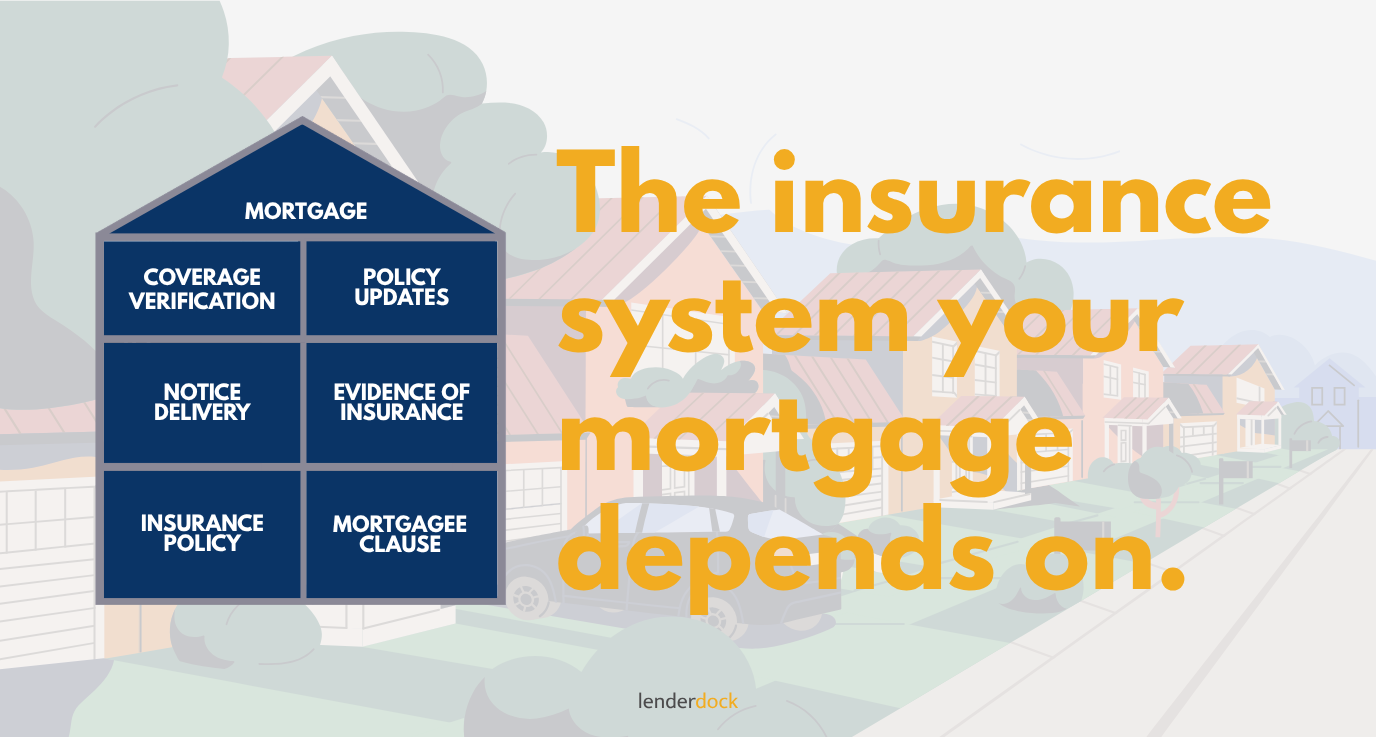
Most people who take out a mortgage never think about insurance as part of the loan itself. It feels adjacent, a separate purchase, something the lender requires but does not really participate in beyond checking…
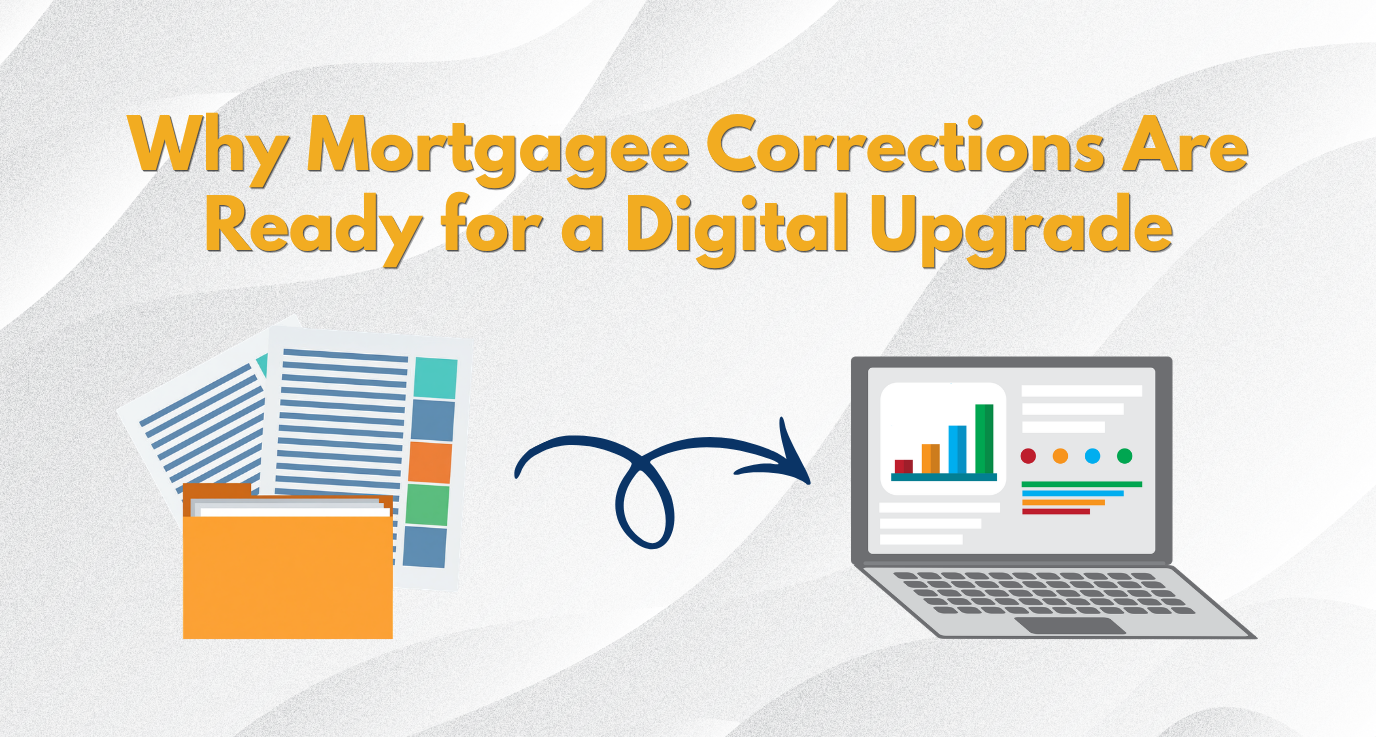
Mortgagee corrections are a routine part of insurance servicing, but the process behind them is often anything but simple. A lender may find that the mortgagee’s name or address on a policy is out of…


We consectetur adipiscing elit tempor incididunt ut labore. Wondering ipsum dolor sit amet? We consectetur adipiscing ipsum nulla glavrida elit tempor incididunt.