From Policy Change to Action: Why Timing Matters in Insurance
We’ve heard people in mortgage servicing use verification and tracking as if they’re interchangeable, and honestly, for a lot of daily work, treating them that way doesn’t break anything.


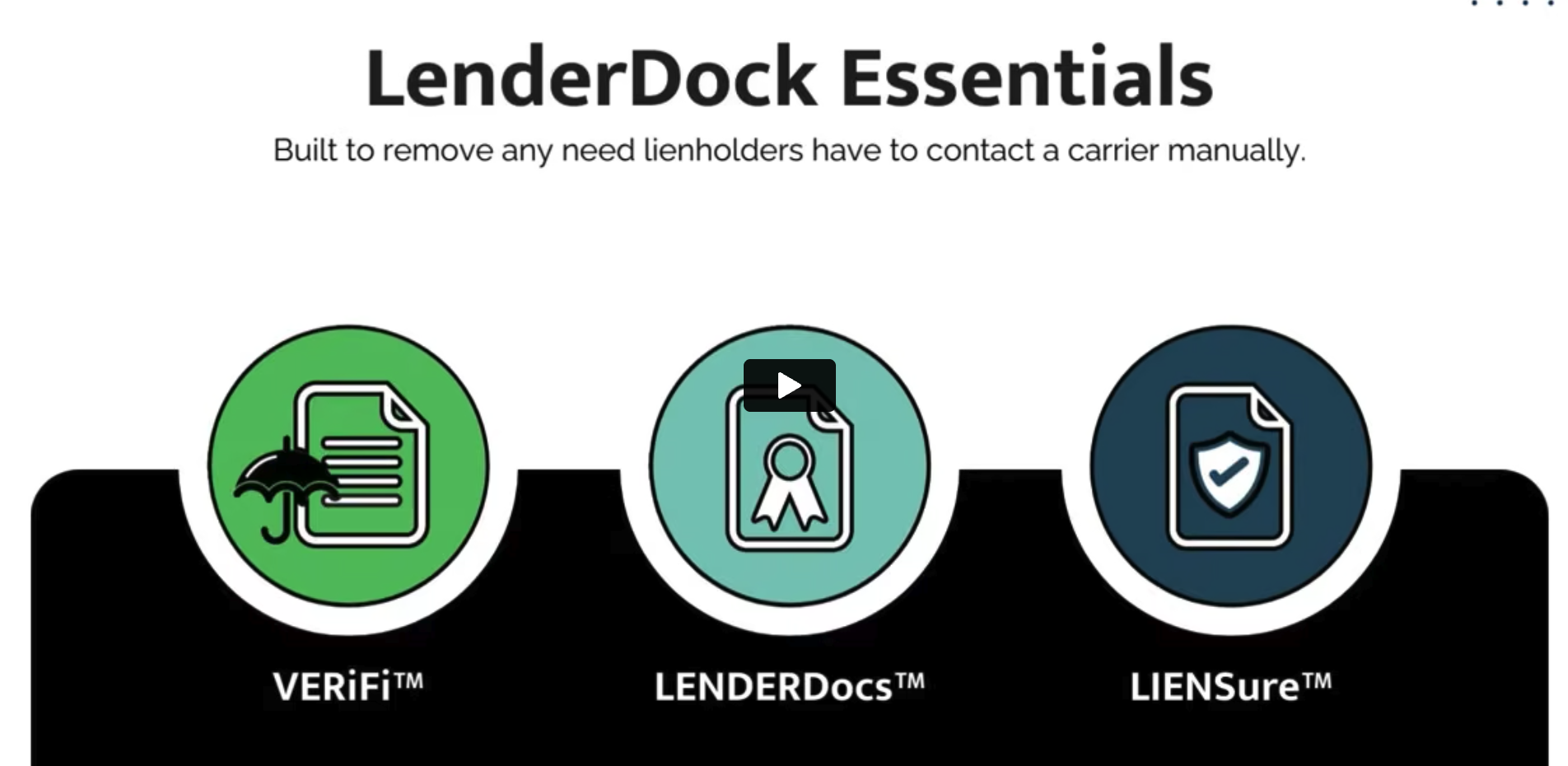
LenderDock provides real-time, insurance policy details through its magical web portal or its APIs.

LIENSure sends corrections digitally, straight from the financial source of truth and in bulk for easy processing.

ESCROWPay verifies what’s actually due before the money moves, then sends the payment and reconciliation data digitally.

NOTiFi delivers required policy, coverage, and billing notices in the formats lienholders actually use
At least check out the genesis of LenderDock Video. It’ll all make sense, the eco-system, that is.
Learn more about our great leadership team and our amazing, people-first, company culture.
There’s a lot going on at LenderDock and in our industries. We threw it all here to make it easier to keep up.
We go to a lot of events and we love to eat. See our calendar of where we’ll be.
New webinars will be coming quite frequently. Educational, success, and sales.
Just two years ago, Hurricane Idalia tore through Florida’s Gulf Coast, leaving a trail of destruction.
Entire neighborhoods were submerged, roads were washed away, and thousands of homes sustained severe wind and flood damage. In the wake of the storm, insurance adjusters faced a familiar challenge—navigating hazardous conditions to assess losses, process claims, and help residents rebuild.
Instead of waiting for floodwaters to recede, insurers deploy drones, capturing real-time aerial footage of affected areas. Within hours, they can assess damages, expedite claims, and provide much-needed relief to homeowners without unnecessary delays.
This isn’t the future. It’s happening right now.
From wildfires in California to hurricanes in Florida, drones are becoming one of the most valuable tools in the insurance industry. What was once a novelty is now a necessity, revolutionizing claims processing, risk assessment, and fraud detection.
But how exactly are drones used in insurance, and what challenges remain?
Drones, also known as unmanned aerial vehicles (UAVs), have come a long way from being just military tools or recreational gadgets. Equipped with high-resolution cameras, thermal sensors, GPS, and AI-driven analytics, drones can capture real-time aerial data, allowing insurers to assess damage faster and more accurately than traditional methods.
Instead of relying solely on manual inspections, which can be time-consuming and even dangerous, insurance companies are deploying drones to survey disaster-hit areas, inspect roofs, evaluate crop damage, and even prevent fraud.
When disaster strikes, homeowners and businesses rely on insurance payouts to start rebuilding. But claims are always slowed down by delays, logistical challenges, and even disputes over damage assessments.
Drones are changing that through:
Beyond claims, drones are proving invaluable in risk assessment and fraud detection.
Take agriculture insurance, for example. By using drones to monitor crop conditions before and after extreme weather events, insurers can ensure authentic valuations, thus eliminating the risk of policyholders inflating their losses.
Despite their advantages, integrating drones into insurance workflows isn’t without hurdles.
Here are a few:
Despite such challenges, leading insurers are pushing forward.
Companies like State Farm and Allstate are actively using drones for roof inspections and post-disaster assessments, while technology providers like ActionDrone and EagleView are partnering with insurers to provide drone-based claims solutions.
From faster claims processing and risk assessment to fraud prevention and disaster response, UAVs are making insurance smarter, safer, and more efficient.
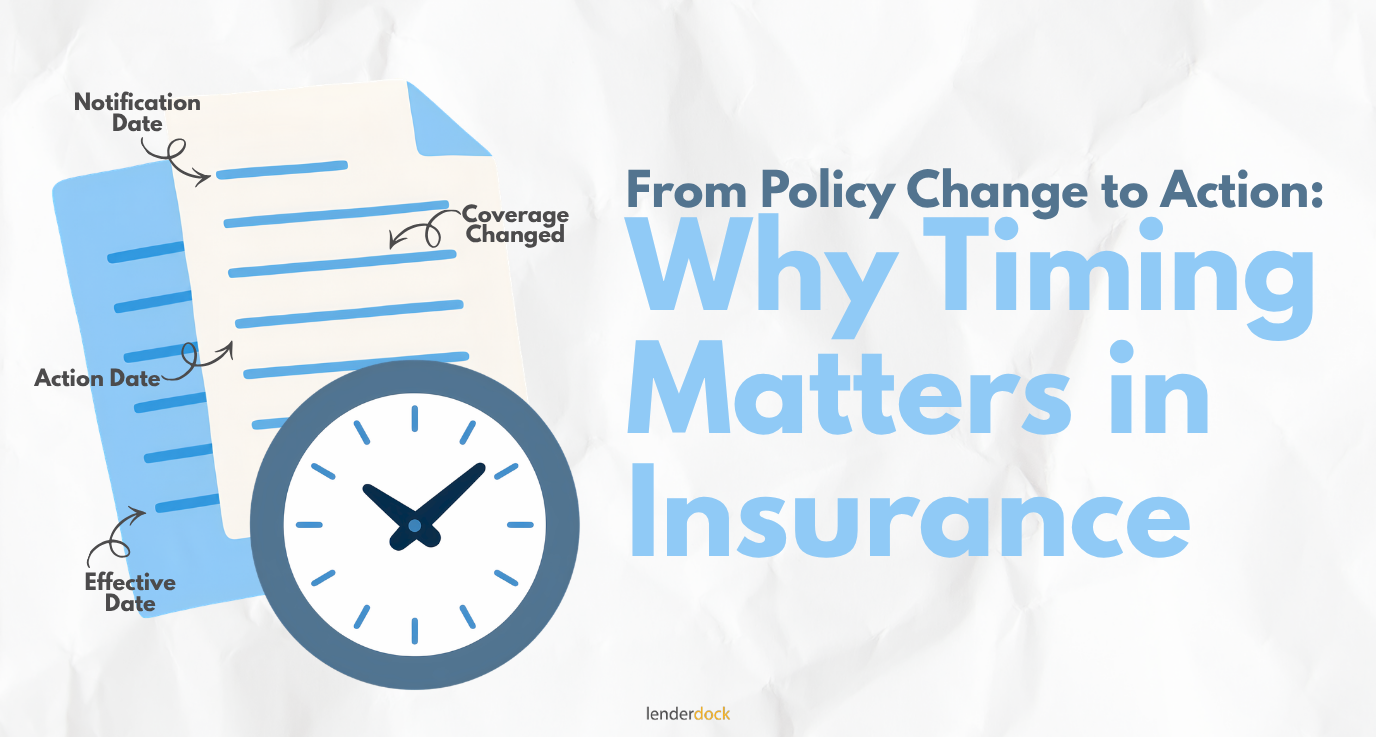
We’ve heard people in mortgage servicing use verification and tracking as if they’re interchangeable, and honestly, for a lot of daily work, treating them that way doesn’t break anything.
A two-day lag between a policy change and everyone finding out about it used to be annoying, not dangerous. Someone made a call, waited, got an answer, and moved on with their day.
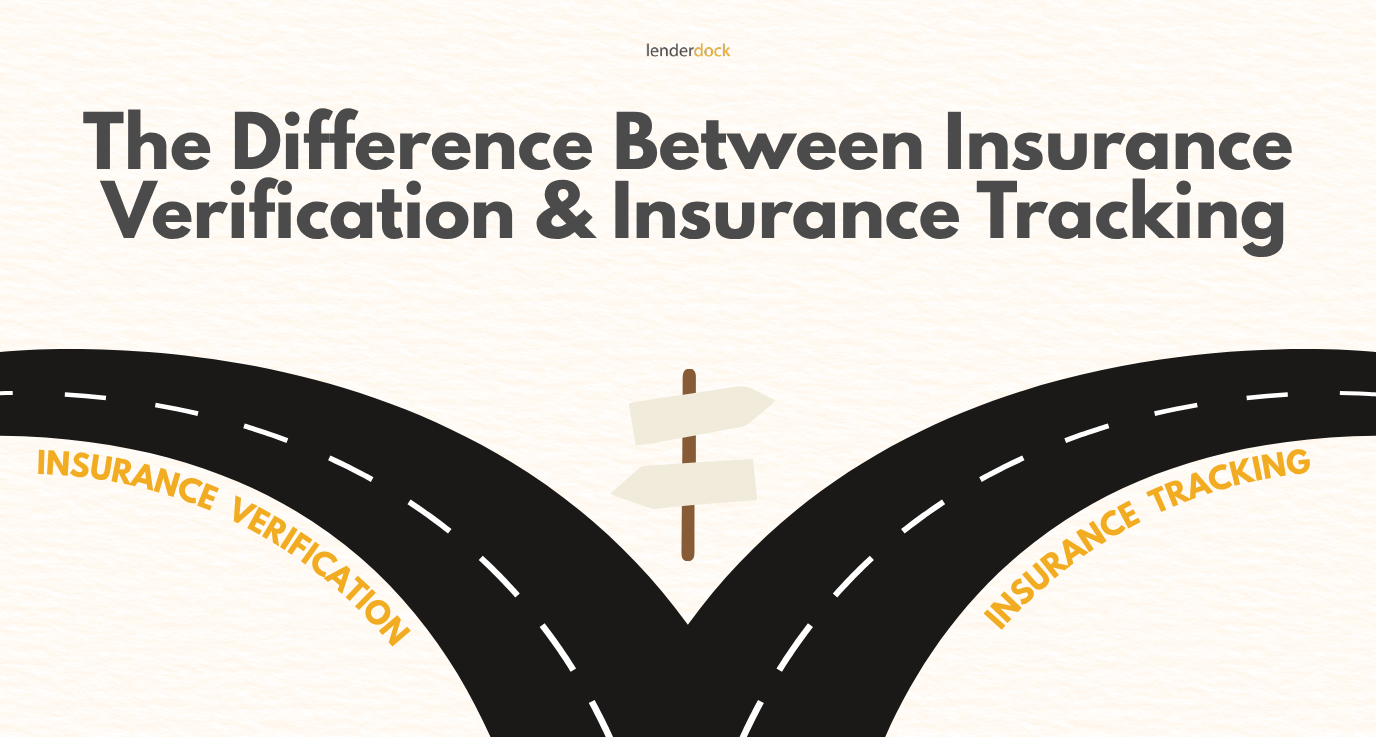
We’ve heard people in mortgage servicing use verification and tracking as if they’re interchangeable, and honestly, for a lot of daily work, treating them that way doesn’t break anything.
Insurance verification is a routine part of the lending and insurance process. A lender needs to know whether a policy is active. A mortgage servicer may need to confirm coverage or mortgagee information. An insurance…
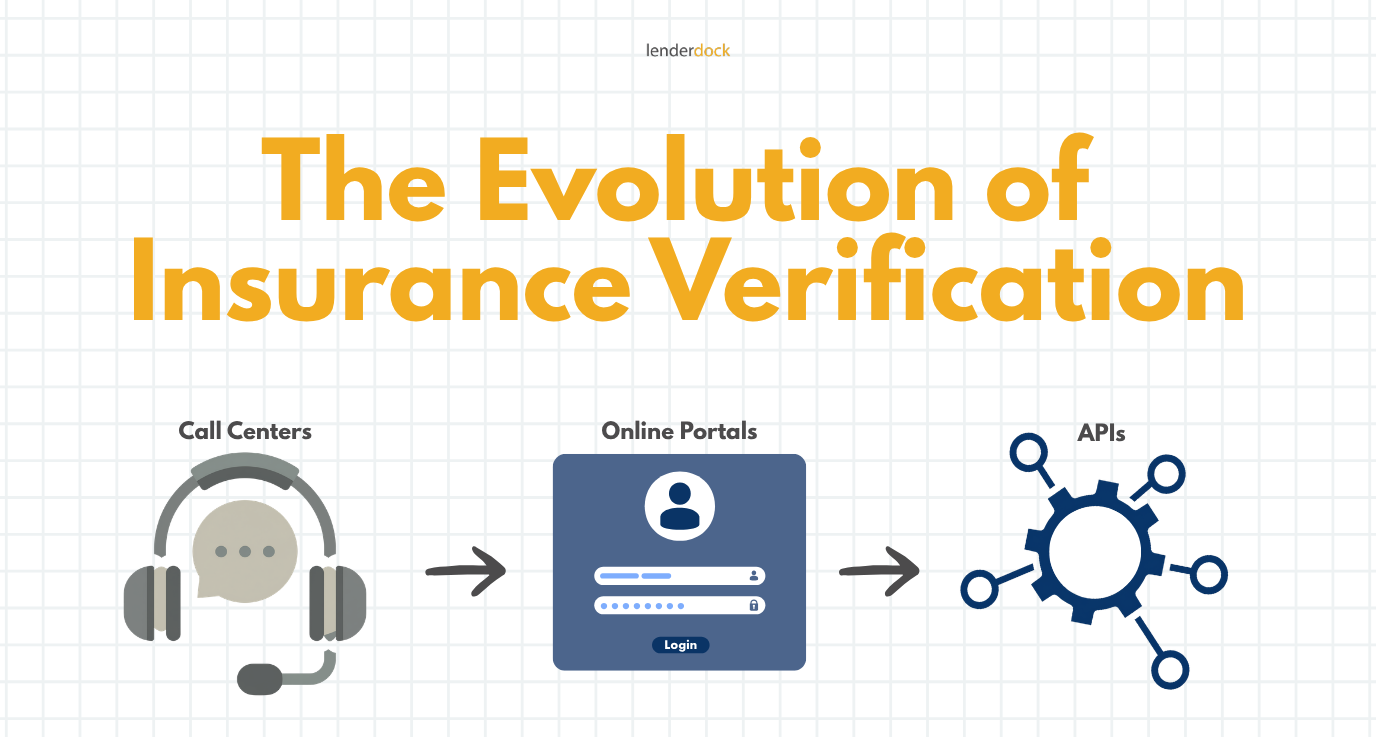
In the earliest version of insurance verification, the person answering the phone actually had to know things. They pulled a physical file, checked handwriting against a ledger, and made a judgment call about whether what…
Two insurers can each have perfectly accurate, well-maintained policy databases and still fail to exchange a single piece of usable data between them.
Every single day, insurance workers face a mountain of simple questions. Are they tired of answering the same questions about policy coverage all day long? Yes, they are. When banks or lenders need to check…
A title company closing a home sale needs to confirm the seller’s policy is active before the deal can move. An auto lender needs the same thing before releasing funds on a car loan. A…
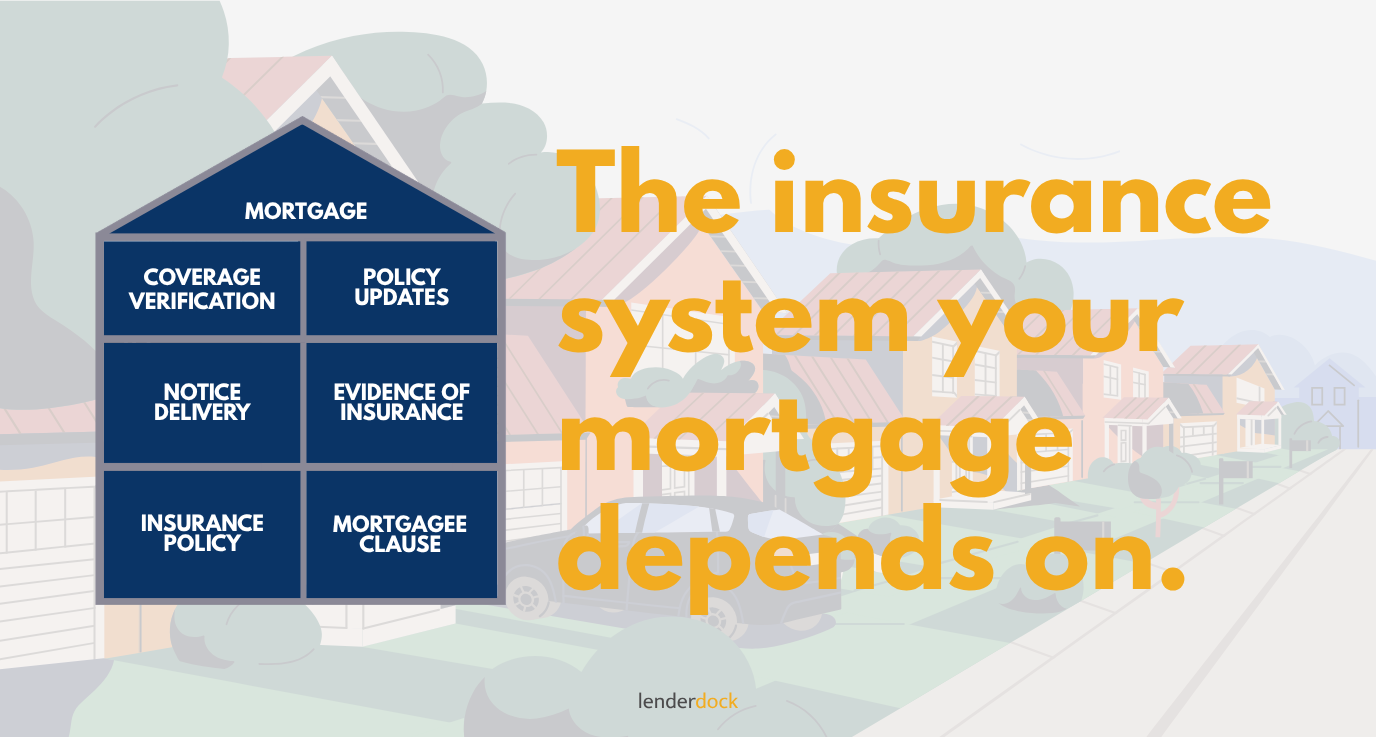
Most people who take out a mortgage never think about insurance as part of the loan itself. It feels adjacent, a separate purchase, something the lender requires but does not really participate in beyond checking…
Mortgagee corrections are a routine part of insurance servicing, but the process behind them is often anything but simple. A lender may find that the mortgagee’s name or address on a policy is out of…


We consectetur adipiscing elit tempor incididunt ut labore. Wondering ipsum dolor sit amet? We consectetur adipiscing ipsum nulla glavrida elit tempor incididunt.