From Policy Change to Action: Why Timing Matters in Insurance
We’ve heard people in mortgage servicing use verification and tracking as if they’re interchangeable, and honestly, for a lot of daily work, treating them that way doesn’t break anything.


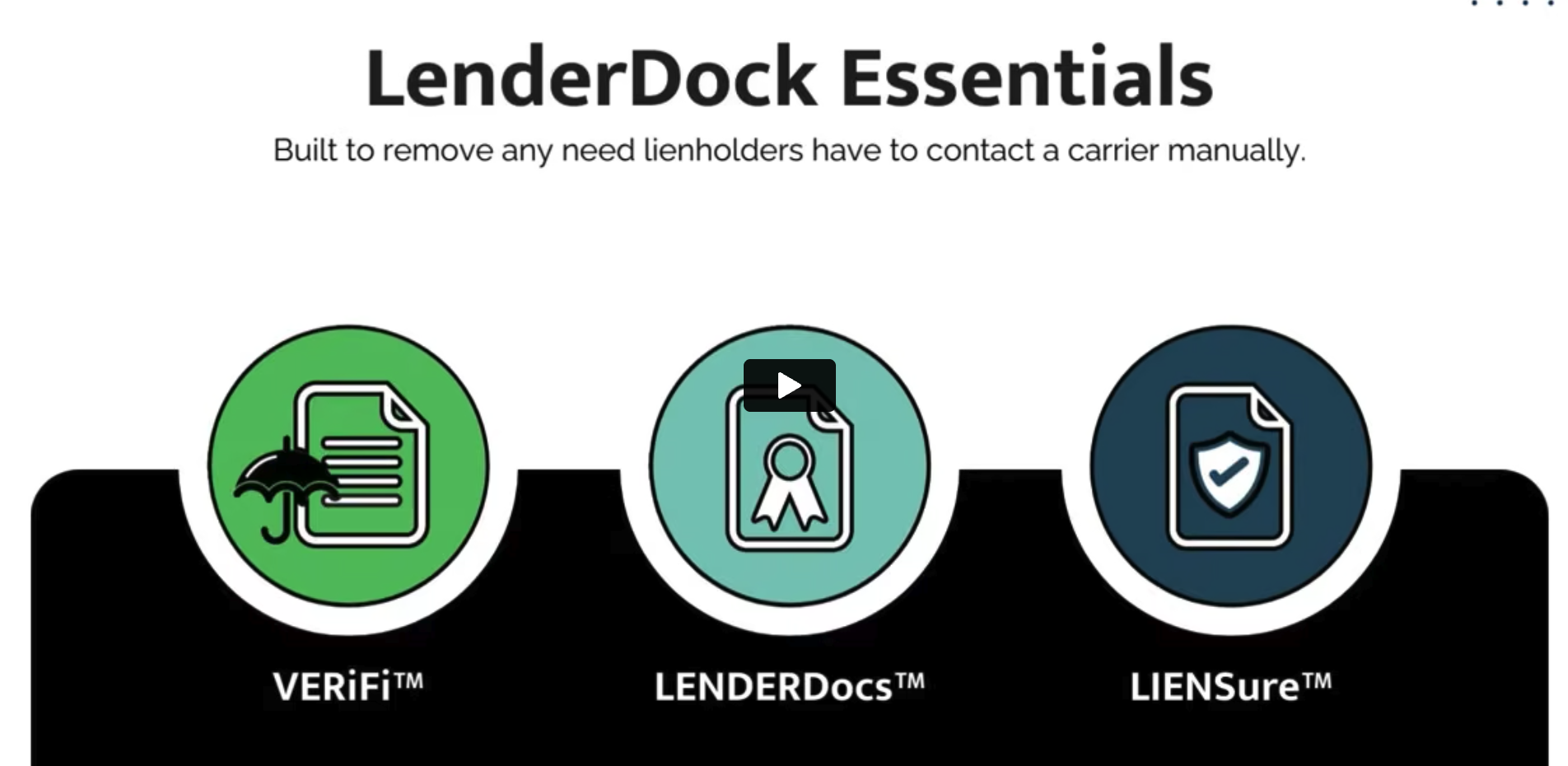
LenderDock provides real-time, insurance policy details through its magical web portal or its APIs.

LIENSure sends corrections digitally, straight from the financial source of truth and in bulk for easy processing.

ESCROWPay verifies what’s actually due before the money moves, then sends the payment and reconciliation data digitally.

NOTiFi delivers required policy, coverage, and billing notices in the formats lienholders actually use
At least check out the genesis of LenderDock Video. It’ll all make sense, the eco-system, that is.
Learn more about our great leadership team and our amazing, people-first, company culture.
There’s a lot going on at LenderDock and in our industries. We threw it all here to make it easier to keep up.
We go to a lot of events and we love to eat. See our calendar of where we’ll be.
New webinars will be coming quite frequently. Educational, success, and sales.
Today, you can have a doctor’s appointment, receive medical advice, and even get prescribed medication—all from the comfort of your home. Telehealth, once primarily used to serve rural and underserved populations, has now become an essential part of modern healthcare.
The COVID-19 pandemic, which saw much of the population under quarantine, along with consumer demand and rapid technological advancements, has accelerated the adoption of remote diagnosis and treatment. What was once considered a temporary solution is now the new standard in healthcare delivery.
This shift is transforming the healthcare landscape, influencing not only patient experiences but also how health insurance integrates with emerging technologies.
Let’s explore the growing role of telehealth and what it means for the future of health services.
Telehealth is harnessing modern technology to deliver healthcare services remotely, fundamentally changing the way patients interact with healthcare providers. This approach includes a wide range of services, from virtual consultations and diagnostics to continuous monitoring.
In the past, telehealth was primarily targeted at those in remote locations—people who were out of the physical reach of hospitals and healthcare centers.
However, that’s not the case anymore.
Advances in technologies like Virtual Reality, 5G, and IoT-enabled devices like smartwatches have made it easier than ever to offer healthcare to anyone and everyone, right from the comfort of their home.
This convenience has broadened telehealth’s appeal, making it accessible to anyone, even healthy individuals who want to manage their health proactively.
Telehealth comprises various elements that work together to create an integrated and seamless healthcare experience:
Together, these components bridge the gap between patients and healthcare providers, eliminating the need for physical presence. At the same time, this also maintains the quality and effectiveness of care.
As telehealth gains traction, several healthcare and insurance companies in the U.S. are leading the way by incorporating these services into their operations:
Amwell partners with healthcare providers and insurance companies to offer telehealth solutions. Large health systems, like the Cleveland Clinic, use Amwell’s platform to reach patients who may not be able to visit in person.
This approach improves patient access to care and helps manage healthcare costs by reducing the need for in-person visits and hospital admissions.
Anthem has integrated telehealth services into its health plans, giving members access to virtual care for non-emergency conditions.
Through partnerships with companies like LiveHealth Online, Anthem offers 24/7 consultations with doctors, prescriptions, and regular virtual check-ins to manage ongoing health conditions.
Cigna has introduced a virtual-first health plan that prioritizes telehealth visits as the initial point of care. This plan aims to reduce unnecessary in-person visits and provide members with a more convenient and cost-effective way to manage their health.
Cigna’s approach enhances patient engagement and improves health outcomes through the use of digital health tools and remote consultations.
Oscar Health, a health insurtech, has integrated telehealth into its core offerings. Members can schedule virtual visits directly through its app.
Oscar’s model caters to a tech-savvy population that prefers digital interactions over traditional healthcare models, emphasizing ease of use and accessibility.
The integration of telehealth into healthcare delivery isn’t just a trend; it’s a crucial part of modern medical practice.
By enhancing accessibility and efficiency, telehealth is revolutionizing how we receive and manage healthcare, establishing itself as a cornerstone of future health services.
Looking ahead, emerging technologies may bring even more practical applications to healthcare. For example, drones could simplify the delivery of prescribed medications directly to patients’ homes, while artificial intelligence, combined with advanced analytics, could be used to analyze viral strains and recommend effective treatments.
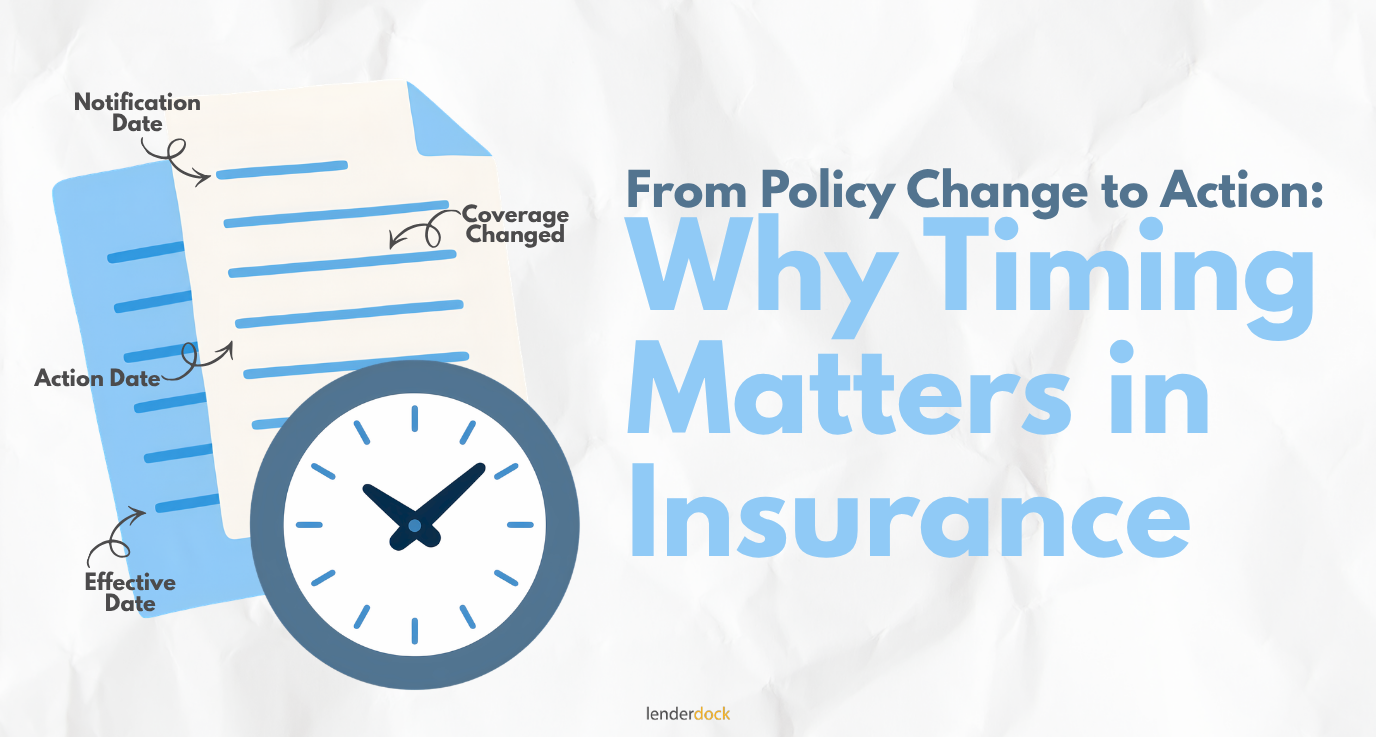
We’ve heard people in mortgage servicing use verification and tracking as if they’re interchangeable, and honestly, for a lot of daily work, treating them that way doesn’t break anything.
A two-day lag between a policy change and everyone finding out about it used to be annoying, not dangerous. Someone made a call, waited, got an answer, and moved on with their day.
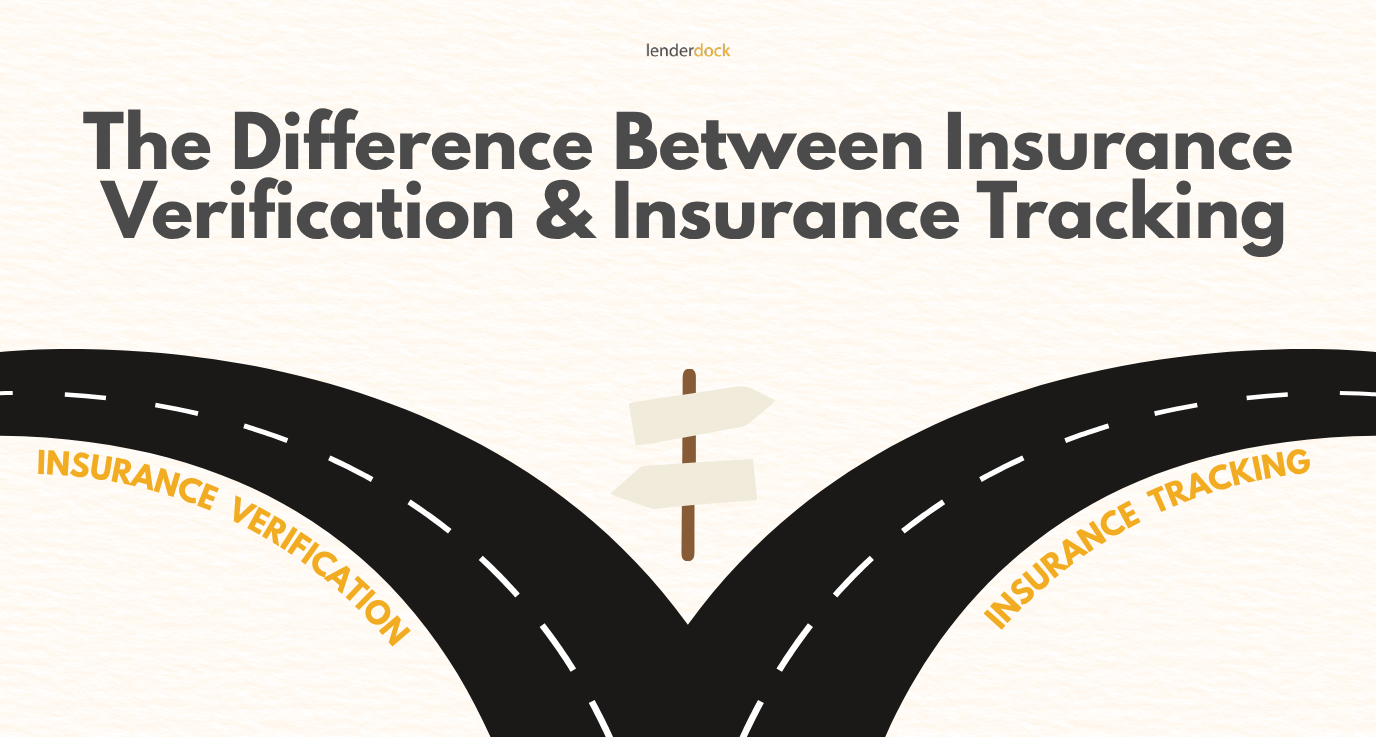
We’ve heard people in mortgage servicing use verification and tracking as if they’re interchangeable, and honestly, for a lot of daily work, treating them that way doesn’t break anything.
Insurance verification is a routine part of the lending and insurance process. A lender needs to know whether a policy is active. A mortgage servicer may need to confirm coverage or mortgagee information. An insurance…
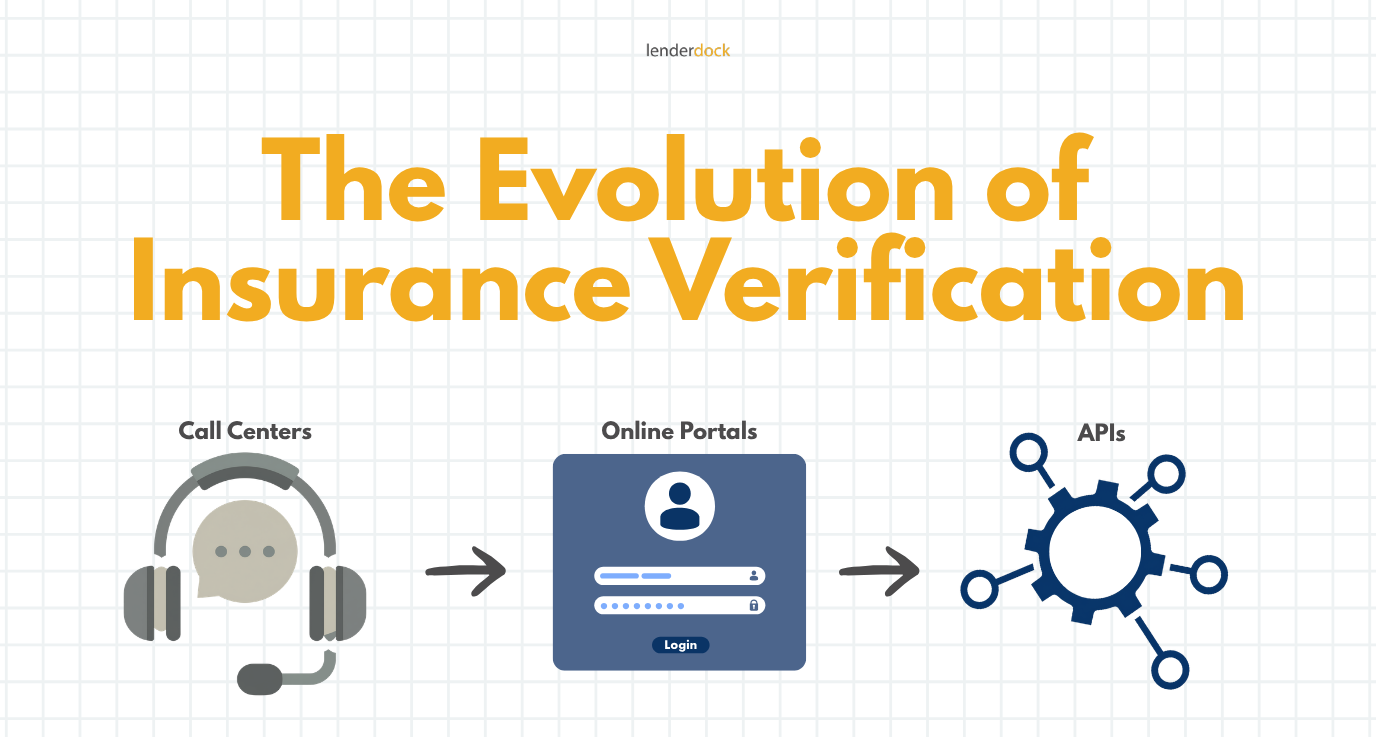
In the earliest version of insurance verification, the person answering the phone actually had to know things. They pulled a physical file, checked handwriting against a ledger, and made a judgment call about whether what…
Two insurers can each have perfectly accurate, well-maintained policy databases and still fail to exchange a single piece of usable data between them.
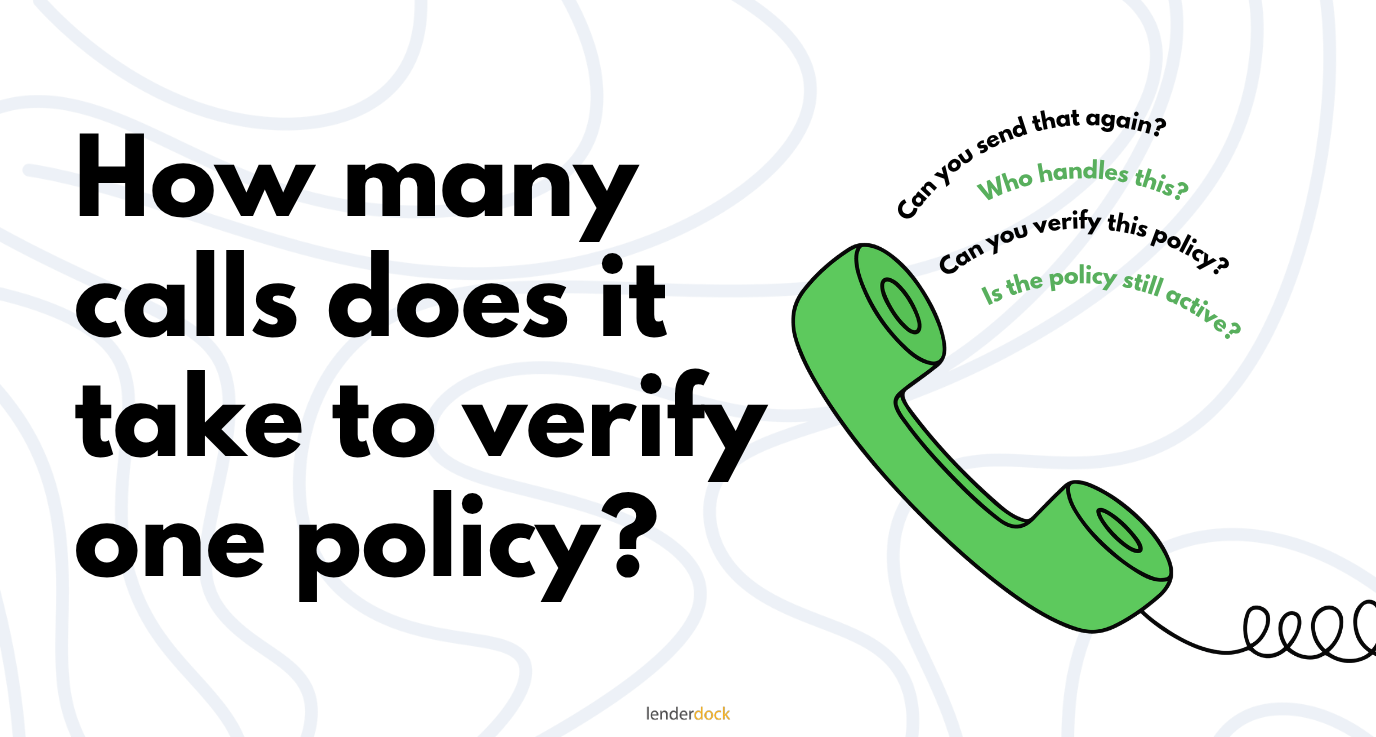
Every single day, insurance workers face a mountain of simple questions. Are they tired of answering the same questions about policy coverage all day long? Yes, they are. When banks or lenders need to check…
A title company closing a home sale needs to confirm the seller’s policy is active before the deal can move. An auto lender needs the same thing before releasing funds on a car loan. A…
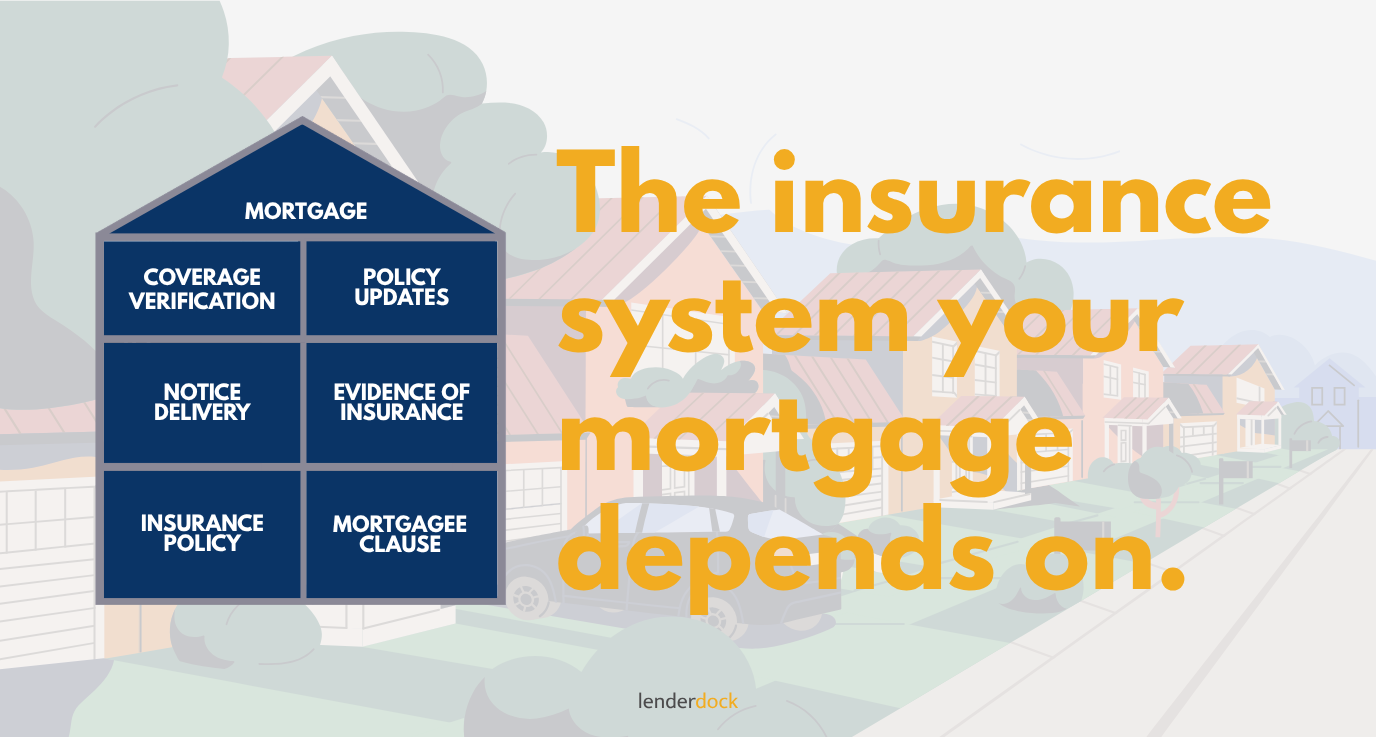
Most people who take out a mortgage never think about insurance as part of the loan itself. It feels adjacent, a separate purchase, something the lender requires but does not really participate in beyond checking…
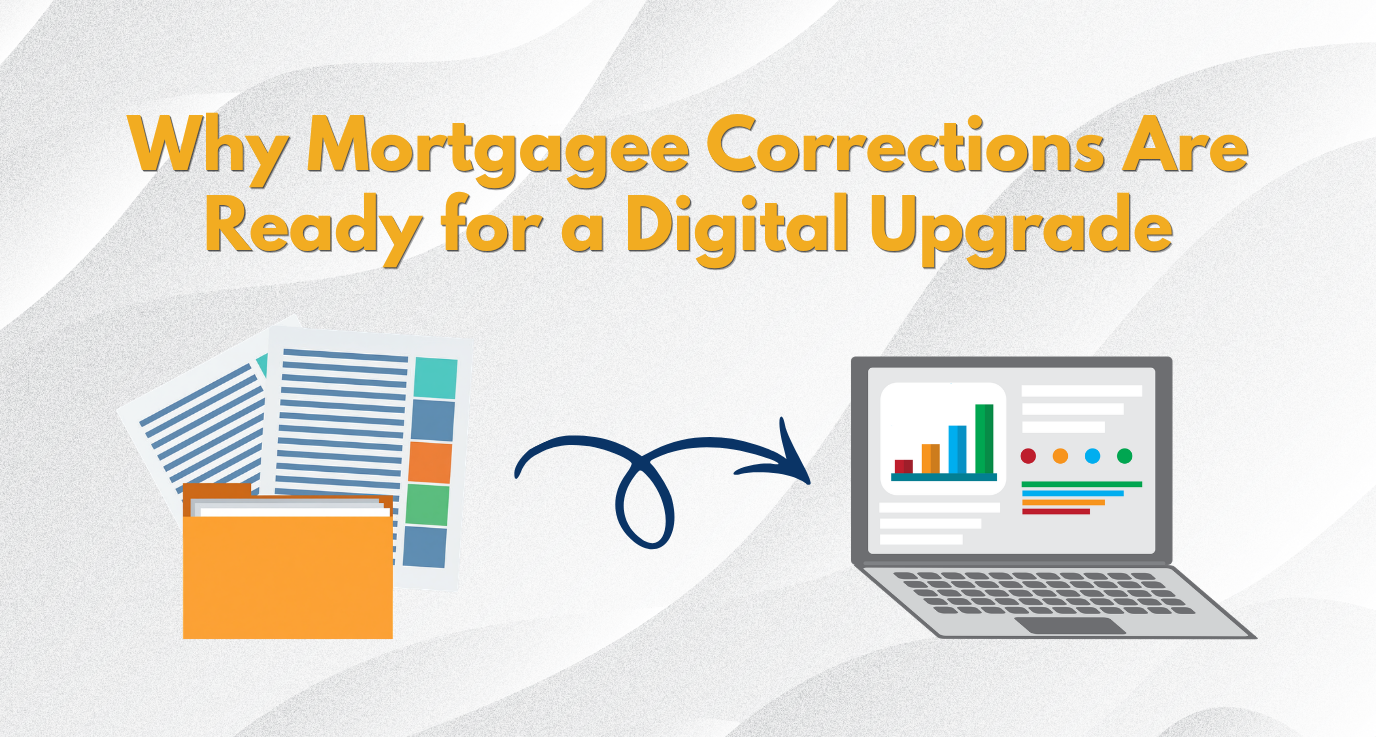
Mortgagee corrections are a routine part of insurance servicing, but the process behind them is often anything but simple. A lender may find that the mortgagee’s name or address on a policy is out of…


We consectetur adipiscing elit tempor incididunt ut labore. Wondering ipsum dolor sit amet? We consectetur adipiscing ipsum nulla glavrida elit tempor incididunt.