From Policy Change to Action: Why Timing Matters in Insurance
We’ve heard people in mortgage servicing use verification and tracking as if they’re interchangeable, and honestly, for a lot of daily work, treating them that way doesn’t break anything.


LenderDock provides real-time, insurance policy details through its magical web portal or its APIs.

LIENSure sends corrections digitally, straight from the financial source of truth and in bulk for easy processing.

ESCROWPay verifies what’s actually due before the money moves, then sends the payment and reconciliation data digitally.

NOTiFi delivers required policy, coverage, and billing notices in the formats lienholders actually use
At least check out the genesis of LenderDock Video. It’ll all make sense, the eco-system, that is.
Learn more about our great leadership team and our amazing, people-first, company culture.
There’s a lot going on at LenderDock and in our industries. We threw it all here to make it easier to keep up.
We go to a lot of events and we love to eat. See our calendar of where we’ll be.
New webinars will be coming quite frequently. Educational, success, and sales.
The recent CrowdStrike saga has shown that even the most reliable and widely used products can be prone to vulnerabilities.
This incident has sent ripples across various industries, including the insurance sector. Parametrix, a leading cloud monitoring expert, estimates losses by companies between $540 million to upwards of $1.4 billion, but only up to 20% may be recovered by businesses through cyber insurance. Planes were grounded, surgeries were halted, and emergency services became non-responsive.
While the loss figure doesn’t include Microsoft itself, CrowdStrike lost nearly $11 billion in market value almost overnight.
CrowdStrike, a leading cybersecurity firm from Austin, Texas, found itself at the center of controversy when a routine software update led to a catastrophic failure.
On July 19th, 2024, a configuration update for CrowdStrike’s Falcon software aimed at Microsoft Windows systems caused a major “logic error.”.
This error, stemming from a coding bug, resulted in millions of users encountering the “Blue Screen of Death,” leading to massive disruption across various sectors from healthcare, aviation, banking, and even emergency services.
In layman terms, a faulty Windows update led to over 6,500 flight cancellations and critical services disruptions.
CrowdStrike’s shares plummeted, with the stock closing at $256.16 on Friday, July 26th, down from $343 on July 18th before the issue arose. As of last Friday, the shares stood at $217.89.
Though logic errors are not something new, the devastating outcome was brought about by insufficient quality assurance and control of the software update. Simply put, there was not enough testing of the patch in various environments before it was released.
Cyber insurance has emerged as a critical tool for managing the risks associated with cyber threats. By providing coverage for financial losses resulting from data breaches, cyber-attacks, and other cybersecurity incidents, cyber insurance helps businesses recover and mitigate the impact of such events.
For insurance companies, offering cyber insurance policies is both a strategic move and a responsibility.
As the demand for cyber insurance continues to grow, insurers must develop comprehensive policies that address the evolving nature of cyber threats. This coverage provides compensation for costs related to business interruption, data recovery, legal fees, and even reputational damage.
Insurance companies must also consider partnering with reputable cybersecurity firms to ensure their systems are protected against the latest threats. These partnerships can provide access to cutting-edge technologies and expertise, helping to safeguard sensitive data which also maintains customer trust.
To stay ahead of the curve, advanced tech like artificial intelligence (AI) and machine learning (ML) can be leveraged. AI and ML can boost threat detection and response by quickly analyzing large volumes of data to spot unusual patterns and alert us to potential security breaches in real-time. This proactive approach allows insurance companies to respond swiftly to threats before they strike.
The CrowdStrike saga serves as a stark reminder that even the most trusted systems can be vulnerable.
Microsoft, one of the most reputable and valued companies for decades, fell prey to a faulty security update that rendered over 8 million of its machines useless.
Despite this, no accountability or disciplinary measures have been taken by either software company. For a disaster of this magnitude, product manufacturers like smartphone makers, food producers, and others would have faced significant fines.
Back in 2016, during the Galaxy Note 7 battery overheating fiasco, Samsung was not directly fined for the incident. However, the company lost over $5 billion in potential profits, along with a huge damage to its reputation. The amount was significant enough that Samsung began implementing an 8-Point Battery Safety Check, an improved and extensive quality assurance and control test for its batteries.
Earlier this year, Apple was fined $1.95 billion for violating anti-competition laws related to music streaming. Although Apple’s actions were intentional, this does not excuse the negligence exhibited last month by CrowdStrike and Microsoft.
While the fine print may protect CrowdStrike from liability in lawsuits brought by Delta, small businesses, and even some of the startup’s shareholders, regulatory authorities must take compliance action to prevent future oversight by other companies.
Thomas Parenty, a cybersecurity consultant and former U.S. National Security Agency analyst, summed up this ignorance perfectly:
“Until software companies have to pay a price for faulty products, we will be no safer tomorrow than we are today.”
Now, we should ask ourselves: How much did CrowdStrike really lose, and is that amount significant enough to deter it and other software companies from future negligent practices?
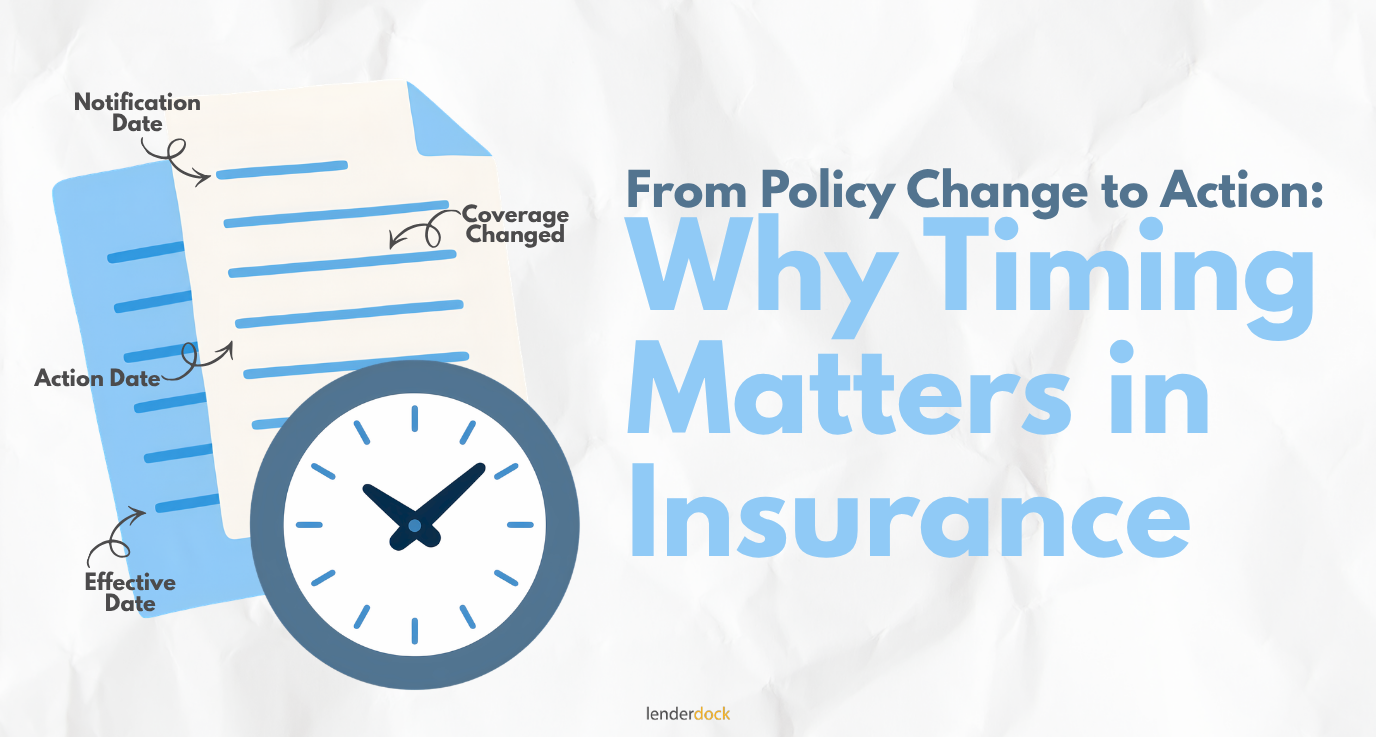
We’ve heard people in mortgage servicing use verification and tracking as if they’re interchangeable, and honestly, for a lot of daily work, treating them that way doesn’t break anything.
A two-day lag between a policy change and everyone finding out about it used to be annoying, not dangerous. Someone made a call, waited, got an answer, and moved on with their day.

We’ve heard people in mortgage servicing use verification and tracking as if they’re interchangeable, and honestly, for a lot of daily work, treating them that way doesn’t break anything.

Insurance verification is a routine part of the lending and insurance process. A lender needs to know whether a policy is active. A mortgage servicer may need to confirm coverage or mortgagee information. An insurance…

In the earliest version of insurance verification, the person answering the phone actually had to know things. They pulled a physical file, checked handwriting against a ledger, and made a judgment call about whether what…
Two insurers can each have perfectly accurate, well-maintained policy databases and still fail to exchange a single piece of usable data between them.
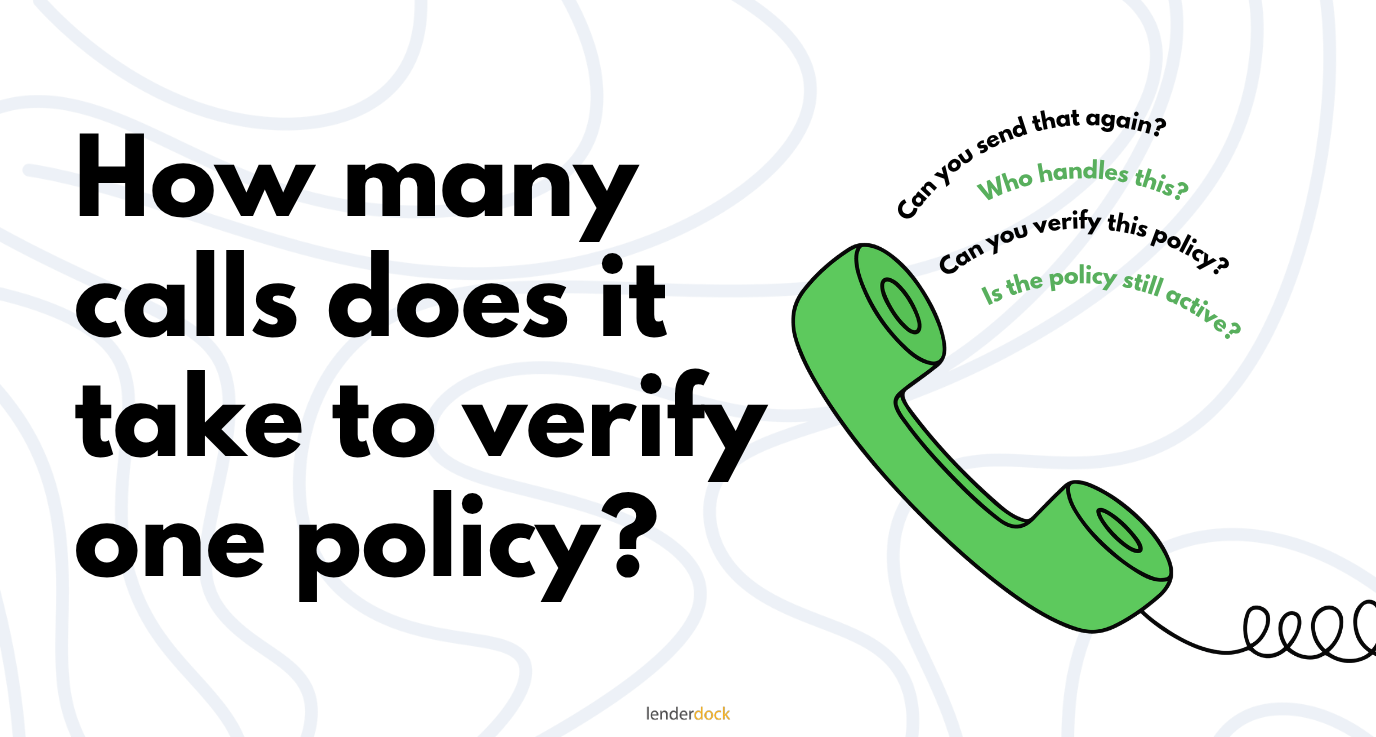
Every single day, insurance workers face a mountain of simple questions. Are they tired of answering the same questions about policy coverage all day long? Yes, they are. When banks or lenders need to check…
A title company closing a home sale needs to confirm the seller’s policy is active before the deal can move. An auto lender needs the same thing before releasing funds on a car loan. A…
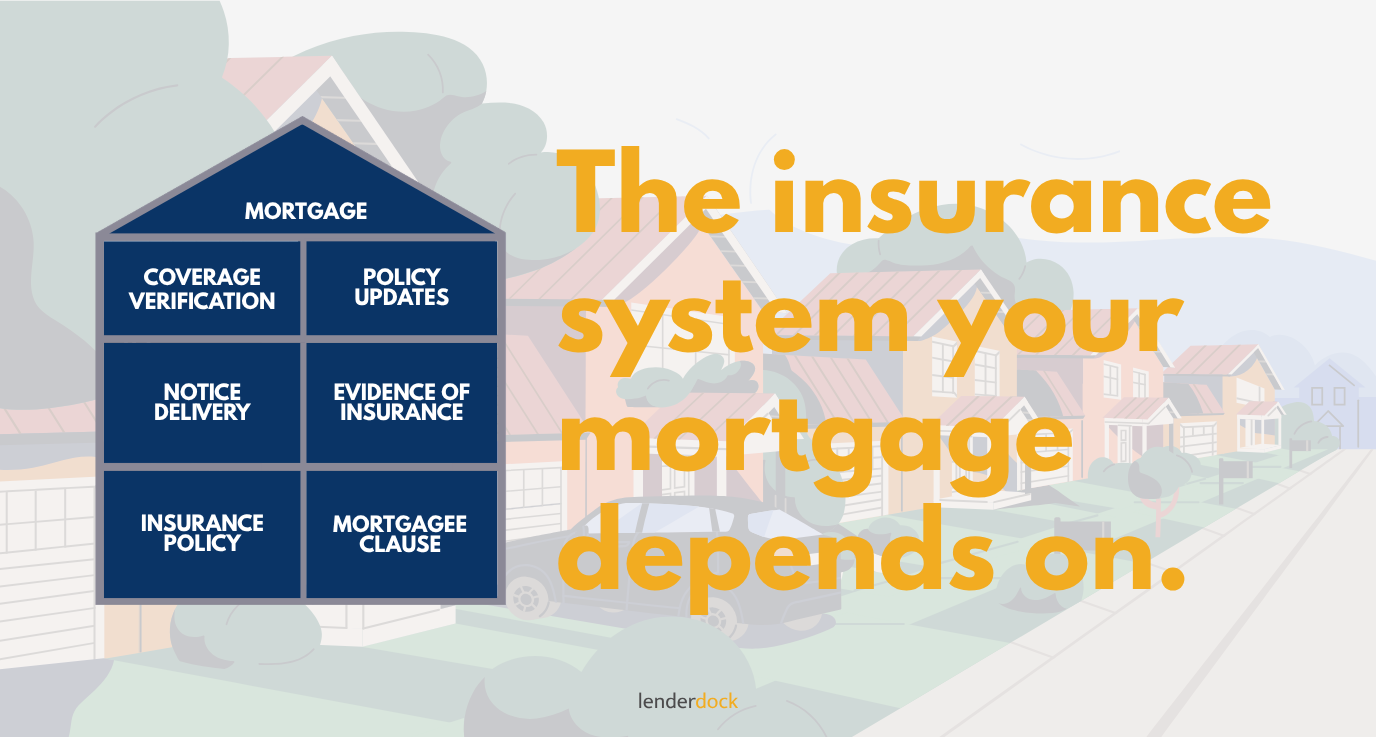
Most people who take out a mortgage never think about insurance as part of the loan itself. It feels adjacent, a separate purchase, something the lender requires but does not really participate in beyond checking…

Mortgagee corrections are a routine part of insurance servicing, but the process behind them is often anything but simple. A lender may find that the mortgagee’s name or address on a policy is out of…



We consectetur adipiscing elit tempor incididunt ut labore. Wondering ipsum dolor sit amet? We consectetur adipiscing ipsum nulla glavrida elit tempor incididunt.