From Policy Change to Action: Why Timing Matters in Insurance
We’ve heard people in mortgage servicing use verification and tracking as if they’re interchangeable, and honestly, for a lot of daily work, treating them that way doesn’t break anything.


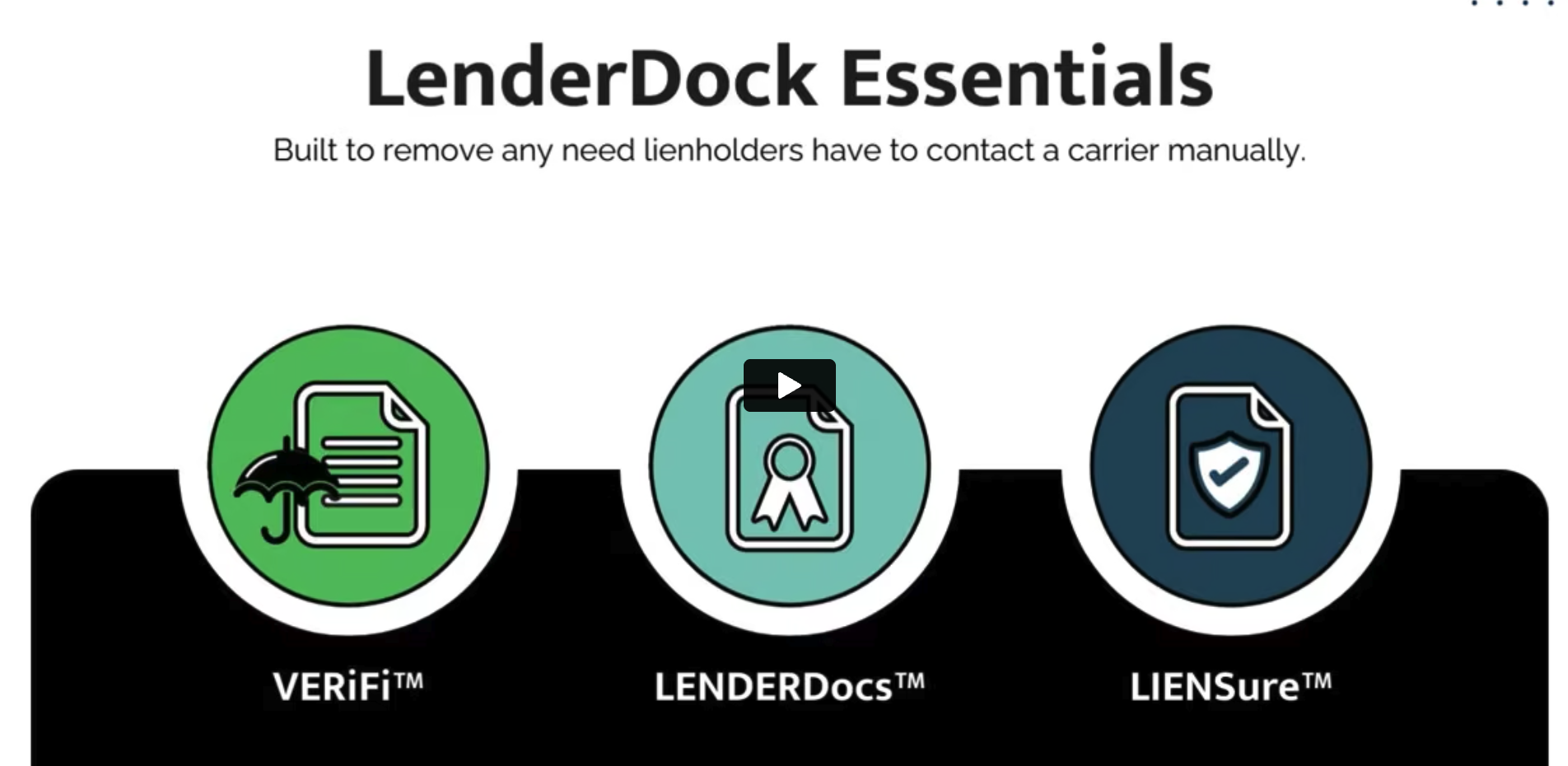
LenderDock provides real-time, insurance policy details through its magical web portal or its APIs.

LIENSure sends corrections digitally, straight from the financial source of truth and in bulk for easy processing.

ESCROWPay verifies what’s actually due before the money moves, then sends the payment and reconciliation data digitally.

NOTiFi delivers required policy, coverage, and billing notices in the formats lienholders actually use
At least check out the genesis of LenderDock Video. It’ll all make sense, the eco-system, that is.
Learn more about our great leadership team and our amazing, people-first, company culture.
There’s a lot going on at LenderDock and in our industries. We threw it all here to make it easier to keep up.
We go to a lot of events and we love to eat. See our calendar of where we’ll be.
New webinars will be coming quite frequently. Educational, success, and sales.
Our homes are getting smarter by the day, and it’s not just about dimming the lights with your voice. According to one study, 69% of US households already have at least one smart device. The leader of the pack? Video doorbells, with a cool 20% penetration rate in American homes.
These aren’t just gadgets; they’re technology with the potential to prevent disasters, deter crime, and even help you catch the package thief. But what does this mean for the home insurance sector? Let’s get into it.
Put simply, smart home technology is the internet-connected devices that automate and remotely control features in your home, like lighting, thermostats, and security systems. And a lot of tech falls under smart home technology, including:
You likely have one of these devices already in your home, or perhaps one that isn’t listed above – like smart TVs. Many smart home studies don’t include them, mostly because they’re ubiquitous now (almost as common as a toaster these days) and their impact on, say, security or energy savings is minimal. While smart TVs can connect to the internet and offer streaming services, they don’t actively participate in automating or monitoring your home environment – the core function of most smart home tech.
However, you will notice that one other item on the list could fall into a similar category: voice assistants. So, why do smart TVs get ignored while voice assistants don’t? Well, while most people primarily use voice assistants to play music or ask, “Can dogs eat carrots?” while cooking with an eager puppy staring up at them, they can do much more. Namely, they can be used to control other smart home devices from security cameras and smart locks to smoke detectors and thermostats.
Smart home technology should, in theory, lower home insurance premiums. Here’s why: these devices enhance security and safety, reducing the likelihood of costly incidents like break-ins or fires. Both insurers and policyholders benefit from this. Homeowners enjoy increased security and potential savings, while insurers face fewer claims. Recognizing these advantages, some insurers now incorporate smart home technology into their plans. For example, American Family Insurance offers discounts for homes equipped with certain types of smart devices.
However, it doesn’t always pan out this way. In the UK, smart home-based insurance often costs more than traditional policies. The higher premiums account for the value of the installed tech itself. Consequently, many opt out, seeing it as an expensive add-on rather than a benefit. While the UK market differs from the US, this situation serves as a cautionary tale. It suggests potential hurdles for insurers who must balance tech costs with policy pricing.
Let’s drill a little further into the specifics. Smart home technology is transforming the insurance landscape, offering a range of benefits that can make homes safer, claims processing quicker, and insurance premiums more tailored. Here’s how:
Bonus benefit: One study found that in the UK, people are willing to pay more for a home with smart home technology. For homeowners, this means investing in smart devices could potentially increase the value of your home.
Smart home technology undoubtedly offers benefits to both insurers and homeowners, but that isn’t to say there aren’t important considerations at play here.
First, smart home technology gathers a lot of data, and many insurers want access to this data. This makes sense – the more information they have about your home and habits, the more accurately they can assess your risk profile. However, this data collection raises privacy concerns for many homeowners. The idea of insurers having access to information about your daily routines, energy consumption, and even when you’re away from home can feel intrusive.
Transparency is key. Insurers need to be upfront about what data they’re collecting, how they’re using it, and how they’re protecting it. Homeowners need to feel comfortable with the data exchange and understand how it benefits them. For example, clear communication about anonymization practices and data security measures can help build trust.
Similarly, insurers will need to expand their data centers to accommodate this influx of information and continue their investment in cybersecurity to ensure the safe and responsible handling of homeowner data.
Smart home technology is revolutionizing the insurance industry. While the benefits are numerous – from faster claims processing to personalized premiums – there are considerations. Privacy concerns around data collection are paramount.
Ultimately, smart homes and policies can create a win-win situation for insurers and homeowners. By working together and addressing potential pitfalls, this partnership can lead to a safer, more cost-effective, and more secure future for everyone.
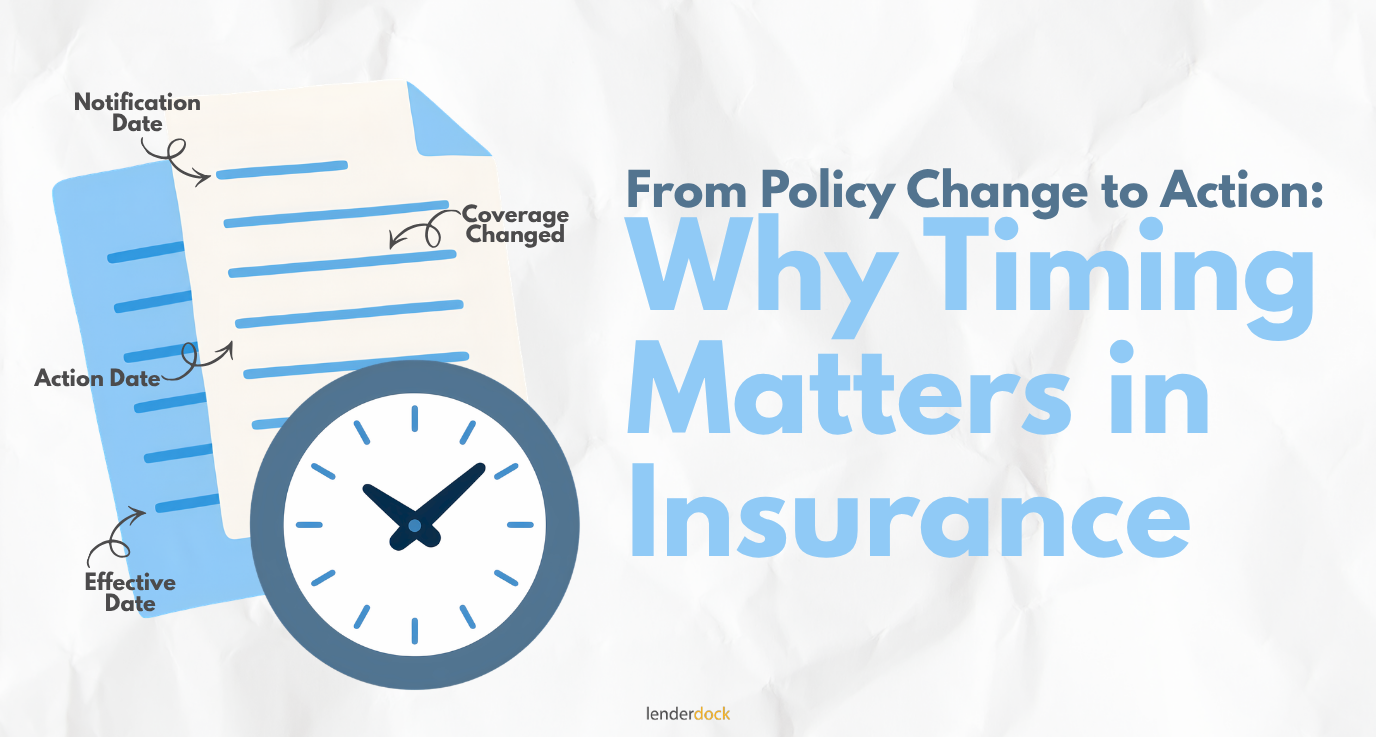
We’ve heard people in mortgage servicing use verification and tracking as if they’re interchangeable, and honestly, for a lot of daily work, treating them that way doesn’t break anything.
A two-day lag between a policy change and everyone finding out about it used to be annoying, not dangerous. Someone made a call, waited, got an answer, and moved on with their day.
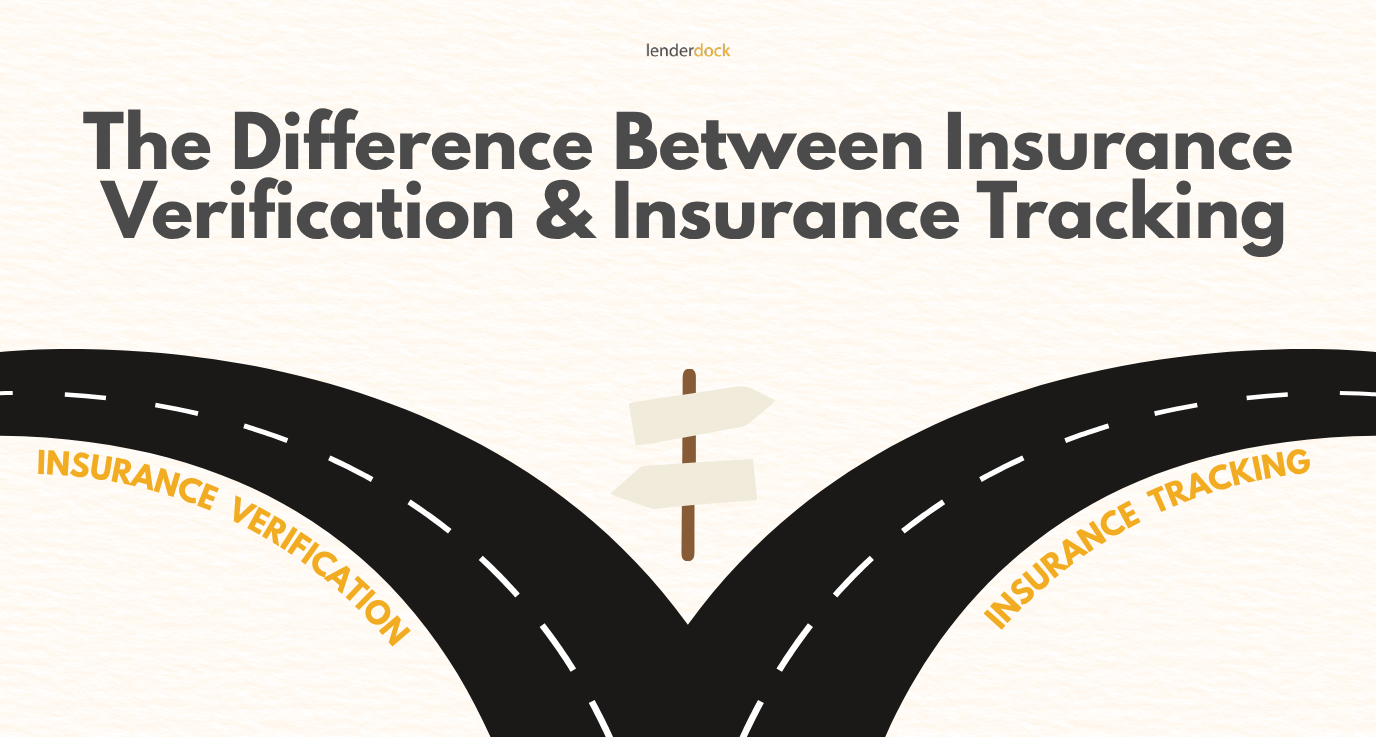
We’ve heard people in mortgage servicing use verification and tracking as if they’re interchangeable, and honestly, for a lot of daily work, treating them that way doesn’t break anything.

Insurance verification is a routine part of the lending and insurance process. A lender needs to know whether a policy is active. A mortgage servicer may need to confirm coverage or mortgagee information. An insurance…
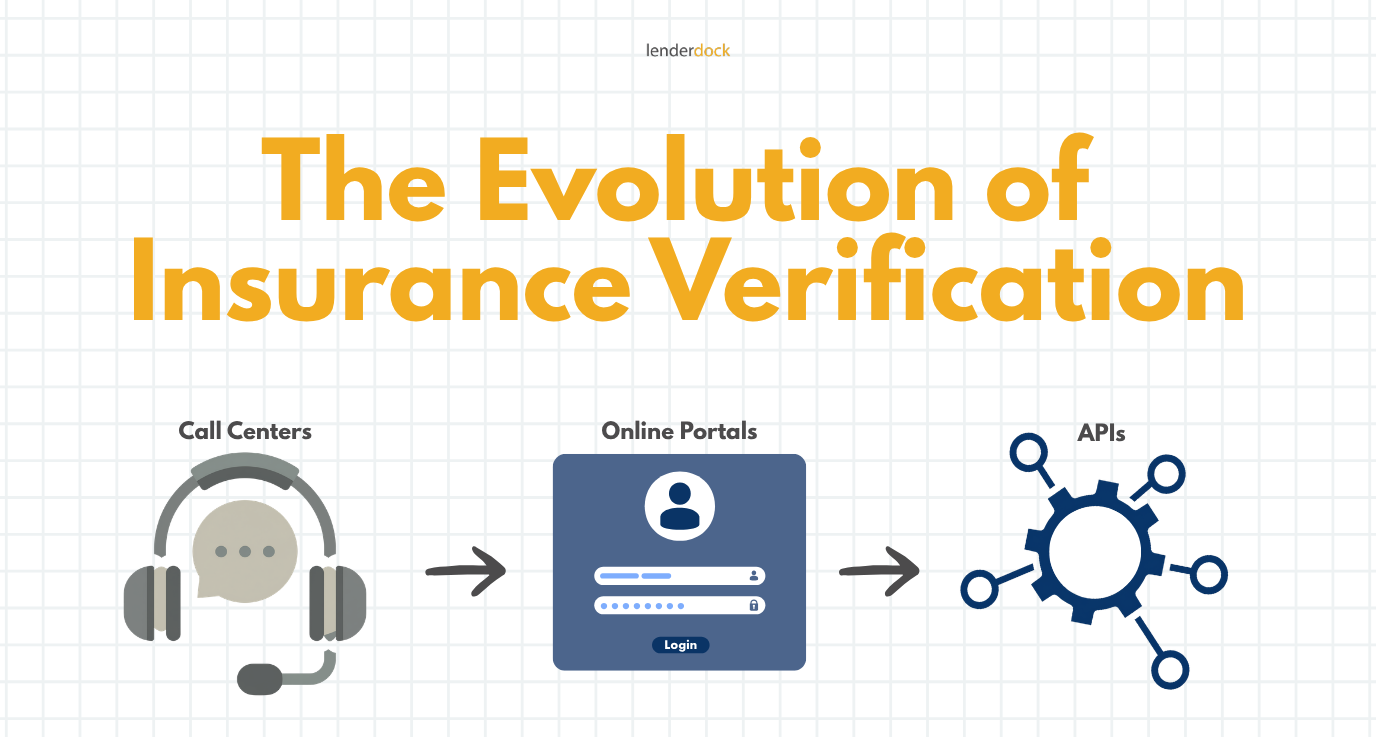
In the earliest version of insurance verification, the person answering the phone actually had to know things. They pulled a physical file, checked handwriting against a ledger, and made a judgment call about whether what…
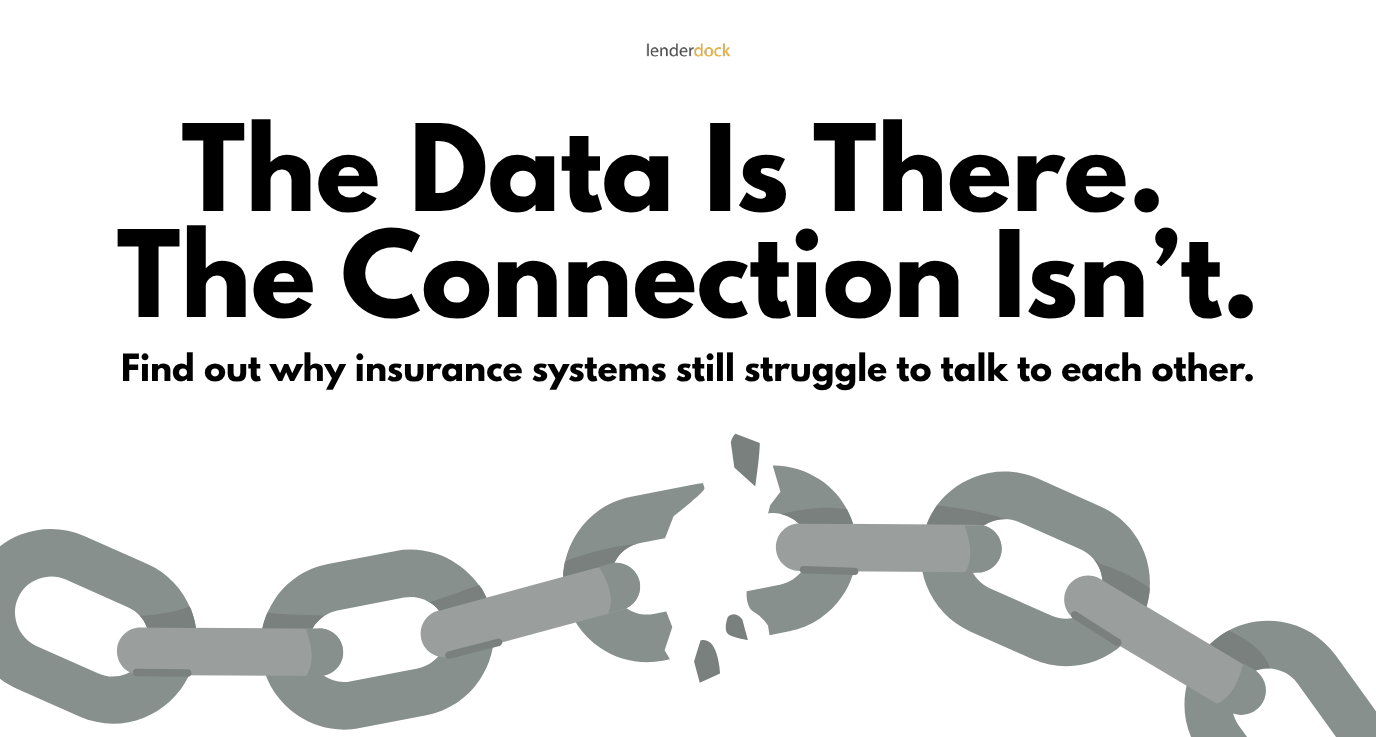
Two insurers can each have perfectly accurate, well-maintained policy databases and still fail to exchange a single piece of usable data between them.
Every single day, insurance workers face a mountain of simple questions. Are they tired of answering the same questions about policy coverage all day long? Yes, they are. When banks or lenders need to check…
A title company closing a home sale needs to confirm the seller’s policy is active before the deal can move. An auto lender needs the same thing before releasing funds on a car loan. A…
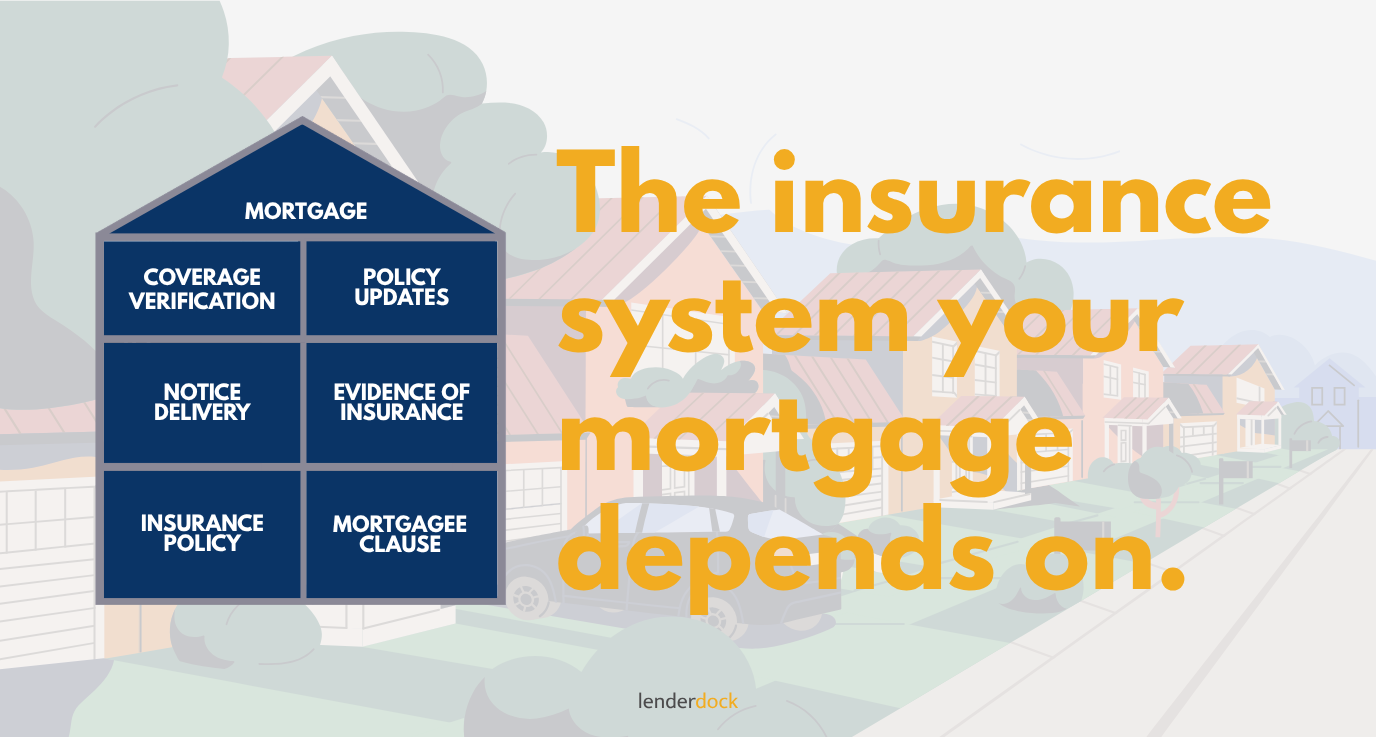
Most people who take out a mortgage never think about insurance as part of the loan itself. It feels adjacent, a separate purchase, something the lender requires but does not really participate in beyond checking…
Mortgagee corrections are a routine part of insurance servicing, but the process behind them is often anything but simple. A lender may find that the mortgagee’s name or address on a policy is out of…


We consectetur adipiscing elit tempor incididunt ut labore. Wondering ipsum dolor sit amet? We consectetur adipiscing ipsum nulla glavrida elit tempor incididunt.