From Policy Change to Action: Why Timing Matters in Insurance
We’ve heard people in mortgage servicing use verification and tracking as if they’re interchangeable, and honestly, for a lot of daily work, treating them that way doesn’t break anything.


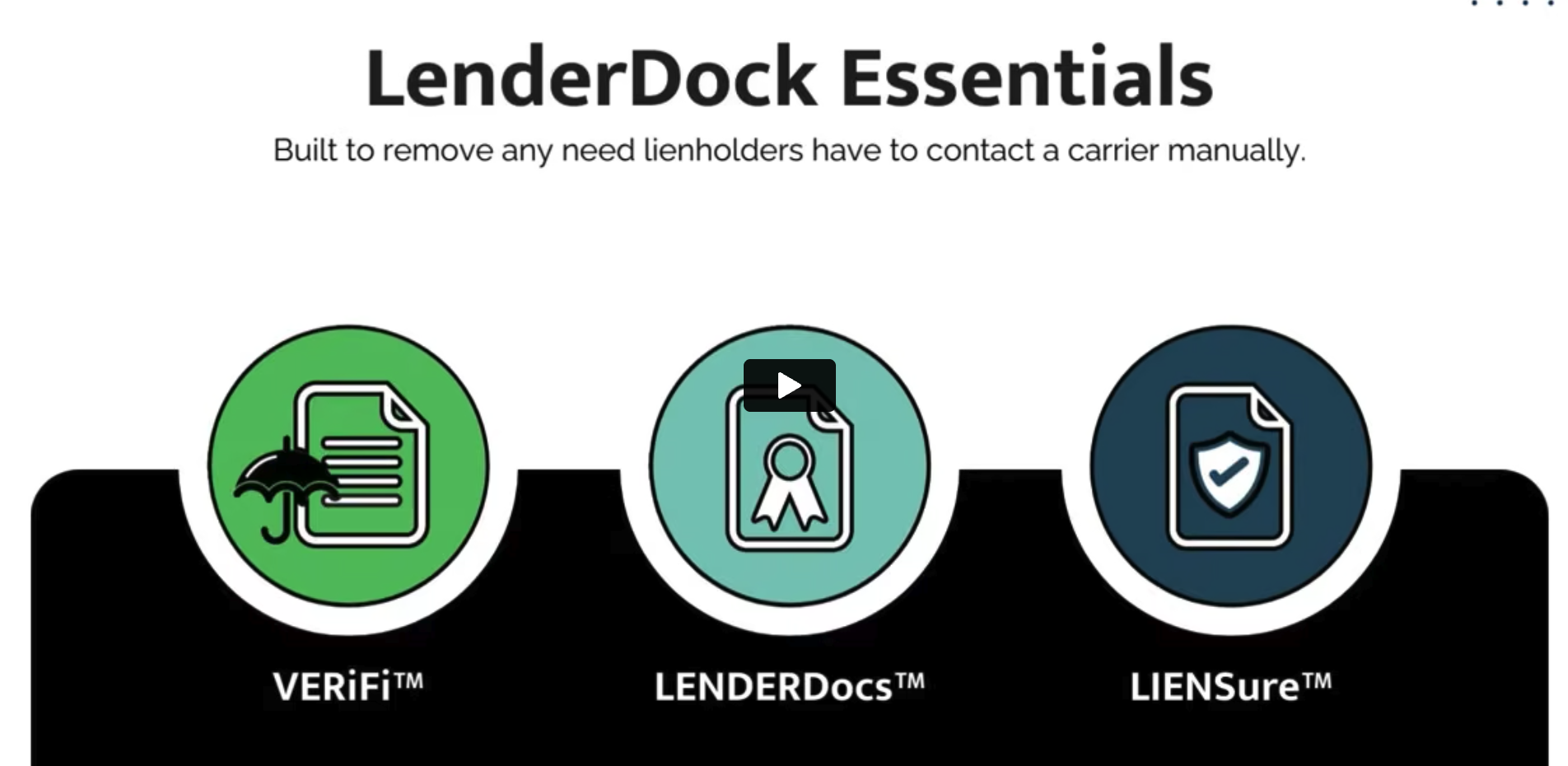
LenderDock provides real-time, insurance policy details through its magical web portal or its APIs.

LIENSure sends corrections digitally, straight from the financial source of truth and in bulk for easy processing.

ESCROWPay verifies what’s actually due before the money moves, then sends the payment and reconciliation data digitally.

NOTiFi delivers required policy, coverage, and billing notices in the formats lienholders actually use
At least check out the genesis of LenderDock Video. It’ll all make sense, the eco-system, that is.
Learn more about our great leadership team and our amazing, people-first, company culture.
There’s a lot going on at LenderDock and in our industries. We threw it all here to make it easier to keep up.
We go to a lot of events and we love to eat. See our calendar of where we’ll be.
New webinars will be coming quite frequently. Educational, success, and sales.
Today, we stand at the intersection of two groundbreaking technologies, Augmented Reality (AR) and Virtual Reality (VR), which are transforming how we perceive, navigate, and secure our future.
Imagine a world where insurance claims are assessed without ever stepping into a physical office, where risks are more accurately evaluated, and where customers fully understand their policies.
This is the future of insurance, driven by the advancements in VR and AR technologies.
Virtual Reality (VR) places users within a digitally simulated environment. Depending on the device used, like the Sony PlayStation VR, users can immerse themselves in a virtual world, experiencing it through various senses such as sight, touch, and hearing.
VR headsets employ 3D stereoscopic projection to ensure complete immersion.
Augmented Reality (AR), on the other hand, overlays digital information onto the real world, enhancing users’ perception and interaction with their surroundings. AR can be accessed through devices like smartphones, tablets, and AR glasses, providing real-time data and visual enhancements.
AR gained mainstream popularity with the release of Pokémon Go, which became America’s highest-grossing game in 2016 and 2017 and achieved over 1 billion downloads worldwide.
For many years, Virtual Reality was primarily used in the entertainment industry, most commonly in games. However, with mixed reality devices like the Apple Vision Pro, which combine both AR and VR, more practical uses are being realized.
Today, diverse industries like aviation, medicine, and the military have practical applications for these technologies.
For instance, much of the training and onboarding for specialists and professionals in such sectors are conducted via simulators—virtual worlds—where trainees can experience real scenarios and situations, preparing them for real-world challenges.
In the insurance industry, we have only scratched the surface of exploring how these technologies can facilitate superior performance across multiple processes.
Augmented Reality has developed sophisticated simulators that enhance risk mitigation strategies for both insurers and policyholders. Insurers can leverage these technologies to educate clients on reducing claim likelihood by demonstrating potential risks and preventive measures.
Asides that, these technologies enable the creation of comprehensive disaster management programs, allowing users to practice responses to various emergencies and thereby minimizing actual risks.
AR and VR revolutionize customer acquisition and retention by transcending traditional advertising methods. Virtual environments can simulate real-world risks, demonstrating the importance of insurance coverage in an engaging manner.
These enable insurers to reach a broader audience through interactive and immersive marketing campaigns, effectively conveying the benefits of their products and services.
The integration of AR in claims processing is poised to revolutionize the insurance sector by efficiency gains in speed and accuracy. Combined with the Internet of Things (IoT), these technologies can streamline the entire claims process.
AR enables insurers to assess damages virtually, facilitating quicker and more precise claims evaluations. This not only accelerates claim settlements but also enhances fraud detection capabilities, minimizing claim investigation costs.
Incorporating AR and VR into customer service promises significant improvements in communication and issue resolution.
Instead of traditional voice or video calls, Augmented Reality can allow company representatives to virtually be present with customers, offering a more immersive and interactive experience.
This approach enables representatives to better understand and address customer concerns, providing detailed insights and facilitating appropriate actions. The result is a higher level of customer service that enhances trust and satisfaction.
Liberty Mutual Insurance: Liberty Mutual uses car crash and breakdown simulations to educate and train both customers and staff. These simulations aim to improve preparedness and response times by offering realistic scenarios that replicate real-life incidents.
Allstate: Allstate employs virtual reality (VR) technology for training purposes, particularly for claim adjusters. VR provides immersive, realistic scenarios that allow adjusters to practice and refine their skills in a controlled environment.
USAA: USAA piloted an augmented reality (AR) app in 2018 that allows users to recognize cars on the street and access information about them in real time. The app, powered by Blippar’s car recognition technology, identifies the brand and model of any vehicle from the year 2000 onwards and provides details on purchase price, insurance costs, and similar vehicles for sale locally.
The convergence of Augmented Reality (AR) and Virtual Reality (VR) marks a pivotal moment in the evolution of the insurance industry.
These technologies are not merely enhancing existing processes; they are fundamentally reshaping how insurers interact with customers, assess risks, and manage claims.
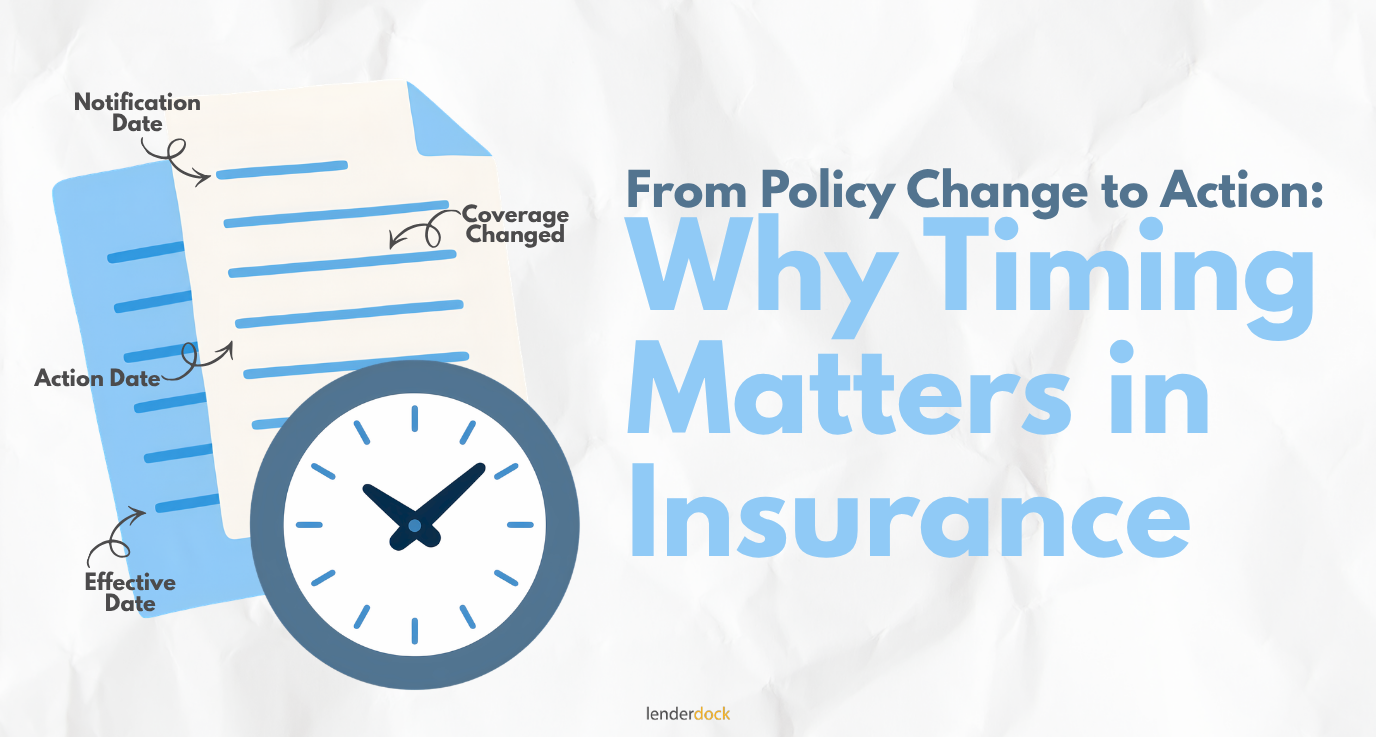
We’ve heard people in mortgage servicing use verification and tracking as if they’re interchangeable, and honestly, for a lot of daily work, treating them that way doesn’t break anything.
A two-day lag between a policy change and everyone finding out about it used to be annoying, not dangerous. Someone made a call, waited, got an answer, and moved on with their day.
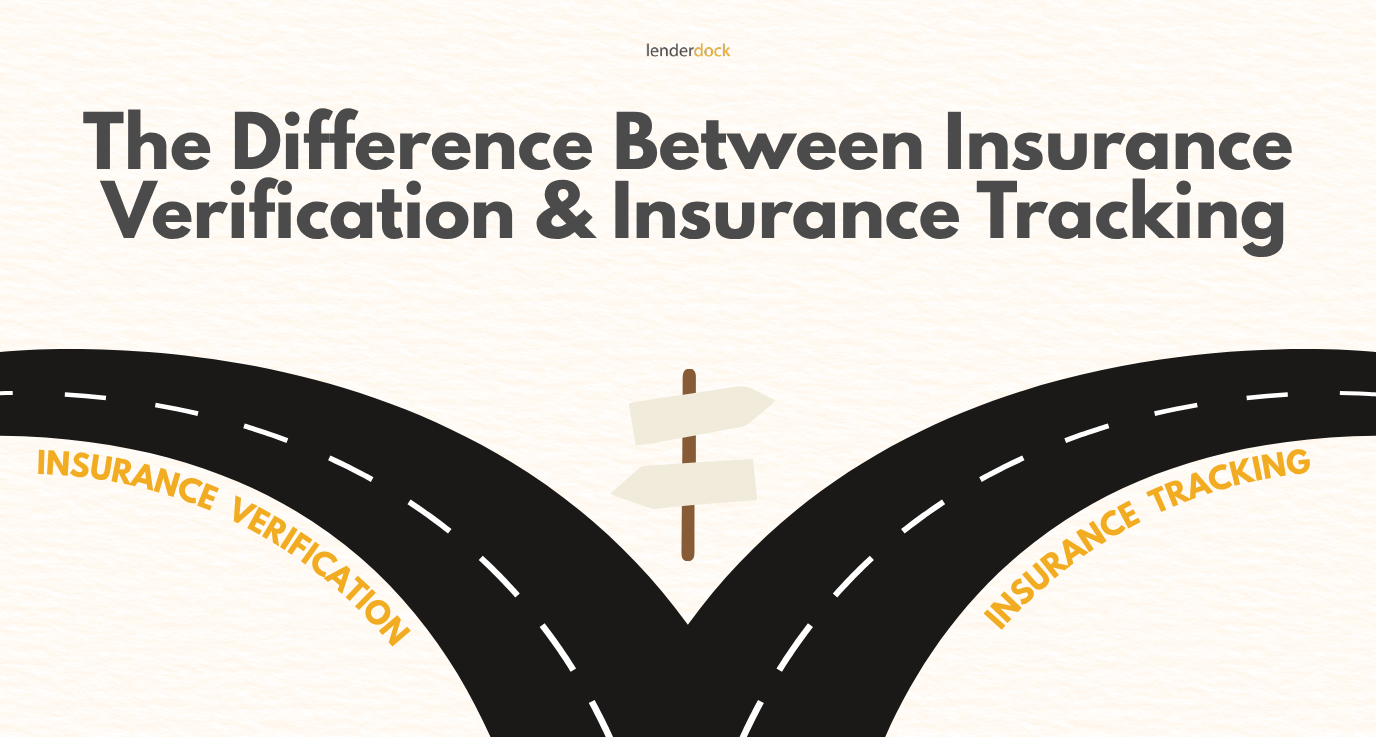
We’ve heard people in mortgage servicing use verification and tracking as if they’re interchangeable, and honestly, for a lot of daily work, treating them that way doesn’t break anything.
Insurance verification is a routine part of the lending and insurance process. A lender needs to know whether a policy is active. A mortgage servicer may need to confirm coverage or mortgagee information. An insurance…
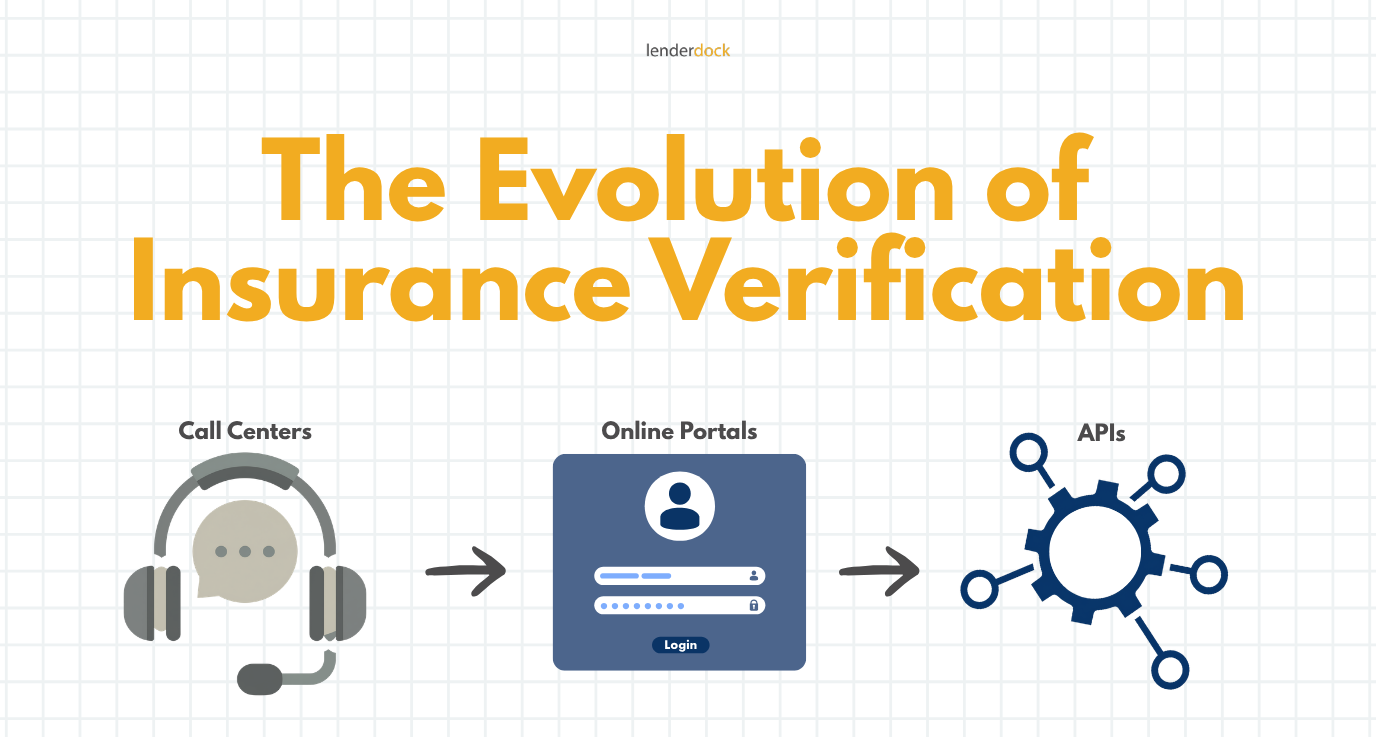
In the earliest version of insurance verification, the person answering the phone actually had to know things. They pulled a physical file, checked handwriting against a ledger, and made a judgment call about whether what…
Two insurers can each have perfectly accurate, well-maintained policy databases and still fail to exchange a single piece of usable data between them.
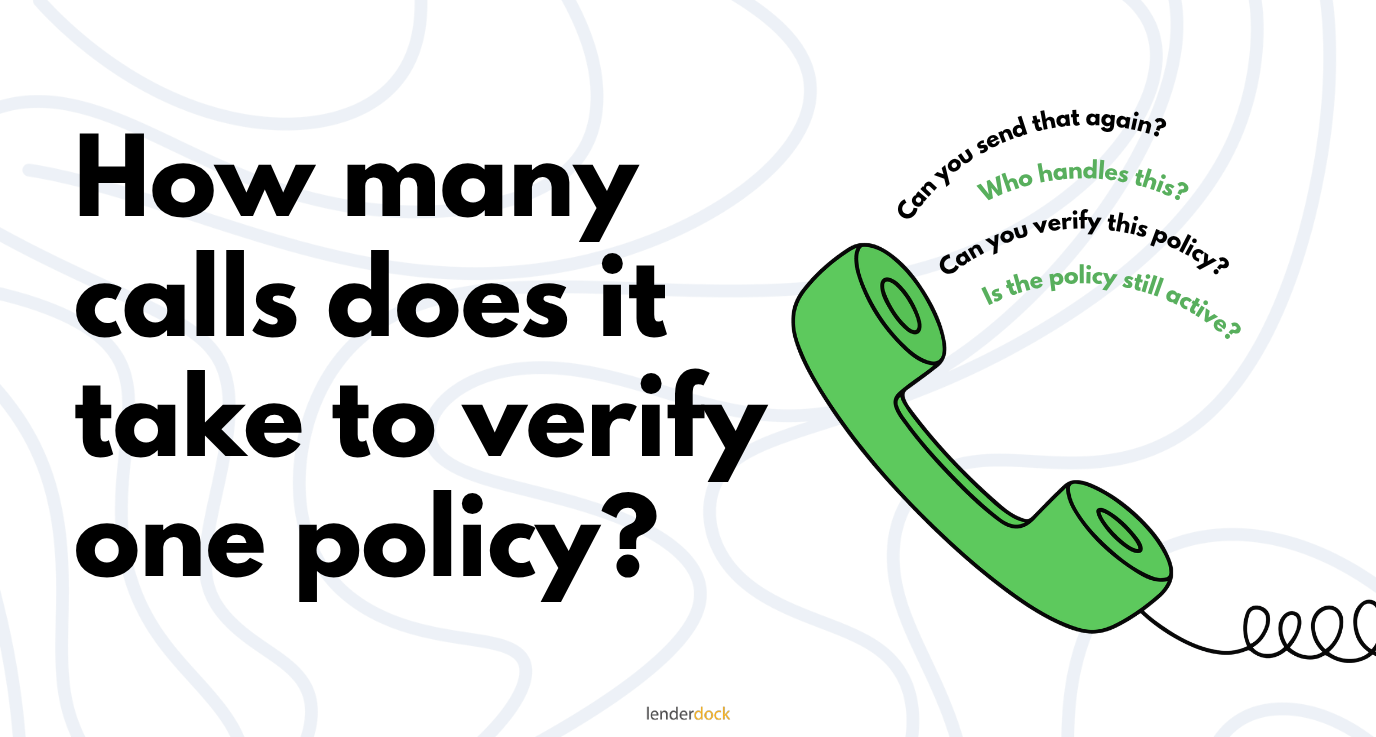
Every single day, insurance workers face a mountain of simple questions. Are they tired of answering the same questions about policy coverage all day long? Yes, they are. When banks or lenders need to check…
A title company closing a home sale needs to confirm the seller’s policy is active before the deal can move. An auto lender needs the same thing before releasing funds on a car loan. A…
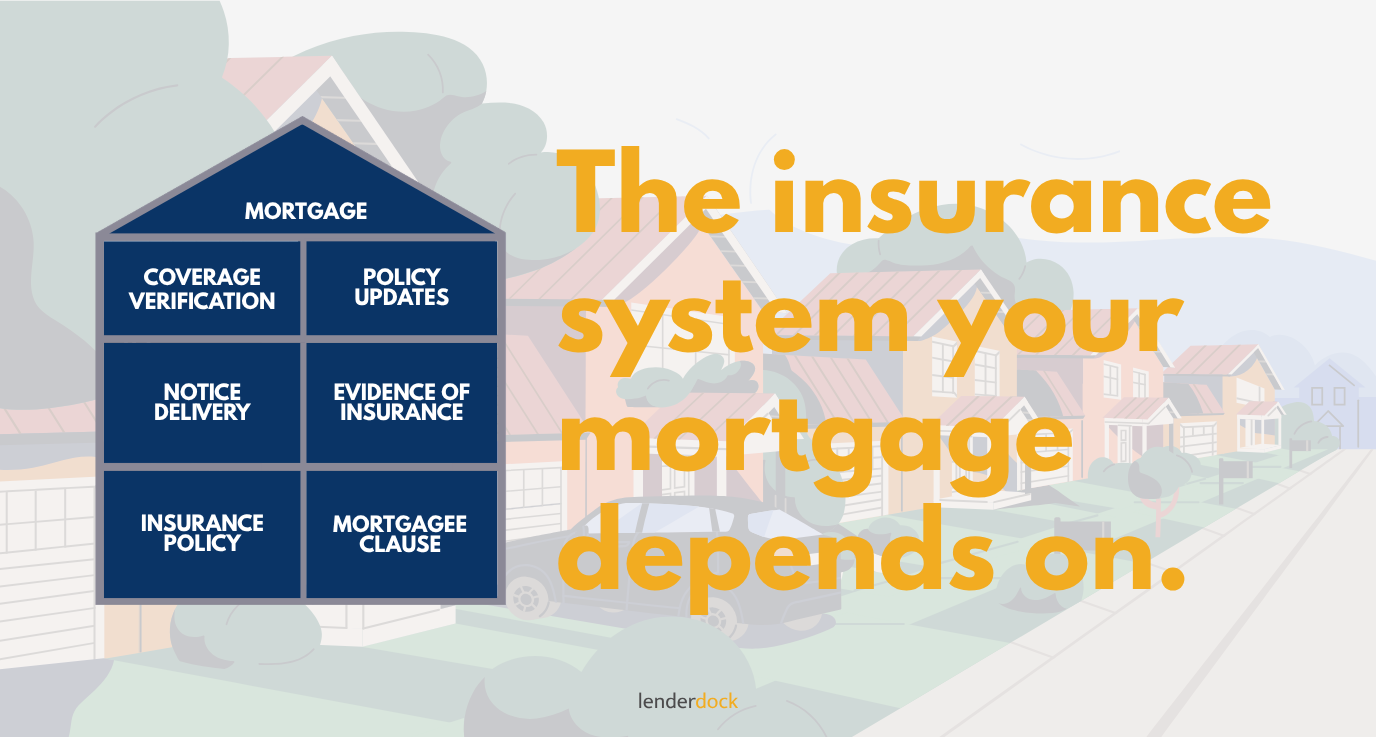
Most people who take out a mortgage never think about insurance as part of the loan itself. It feels adjacent, a separate purchase, something the lender requires but does not really participate in beyond checking…
Mortgagee corrections are a routine part of insurance servicing, but the process behind them is often anything but simple. A lender may find that the mortgagee’s name or address on a policy is out of…


We consectetur adipiscing elit tempor incididunt ut labore. Wondering ipsum dolor sit amet? We consectetur adipiscing ipsum nulla glavrida elit tempor incididunt.