From Policy Change to Action: Why Timing Matters in Insurance
We’ve heard people in mortgage servicing use verification and tracking as if they’re interchangeable, and honestly, for a lot of daily work, treating them that way doesn’t break anything.


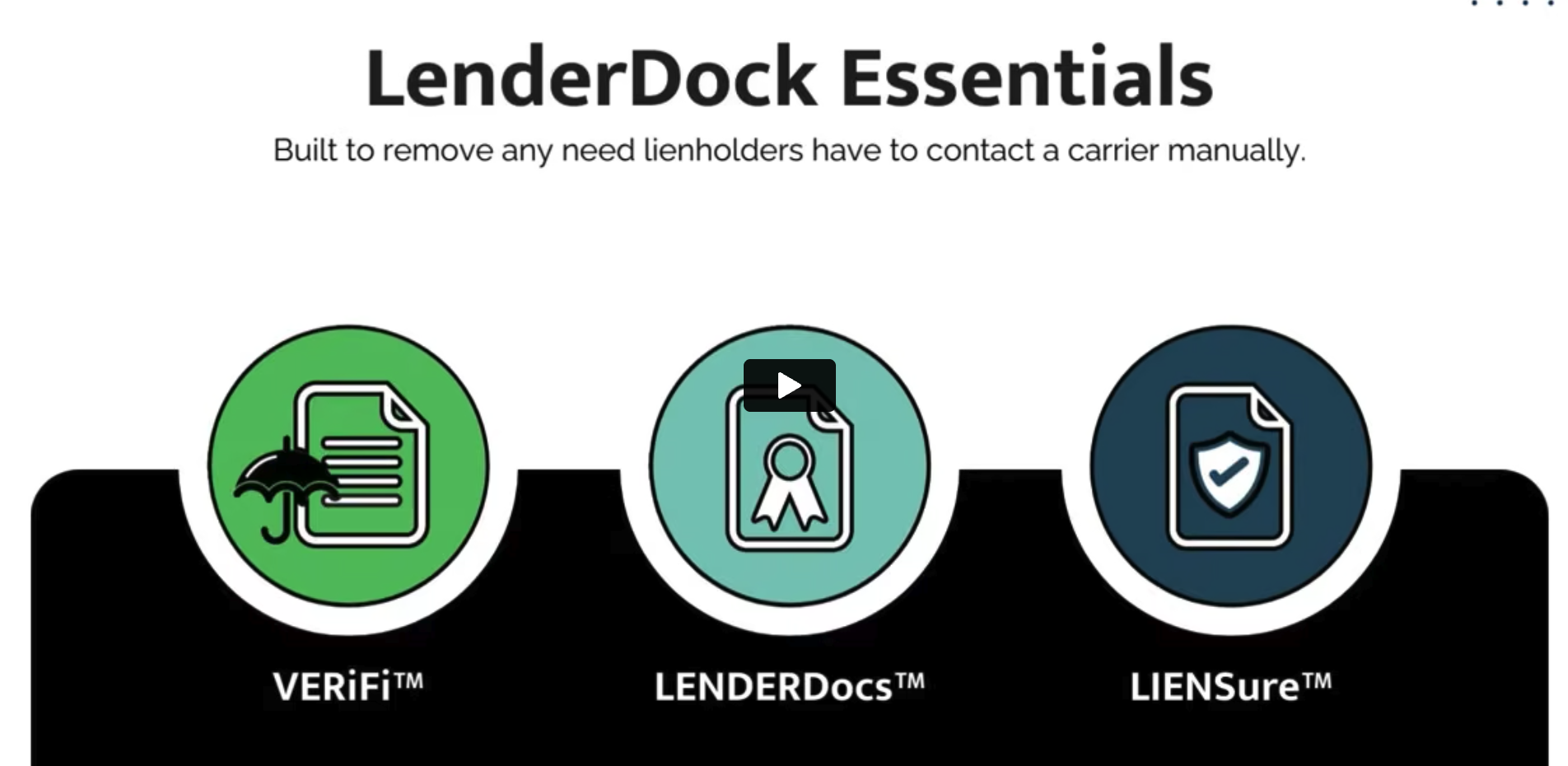
LenderDock provides real-time, insurance policy details through its magical web portal or its APIs.

LIENSure sends corrections digitally, straight from the financial source of truth and in bulk for easy processing.

ESCROWPay verifies what’s actually due before the money moves, then sends the payment and reconciliation data digitally.

NOTiFi delivers required policy, coverage, and billing notices in the formats lienholders actually use
At least check out the genesis of LenderDock Video. It’ll all make sense, the eco-system, that is.
Learn more about our great leadership team and our amazing, people-first, company culture.
There’s a lot going on at LenderDock and in our industries. We threw it all here to make it easier to keep up.
We go to a lot of events and we love to eat. See our calendar of where we’ll be.
New webinars will be coming quite frequently. Educational, success, and sales.
Policyholders increasingly prefer digital interactions over physical ones. However, verification challenges will often lead to high onboarding dropout rates.
Companies must adopt AI-driven verification technologies and advanced digital processes to deliver seamless experiences that foster customer trust and confidence.
Today, digital identity verification solutions are revolutionizing how insurers meet customer expectations and combat fraud.
Enhancing identity verification processes is crucial for managing customer identities securely and efficiently in an era of rampant fraud.
This entails adopting AI verification technologies and advanced digital processes like digital onboarding, biometric signatures, and biometrics to deliver faster, smoother experiences, thereby building customer trust and confidence.
These solutions, powered by advanced technologies like biometrics, artificial intelligence (AI), machine learning, and blockchain, are revolutionizing how insurers verify policyholder identities, streamline underwriting processes, and combat fraud.
Let’s delve into the significance of digital identity verification solutions in insurance and how they are reshaping the industry landscape.
According to a report by Statista, 44% of Americans aged 18 to 29 who have some form of insurance purchased their policies online.
Traditionally, the insurance application process involved cumbersome paperwork, manual document verification, and lengthy approval times.
However, with digital identity verification solutions, insurers can streamline customer onboarding and verification processes, thereby enabling faster policy issuance and enhancing the overall customer experience.
Through secure online platforms and mobile applications, policyholders can now verify their identity digitally using biometric authentication like Face ID and fingerprint scanning. This not only eliminates the need for paper-based documentation but also ensures greater security and trust in the insurance transaction.
Digital identity verification solutions play a crucial role in enhancing risk assessment and underwriting accuracy for insurers.
By leveraging AI algorithms and machine learning models, insurers can analyze vast amounts of data collected from policyholders, including biometric information, behavioral patterns, and transaction history.
This data-driven approach allows insurers to gain deeper insights into customer profiles, assess risk more accurately, and tailor insurance products to individual needs.
Digital identity verification solutions help insurers adhere to regulatory requirements like General Data Protection Regulation (GDPR), anti-money laundering (AML) and Know Your Customer (KYC) guidelines by ensuring the secure collection, storage, and transmission of sensitive customer information.
Through encrypted communication channels and blockchain technology, insurers can safeguard customer data from unauthorized access and cyber threats, thereby maintaining regulatory compliance and protecting customer privacy.
Digital identity verification solutions offer a hypoactive approach to combating fraud by detecting suspicious activities and verifying the authenticity of customer identities in real-time.
By employing advanced biometric authentication methods and behavioral analysis techniques, insurers can detect fraudulent claims, identity theft, and unauthorized transactions with greater accuracy and efficiency.
This not only helps insurers minimize financial losses but also protects honest policyholders from the adverse effects of fraudulent activities, thereby preserving trust and integrity in the insurance ecosystem.
Lemonade
Lemonade uses advanced digital identity verification to streamline the customer onboarding process. Their AI-driven platform verifies user identities quickly and securely, reducing the risk of fraud and enhancing the customer experience.
Root Insurance
Root Insurance leverages digital identity verification to ensure accurate and secure policy issuance. By integrating identity verification technology, Root can offer a seamless and efficient onboarding process for new customers.
NEXT Insurance
NEXT Insurance utilizes AI-driven digital identity verification to ensure the secure and efficient onboarding of new customers. This technology helps NEXT Insurance verify identities in real-time, reducing the risk of fraud and providing a seamless user experience for small business owners seeking insurance coverage.
Digital identity verification solutions are transforming the insurance industry by driving efficiency, enhancing security, and improving the overall customer experience. By embracing these innovative technologies, insurers can streamline operations, mitigate risks, and stay ahead in an increasingly competitive market.
As digitalization continues to reshape the insurance landscape, the adoption of digital identity verification solutions will play a pivotal role in shaping the future of insurance and ensuring its sustainability in the digital era.
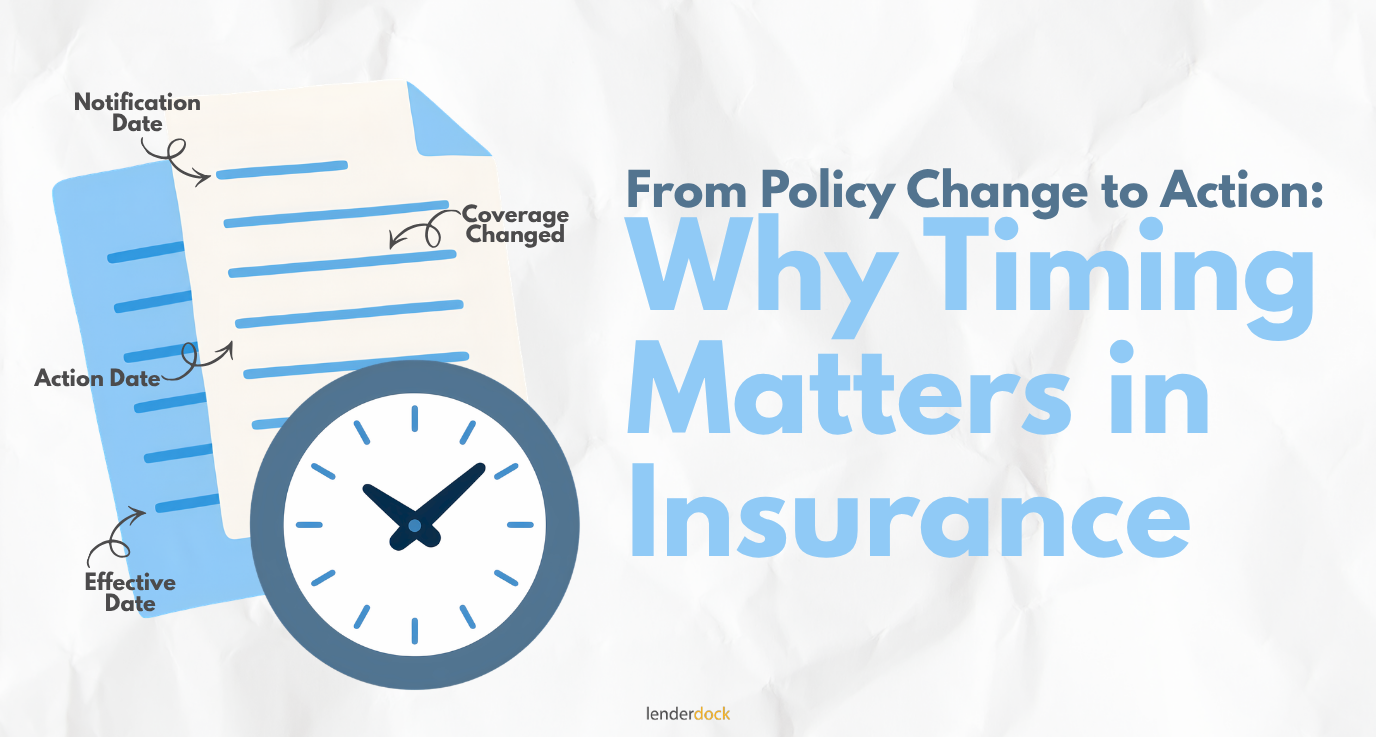
We’ve heard people in mortgage servicing use verification and tracking as if they’re interchangeable, and honestly, for a lot of daily work, treating them that way doesn’t break anything.
A two-day lag between a policy change and everyone finding out about it used to be annoying, not dangerous. Someone made a call, waited, got an answer, and moved on with their day.
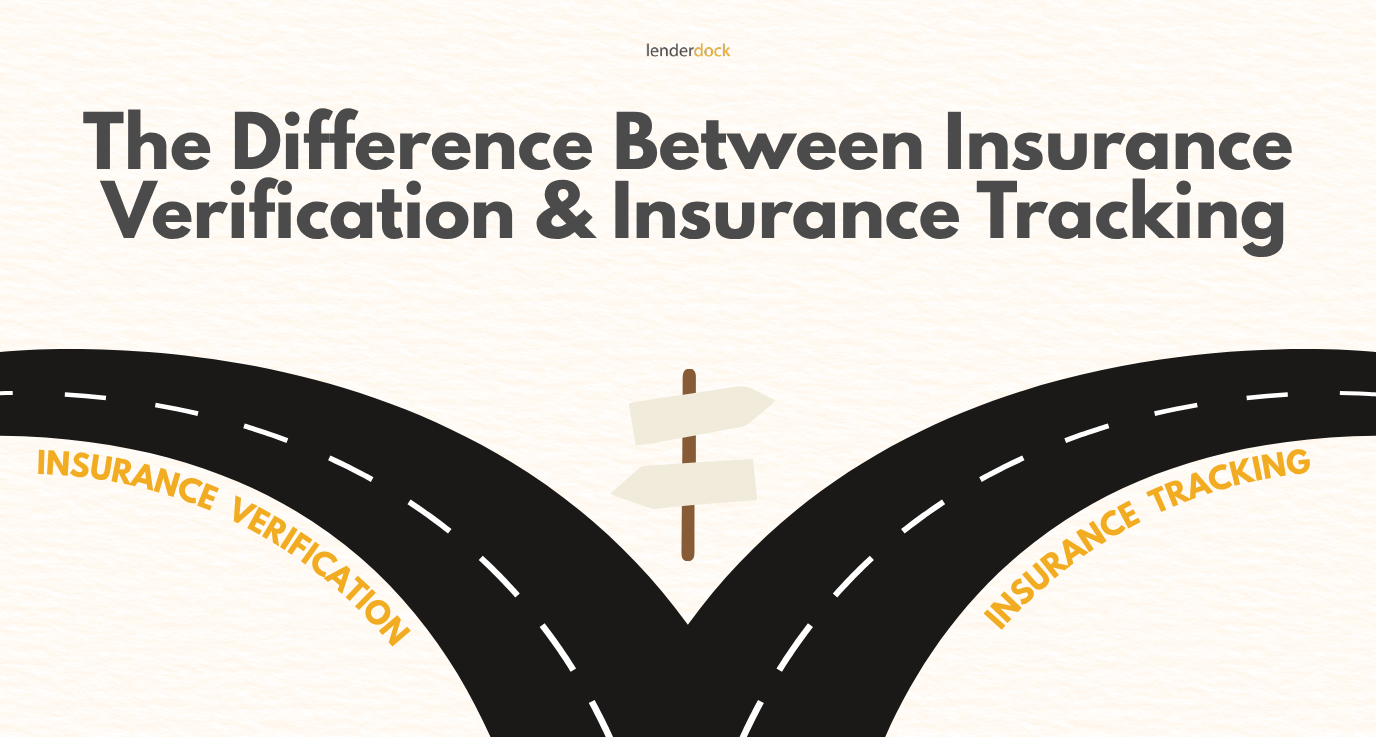
We’ve heard people in mortgage servicing use verification and tracking as if they’re interchangeable, and honestly, for a lot of daily work, treating them that way doesn’t break anything.
Insurance verification is a routine part of the lending and insurance process. A lender needs to know whether a policy is active. A mortgage servicer may need to confirm coverage or mortgagee information. An insurance…
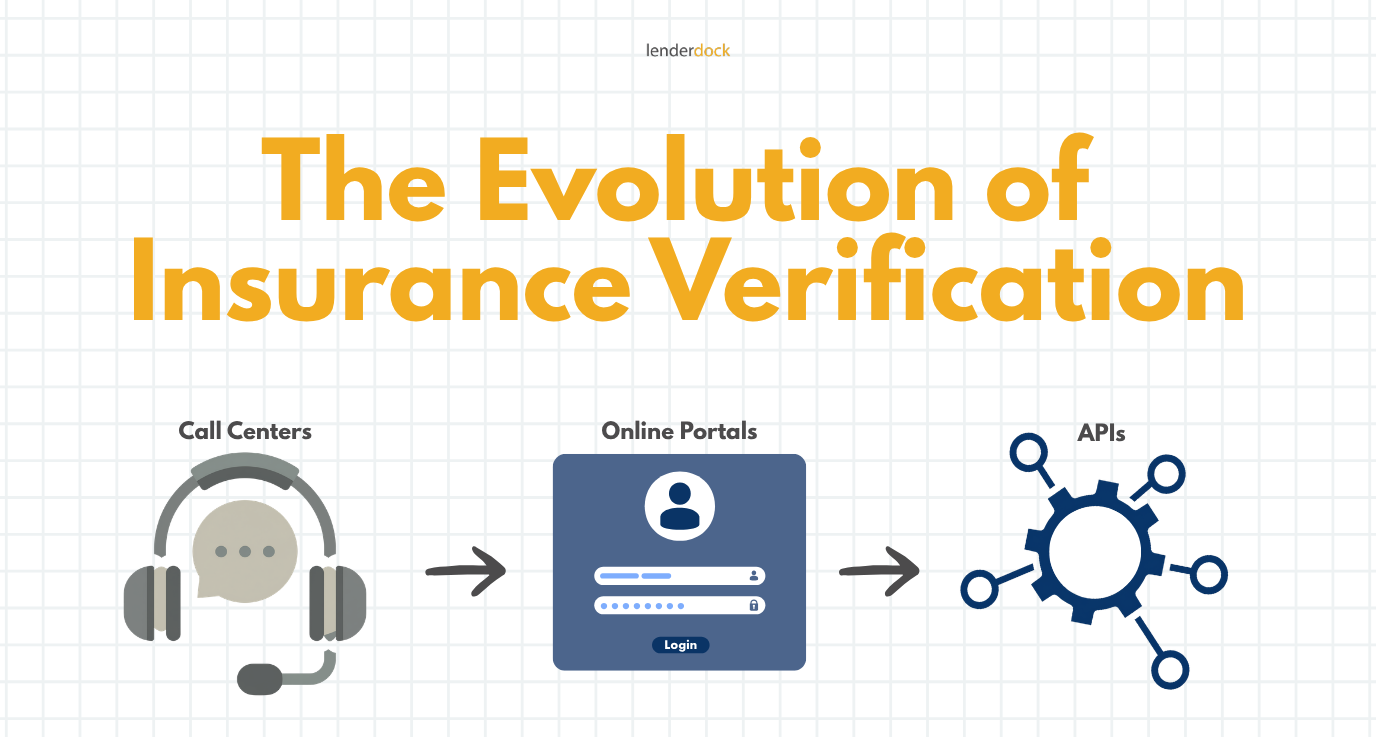
In the earliest version of insurance verification, the person answering the phone actually had to know things. They pulled a physical file, checked handwriting against a ledger, and made a judgment call about whether what…
Two insurers can each have perfectly accurate, well-maintained policy databases and still fail to exchange a single piece of usable data between them.
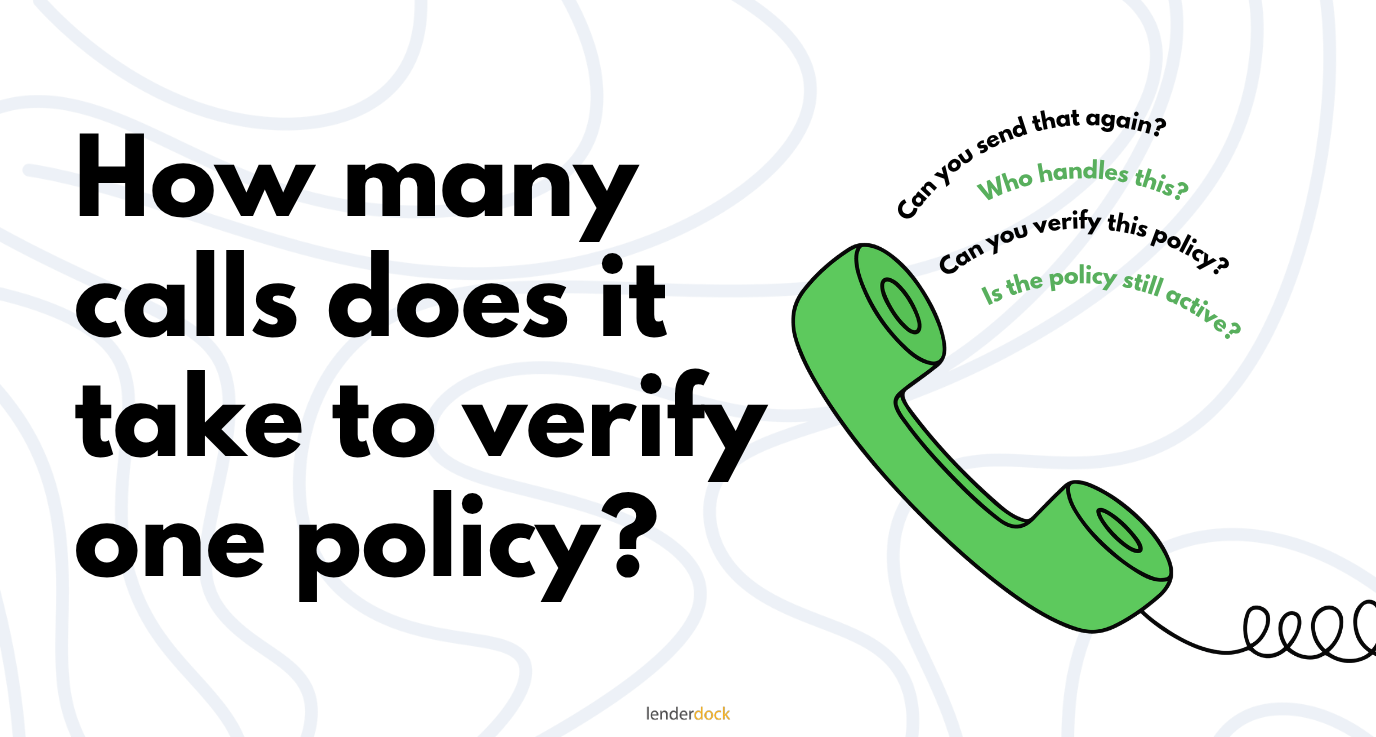
Every single day, insurance workers face a mountain of simple questions. Are they tired of answering the same questions about policy coverage all day long? Yes, they are. When banks or lenders need to check…
A title company closing a home sale needs to confirm the seller’s policy is active before the deal can move. An auto lender needs the same thing before releasing funds on a car loan. A…
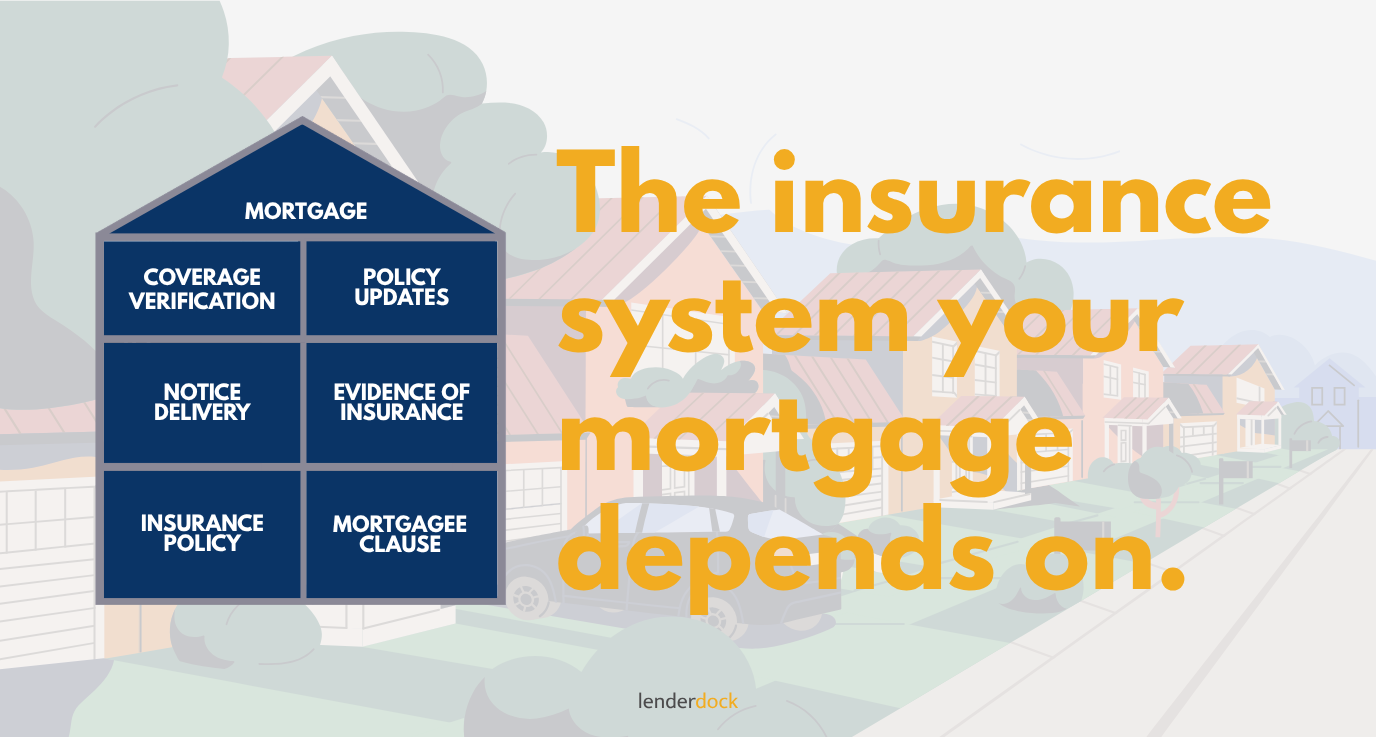
Most people who take out a mortgage never think about insurance as part of the loan itself. It feels adjacent, a separate purchase, something the lender requires but does not really participate in beyond checking…
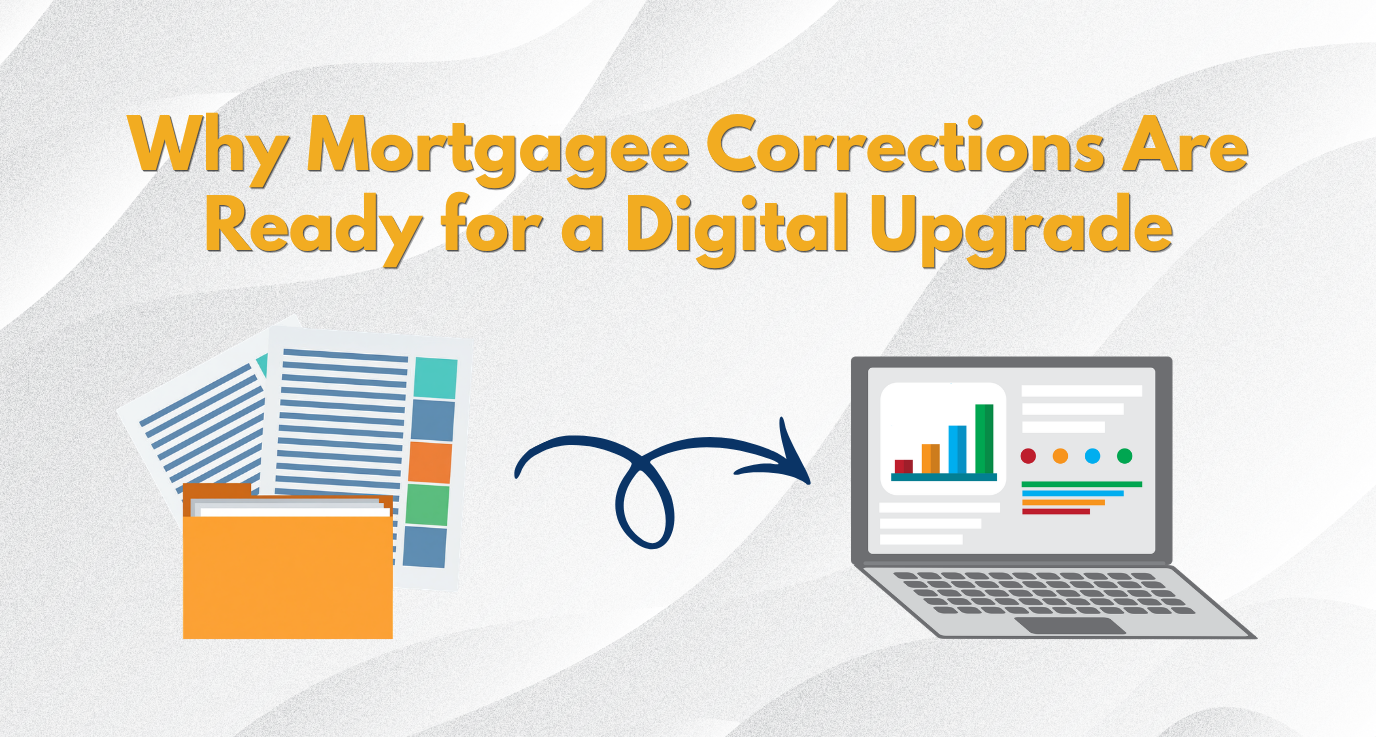
Mortgagee corrections are a routine part of insurance servicing, but the process behind them is often anything but simple. A lender may find that the mortgagee’s name or address on a policy is out of…


We consectetur adipiscing elit tempor incididunt ut labore. Wondering ipsum dolor sit amet? We consectetur adipiscing ipsum nulla glavrida elit tempor incididunt.