From Policy Change to Action: Why Timing Matters in Insurance
We’ve heard people in mortgage servicing use verification and tracking as if they’re interchangeable, and honestly, for a lot of daily work, treating them that way doesn’t break anything.


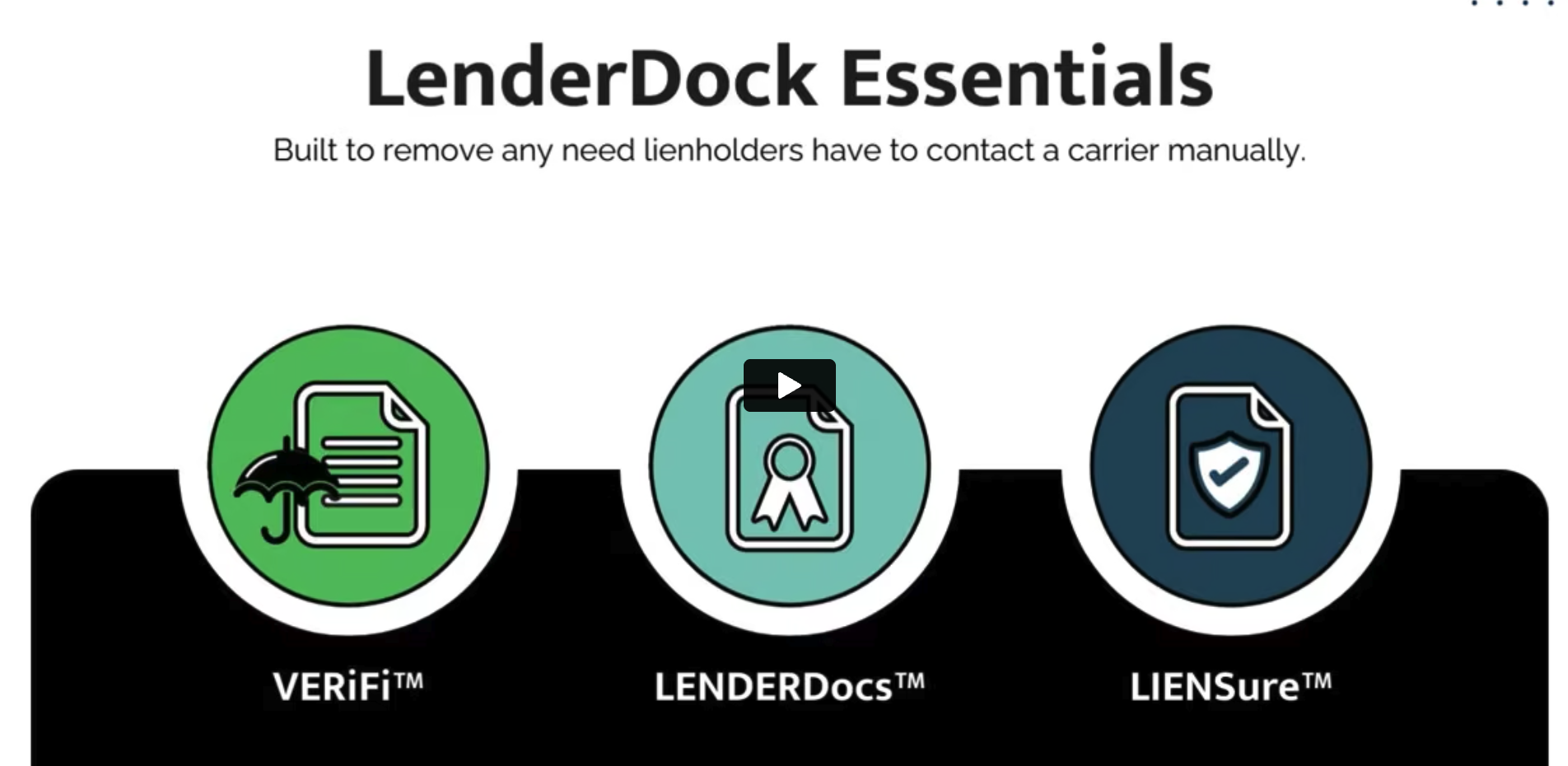
LenderDock provides real-time, insurance policy details through its magical web portal or its APIs.

LIENSure sends corrections digitally, straight from the financial source of truth and in bulk for easy processing.

ESCROWPay verifies what’s actually due before the money moves, then sends the payment and reconciliation data digitally.

NOTiFi delivers required policy, coverage, and billing notices in the formats lienholders actually use
At least check out the genesis of LenderDock Video. It’ll all make sense, the eco-system, that is.
Learn more about our great leadership team and our amazing, people-first, company culture.
There’s a lot going on at LenderDock and in our industries. We threw it all here to make it easier to keep up.
We go to a lot of events and we love to eat. See our calendar of where we’ll be.
New webinars will be coming quite frequently. Educational, success, and sales.
It’s a Saturday afternoon as you enter a house. Before you, a toaster spits sparks, an aquarium teeters on the brink of bursting, and the bathroom floor is flooded with water. But none of this is happening. Armed with your smartphone and Allianz’s augmented reality app “Haunted House,” you’re experiencing everyday scenarios transformed into vivid lessons on potential home hazards. This isn’t just a quirky display of futuristic technology; it’s a strategic initiative by this UK-based insurer to boost homeowner awareness and preparedness for the unexpected.
Similarly, Australian-based NRMA Insurance leverages virtual reality to deliver stark lessons in road safety. Their VR car crash simulation places participants inside a real car, enhanced with a hydraulic system that moves in sync with the harrowing scenes played out through their VR headsets. This visceral experience aims to instill a deeper understanding of crash dynamics and the importance of cautious driving.
Of course, these are rather dramatic examples of how insurers can leverage AR and VR to engage with their customers—how many people want to willingly experience a car crash, simulated or not? Still, many other use cases exist for these technologies in the insurance industry, from risk assessment and damage estimation to training adjusters and enhancing customer service interactions.
Both Augmented Reality (AR) and Virtual Reality (VR) are immersive technologies that enhance and alter our perception of the world. AR layers digital information onto the real world. Heard of Pokémon Go? That’s AR. In contrast, VR creates a fully immersive experience, typically through headsets, transporting users to entirely virtual environments, commonly used in gaming. Increasingly, businesses across various sectors are adopting these technologies to train employees, improve customer experience, and streamline operations. And the insurance sector is no exception here.
AR-powered visual claims
A recent report predicts that by 2025, over 80% of auto claims and 50% of non-injury claims will be processed virtually. A big part of this shift is AR-powered visual claims. In the past, adjusters would often have to assess damage in person or rely on less-than-ideal images from customers. But today, policyholders can initiate live video sessions, using their smartphones to show adjusters the damage in real time.
Adjusters use AR technology to overlay measurements directly onto the video feed, precisely gauging the extent of damage without physical presence. They can also pinpoint the damage location using geolocation, pause the feed to examine details more thoroughly, and instantly share claim forms and documents for electronic signatures. This method not only reduces the need for onsite visits but also accelerates the entire claims process.
AR for field risk assessments
Zurich Insurance has changed the way its risk engineers and field inspectors conduct on-site evaluations through AR glasses. These professionals often work in challenging environments where they need to climb ladders or navigate tight spaces, making it cumbersome to handle traditional handheld devices for accessing vital data like checklists or site plans. By using AR glasses, Zurich’s engineers and inspectors can view multiple screens of information directly in their line of sight. This hands-free technology allows them to consult in real-time with remote experts using “see-what-I-see” communication capabilities, enhancing decision-making and efficiency directly from the field.
AR and VR for training
VR and AR are making training more interactive and human centered. With VR, new adjusters can step into realistic simulations, practicing on virtual properties to hone their skills safely and confidently. For example, an auto insurance adjuster might use VR to step into a virtual accident scene. They could examine a digitally reconstructed car crash, assess the extent of damage from multiple angles, and practice writing accurate estimates based on their observations. Similarly, a property insurance adjuster might engage in a VR simulation of a flooded home. They would navigate through the house to identify water damage, measure the level of moisture in walls using virtual tools, and simulate interactions with homeowners.
And then there’s AR, which brings training into the real world, allowing trainees to see data and damage assessments superimposed right before their eyes on actual sites. A good example of this is an AR training program by Farmers Insurance. Before the AR/VR program, new hires would walk through a two-story house in L.A. that had significant damages. The problem was that the house was set up in the same way every time, meaning the new employees weren’t getting enough exposure to different scenarios. But with the new AR/VR headsets, they could walk through six different floor plans, seeing a whopping 500 different damage scenarios.
Customer service
Here, AR and VR are mostly used to boost personalized experiences and foster a deeper connection with customers. It should come as no surprise that the insurance industry in general has a reputation for being a little dry or dull. This is mostly out of necessity – insurers must convey information accurately, and they’re typically dealing with sensitive topics.
However, that doesn’t mean there isn’t a place for more immersive technologies that can lighten things up a little. Potential use cases here include AR or VR customer service agents who can answer basic customer questions, troubleshoot issues, or even schedule appointments with human representatives. This can provide 24/7 support and reduce wait times for customers. Another good example is personalized advice on how to make homes safer using an AR app that offers recommendations as you move through your home.
Lastly, insurers could use AR and VR to make choosing or deciphering insurance policies less confusing and stressful. For example, an AR app could scan physical policy documents and then overlay interactive explanations on top of complex terms and clauses, making them easier to understand in the context of the policy.
Augmented Reality (AR) and Virtual Reality (VR) are redefining engagement across the insurance sector. From immersive training simulations that prepare adjusters for real-world scenarios to interactive apps that educate homeowners about potential risks, these technologies are enhancing both customer service and operational efficiency. As the industry embraces these tools, AR and VR are not just transforming interactions but are also improving the accuracy and empathy of services provided, ensuring a more informed and responsive insurance landscape.
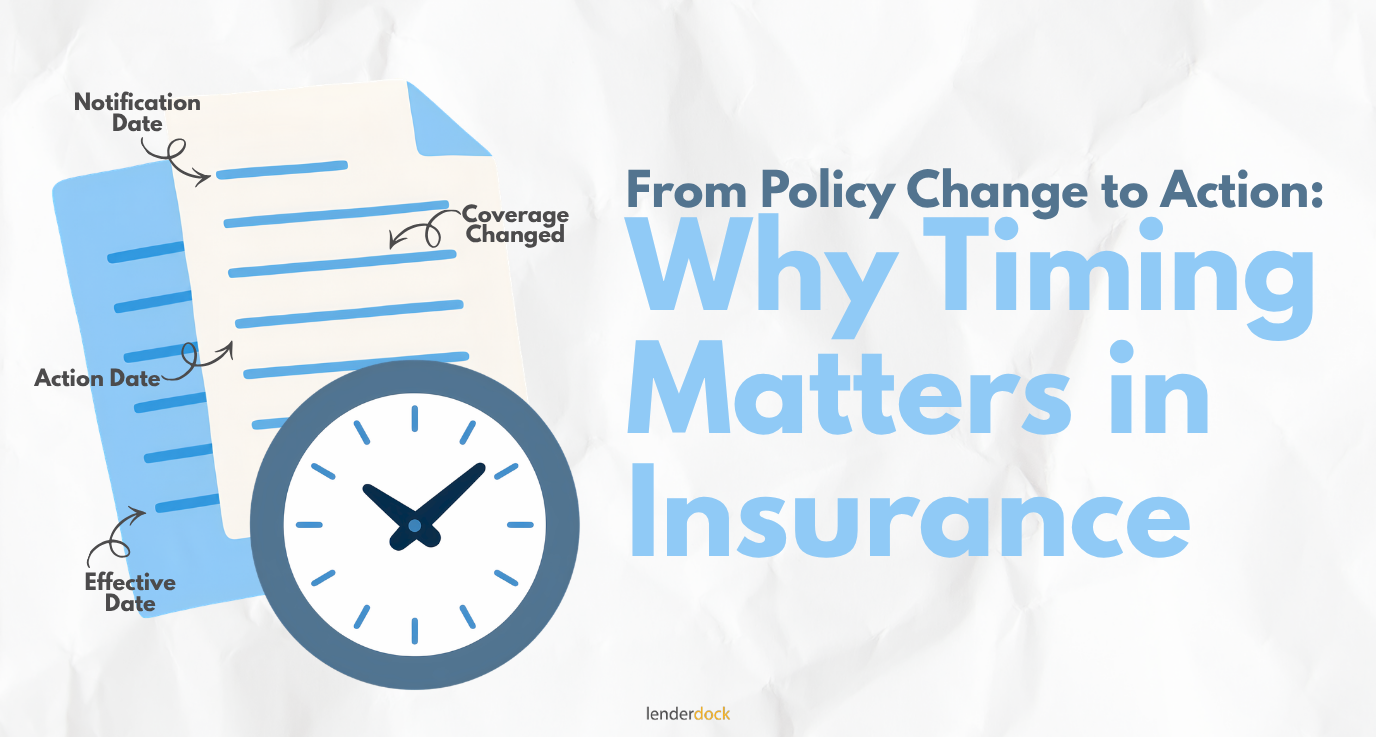
We’ve heard people in mortgage servicing use verification and tracking as if they’re interchangeable, and honestly, for a lot of daily work, treating them that way doesn’t break anything.
A two-day lag between a policy change and everyone finding out about it used to be annoying, not dangerous. Someone made a call, waited, got an answer, and moved on with their day.
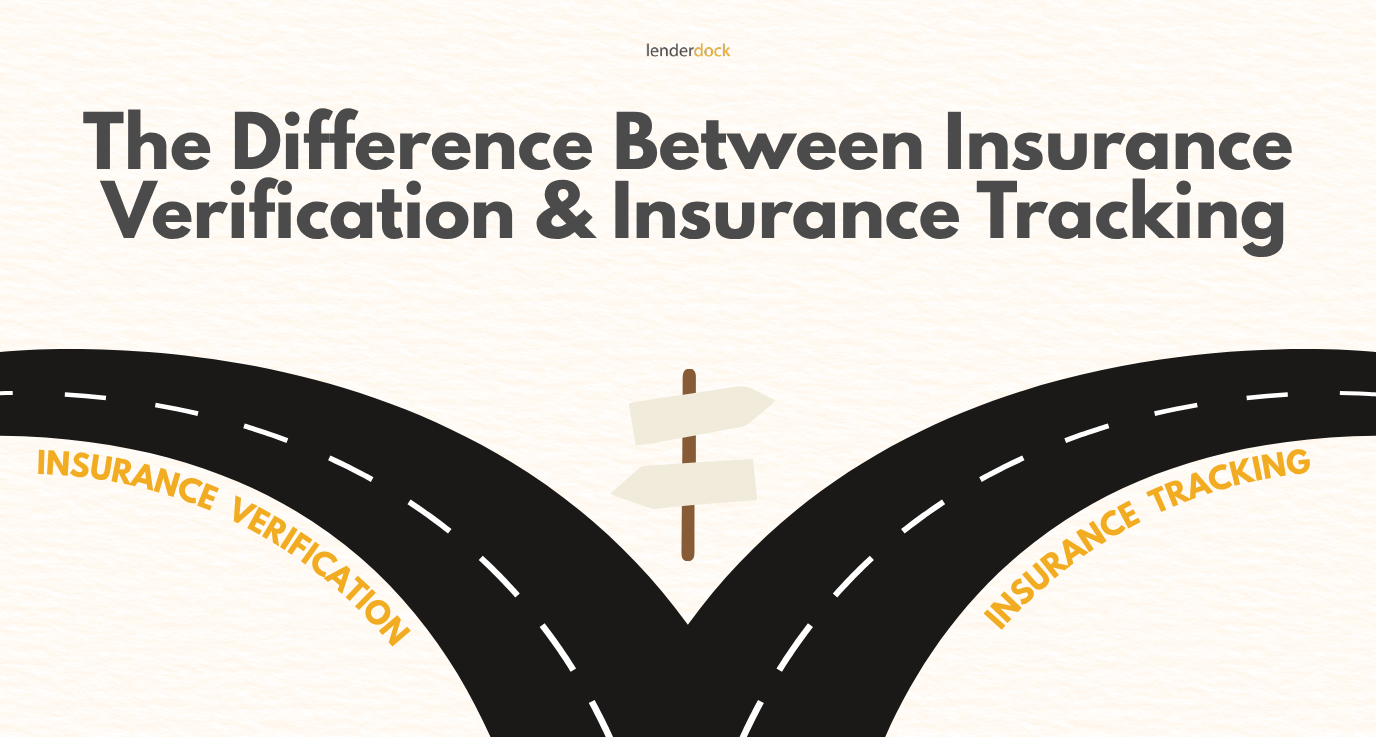
We’ve heard people in mortgage servicing use verification and tracking as if they’re interchangeable, and honestly, for a lot of daily work, treating them that way doesn’t break anything.
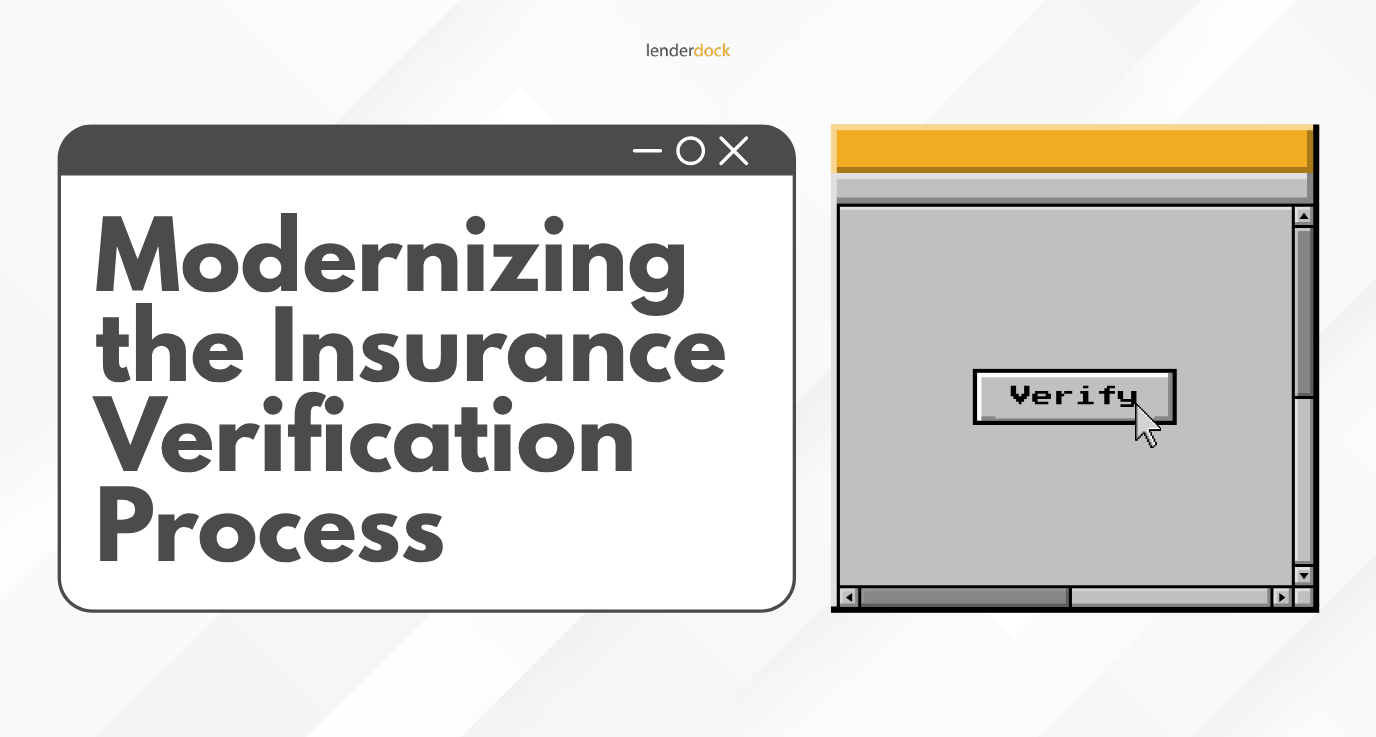
Insurance verification is a routine part of the lending and insurance process. A lender needs to know whether a policy is active. A mortgage servicer may need to confirm coverage or mortgagee information. An insurance…
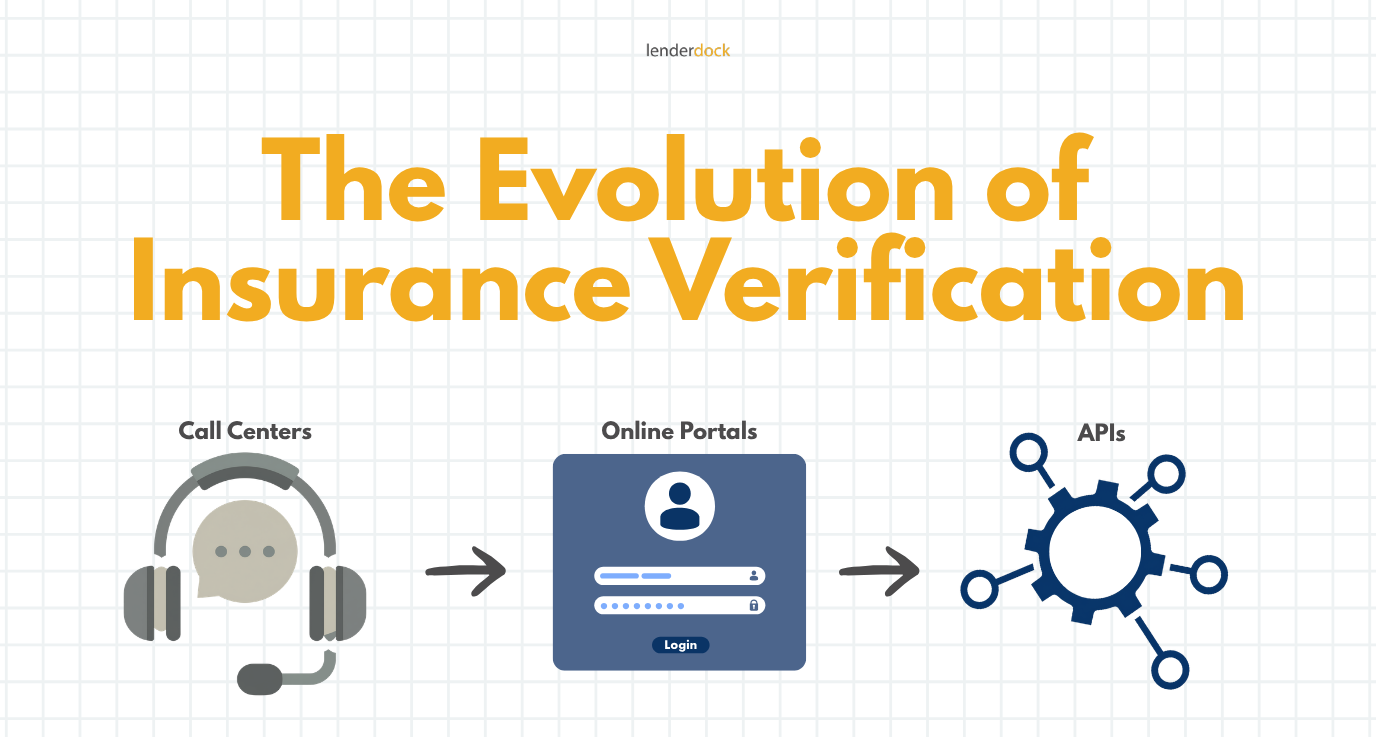
In the earliest version of insurance verification, the person answering the phone actually had to know things. They pulled a physical file, checked handwriting against a ledger, and made a judgment call about whether what…

Two insurers can each have perfectly accurate, well-maintained policy databases and still fail to exchange a single piece of usable data between them.
Every single day, insurance workers face a mountain of simple questions. Are they tired of answering the same questions about policy coverage all day long? Yes, they are. When banks or lenders need to check…
A title company closing a home sale needs to confirm the seller’s policy is active before the deal can move. An auto lender needs the same thing before releasing funds on a car loan. A…
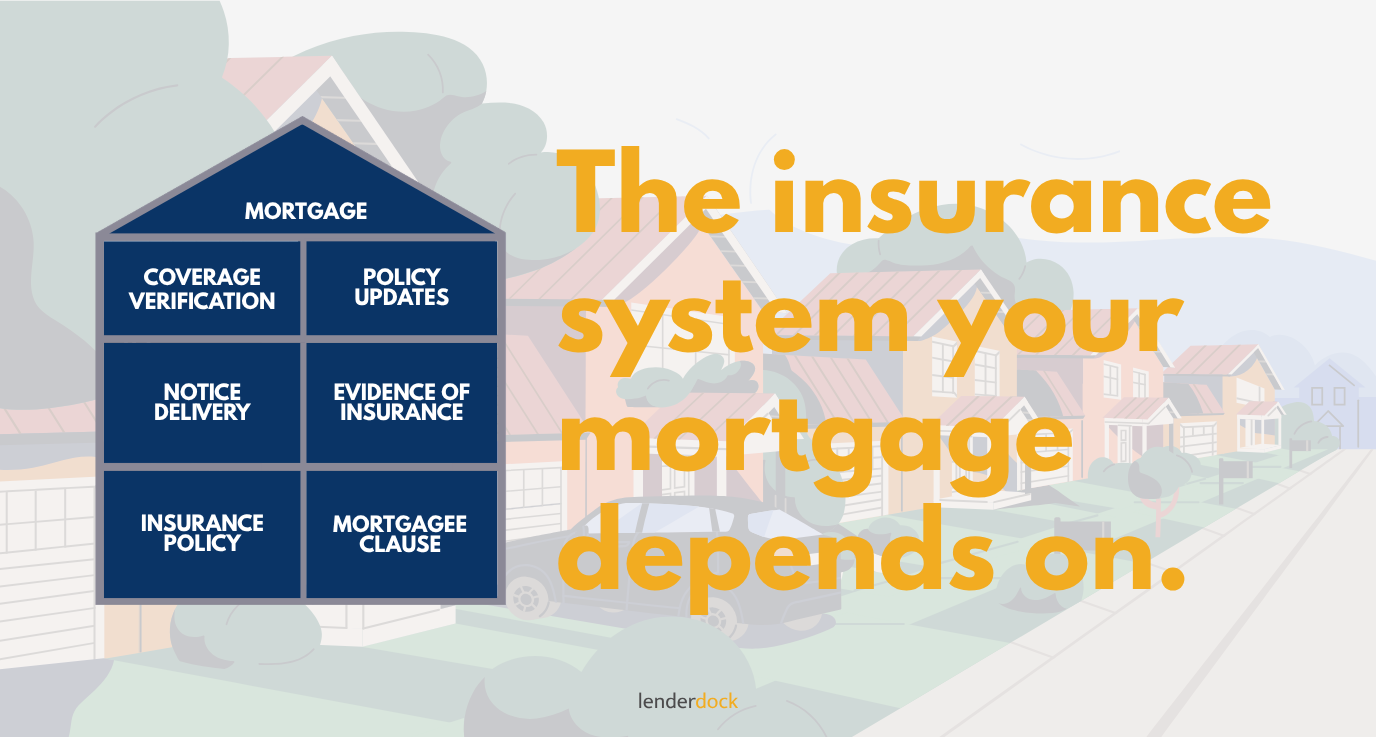
Most people who take out a mortgage never think about insurance as part of the loan itself. It feels adjacent, a separate purchase, something the lender requires but does not really participate in beyond checking…
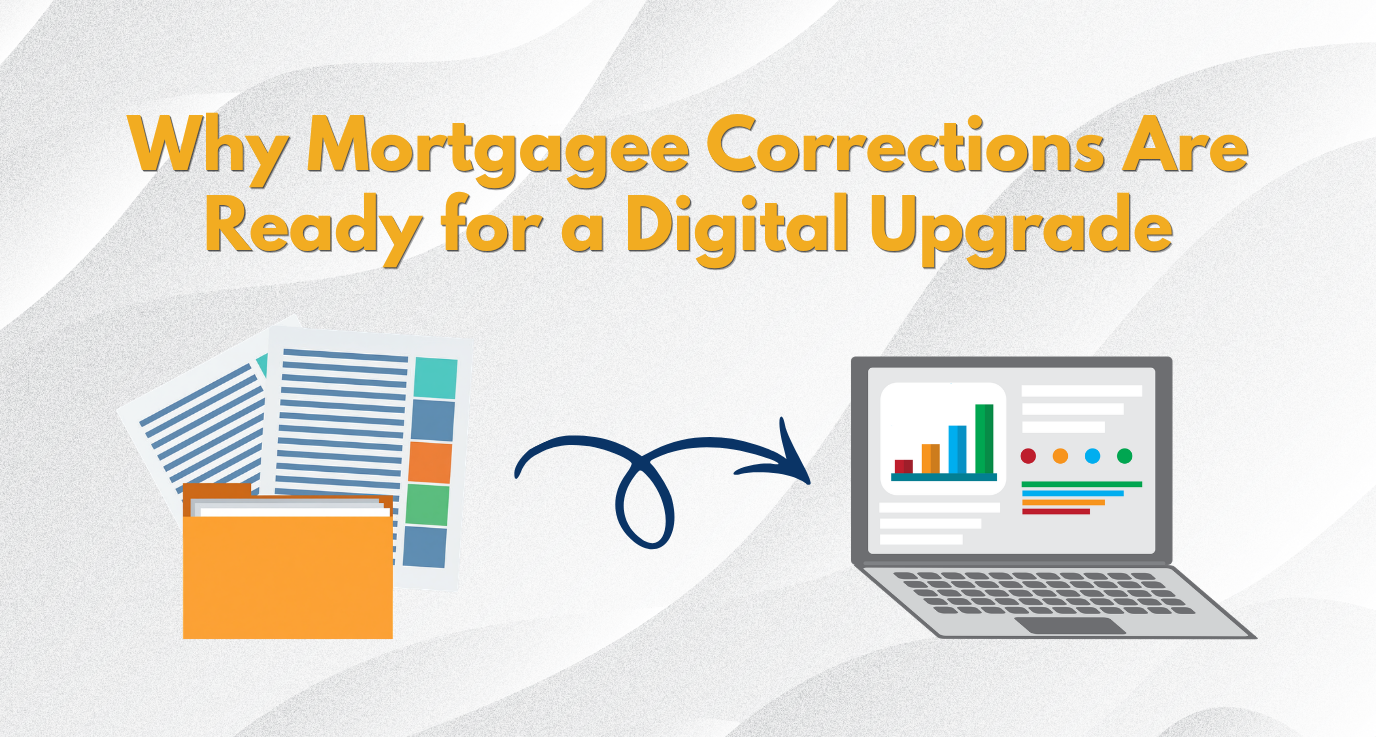
Mortgagee corrections are a routine part of insurance servicing, but the process behind them is often anything but simple. A lender may find that the mortgagee’s name or address on a policy is out of…


We consectetur adipiscing elit tempor incididunt ut labore. Wondering ipsum dolor sit amet? We consectetur adipiscing ipsum nulla glavrida elit tempor incididunt.