From Policy Change to Action: Why Timing Matters in Insurance
We’ve heard people in mortgage servicing use verification and tracking as if they’re interchangeable, and honestly, for a lot of daily work, treating them that way doesn’t break anything.


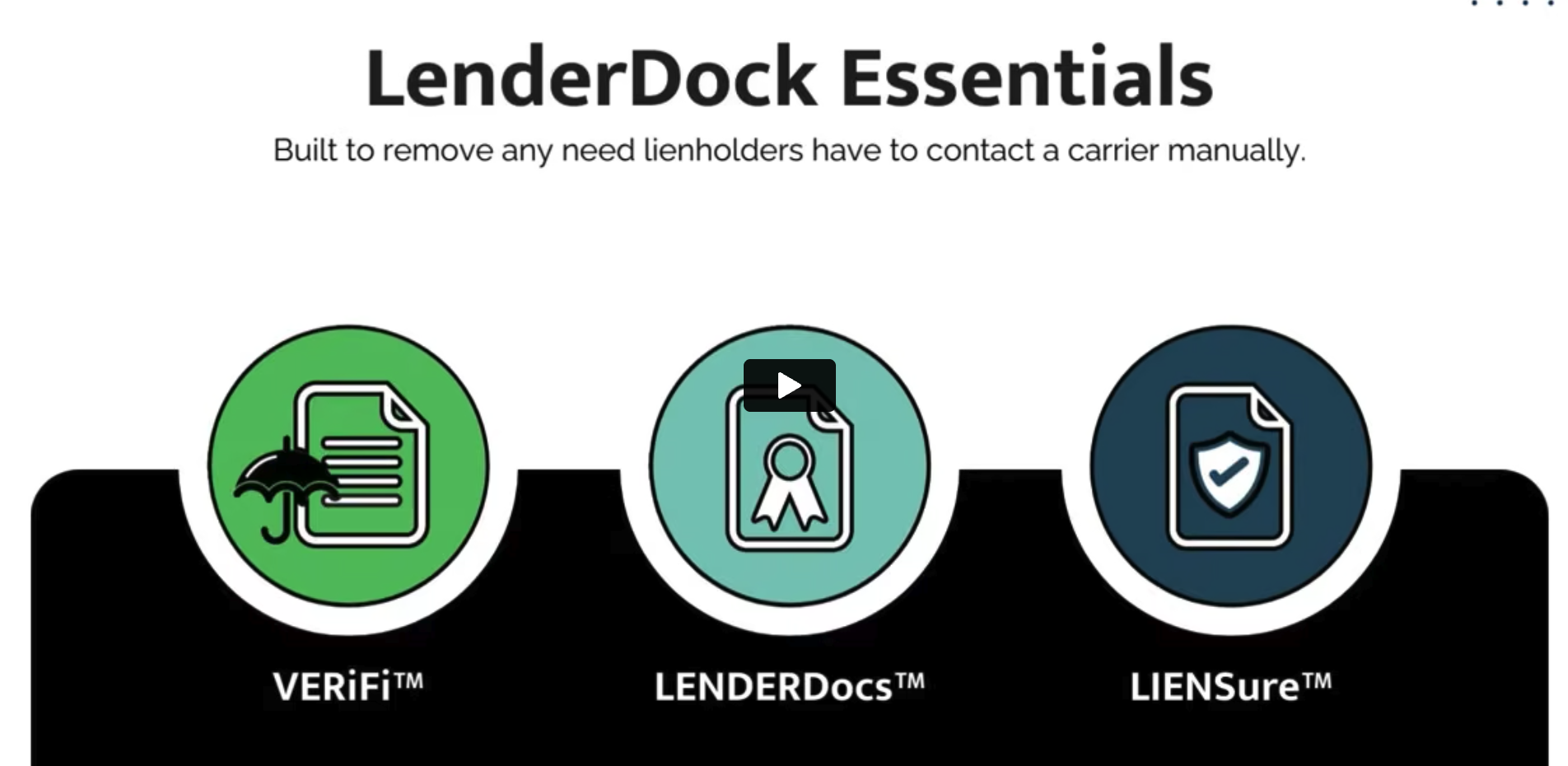
LenderDock provides real-time, insurance policy details through its magical web portal or its APIs.

LIENSure sends corrections digitally, straight from the financial source of truth and in bulk for easy processing.

ESCROWPay verifies what’s actually due before the money moves, then sends the payment and reconciliation data digitally.

NOTiFi delivers required policy, coverage, and billing notices in the formats lienholders actually use
At least check out the genesis of LenderDock Video. It’ll all make sense, the eco-system, that is.
Learn more about our great leadership team and our amazing, people-first, company culture.
There’s a lot going on at LenderDock and in our industries. We threw it all here to make it easier to keep up.
We go to a lot of events and we love to eat. See our calendar of where we’ll be.
New webinars will be coming quite frequently. Educational, success, and sales.
The Covid epidemic has had a huge impact on the insurance industry’s technological strategy, according to a new special report by AM Best.
However, the pandemic sharpened the industry’s focus on innovation, according to the rating agency. Property and casualty (P&C) insurers have traditionally concentrated on data.
Businesses can become even more data-driven through digitization, and predictive modeling gives insurers a competitive advantage as they work to set premiums that are in line with the actual underlying risk.
According to the AM Best research, “ultimately, Covid led to a sense of urgency for digital transformation.”
The industry’s perspective of what is feasible has changed in the wake of Covid, particularly for product categories like home and motor that are becoming more integrated with Internet of Things gadgets that monitor driving behavior and water leakage in houses.
According to AM Best, the requirement to adopt remote processes has given energy to boost insurers’ digital literacy and launch initiatives to update procedures and systems. These processes range from consumer engagement to claims assessment to remote personnel.
All insurance segments and lines of business are experiencing a transformation in their underwriting capabilities due to the explosion of data and increasingly sophisticated telematics. Particularly regarding small business and personal motor lines, this is the case.
According to AM Best, the more creative players are utilizing machine learning and data sources to improve underwriting capabilities by looking beyond normal automation.
In an effort to actualize a future in which the majority of policies go through straight-through processing, the most forward-thinking carriers are continually experimenting, according to AM Best.
Innovative insurers have also used data analytics to create more specialized goods and services for new risks, like the developing cyber insurance sector.
The reinsurance industry, according to the research, tops the industry in terms of innovation. Because they are one or more steps removed from the final policyholder, it is highlighted that they have had to grow in disciplines including enterprise management, portfolio development, and risk accumulation.
“This has become evident recently with the series of losses due to significant natural catastrophic storm activity, which has been exacerbated by secondary perils and heightened inflation,” AM Best says.
To remain sustainable, significant, and prosperous, insurers have been forced to develop an inventive culture in response to the ongoing challenges posed by these high severity events and competitive pressures.
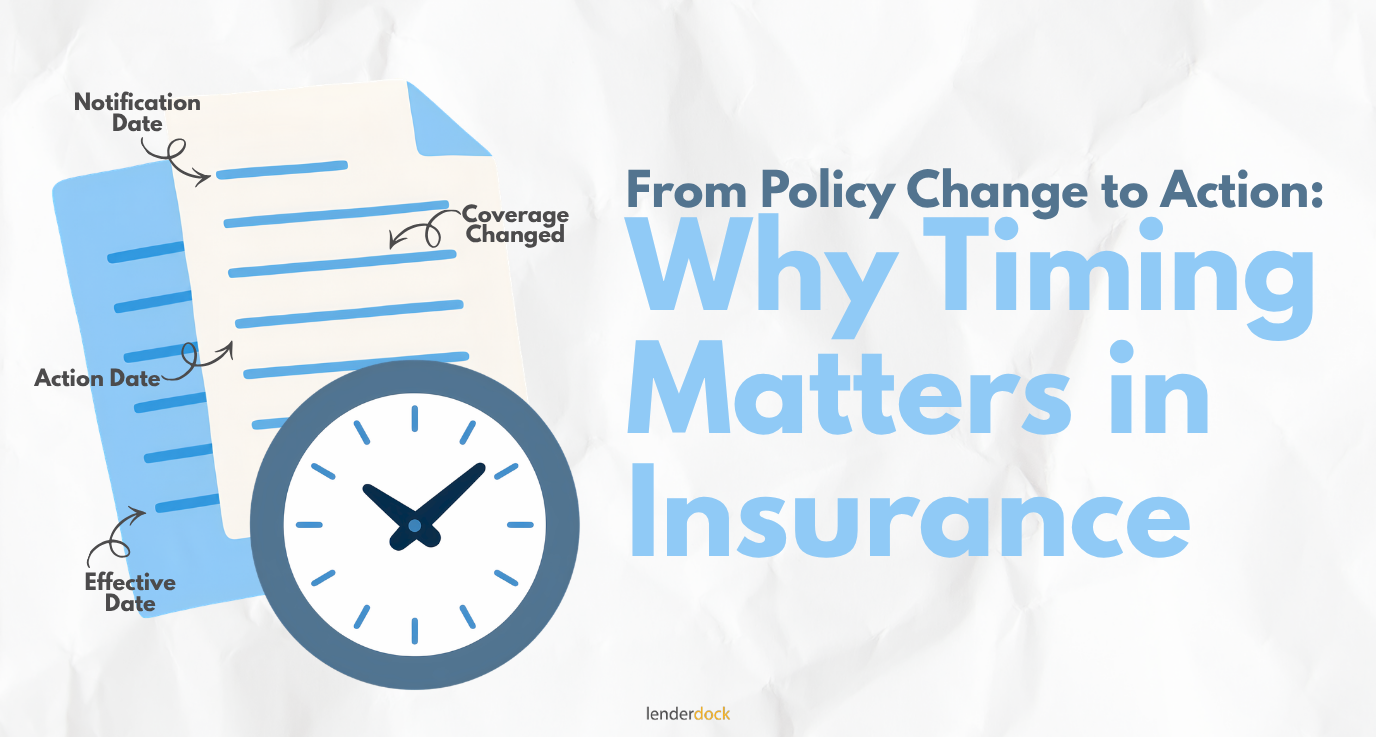
We’ve heard people in mortgage servicing use verification and tracking as if they’re interchangeable, and honestly, for a lot of daily work, treating them that way doesn’t break anything.
A two-day lag between a policy change and everyone finding out about it used to be annoying, not dangerous. Someone made a call, waited, got an answer, and moved on with their day.
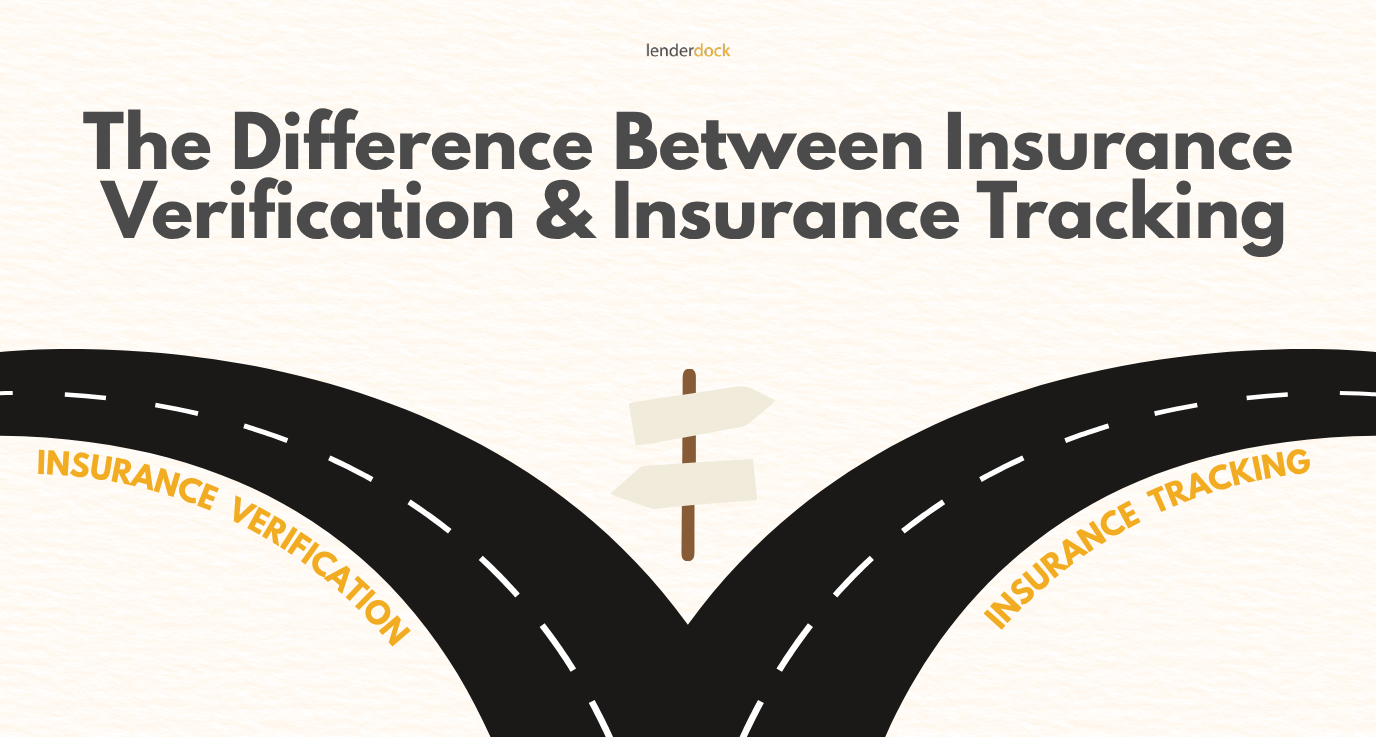
We’ve heard people in mortgage servicing use verification and tracking as if they’re interchangeable, and honestly, for a lot of daily work, treating them that way doesn’t break anything.
Insurance verification is a routine part of the lending and insurance process. A lender needs to know whether a policy is active. A mortgage servicer may need to confirm coverage or mortgagee information. An insurance…
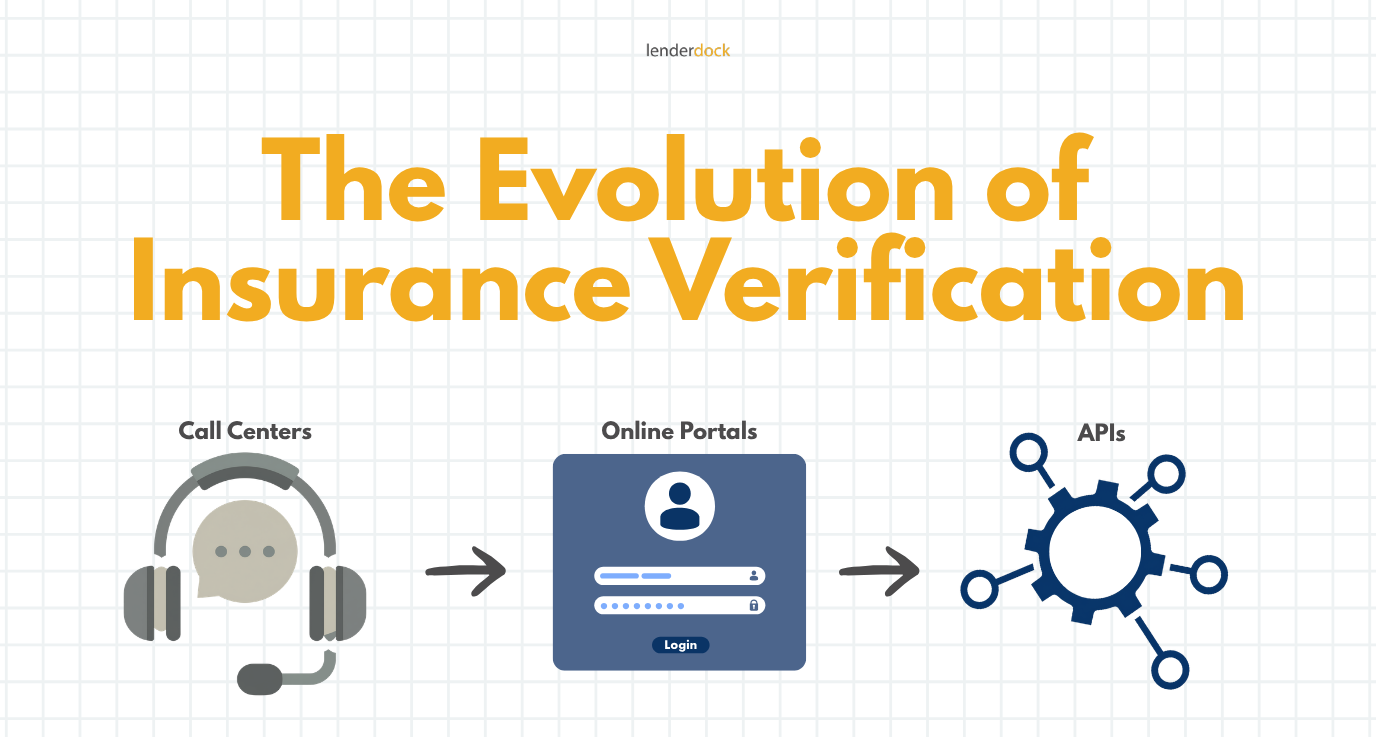
In the earliest version of insurance verification, the person answering the phone actually had to know things. They pulled a physical file, checked handwriting against a ledger, and made a judgment call about whether what…
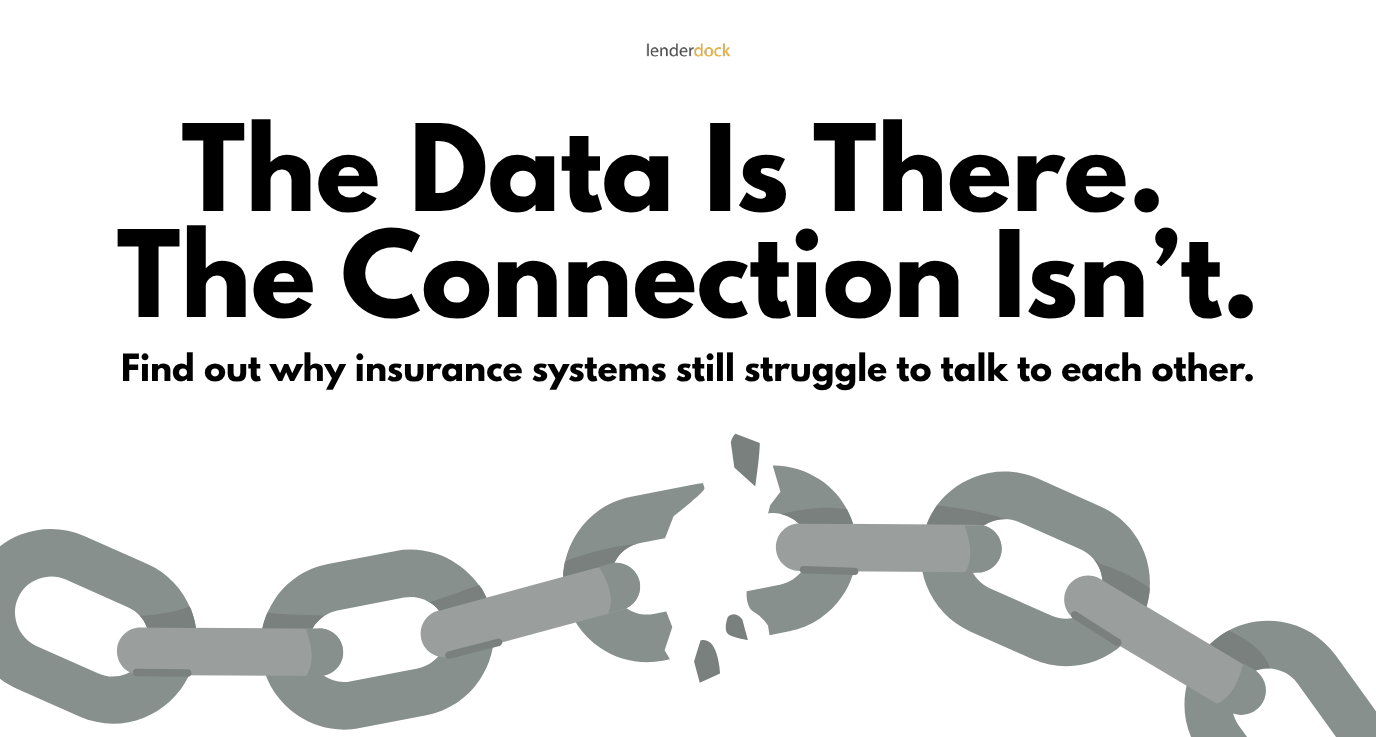
Two insurers can each have perfectly accurate, well-maintained policy databases and still fail to exchange a single piece of usable data between them.
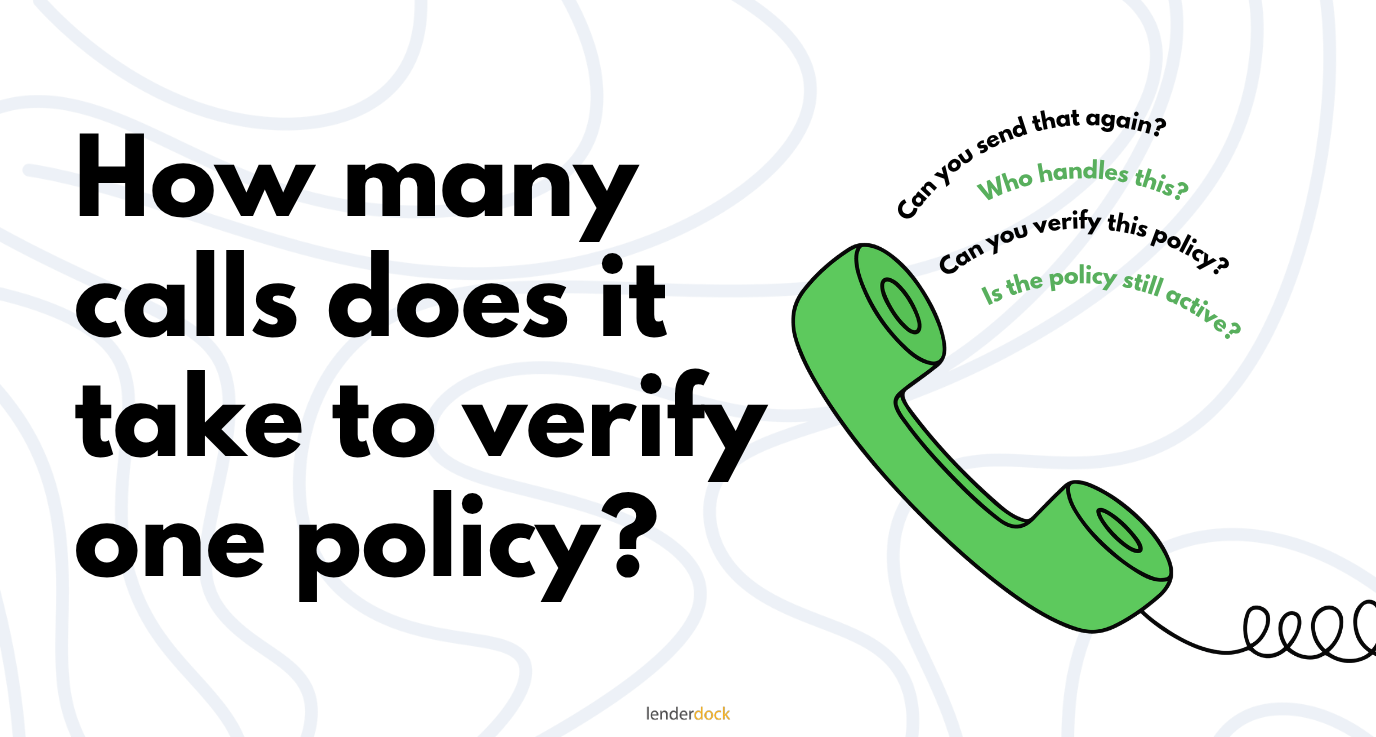
Every single day, insurance workers face a mountain of simple questions. Are they tired of answering the same questions about policy coverage all day long? Yes, they are. When banks or lenders need to check…
A title company closing a home sale needs to confirm the seller’s policy is active before the deal can move. An auto lender needs the same thing before releasing funds on a car loan. A…
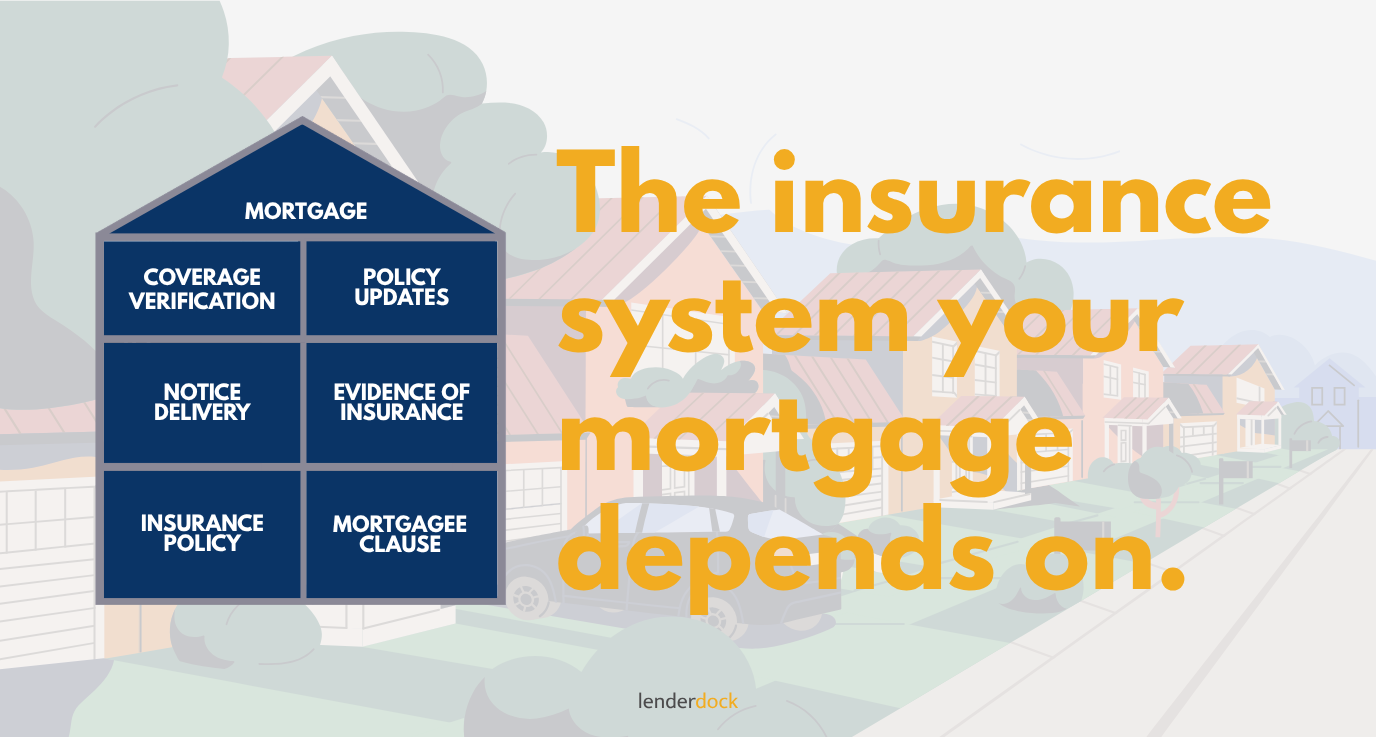
Most people who take out a mortgage never think about insurance as part of the loan itself. It feels adjacent, a separate purchase, something the lender requires but does not really participate in beyond checking…
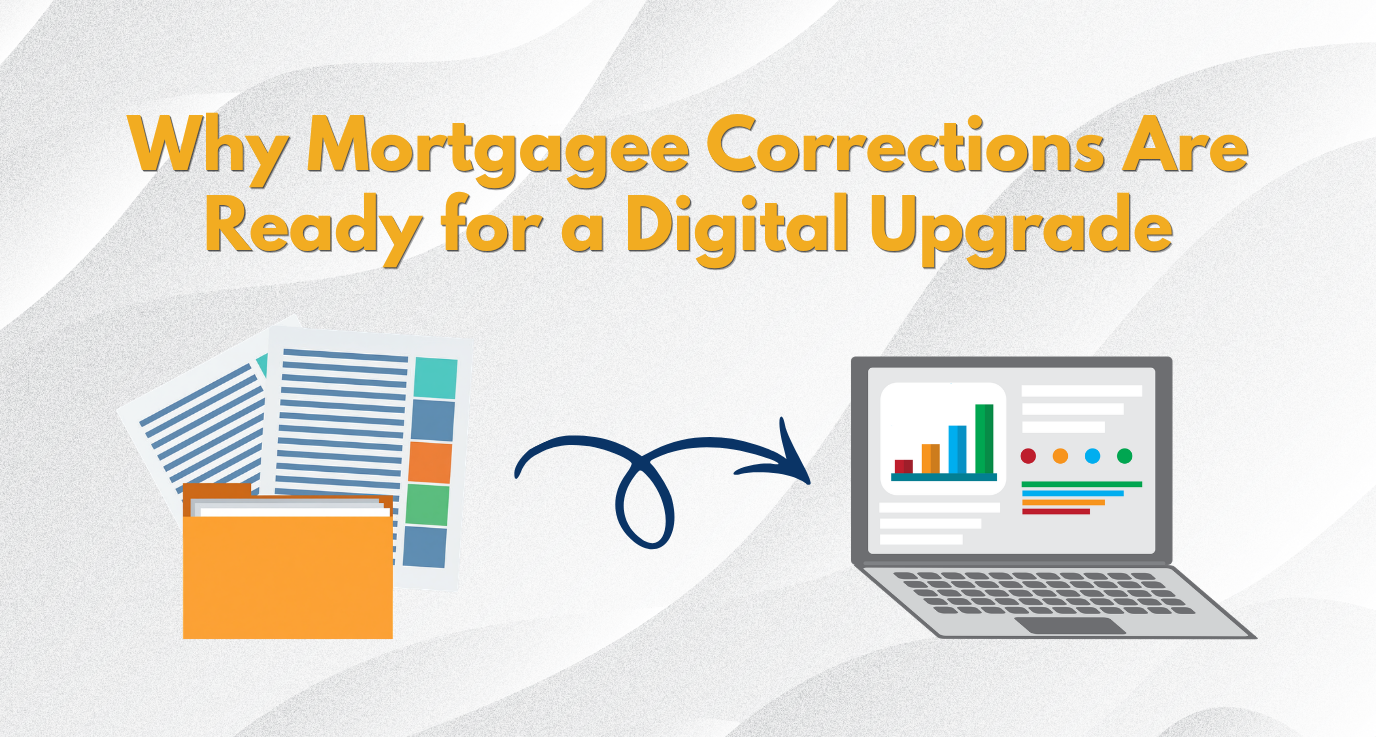
Mortgagee corrections are a routine part of insurance servicing, but the process behind them is often anything but simple. A lender may find that the mortgagee’s name or address on a policy is out of…


We consectetur adipiscing elit tempor incididunt ut labore. Wondering ipsum dolor sit amet? We consectetur adipiscing ipsum nulla glavrida elit tempor incididunt.