From Policy Change to Action: Why Timing Matters in Insurance
We’ve heard people in mortgage servicing use verification and tracking as if they’re interchangeable, and honestly, for a lot of daily work, treating them that way doesn’t break anything.


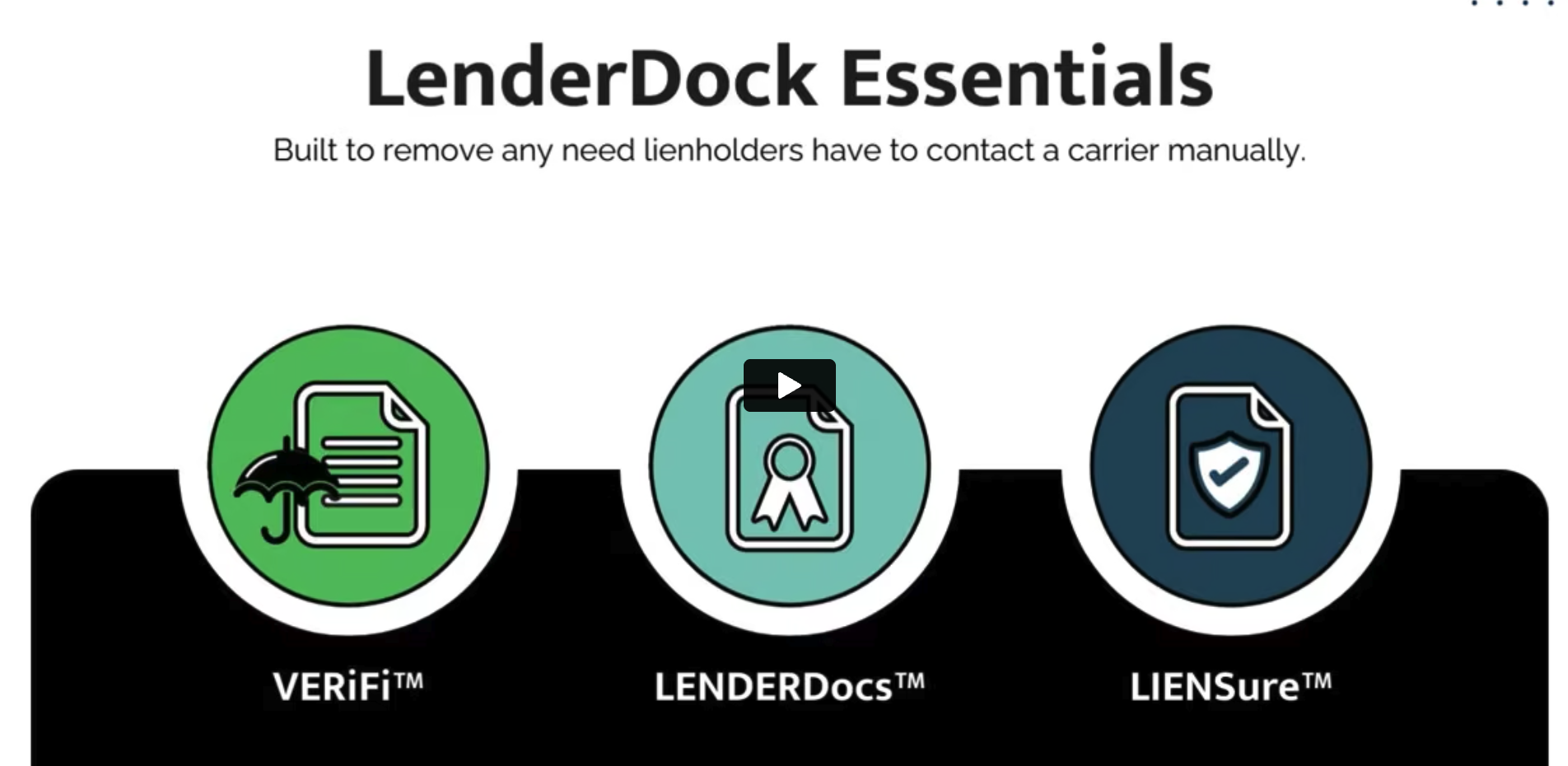
LenderDock provides real-time, insurance policy details through its magical web portal or its APIs.

LIENSure sends corrections digitally, straight from the financial source of truth and in bulk for easy processing.

ESCROWPay verifies what’s actually due before the money moves, then sends the payment and reconciliation data digitally.

NOTiFi delivers required policy, coverage, and billing notices in the formats lienholders actually use
At least check out the genesis of LenderDock Video. It’ll all make sense, the eco-system, that is.
Learn more about our great leadership team and our amazing, people-first, company culture.
There’s a lot going on at LenderDock and in our industries. We threw it all here to make it easier to keep up.
We go to a lot of events and we love to eat. See our calendar of where we’ll be.
New webinars will be coming quite frequently. Educational, success, and sales.
As consumers shift their spending to explore new technological advances, the insurance sector is feeling the heat. Meanwhile, InsurTech startups are affording customers a more straightforward process of finding and buying insurance products online. To remain lucrative in this climate, insurers must anticipate change and wholeheartedly embrace it.
As digital technology becomes the new standard, what is in store for insurance leaders? Here in Part Two, we will discuss the final 8 of 16 digital evolution trends that are set to shape the future of the insurance industry over the next several years.
Usage-based insurance (UBI) is a revolutionary form of coverage that assesses customers’ premiums based on their real usage, in contrast to an assumed estimate. The most popular type of UBI is pay-as-you-drive insurance, which bases billing around the number of miles driven by the consumer.
UBI is gaining traction as a viable alternative to regular car insurance for infrequent drivers. Moreover, it can be used to motivate customers to adjust their driving practices in order to reduce the risk of crashes and other accidents on the road.
For instance, certain insurers provide rebates to customers who utilize telematics gadgets that monitor their driving behaviors and prove they are reliable drivers.
Telematics is a data-driven technology that tracks the movements and activities of vehicles, making it increasingly popular among insurance companies looking to gain insights into their customers’ driving behaviors.
Telematics-based insurance is becoming more popular as companies seek to deliver highly customized pricing options for their customers. By gathering data on each customer’s driving habits and times of operation, insurers can accurately gauge the risk level associated with that person – which in turn allows them to offer tailored premiums at competitive rates.
Furthermore, telematics can help to uncover suspicious behavior. For instance, if an insured driver is suspected of driving recklessly with the intention of causing a crash, their insurance policy could be revoked.
As technology advances, so does workplace culture.
Working remotely has been a rarity for many years, yet it appears that even post-pandemic the culture of telecommuting will endure.
As per a survey conducted by BloombergQuint, there seems to be an evident rise in the number of workers who refuse to return back to full-time office work. In fact, more than one-quarter of those surveyed indicated they will continue working remotely for at least half the time even after the pandemic has ended.
To stay afloat in the post-pandemic world, insurers must arm their staff with the tools to work remotely. Paperwork and manual processes are no longer viable options; even prior to COVID-19 they were quickly becoming relics of a bygone era. Now more than ever, digital solutions that require minimal physical contact between employees (with some exceptions) are paramount for business continuity.
Paperwork has been a long-standing annoyance in the insurance industry, but this is no longer justifiable. Insurers must take action to improve customer experience and put an end to cumbersome forms that are time-consuming and inefficient. It’s high time they seek out practical solutions for simplifying paperwork processes so customers have better experiences when applying for coverage.
According to a recent study conducted by Bain & Company, insurance companies on average only collect 60% of the necessary information required for underwriting. Consequently, 40% of this data is either never acquired or accumulated too late in the cycle.
Not only does this cause customer distress, but it leaves insurers vulnerable to heightened regulatory threats. In today’s digital world, insurance providers require the capacity to quickly gather, examine and act on data for optimal performance.
That is where digital customer data intake proves invaluable.
As digital forms and eSignatures become the norm, customers are expecting to be able to do nearly all their business with insurers remotely. This includes opening accounts, making payments, and renewing policies – all done online!
By transitioning how they gather customer data and signatures, insurers can maximize efficiency, bolster client satisfaction and cut down on regulatory risks.
Innovative strategies for minimizing risk
The insurance industry is increasingly integrating Internet of Things (IoT) technology into their risk assessment and underwriting processes, enabling them to make the leap from traditional methods of protecting against risks to actively preventing them. By leveraging cutting-edge digital advancements in this manner, insurers can stay ahead of potential threats and maximize customer service efforts.
Leveraging the power of predictive analytics, insurance companies are able to more accurately forecast risk and fine-tune their product prices. This innovative form of artificial intelligence is revolutionizing the industry by providing greater insight into potential future events.
To illustrate, insurers can adjust their product prices according to a customer’s probability of having an accident due to peak times or environmental factors.
The IoT revolutionizes the insurance industry by providing instantaneous, precise data that enhance risk assessment accuracy. Additionally, it empowers policyholders with accurate pricing information to better assess their coverage needs.
Nevertheless, numerous obstacles exist when it comes to integrating IoT for risk assessment. One of the most prominent is analytics. The data provided by IoT is real-time – unfortunately, this type of analytics can be quite inadequate. To meet demand in the market and keep up with innovation, a surge in growth related to developing better analytical techniques has been observed lately; however, more research still needs to take place if we want efficient results from our efforts on these sorts of projects.
By utilizing Artificial Intelligence, the insurance industry is taking a giant leap forward. AI-based tools are revolutionizing how operations and claims settlement teams operate, providing innovative solutions that can drastically improve efficiency within their respective fields.
Machine Learning brings forth much more than just claims to process; it can revolutionize the entire process. Owing to the digitization of all documents, AI algorithms can quickly analyze them and eliminate any manual processes completely. With Machine Learning in the picture, insurers are granted a plethora of new possibilities and opportunities for streamlining their operations with accuracy and efficiency.
By integrating machine learning and AI technologies, we can drastically enhance processing speed and accuracy in policy administration as well as risk assessment. For this reason, these cutting-edge tools will continue to gain traction among businesses for their sophisticated risk evaluation capabilities.
As the insurance industry evolves and welcomes digital-first insurers, tech behemoths, and creative startups to its ranks, it is undergoing an exciting transformation. This shift away from traditional conservatism towards a more dynamic landscape of opportunity has propelled insurance into unprecedented growth.
The insurance sector is witnessing a marked transformation in the way leaders and experts think. It’s becoming more evident that innovation is essential for success, leading to an evolution from a conservative framework into one centered on data-driven digital advancement.
It is evident that we are progressing towards more advanced technologies, delivering a superior experience for both customers and employees alike, while also providing increased agility in our operations. We will apply modern technology to long-standing insurance issues like risk assessment claims processing and policy sales with unprecedented results.
An unstoppable urge for swiftness
The insurance industry is in a state of flux, with new competitors and products emerging at an accelerated pace. To remain competitive, incumbents must keep up by developing, launching, and scaling innovative solutions quickly—before the competition makes its move. Staying ahead requires that they act faster than ever before to stay relevant in this rapidly changing environment.
In order to remain competitive in the market, it is imperative that insurers modernize their strategies by utilizing technologies and processes that will enable them to stay ahead of the game. With agile approaches and innovative solutions, they can maximize efficiency while staying on top of current trends.
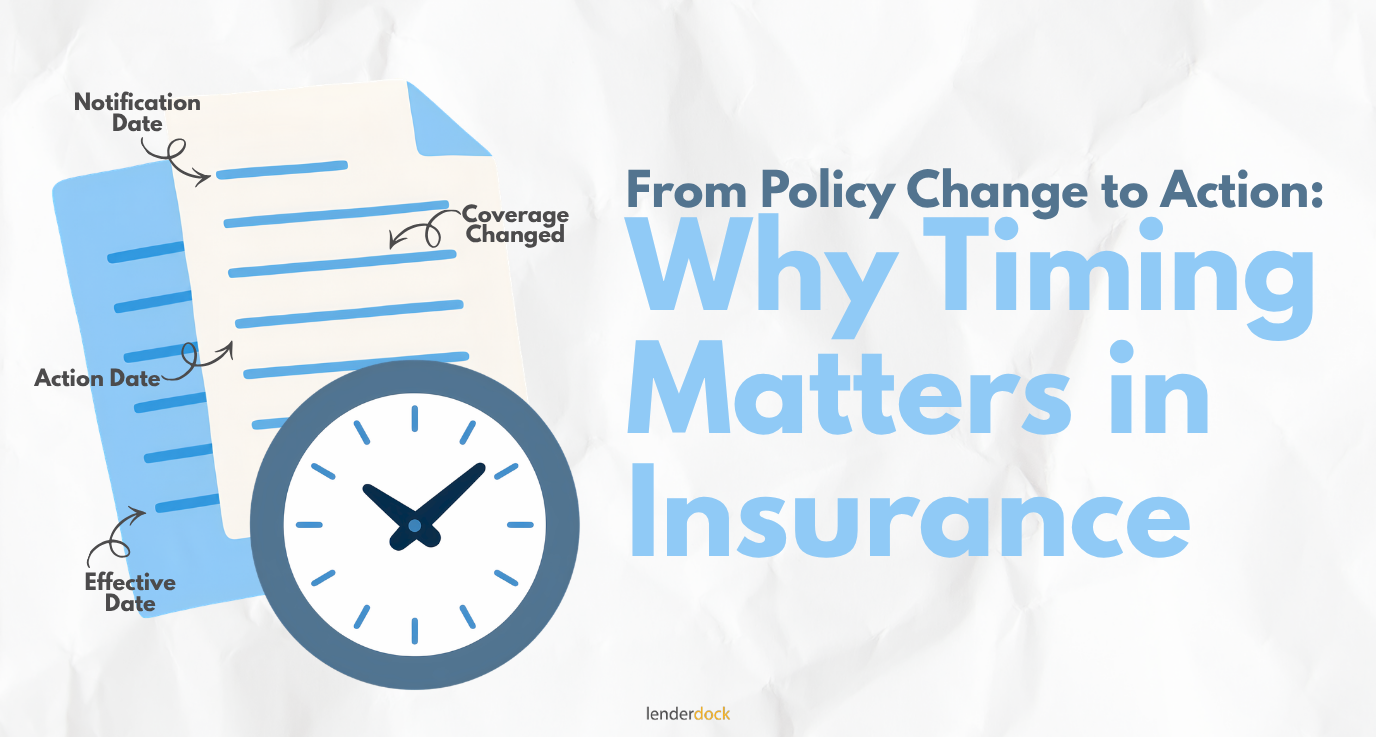
We’ve heard people in mortgage servicing use verification and tracking as if they’re interchangeable, and honestly, for a lot of daily work, treating them that way doesn’t break anything.
A two-day lag between a policy change and everyone finding out about it used to be annoying, not dangerous. Someone made a call, waited, got an answer, and moved on with their day.
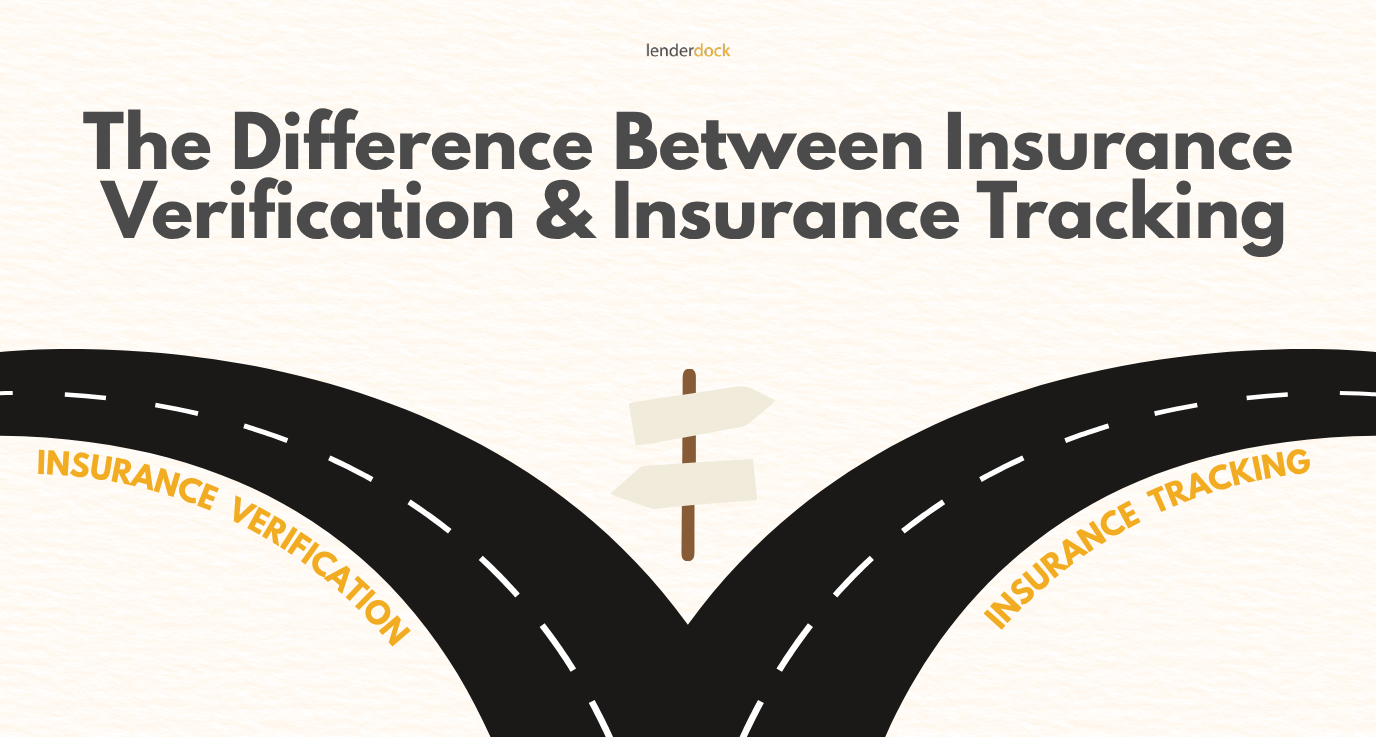
We’ve heard people in mortgage servicing use verification and tracking as if they’re interchangeable, and honestly, for a lot of daily work, treating them that way doesn’t break anything.

Insurance verification is a routine part of the lending and insurance process. A lender needs to know whether a policy is active. A mortgage servicer may need to confirm coverage or mortgagee information. An insurance…
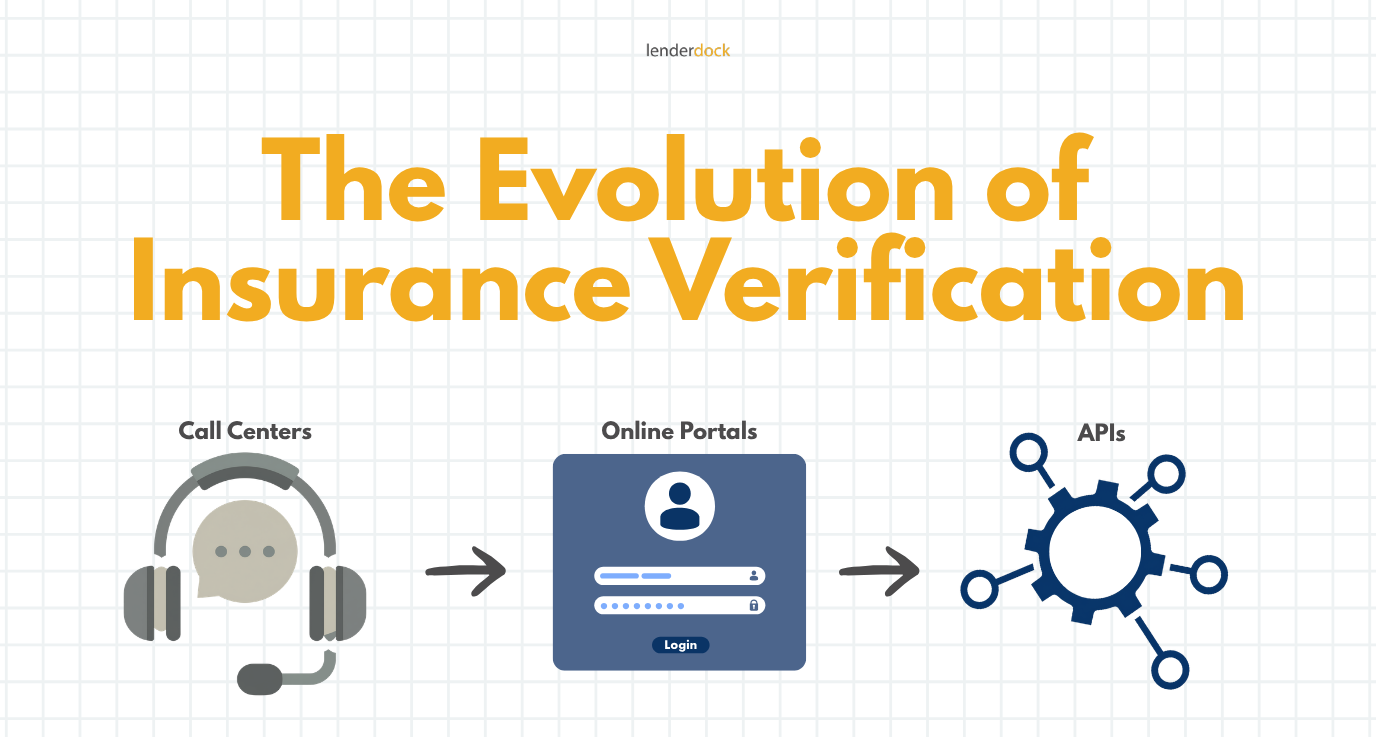
In the earliest version of insurance verification, the person answering the phone actually had to know things. They pulled a physical file, checked handwriting against a ledger, and made a judgment call about whether what…
Two insurers can each have perfectly accurate, well-maintained policy databases and still fail to exchange a single piece of usable data between them.
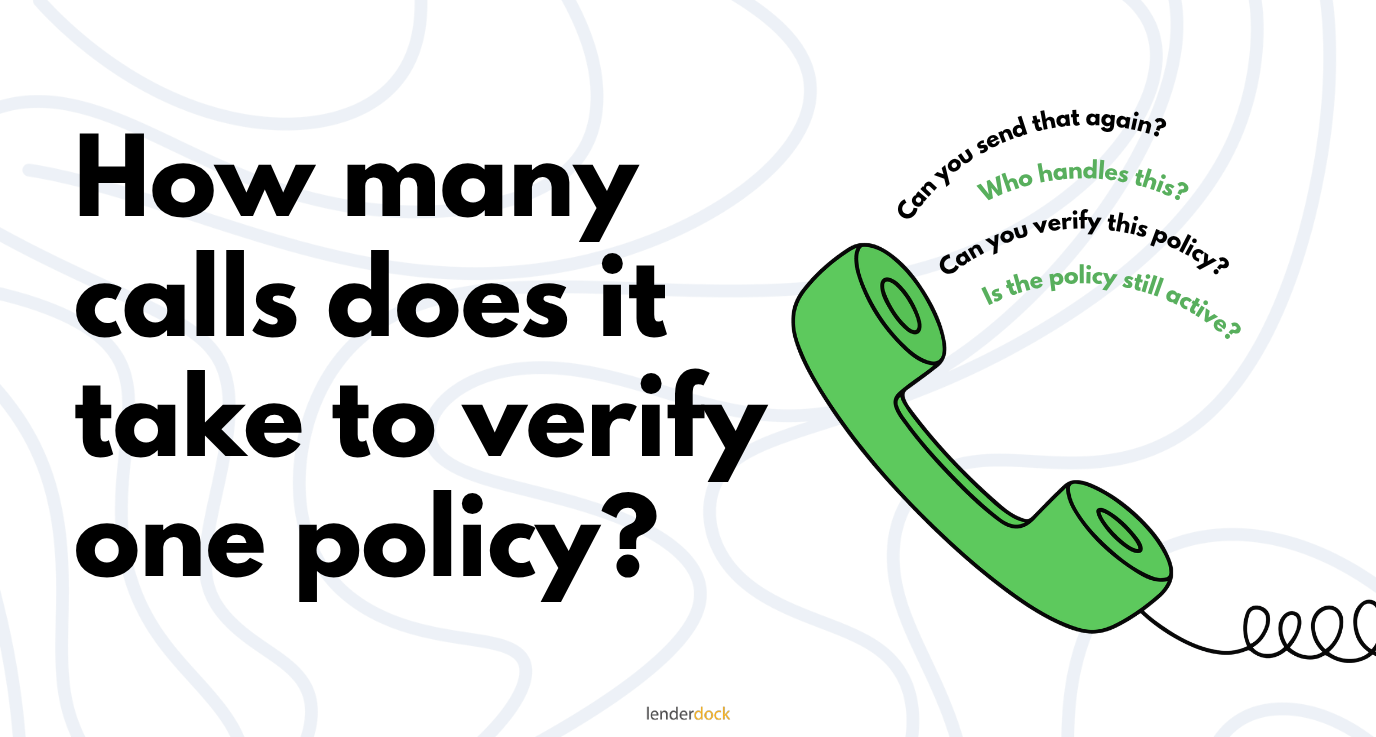
Every single day, insurance workers face a mountain of simple questions. Are they tired of answering the same questions about policy coverage all day long? Yes, they are. When banks or lenders need to check…
A title company closing a home sale needs to confirm the seller’s policy is active before the deal can move. An auto lender needs the same thing before releasing funds on a car loan. A…
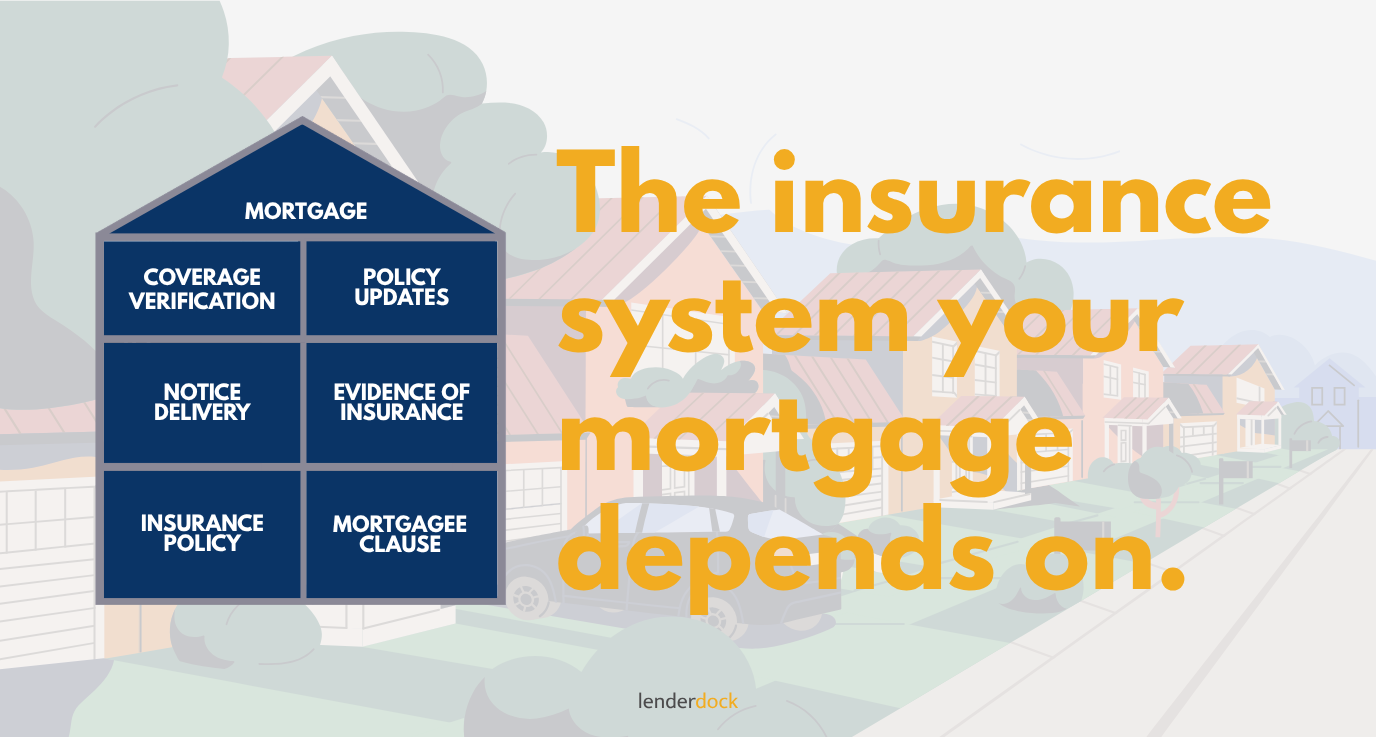
Most people who take out a mortgage never think about insurance as part of the loan itself. It feels adjacent, a separate purchase, something the lender requires but does not really participate in beyond checking…
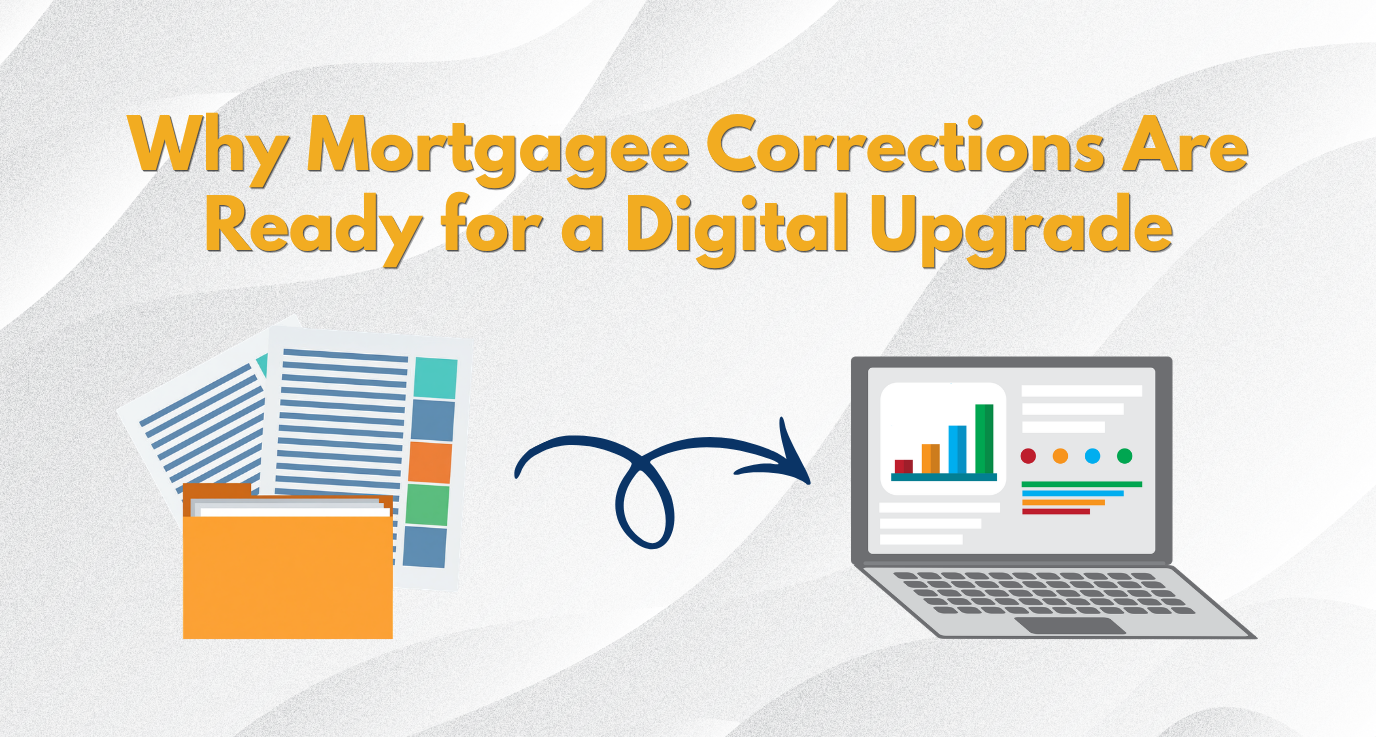
Mortgagee corrections are a routine part of insurance servicing, but the process behind them is often anything but simple. A lender may find that the mortgagee’s name or address on a policy is out of…


We consectetur adipiscing elit tempor incididunt ut labore. Wondering ipsum dolor sit amet? We consectetur adipiscing ipsum nulla glavrida elit tempor incididunt.