From Policy Change to Action: Why Timing Matters in Insurance
We’ve heard people in mortgage servicing use verification and tracking as if they’re interchangeable, and honestly, for a lot of daily work, treating them that way doesn’t break anything.


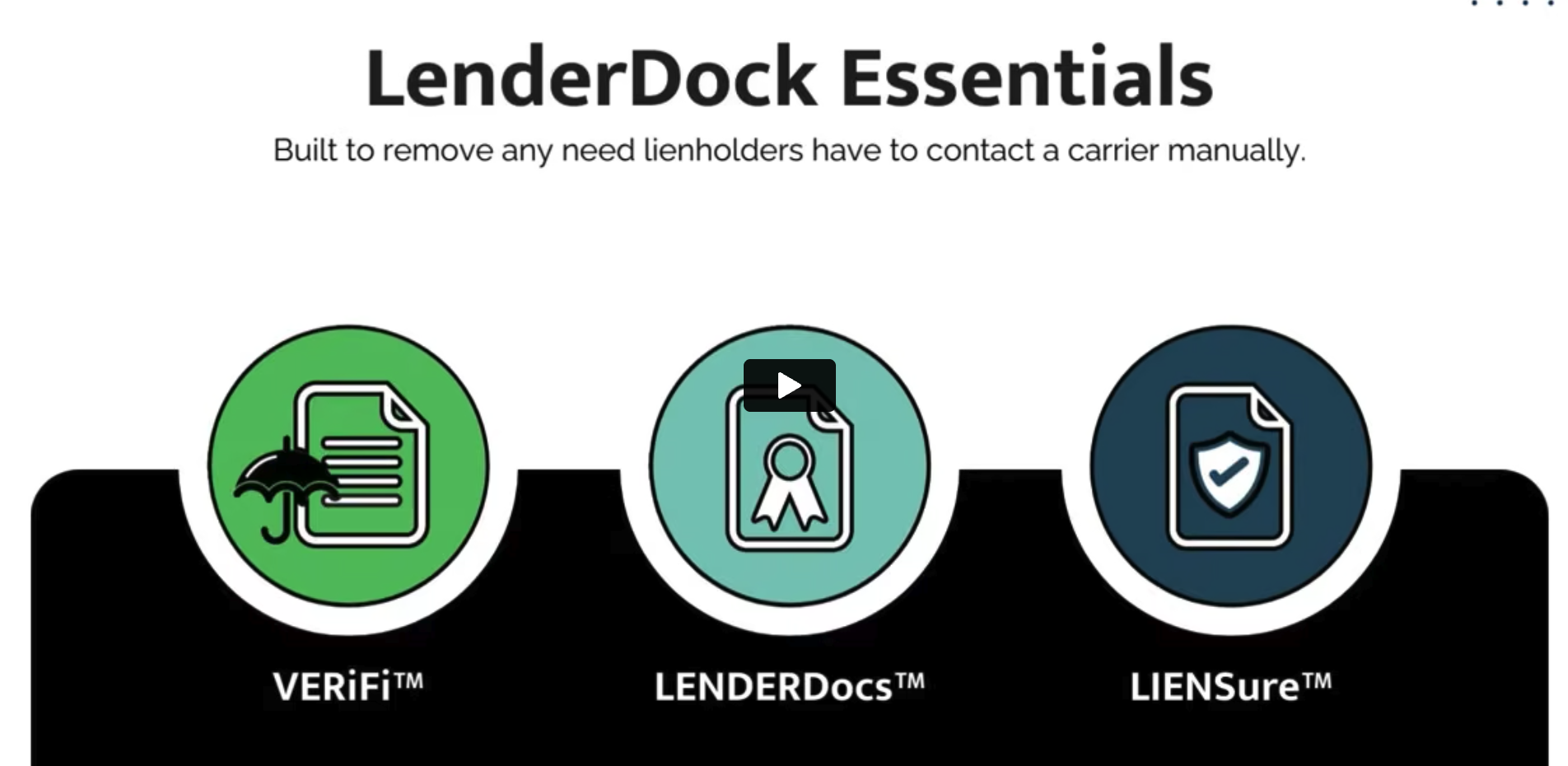
LenderDock provides real-time, insurance policy details through its magical web portal or its APIs.

LIENSure sends corrections digitally, straight from the financial source of truth and in bulk for easy processing.

ESCROWPay verifies what’s actually due before the money moves, then sends the payment and reconciliation data digitally.

NOTiFi delivers required policy, coverage, and billing notices in the formats lienholders actually use
At least check out the genesis of LenderDock Video. It’ll all make sense, the eco-system, that is.
Learn more about our great leadership team and our amazing, people-first, company culture.
There’s a lot going on at LenderDock and in our industries. We threw it all here to make it easier to keep up.
We go to a lot of events and we love to eat. See our calendar of where we’ll be.
New webinars will be coming quite frequently. Educational, success, and sales.
In today’s digital age, social media platforms have become invaluable tools for businesses to connect with their audience, foster brand loyalty, and ultimately drive growth. For insurance companies, leveraging social media effectively can be a game-changer in building brand presence and engaging with customers.
Understanding your target demographic is crucial for any marketing strategy, and social media is no exception. Insurance companies should research their audience demographics, preferences, and pain points to tailor their content and messaging accordingly. Whether it’s millennials seeking health insurance or homeowners looking for comprehensive coverage, knowing your audience allows you to create content that resonates with them.
Maintaining a consistent brand identity across all social media platforms is essential for building brand recognition and trust. Use consistent colors, logos, and messaging to reinforce your brand’s identity. This consistency helps customers recognize your brand amidst the clutter of social media and fosters a sense of reliability and professionalism.
Insurance may not be the most inherently exciting topic, but that doesn’t mean your social media content has to be dull. Get creative with your content by sharing informative articles, engaging infographics, client testimonials, or even behind-the-scenes glimpses of your company culture. Interactive content such as polls, quizzes, or live Q&A sessions can also encourage active participation from your audience.
Visual content tends to perform better on social media platforms than text-only posts. Incorporate eye-catching visuals such as images, videos, and animations to grab users’ attention as they scroll through their feeds. Whether it’s showcasing the benefits of a particular insurance plan or explaining complex concepts in a visually appealing way, compelling visuals can significantly enhance your social media presence.
Rather than bombarding your audience with promotional content, focus on providing value through educational and informative posts. Share tips for saving money on insurance premiums, advice on risk management, or updates on industry trends and regulations. By positioning your brand as a trusted source of valuable information, you can establish credibility and foster long-term relationships with your audience.
Conclusion
Building a brand presence and engaging with customers on social media requires a thoughtful and strategic approach. By understanding your audience, maintaining consistent branding, creating engaging content, providing value, actively engaging with your audience, and leveraging influencers and partnerships, insurance companies can effectively navigate the social sphere and cultivate meaningful relationships with their customers.
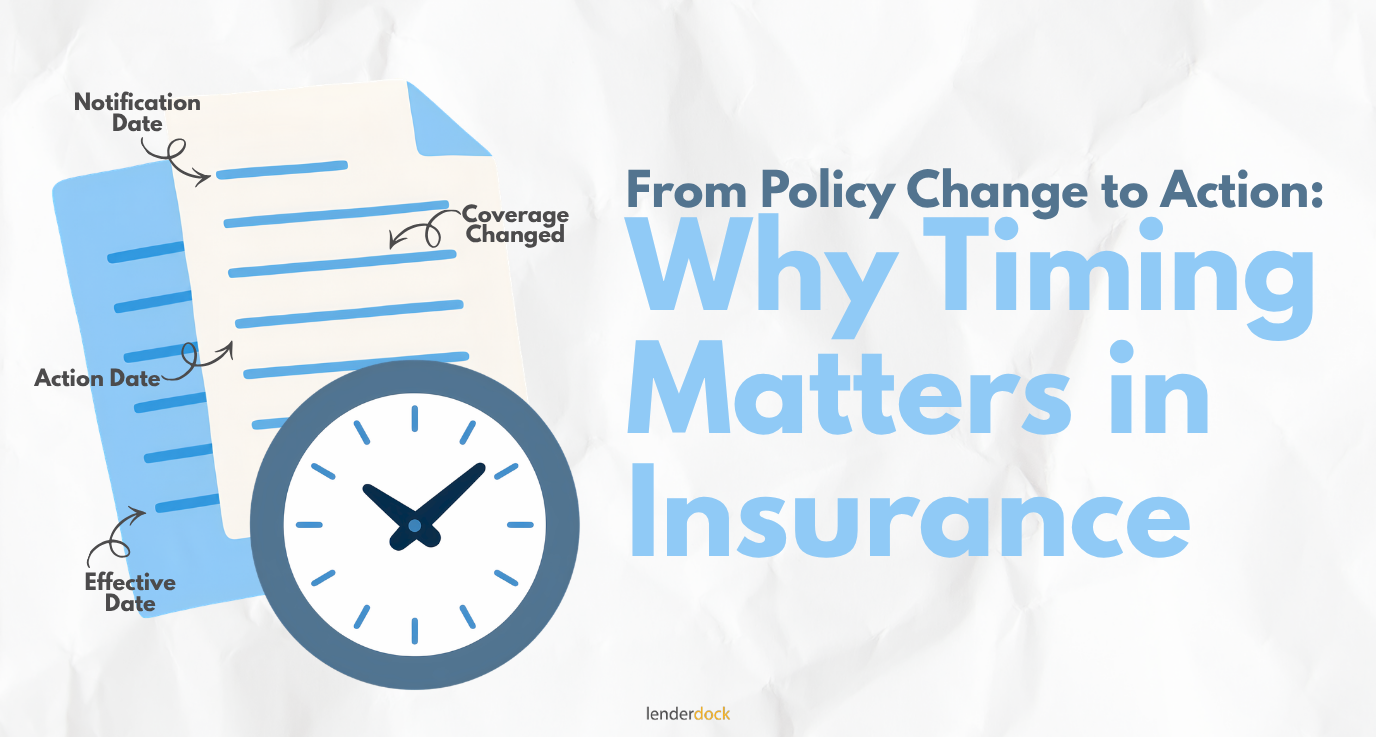
We’ve heard people in mortgage servicing use verification and tracking as if they’re interchangeable, and honestly, for a lot of daily work, treating them that way doesn’t break anything.
A two-day lag between a policy change and everyone finding out about it used to be annoying, not dangerous. Someone made a call, waited, got an answer, and moved on with their day.

We’ve heard people in mortgage servicing use verification and tracking as if they’re interchangeable, and honestly, for a lot of daily work, treating them that way doesn’t break anything.

Insurance verification is a routine part of the lending and insurance process. A lender needs to know whether a policy is active. A mortgage servicer may need to confirm coverage or mortgagee information. An insurance…

In the earliest version of insurance verification, the person answering the phone actually had to know things. They pulled a physical file, checked handwriting against a ledger, and made a judgment call about whether what…

Two insurers can each have perfectly accurate, well-maintained policy databases and still fail to exchange a single piece of usable data between them.
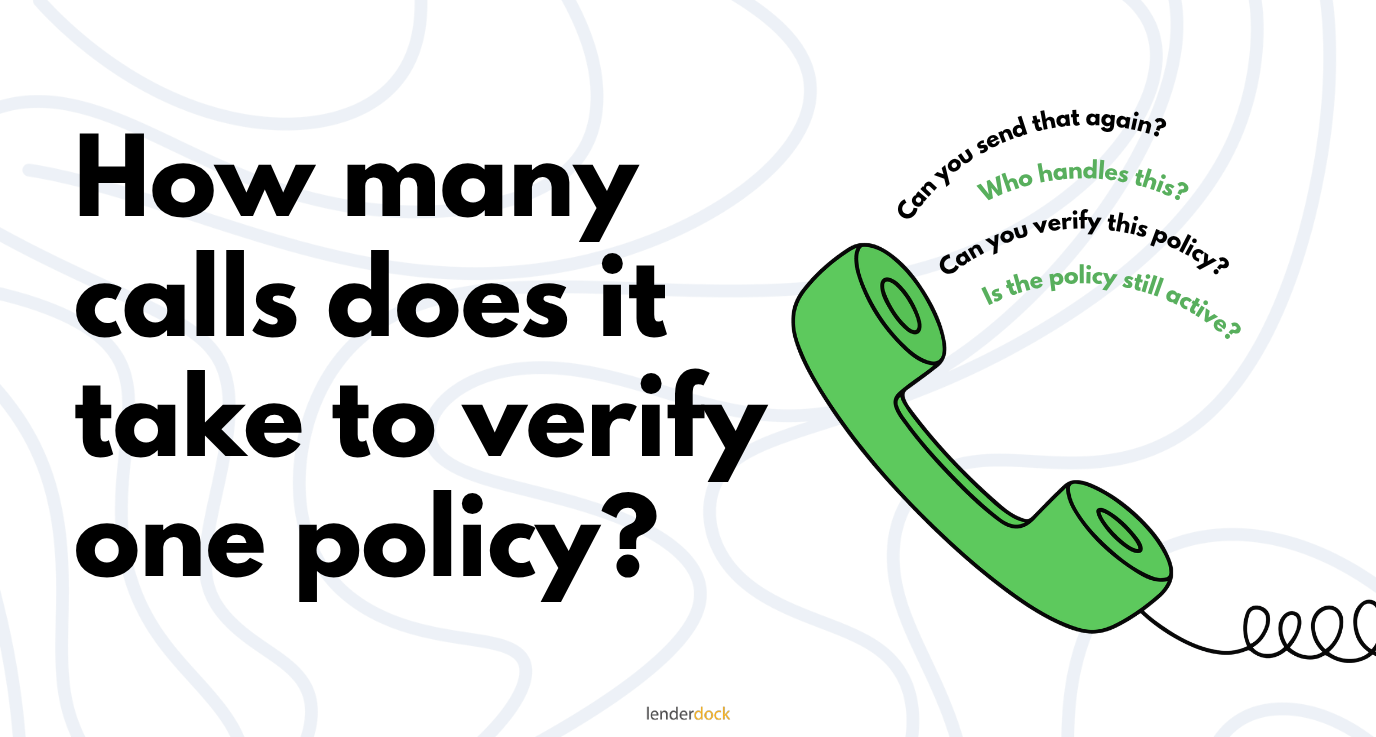
Every single day, insurance workers face a mountain of simple questions. Are they tired of answering the same questions about policy coverage all day long? Yes, they are. When banks or lenders need to check…
A title company closing a home sale needs to confirm the seller’s policy is active before the deal can move. An auto lender needs the same thing before releasing funds on a car loan. A…
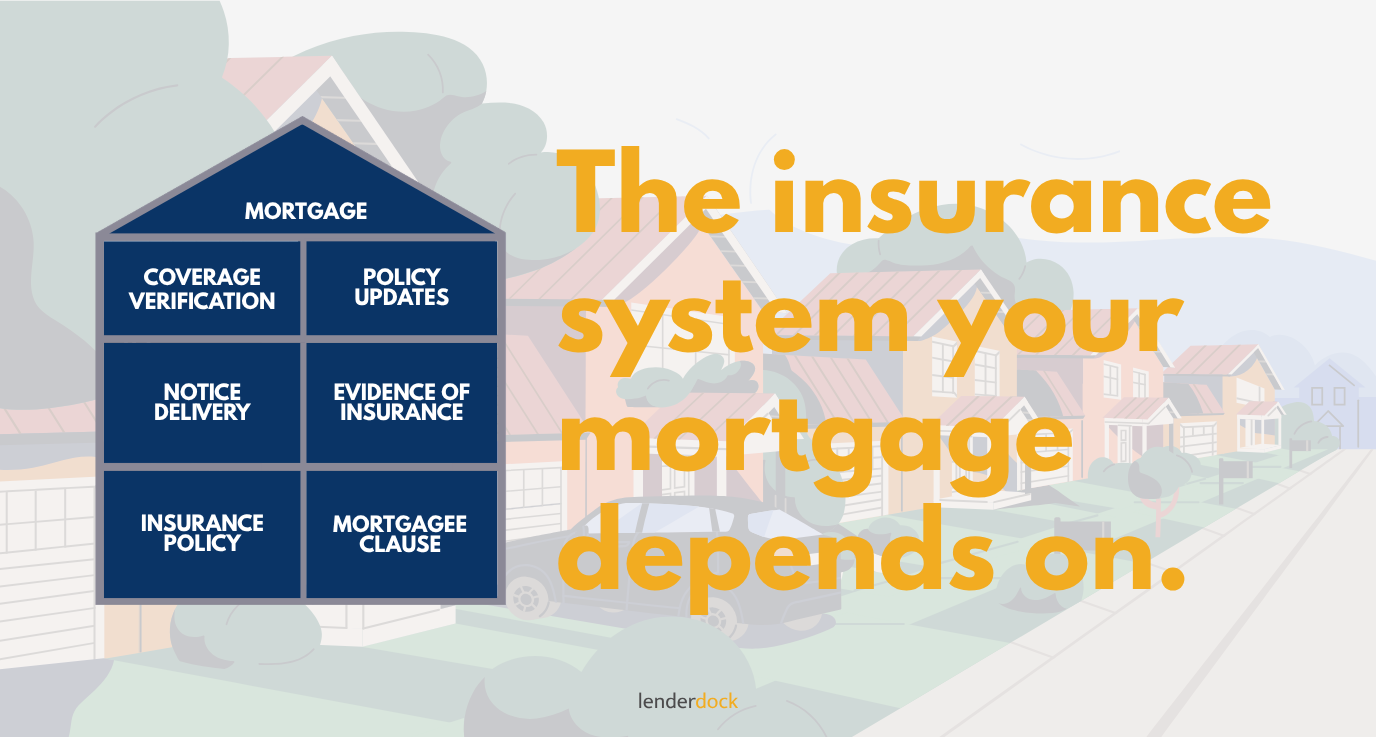
Most people who take out a mortgage never think about insurance as part of the loan itself. It feels adjacent, a separate purchase, something the lender requires but does not really participate in beyond checking…
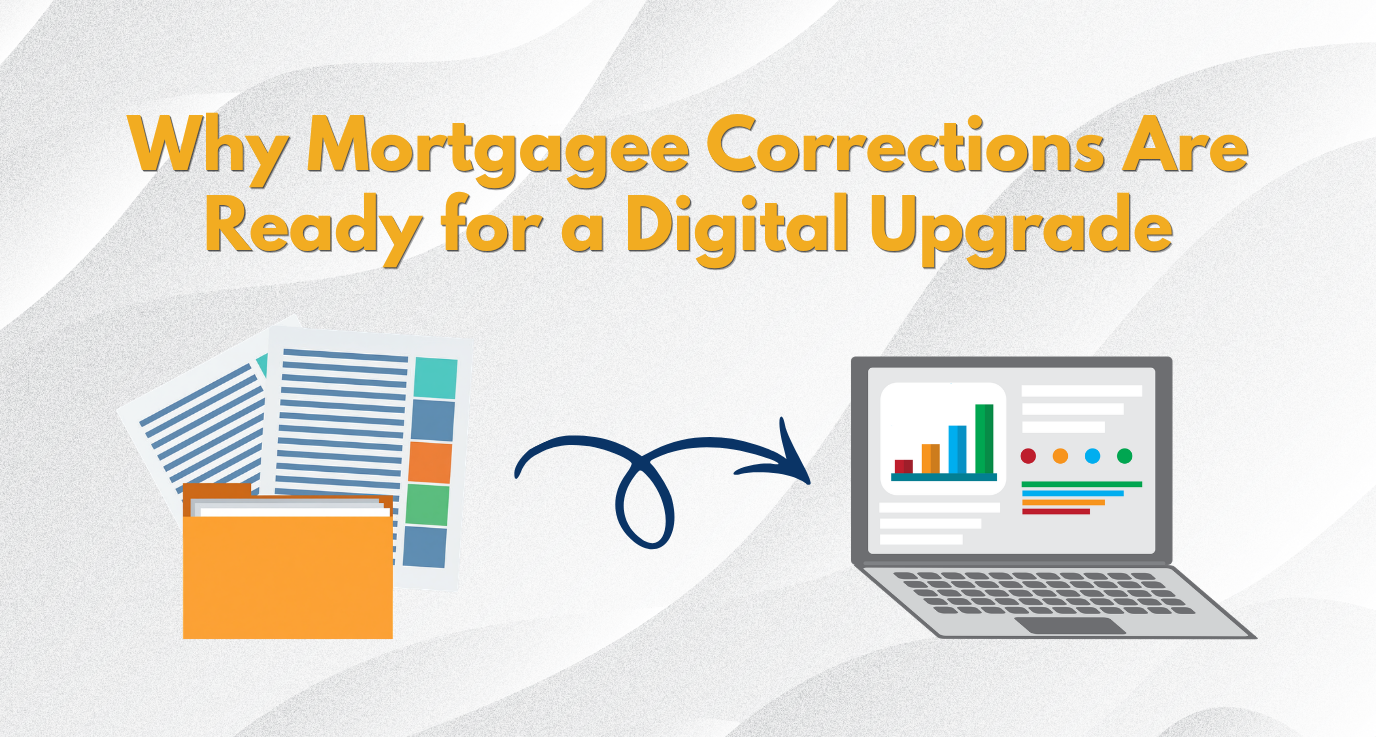
Mortgagee corrections are a routine part of insurance servicing, but the process behind them is often anything but simple. A lender may find that the mortgagee’s name or address on a policy is out of…


We consectetur adipiscing elit tempor incididunt ut labore. Wondering ipsum dolor sit amet? We consectetur adipiscing ipsum nulla glavrida elit tempor incididunt.